
Advertising disclosure: This page includes affiliate links that may earn us a commission at no additional cost to you.
A straight bar fixes your hands in one relationship to each other. Angles90 grips put a curved handle in each hand, suspended from a fabric strap, so your grip can turn during a pull. That is a useful equipment difference to understand before getting distracted by promises about joint protection or extra muscle growth. A different hand position can change how an exercise feels, but the accessory alone does not establish those bigger benefits.
The practical question is whether the grips improve an exercise you already want to perform. Look at the attachment, the space below it and the movement you can repeat. This guide explains those buying and setup decisions without claiming MMP has tested the product or treating a promotional photograph as evidence of superior results.
Separate the grip design from the muscle-growth claim
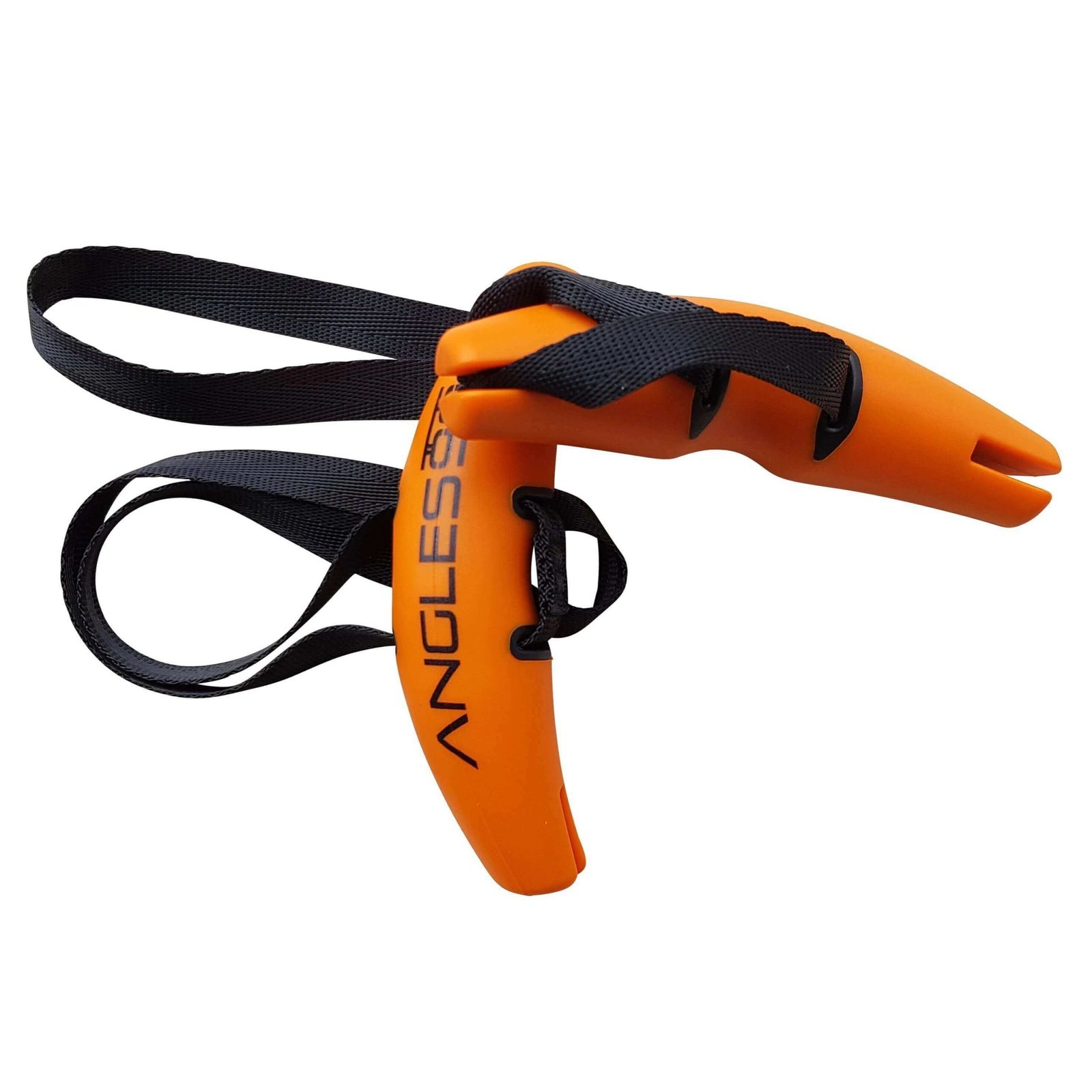
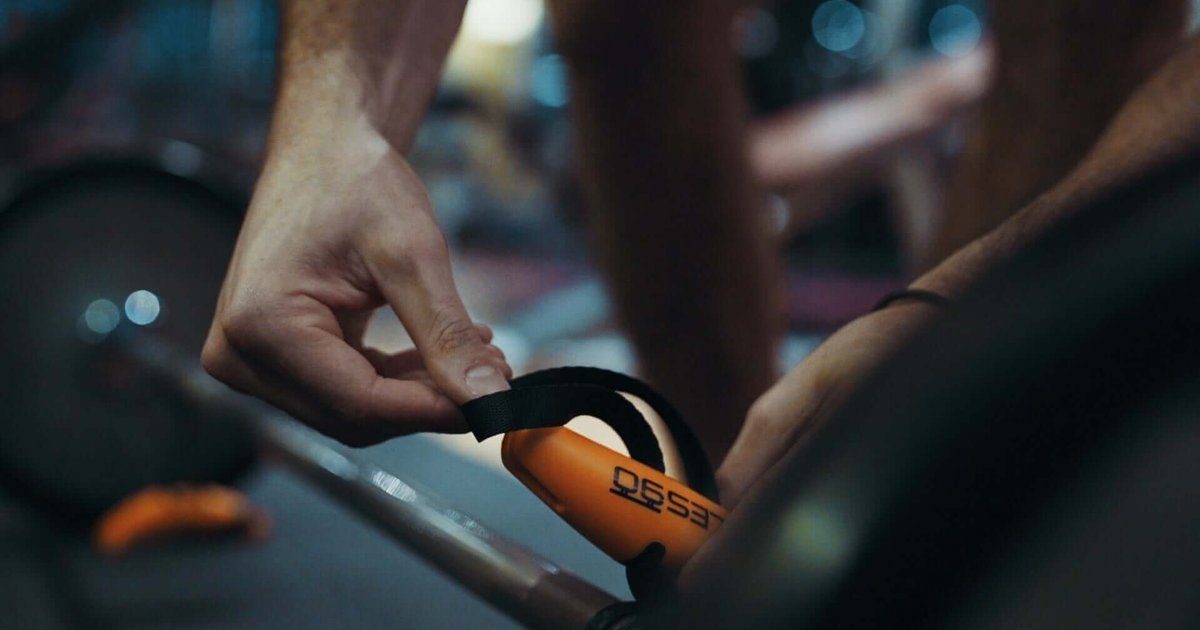
The original Angles90 set contains two curved grips with straps. Each hand holds its own handle rather than sharing a continuous straight bar. Depending on the attachment and exercise, the handles can turn as you pull. The shape also supports different hand-contact arrangements; use the documented method for the exercise rather than improvising from the shape alone.
Distinguish that freedom to turn from freedom to move anywhere. If both straps attach to a fixed bar, their attachment points still determine spacing. A cable pulling from one central point creates another arrangement. The grip does not erase the geometry of the machine, the supporting bar or the connectors above your hands.
There are also several different meanings of a rotating handle. A grip that turns with your hand is different from a thick sleeve that rolls around a bar. Increasing grip diameter is another change again. Identify the feature you actually want: adjustable hand orientation, a different contact shape, more space between the hands or a harder gripping task. Buying one does not automatically provide the others.
Marketing language about lower joint stress or greater muscle stimulus should not become a promise that the grips prevent injury or produce more growth than your current attachment. Product demonstrations show possible arrangements, not the result of a controlled comparison. If your existing handle already gives you a comfortable, repeatable movement, the new purchase needs a more specific justification than looking different.
Check the strap, supporting bar and space below
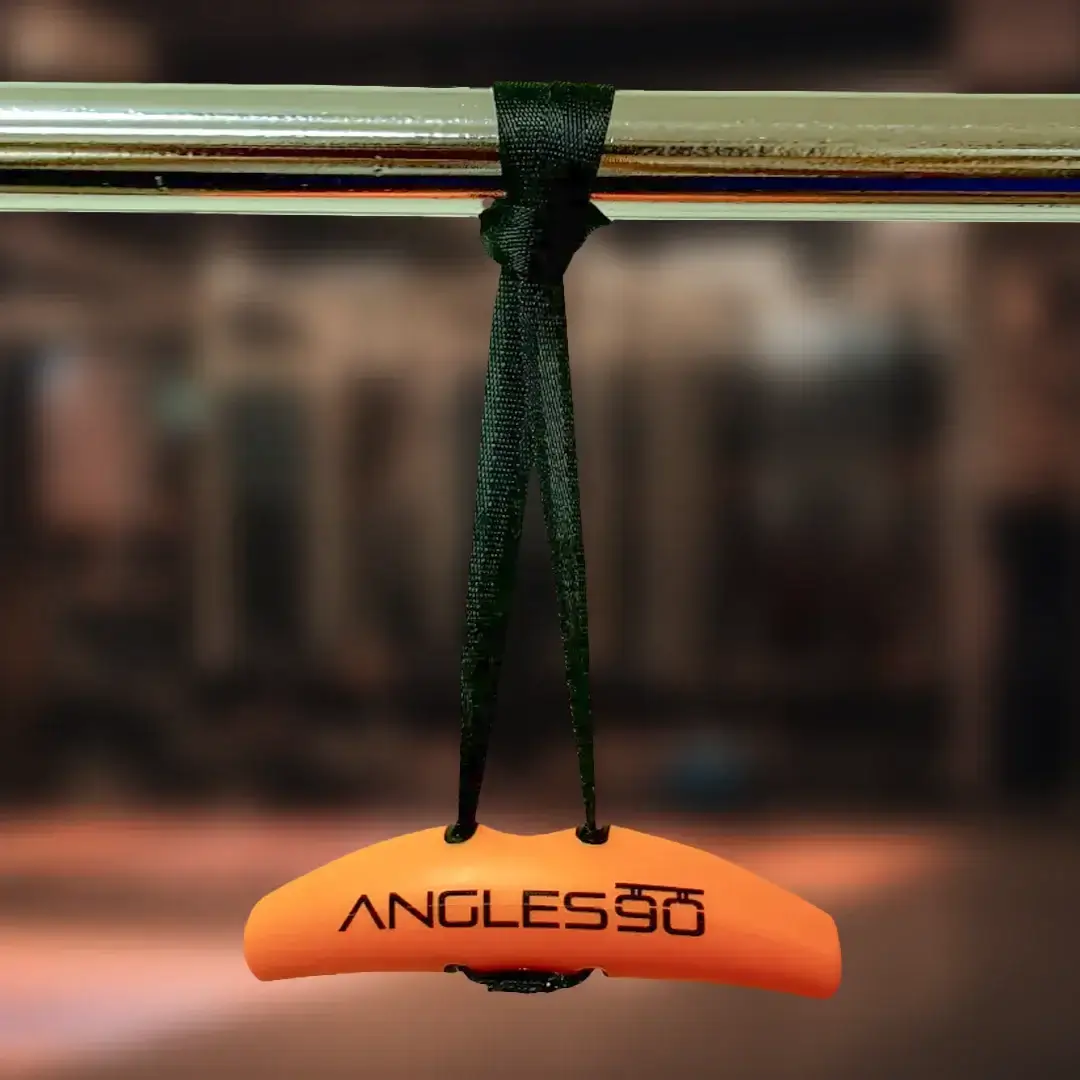
Start with the exact attachment instructions and inspect the straps before use. Check the stitching, webbing and contact surfaces, and do not load a damaged or insecure arrangement. The supporting equipment remains part of the system: adding grips does not increase the capacity of a doorway bar, rack or cable station.
The grips include side slits used in a strap-shortening arrangement. Follow the matching instructions and check both sides with the load removed. Do not assume that any knot, extra wrap or improvised connector is equivalent. Once attached, compare the height of the two handgrips rather than merely checking that the loose straps look similar.
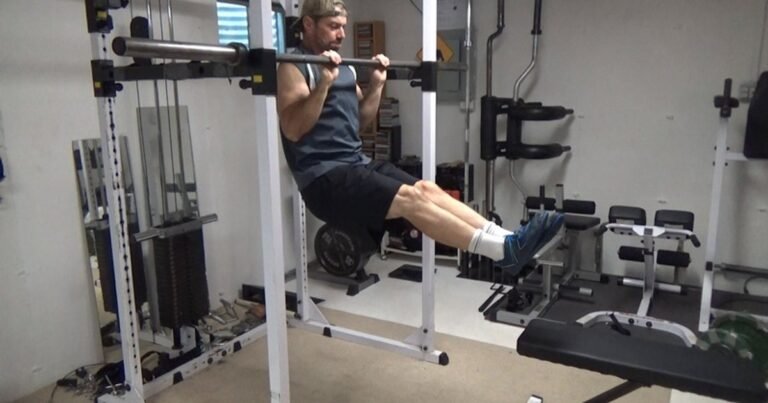
Hanging length matters immediately for pull-ups. Your hands sit below the supporting bar, which changes the space available for your body and feet. Establish a controlled way to mount and dismount, and check the movement before adding weight. If the available height no longer permits the pull-up you intended, that is a fit problem rather than something to solve by swinging through the bottom.
Hook-on handles approach the same purchasing decision differently. Our original Swissies bar-fit guide explains why the supporting bar and exact model matter. Compare connection method and the resulting hand position together. A successful setup with one accessory does not establish compatibility with another.
Make pulldown range repeatable before adding weight
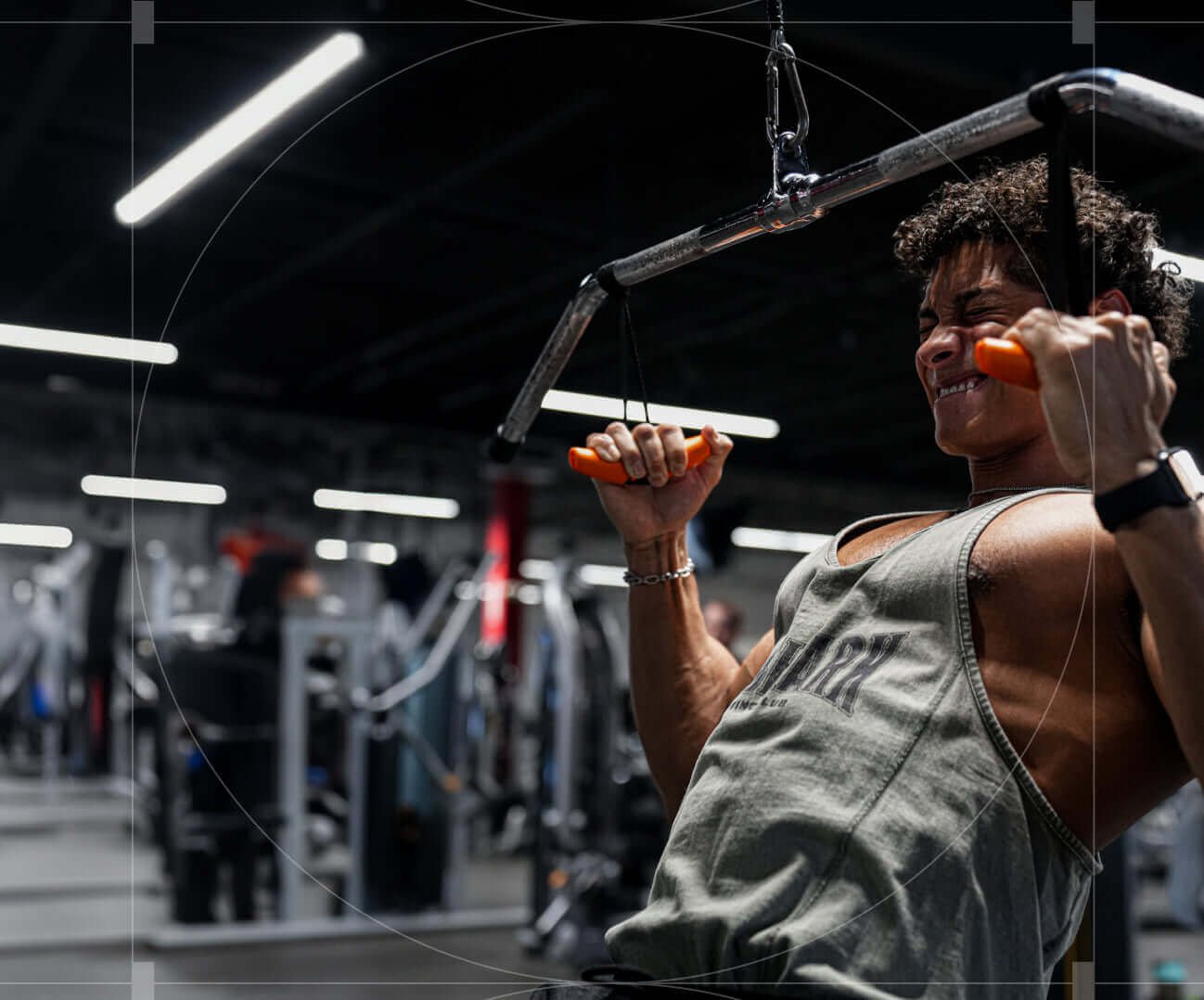
At a pulldown station, inspect the whole path from cable to hands. A bar, connector and two hanging grips can use more vertical space than a compact attachment. Check the starting reach, the finish and whether the moving parts approach the pulley housing. Make adjustments with the load removed and follow the station’s intended attachment method.
Set the seat and thigh support so you can control the pull without repeatedly lifting yourself out of position. Start with a manageable load and guide the resistance toward the upper chest through a repeatable path. Let the return happen under control. A handle that turns does not require you to exaggerate wrist rotation or force every repetition into a prescribed finishing angle.
Watch what changes when fatigue arrives. If the torso leans farther back on each repetition, the comparison with the opening reps becomes less useful. The same applies if you shorten the return simply to keep a heavier stack moving. Record the attachment arrangement alongside the load, because changing the hanging length can change your starting position even when the weight stays the same.
When comparing accessories, separate independent grips, fixed bars and ropes or cuffs. They offer different contact points and attachment lengths, and they are not interchangeable solutions for every exercise. The equipment options below are a shortlist to compare against your actual pulling and cable work, rather than a list of parts guaranteed to fit together.

Equipment Worth Exploring
Explore equipment, accessories and gear from our carefully selected range.

Angles 90 Grips
Flexible grip attachments that allow natural wrist movement during pulling exercises.
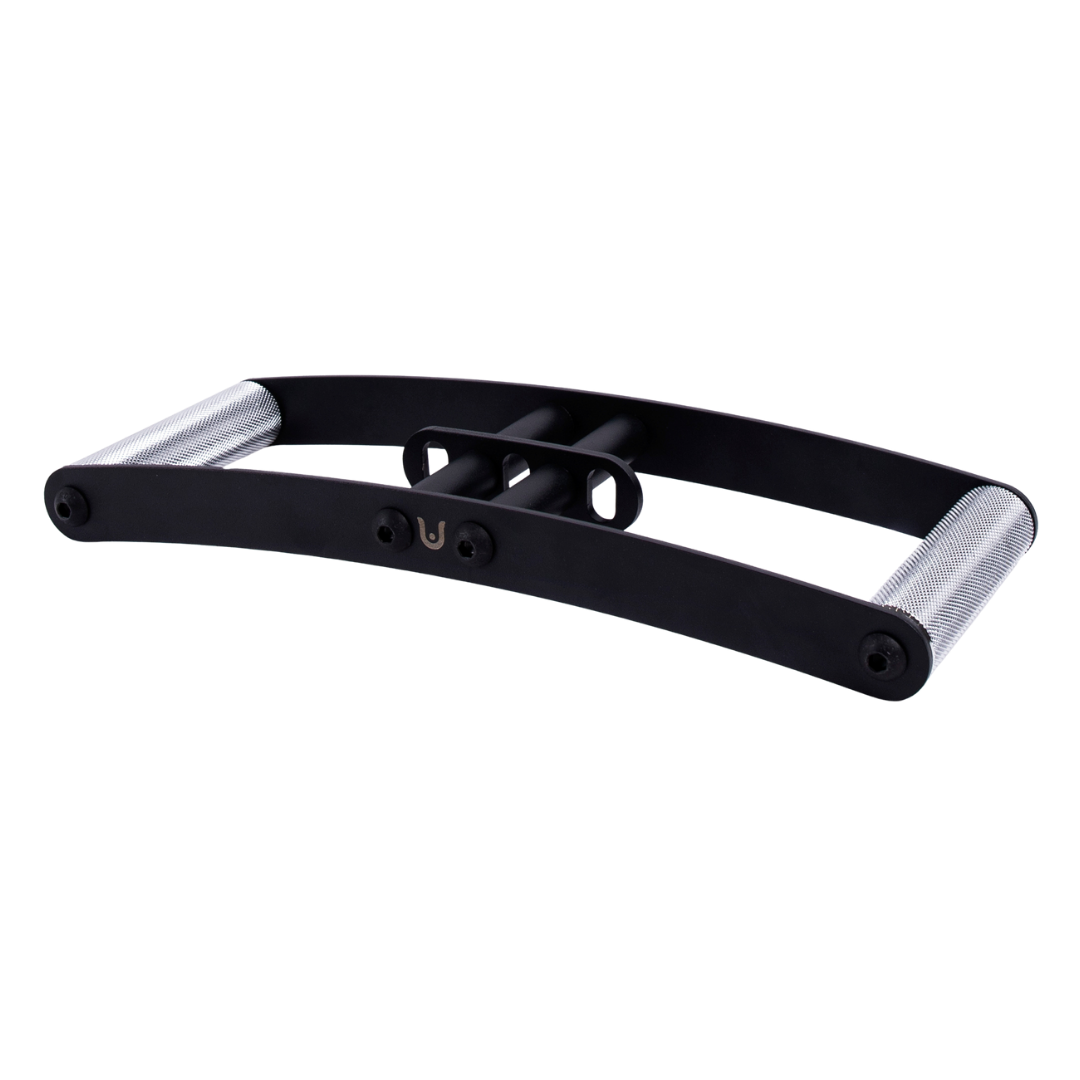
Horizon Grip
Ergonomic V-style cable grip for rows and back training.
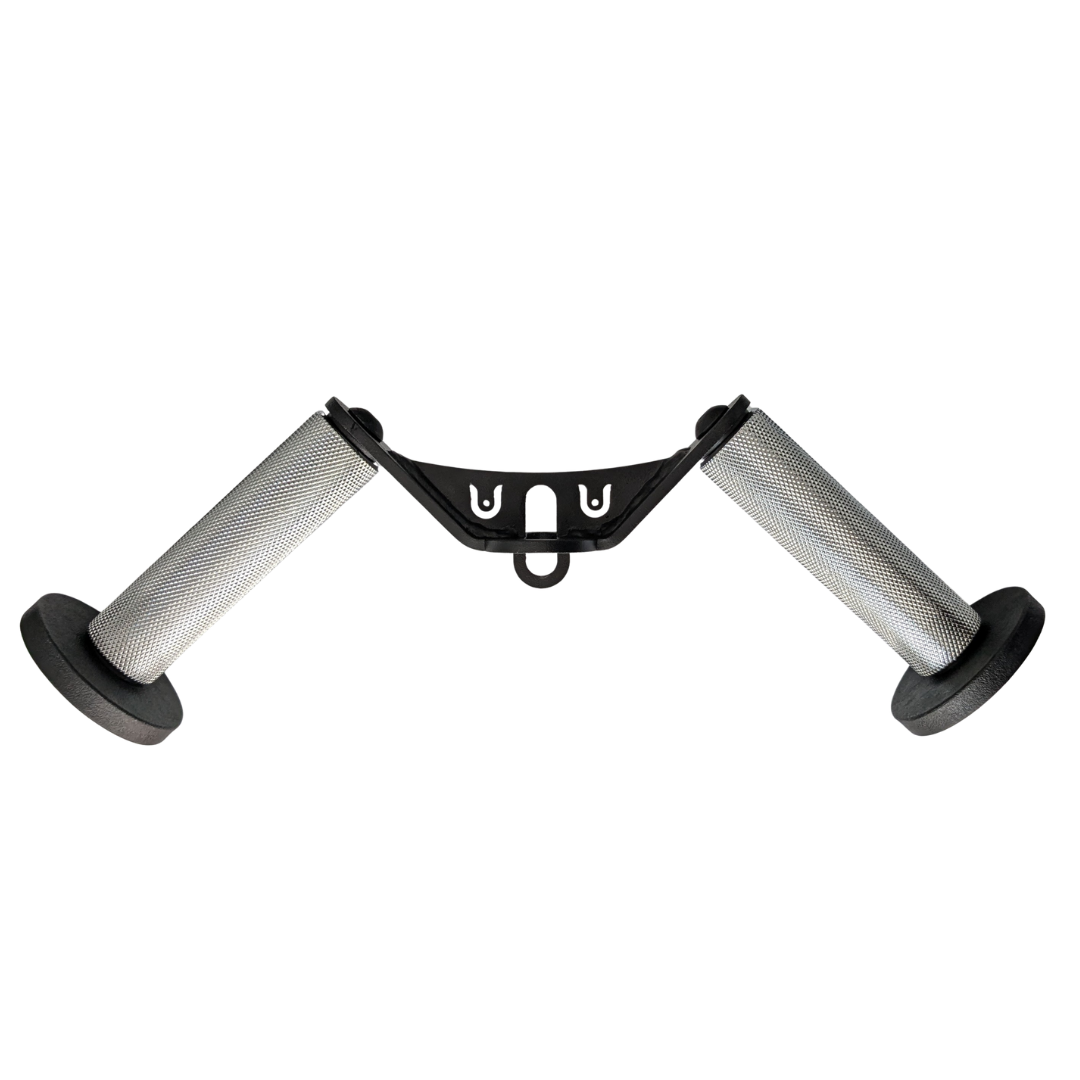
W Grip
Angled cable grip for comfortable rows, pushdowns, and curls.
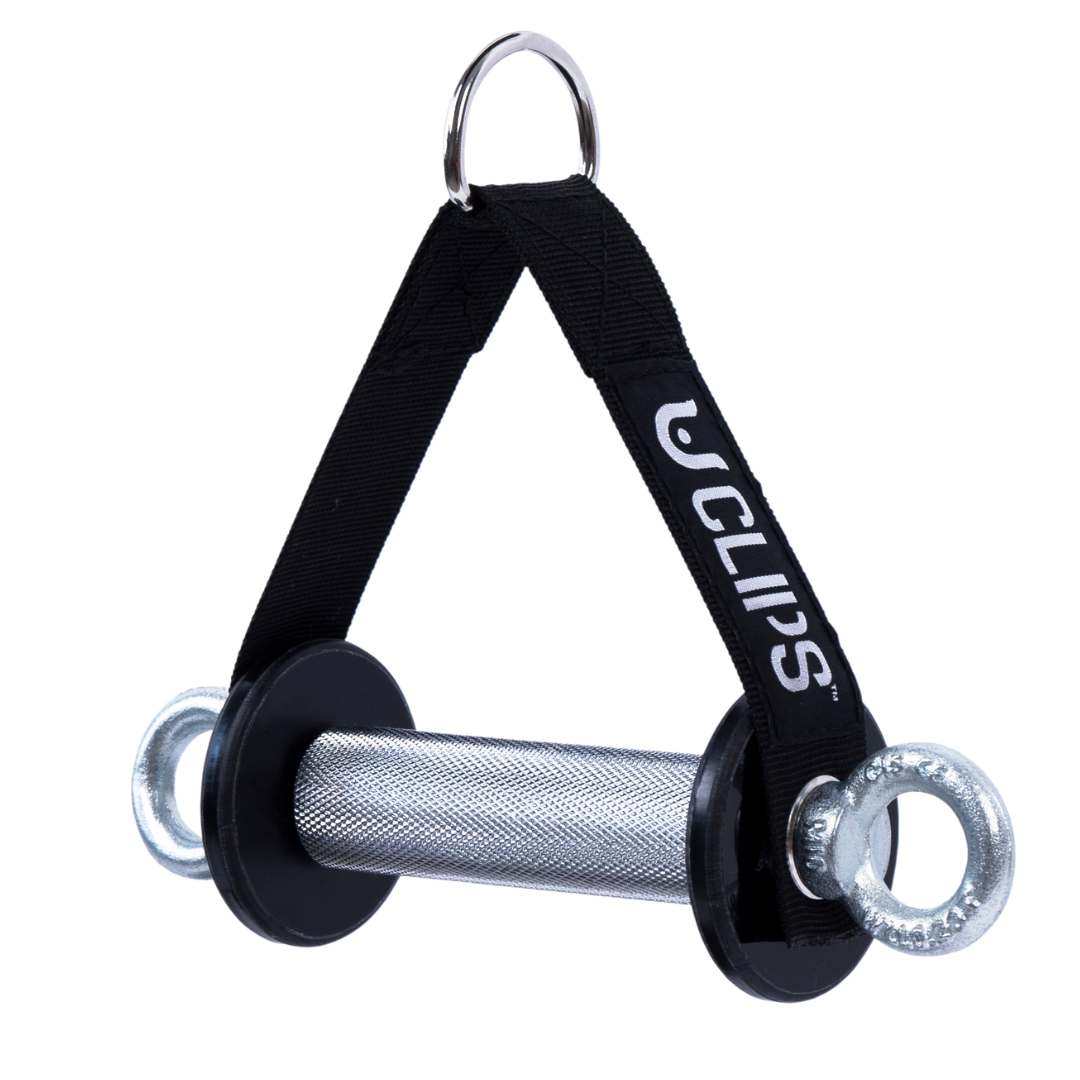
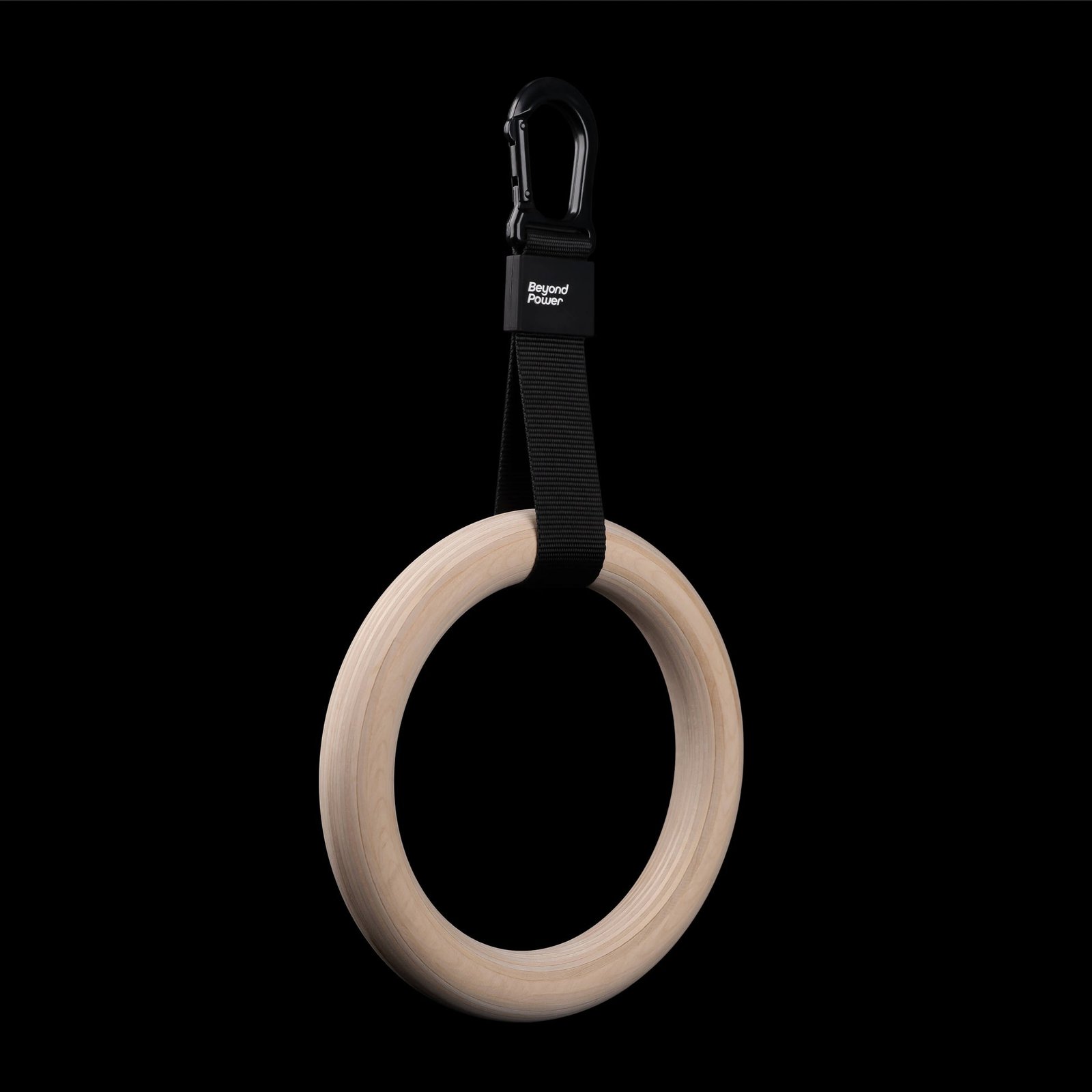
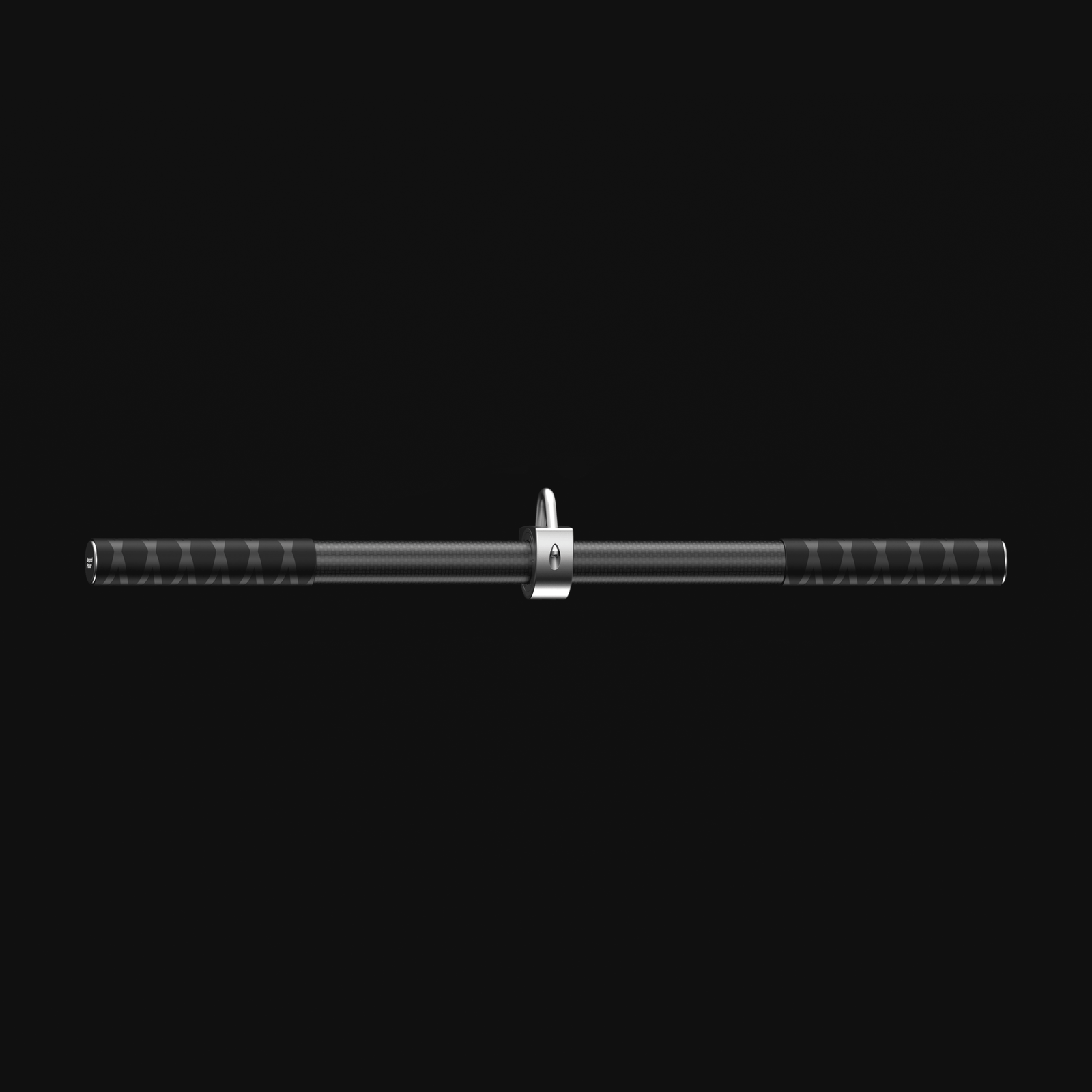

GymPin D Handle Bar
Multi-use steel D-handle bar for cable rows, pulldowns and other cable exercises.

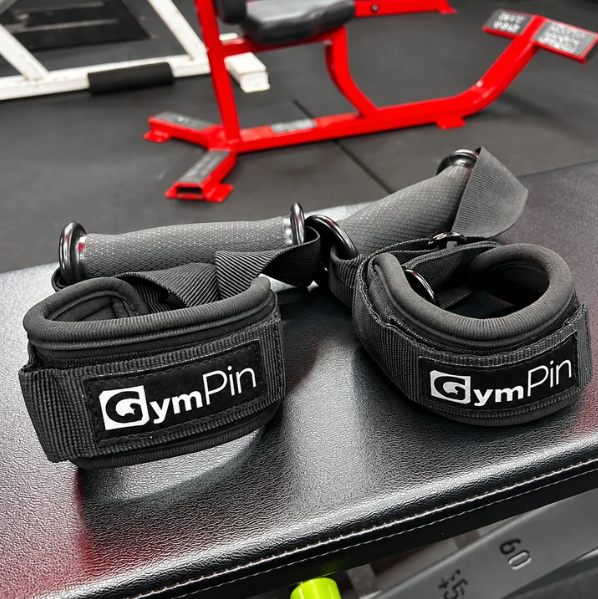
GymPin D Cuffs
Adjustable wrist cuffs with textured grips for supported cable-machine exercises.

GymPin Ergo Handles
Pair of ergonomic cable handles shaped for comfortable triceps and pulling exercises.
Use rows to assess the complete attachment
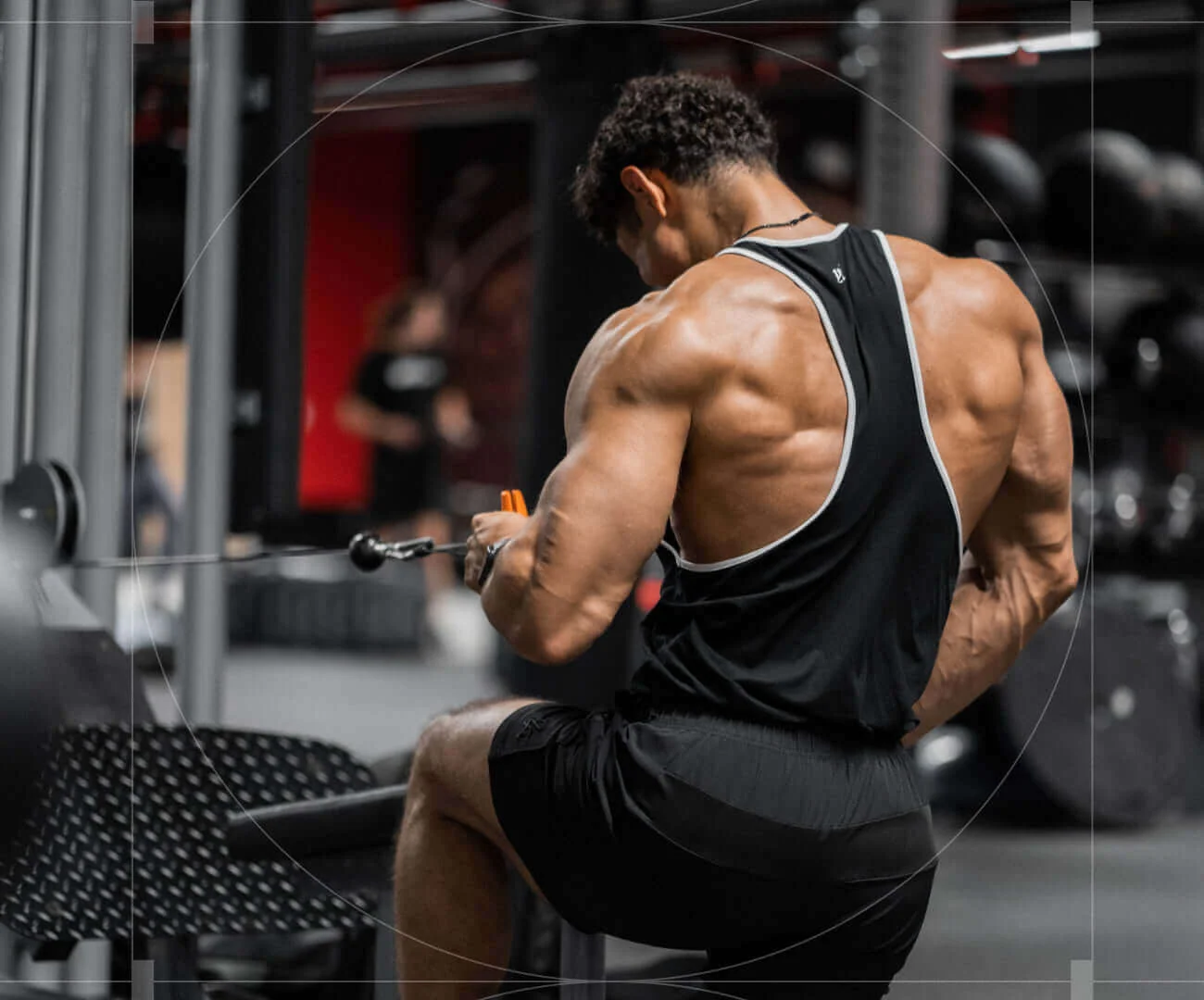
A seated cable row makes attachment length easy to notice. A long assembly can bring the handles toward your body before the machine has used the travel you expected. A different starting distance can also change where you feel tension. Establish a position that permits a smooth pull and return without contact between the hardware, seat or frame.
Choose a torso position you can maintain and pull the hands toward a consistent destination. Avoid turning the finish into a large backward lean. During the return, keep control rather than allowing the weight to pull you abruptly forward. If you change grip orientation between sessions, write that down instead of treating every row variation as the same exercise.
A fixed bar with separate handle mounts adds another decision: where each grip attaches. Our GymPin D-Handle Bar setup guide covers spacing and the complete connection path. That is useful context when comparing a mounting platform with the grips suspended from it. Confirm the exact fittings instead of assuming that two compatible-looking products form a verified combination.
For a fair comparison with your existing row handle, keep the machine, seat position, load and intended movement consistent. Change one attachment variable at a time. The useful outcome might be a hand position you prefer or a setup that is easier to repeat; it does not have to be an immediate increase in the stack weight.
Keep the grips only if they earn their place
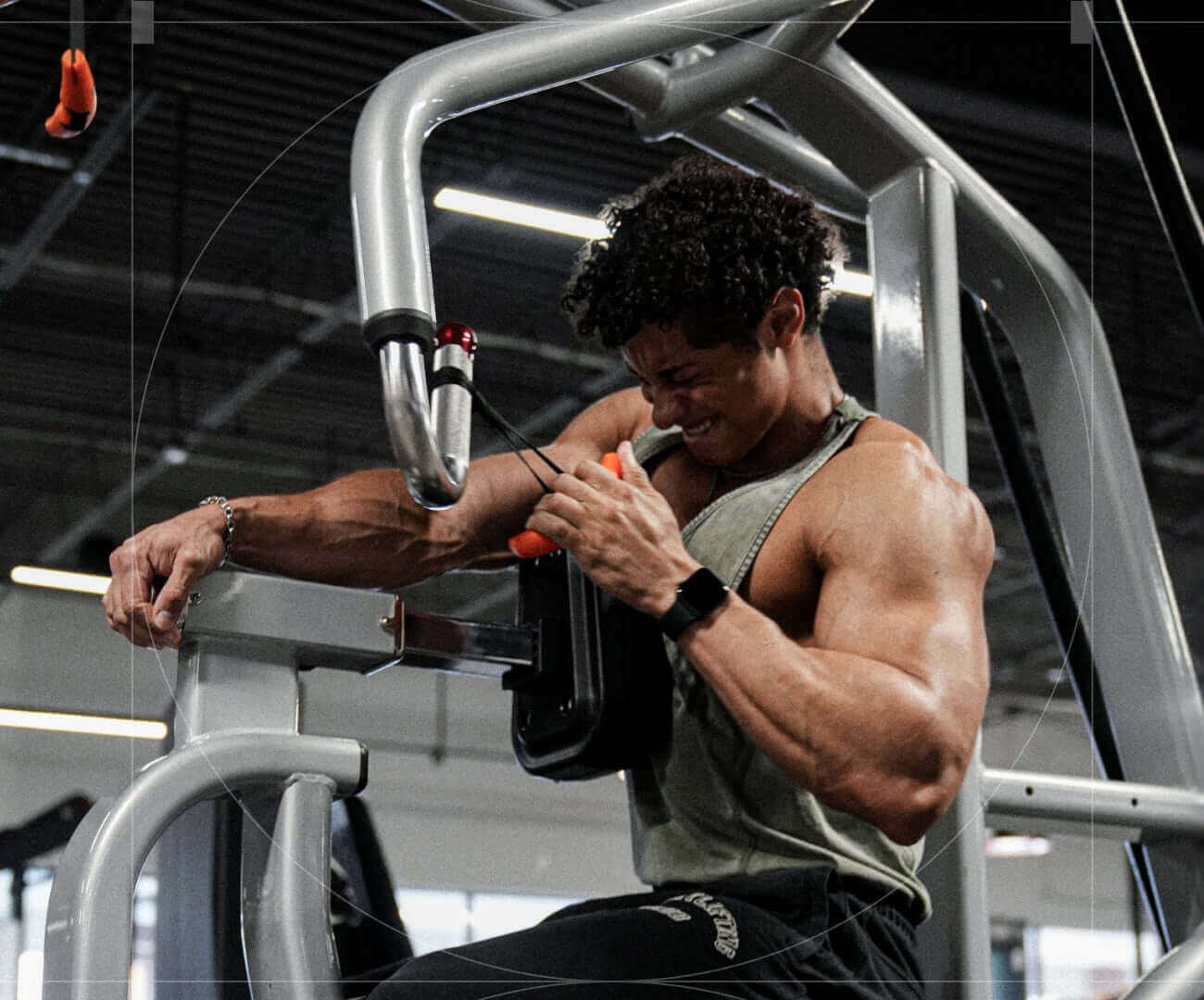
Try the accessory on a small number of familiar exercises before rebuilding your whole program around it. Use an initial light set to establish the connection and movement, then choose a working load you can control. This is a practical comparison, not a product-testing protocol or a claim that the grips require a special training split.
Log the exercise, attachment height, strap arrangement, hand spacing, load and repetitions. Note anything that interrupted the set: awkward reach, hardware contact, excessive setup time or difficulty keeping both grips at equal height. Those details help distinguish a useful accessory from one that merely makes every workout different.
The same principle applies if you explore another demonstrated movement, such as a curl. A photograph confirms an example of use; it does not establish the correct connection for your machine or a superior exercise for your arms. Check the instructions and judge the complete movement you can actually perform. Stop a setup that causes pain rather than assuming a freely turning grip guarantees comfort.
Angles90 makes the most sense when you want separate curved grips, have a suitable attachment and can preserve enough working space. It is less compelling when your current handle already does the job or the added hanging length creates a new problem. Choose the interface you can use consistently, then let controlled training over time provide the progression.

Bodybuilding Shirts & Workout Gear
Bodybuilding shirts, tanks and gym gear for lifters chasing muscle, size, symmetry and the pump.


Always Pull Yourself Up Hoodie
Make your off-duty look more fun with “Always Pull Yourself Up”.

Gym Dost Thou Even Pull Medieval Knight Back Day Muscle Tank Top
Bring “Dost Thou Even Pull Medieval Knight Back” humor to your next lifting session.

Strong Back Bodybuilder Tee
Show some lifting attitude with a playful “Strong Back Bodybuilder” tee.

Wide Privilege – Wide Back Meme Decal for Water Bottles Sticker
A fun “Wide Privilege” touch for bottles, laptops, and lockers.


Shirt Pull Day – Back & Biceps Meme Top T-Shirt
Heavy lifts, good laughs, and a little “Pull Day Graphic” energy.





One Comment