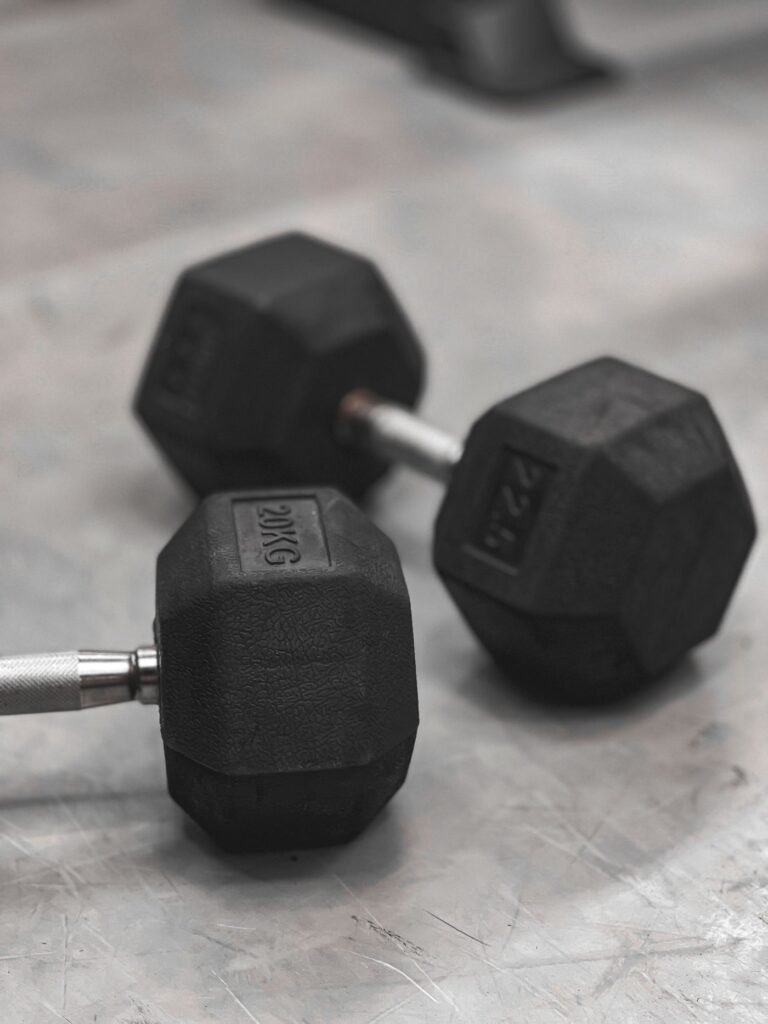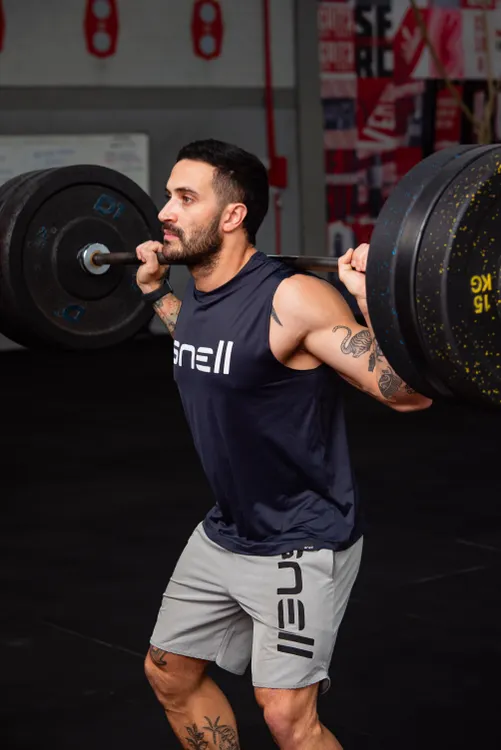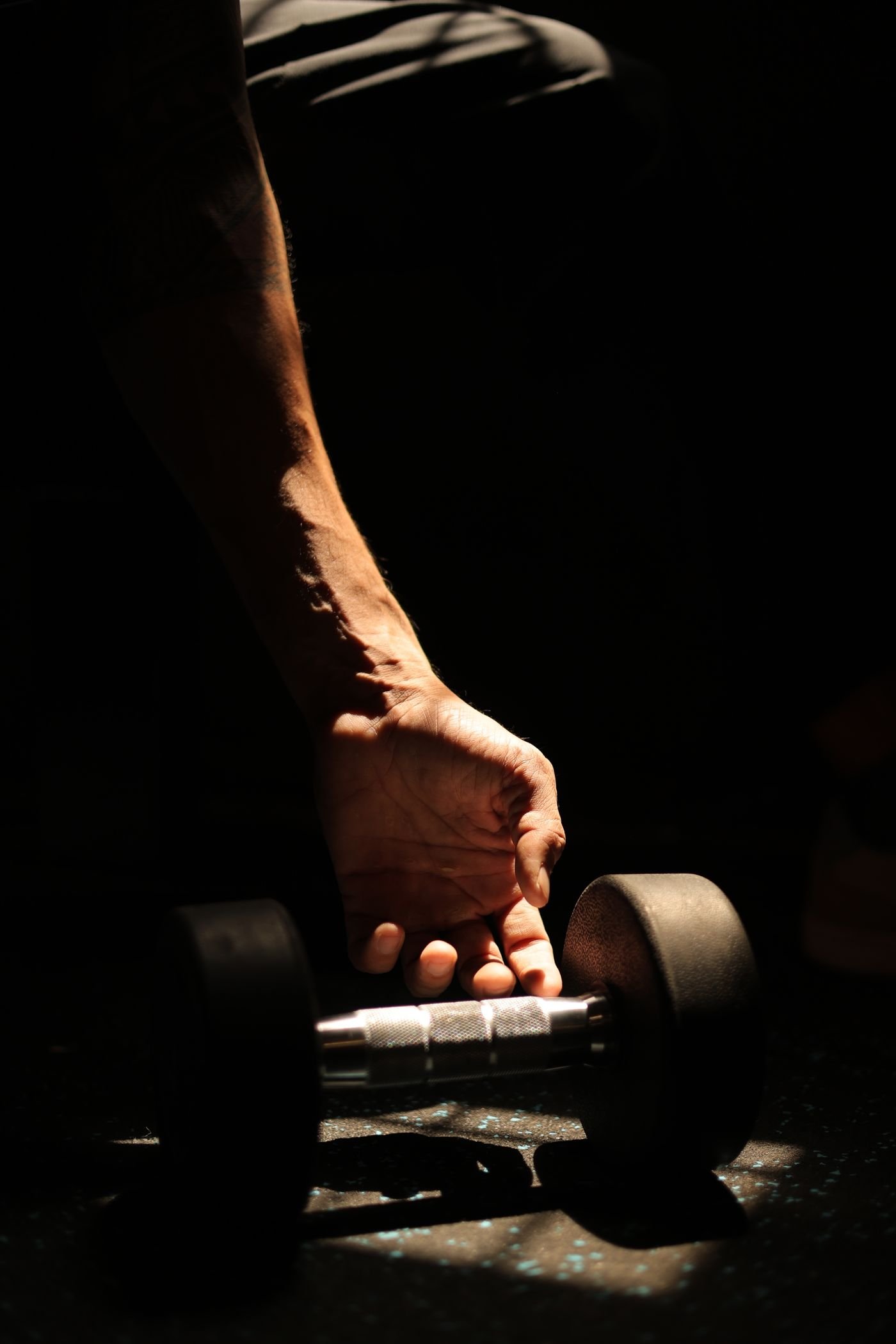
A deadlift can be moving well through the legs and back when the fingers start to peel open. The temptation is to call the whole lift a strength problem, even though the hands may simply be the first link to fatigue. A better solution is to separate two goals: training the grip to become stronger and allowing the larger pulling muscles to receive enough work.
Those goals sometimes require different tools. Bare-handed holds, carries and thick-handle work give the hands a reason to adapt. Lifting straps can remove an unwanted bottleneck on hard pulling sets. Neither approach is automatically superior; the right choice depends on what you are trying to improve during that particular set.
1. Why your hands can fail before your deadlift muscles
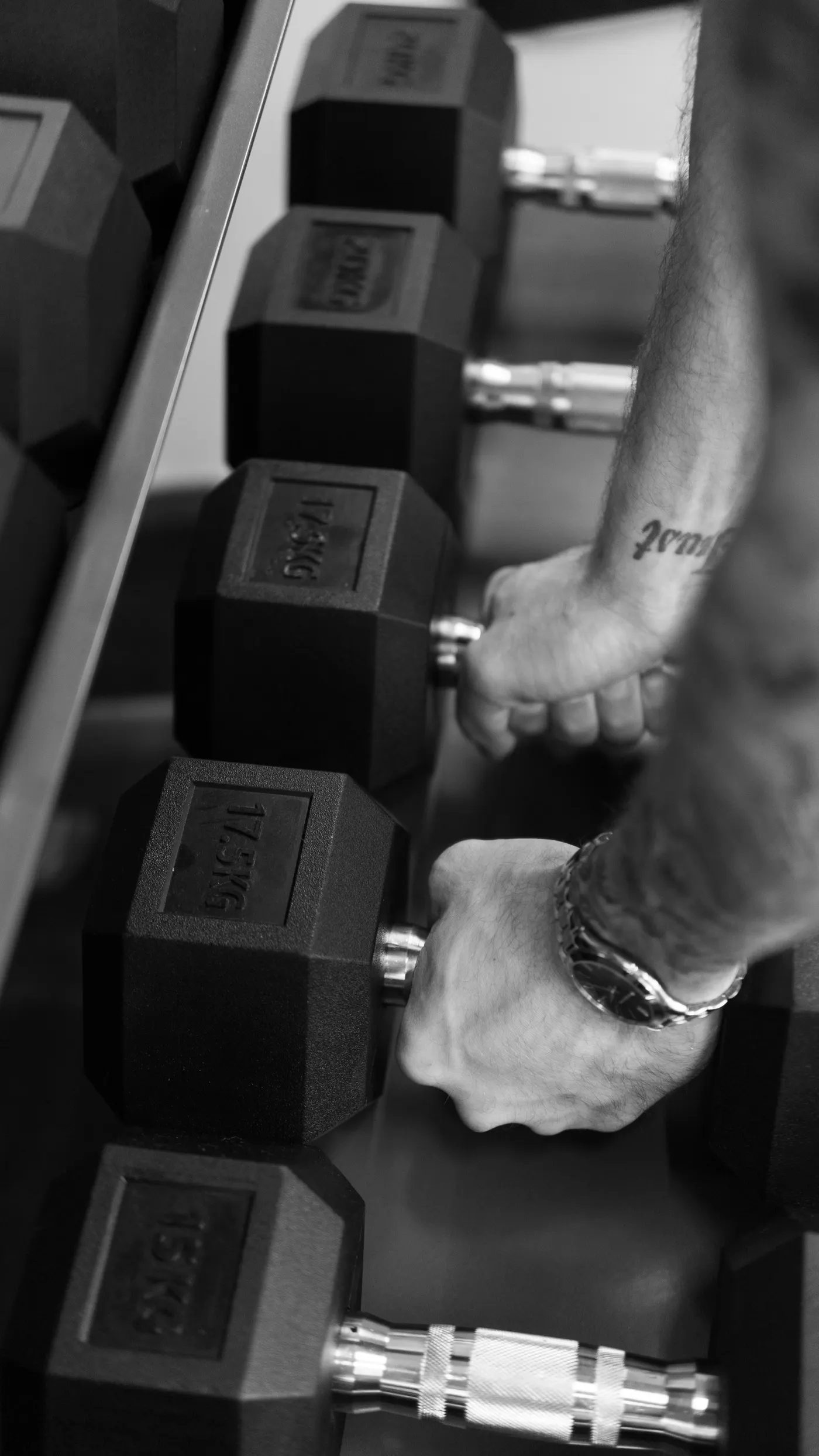
In a deadlift, your fingers must keep a heavy bar from rolling out while the hips and knees extend. The forearm flexors work hard to maintain that closed-hand position, even though they are not the prime movers lifting the bar from the floor. A stronger back does not guarantee that the small muscles controlling the fingers can hold every load for the same duration.
The limiting factor also changes with the task. A heavy single challenges the security of the bar in your hands. A set of eight Romanian deadlifts tests grip endurance over a longer period. Long rows and pull-ups may exhaust the forearms even when the target back muscles could perform more repetitions. A wide or slippery handle can make the same weight feel much harder to retain.
Before blaming grip strength, check ordinary setup errors. Keep the bar close, position it low in the fingers rather than deep in the palm, and squeeze firmly before it leaves the floor. Excessive bar rolling creates extra skin friction and can tear calluses. Chalk may help where the gym permits it, but it cannot replace the capacity to hold a load.
Record what actually ends the set. If your legs stop driving or spinal position deteriorates, grip is not the only problem. If your fingers open while your body still has plenty of pulling capacity, you have identified a specific bottleneck that can be trained or temporarily bypassed.
2. Support, crush and pinch grip are different jobs
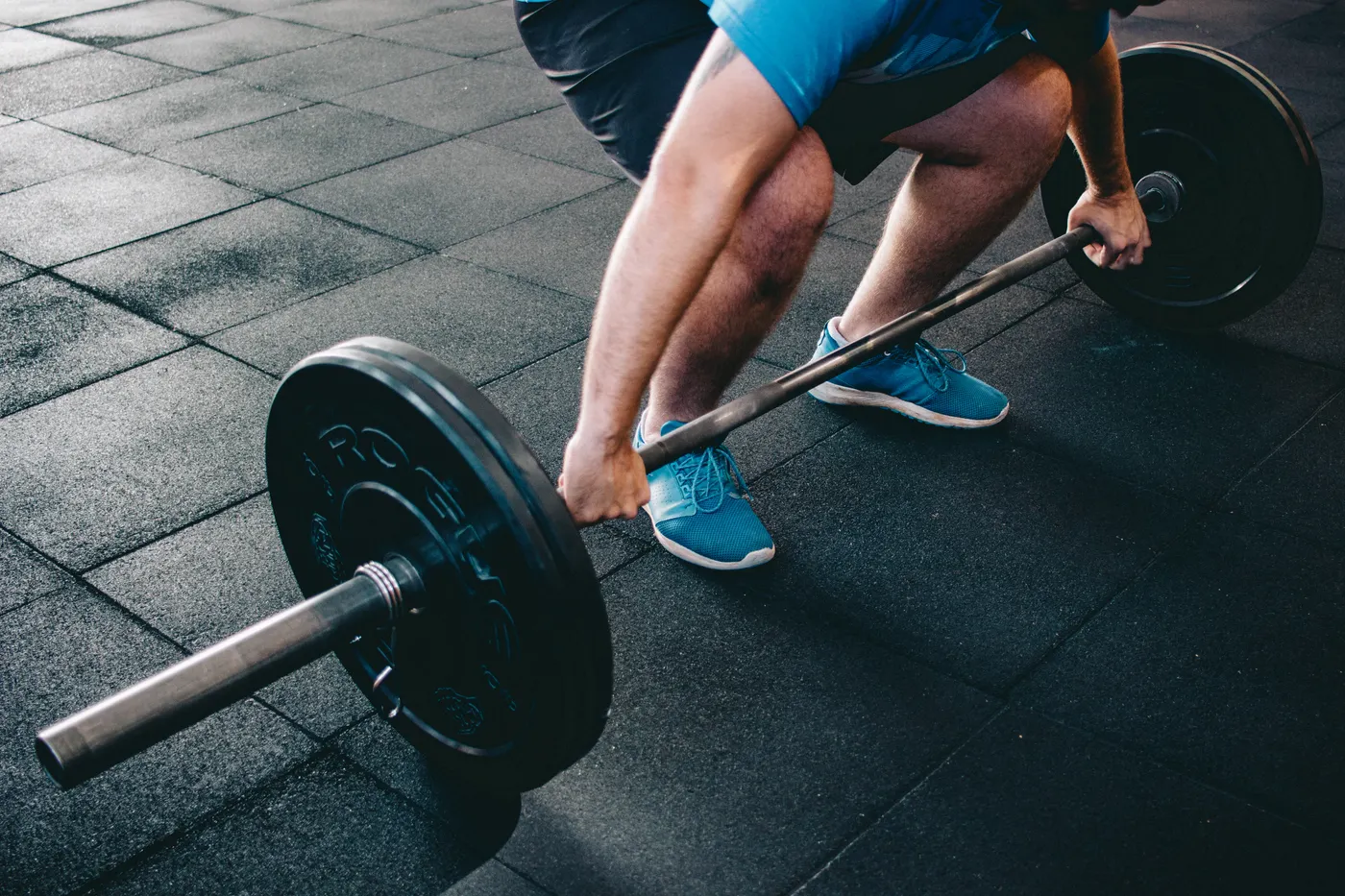
Support grip is the ability to keep hold of an object against gravity. Deadlifts, loaded carries, pull-up hangs and heavy rows all demand it. For a lifter whose bar slips during pulls, this is the most directly relevant quality. Training support grip means spending time holding challenging loads with consistent technique, not merely squeezing a hand gripper between sets.
Crush grip describes closing the fingers powerfully around an object. Grippers, firm ball squeezes and some thick-handle drills emphasize this action. It contributes to secure bar control, but a high gripper score does not guarantee an equally impressive timed hang or double-overhand deadlift. The strength is related, not identical.
Pinch grip relies heavily on the thumb opposing the fingers. Holding two smooth plates together, gripping the edge of a small plate or carrying a pinch block targets this demand. Start light because a smooth object can fall without warning. Keep toes clear and perform pinch holds over a safe surface.
The extensors on the back of the forearm also deserve attention. Opening the fingers against a light elastic band is not a replacement for heavy holding, but it provides a different movement from constant squeezing. Forearm muscles move the wrist as well as the fingers, so pain-free wrist flexion, extension and rotation may be useful accessories.
There is encouraging evidence that targeted hand-strength training can improve grip strength, but published trials vary in methods, ages and outcomes. A 2025 review of 22 randomized trials involving 1,017 participants reported a modest average improvement in grip strength, while noting low overall certainty and inconsistent pinch-strength findings. That supports training the quality you need and tracking your own response rather than assuming one drill develops every kind of grip.

Equipment Worth Exploring
Explore equipment, accessories and gear from our carefully selected range.


Leather Wrist Grips
Padded leather lifting grips help support the hands and wrists on heavy pulling exercises.

Leather Lifting Straps
Padded leather straps support grip during heavy rows, deadlifts and pulling exercises.

Angles 90 Grips
Flexible grip attachments that allow natural wrist movement during pulling exercises.


Power Tower
Freestanding pull-up and dip station with adjustable handles for bodyweight training.

3. Double-overhand, mixed and hook grip: what changes?
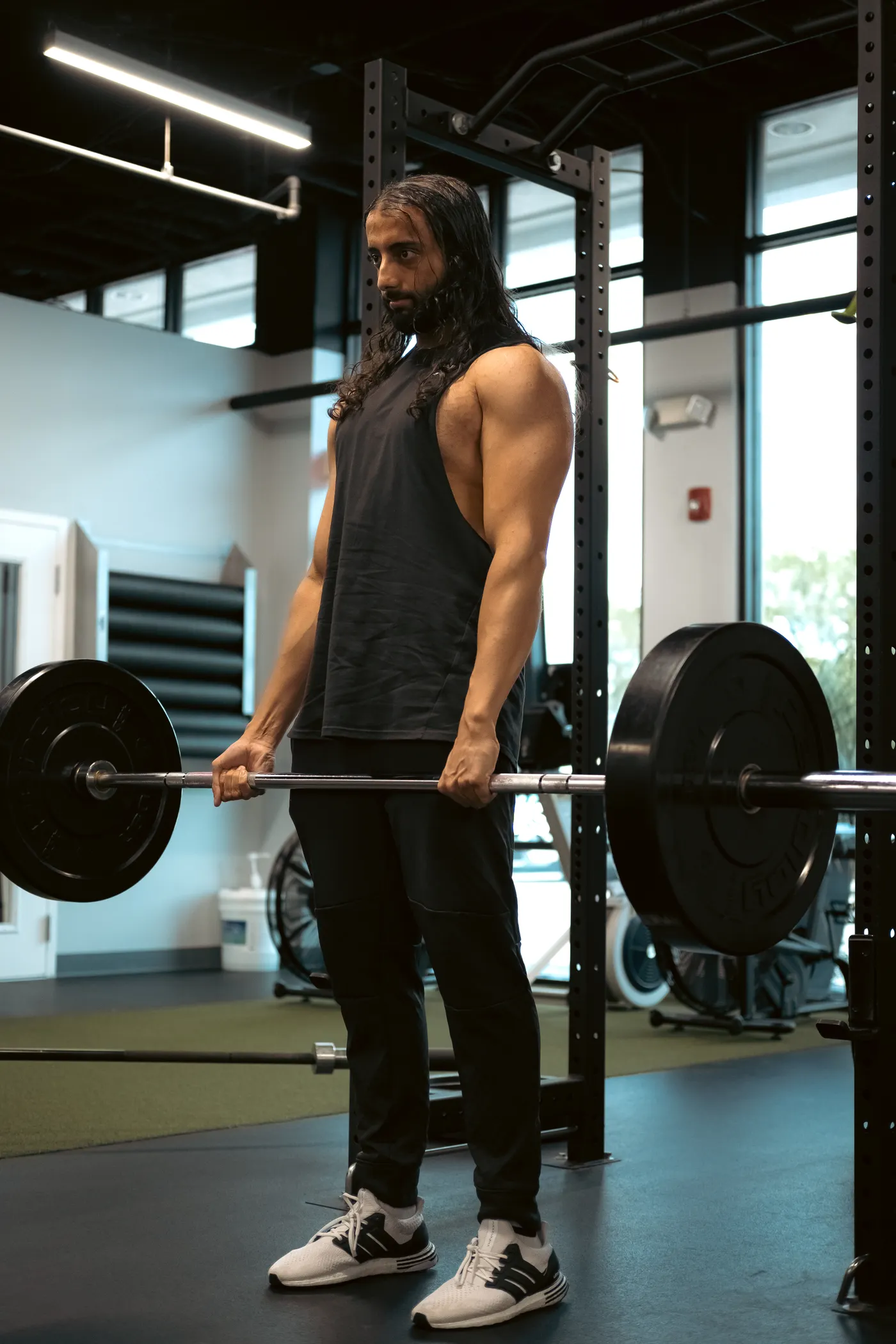
A double-overhand grip puts both palms toward the body. It is simple, symmetrical and useful for warm-ups, rows and many working sets. As the load rises, the bar may roll toward the fingertips. Keep double-overhand work in the program when you want a measurable grip challenge, but do not turn every heavy pull into a failed hand-strength test.
A mixed grip turns one palm forward and the other back. The opposing directions can reduce the bar’s tendency to rotate, making a heavy deadlift feel more secure. The tradeoff is asymmetry: the arms and shoulders are not in identical positions, and the supinated arm deserves particular care. Keep both elbows straight, do not jerk the bar off the floor, and consider alternating sides across training if the grip is comfortable.
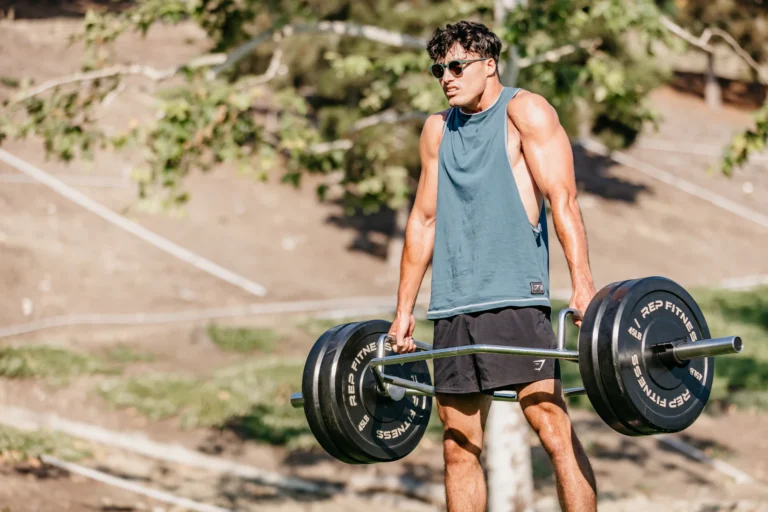
A hook grip traps the thumb beneath the first fingers. It is common in weightlifting and sometimes used for heavy deadlifts because it creates a secure hold without the same palm asymmetry. It can be uncomfortable at first, especially with aggressive knurling. Learn it with manageable loads and gradually increase exposure; forcing a painful maximal attempt is not a sensible shortcut.
None of these options fixes a poorly braced deadlift or makes unsafe loads safe. A lifting belt addresses trunk bracing, not the hand-bar interface. Chalk reduces slipping caused by moisture, while straps physically help secure the connection. Keep those distinctions clear when comparing your numbers.
For an ordinary strength session, a practical progression is double-overhand on warm-ups, your preferred secure competition-appropriate grip on demanding raw sets, and straps when the day’s goal shifts toward higher-volume posterior-chain or back work. Competition rules vary, so practice the grip permitted in your event if you intend to compete.

Powerlifting Shirts & Lifting Gear
Powerlifting shirts and gym gear for squat, bench and deadlift lifters who live for heavy numbers.

Praise The Deadlift Holy Lifting Meme & Fans Hoodie
Keep it laid-back with a little “Praise The Deadlift” attitude.

Powerlift Deadlifts Powerage Album Parody AC/DC Heavy M T-Shirt
For laid-back days and metalhead humor: “Powerlift Deadlifts”.

Deadlift Snake Skull – Hardcore Powerlifting Crewneck f T-Shirt
Show some gym-day personality with “Deadlift Snake Skull”.

Heavy Metal Deadlift – Skeleton Gym Decal for Powerlift Sticker
Bring “Heavy Metal Deadlift” attitude to your water bottle or laptop.

9 Plates Deadlift Club Motivational Meme & Ultimate T-Shirt
Show some deadlift attitude with a playful “9 Plates Deadlift Club” tee.

PR or ER – Horror Deadlift Gym Crewneck and Powerliftin T-Shirt
Show some gym-day personality with “PR or ER”.

Lift Heavy – Hardcore Heavy Metal Gym Decal for Powerli Sticker
Give your everyday gear a playful “Lift Heavy” twist.

Be Happy Lift Heavy Happy Weights Smiley Face Weight Pl Tank Top
Bring “Be Happy Lift” humor to your next lifting session.

Shirt – I Want You To Lift Heavy Uncle Sam – T-Shirt
Heavy lifts, good laughs, and a little “I Want You to Lift Heavy Uncle Sam” energy.

Deadlift Lovers Grim Reaper Sweater Powerlifters & T-Shirt
Add a playful “Deadlift Lovers Grim Reaper” touch to your casual rotation.
4. When lifting straps help, and what they do not prove
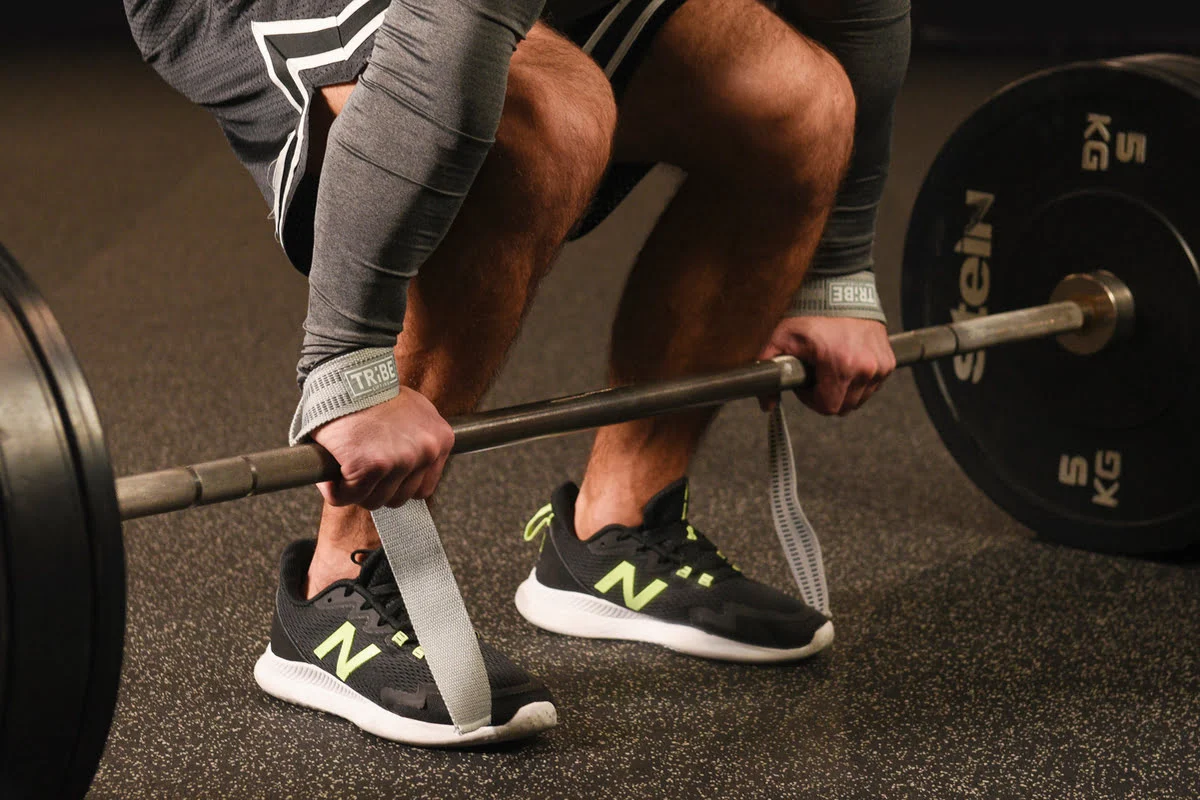
Straps wrap around the wrist and bar so the fingers no longer carry the entire holding demand. That can be valuable during hard Romanian deadlifts, high-repetition deadlifts, heavy rows and other pulling work when the back or hip muscles are meant to be the main training target. Using straps is not an admission that grip training has failed; it is a way to choose which limitation ends the set.
In a controlled deadlift experiment involving 16 men, using straps reduced grip fatigue and improved perceived security. Under one matched-load condition, bar velocity was also higher. A separate 2026 experiment tested 30 men, including judo athletes and recreational lifters, on an isometric mid-thigh pull. Peak force and several explosive-force measures were higher with straps. That test was not a normal moving deadlift, so its result should not be presented as proof of a specific increase in deadlift repetitions for every lifter.
A 2026 evidence review reached a more cautious conclusion than gym folklore often suggests. Straps may improve maximal pulling performance and grip confidence, but findings for back-exercise outcomes were inconsistent. There is not yet strong evidence that routinely wearing straps produces more muscle growth over months, or that it necessarily ruins grip strength. Short-term force and fatigue results cannot answer every long-term adaptation question.
Use straps selectively. If your target muscles still have several quality repetitions available but your hands are opening, straps may preserve useful work. If grip strength itself is the goal, remove them for dedicated holds and at least some lighter pulling sets. Note whether a personal best was strapped or unstrapped so comparisons stay meaningful.
Always fit straps securely and practice releasing them with light weights first. Never tie yourself into an implement you cannot safely let go of, and follow your facility’s rules. A stronger connection to a heavy bar also makes it more important to maintain a sound lifting position.
5. The most useful grip exercises for lifters
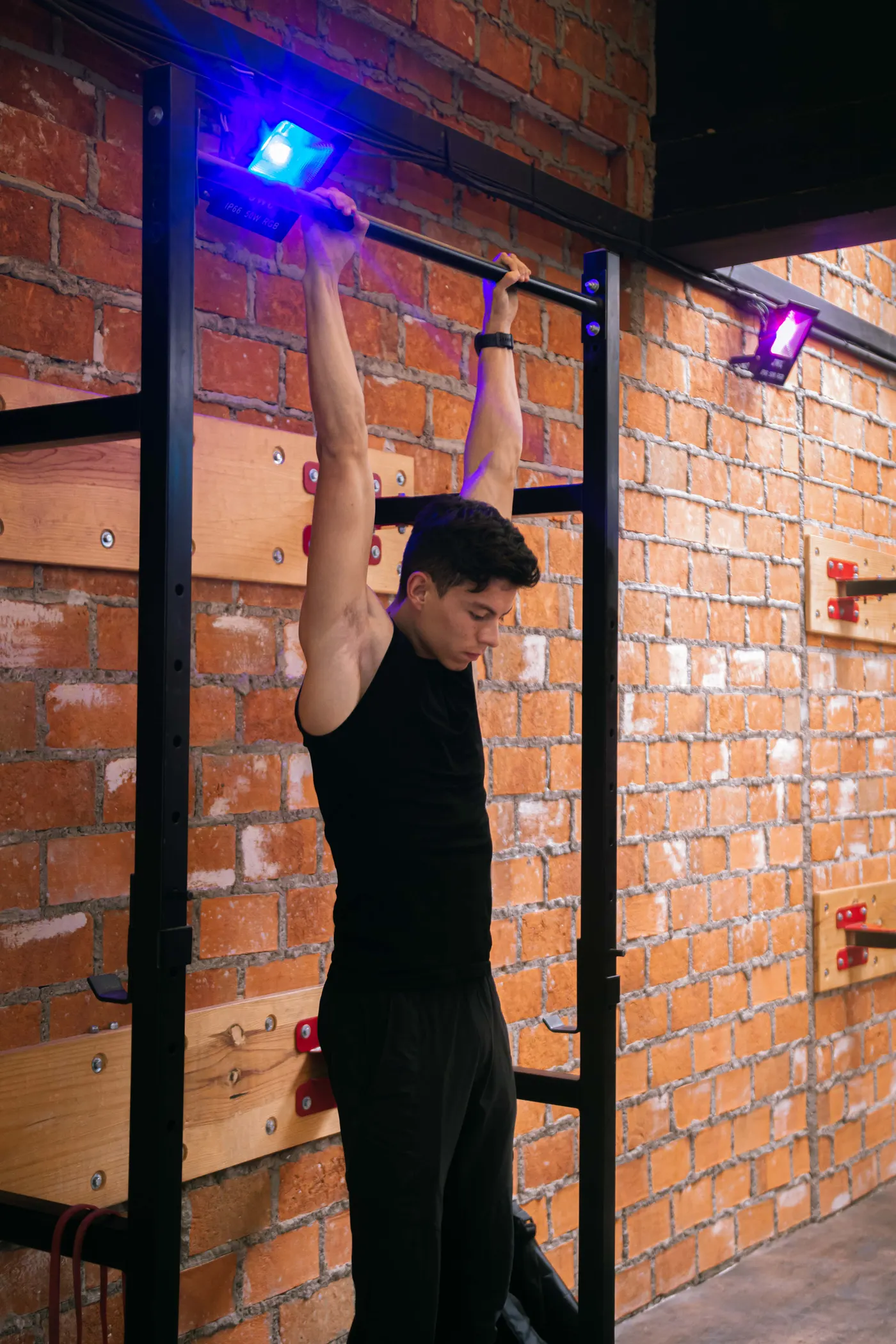
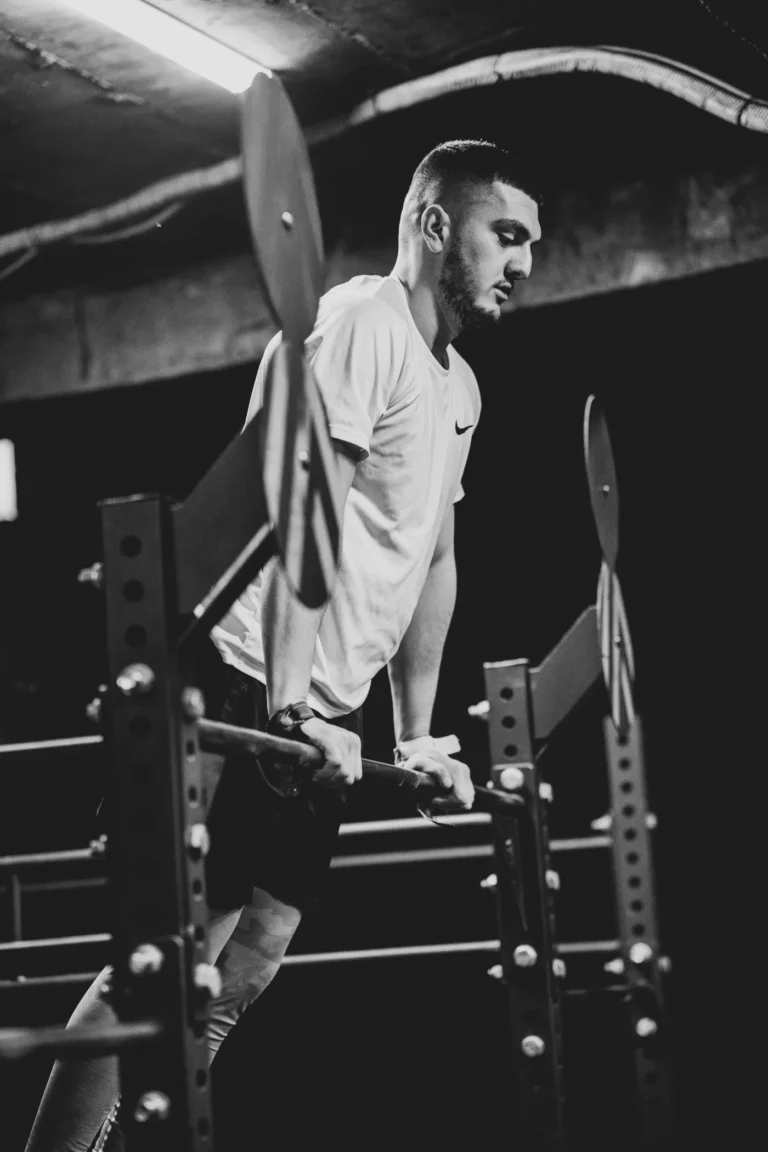
Dead hangs: Hang from a stable pull-up bar with the shoulders active and feet clear of the floor, or keep a foot lightly supported if full body weight is too much. Begin with two or three holds of 15 to 30 seconds, stopping before the fingers unexpectedly release. Increase total controlled time before attempting one-arm variations or adding weight.
Farmer carries: Hold two heavy dumbbells or kettlebells and walk slowly with the torso tall. Choose a distance that lets you finish without swinging the weights or shrugging uncontrollably. Two or three walks of roughly 20 to 40 meters provide a simple support-grip challenge. A suitcase carry uses one implement and adds a trunk-stability demand; switch sides rather than leaning away from the weight.
Plate pinches: Pick up a light smooth-sided plate or a safely paired set with the thumb on one side and fingers on the other. Hold for 10 to 20 seconds above a clear floor, then set it down deliberately. Avoid placing the load above your feet. A pinch block is another option when available, but there is no need to buy specialty equipment before mastering simple holds.
Towel hangs and rows: Loop a strong towel over a secure bar, check that it cannot slip, and grip both ends for a supported hang or controlled inverted row. The fabric challenges finger closure differently from a knurled bar. Start with bodyweight assistance and keep the wrists neutral. A towel exercise is a variation, not a compulsory progression for everyone.
Choose two of these patterns, not all of them to exhaustion. Direct grip work is often most useful after the main lifts so forearm fatigue does not compromise the next heavy set. On days when grip is the priority, move one drill earlier and accept that the subsequent pulling numbers may be lower.
Equipment Worth Exploring
Explore equipment, accessories and gear from our carefully selected range.


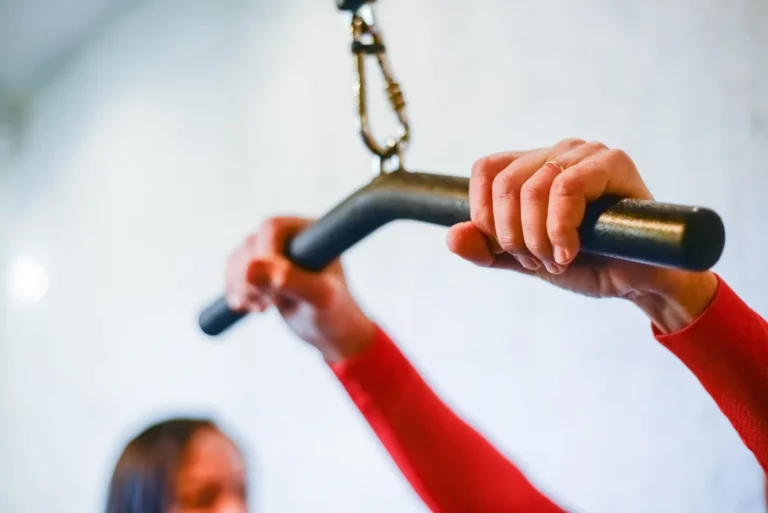
GymPin Barbell Row Handle
Heavy-duty handle attachment for barbell, landmine and T-bar rows.

T-Bar Row Attachment
Welded barbell attachment that connects a D-handle bar for landmine and T-bar rows.
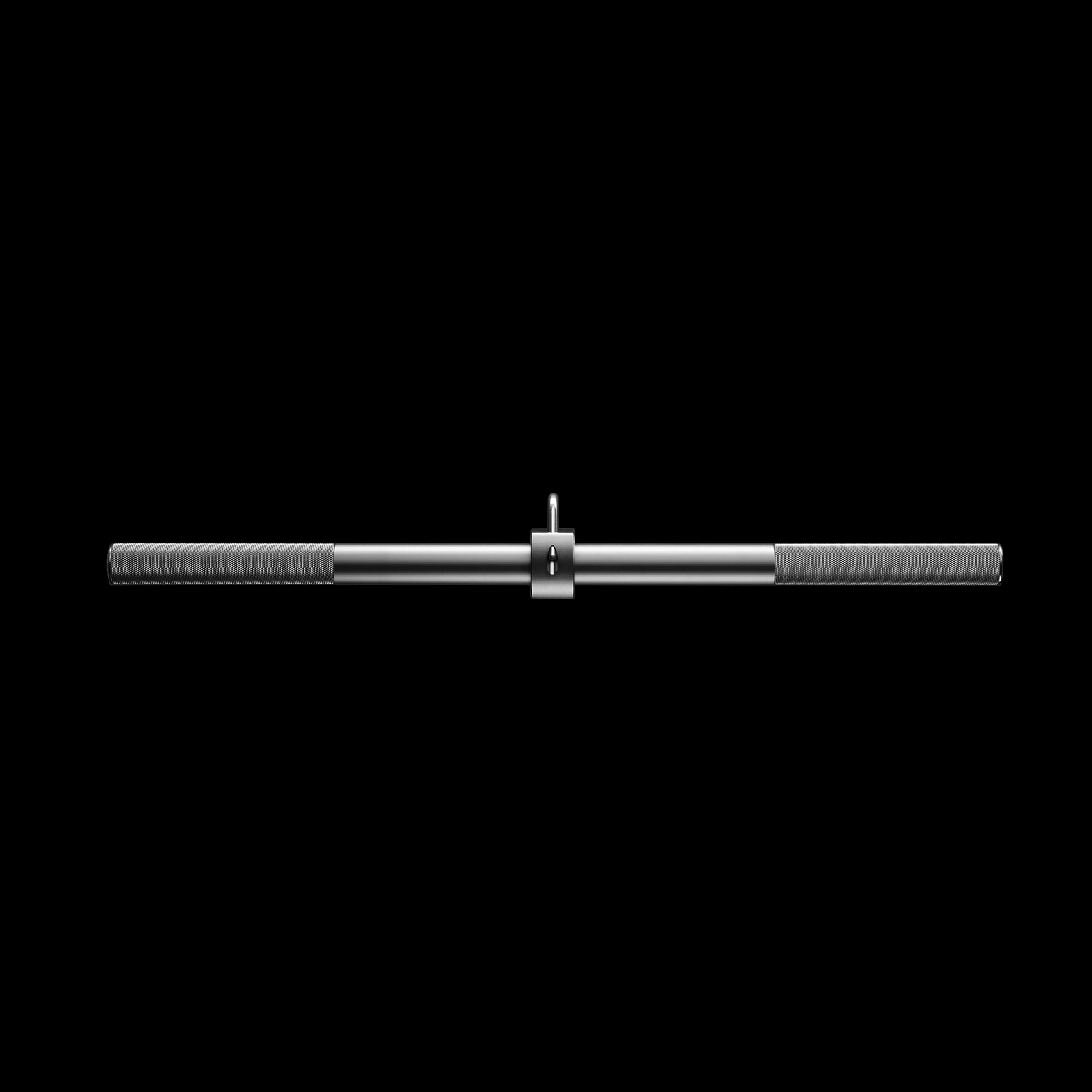

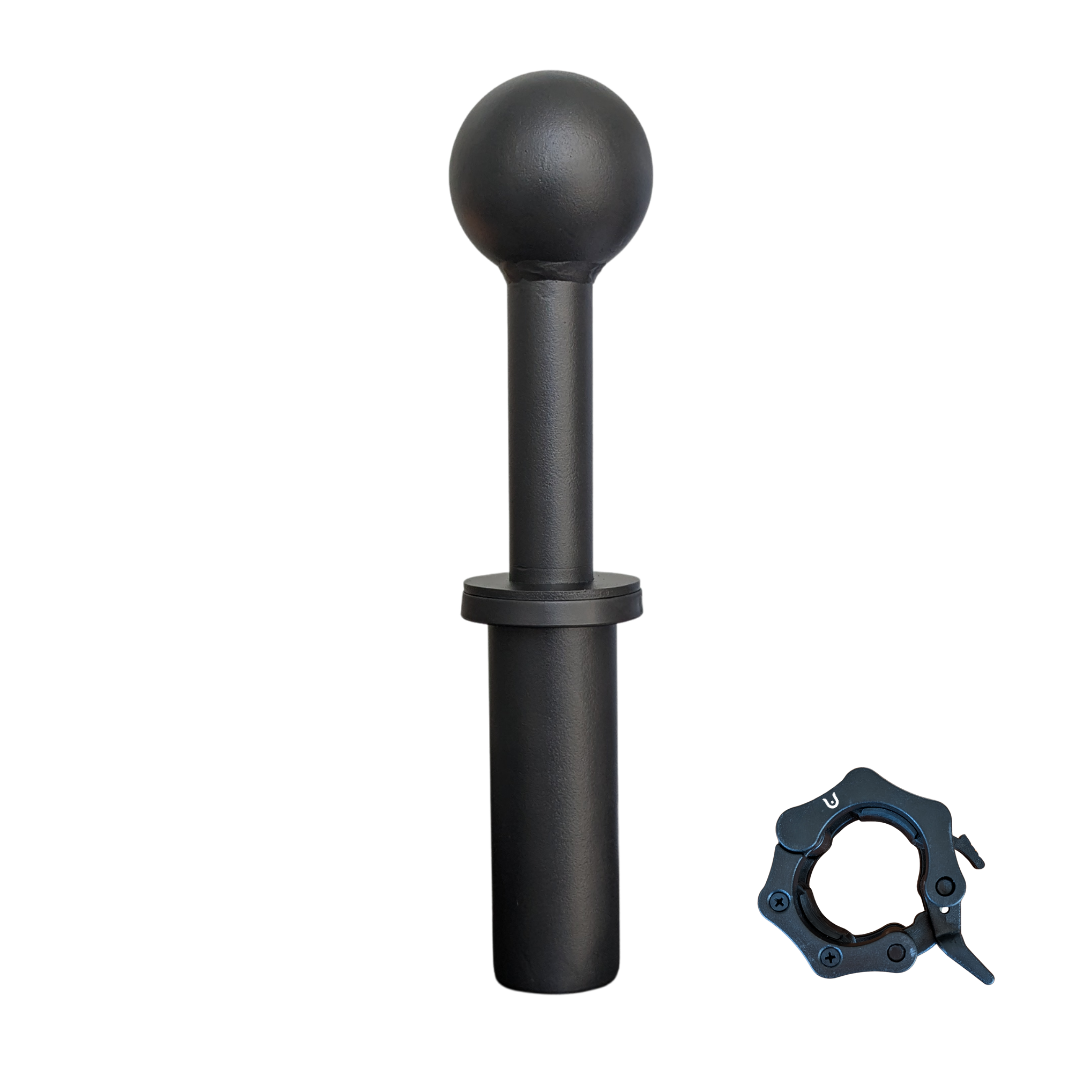
GymPin D Handle Bar
Multi-use steel D-handle bar for cable rows, pulldowns and other cable exercises.


6. Thick handles, forearm work and tendon-friendly progression
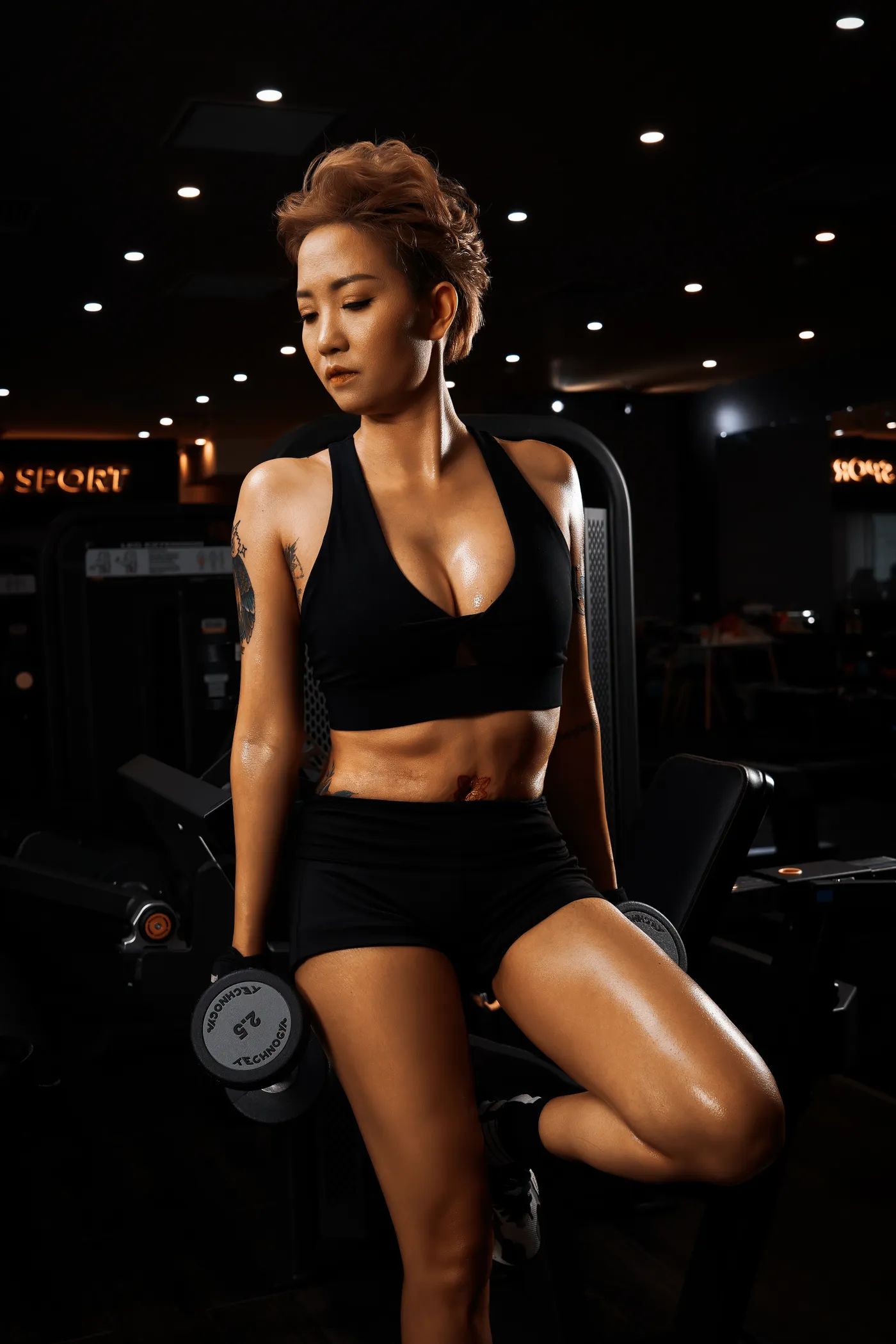
Thick handles increase the challenge of closing the hand around an implement. A thick-grip sleeve, fat bar or towel wrapped securely around a light handle can make a modest load feel demanding. Begin lighter than you expect, because the altered diameter may change wrist position and reduce the weight you can control. Treat thick-handle training as a targeted accessory, not a reason to abandon ordinary pulling mechanics.
Reverse curls emphasize elbow flexion with the palms facing down and can train forearm muscles in a way that ordinary supinated curls do not. Wrist extensions and controlled wrist rotations add another angle. Use a manageable weight, smooth range of motion and moderate repetitions; these small movements do not need maximal loading to be challenging. If a movement provokes sharp wrist or elbow pain, stop and adjust rather than chasing a burn.
Progressive overload for the hands is not limited to heavier plates. Add five seconds to a hang, a few meters to a carry, a small load increment or one extra controlled set. Change one variable at a time so you can identify what is working. Thick-handle work is especially easy to overdo when combined with frequent rows, climbing, racquet sports or manual work.
Skin and connective tissue may become the limiting factor before the muscles do. Keep calluses tidy without cutting healthy skin, dry the hands between hard sets and give irritated spots time to settle. Forearm soreness is not proof of an effective workout. Persistent numbness, tingling, swelling or sharp pain deserves assessment rather than simply more grip training.
Use wrist straps, wraps and lifting grips for the job each product actually performs. A lifting strap reduces the need to hold a bar; a wrist wrap provides support around the joint; a thicker handle increases hand demand. They are not interchangeable, and no accessory is necessary to begin improving basic support grip.
Funny Gym Shirts & Workout Gear
Funny gym shirts, tanks, hoodies and workout gear for lifters who like training hard.


Grip Day Legacy Gymbro & Decal Sticker
Give your everyday gear a playful “Grip Day Legacy” twist.

Get A Grip Grip Strength Vest Tank Top
Bring “Get a Grip” humor to your next lifting session.

Pumpeye Forearm Gains Grip Training Popeye Meme Vest Tank Top
Add some lifting attitude to training with “Pumpeye”.

Slip Not Grip Training – Heavy Metal Workout Jumper Pul T-Shirt
Bring “Slip Not Grip Training” humor to your everyday gym style.


Listen Heavy Lift Heavy Shirt | Heavy Metal Lifting Sku T-Shirt
Bring “Listen Heavy Lift” humor to your next gym day.

Atlas Gains : Strongman Meme Shirt & T-Shirt
Show some lifting attitude with a playful “Atlas Gains” tee.

Be Stronger Than Your Excuses Motivational Workout for Sticker
A fun “Be Stronger Than Your Excuses” touch for bottles, laptops, and lockers.

Heavy Metal Lift Heavy – Hardcore Powerlifting Gym Deca Sticker
Give your everyday gear a playful “Heavy Metal Lift” twist.
7. A two-day plan to build grip without wrecking your pulls
For a lifter already performing two or more resistance sessions per week, start with two short grip blocks on nonconsecutive days. The goal is repeatable progress, not maximal forearm exhaustion. Keep ordinary deadlift and row programming intact while adding enough hand-specific work to expose a clear training signal.
Day A: heavy pulling and support. Warm up with double-overhand deadlifts using gradually heavier weights. Perform the day’s main pulling work with your chosen secure grip; use straps on later volume sets if the hands would otherwise stop the back or hips from doing their job. After the main work, complete farmer carries for 3 x 20-30 meters and two controlled dead hangs of 20-30 seconds. Rest at least a minute between hard grip efforts, longer when needed for quality.
Day B: pinch, thick handle and forearm balance. After regular training, do plate pinches for 3 x 15-20 seconds, a light thick-handle hold or towel-supported row for 2-3 sets, and reverse curls for 2 x 10-15. Finish with light finger-opening repetitions if comfortable. Start below failure and keep one or two good repetitions or several seconds in reserve.
Track three separate measures: a fixed-load double-overhand hold time, a repeatable farmer-carry load and distance, and a safe pinch-hold time. Compare the same bar, handle diameter and technique whenever possible. If every metric rises slowly while deadlift training stays productive, the plan is doing its job. If grip soreness compromises pulling twice in a row, reduce the accessory volume before adding more.
After four weeks, increase either load or time modestly, not both at once. Stronger hands are useful, but they are not the whole point of lifting. The best grip program improves your ability to hold what matters while letting the rest of your training continue to progress.