Strong legs are not reserved for people who can squat a heavy barbell. Standing from a chair, climbing stairs, controlling a stumble and carrying shopping all depend on lower-body strength. For someone returning to exercise in their sixties or beyond, the best starting point may be a manageable movement repeated consistently rather than a maximal lift.
Joint-friendly does not mean muscles should never work hard. It means selecting a range of motion, support level and resistance the individual can control, then building capacity. Gentle mat movements can be useful starting points, but they do not automatically replace meaningful strength training. The following plan combines accessibility with progression.
1. What joint-friendly leg training should accomplish
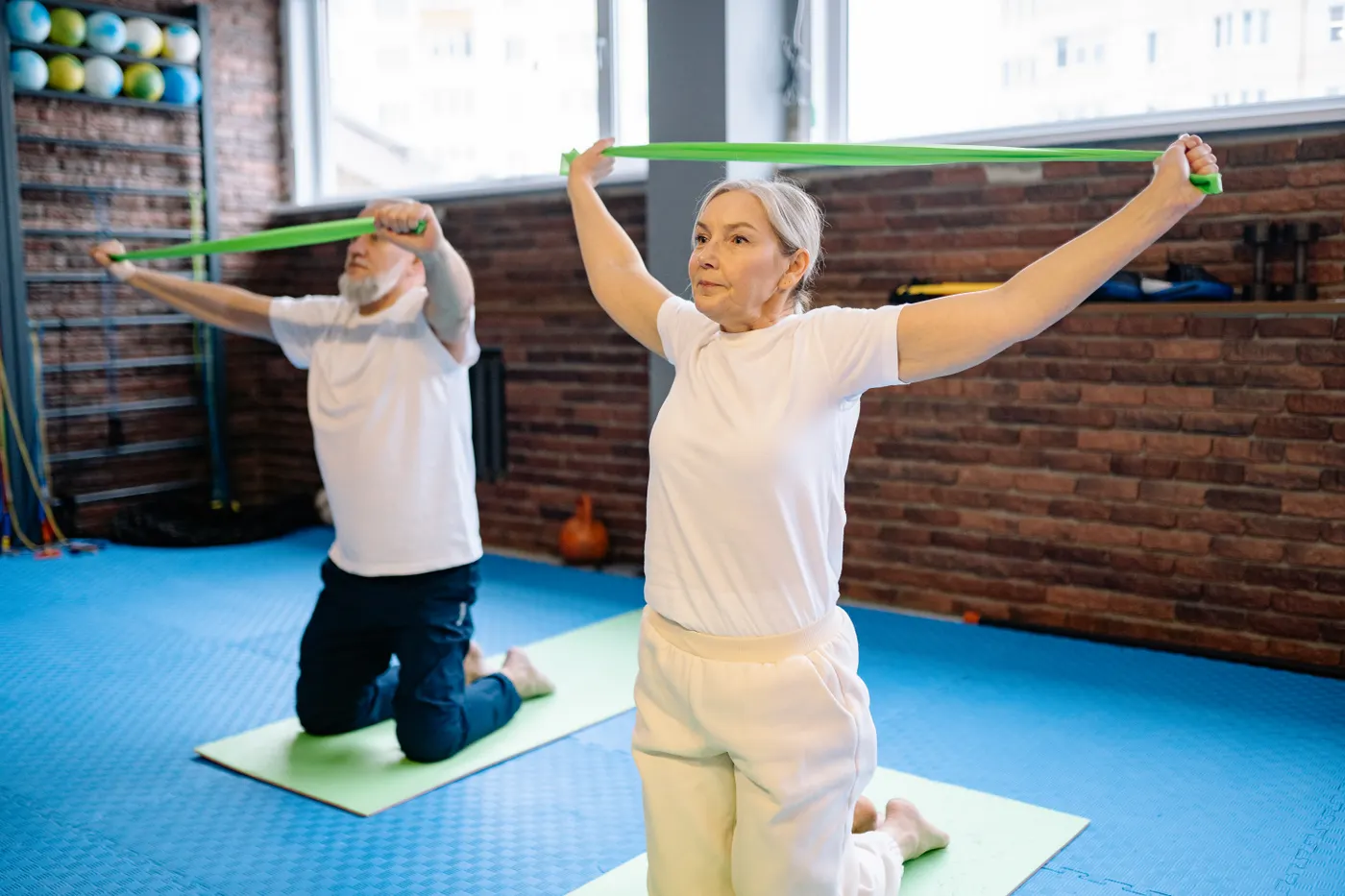
Leg strength has several jobs. Quadriceps straighten the knee when rising; glutes extend the hip during standing and climbing; calves propel the body and control the ankle; and the muscles around the hips help stabilize the pelvis. A sensible program challenges several functions rather than repeating one easy exercise indefinitely.
Three qualities matter: enough muscular effort to stimulate adaptation, a movement that resembles a useful daily task, and an exercise that can be progressed without unacceptable symptoms. A straight-leg raise may be a reasonable entry step for limited capacity, but it cannot challenge the whole lower body like a controlled sit-to-stand or loaded step-up. A clamshell can train hip rotation but is not a complete balance program.
Distinguish normal effort from warning signs. Muscle fatigue and mild next-day soreness may occur when a routine is new. Sharp joint pain, dizziness, new numbness or sudden loss of balance calls for stopping and reassessing. Use stable support rather than forcing a textbook depth. Progress should be measured by what becomes easier in daily life as well as what happens during a workout.
2. Make chair rises the foundation of practical leg strength
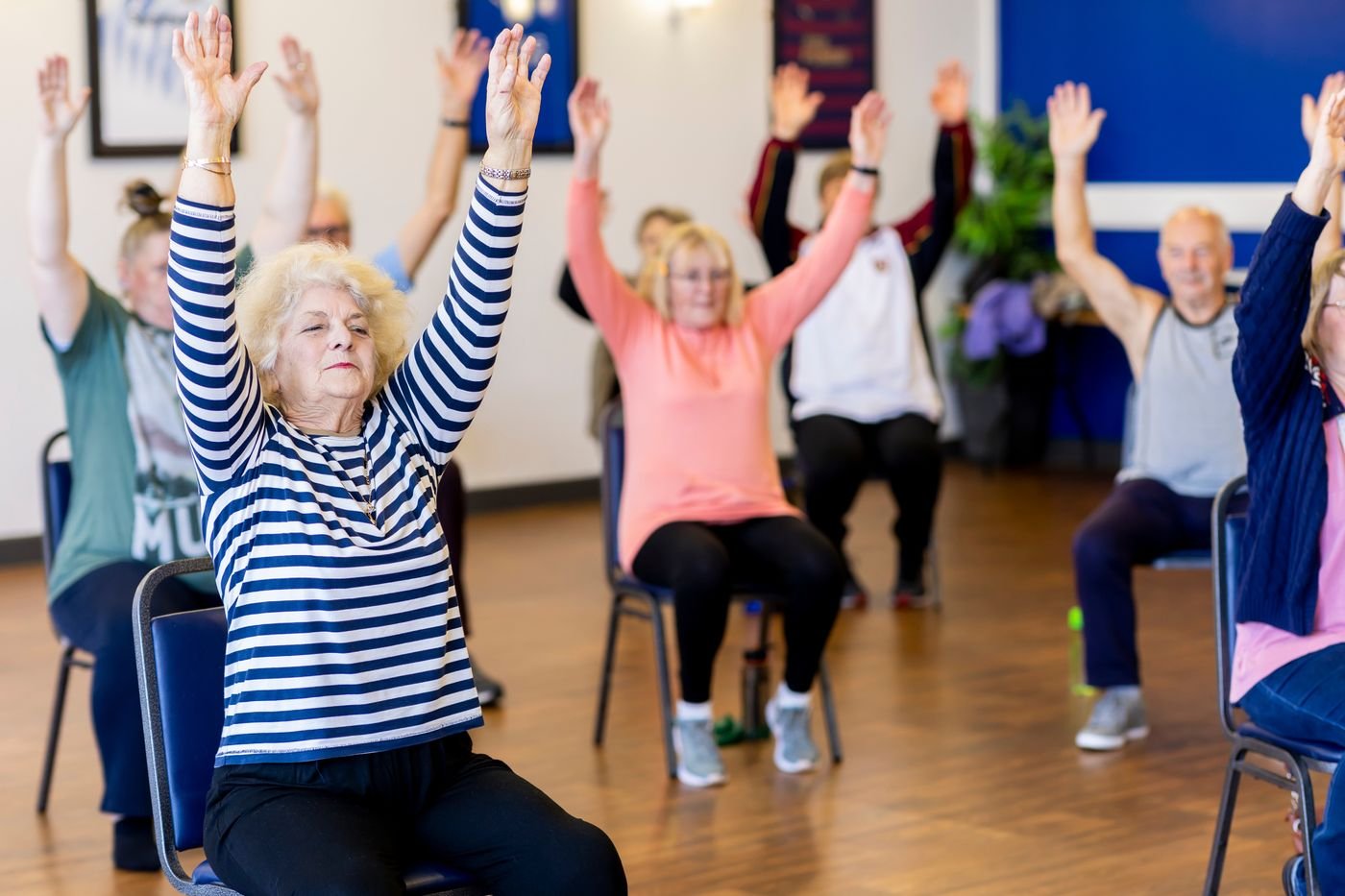
A sit-to-stand is a direct way to practice an important daily task. Start from a firm, stable chair on a nonslip surface, place feet roughly hip-width apart and lean the torso forward slightly. Push through the feet to stand, then lower under control. Hands may help at first; reducing that assistance is a legitimate progression. If the seat is too low, use a safely raised surface rather than straining for arbitrary depth.
For an initial session, try one or two sets of five to eight smooth repetitions with a full rest between sets. When eight are easy, add a few more or gradually reduce hand support. Later, a slightly lower seat, a light dumbbell held close to the body or a controlled descent can increase demand. Do not combine every progression at once. The goal is repeatable effort, not exhaustion or a speed contest.
Someone who cannot rise independently can begin with partial stands, supported weight shifts or a supervised alternative appropriate to their capacity. Seated knee extensions and straight-leg raises can build awareness and some local muscle effort when standing work is temporarily difficult. Treat these simpler movements as a bridge toward more functional tasks rather than a permanent ceiling.
There is no requirement to eliminate squats forever. A chair rise is itself a squat-like pattern, with a clear target and adjustable support. As tolerance improves, supported mini-squats and low step-ups can broaden the stimulus. Choose the version that permits stable feet, comfortable joint motion and enough effort to make the final repetitions meaningfully challenging.

Equipment Worth Exploring
Explore equipment, accessories and gear from our carefully selected range.


GymPin Squat Wedges
Non-slip 15-degree squat wedges help elevate the heels for deeper quad-focused squats.
VOLTRA
Compact digital cable trainer with smooth, adjustable resistance.

Go-Tone Pro
Portable digital cable trainer with up to 66 lb (30 kg) of adjustable resistance.


HUSLA Leg Extension Pad
Pad attachment designed to increase usable range of motion on compatible leg-extension machines.
3. Train the hips with bridges and controlled hinges
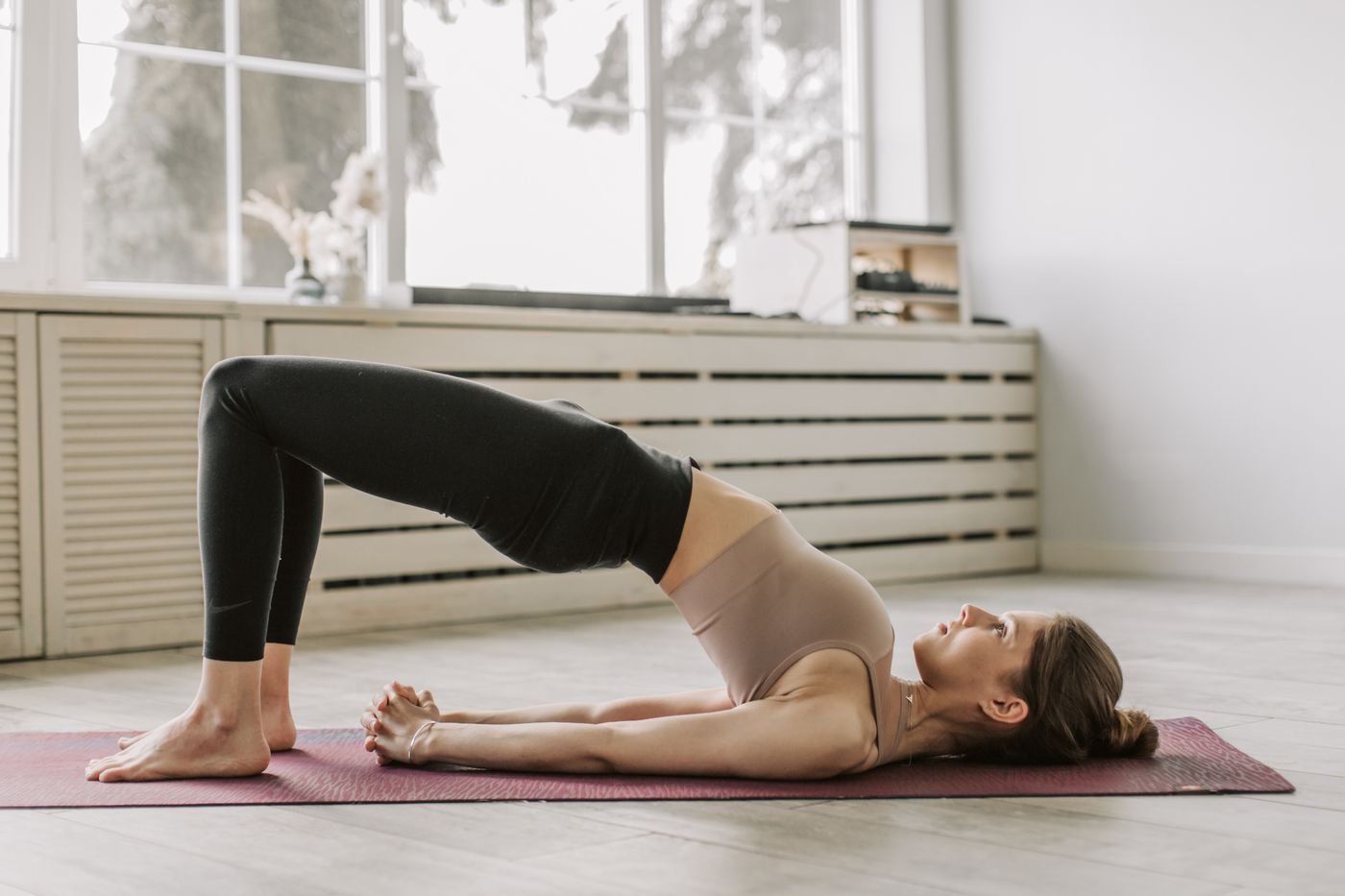
Hip extension matters when getting up, climbing slopes and carrying weight. A glute bridge provides a simple way to practice it. Lie on a mat with knees bent and feet planted, gently brace the abdomen and lift the hips until trunk and thighs form a comfortable line. Pause briefly, then lower without dropping. The movement should come mainly from the hips rather than an exaggerated arch through the lower back.
Begin with six to ten controlled repetitions for one or two sets. If getting onto the floor is impractical, standing hip extension with hand support or a supported hip hinge can be more accessible. There is no benefit to insisting on floor work when transfers are the main obstacle. A sturdy bench, rail or supervised machine may make the same training goal easier to reach.
Progressing a bridge could mean adding repetitions, holding the top position longer or using a light external load once technique is stable. A hip hinge can progress from reaching the hips back toward a wall to lifting a light kettlebell or dumbbell. These are different movements with different demands, so choose one or two rather than packing every variation into one session.
Think of this as building capacity for the backside of the body. The bridge is useful, but it does not replace knee-dominant work, calf training or balance practice. A complete routine combines these pieces so stronger hips translate into better movement rather than becoming an isolated mat exercise.

Functional Fitness Shirts & Workout Gear
Functional-fitness shirts, tanks and workout gear for athletes who train strength, conditioning and everything in between.

Vive Le Resistance Bands – Resistance Bands Warmup Reha Hoodie
Stay casual and show some lifting attitude with “Vive Le Resistance Bands”.

Lift Together Grow Stronger for Workout Partners and Li Hoodie
Show off your powerlifting humor in a laid-back “Lift Together Grow Stronger” hoodie.

Live Love Lift Crewneck Pullover Sweater Workout Gymbro T-Shirt
For laid-back days and gym-girl humor: “Live Love Lift”.

Break The Stereotype Gym | Feminist Muscle Shirt For St Tank Top
Add some lifting attitude to training with “Break The Stereotype”.

Hybrid Athlete – Strength & Endurance Crewneck for Func T-Shirt
For laid-back days and lifting humor: “Hybrid Athlete”.

Happy Kettlebell Emoji Smiley Kettlebell Graphic Who Lo T-Shirt
Make gym days more fun with “Happy Kettlebell Emoji” style.

Heart Shaped Kettlebell Valentine’s Day Gym for Kettleb Hoodie
Show off your lifting humor in a laid-back “Heart Shaped Kettlebell Valentine’s Day” hoodie.

Gym Equation Kettlebell Makes Me Happy Design Workout a Hoodie
Make your off-duty look more fun with “Gym Equation”.

Watermelon Kettlebell – Fruit Themed Workout Decal for Sticker
Stick a little “Watermelon Kettlebell” humor on your favorite gear.

For Whom The Bell Curls Metallica Kettlebell Workout He T-Shirt
Rep “For Whom The Bell Curls” humor in and out of the gym.
4. Give the outer hips a job beyond easy clamshells
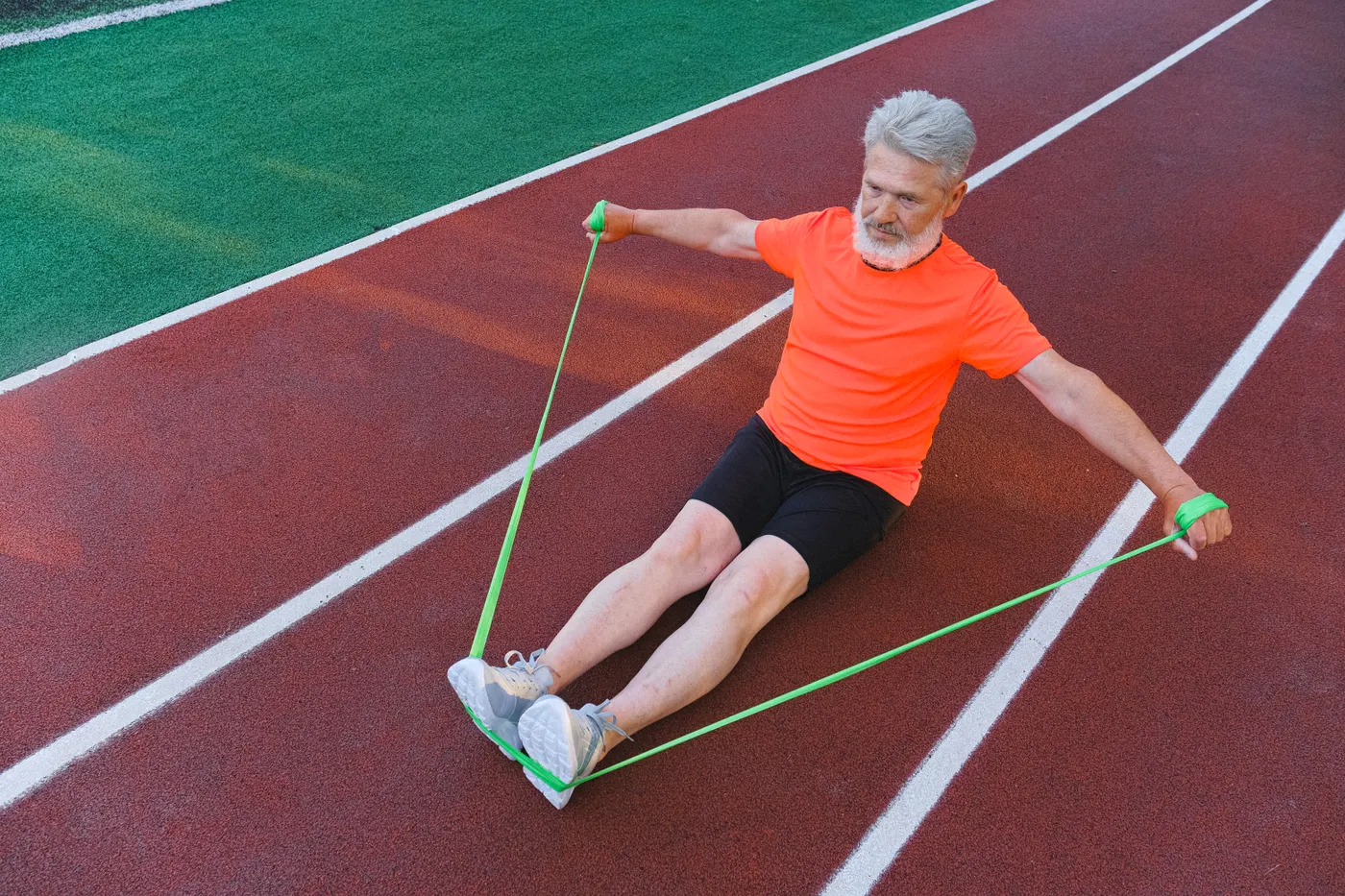
Side-lying leg raises and clamshells target muscles that help control the hip and pelvis. For a side-lying raise, keep the hips stacked and lift the upper leg a short, controlled distance without rolling backward. For a clamshell, bend the knees, keep feet together and open the upper knee while resisting rotation of the entire trunk. Six to twelve deliberate repetitions per side is a reasonable entry point.
These movements are useful when building tolerance or needing a low-load option. Their limitation is that the body is supported by the floor, whereas daily balance often requires the hip muscles to stabilize the pelvis while standing on one leg. Once comfortable, progress toward supported side steps, standing hip abduction or short lateral walks with a light band. Keep the knees tracking naturally and steps small enough to avoid leaning or twisting.
Use a countertop, rail or another fixed support as needed. The band is optional: moving slowly against gravity can challenge beginners, and a band that is too strong may simply encourage compensation. The objective is to feel the side of the hip working while the pelvis stays controlled.
A burning sensation does not prove an exercise is uniquely effective. Better indicators are controlled range, improving repetition quality, gradually increasing resistance and greater confidence during standing tasks. Hip work supports the broader program; it should not crowd out walking, chair rises or more demanding leg exercises as capacity improves.
5. Add balance and stair practice with a clear safety margin
Strength and balance overlap, but they are not identical. Someone may have enough force to stand from a chair yet still feel unsteady when turning, stepping over an obstacle or descending stairs. Practicing controlled weight shifts and supported single-leg standing trains coordination that ordinary resistance sets may not fully address.
Start near a solid counter or rail. Shift weight from one foot to the other, then briefly lift one foot while keeping fingertips available for support. Begin with five to ten seconds per side and repeat a few times. As confidence improves, reduce hand assistance rather than closing the eyes or standing on unstable equipment. A slightly harder challenge is useful; an unnecessary fall risk is not.
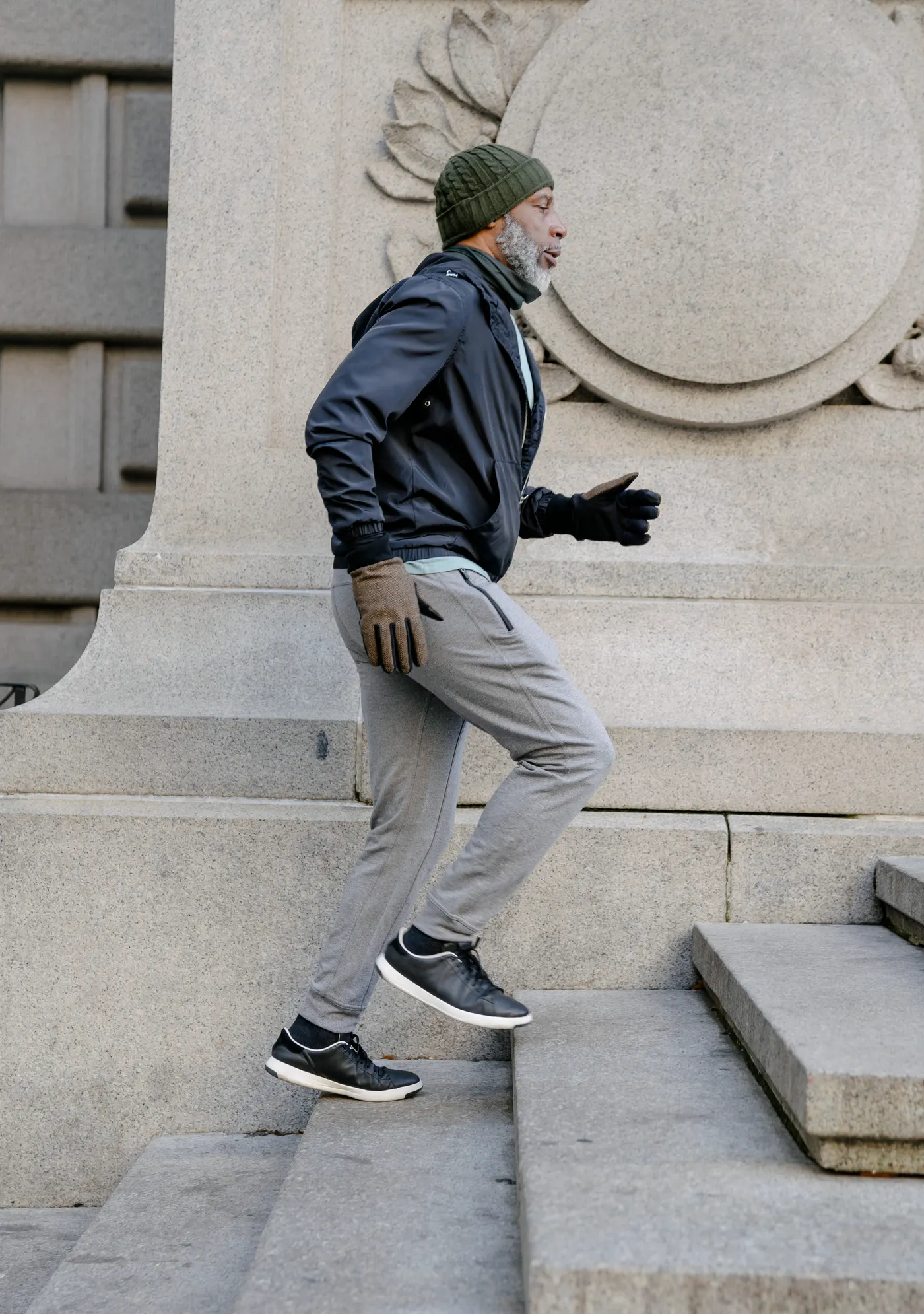
Stairs provide a practical progression when a safe railing is available. Start with a low step and controlled step-ups, leading with one leg and stepping back down slowly. Use the rail freely. Someone with knee symptoms may tolerate a smaller step or fewer repetitions better than a tall platform. The lowering phase deserves attention because descending stairs requires controlled braking, not merely pushing upward.
Pair drills with everyday movement. Walking, turning, carrying light objects and navigating familiar stairs reveal whether training transfers. A six-week goal might be standing with less hand support or climbing a familiar flight more confidently, not achieving an arbitrary single-leg balance record. Balance practice is most effective when frequent, safe and specific.
Equipment Worth Exploring
Explore equipment, accessories and gear from our carefully selected range.

FID Bench MAX
Adjustable bench offering flat, incline, and decline positions + adjustable headrest.

Squat Harness
Wearable harness for hands-free cable squats, sled work, and lower-body training.

Safety Squat Handles
Barbell squat handles that reduce shoulder positioning demands during high-bar squats.

Belt Squat Collar
Heavy-duty collar adapter for compatible belt-squat and landmine bar setups.


6. Make the resistance challenging enough to keep improving
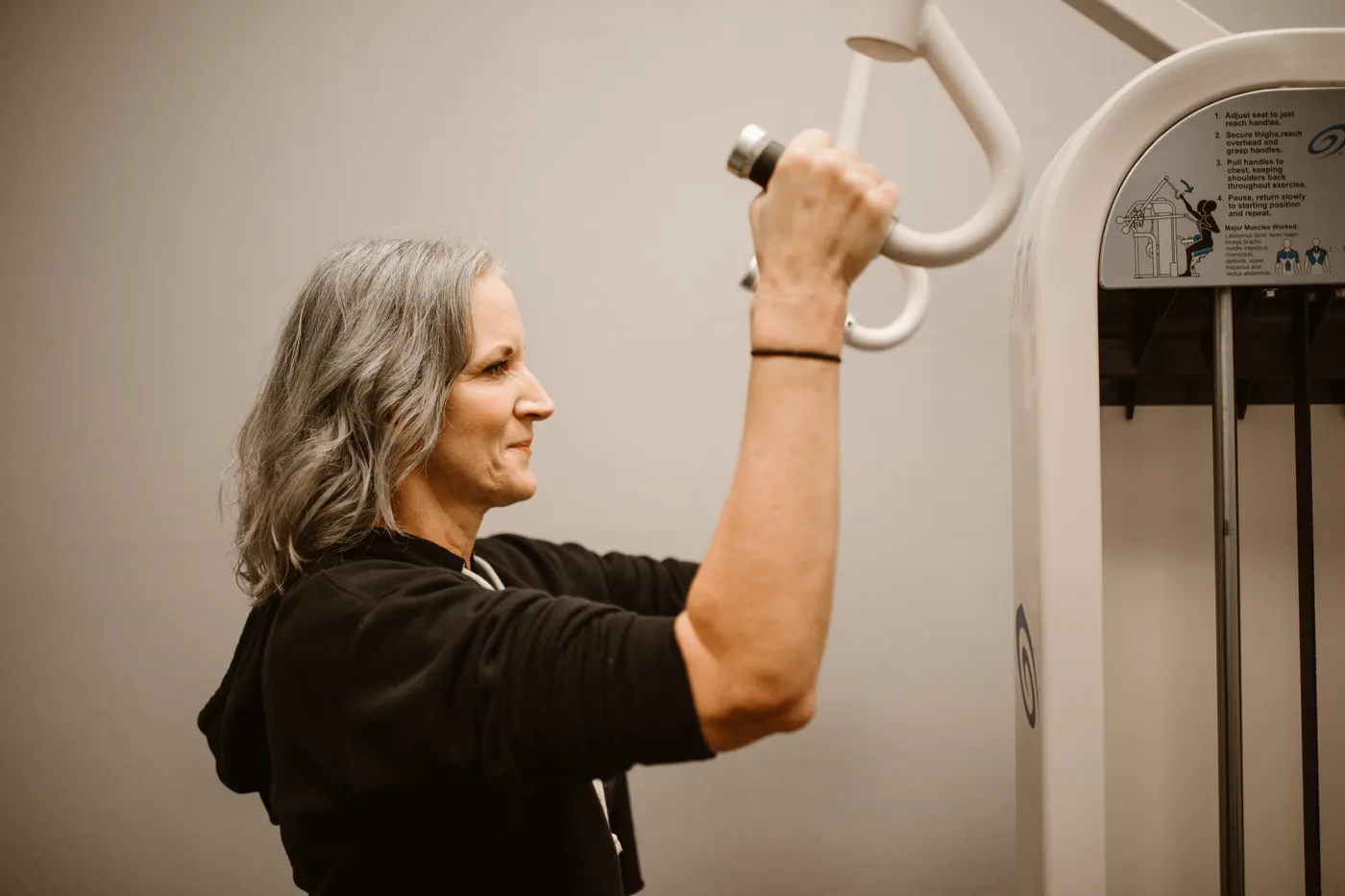
Easy movements are valuable when someone is deconditioned, recovering confidence or learning technique. Yet strength gains eventually require a challenge beyond the current baseline. The solution is not necessarily heavier squats: add repetitions, reduce assistance, increase comfortable range, use a stronger band or introduce a manageable external load. Machines, dumbbells and cables can all work when their setup fits the individual’s mobility.
A practical effort target is to finish most sets feeling that another two to four controlled repetitions might still have been possible. This is not a medical threshold, but it distinguishes meaningful muscular work from effortless movement. New lifters can start conservatively and progress gradually; there is no need to train to failure or chase soreness. If every set feels trivial for several sessions, consider changing one variable.
Two strength sessions per week are a useful starting schedule for many older adults. Spread them across the week so muscles have recovery time. Each session can include a chair rise or supported squat pattern, a hip movement, a calf or ankle exercise and a balance drill. Add upper-body work elsewhere because whole-body strength matters for independence too.
Joint discomfort should guide adjustments rather than produce a blanket ban on resistance. Try a shorter comfortable range, different stance, slower tempo or supported variation. Persistent or worsening symptoms, recent surgery, significant neurological symptoms or repeated falls justify individualized assessment before progressing. The important distinction is between fitting an exercise to the person and avoiding all useful load indefinitely.
7. A realistic two-day plan for the next six weeks
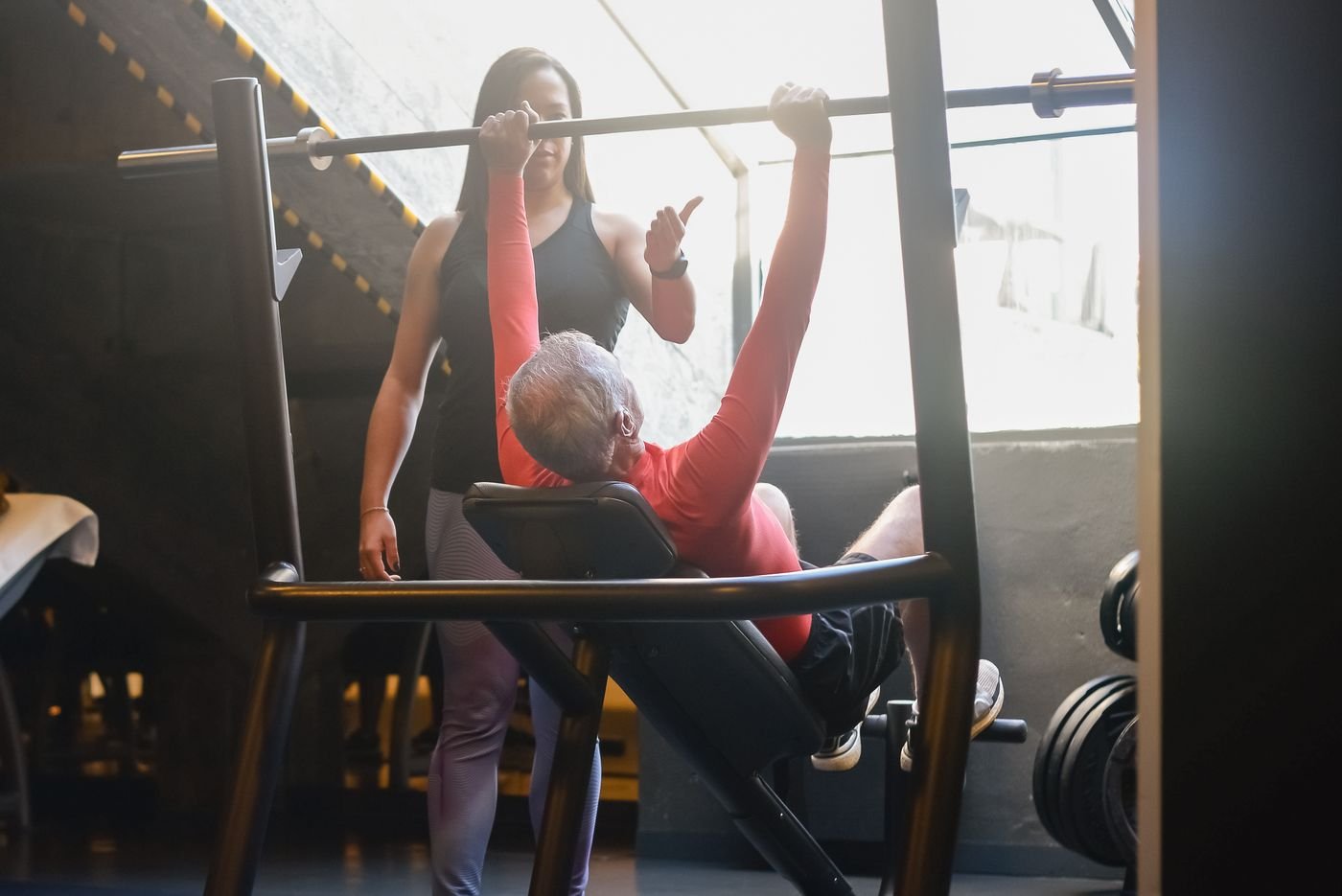
Begin with two nonconsecutive strength days. On Day A, perform chair rises for two sets of six to ten, bridges or supported hip hinges for two sets of eight to twelve, and supported calf raises for two sets of eight to twelve. Finish with three brief supported balance holds per side. On Day B, use supported step-ups for two sets of five to eight per leg, side-lying hip raises or light-band side steps for two sets of eight to twelve, and a light dumbbell or machine leg movement for two sets of eight to twelve. Reduce volume if current ability makes this too much.
During weeks one and two, learn the setup and find repeatable ranges. Record repetitions and whether hand support was needed. In weeks three and four, add a few repetitions where control is good or slightly increase range. In weeks five and six, progress one or two exercises with a modest load or reduced support if earlier work is comfortable. Moving from five clean chair rises to eight is genuine progress.
On other days, include walking or another suitable aerobic activity and brief balance practice. Broad activity recommendations for adults over 65 combine aerobic movement, muscle strengthening on at least two days and regular balance work. These are population targets, not a demand that beginners instantly complete a full schedule. Some activity is better than none, and consistency beats a heroic session.
Review results after six weeks. Is standing easier? Are stairs less intimidating? Can the same movement be performed with less assistance or more resistance? If yes, the plan is doing its job. If nothing has become more challenging, the program may need more load or a better exercise choice. Joint-friendly training succeeds when it builds real capacity, not when it stays permanently easy.
Leg Day Shirts & Workout Gear
Leg-day gym shirts and workout gear for lifters who never skip squats, lunges and lower-body punishment.

Never Skip Leg Day Gym | LEGO Workout For Squat & Deadl Hoodie
Bring “Never Skip Leg Day” gym humor to lazy days and post-workout plans.

Never Skip Leg Day Flamingo – Fitness Meme Vest Muscle Tank Top
Train hard, laugh a little, and rep “Never Skip Leg Day Flamingo”.

Squat Game Gym | Funny Squid Game Parody Workout For Le Hoodie
Stay casual and show some gaming attitude with “Squat Game”.

Squat Queen Gym | Funny Burger King Parody Workout Deca Sticker
Bring “Squat Queen” attitude to your water bottle or laptop.

Viking Deadlift Gym | Funny Leg Day Workout Vest & Musc Tank Top
Show some personality between sets with “Viking Deadlift”.

Captain Deadlift Crewneck Pullover Sweater Leg Day Work T-Shirt
Add a playful “Captain Deadlift” touch to your casual rotation.


Legendary Leg Day – Squat Meme Decal for Gym Bottles & Sticker
Put “Legendary Leg Day” gym humor on your laptop, bottle, or gym gear.

I Want You To Squat Uncle Sam Patriotic – Funny 4th of T-Shirt
Bring “I Want You To Squat Uncle Sam Patriotic” humor to your everyday gym style.

Leg Day Thou Shalt Not Skip Leg Day Medieval Knight Pul Hoodie
Show off your medieval humor in a laid-back “Leg Day” hoodie.