Advertising disclosure: This page includes affiliate product links that may earn us a commission, as well as products from our own store.
Walking Between Leg Sets? What a 14-Man Test Actually Found
The rest timer starts and a familiar question follows: sit still, walk around or stretch the muscle you just trained? Each option can feel purposeful. Walking makes a break look active, while a quick quad stretch may seem like a way to prepare for another set. Whether either improves the next effort is a separate question.
A small leg-extension experiment offers a useful reality check. Its practical value is not a new rule about how every lifter must spend every break. It is a reminder to distinguish the activity you perform during recovery from the performance you want recovery to support.
1. Keep the actual test in view
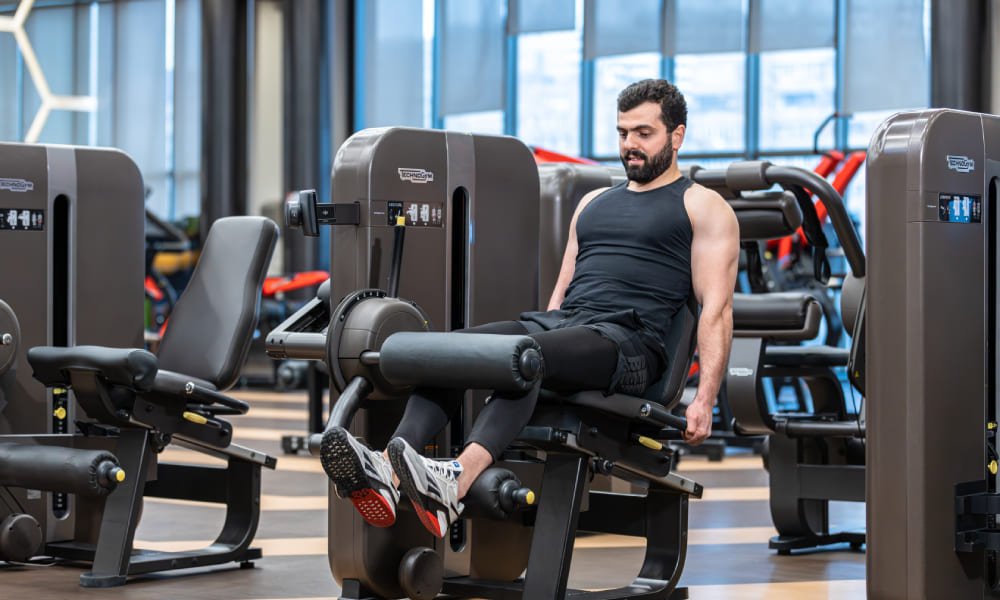
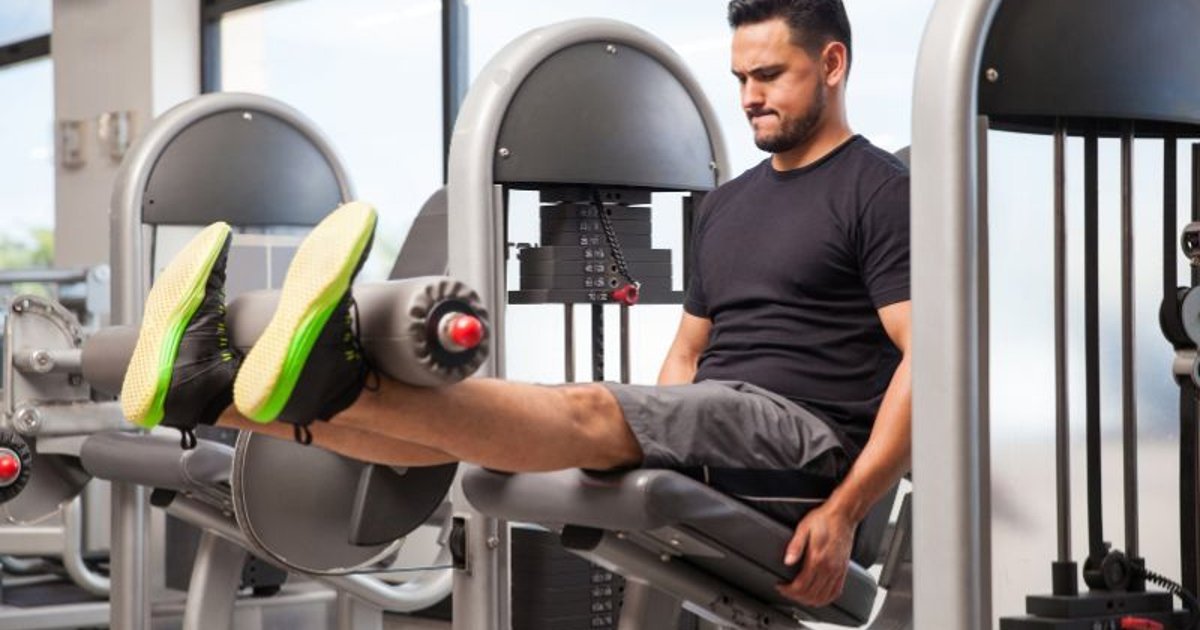
Fourteen healthy, untrained men completed separate leg-extension sessions using three rest strategies in randomized order. They trained one leg at 70% of its measured maximum, with sets of ten repetitions and 60-second intervals, continuing until fatigue prevented further repetitions.
The passive condition involved sitting for the full minute. The alternatives used 20 seconds of comfortable walking or a standing quad stretch, followed by 40 seconds of sitting. There was no statistically significant difference in repetitions to exhaustion or total volume load between the conditions.
That result concerns a specific short intervention during one exercise. It does not establish identical outcomes under every condition, improved muscle growth or a universal recovery method for experienced lifters. A small acute comparison is useful evidence, but it cannot answer all the questions raised by a busy leg workout.
Begin with the decision the experiment can inform: whether adding a small activity to a short break deserves credit for improving the next effort. That is narrower than deciding whether walking or stretching belongs in your overall training plan.
2. A short walk is not a hidden cardio session

Moving a few steps to clear space is different from deliberately raising the work rate between demanding sets. Pace, duration, incline and the muscles involved all change the task. Calling both activities active recovery can hide those differences before you have even evaluated the next set.
An older experiment illustrates why context matters. Fifteen members of a mixed-sex CrossFit group completed a strenuous session under seated, lying-down and treadmill-walking rest conditions. The passive conditions produced better work rate and physiological recovery than walking in that protocol. It involved a different population, session and rest arrangement from the leg-extension test, so the findings should not be treated as interchangeable.
The sensible lesson is to avoid awarding automatic recovery benefits to movement simply because it is gentle compared with the working set. If a stroll leaves your legs or breathing less ready, it has changed the recovery interval in a way that matters for that session.
You can still walk when it is comfortable and practical. Keep the effort easy, allow time to return and set up, and judge the next set rather than how productive the break appears. If conditioning is a separate goal, plan it clearly instead of assuming any activity inserted between sets improves both goals at once.
3. Give stretching a clear purpose
A stretch can be part of flexibility work without being a performance booster for the next loaded set. Those are different purposes, with different ways to judge success. Reaching a little farther after a session is not the same outcome as completing more controlled repetitions under load.
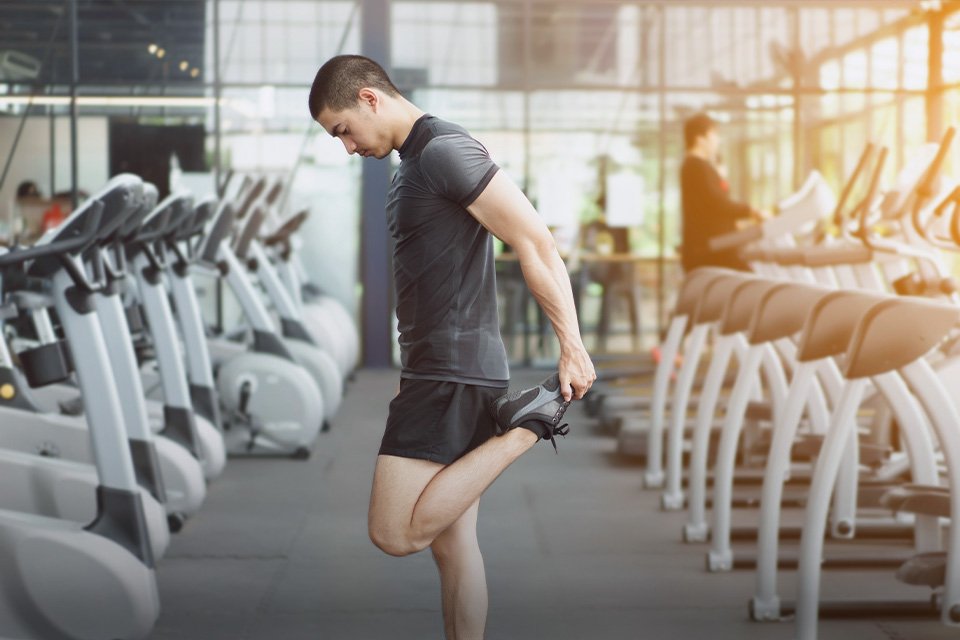
For a familiar standing quad stretch, use support for balance, draw the heel gently toward the buttocks and keep the knees close rather than forcing a larger position. Keep the movement slow and stop short of pain. There is no useful prize for turning a brief break into an aggressive test of how much discomfort you can tolerate.
Do not extend one brief stretching protocol into a claim about every stretch duration or intensity. A gentle hold, a prolonged loaded stretch and a hard mobility drill place different demands on you. If your aim is a dedicated flexibility session, give it an appropriate place in the program and evaluate that goal directly.
During a strength session, ask whether the stretch helps you settle into the intended position or merely fills the timer. If it makes returning to the machine awkward or changes the technique you can reproduce, move it elsewhere. A useful habit should fit the job it is being asked to do.

Equipment Worth Exploring
Explore equipment, accessories and gear from our carefully selected range.

Leg Extension/Curl BCO-780
Leg extension and lying leg curl combo with plate loading, band pegs and a cable-loading option.

Seated Leg Combo BCO-680
Adjustable seated leg extension and leg curl machine with band pegs for added resistance.
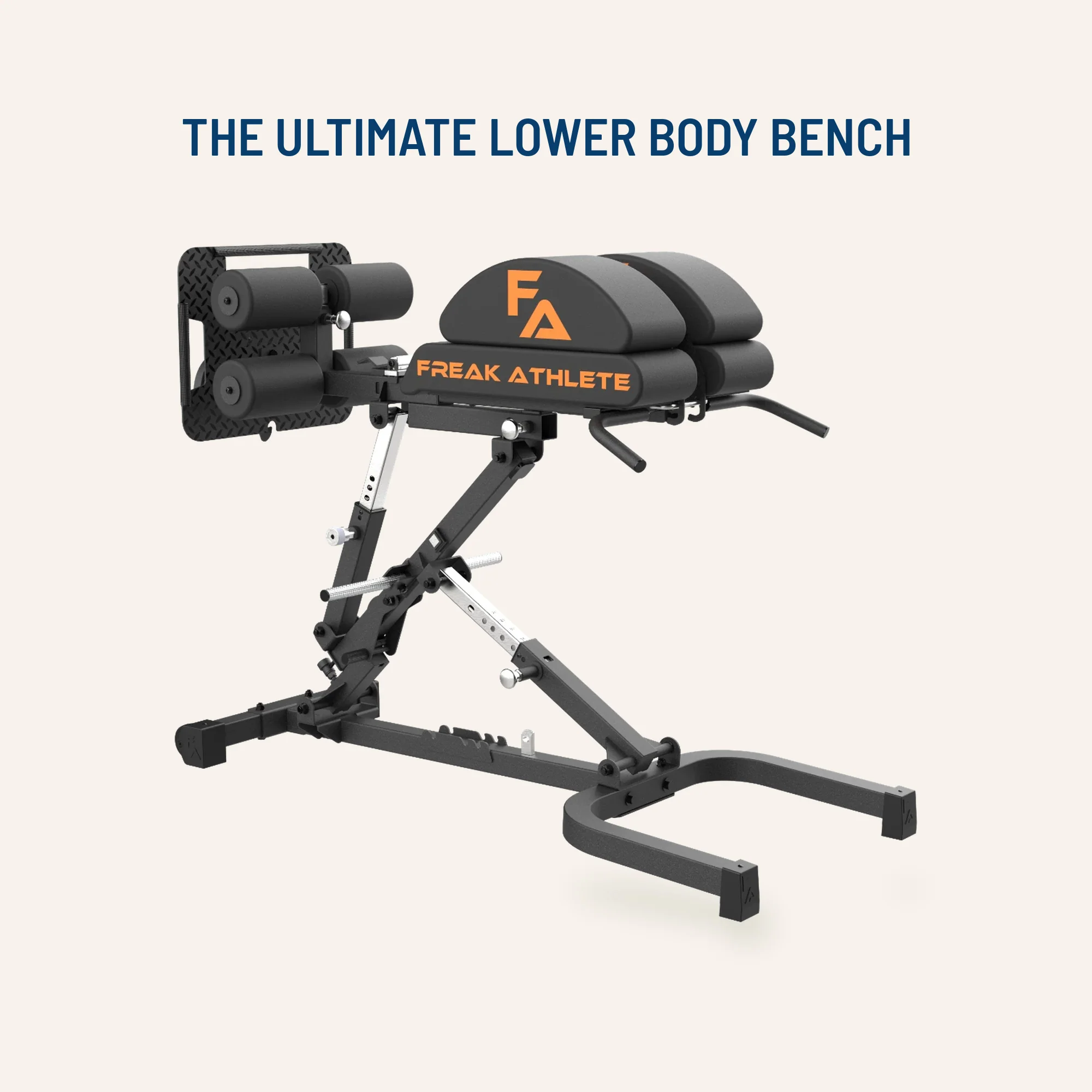


HUSLA Leg Extension Pad
Pad attachment designed to increase usable range of motion on compatible leg-extension machines.


Multi Bench MBX-650 2.0
Adjustable multi-bench with roller adjustment, 15 backrest positions and accessory mounts.

Compact Leg Press CLP-700
Compact reverse-style leg press with a moving seat carriage and an adjustable footplate.

Leg Press/Hack Squat BPR-790
Convertible 45-degree leg press and hack squat machine with a broad footplate and band pegs.

GymPin Squat Wedges
Non-slip 15-degree squat wedges help elevate the heels for deeper quad-focused squats.
4. Protect the next working set
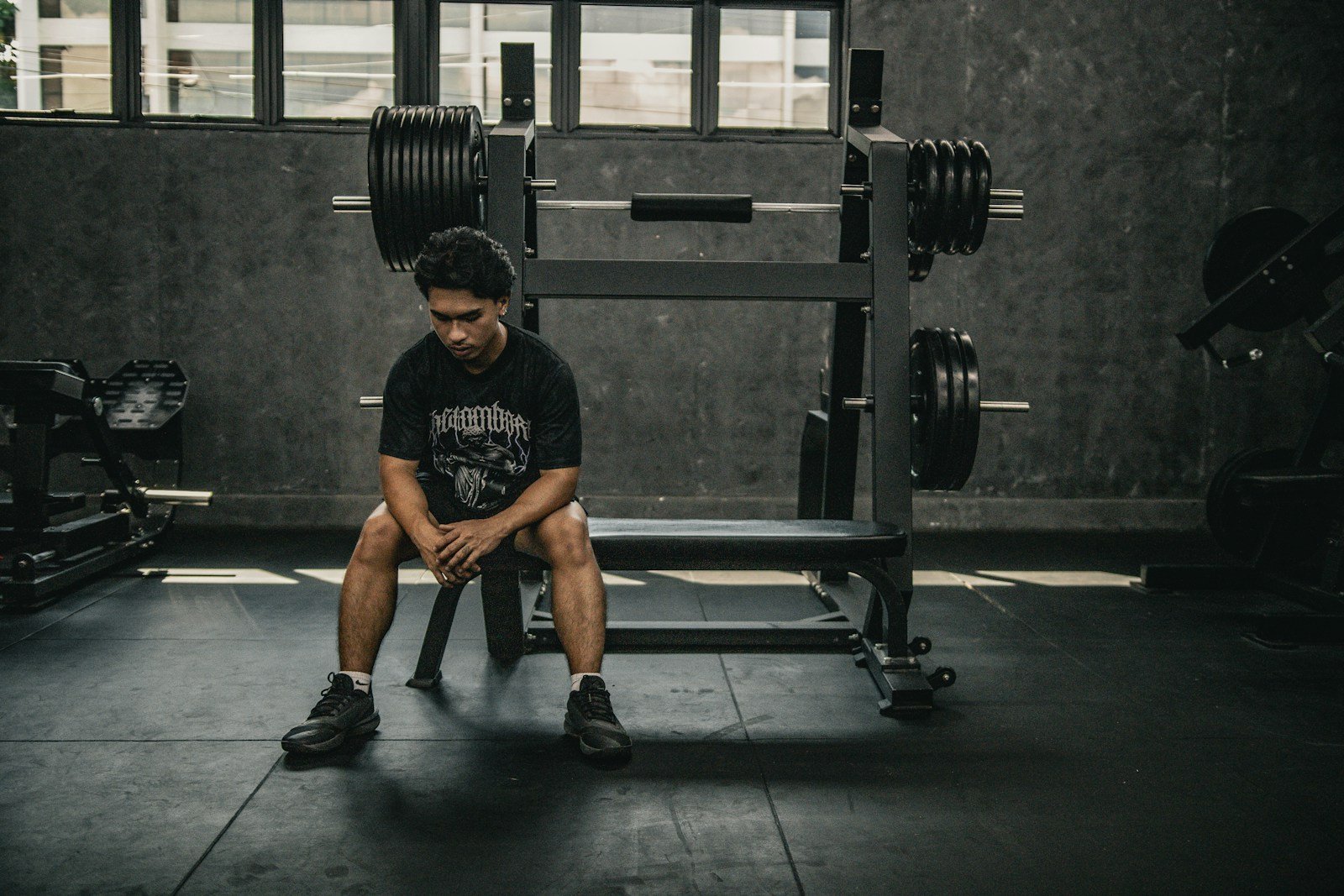
The interval needs to leave room for a controlled restart. That includes returning to the equipment, checking the setting and establishing your position. A timer expiring while you are still walking back does not mean the next repetition has to begin immediately.
Keep equipment setup consistent when judging recovery. On a leg-extension machine, changes in seat position, pad placement or movement range can alter the task. If the load remains the same but the last repetitions become progressively shorter, a higher repetition count may not represent better performance.
Use a rest duration that supports the work you have planned rather than treating a research protocol as your mandatory schedule. Heavy multi-joint work, a lighter accessory set and a conditioning circuit need not share one recovery rule. The training goal should explain why the interval is there.
Also keep the space workable for other gym users. Choose a safe nearby place to recover, avoid pacing through someone’s lifting area and agree on turns when sharing a station. Practical courtesy and recovery can coexist without leaving the machine unattended for an unrelated workout.
5. Compare your routine without changing everything else

If you want to assess a between-set habit, start with a session you already understand. Keep the exercise order, machine setting, load, intended range and rest duration reasonably stable. Then note whether you sat quietly or included a short, easy walk. One session can suggest a question; it is not a controlled experiment.
Record individual sets rather than only the final repetition total. A log might show ten repetitions on the first set, nine on the second and eight on the third, with the same recovery interval. If you change the break activity, compare the pattern and the quality of the repetitions, not only whether the last set felt unusually difficult.
Include obvious context. A harder preceding exercise, a rushed warm-up or a changed machine can explain a different result. Avoid claiming that a short walk caused an improvement when several other things changed. A few repeatable sessions offer more useful feedback than a single impressive total.
Consistency and a program matched to your goals remain more important than finding a special ritual for every minute between sets. Sitting can be purposeful recovery. Walking can be a comfortable choice. Stretching can serve flexibility. Give each activity an honest role and judge the next working set on its own terms.

Funny Gym Shirts & Workout Gear
Funny gym shirts, tanks, hoodies and workout gear for lifters who like training hard.

Swoledemort He Who Must Not Skip Leg Day | Swolecraft P Hoodie
Stay casual and show some leg-day attitude with “Swoledemort He Who Must Not Skip Leg Day”.

Quadzilla Massive Quads Decal Leg Day Squat Meme Sticker
Stick a little “Quadzilla” humor on your favorite gear.

Leg Day Squats Deadlifts Vest Meme Tank Top
Bring “Leg Day” humor to your next lifting session.

My Leg Hurts Leg Day Sweater & Squat Meme Lovers T-Shirt
Keep things casual with a little “My Leg Hurts” attitude.

Leg Day Is Calling You Sweater Squats & Deadlifts T-Shirt
Add a playful “Leg Day Is Calling You” touch to your casual rotation.

Leg Day No Thanks Skip Leg Day Meme Sweater Squats T-Shirt
Show some gym-day personality with “Leg Day No Thanks”.

Leg Day / Metallica
Add a playful “Leg Day The Day That Never Comes Metallica” touch to your casual rotation.

Fat Aquaman : Meme Rest Day & Bulking Season T-Shirt
Rep “Fat Aquaman” humor in and out of the gym.
Heavy Metal Skeleton Squat for Powerlifters, Bodybuilde T-Shirt
A t-shirt featuring the Heavy Metal Skeleton Squat for Powerlifters, Bodybuilders and Leg Day Lifters artwork, bringing lifting-inspired humor and distinctive gym graphics to your everyday gear.

Leg Day Thou Shalt Not Skip Leg Day Medieval Knight Pul Hoodie
Show off your medieval humor in a laid-back “Leg Day” hoodie.