What dumbbell calf raises actually train
Calf training often becomes an afterthought: a few rushed heel lifts at the end of leg day, followed by the assumption that stubborn calves simply cannot grow. The problem is usually less mysterious. A meaningful calf session needs enough resistance, a repeatable range of motion, and a progression that does not disappear whenever the rest of the workout runs long. Dumbbells make those ingredients accessible without requiring a dedicated calf machine.
The movement is ankle plantarflexion: the heel rises as the forefoot presses against the floor or a stable platform. Two major contributors are the gastrocnemius, the visible two-headed muscle crossing both the knee and ankle, and the soleus, which sits deeper and crosses the ankle alone. The smaller muscles of the foot and lower leg help maintain position. Straight-knee calf raises place the gastrocnemius in a longer position than bent-knee versions, but both major calf muscles contribute to either exercise.
That anatomy matters when deciding what to train, not because one exercise magically isolates a single muscle. A standing dumbbell raise is an efficient foundation for calf size and plantarflexion strength. A bent-knee variation can complement it, particularly when you want more total calf work without repeating the exact same position. Neither variation is a substitute for all the jumping, sprinting or balance practice that an athlete may need.
The first useful goal is simple: learn to produce a deliberate heel rise without using a bounce, shifting your weight toward the outside of the foot or shortening the lowering phase as the set becomes difficult. Once those repetitions look alike, you can start measuring progress rather than merely counting fatigue.
How to perform a standing dumbbell calf raise
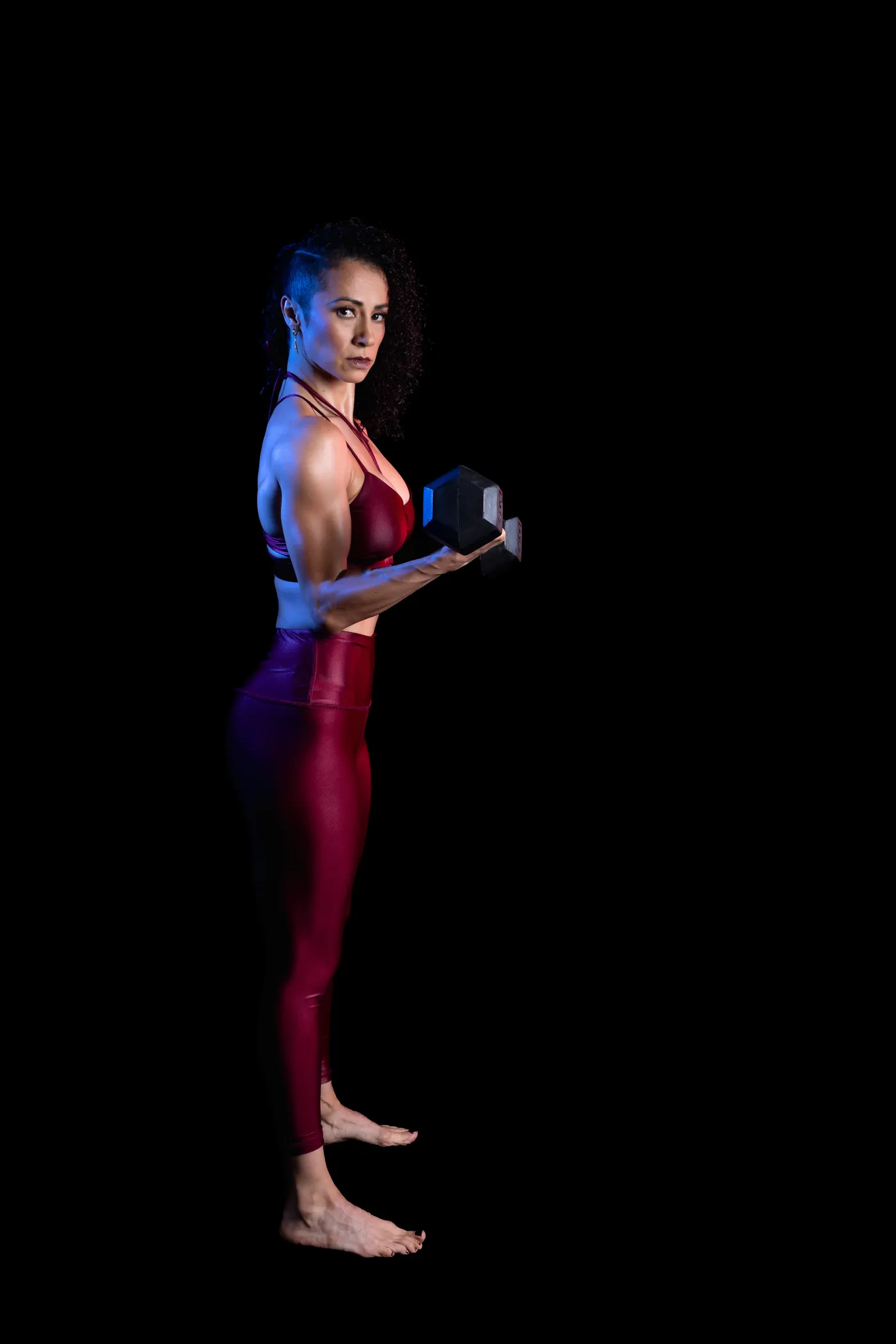
Begin on a flat, non-slip surface with a dumbbell in each hand, feet roughly hip-width apart and your weight distributed across the ball of each foot. Keep your trunk tall, shoulders relaxed and knees comfortably straight rather than aggressively locked. A wall, rack upright or sturdy rail can provide light balance support when using one dumbbell or working one leg at a time. Stability is useful: the goal is to challenge the plantarflexors, not to turn every repetition into a balancing contest.
Press through the forefoot and lift the heels as high as you can without rolling the ankles outward. Pause briefly at the top, then lower under control until the heels settle or, on an appropriate step, move slightly below the forefoot. Keep the same foot position on each repetition. Avoid throwing the torso upward, bending the knees to help the weight move or letting the dumbbells swing forward. Those compensations may make the set feel easier while reducing the useful work performed by the calves.
Try a controlled upward phase, a one-second pause near the top and a two- to three-second descent as an initial teaching rhythm. Tempo is a technique tool, not a magic hypertrophy formula. A faster concentric can also be effective once you can control the movement. Stop a set when the heel height or control falls apart, rather than counting a string of increasingly shallow pulses as full repetitions.
For a first session, perform two or three sets of 10–15 smooth repetitions with a weight that leaves roughly two clean repetitions available. Record the load, the range achieved and whether you needed support. When both sides can repeat the same standard, increase the challenge gradually. For people whose grip fatigues first, a single heavier dumbbell plus support may be more productive than holding two awkwardly heavy weights.

Equipment Worth Exploring
Explore equipment, accessories and gear from our carefully selected range.


VOLTRA
Compact digital cable trainer with smooth, adjustable resistance.

Go-Tone Pro
Portable digital cable trainer with up to 66 lb (30 kg) of adjustable resistance.


GymPin Squat Wedges
Non-slip 15-degree squat wedges help elevate the heels for deeper quad-focused squats.



Squat Harness
Wearable harness for hands-free cable squats, sled work, and lower-body training.
Standing versus seated: what muscle-growth evidence actually says
A useful 12-week experiment compared straight-knee and bent-knee calf raises within the same 14 previously untrained adults. Each participant trained one leg standing and the other seated, with comparable loading and session structure. MRI measurements showed substantially greater growth of both gastrocnemius heads in the standing condition. The lateral head increased about 12.4% versus 1.7%, and the medial head about 9.2% versus 0.6%. Soleus growth was more similar between positions, approximately 2.1% and 2.9%.
Those are interesting measurements, not universal promises for every lifter. The study was small, involved untrained adults and used specific training conditions. It does not establish that seated raises are useless, nor does it prove that everyone will grow calves by double-digit percentages in three months. It does suggest that the longer gastrocnemius position created by a straighter knee is worth prioritizing when visible calf development is the main goal.
For practical programming, put the standing raise first while you are fresh. Then add a seated or otherwise bent-knee variation if your recovery and available time allow. A seated dumbbell raise can be performed on a sturdy bench with a padded weight resting above the knees, but keep the load stable and avoid placing pressure directly on the kneecap. A purpose-built seated machine may be easier to load progressively when available.
Choose equipment according to how reliably it lets you train the muscle. A dumbbell is not inherently inferior to a machine, and a machine is not automatically superior because it allows larger numbers on a weight stack. Compare the challenge at the ankle, the usable range, and whether you can progress without changing technique. Treat each variation as a tool with a specific purpose rather than a contest between brands of equipment.

Leg Day Shirts & Workout Gear
Leg-day gym shirts and workout gear for lifters who never skip squats, lunges and lower-body punishment.

Shirt Never Skip Leg Day NSLD Meme – Chicken Legs & T-Shirt
Show some leg-day attitude with a playful “Never Skip Leg Day NSLD Meme” tee.

Never Skip Leg Day Squats & Deadlifts Meme , Top T-Shirt
Show some leg-day attitude with a playful “Never Skip Leg Day” tee.

Leg Day Is Calling You Decal Water Bottles & Sticker
Bring “Leg Day Is Calling You” attitude to your water bottle or laptop.

Not Recommended Leg Day 1 Star Review Squats Hoodie
Bring “Not Recommended Leg Day” gym humor to lazy days and post-workout plans.

Coffee Shots & Heavy Squats for Caffeine Lovers, Liftin T-Shirt
Show some leg-day attitude with a playful “Coffee Shots & Heavy Squats” tee.

Never Skip Leg Day Flamingo – Fitness Meme Vest Muscle Tank Top
Train hard, laugh a little, and rep “Never Skip Leg Day Flamingo”.


Leg Day Thou Shalt Not Skip Leg Day Medieval Gym Crewne T-Shirt
Show some gym-day personality with “Leg Day”.

Leg Press Dost Thou Even Press Medieval Knight Muscle S Tank Top
Bring “Leg Press” humor to your next lifting session.

Anti Leg Day Leg Day Club Decal Water Bottles & Sticker
Give your everyday gear a playful “Anti Leg Day Leg Day Club” twist.
Range of motion, the bottom stretch and foot position
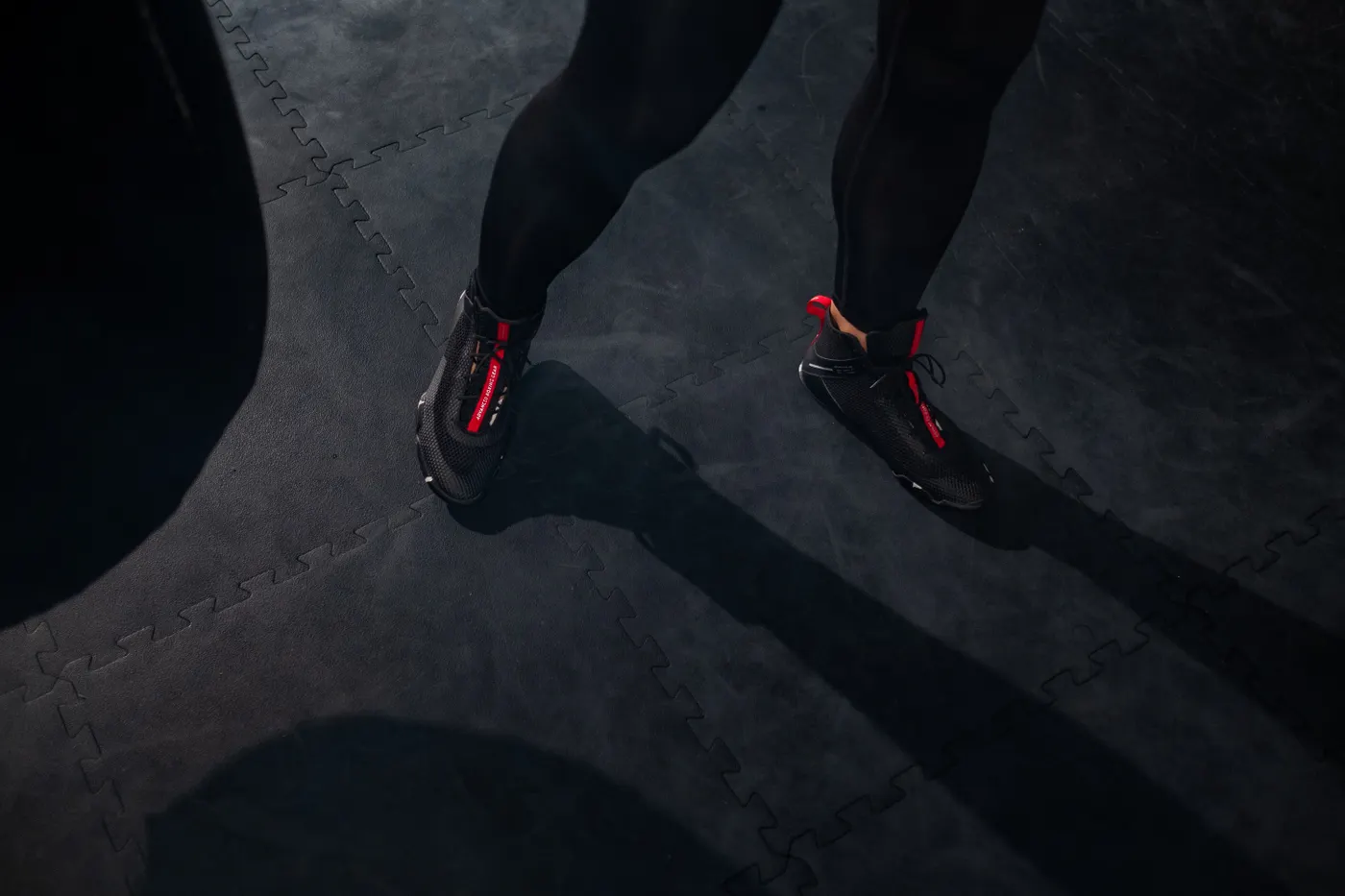
Calf raises offer an unusual opportunity to work a muscle near a lengthened position. In an eight-week trial involving 42 young women, training the lower, lengthened portion of a calf raise produced more medial gastrocnemius thickness growth than training only the top portion or a full-range protocol under those particular conditions. That does not mean everyone should abandon full repetitions. It means that rushing past the bottom stretch to chase a high heel position can neglect an important part of the movement.
A stable step or purpose-built calf block can increase available ankle motion, but it should be wide enough for the forefoot, resist tipping and allow you to step off safely. Start with body weight to check comfort. Descend only as far as your ankle can control without a sharp tug or pain at the Achilles tendon. A pause near the bottom can reduce bouncing and make the exercise more repeatable. Do not force a dramatic heel drop simply because a video demonstrates one.
Foot angle deserves less obsession than it receives. A small trial found that turning the feet slightly inward or outward altered growth patterns between gastrocnemius heads, but it was a modest study with a particular exercise and training dose. For most people, a comfortable near-forward stance provides a better starting point than extreme toe angles. If you experiment with a mild rotation, keep the knees and feet aligned and avoid twisting through the ankle under load.
Use one measurable standard for several weeks: same footwear, same step height, same heel depth and similar pauses. When the range increases, the exercise may become harder even with an unchanged dumbbell. That is real progression, but it is different from adding load. Log both. More movement is only useful when you can control it; a slightly smaller comfortable range is preferable to repeated painful stretching.
Choose the right variation and loading method
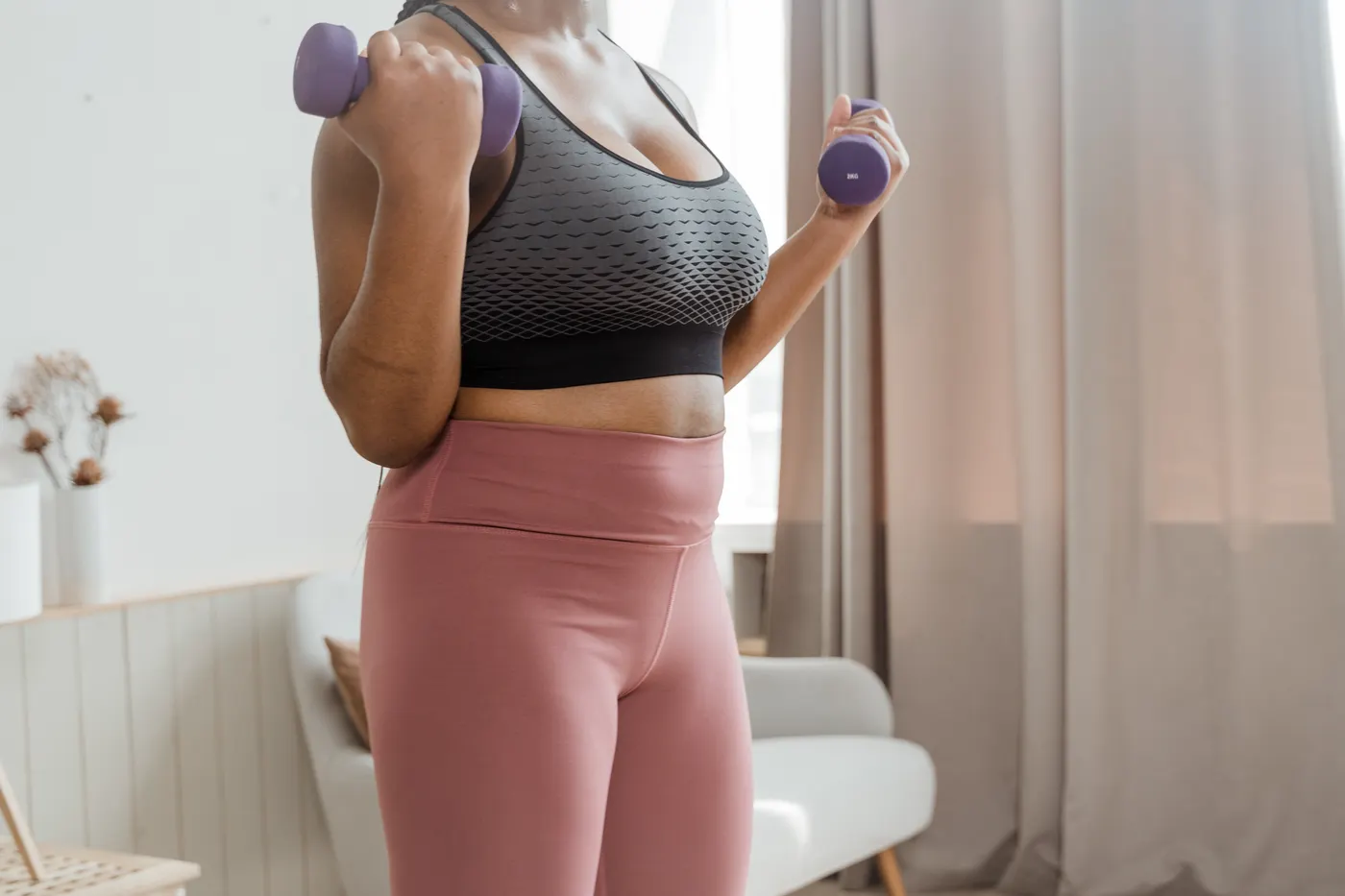
Two-dumbbell standing raises are convenient for beginners and intermediate lifters, but they eventually run into grip, balance or dumbbell-size limits. The single-leg version solves part of that problem by placing more of your body weight over one calf. Hold a dumbbell in the opposite or same hand based on what feels stable, and use the free hand for light support. Work each leg through the same controlled range rather than allowing the stronger side to set a rushed pace.
A Smith machine, barbell or loaded standing-calf machine can make heavier bilateral sets easier to manage, provided the setup permits safe foot positioning and a predictable line of resistance. A leg press can also be used for ankle plantarflexion with the forefoot on the platform, but the feet must remain securely supported and the machine’s safety stops must be understood. Never let the sled force the ankle into an uncontrolled stretch. For cable-based setups, verify the anchor, attachment and direction of pull before loading heavily.
Heavy and lighter sets can both have a place. A controlled experiment comparing higher and lower repetition ranges found that calf muscles could grow under both loading conditions when the training effort was appropriately challenging. That does not mean load never matters: strength practice, joint comfort, set duration and proximity to failure still affect what is practical. You might use sets of 8–12 for one exercise and 15–20 for another, without treating either range as compulsory.
Choose the version that allows the most honest repetitions and consistent overload. A basic pair of adjustable dumbbells may be enough for months. A rack upright can provide balance, a calf wedge can standardize ankle position, and a bench supports bent-knee work. None of these accessories replaces progressive training. Add tools only when they solve an actual limitation in your setup.
Equipment Worth Exploring
Explore equipment, accessories and gear from our carefully selected range.

FID Bench MAX
Adjustable bench offering flat, incline, and decline positions + adjustable headrest.


Belt Squat Collar
Heavy-duty collar adapter for compatible belt-squat and landmine bar setups.
Calf soreness, Achilles discomfort and recovery
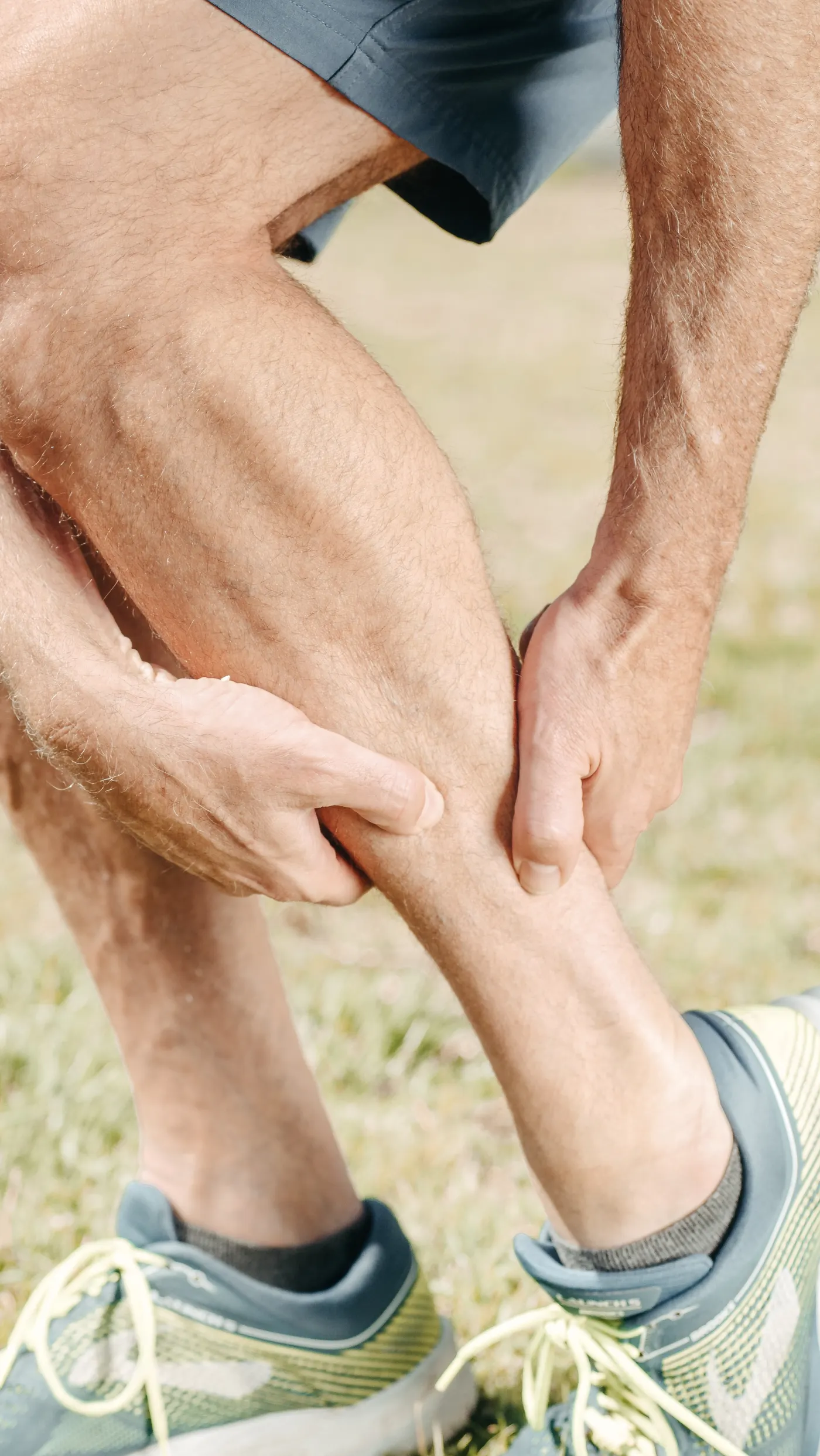
Calves are active during walking and many sports, but that does not make them immune to fatigue. New calf training often produces soreness, particularly when you introduce a larger stretch, unilateral loading or more slow lowering than you are accustomed to. The sensible response is not to chase maximum soreness as proof of effectiveness. Start with manageable volume and leave enough time for the next session to be technically consistent.
Ordinary muscle soreness is usually diffuse and temporary. Focal Achilles tendon pain, a sudden pop, marked swelling, limping or a sharp pain during heel raises is different and deserves appropriate assessment. Do not use a generic hypertrophy program as a substitute for rehabilitation. Clinical guidance for midportion Achilles tendinopathy supports progressive tendon-loading exercise, but the starting load, tolerated symptoms and progression need to be individualized. Pain-free or symptom-guided movement may be appropriate in a supervised plan; aggressive loaded stretching is not automatically better.
Consider the training week as a whole. Running hills, sprinting, jumping, long hikes and court sports already place meaningful demand on the plantarflexors and Achilles tendon. Adding four hard calf sessions on top of a sudden increase in those activities can exceed your current tolerance. Two direct sessions per week are a sensible starting point, with an optional third only when performance and symptoms remain stable.
Recovery is easier to judge through performance than through soreness alone. If you repeatedly lose heel height, cannot match your usual load, or notice worsening tendon stiffness from one session to the next, reduce sets or range temporarily. A short easy walk or comfortable ankle movement may help you feel less stiff, but it is not a replacement for rest when the tissue is irritated. Keep the aim on weeks of consistent loading, not a single heroic workout.
Bodybuilding Shirts & Workout Gear
Bodybuilding shirts, tanks and gym gear for lifters chasing muscle, size, symmetry and the pump.

Be Happy Lift Heavy Happy Weights Emoji Weight Plate Hoodie
Show off your powerlifting humor in a laid-back “Be Happy Lift” hoodie.

Gymhead Meme Mind Muscle Connection Hooded Hoodie
Make your off-duty look more fun with “Gymhead”.

Funny Lift O'Clock Gym | Bodybuilding Muscle Shirt For Tank Top
Train hard, laugh a little, and rep “Lift O'Clock”.

Nice Try Gravity Astronaut Gym | Funny Space Workout & T-Shirt
Heavy lifts, good laughs, and a little “Nice Try Gravity Astronaut” energy.

Anti Muscle Muscle Club Shirt Meme & Gymbros T-Shirt
Rep “Anti Muscle Muscle Club” humor in and out of the gym.

Lift Heavy Pet Dogs Meme – Top & Gymbros T-Shirt
Show some powerlifting attitude with a playful “Lift Heavy Pet Dogs Meme” tee.

Gymbro Meme & Fans Athletic Shirt Tank Top
Add some lifting attitude to training with “Gymbro”.

Anti Social Gymrat Club Serious & Fans Vest Tank Top
Show some personality between sets with “Anti Social Gymrat Club”.

OnlyGains Meme Decal Water Bottles & Equipment Bro Sticker
Give your everyday gear a playful “OnlyGains Gym Meme” twist.

The Real Everest – Muscle Mountain Pullover Jumper T-Shirt
Bring “The Real Everest” humor to your everyday gym style.
A six-week calf-growth plan you can actually track
Train calves twice per week with at least one easier day between sessions. Place the first session after your main lower-body lifts if time allows, or earlier when calf development is a genuine priority. For the first two weeks, perform three sets of standing dumbbell raises for 10–15 repetitions and two sets of bent-knee raises for 12–20. Leave roughly two repetitions in reserve, use a controlled descent and keep the same foot placement each session. If you have never trained calves directly, begin with two sets of each instead.
During weeks three and four, add repetitions within the chosen ranges before adding weight. Once all standing sets reach 15 consistent repetitions, increase the dumbbells by the smallest practical amount and work back toward 10. Keep the bent-knee movement steady, or increase its load when 20 clean repetitions become comfortable. One session can emphasize straight-knee loading; the other can use a single-leg standing variation with a support hand, followed by bent-knee work.
In weeks five and six, continue the same progression rather than changing exercises for novelty. If recovery is good, add one set to the standing movement on one weekly day. If running or sport has increased, hold volume steady instead. Stop sets when heel height visibly drops or ankle control changes. Do not increase weight, step depth and set count simultaneously: adjusting one variable at a time makes it easier to tell what is working.
Record four things after each workout: load, completed clean repetitions, the heel-rise range you used and any Achilles discomfort during or the morning after. A short video from the side can help check whether the final repetitions match the first. Reassess at six weeks using the same equipment and conditions. Better load or repetition performance is a useful near-term sign; visible muscle growth generally needs more time and consistent measurement. The plan succeeds when it creates repeatable progress without sacrificing comfortable movement.