Advertising disclosure: This page includes affiliate product links that may earn us a commission, as well as products from our own store.
Do your biceps really need every set taken to absolute failure? A controlled eight-week experiment gave 19 experienced lifters a rare side-by-side test: one arm stopped with one to three repetitions left, while the other kept curling until it could not complete another rep. Both arms grew stronger and thicker. The useful answer is not that intensity no longer matters. It is that training hard and failing every set are not the same requirement.
For lifters who want more muscle without dragging every workout into the ground, the difference matters. Here is what was actually tested, why the small differences need careful reading, and how to use reps in reserve without turning them into an excuse for easy sets.
The eight-week preacher-curl experiment: one lifter, two strategies
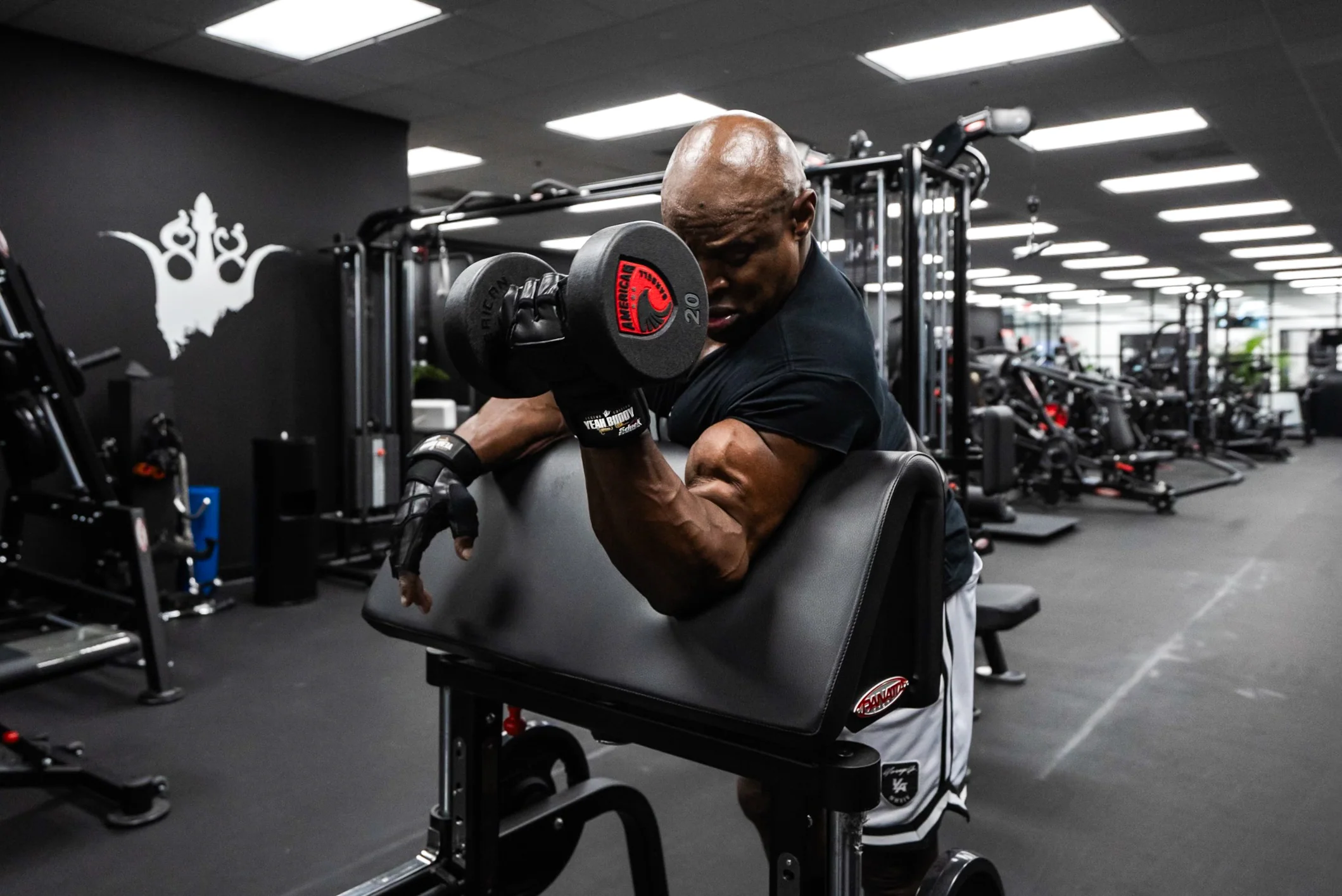
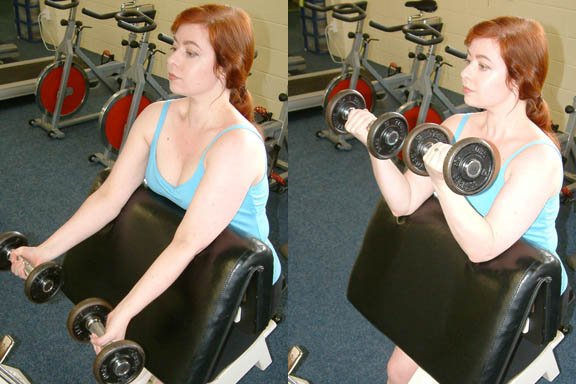
The design separated two ways of approaching the same hard working sets. Nineteen resistance-trained adults completed unilateral preacher curls twice per week for eight weeks. One arm worked to momentary muscular failure: the point at which another complete repetition could not be performed despite maximal effort. The other arm ended sets with an estimated one to three repetitions in reserve, often abbreviated RIR. Loads were about 70–80% of each arm’s one-repetition maximum, so these were meaningful resistance-training sets, not leisurely warm-ups.
Using opposite arms in the same participant is a clever way to reduce differences caused by genetics, sleep, overall diet and training history. Each person’s arms shared much of the same recovery environment. Preacher curls also constrain body swing, making it easier to isolate the elbow flexors. However, a single exercise over eight weeks cannot settle the optimum effort for squats, deadlifts or every muscle group. Nor does one small study prove that the two approaches are perfectly identical.
The distinction matters because people often confuse technical failure with simply losing perfect form, and they confuse momentary failure with needing a spotter to force extra repetitions. The test addressed ordinary completed repetitions. It did not require forced negatives, dropsets or cheating through exhausted reps. If you use its results, compare disciplined hard sets with disciplined hard sets rather than comparing a strict RIR set with an all-out body-swinging curl.
What changed in biceps size and one-rep strength?
Both approaches were followed by substantial improvements in measured elbow-flexor thickness. Estimated mean thickness gains were approximately 0.205 cm for the 1–3 RIR arm and 0.237 cm for the failure arm. The estimated between-condition difference was only 0.032 cm, with an uncertainty interval stretching from a slight RIR advantage to a slightly larger failure advantage. In other words, the numerical edge for failure was small and too uncertain to treat as a dependable extra growth payoff.
Strength followed a comparable pattern. The estimated preacher-curl one-rep-maximum improvement was roughly 5.41 kg with RIR and 6.00 kg with failure. The estimated between-condition gap was about 0.59 kg, again with uncertainty extending across zero. Both strategies therefore looked useful for increasing the specific strength they trained, without a decisive winner. A 0.59 kg estimate is not evidence that failing every set will reliably add that amount to your curl.
These numbers deserve context. The trial was relatively short, involved only 19 lifters, measured muscle thickness rather than every possible aspect of physique development, and used one arm-focused movement. Measurements are also estimates rather than infinitely precise truths. Results compatible with a small benefit to either approach should not be rebranded as proof of exact equivalence. The practical conclusion is narrower but valuable: stopping very close to failure can deliver convincing progress.
That is different from stopping a set simply because it feels uncomfortable. The RIR arm still approached hard repetitions. It was not coasting through the easy first half of an exercise.

Equipment Worth Exploring
Explore equipment, accessories and gear from our carefully selected range.


EZ Curl Barbell
Olympic EZ curl bar with angled grips for curls and triceps exercises.

Dual Hook EZ Curl Bar
Angled aluminum dual-hook cable bar for biceps curls and pulldown variations.


Rubber Hex Dumbbells
Rubber-coated hex dumbbell pairs with a stable shape for home and commercial strength training.



GymPin D Cuffs
Adjustable wrist cuffs with textured grips for supported cable-machine exercises.

Reps in reserve: how close is close enough?
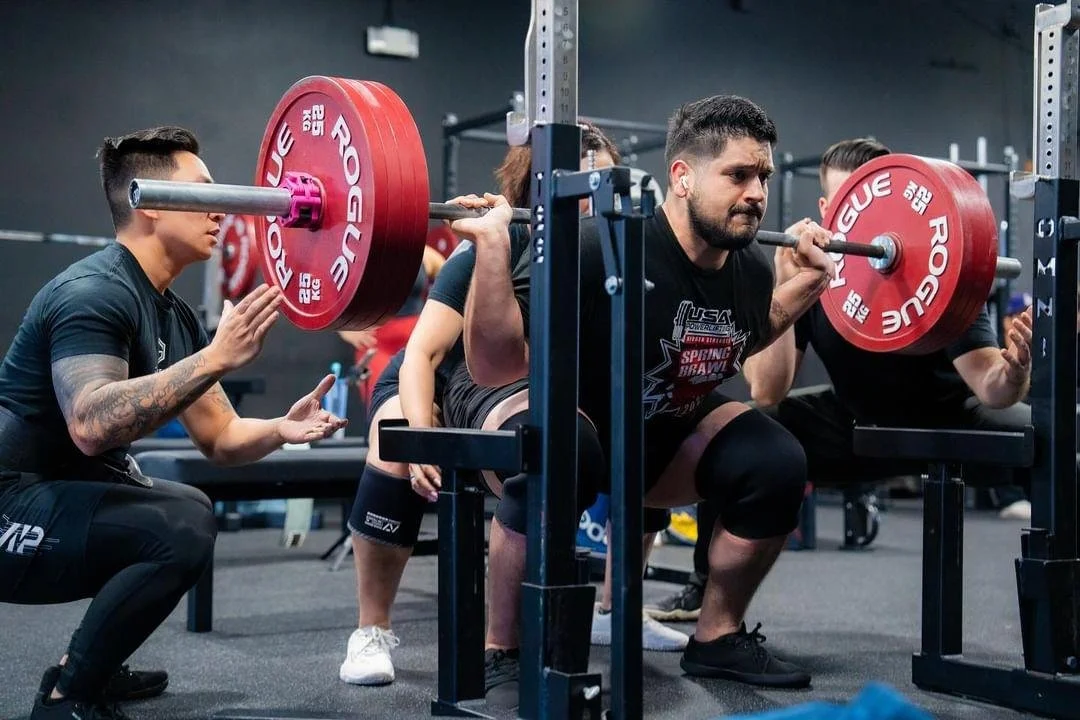
RIR is a prediction of how many more clean repetitions you could have completed at the same load, range of motion and technique. Zero RIR means you are at the last possible full rep. One RIR means another full rep probably remained. Three RIR means you could probably have done three more, not ten more. It is a useful prescription because it translates abstract effort into a decision you can make while holding a bar.
Try a simple calibration exercise on a stable movement such as a preacher curl or cable row. After a thorough warm-up, choose a load you usually lift for eight to twelve reps. Stop at what feels like two RIR and predict your final possible repetition count. On an occasional separate test set, safely continue to technical or momentary failure and compare the estimate. If you called two RIR but finished six more reps, your usual working sets may be farther from the target than you thought.
Accuracy improves with practice, but estimates tend to be less precise when a lifter is far from failure, uses unfamiliar movements or changes tempo and range of motion mid-set. It helps to keep exercise setup, repetition speed and technique stable. Rate effort after the set rather than relying on how intimidating the weight looks before the first rep.
On the final few reps, expect bar speed to slow, the target muscle to burn, and the concentration required to rise. Yet burning is not a stopwatch for growth, and slowed speed does not require you to collapse into a dangerous rep. Stop before form breaks. On technically demanding compound lifts, two to three RIR may be a particularly sensible starting point; on supported curls and extensions, one or two RIR is often easier to judge.
Why chasing failure can make the next set worse

Grinding out the last possible repetition creates a different recovery cost from stopping just short. The final repetitions recruit the remaining available effort, but they can also increase local discomfort, short-term strength loss and the feeling of being drained after a set. More fatigue is not automatically more growth. Your program works through the total useful training you recover from over weeks, rather than the drama of one spectacularly difficult set.
Consider two lifters doing three hard sets of curls. One reaches failure on set one and loses several repetitions on sets two and three. The other stops with one or two clean reps left and holds more consistent technique, load and total performance. Neither pattern automatically wins; training volume, loading and individual responses all matter. But the second strategy can make it easier to collect productive work without repeatedly crashing into an effort ceiling.
This trade-off becomes even more important when curls follow heavy rows, chin-ups or deadlifts. Grip and elbow flexors might already be carrying fatigue. Pushing every accessory set to failure may add soreness or joint irritation without making the larger session better. Conversely, an occasional failure set on a safe isolation machine can help calibrate effort or provide a focused challenge when total volume is controlled.
Other controlled training comparisons broadly support keeping a close eye on recovery cost. Acute fatigue rises as sets approach failure, and multi-study comparisons have not established that every set must fail for muscle growth. These findings do not license half-hearted training. They suggest spending the intensity budget where it produces useful stimulus instead of treating failure as a compulsory badge of effort.

Bodybuilding Shirts & Workout Gear
Bodybuilding shirts, tanks and gym gear for lifters chasing muscle, size, symmetry and the pump.

Muscle Mountain – Shirt , Bicep Mountain Meme T-Shirt
Heavy lifts, good laughs, and a little “Muscle Mountain” energy.

Micro Biceps Club President Gym | Funny Muscle Shirt | Tank Top
Train hard, laugh a little, and rep “Micro Biceps Club President”.


For Whom The Bell Curls Dumbbell Metallica Workout Musc Tank Top
Your gym-day look, with a playful “For Whom The Bell Curls” twist.

Ha Ha Hammer Curls Joker Gym Funny Workout Muscle Shirt Tank Top
Train hard, laugh a little, and rep “Ha Ha Hammer Curls Joker”.

Shirt – Biceps Of The Caribbean , Meme Gains & Bros T-Shirt
Heavy lifts, good laughs, and a little “Biceps of the Caribbean” energy.

The Real Rocky Mountains – Bicep Mountain Meme Decal fo Sticker
Stick a little “The Real Rocky Mountains” humor on your favorite gear.

GymTok – TikTok Parody Bicep Graphic for Gymbros and Fi T-Shirt
Make gym days more fun with “GymTok” style.

Gym If You're Reading This It's Arm Day Drake Parody & T-Shirt
Keep things casual with a little “If You're Reading This It's Arm Day Drake” attitude.
How to apply 1–3 RIR across a real workout
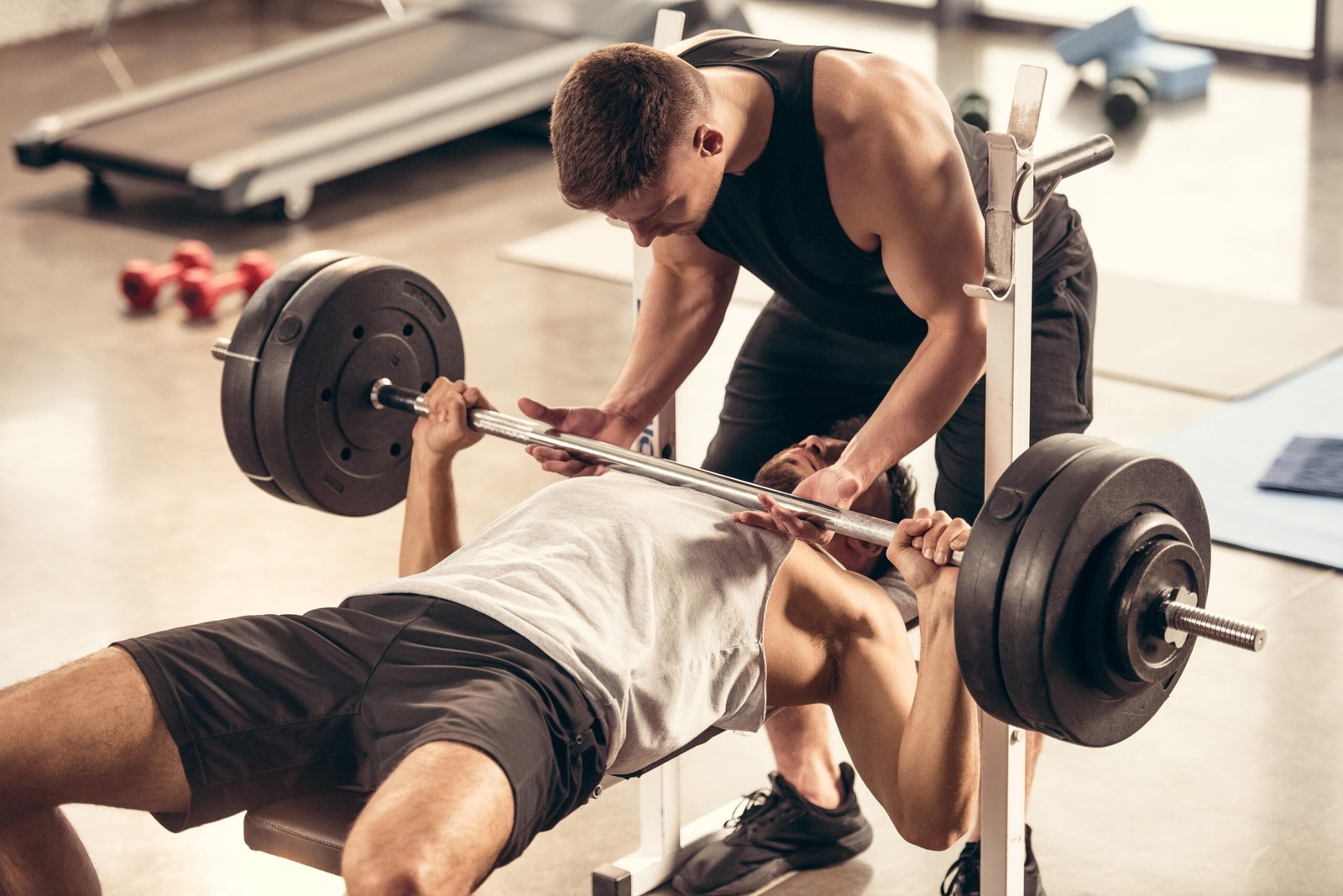
Rather than assigning the same effort to every lift, match your stopping point to the exercise and its risk. Start with controlled compound work, use consistent technique, and increase effort for safer accessory lifts. A practical upper-body day could look like this:
- Bench press: three work sets of six to nine reps at about two RIR, using safeties or a reliable spotter.
- Chest-supported row: three sets of eight to twelve at one to two RIR, maintaining full controlled pulls.
- Incline dumbbell press: two sets of eight to twelve at two RIR, without turning the final rep into a shoulder scramble.
- Preacher curl: three sets of eight to twelve at one to three RIR; leave the eccentric under control.
- Cable triceps extension: two or three sets of ten to fifteen at one to two RIR.
For a lower-body session, a squat at two to three RIR and a leg curl at one to two RIR may be more sustainable than treating both as death-or-glory tests. Keep enough rest between sets to make the target repetitions meaningful. Longer rests may be worthwhile for demanding compound movements; smaller isolation lifts often tolerate shorter rests, provided performance stays useful.
Progress by adding a rep within the prescribed range before increasing the load. For example, if curls move from 10, 9 and 8 reps at roughly two RIR to 12, 11 and 10 with the same clean technique, consider a modest increase in weight. Your muscles do not recognize the label on the logbook; they respond to repeated tension that becomes progressively more challenging.
Avoid retroactively changing RIR to flatter the session. If you finished six easy reps below your normal capability, call it what it was and adjust the next set. If sleep or performance is poor, staying near the upper end of the RIR range is a smart adjustment, not a lost workout.
Equipment Worth Exploring
Explore equipment, accessories and gear from our carefully selected range.


FID Bench MAX
Adjustable bench offering flat, incline, and decline positions + adjustable headrest.


VOLTRA
Compact digital cable trainer with smooth, adjustable resistance.

Go-Tone Pro
Portable digital cable trainer with up to 66 lb (30 kg) of adjustable resistance.

VForce Wall Trainer
Space-saving wall-mounted functional trainer with pivoting cable arms and variable resistance ratios.

VForce 2IN1
Half rack and pivot-arm functional trainer with switchable 1:1 and 2:1 pulley ratios.

VForce 3IN1
All-in-one rack combining an adjustable Smith machine, functional trainer, and free-weight station.

When going to failure still earns a place
Training to failure is a tool, not a rule to eliminate. On a stable preacher machine or single-joint cable exercise, the last set to failure may be acceptable if the movement is controlled and the next session has room to recover. The approach can be especially useful when the load is light enough that a set would otherwise end too far from a challenging effort. It may also teach an experienced lifter what one or two remaining repetitions actually feel like.
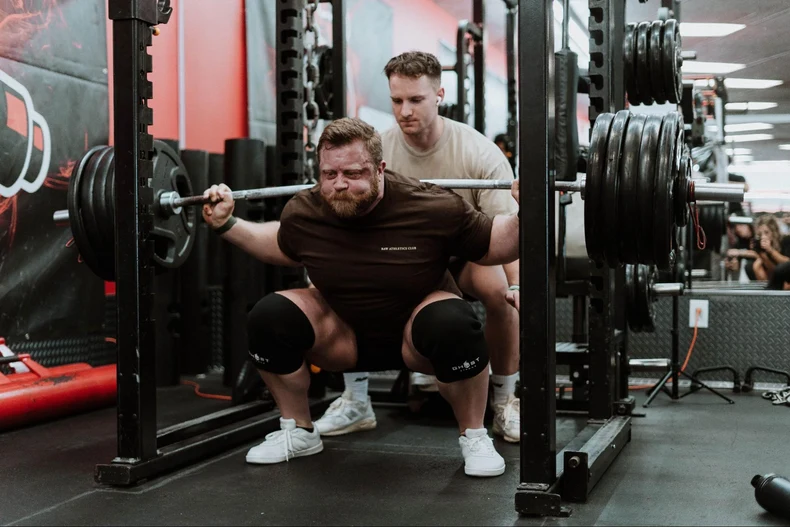
There are stronger reasons to avoid failure on certain exercises. A barbell bench without safeties can become a safety problem when the final rep stalls. A heavy squat with rapidly deteriorating position can create unnecessary technical risk. And if repeated failure causes your next day of training to suffer, any marginal advantage has to overcome that cost. Do not confuse deliberate proximity to failure with gambling on a rep you cannot safely finish.
One useful compromise is to keep the first sets of an exercise near two or three RIR and allow only the final set of a safe accessory movement to approach zero. That gives you the psychological satisfaction of a maximal effort without turning the whole session into repeated maximal efforts. It is also easy to measure: if the last set unexpectedly falls apart, revise the preceding loads or recovery, rather than adding extra forced repetitions.
Individual differences matter. Some people thrive on frequent hard isolation sets; others accumulate disproportionate fatigue or discomfort. Joint pain, unusual soreness and sudden performance drops call for adjustments in technique, volume and recovery. If a set is painful rather than merely difficult, stop and assess instead of using failure as justification to push through injury symptoms.
A four-week test: build harder arms without guesswork
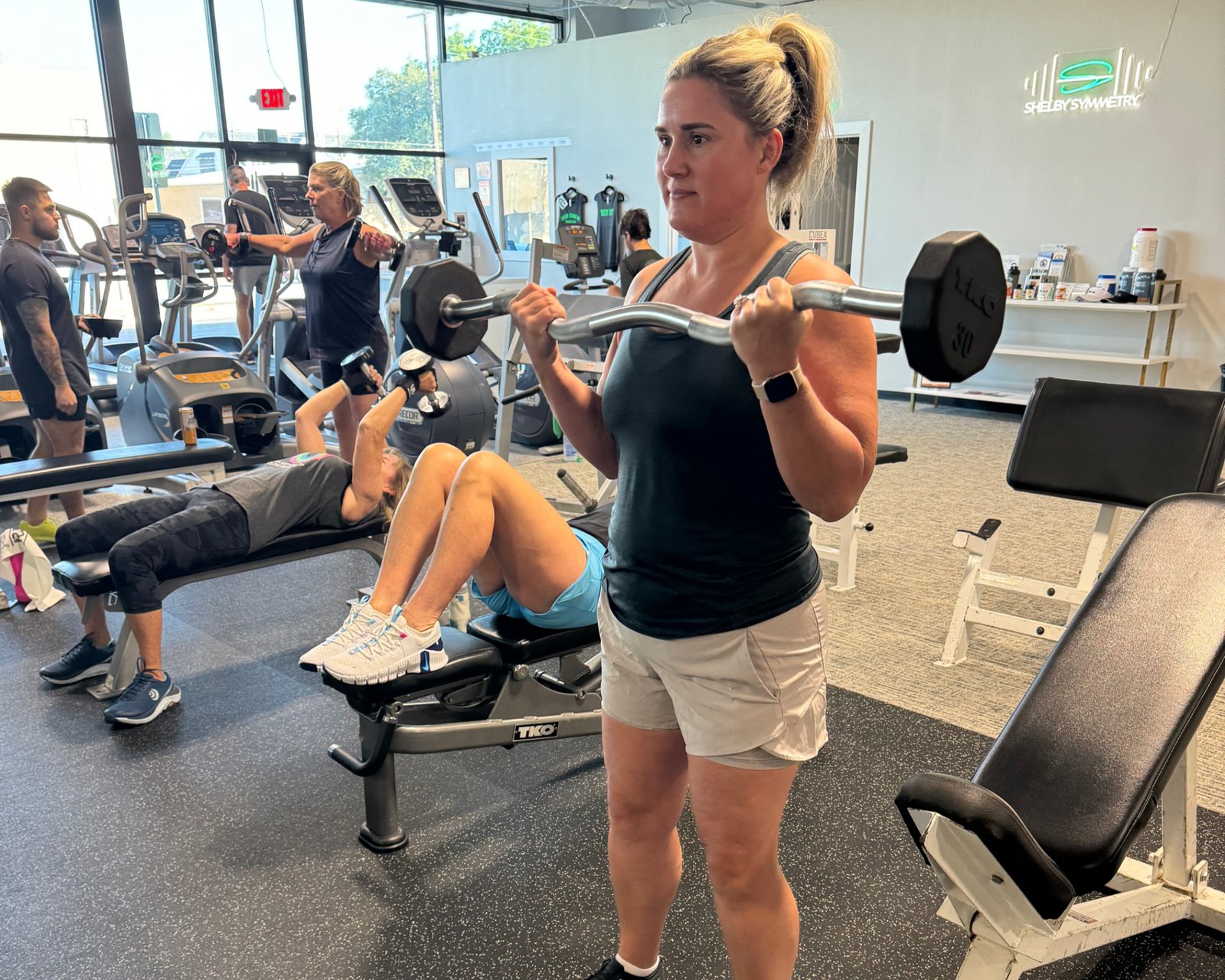
Give the strategy a measurable trial instead of changing your entire philosophy after one headline. Train biceps twice each week, leaving at least a day between sessions. Choose one supported curl and one complementary variation such as a standing dumbbell curl. Keep the exercise order and most of the rest periods stable so you can compare like with like.
Week 1: establish realistic loads for two or three sets of eight to twelve repetitions at about three RIR. Record weight, reps, estimated RIR and any elbow discomfort. Week 2: aim for two RIR while keeping the same range of motion. Week 3: make your final preacher-curl set approximately one RIR; if the session feels solid, keep your other sets at two RIR. Week 4: consolidate the rep gains and, only if recovery is good, try one safe terminal set to technical failure as a calibration test.
Track weekly performance, not just your arm pump. Your notes should show whether you have lifted more reps with the same load, moved slightly heavier weight with comparable form, or recovered better between sessions. For physique changes, take consistent photos and circumference measurements at similar times, while remembering that water and temporary swelling can move measurements more than a few weeks of actual muscle growth.
The takeaway from the 19-person curl experiment is encouraging rather than revolutionary. High-effort training matters, but you probably do not need to fail every set to make your arms grow. Save the hardest repetitions for situations where the movement is safe, the extra effort is purposeful and you can recover enough to repeat productive work next week. A strong program is built out of hundreds of good sets, not a collection of near-misses.
Funny Gym Shirts & Workout Gear
Funny gym shirts, tanks, hoodies and workout gear for lifters who like training hard.

Shirt – I Want You To Do One More Rep Uncle Sam T-Shirt
Make gym days more fun with “I Want You To Do One More Rep Uncle Sam” style.

No Reps No Glory Viking Gym – Funny Norse Workout Decal Sticker
Give your everyday gear a playful “No Reps No Glory Viking” twist.

Reps Jesus Shirt – & Gymbros T-Shirt
Show some Easter attitude with a playful “Reps For Jesus” tee.


No Bane No Pain No Gain Hooded Pullover Gymbros Comic V Hoodie
Keep it laid-back with a little “No Bane No Pain No Gain” attitude.

Mass Monster Bane Tank
Bring “Mass Monster Bane Inspired” humor to your next lifting session.


A Hard Gains Night – Beatles Rock Music Meme Vest Muscl Tank Top
Show some personality between sets with “A Hard Gains Night”.

Stranger Gains – Lifting Things Getting Gains Vest Musc Tank Top
Train hard, laugh a little, and rep “Stranger Gains”.

Welcome to the Gun Show Hoodie
Keep it laid-back with a little “Welcome to the Gun Show” attitude.