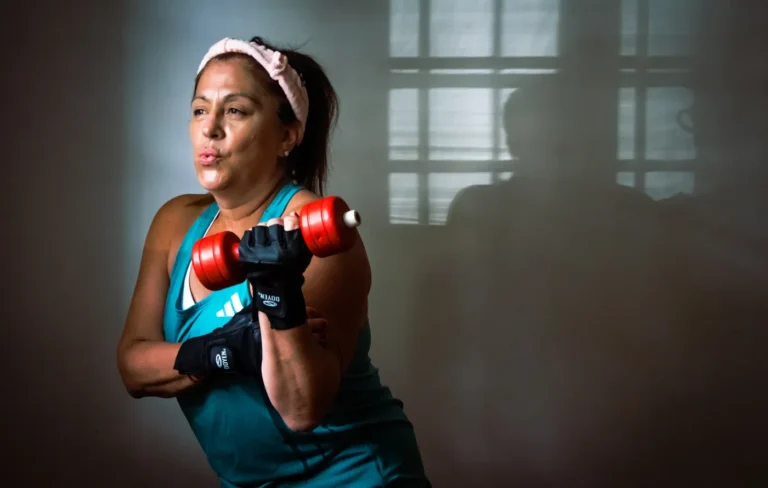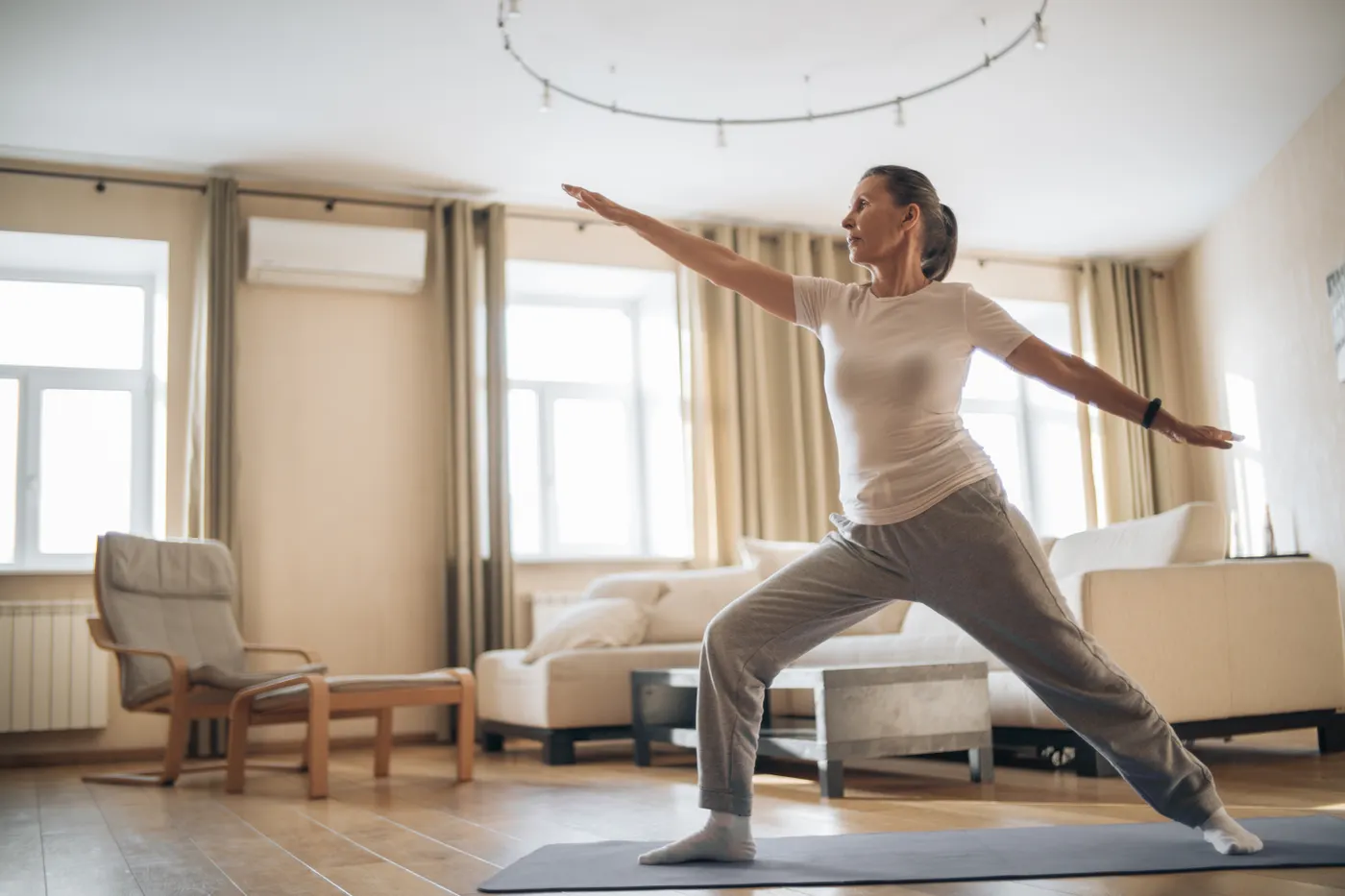
Can three quick exercises tell you how well you are aging? A 30-second chair stand, a single-leg balance hold and a dead hang can reveal useful pieces of physical capacity. They also leave out a great deal. These tests measure different skills, depend on technique and equipment, and cannot diagnose your health or predict your individual lifespan. Their best use is much simpler: establish repeatable baselines, identify weak links and choose training that improves everyday function.
What Three Fitness Tests Measure – and What They Do Not
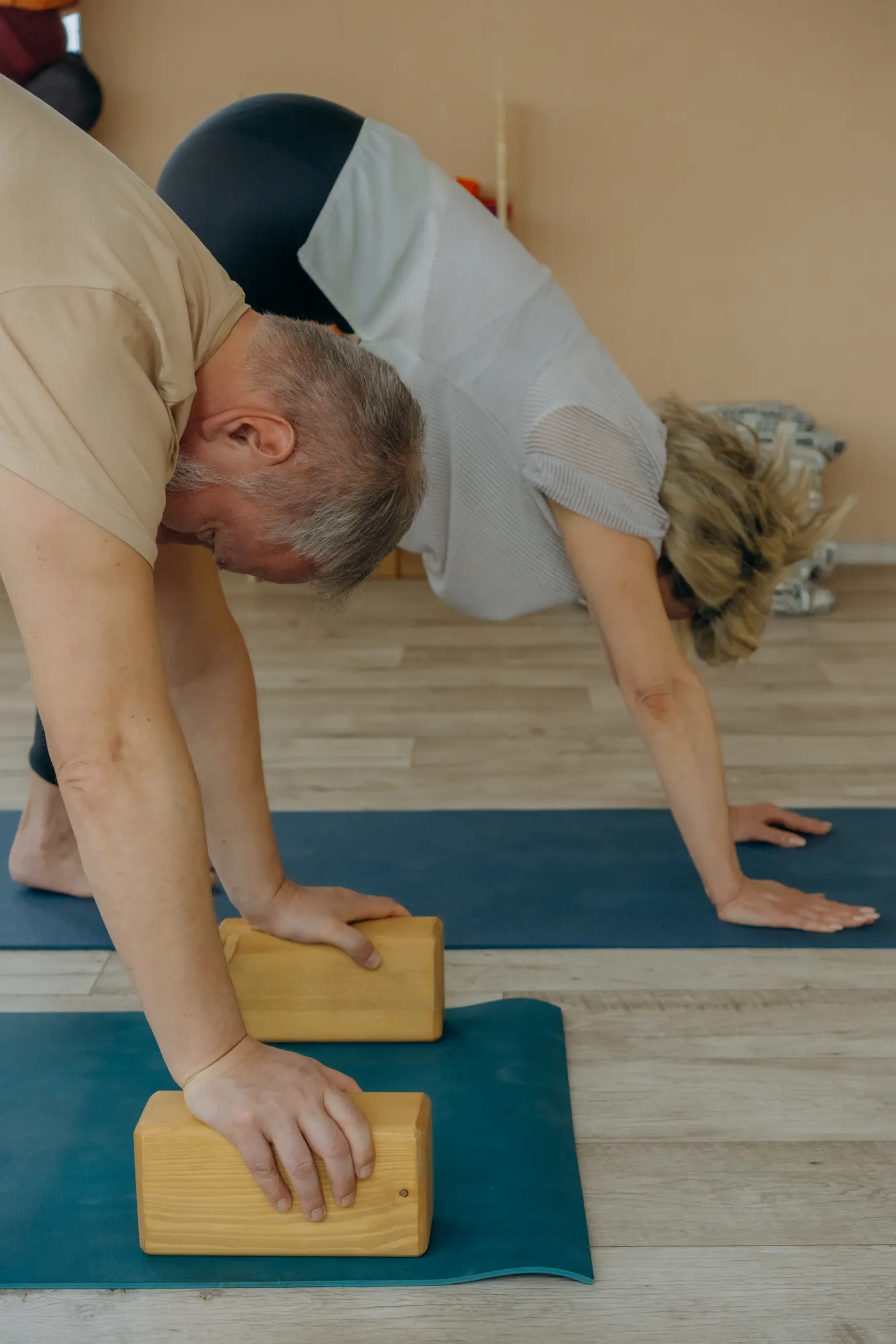
A functional test is a snapshot of performance under specific conditions. A chair stand blends lower-body strength, endurance, coordination and tolerance for repeated effort. Standing on one leg asks your visual, vestibular and muscular systems to maintain control. A dead hang challenges grip endurance, shoulder tolerance and the ability to support your body weight. None is a complete measure of cardiovascular fitness, muscle mass, mobility or overall health.
The distinction matters because people often turn simple benchmarks into dramatic longevity claims. An observational association between a poor test result and later illness or mortality does not prove that practicing the test itself extends life. People with better general health may also be more active, stronger and better at balance. Training can improve performance without necessarily changing every underlying risk factor that made the result informative in the first place.
Use the tests as a personal dashboard rather than a verdict. Record your setup, note any pain or instability, and compare future attempts under similar conditions. A result that improves from your own baseline can be meaningful even when it does not match a headline benchmark. Conversely, an impressive hang does not cancel out uncontrolled blood pressure, poor sleep or low aerobic capacity.
Before starting, make the environment safe. Use a stable chair against a wall, clear the floor for balance testing, and use a properly installed pull-up bar only if your shoulders and hands tolerate hanging. Anyone with recurrent falls, recent surgery, dizziness, chest symptoms or an active injury should seek individualized advice rather than treat these as mandatory challenges.
The 30-Second Chair Stand: A Repeatable Leg Test
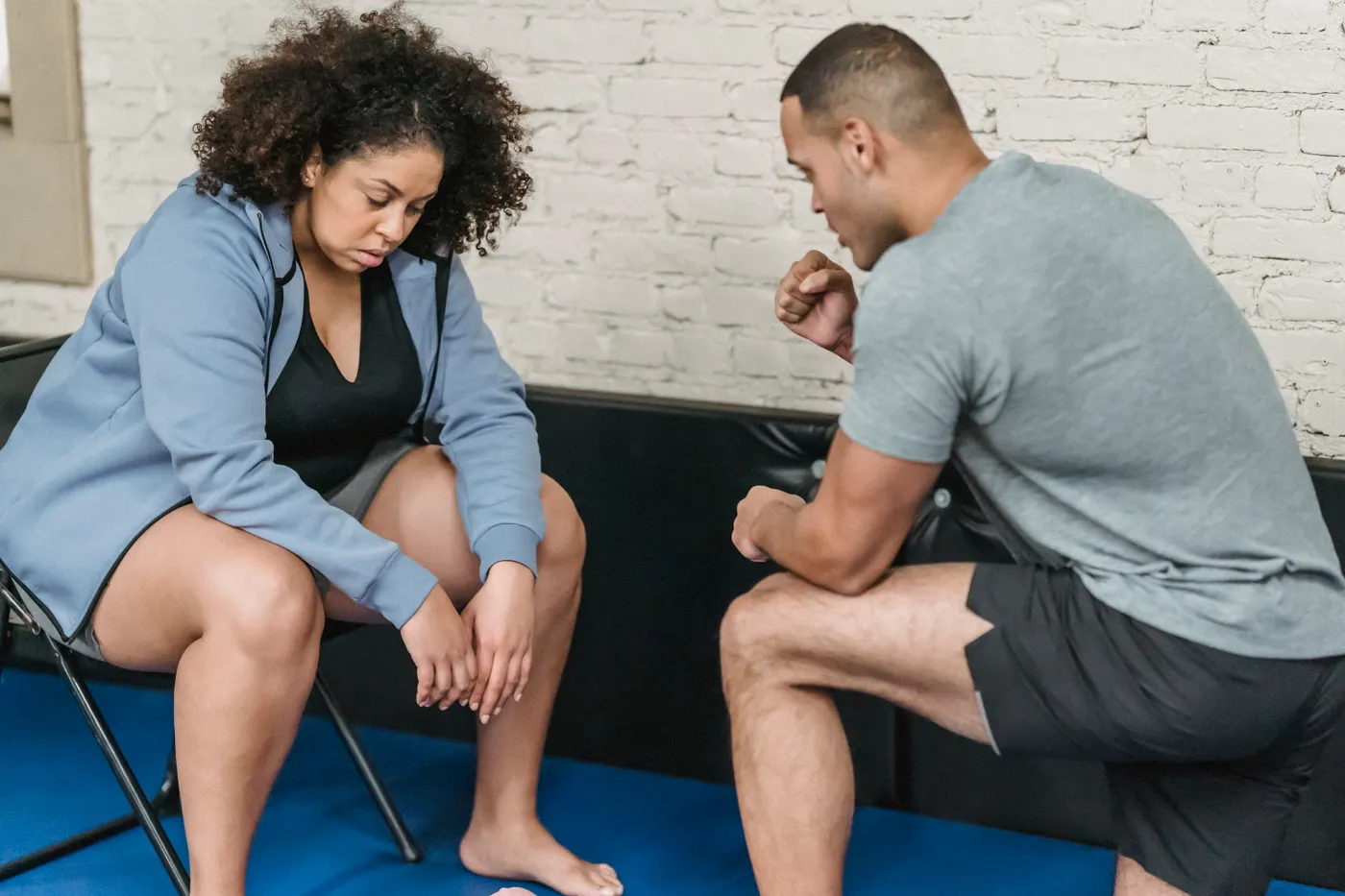
Choose a firm, stable chair approximately 43 centimeters (17 inches) high, without wheels or armrests. Sit near its middle, place both feet flat, cross your arms over your chest and stand fully upright before sitting back down. Count complete stands during 30 seconds. The standard clinical protocol counts a final stand if the person is more than halfway up when time expires; do not rush so aggressively that you lose balance or collapse into the seat.
Chair height changes the difficulty. A taller chair shortens the movement, while a lower one asks for greater knee and hip range of motion. Shoes, floor grip, arm position and the decision to use momentum also affect the score. That is why a casual living-room attempt should not be compared blindly with a standardized assessment. Keep the same chair and method each time.
Reference tables can add context, but they are age- and sex-specific rather than universal. For example, a commonly used fall-risk screening table flags fewer than 14 repetitions for men aged 60-64 and fewer than 12 for women of the same age as below average. Those cutoffs are not a diagnosis, and they are not a target that every younger or older person must chase. A person who needs their hands to rise can still practice assisted sit-to-stands safely even though that is a different test variation.
To improve the underlying ability, train controlled sit-to-stands, goblet squats to a box, step-ups and supported split squats. Two or three sets of six to twelve comfortable repetitions can be a reasonable starting point. Progress by reducing hand assistance, increasing range of motion or adding a modest external load, one variable at a time. Better chair-stand endurance is useful; stronger legs across several movement patterns are even more useful.
Single-Leg Balance: Test Control, Not Your Life Expectancy
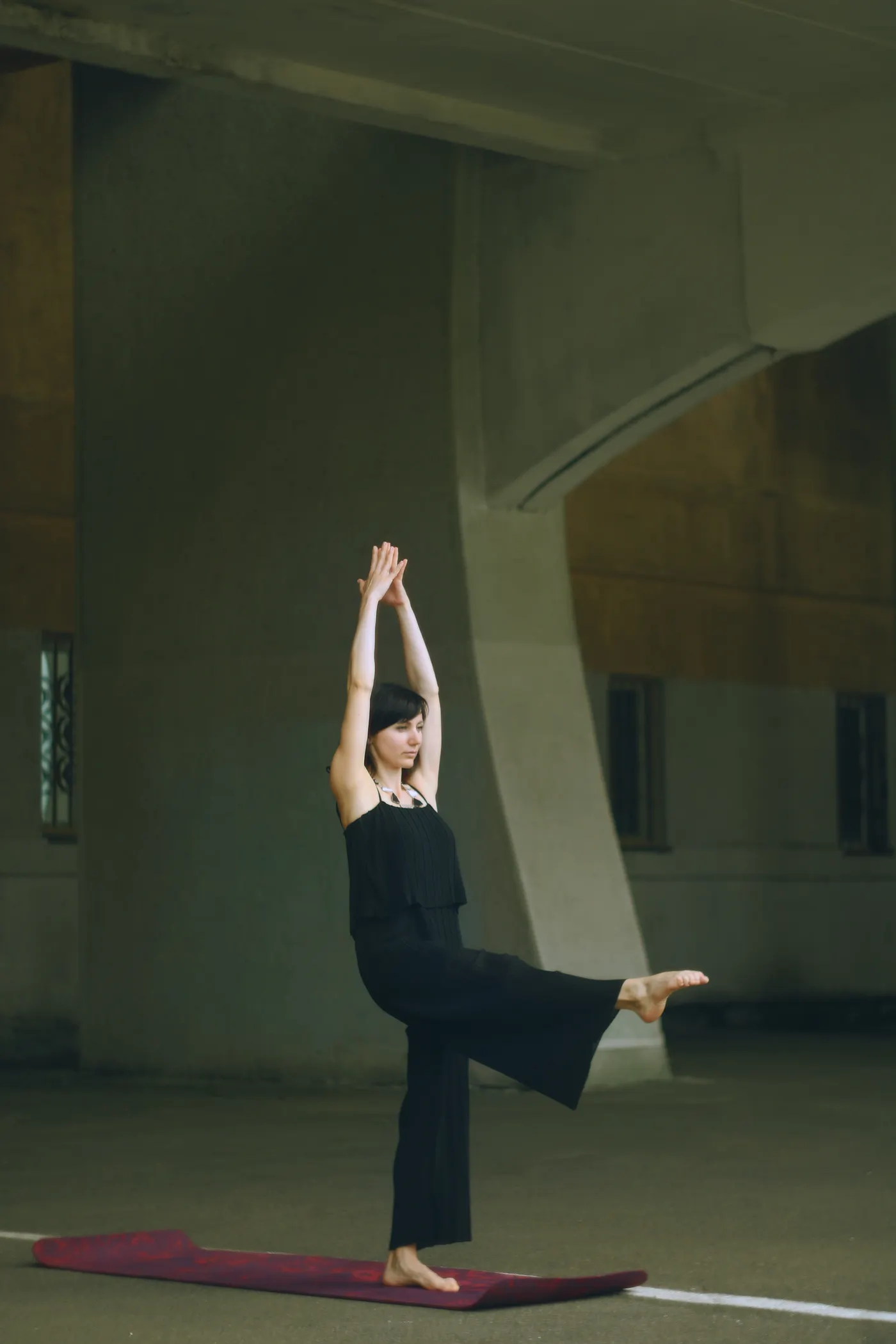
Stand near a sturdy counter or railing, with a clear area around you. Shift weight onto one leg, lift the other foot slightly and start the timer once you are stable. Keep your eyes open and look at a fixed point. Stop when the raised foot touches down, the stance foot moves, or you need support. Test both sides, and record the shorter and longer hold separately instead of reporting only your best attempt.
A 30-second hold is a practical training challenge, but it is not the same as the 10-second threshold used in a widely discussed observational study. That study followed 1,702 adults aged 51-75; inability to complete a 10-second one-leg stance was associated with an adjusted all-cause mortality hazard ratio of 1.84 over a median seven years. The result describes a group-level association, not an 84 percent certainty that an individual will die or a guarantee that balance practice changes survival.
Balance is trainable and highly task-specific. You may become better at a one-leg hold simply by repeating it, while still struggling with uneven ground, turning, carrying groceries or stepping over obstacles. A sensible program therefore combines static holds with controlled movement: tandem stance, slow step-overs, lateral steps, supported single-leg Romanian deadlifts and deliberate changes of direction.
Start with fingertips near support and holds of ten to twenty seconds. Build to stable 30-second attempts before adding movement. Avoid closing your eyes or standing on unstable cushions merely to make the test harder; those variations can sharply increase fall risk without being necessary for progress. If one side is consistently much worse, record the pattern and consider professional assessment if the difference is new, severe or accompanied by symptoms.
Dead Hangs: Grip Endurance Is Not a Clinical Grip Test
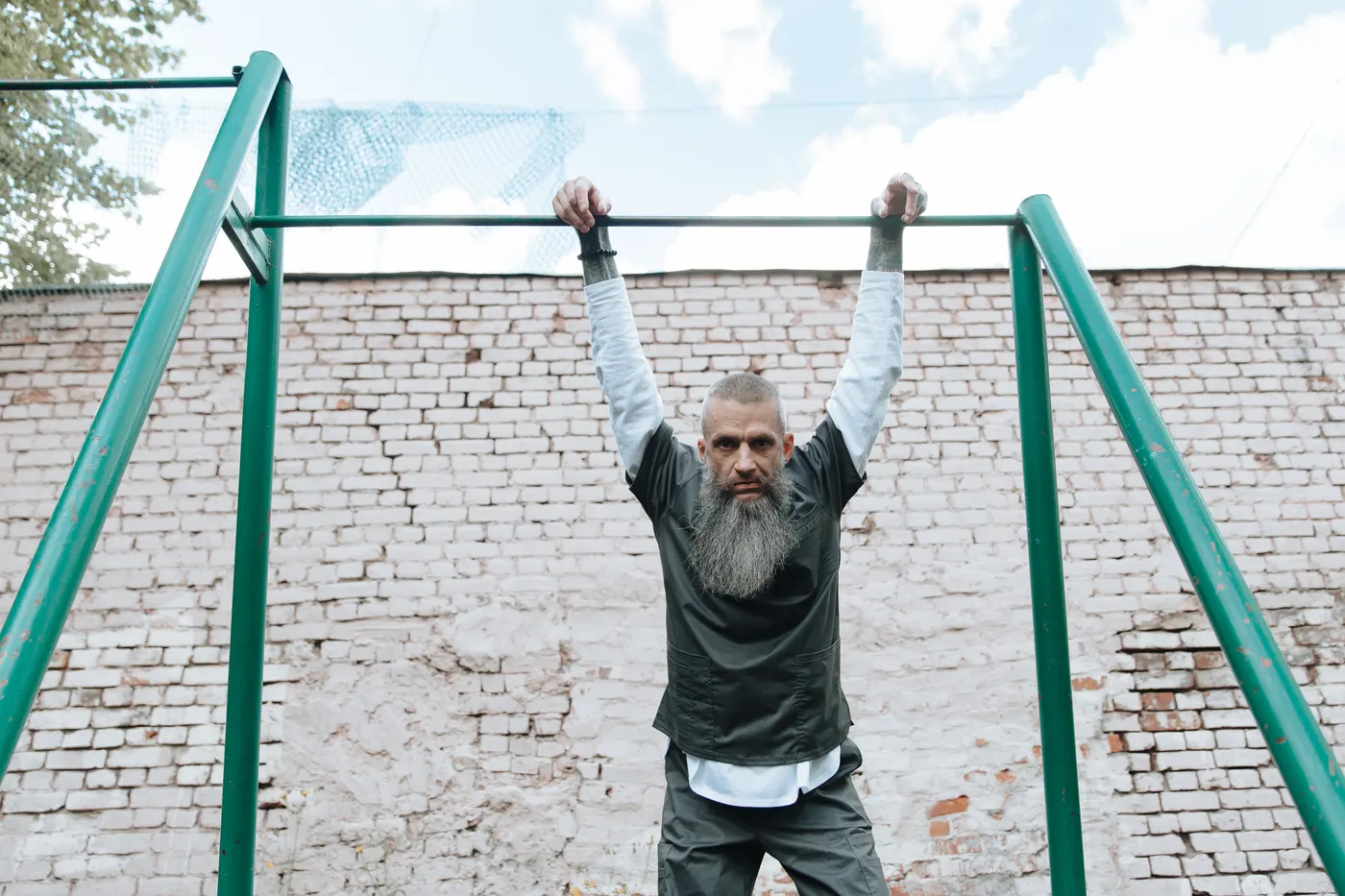
For the third test, use a secure overhead bar that comfortably supports your weight. Begin with your feet still touching a step or box and transfer load gradually into your hands. If tolerated, hang with a comfortable shoulder position and controlled breathing, then stop before grip failure becomes a fall. Record the duration, grip width, bar thickness and whether you used any foot support. Those details can change the result substantially.
A 30- to 60-second hang can be a motivating training goal, but it is not a universal health standard. Body mass, hand size, friction, shoulder mobility, prior climbing experience and bar diameter all influence hanging time. Someone who can carry heavy shopping bags or deadlift substantial weight may still hang poorly, and a lightweight climber may hang for a long time without possessing exceptional whole-body strength.
Grip strength does have important research associations. A large multinational cohort of 139,691 adults found that each five-kilogram lower dynamometer-measured grip strength was associated with approximately 16 percent higher all-cause mortality risk. But that research used a handgrip dynamometer, not a dead-hang timer. It was observational, and it cannot establish that adding seconds to a hang prevents death.
If hanging irritates your shoulders, wrists or fingers, skip it and use loaded carries, comfortable dumbbell holds or rows instead. For training, try two or three sets of submaximal hangs or carries with generous rest, then gradually increase duration. Grip straps may help with heavy pulling when forearms limit back training, but they remove part of the grip challenge. Choose the tool that matches the goal rather than turning every session into a contest of painful fingers.

Equipment Worth Exploring
Explore equipment, accessories and gear from our carefully selected range.

Power Tower
Freestanding pull-up and dip station with adjustable handles for bodyweight training.


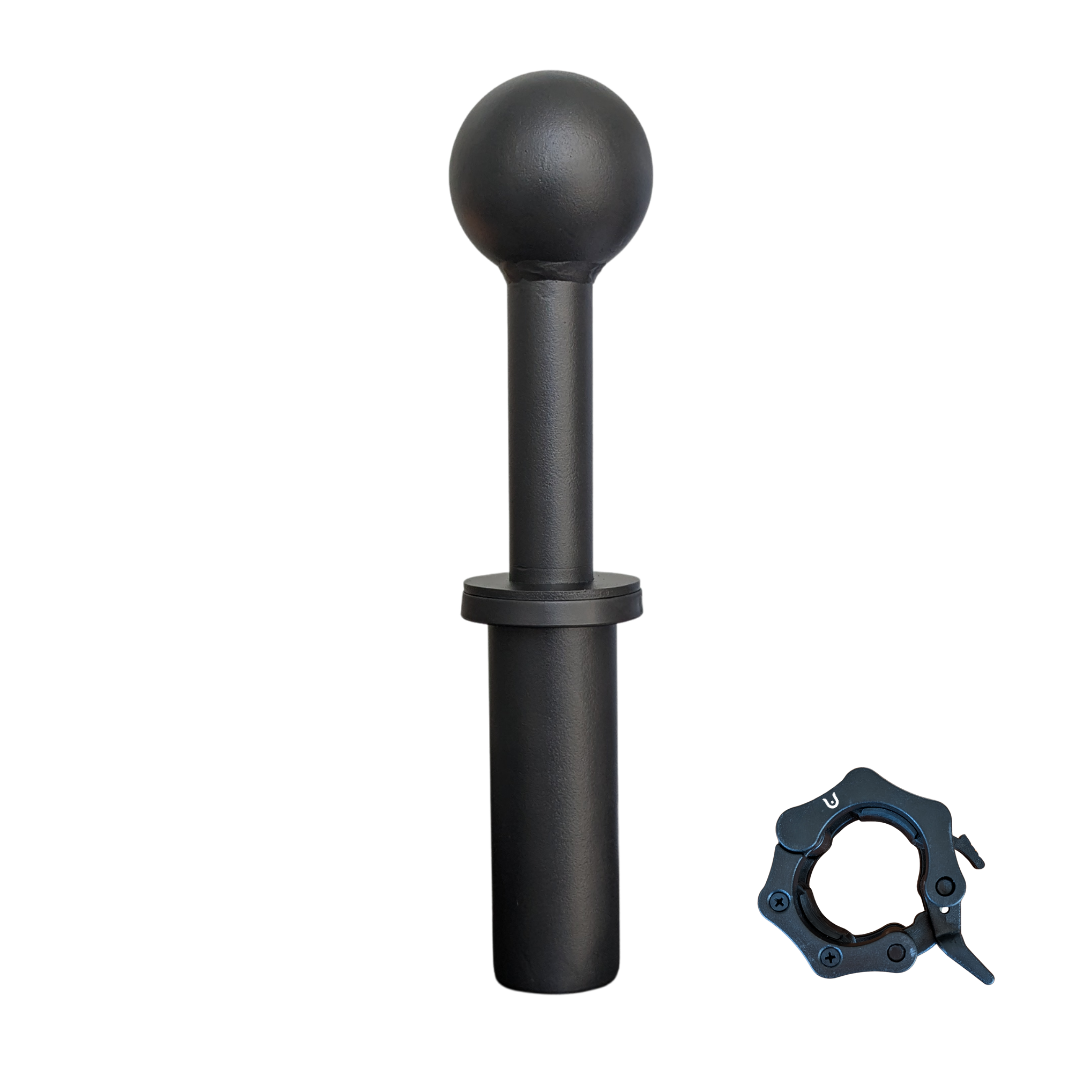

Leather Wrist Grips
Padded leather lifting grips help support the hands and wrists on heavy pulling exercises.

Angles 90 Grips
Flexible grip attachments that allow natural wrist movement during pulling exercises.


Build a Scorecard That Does Not Reward Cheating
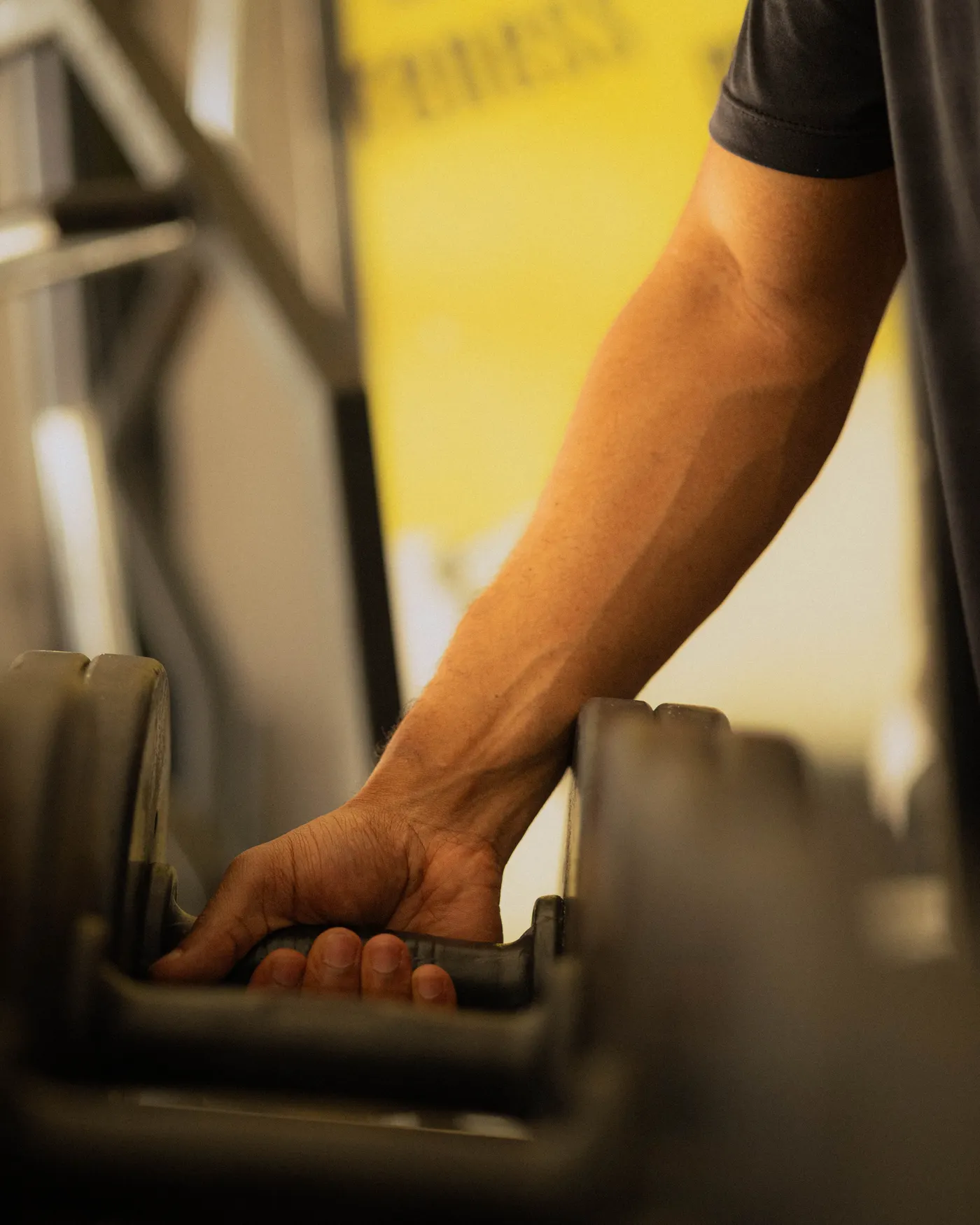
Testing is most useful when it is boringly consistent. Write down the chair model and height, footwear, arm position, balance-test stance, bar diameter and any assistance used. Warm up for a few minutes with easy walking and controlled joint movement, then take one or two familiarization attempts before recording a result. If you test immediately after a demanding leg or pull workout, fatigue may distort the comparison.
Use three separate scores: completed chair stands in 30 seconds, clean single-leg balance time on each side, and a safe hang duration or supported alternative. Do not combine them into an invented biological-age number. Different capacities have different units, and there is no validated equation here that converts three casual tests into years of life gained or lost.
Track context alongside the numbers. Did you sleep badly? Are your forearms sore? Was the chair lower than last time? Did you hold a wall for balance? A result that falls slightly on one day may reflect ordinary variability rather than deterioration. Look for trends across several retests, not a single personal best.
Also track outcomes the tests miss: a comfortable walking pace, stair climbing, weekly resistance-training loads, the ability to rise from the floor and how confidently you move through daily tasks. A person can improve their hang without improving their aerobic capacity. Someone can gain several chair stands without learning to recover from a trip. A broader scorecard keeps the program anchored to real life rather than three narrow performances.

Calisthenics Shirts & Street Workout Gear
Calisthenics and bodyweight-training gear for pull-ups, dips, handstands and street-workout athletes.

Funny Calisthenics Gym Decal for Water Bottles Laptops Sticker
Stick a little “Calisthenics” humor on your favorite gear.

Calisthenics Evolution Sticker
Stick a little “Calisthenics Evolution” humor on your favorite gear.

Pullups Heartbeat Sticker
Stick a little “Calisthenics Pullups Heartbeat” humor on your favorite gear.


Calisthenics Hanging Out Hoodie
Make your off-duty look more fun with “Calisthenics Hanging Out”.

Always Pull Yourself Up Tank
Show some personality between sets with “Always Pull Yourself Up”.

Turn Off Gravity Funny Calisthenics Gym Crewneck Pullov T-Shirt
Show some gym-day personality with “Turn Off Gravity Funny Calisthenics”.

Calisthenics Heartbeat Tank
Add some lifting attitude to training with “Calisthenics Heartbeat”.


Calisthenics Evolution Crewneck
For laid-back days and lifting humor: “Calisthenics Evolution”.
Two Weekly Strength Sessions That Cover the Missing Pieces
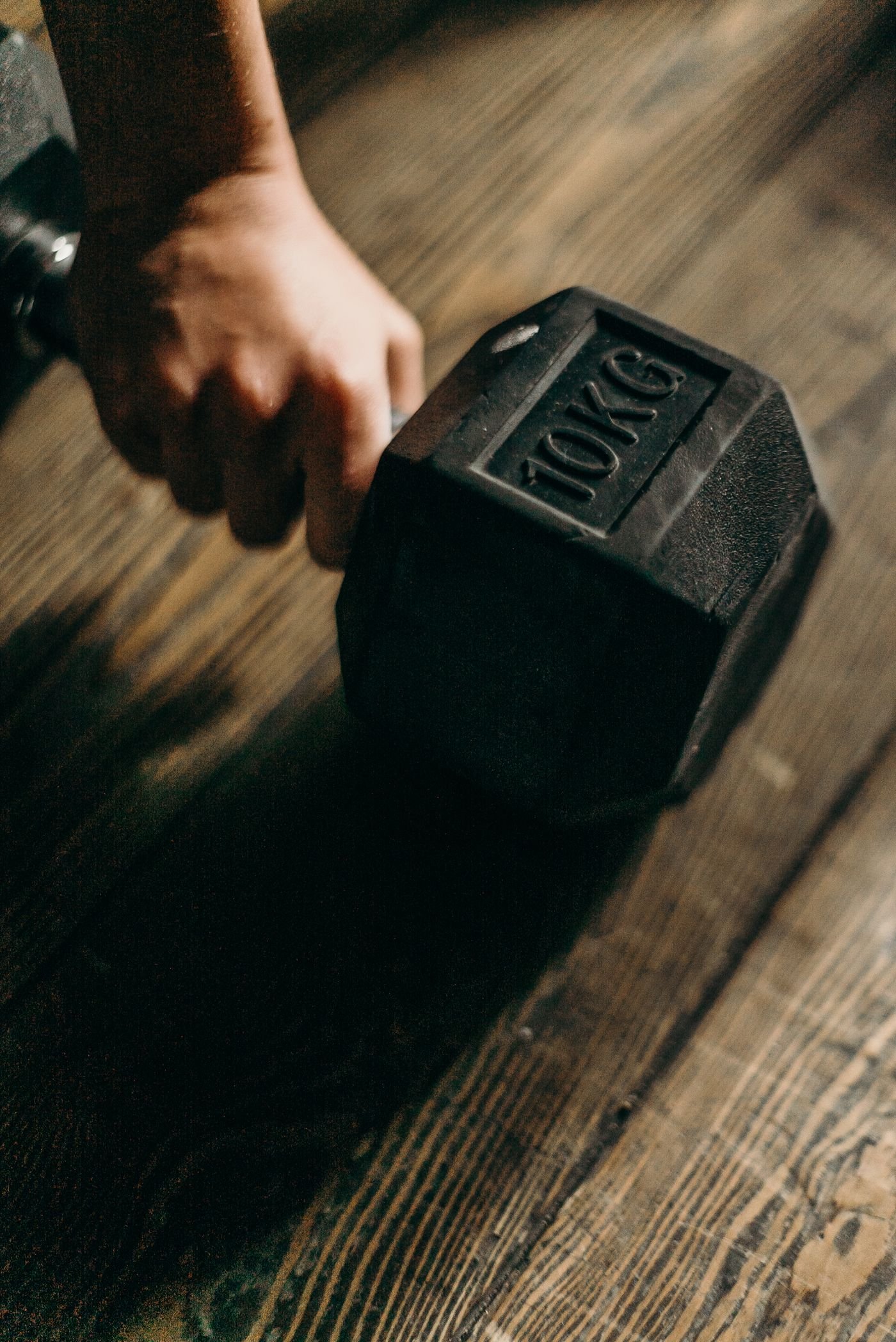
Two full-body resistance sessions provide a useful foundation for many adults. Begin each with five to eight minutes of comfortable movement and one or two easy practice sets. Choose exercises that permit controlled technique, and leave roughly two or three repetitions in reserve rather than grinding every set to failure. The goal is repeatable training, not a heroic one-day score.
Session A – legs, pulling and carries: Perform a squat to a stable box or a goblet squat for three sets of six to ten repetitions. Add a supported row for three sets of eight to twelve, a step-up or split squat for two sets of six to ten per side, and a comfortable farmer carry for two or three short trips. Finish with two brief single-leg balance holds per side near support. If you cannot squat comfortably, use a higher box or a machine-based leg exercise that suits your range of motion.
Session B – hinges, pushing and control: Perform a dumbbell Romanian deadlift or a similar hip hinge for three sets of six to ten, a press or elevated push-up for three sets of six to twelve, and a vertical pull or pulldown for three sets of eight to twelve. Add two sets of controlled sit-to-stands and a light suitcase carry on each side. Optional short hangs can follow only when the shoulders and hands tolerate them.
Progress the training exercises independently from the tests. When all sets reach the top of the repetition range with sound form, increase resistance modestly or make the movement slightly more challenging. Add walking, cycling or other aerobic activity on nonlifting days. Broad activity guidance supports muscle-strengthening work on at least two days per week, with balance-oriented multicomponent activity especially relevant for older adults. The tests are checkpoints; the training is the main investment.
Equipment Worth Exploring
Explore equipment, accessories and gear from our carefully selected range.




FID Bench MAX
Adjustable bench offering flat, incline, and decline positions + adjustable headrest.

VOLTRA
Compact digital cable trainer with smooth, adjustable resistance.

Go-Tone Pro
Portable digital cable trainer with up to 66 lb (30 kg) of adjustable resistance.


A Four-Week Retest Plan and Clear Safety Limits
Week one: Learn each test, choose safe variations and record your baseline without chasing an impressive score. Complete both strength sessions with manageable loads. For balance, practice near a stable support; for hangs, keep your feet on a step if needed. Note any symptoms and avoid repeating painful movements simply because they appear on a popular checklist.
Week two: Repeat the same strength sessions, aiming for smoother repetitions and steadier balance rather than bigger numbers. Add one repetition to a set or a few seconds to a controlled hold only if technique remains consistent. Use the same chair and bar setup. If your grip is already fatigued from pulling, schedule hanging practice on a different day or reduce the dose.
Week three: Increase one training variable selectively. That might mean a slightly heavier dumbbell, one extra step-up repetition per side or a longer carry. Do not increase load, volume and complexity simultaneously. Keep aerobic activity comfortable enough to recover for the next session. A short balance practice several days per week may be more manageable than a single exhausting balance workout.
Week four: Retest after an easy day, using the exact baseline conditions. Compare chair-stand repetitions, both balance holds and hang or carry performance. Record what improved, what remained difficult and whether the change made daily tasks easier. If only one metric improved, that is still useful information for the next training block.
Stop a test for sharp pain, dizziness, chest discomfort, new numbness or loss of control. A person with a history of falls should have support and, when appropriate, supervision. No chair-stand count, one-leg hold or hanging duration can replace medical screening, individualized rehabilitation or cardiovascular risk assessment. Treat these simple tests as starting points for stronger, steadier movement, not as a prediction of how long you will live.
Funny Gym Shirts & Workout Gear
Funny gym shirts, tanks, hoodies and workout gear for lifters who like training hard.

Get A Grip Grip Training Decal & Gymbros Sticker
Give your everyday gear a playful “Get a Grip” twist.

Funny Lift O'Clock Gym | Workout Sweater For Gym Bros & T-Shirt
Bring “Lift O'Clock” humor to your everyday gym style.

Lift Time Gym | Funny Workout Decal for Gym Bros & Lift Sticker
Stick a little “Lift Time” humor on your favorite gear.

My Therapist Says Lift More – Gym Therapy Meme Decal fo Sticker
Give your everyday gear a playful “My Therapist Says Lift More” twist.

Do You Even Lift Bro? Meme – Essential Forklift Top T-Shirt
Rep “Do You Even Lift Bro?” humor in and out of the gym.


Grip Training Essential Gymbro Jumper & T-Shirt
For laid-back days and lifting humor: “Grip Training Essential”.

Be Stronger Than Your Excuses Funny Gym
Bring “Be Stronger Than Your Excuses” humor to your everyday gym style.

Lift Together Grow Stronger for Workout Partners and Li Hoodie
Show off your powerlifting humor in a laid-back “Lift Together Grow Stronger” hoodie.

Shirt – Squat Bench Deads Gains T-Shirt
Heavy lifts, good laughs, and a little “Squat Bench Deads” energy.