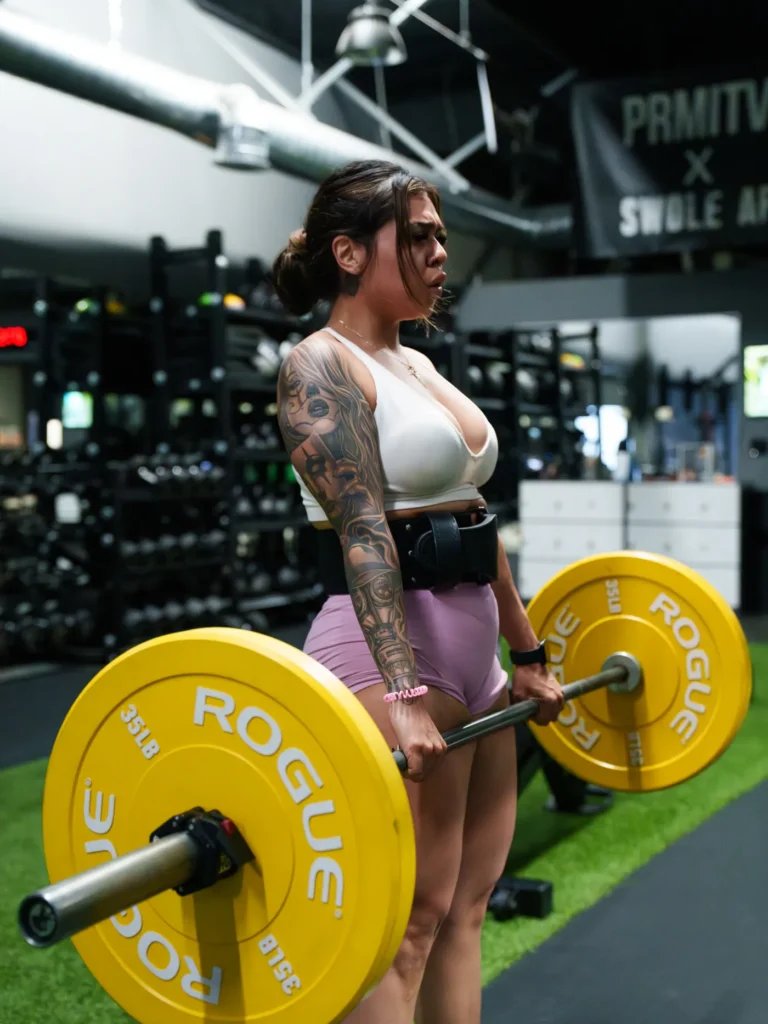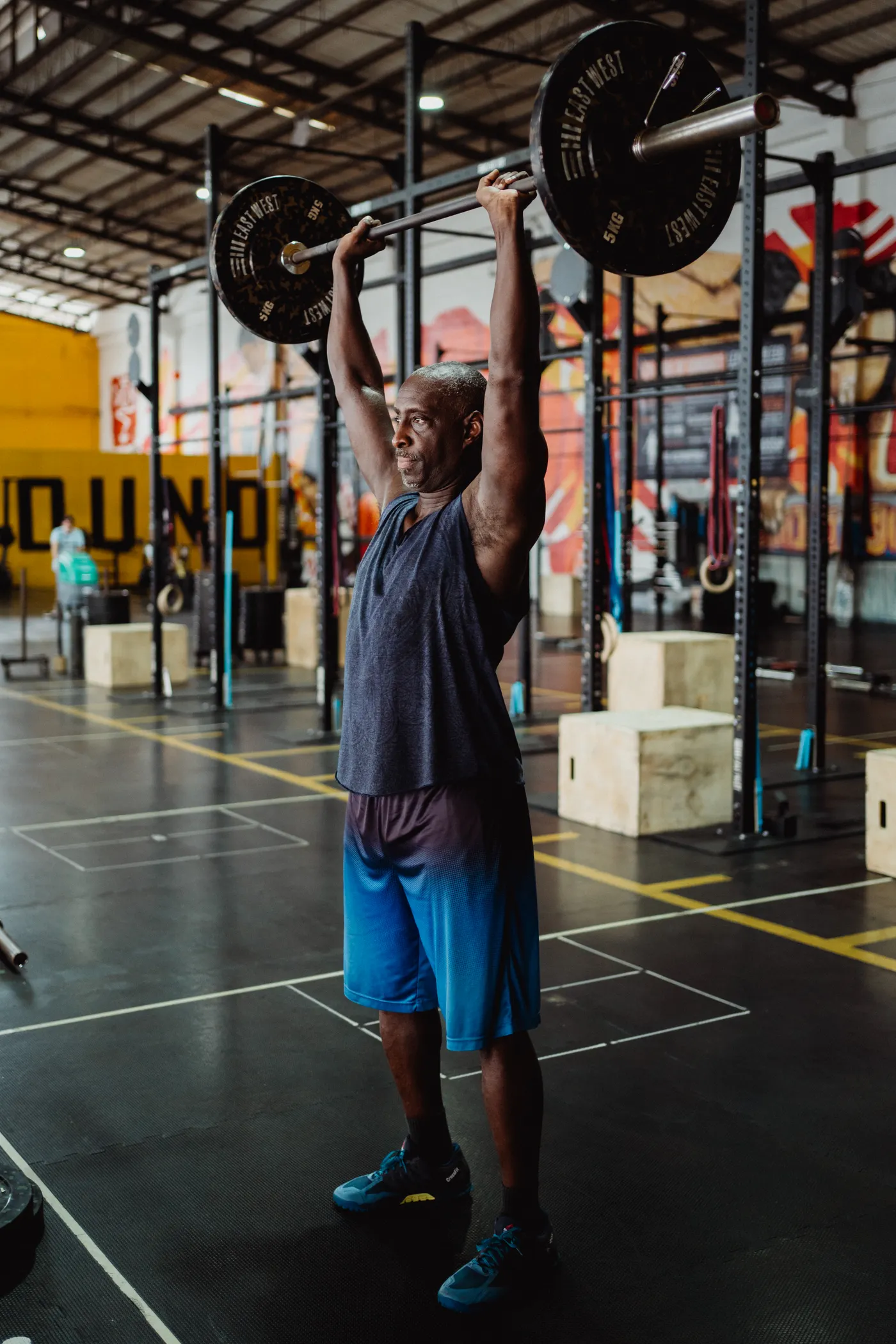
A heavy overhead press should challenge the shoulders and triceps, not turn the wrists into the limiting factor. If a straight bar makes your wrists uncomfortable, the first answer is not automatically a brace, a new exercise, or a tougher attitude. The position of the bar in the palm, the direction of the forearm, and the grip width all change how force travels through the hand. A small adjustment can make the same load feel substantially more controllable.
There is also an important distinction between a wrist that feels loaded and one that hurts. Mild muscular effort is normal; sharp pain, swelling, tingling, numbness, or symptoms that worsen with each set are reasons to stop the provoking movement. This guide separates practical form checks from equipment alternatives, then shows how to keep training shoulders without treating pain as a required part of progress.
1. Understand what your wrist is being asked to do
The wrist is not a perfectly rigid column. Some extension is normal when you hold a bar in the front-rack position. Problems can arise when the bar sits near the fingers, creating a longer lever that pulls the hand backward instead of directing load through the heel of the palm and forearm. A grip that is too wide or narrow for your shoulder structure can also make the forearms tilt at the start of a rep.
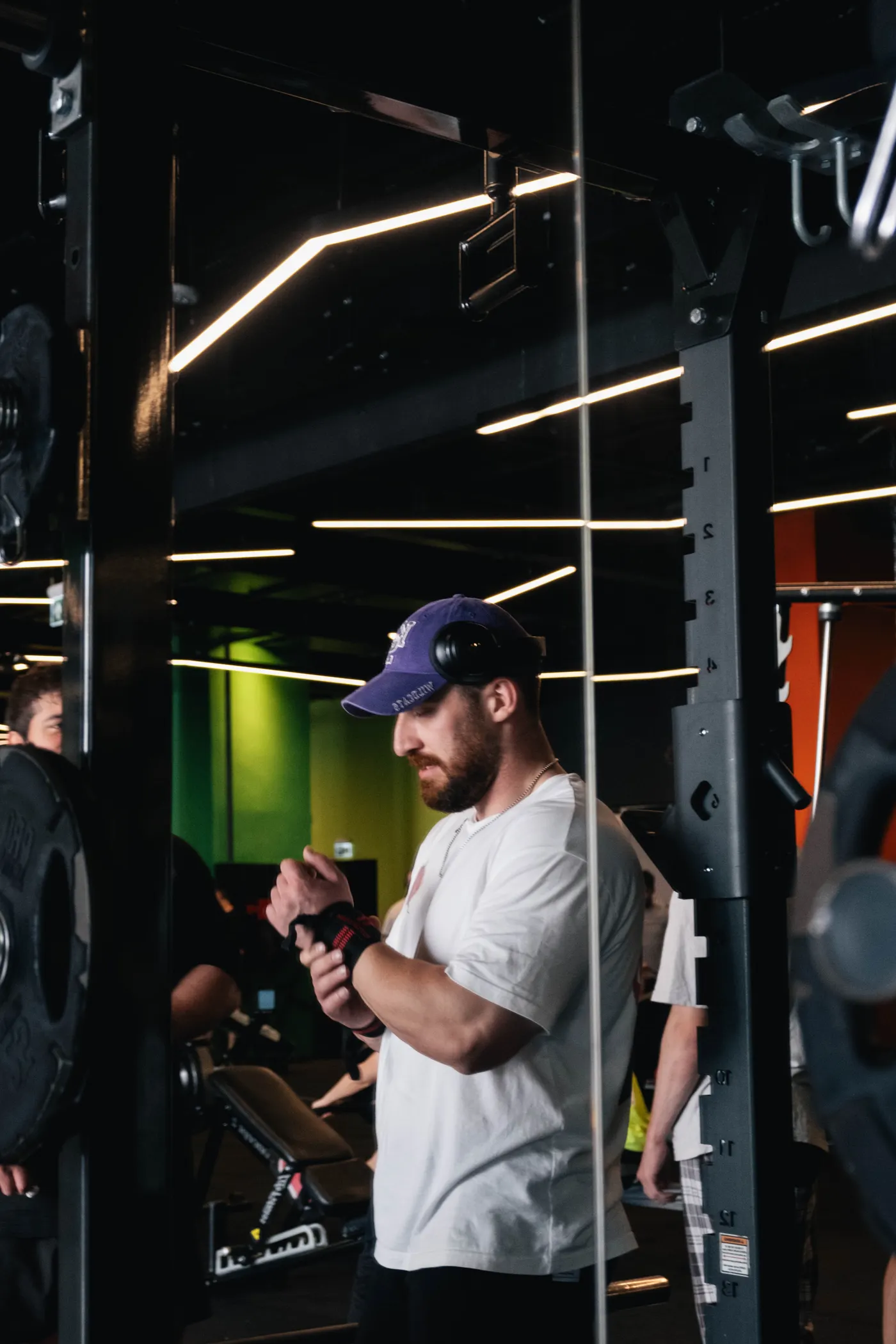
Look at a light press from the side and front. From the side, the bar should rest close to the base of the palm rather than across the fingers. From the front, the forearms should be roughly vertical at the bottom. The elbows need not point directly sideways: a slightly forward position is often easier to control. Keep the thumb wrapped around the bar and squeeze it securely. Wrist wraps may provide a useful cue or a sense of support, but they do not correct a bar that is sitting in the wrong place.
Do not try to stretch through a painful wrist or assume every problem is a technique problem. Persistent discomfort can involve tendons, joints, or previous injury and deserves assessment by a qualified clinician, particularly after a fall or with loss of grip strength.
2. Rebuild the barbell press from the hands upward
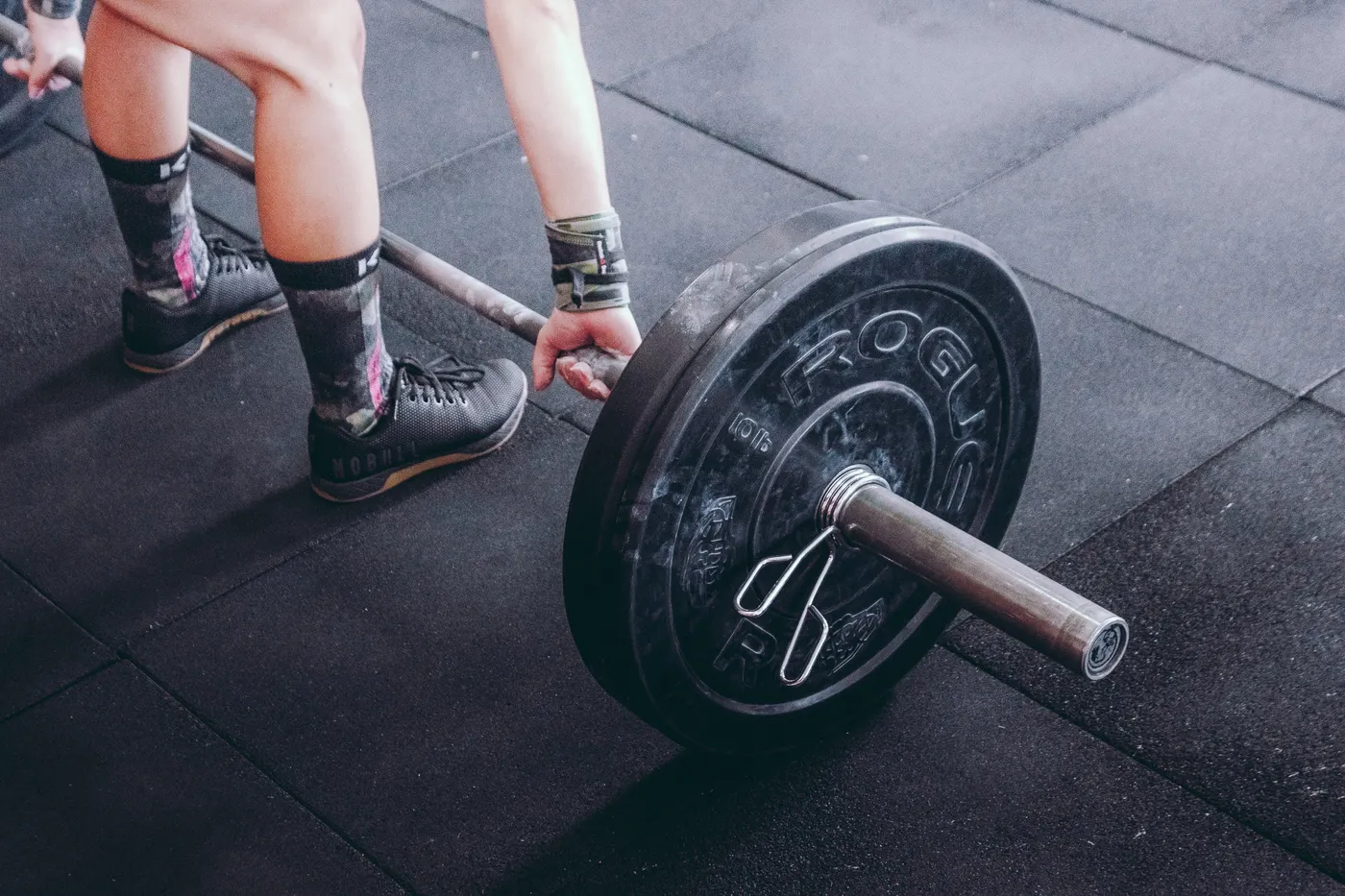
Start with an empty bar or another very manageable load. Set the hands just outside shoulder width, then adjust a little until the forearms appear vertical from the front. Rest the bar lower in the palm, wrap the fingers around it, and avoid letting it roll backward as you unrack. Think of driving the heel of each palm toward the ceiling while the elbows remain under, or slightly in front of, the load.
Before each rep, take a comfortable breath and brace the trunk without turning the press into an exaggerated standing incline bench press. Move the head back just enough for the bar to pass, press upward in a controlled path, then bring the head through as the bar reaches a stable position overhead. Lower to a repeatable start without collapsing the wrists. If a rep requires a large backward lean, a frantic grip adjustment, or a sudden kick from the legs, the load is probably too ambitious for a strict press.
Try two light sets of five deliberate reps, then one moderate set of six to eight. Film the first and last repetitions. A position that looks tidy at the start but deteriorates under fatigue tells you more than an unloaded wrist-flexibility test. Increase resistance only when the same hand and elbow relationship survives the entire set.
Do not confuse wrist alignment with a promise of pain-free pressing. If the setup remains painful despite reasonable adjustments, choose a different tool instead of forcing more attempts with the straight bar.

Equipment Worth Exploring
Explore equipment, accessories and gear from our carefully selected range.
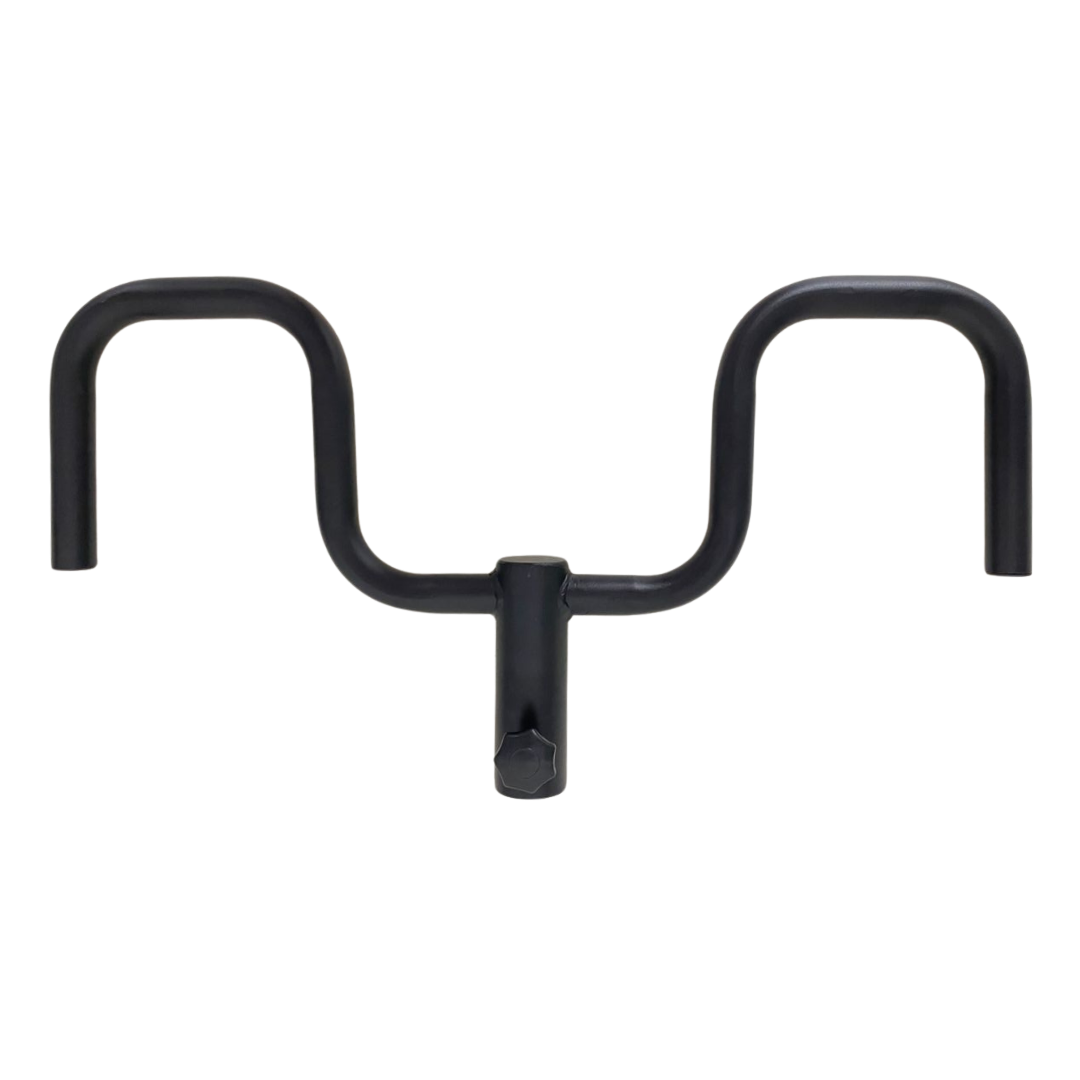


FID Bench MAX
Adjustable bench offering flat, incline, and decline positions + adjustable headrest.

3. Neutral-grip dumbbells offer a useful first alternative
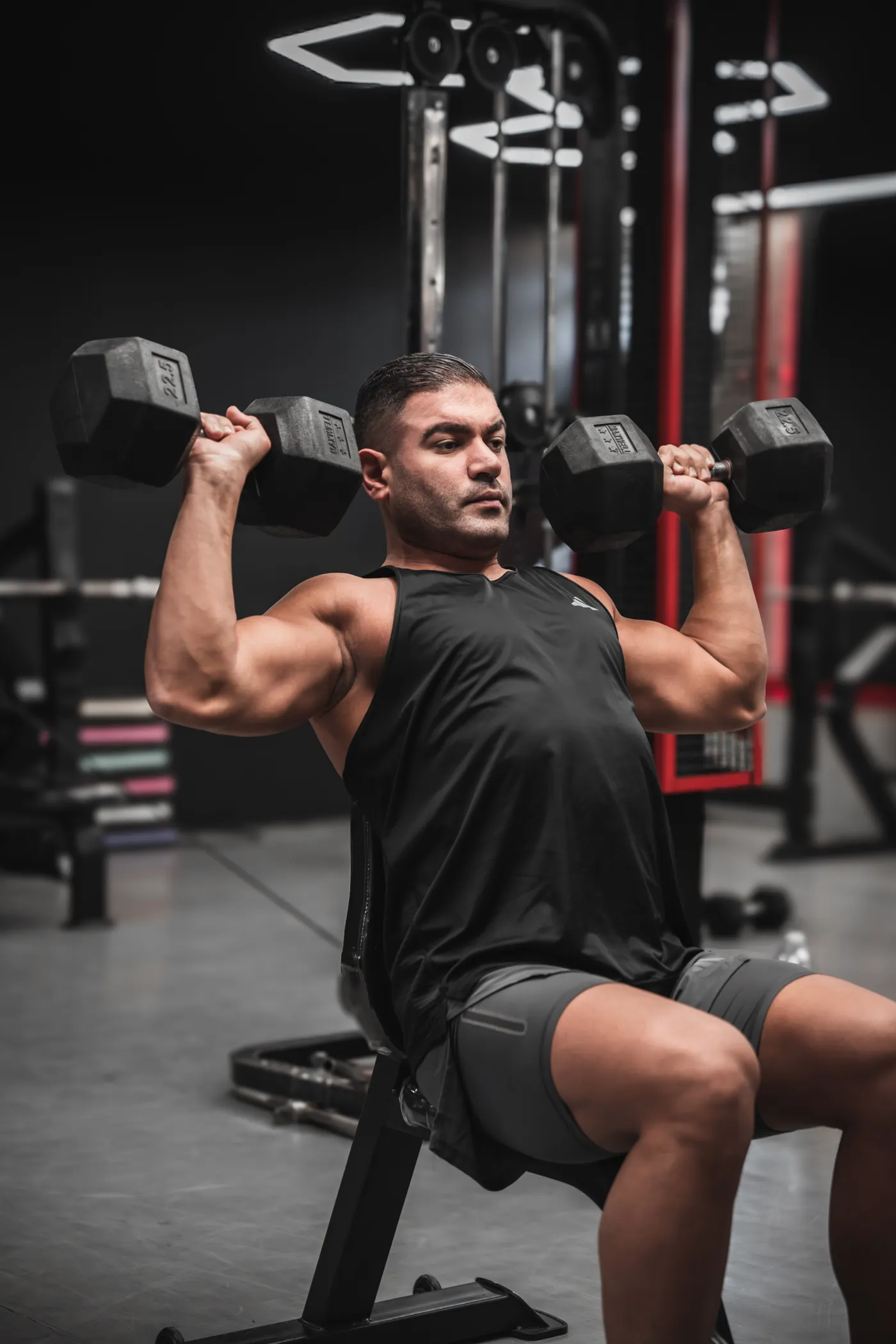
Dumbbells let the hands rotate independently. For many lifters, holding them with the palms facing each other, or slightly forward, reduces the fixed wrist angle imposed by a straight bar. Begin with the weights near shoulder height and the forearms stacked beneath them. Press upward without banging the dumbbells together, and lower smoothly until you reach a comfortable depth.
A standing version asks the trunk to stabilize the load, while a supported seated version reduces balance demands. Neither is automatically superior for building deltoids. In a small experiment comparing seated and standing barbell and dumbbell shoulder presses, the less stable standing dumbbell condition showed greater deltoid electrical activity but lower one-repetition maximum strength. That is an observation about short-term muscle activation, not proof that one variation grows more muscle over months.
For a practical test, perform three sets of eight to twelve with a neutral grip and about two repetitions left in reserve. Keep the same tempo and range for two sessions before judging comfort. If one shoulder or wrist feels different, you can use a single dumbbell and work one arm at a time, but resist twisting the torso to compensate. A neutral grip is an option, not a treatment: any variation that reproduces sharp symptoms should be replaced or evaluated.
The main benefit is flexibility. Your hands can find a natural pressing path while you still challenge the front and side delts and triceps with progressive loading.

Bodybuilding Shirts & Workout Gear
Bodybuilding shirts, tanks and gym gear for lifters chasing muscle, size, symmetry and the pump.

Shoulder Press Dost Thou Even Press Medieval Knight Cre T-Shirt
Show some gym-day personality with “Shoulder Press”.


Swole Jesus Lateral Raises Tank
Bring “Swole Jesus Lateral Raises” humor to your next lifting session.


Jesus Lateral Raises Tee
Bring “Jesus Christ Dumbbell Cross Lateral Raises” humor to your next gym day.


Power Stoic Bodybuilder Greek God Marble Sculpture T-Shirt
Heavy lifts, good laughs, and a little “Power Stoic Bodybuilder Greek God Marble” energy.

Lightning Skull Crewneck Gym Wear Strength Gift Uplift T-Shirt
Keep things casual with a little “Sweatshirt Lightning Skull” attitude.

Gymhead Skull Plate Hooded Hoodie
Keep it laid-back with a little “Gymhead Skull Plate Funny Powerlifting” attitude.
4. Landmine and high-incline pressing change the angle
Not every productive shoulder press needs to travel vertically overhead. A landmine press moves along an angled arc, usually allowing a neutral hand position on the end of a barbell. Stand in a staggered stance or kneel with the opposite knee forward, keep the ribs stacked over the pelvis, and push the bar away and upward without shrugging into a painful position. The pressing arm should travel in a comfortable plane, rather than flaring straight out to the side.
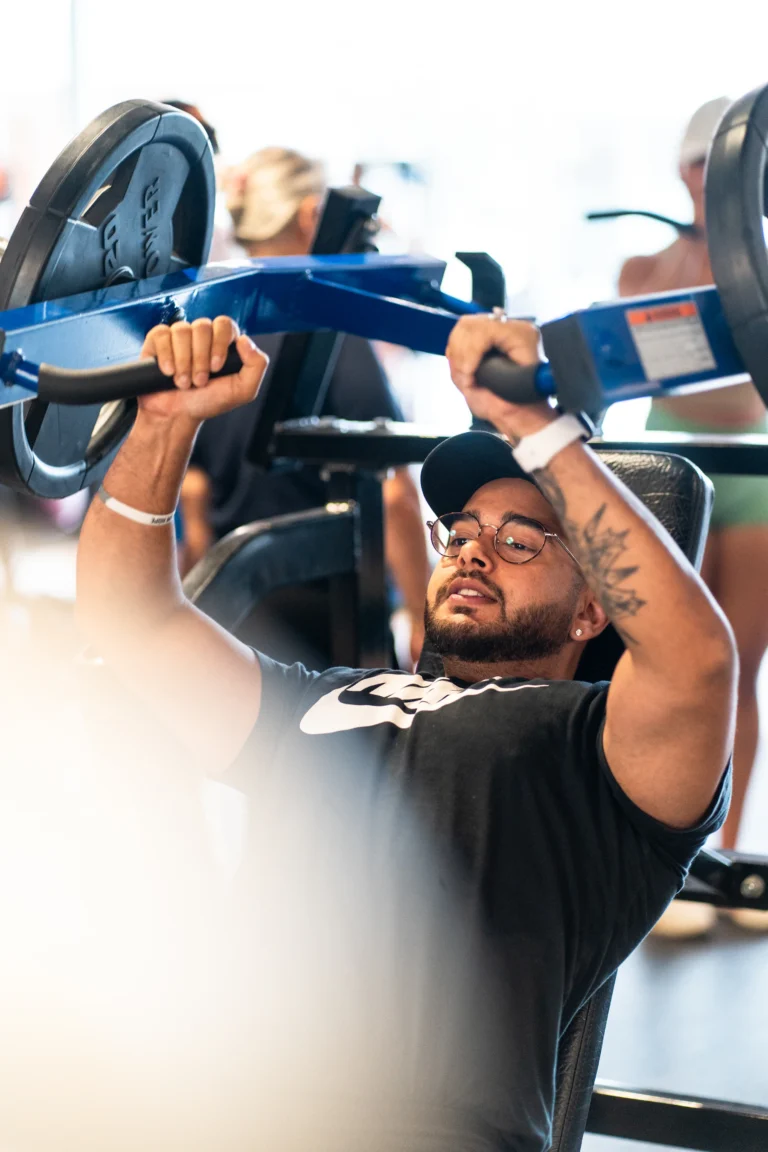
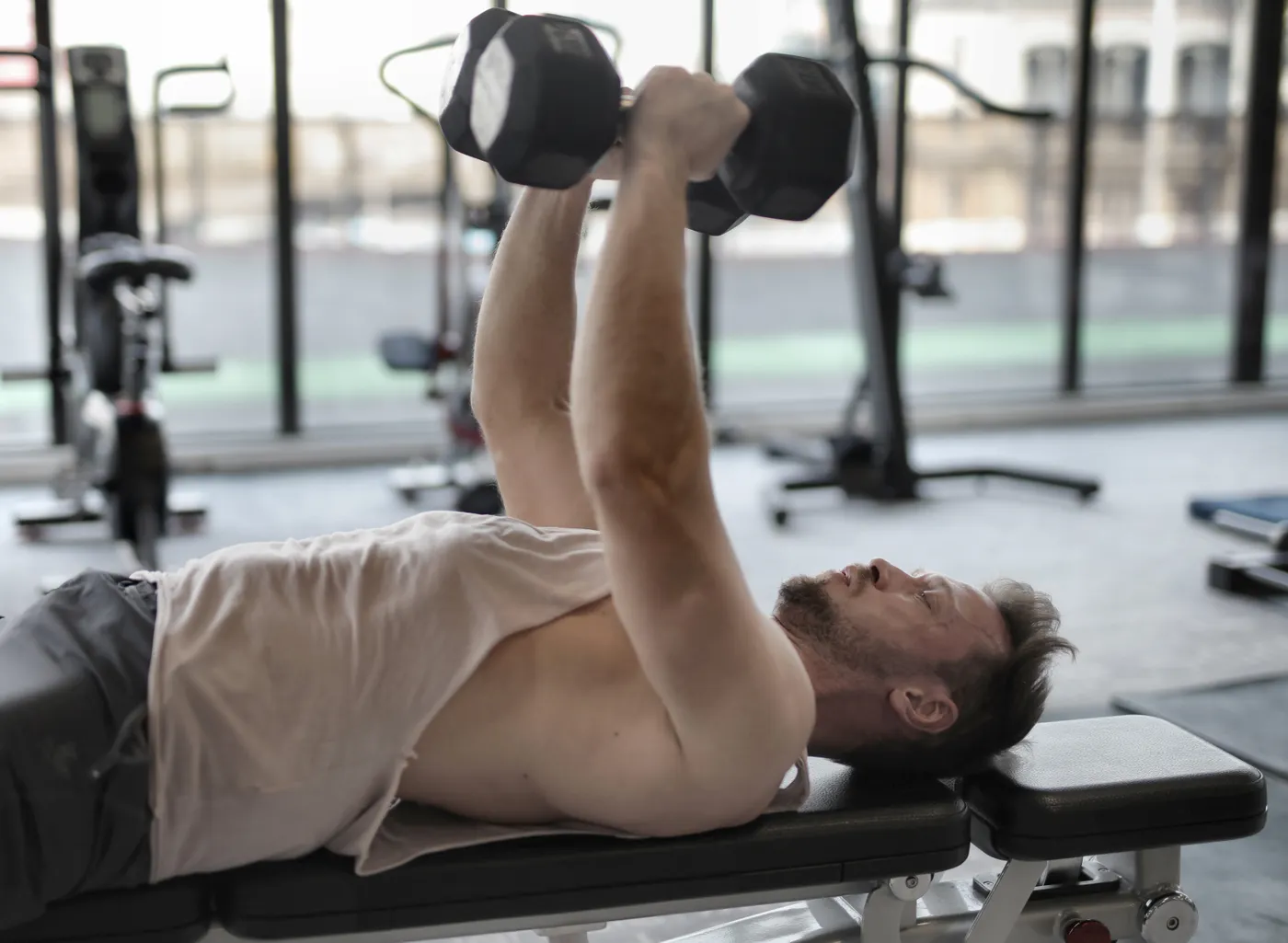
A high-incline dumbbell press is another useful bridge. Set an adjustable bench around 60 to 75 degrees, support the back, and use a neutral or semi-neutral grip. This angle typically combines front-deltoid work with more upper-chest contribution than a vertical press. It is not identical to a strict overhead press, so treat it as an alternative stimulus rather than a one-for-one strength test.
Choose the version that permits controlled reps and a stable wrist. Two or three sets of eight to fifteen are enough to test it. If the landmine setup lacks a secure pivot or the bench shifts under load, do not improvise with loose equipment. A stable station matters more than a clever exercise name.
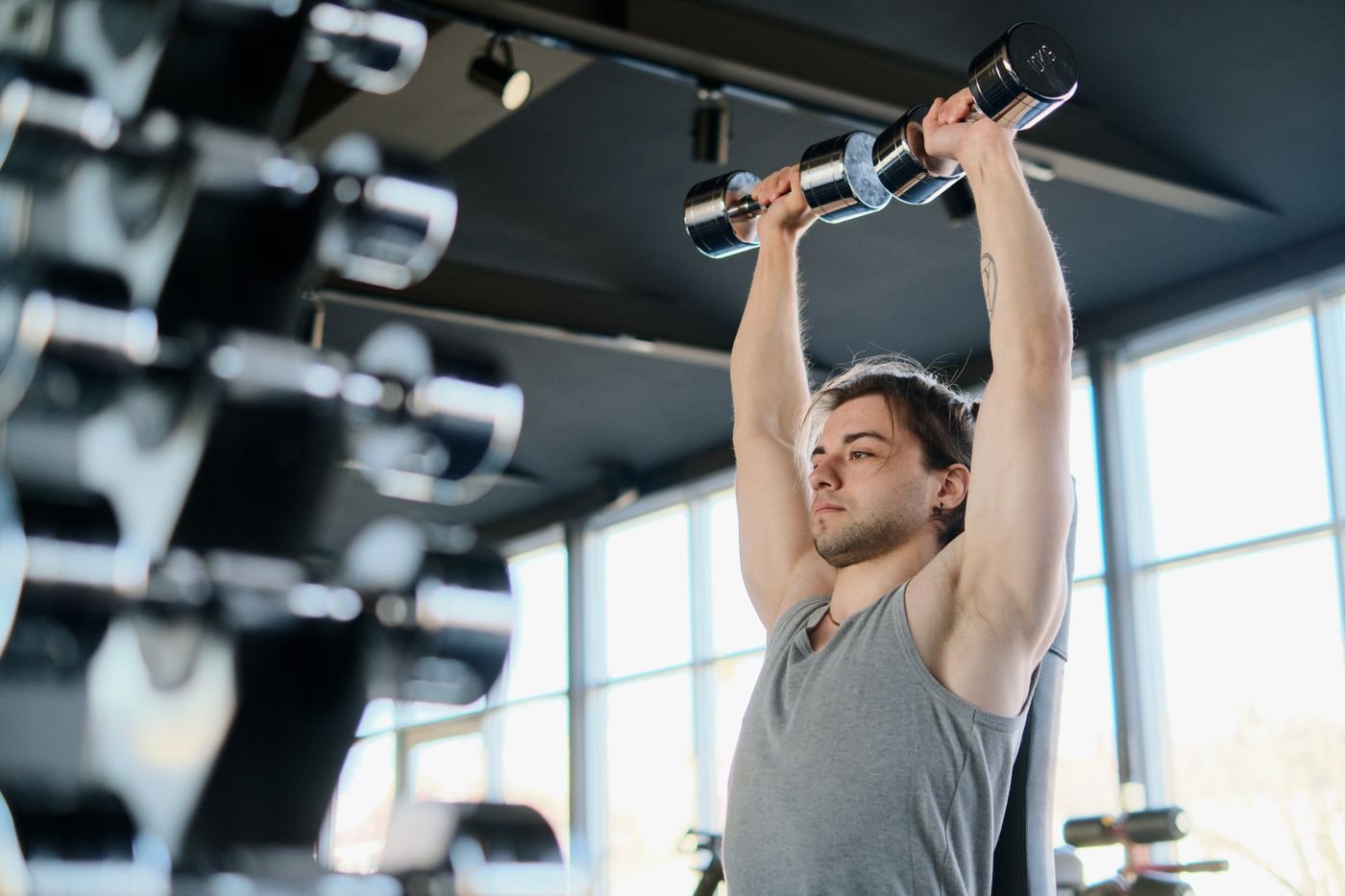
The image here shows a supported dumbbell press rather than a landmine setup. The coaching point is the altered pressing angle and independent hand position, not a claim that the pictured exercise uses a landmine.
5. Kettlebells challenge stability, but do not force a bottoms-up press
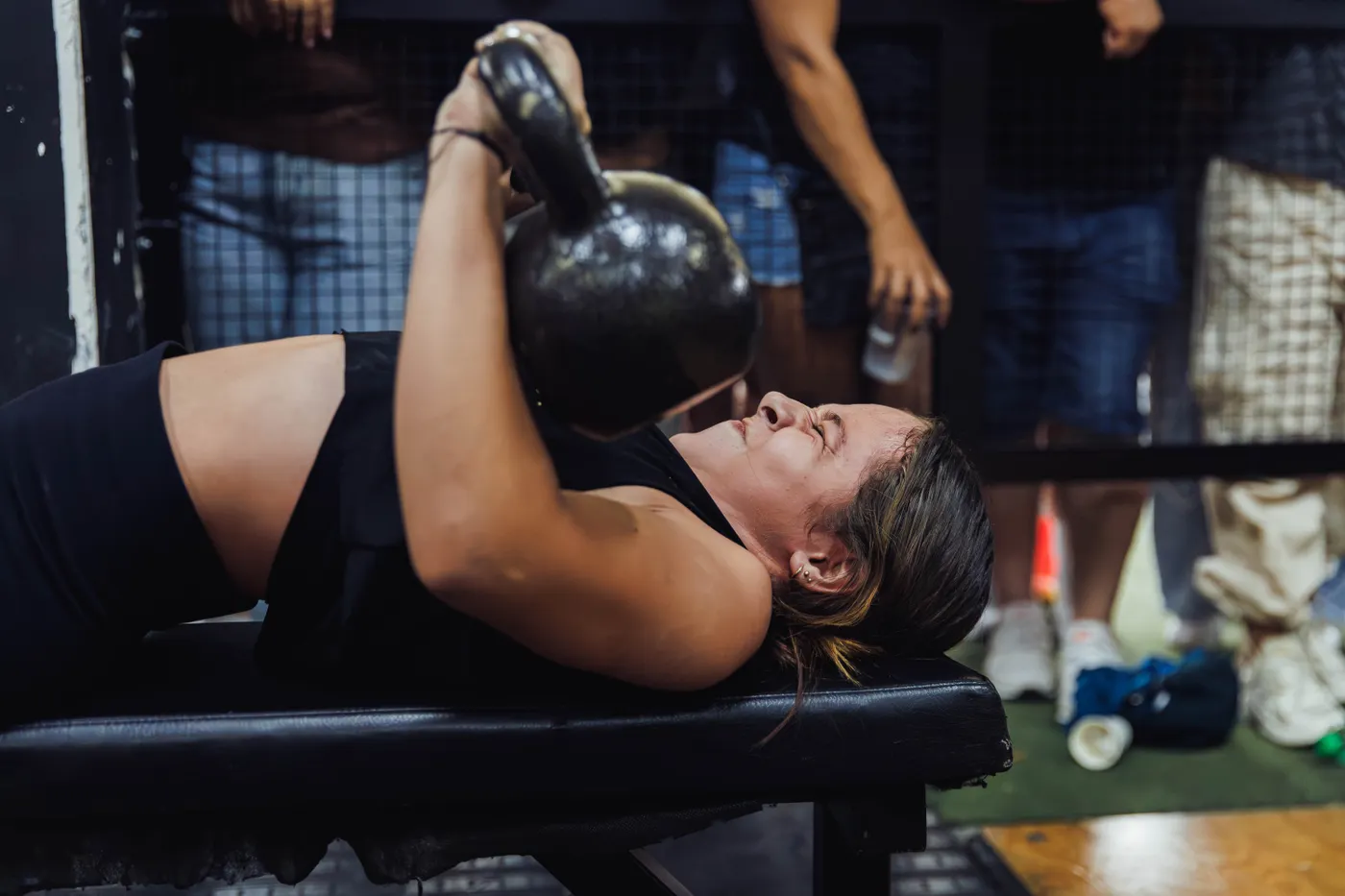
A conventional kettlebell press places the bell behind the hand and forearm. That changes the center of mass compared with a dumbbell and can alter how the shoulder muscles stabilize the load. Small laboratory studies have found different muscle-activation patterns between kettlebell, dumbbell, and bottoms-up pressing, but the results depend on the muscles measured and the exact protocol. Electrical activity is not a direct measure of long-term hypertrophy.
A bottoms-up kettlebell press balances the bell above the handle and demands a particularly secure grip. It can be a coordination drill for an experienced lifter using a light bell. It is not an automatic solution for someone whose wrist is already painful: the extra instability may make symptoms worse or lead to a dropped weight. First master a normal kettlebell rack position, with the wrist reasonably aligned and the bell resting comfortably against the forearm.
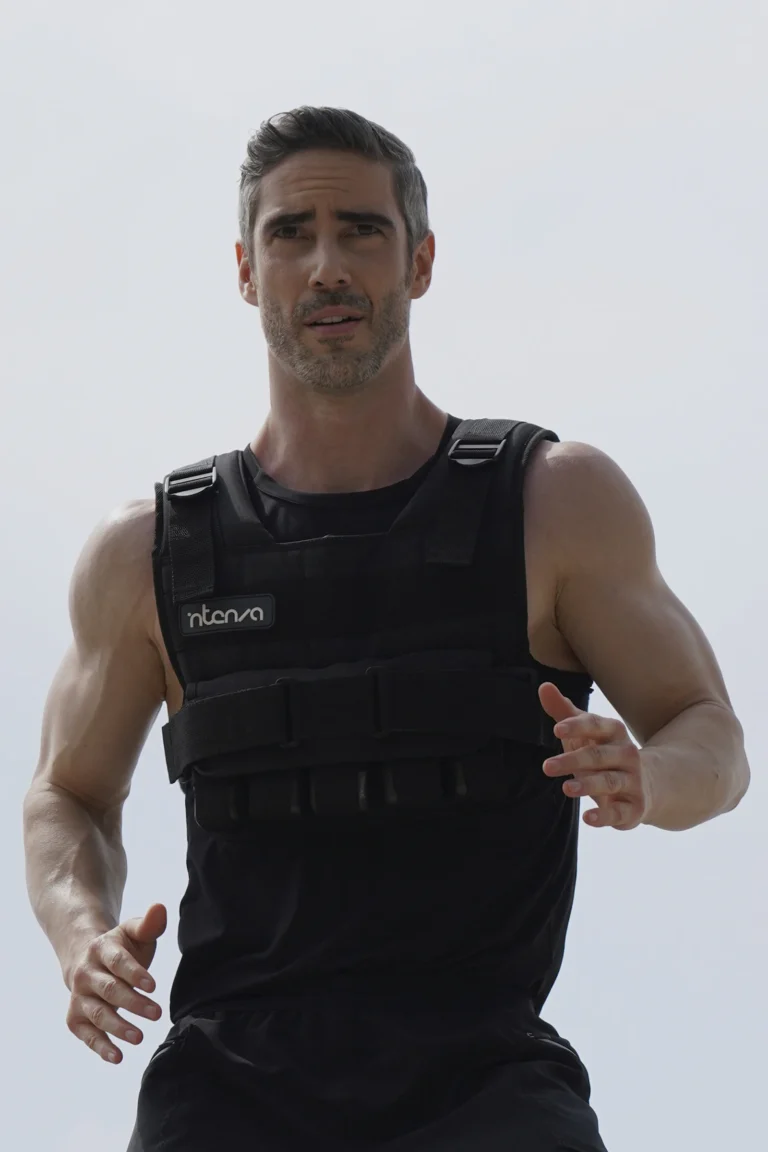
For an optional skill block, try two sets of five to eight easy conventional kettlebell presses per side. If these are consistently comfortable, you can experiment with a very light bottoms-up hold before attempting a press. Use plenty of space, avoid fatigue, and stop at the first loss of control. The pictured athlete is using a conventional kettlebell movement, not demonstrating a verified bottoms-up grip.
For most lifters seeking shoulder size, dumbbells, cables, and machines can deliver plenty of training without adding the balancing challenge of an inverted kettlebell.
6. Machines and cables let you load the delts differently
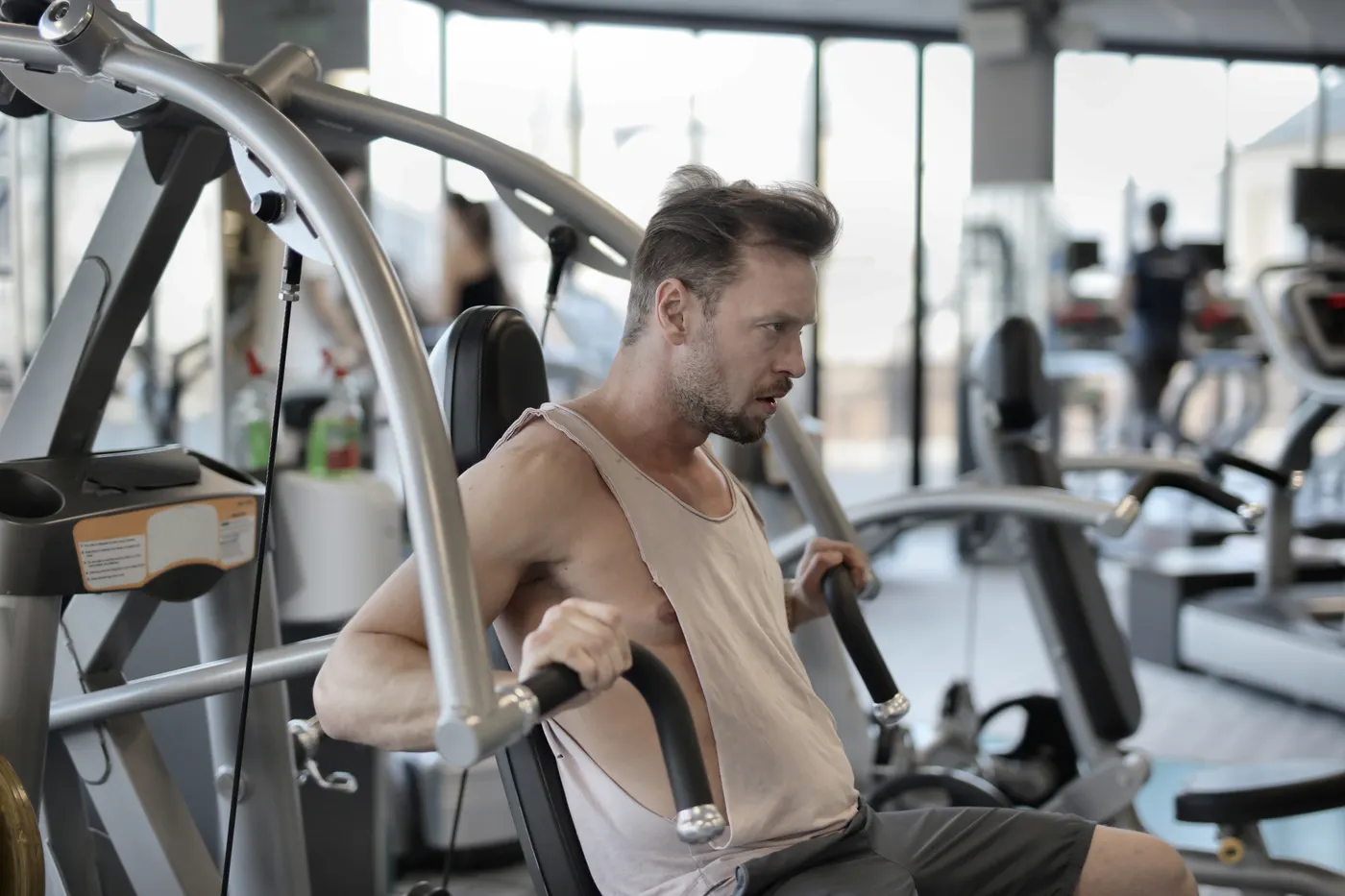
A shoulder-press machine with comfortable neutral handles can reduce the need to stabilize separate weights. Adjust the seat so the handles begin near shoulder height and the movement does not pull the elbows far behind the body. Test the machine with a light load first: a fixed track that suits one person’s proportions may feel awkward to another. A stable machine is useful when you want the delts and triceps to be the limiting muscles rather than balance or grip.
Independent cable handles offer a different advantage: the line of pull can be positioned to suit the lifter. Depending on the pulley arrangement, you can perform single-arm upward presses, slightly angled presses, or controlled raises without a straight bar. Choose a grip that lets the wrist stay comfortable and keep the cable from rubbing against the arm. Do not assume that cable resistance follows the same loading curve as a dumbbell; evaluate the actual movement and effort.
For hypertrophy, consistency and sufficient challenging work matter more than declaring one implement universally best. Broad resistance-training guidance supports multiple modalities when the sets are progressive and recoverable. A simple choice is three sets of eight to twelve on a comfortable machine press, followed by two sets of twelve to twenty lateral raises. Use a controlled lowering phase and avoid painful end ranges.
Machine and cable work also make it easier to preserve shoulder training when a barbell variation is temporarily unsuitable. That is smart exercise selection, not a lesser form of lifting.
Equipment Worth Exploring
Explore equipment, accessories and gear from our carefully selected range.
VOLTRA
Compact digital cable trainer with smooth, adjustable resistance.

Go-Tone Pro
Portable digital cable trainer with up to 66 lb (30 kg) of adjustable resistance.
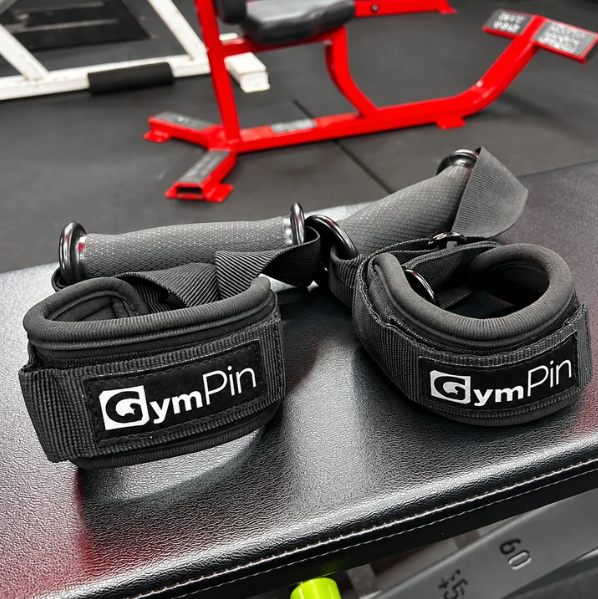
GymPin D Cuffs
Adjustable wrist cuffs with textured grips for supported cable-machine exercises.
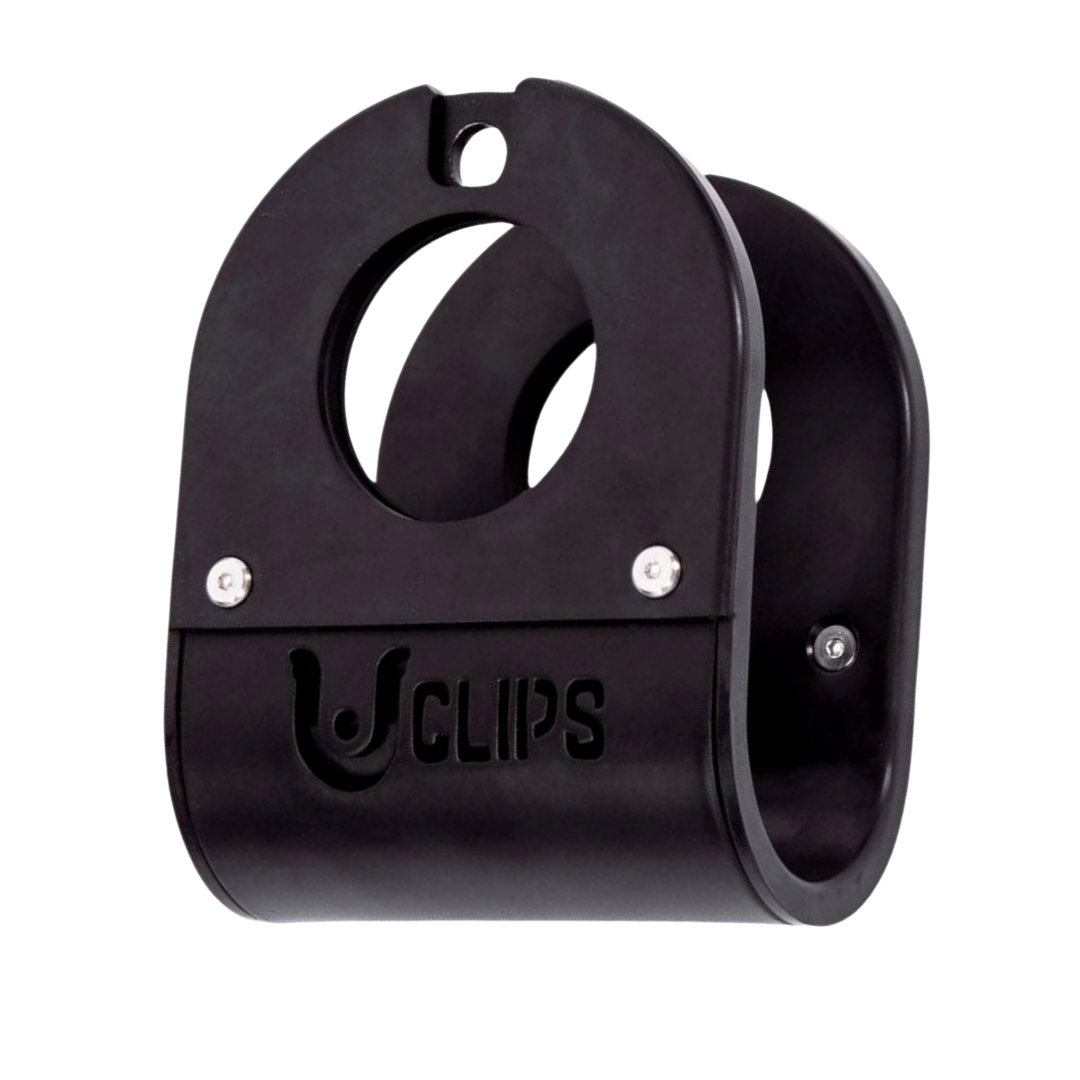
U Clips
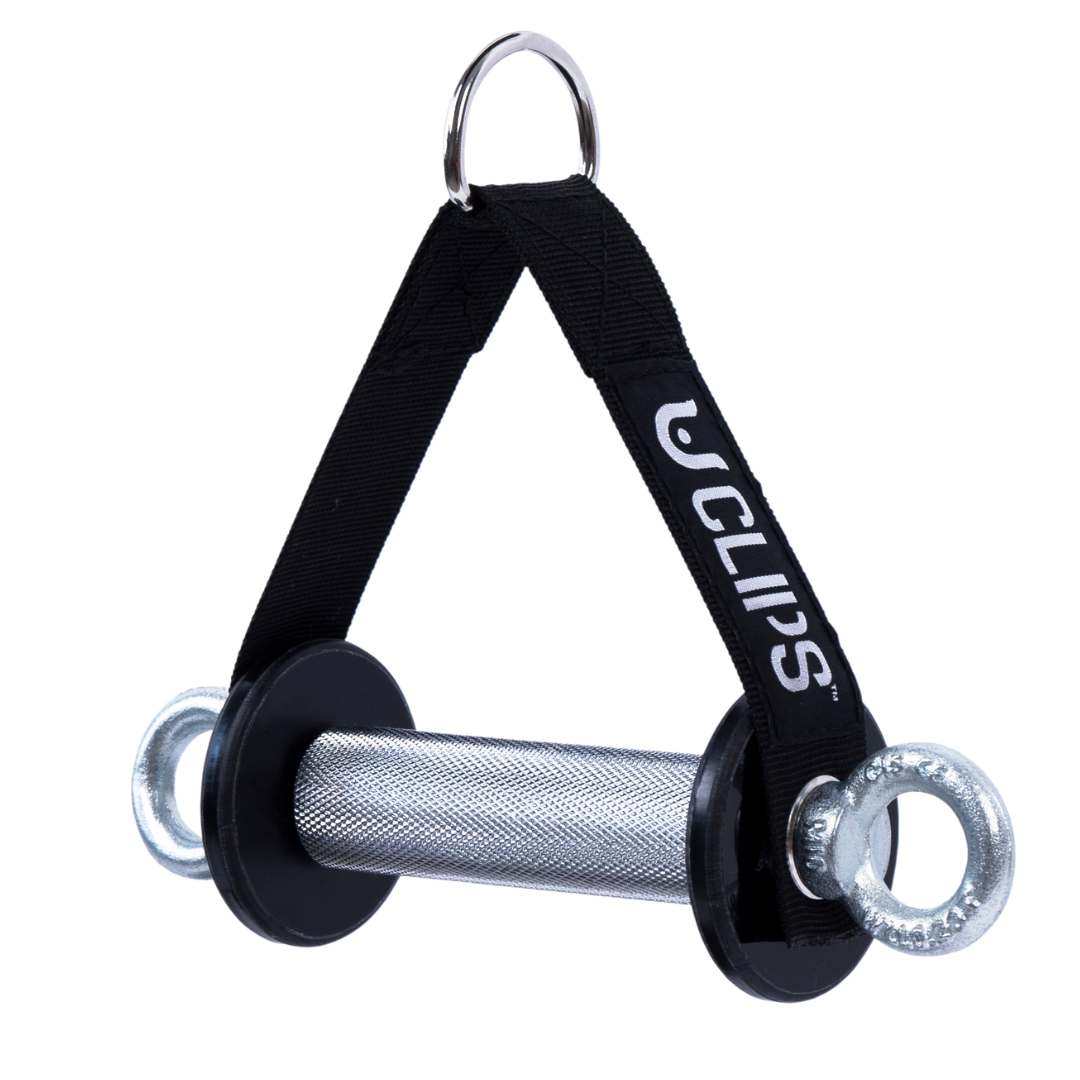
Versatile gym clips for barbell, landmine, and attachment setups.

GymPin Ergo Handles
Pair of ergonomic cable handles shaped for comfortable triceps and pulling exercises.



Leather Wrist Grips
Padded leather lifting grips help support the hands and wrists on heavy pulling exercises.

Angles 90 Grips
Flexible grip attachments that allow natural wrist movement during pulling exercises.
7. A four-week shoulder plan that respects wrist comfort
Train pressing twice a week with at least two days between sessions. Start each workout with five minutes of general movement, a few unloaded shoulder circles, and two easy ramp-up sets of the chosen press. Do not turn the warm-up into a painful wrist-stretching challenge. The goal is to rehearse a comfortable path and establish whether the joint tolerates load that day.
Day A – primary press: Neutral-grip dumbbell press, three sets of six to ten; cable or dumbbell lateral raise, three sets of twelve to twenty; supported row, three sets of eight to twelve; optional light external-rotation work, two controlled sets. Rest around two minutes after challenging presses and as needed for clean accessory reps. Keep the final rep looking like the first rather than forcing a grinding finish.
Day B – alternate angle: Landmine press or high-incline dumbbell press, three sets of eight to twelve; neutral-grip machine press or cable press, two sets of ten to fifteen; rear-delt raise, three sets of twelve to twenty; easy grip or wrist conditioning only if it is comfortable and relevant to your needs. If both presses feel redundant, keep one and put the extra effort into pulling work.
In week one, establish weights that leave roughly two to three good repetitions in reserve. In weeks two and three, add a repetition when technique is stable. In week four, increase the load slightly only after reaching the top of the rep range without wrist irritation. If discomfort grows, reduce range or load, switch the implement, or stop the painful movement; persistent symptoms warrant professional assessment.
The success metric is not whether you return to a straight bar immediately. It is whether you can train shoulders consistently, progress the movements you tolerate, and preserve a safe, repeatable pressing position. A barbell can remain one tool among several rather than the exercise that decides whether your shoulder day counts.
Funny Gym Shirts & Workout Gear
Funny gym shirts, tanks, hoodies and workout gear for lifters who like training hard.

Get A Grip Grip Strength Vest Tank Top
Bring “Get a Grip” humor to your next lifting session.

Grip Day Legacy Gymbro & Decal Sticker
Give your everyday gear a playful “Grip Day Legacy” twist.

Slip Not Grip Training – Heavy Metal Workout Jumper Pul T-Shirt
Bring “Slip Not Grip Training” humor to your everyday gym style.

Pressure Stoic Tee
Make gym days more fun with “Pressure Stoic Sigma Greek God Marble” style.

– Flex Armstrong Astronaut Moon Huge Arms Pullover Hoodie
Show off your bodybuilding humor in a laid-back “Flex Armstrong Astronaut Moon Huge Arms” hoodie.

Pumpeye Forearm Gains Grip Training Popeye Meme Vest Tank Top
Add some lifting attitude to training with “Pumpeye”.

Weak Ends Strongboy End The Weakness No More T-Shirt
Make gym days more fun with “Weak Ends Strongboy” style.


Gym Sir Swole of Benchalot Medieval Knight Bench Press Sticker
Give your everyday gear a playful “Sir Swole of Benchalot Medieval Knight” twist.

I Love Bench Press Muscle | Heart Plate Gym Vest for Ch Tank Top
Add some lifting attitude to training with “I Love Bench Press”.