Most lifters can name their favorite exercises. Fewer can explain why those exercises appear in a particular order. The usual advice is to start with big compound lifts and finish with smaller isolation movements. That is a useful default, but it is not a universal rule. Exercise order changes what you can do while fresh, which muscles accumulate fatigue first, and which movements receive your best-quality effort.
For someone chasing a stronger squat, the answer may be straightforward. For someone prioritizing bigger arms, shoulder comfort, or a balanced full-body session, the best sequence may look different. The practical question is not whether compound exercises are inherently superior. It is which result you want to protect from fatigue, and how you can organize the remaining work without compromising technique or recovery.
1. Why the First Exercises Usually Get Your Best Performance
A resistance-training session is a series of competing demands on the same resources: attention, grip, breathing, local muscle endurance, and the ability to produce force. The first challenging movement begins with relatively little fatigue from earlier work. Every hard set after that can change how much load you can lift, how many repetitions you complete, or how stable your technique feels.
Imagine two upper-body workouts using the same four movements: bench press, lat pulldown, triceps extension, and biceps curl. In the first, you bench and pull before training your arms. In the second, you exhaust the arms first. The second order does not make the bench press or pulldown useless, but it can make the supporting elbow muscles a limiting factor sooner. You might have to reduce load or accept fewer repetitions to keep the movement controlled.
This is why exercise order matters even when the total exercise list never changes. It can redistribute performance across a session without changing the program on paper. A simple training log can expose the effect: compare the same movement when it is first versus fourth, holding rest periods and effort reasonably similar. Look at repetitions, working load, perceived exertion, and whether technique changes near the end of the set.
One important distinction: feeling more exhausted is not proof of a better training stimulus. A harder session can simply be a less efficient way to practice a movement you care about. Start with the outcome you want, then decide where fatigue is acceptable and where it is costly.
2. For Strength, Put Your Priority Lift Near the Front
Strength is partly about producing high force and partly about practicing the specific skill of a lift. If your primary goal is a heavier squat, deadlift, bench press, or overhead press, that movement usually deserves a position early enough for focused, technically consistent work. It does not have to be literally the first activity: a general warm-up, ramp-up sets, and movement-specific preparation should come before heavy attempts.
A pooled analysis covering eleven exercise-order studies found a useful pattern. When strength outcomes were separated by exercise type, multi-joint strength tended to improve more when multi-joint exercises were trained first, while single-joint strength tended to improve more when those exercises were placed first. The broader lesson is that the exercise receiving priority can benefit from the fresher part of the session. This is not evidence that one fixed sequence maximizes every lift for every person.
Consider a lifter whose squat is the main performance target but who also wants stronger hamstrings and calves. A practical sequence is squat, a hinge variation, a unilateral leg movement, then calf work. If the goal changes to improving a stubborn calf raise, that exercise can move earlier on selected days without invalidating the rest of the program.
Keep heavy, skill-demanding lifts away from the point where coordination is deteriorating. If a lift is becoming unstable, repeatedly shortening range of motion, or requiring improvised body English, a new exercise order is not the only fix; the load, rest time, or set target may also need adjustment. When two major lifts both matter, alternate which one goes first across separate sessions instead of forcing one to be permanently disadvantaged.

Equipment Worth Exploring
Explore equipment, accessories and gear from our carefully selected range.


FID Bench MAX
Adjustable bench offering flat, incline, and decline positions + adjustable headrest.


VOLTRA
Compact digital cable trainer with smooth, adjustable resistance.

Go-Tone Pro
Portable digital cable trainer with up to 66 lb (30 kg) of adjustable resistance.

GymPin Squat Wedges
Non-slip 15-degree squat wedges help elevate the heels for deeper quad-focused squats.
3. Muscle Growth Is More Flexible Than the Traditional Rule Suggests
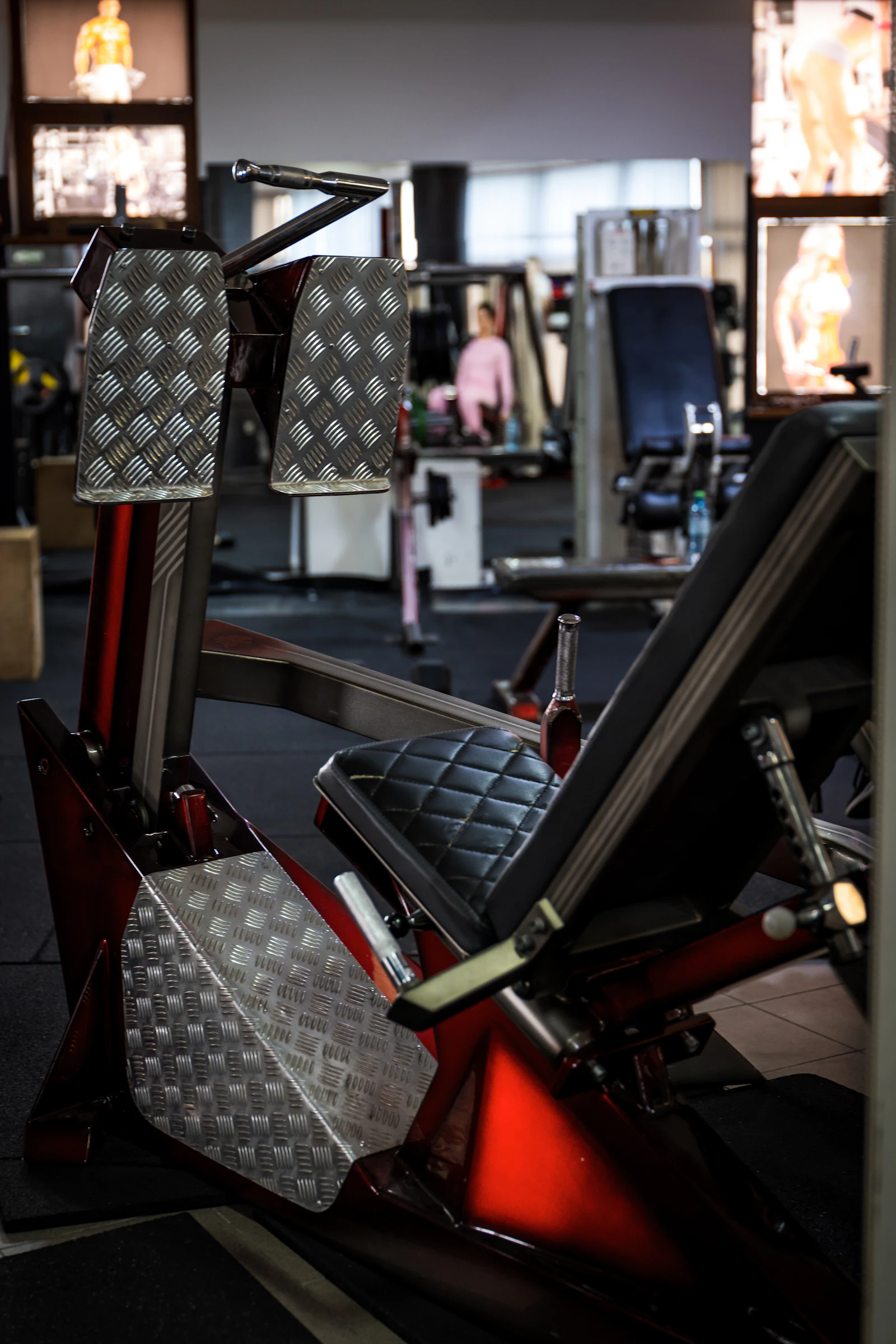
Hypertrophy depends on accumulating productive training over time, not on following a single sacred sequence. In the same eleven-study pooled analysis, there was no clear overall difference in muscle-growth outcomes between starting with multi-joint exercises and starting with single-joint exercises. That finding supports flexibility, but it does not prove that order never matters for a particular muscle, exercise, or training setup.
Shorter experiments help explain the nuance. In a six-week comparison involving young men, both sequences improved biceps thickness by similar amounts. The multi-joint-first group showed a clearer within-group increase at a measured mid-thigh site, but the short duration and small sample make it unwise to convert that observation into a universal rule. In a twelve-week trial with older women, both multi-joint-first and single-joint-first approaches produced improvements in strength and lean mass, without a decisive advantage for one sequence.
What matters in practice is whether the target muscle continues to receive sufficiently challenging sets and can recover from the weekly workload. If your quads are the priority, starting with squats or leg presses may let you handle more productive work before fatigue accumulates. If your biceps lag behind and curls always come last, moving curls earlier may help you train them with better attention and less compromised performance.
Do not confuse similar average growth results with identical training experiences. A session that begins with isolation work may feel different, use different loads, and distribute effort differently. You can exploit that flexibility deliberately while still recording hard sets, exercise progression, and how close sets are to technical failure. The best sequence is the one that lets the muscles you prioritize receive repeatable, high-quality training.

Powerlifting Shirts & Lifting Gear
Powerlifting shirts and gym gear for squat, bench and deadlift lifters who live for heavy numbers.

Lift Eat Repeat & Weightlifting Meme Vest Tank Top
Add some lifting attitude to training with “Lift Eat Repeat”.


Bending Bars Meme – Barbell Squat Bench Deadlift, & T-Shirt
Heavy lifts, good laughs, and a little “Bending Bars Gym Meme” energy.

Squat Bench Deadlift Pet Dogs Shirt Dog Lovers T-Shirt
Make gym days more fun with “Squat Bench Deadlift Pet Dogs” style.

Muscled Skeleton Deadlifter Meme – Ultimate Top T-Shirt
Show some deadlift attitude with a playful “Muscled Skeleton Deadlifter” tee.


5 Plates Squat Club Meme – Top T-Shirt
Bring “5 Plates Squat Club” humor to your next gym day.
4. Pre-Exhaustion: Useful Tool or Unnecessary Fatigue?
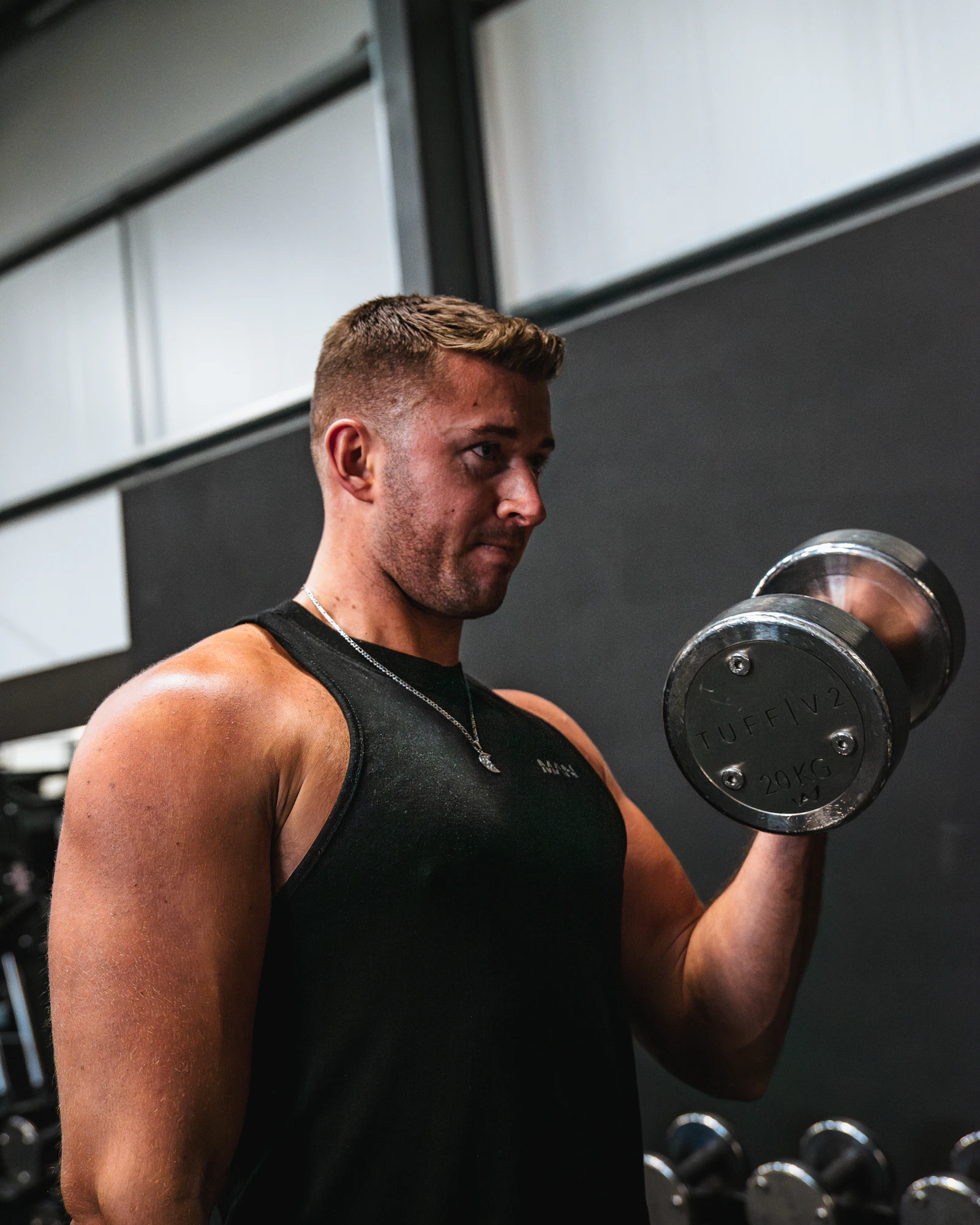
Pre-exhaustion means deliberately fatiguing a muscle with a simpler exercise before asking it to contribute to a larger movement. A classic example is a chest fly before bench pressing, or a leg extension before a leg press. The intention is often to make the target muscle work harder during the compound lift. The actual result is more complicated: the target muscle is already tired, so its available force may be lower when the compound set begins.
For example, doing demanding triceps extensions before bench pressing can make the triceps the weak link earlier. The bench set may feel brutal, yet the chest may not receive more useful work. Likewise, a hard leg-extension set before squatting can change knee-extensor fatigue and force you to lower the squat load. That is not automatically a problem if the purpose is a controlled, lighter session, but it is a poor default when your main objective is maximizing squat performance.
There are sensible reasons to use isolation work early. You might want to prioritize a lagging muscle, rehearse a movement pattern with a modest load, or make a machine exercise the main work while keeping later compound sets less demanding. Those are programming choices, not shortcuts to guaranteed extra growth. If the pre-exhausted muscle prevents safe technique or reduces useful range of motion, the trade-off is probably unfavorable.
Try the idea conservatively. Use one or two controlled isolation sets rather than exhausting the muscle completely, then evaluate the next movement. Record whether you maintained range of motion, completed planned repetitions, and felt the intended muscles working. If the compound lift deteriorates substantially and the target muscle does not gain useful training, move the isolation exercise back to the end.
5. Full-Body Sessions Need an Order That Manages Overlap
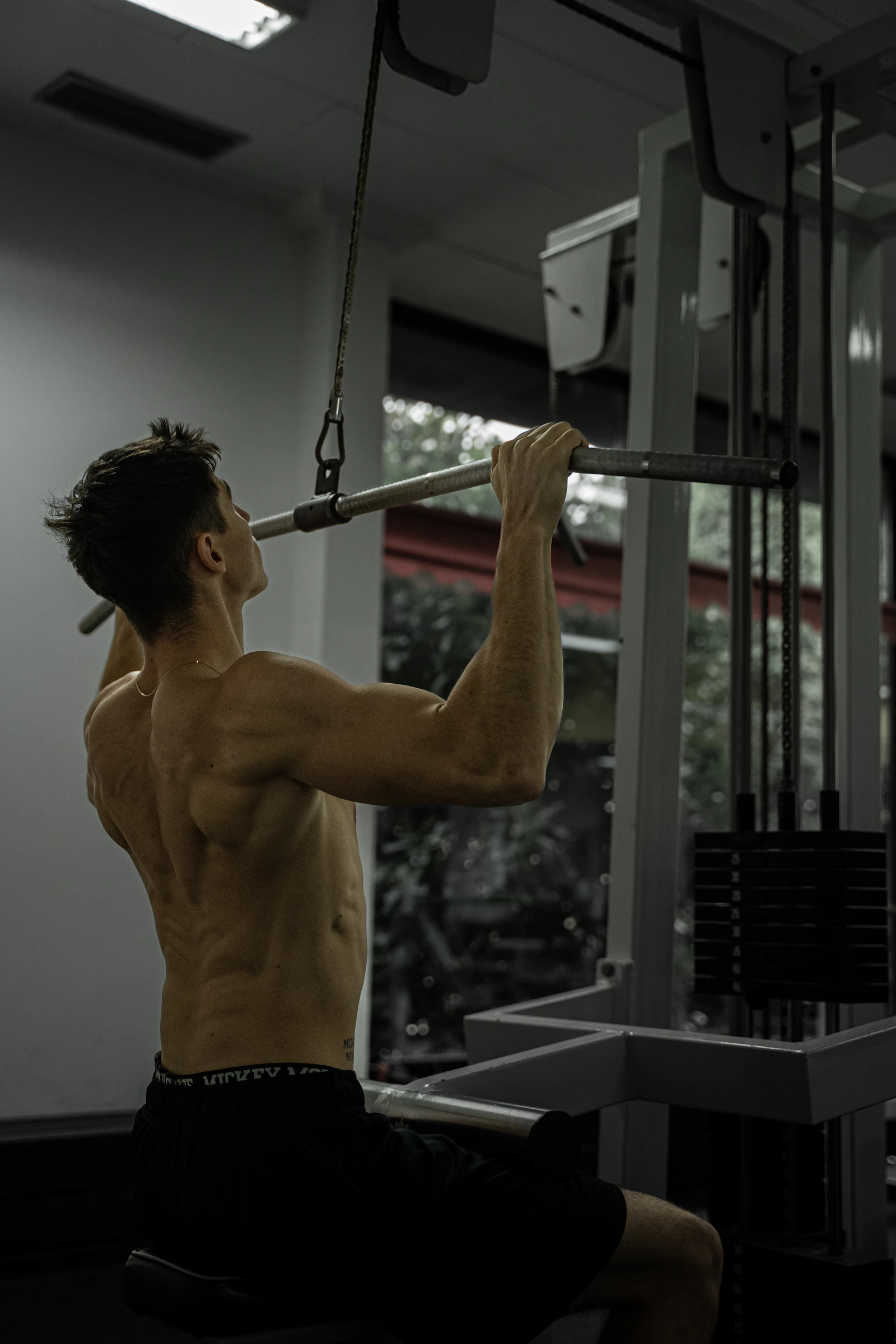
Exercise order becomes especially important when one workout contains upper-body pushing, upper-body pulling, squatting, hinging, and smaller accessories. There is no requirement to finish every lower-body exercise before touching the upper body. A full-body plan can alternate movement patterns to reduce local overlap while keeping the highest-priority lift early.
One workable session begins with a squat, follows with a bench press, then uses a row, Romanian deadlift, lateral raise, and calf raise. Another begins with a pull-up or pulldown, moves to a split squat, then presses and finishes with isolation work. The second arrangement can be appropriate if back strength or pulling technique is the main goal. Neither order is automatically superior without knowing the loads, set volume, rest, and athlete’s priorities.
Watch for hidden fatigue. Heavy rows can tax the lower back before a hinge. Long sets of pull-ups can fatigue the grip before deadlifts. Hard triceps work can make overhead pressing less stable. Even exercises that train different primary muscles can share stabilizers, breathing demands, and concentration. An apparently clever alternating sequence is only useful if those overlaps do not compromise the work that matters most.
For sessions with two equally important compound lifts, give each its own strong position during the week. Squat first on one day and hinge first on another; press first on one upper-body day and row or pulldown first on the next. This preserves specificity without making every workout a contest for the first slot. If time is limited, trim low-priority accessories before cutting the warm-up or rushing technical lifts.
Equipment Worth Exploring
Explore equipment, accessories and gear from our carefully selected range.


HUSLA Leg Extension Pad
Pad attachment designed to increase usable range of motion on compatible leg-extension machines.
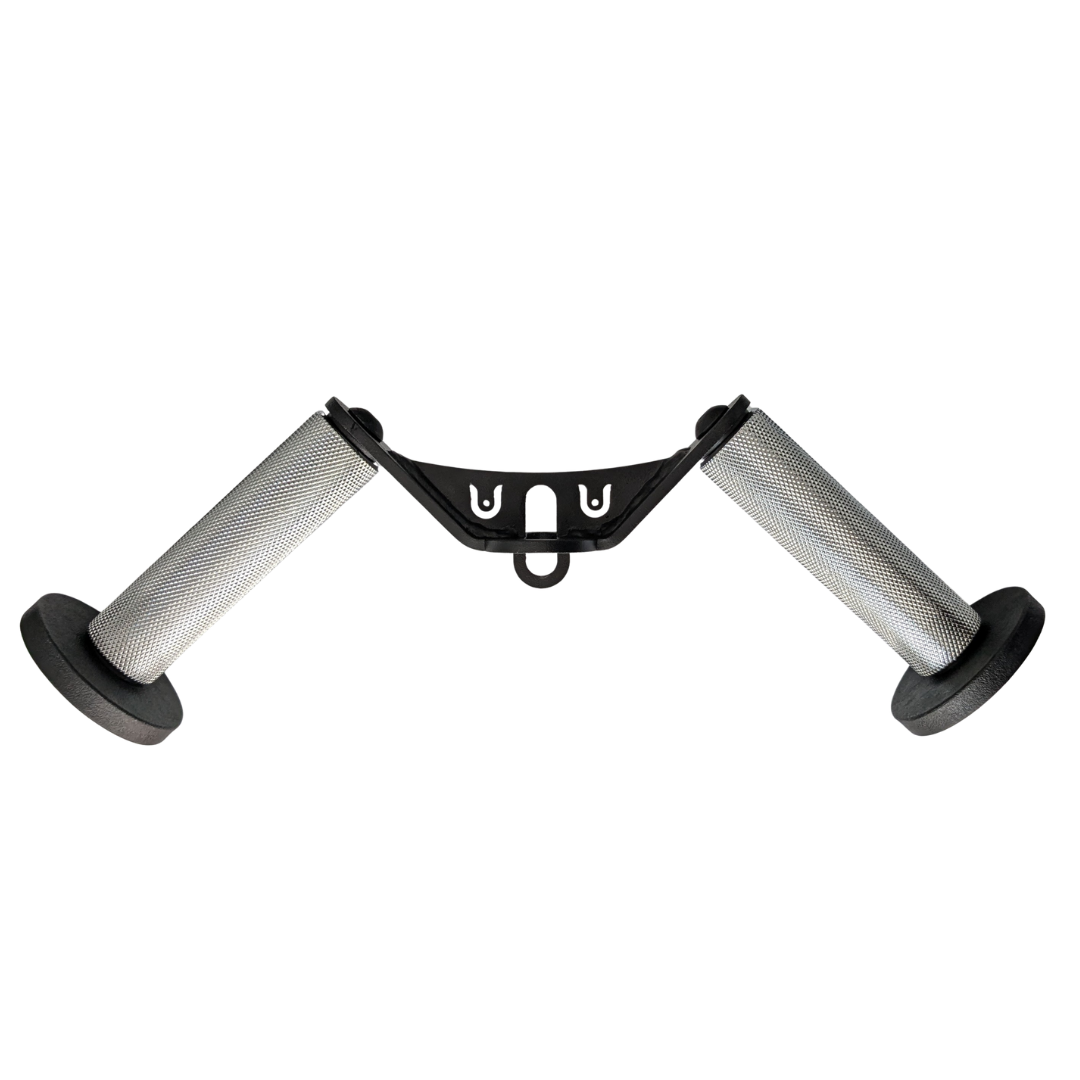
W Grip
Angled cable grip for comfortable rows, pushdowns, and curls.
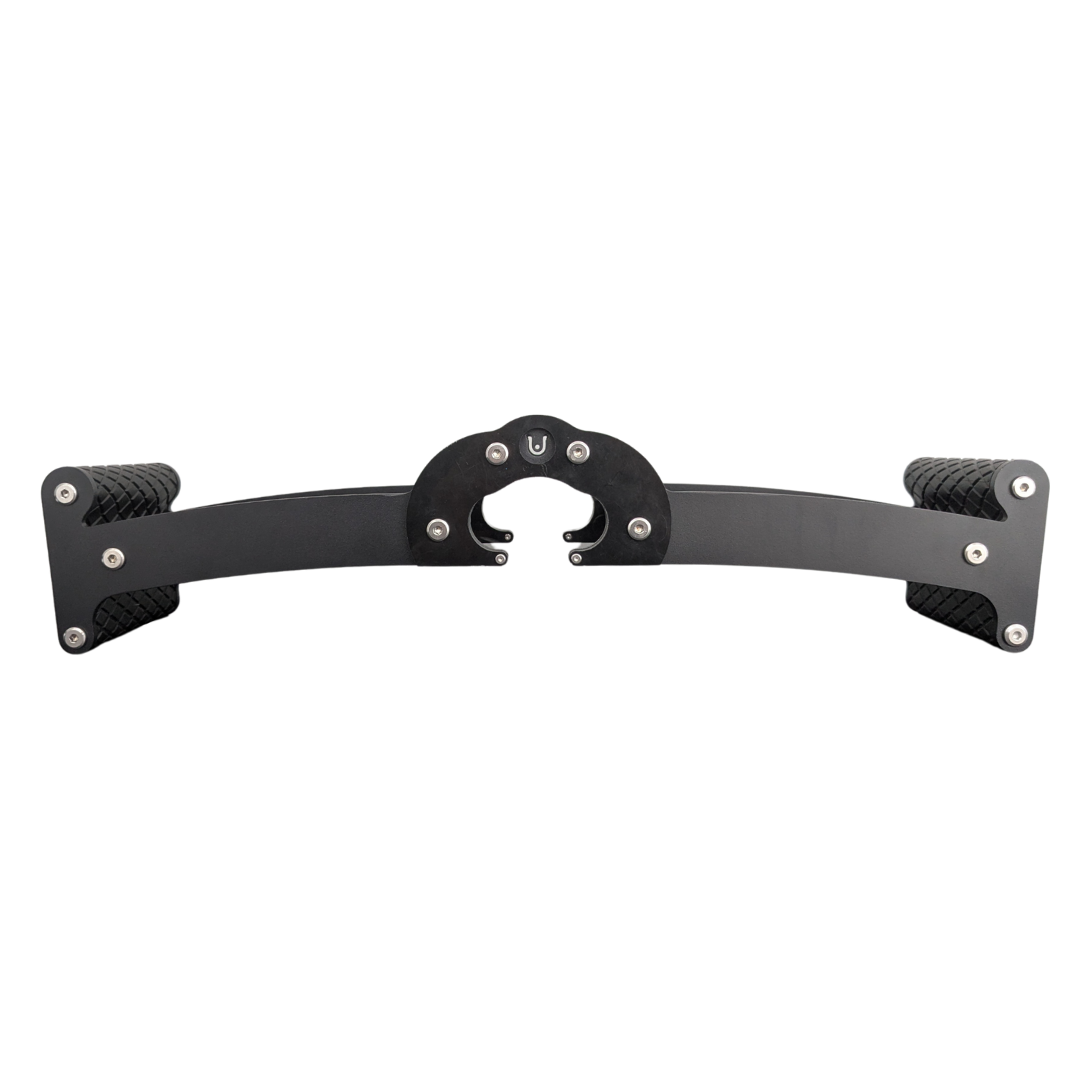
Back Bar
Multi-grip cable and landmine bar with a built-in deadlift jack.

GymPin D Handle Bar
Multi-use steel D-handle bar for cable rows, pulldowns and other cable exercises.
6. Three Example Sequences for Different Training Goals
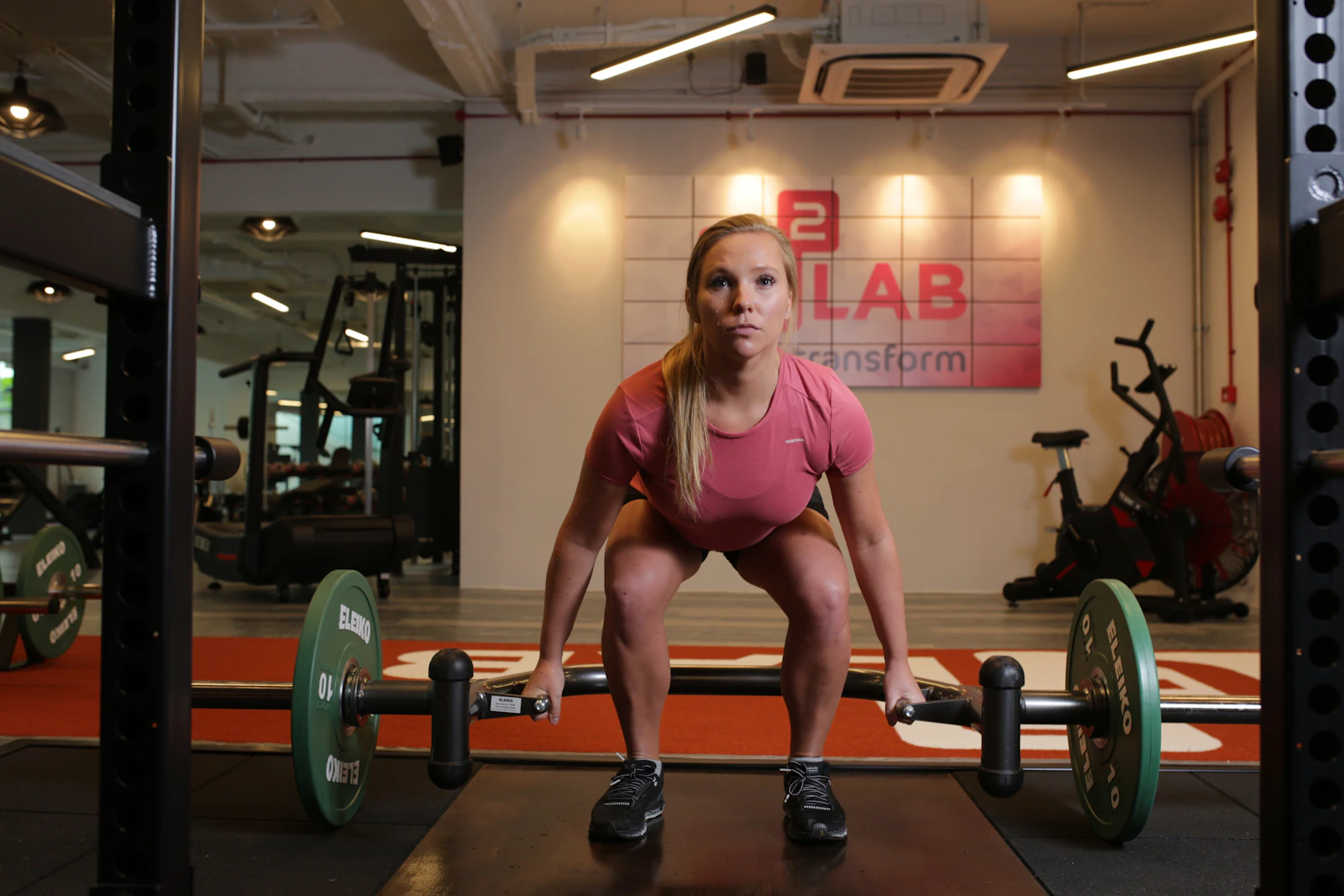
Strength-focused lower body: Start with movement-specific warm-ups, then a squat or deadlift variation for three to five demanding working sets. Follow with the other major pattern at a moderate effort, add a single-leg exercise, and finish with hamstring or calf isolation. This sequence gives the most demanding technical task the best conditions while still covering supporting muscle groups.
Hypertrophy-focused upper body: Begin with the muscle you most want to develop. A chest-priority day might start with a press, follow with a fly or machine press, then include a row, pulldown, lateral raise, and arm work. An arm-priority day can start with curls or extensions, then use appropriately adjusted pressing and pulling work. The adjustment is intentional: expect the later compound lifts to feel different and avoid judging their loads against sessions where they came first.
Balanced full body: Use a squat pattern, an upper-body push, an upper-body pull, a hinge, and one or two smaller accessories. For example: goblet squat, dumbbell bench press, cable row, Romanian deadlift, and biceps curl. Another day, begin with the row and move the squat later. The exercise order can rotate while the overall weekly movement coverage remains consistent.
These are examples rather than prescriptions for everyone. Beginners may do well with fewer total movements and more conservative set counts. More experienced lifters may need additional work for specific muscles. Rest long enough to maintain planned technique and effort, especially between demanding compound sets. Pain, injury history, equipment availability, and movement proficiency should change the exercise menu before the order is optimized.
Across all three templates, the same principle applies: the most important lift or muscle gets the clearest path to productive work. Secondary movements remain challenging, but they should not sabotage the main goal. When two goals conflict, rotate emphasis across training days instead of expecting one sequence to optimize everything simultaneously.
7. Run a Four-Week Exercise-Order Experiment
Instead of guessing, test whether a different sequence actually improves your training. Pick one exercise that currently appears late in your workout, such as a biceps curl, pulldown, or split squat. Record two typical sessions with the current order. Note working weight, repetitions, approximate repetitions in reserve, rest time, and any technical breakdown. Keep the rest of the program as consistent as practical.
For the next two weeks, move that priority exercise into the first challenging slot after warm-up. Use a similar effort target and sensible rest periods. Do not chase a personal record simply because you feel fresh. The aim is to learn whether the new position improves repeatable set quality and whether the movements pushed later remain productive. If moving curls first gives you two extra clean repetitions but dramatically disrupts pressing, that is useful information rather than an automatic win.
Compare your notes using three questions. First, did the priority exercise gain load, repetitions, range of motion, or technical consistency? Second, what happened to the displaced exercises? Third, did the session remain practical and recoverable across the week? A small improvement in one movement is not valuable if it consistently creates a much larger problem elsewhere.
Be cautious about treating four weeks as proof of extra muscle growth. Changes in exercise performance can appear faster than measurable hypertrophy, and normal day-to-day variation is substantial. The experiment is a way to personalize training order, not a clinical trial. If the new order works, keep it long enough to assess sustained progression. If it does not, return to the simpler sequence or rotate priorities across days.
Bodybuilding Shirts & Workout Gear
Bodybuilding shirts, tanks and gym gear for lifters chasing muscle, size, symmetry and the pump.

Mind Muscle Connection Tee
Show some lifting attitude with a playful “Mind Muscle Connection” tee.

Meme – Shhh I'm Doing Math Plate Math Weightlifting T-Shirt
Heavy lifts, good laughs, and a little “Shhh I'm Doing Math Plate Math” energy.

Dost Thou Even Hoist Sir? – Do You Even Lift, Bro? T-Shirt
Make gym days more fun with “Dost Thou Even Hoist Sir?” style.


Meme Installing Muscles & Lifting Shirt Bros & T-Shirt
Bring “Installing Muscles” humor to your next gym day.


Work on His Pecks Tee
Show some bodybuilding attitude with a playful “Why Did The Chicken Go To The Gym? To Work” tee.
Light Weight Baby – Ronnie Coleman Meme , & Gains – T-Shirt
A t-shirt featuring the Light Weight Baby – Ronnie Coleman Meme , & Gains – Bro Humor design for lifters who appreciate gym-themed style.

The bottom line: Compound-first is a sensible default when major lifts are the priority, but it is not a universal law for muscle growth. Strength tends to reward practicing important movements while fresh; hypertrophy allows more flexibility provided the target muscles still receive challenging, repeatable work. Put your highest-value training first, manage fatigue honestly, and let your training log—not a rigid exercise-order slogan—guide the final decision.