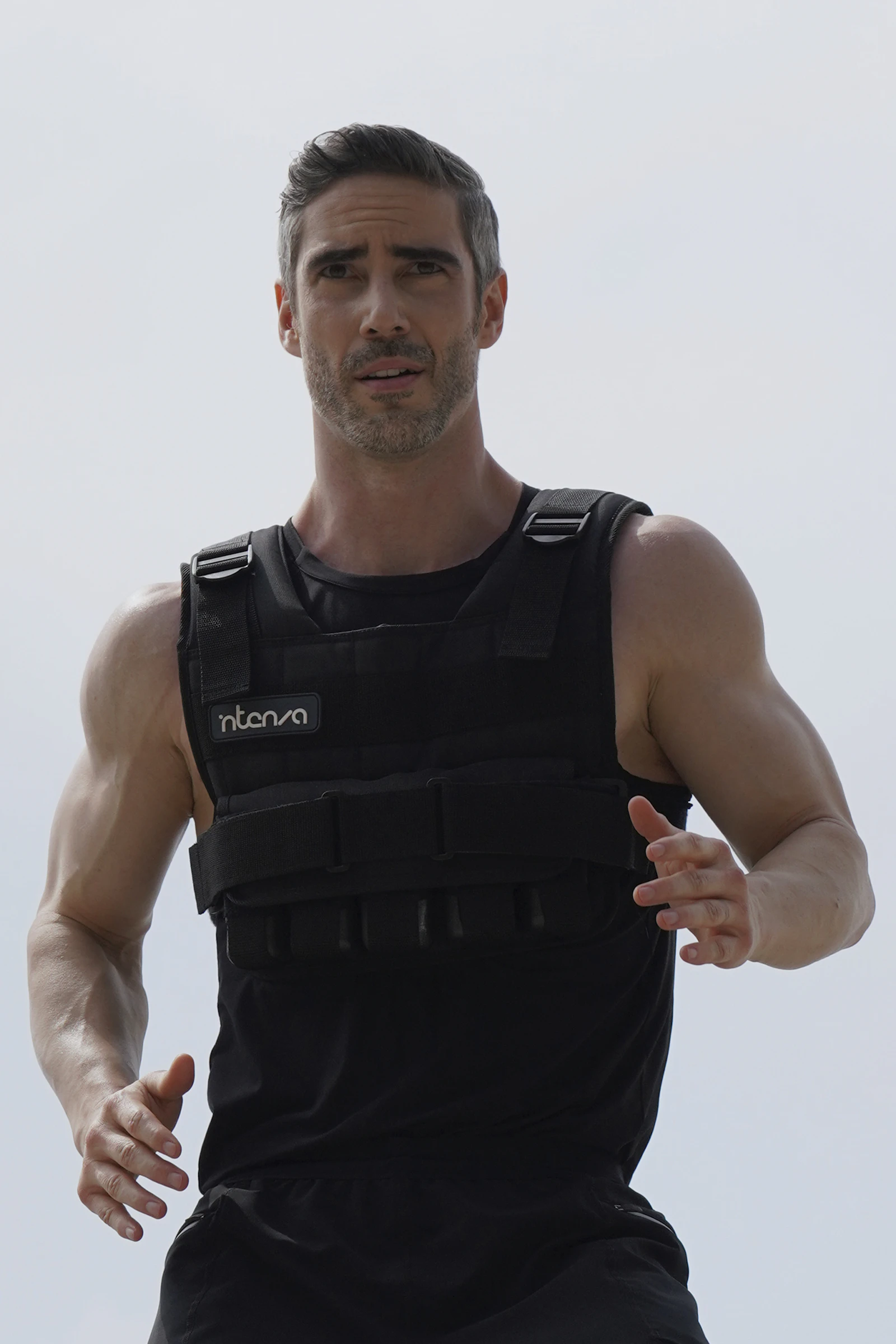
Weighted-vest walking is often presented as an easy way to turn an ordinary walk into serious training. There is a real physiological idea behind it: moving your body plus an external load takes more energy. But the size of the benefit is easy to exaggerate, and a heavier walk is not automatically a better workout.
Recent controlled experiments let us separate measurable changes in oxygen consumption, heart rate and energy cost from promises about fat loss, muscle growth and bone health. Here is what the results mean for someone deciding whether to add a vest, choose a hill or simply walk farther.
What a weighted vest actually changes during walking
A weighted vest makes the body carry more mass while completing the same walking task. That sounds obvious, but the useful distinction is between more effort during a session and better fitness after weeks of training. The first can be measured immediately; the second needs repeated training and a comparison against another sensible program.
In a controlled 2026 treadmill experiment, thirteen previously sedentary adults with overweight or mild obesity walked at several speeds between 4.0 and 5.5 km/h (2.5–3.4 mph). The loaded condition used a vest equal to 10% of body mass. Compared with unweighted walking, the vest increased oxygen consumption, heart rate, breathing demand and measured energy expenditure. That is meaningful evidence that carrying weight changes the task, not evidence that a vest is a shortcut to a particular amount of fat loss.
One participant’s 10% load might be 6 kg (13 lb), while another’s could be 11 kg (24 lb). Those are not interchangeable starting prescriptions. Load should be chosen from current fitness, comfort and the duration of the walk rather than automatically copying a percentage used in a laboratory.
Also remember that a weighted vest is not a replacement for walking itself. A brisk unloaded walk can be challenging, and a very slow heavily loaded walk may feel awkward without producing a better aerobic session. The best comparison is against what you could achieve by changing pace, route or duration.
How many extra calories does a loaded walk burn?
The extra energy cost is real, but the size of the difference matters more than an impressive-sounding percentage. In a small 2026 controlled experiment involving nine adults, a 4.55 kg (10 lb) vest raised average walking energy expenditure from 5.33 to 5.58 kcal per minute at a brisk, fixed treadmill speed. That is roughly 0.25 extra kcal per minute, or about 15 additional calories across a full hour at the same measured difference.
This does not mean every vest adds only 15 calories per hour. Participants, vest masses, terrain and speeds vary. Heavier loads and faster walking can create a much larger increase. It does show why the claim that simply putting on a light vest will transform calorie burn deserves skepticism.
Consider two practical comparisons. If an unloaded walk uses 5 kcal per minute, extending it by five minutes adds about 25 kcal at that same rate. A modest vest that adds 0.25 kcal per minute would need 100 minutes to add the same amount. The numbers are illustrative, not a personalized calorie calculator, but they show why more walking time can be a powerful alternative to buying load.
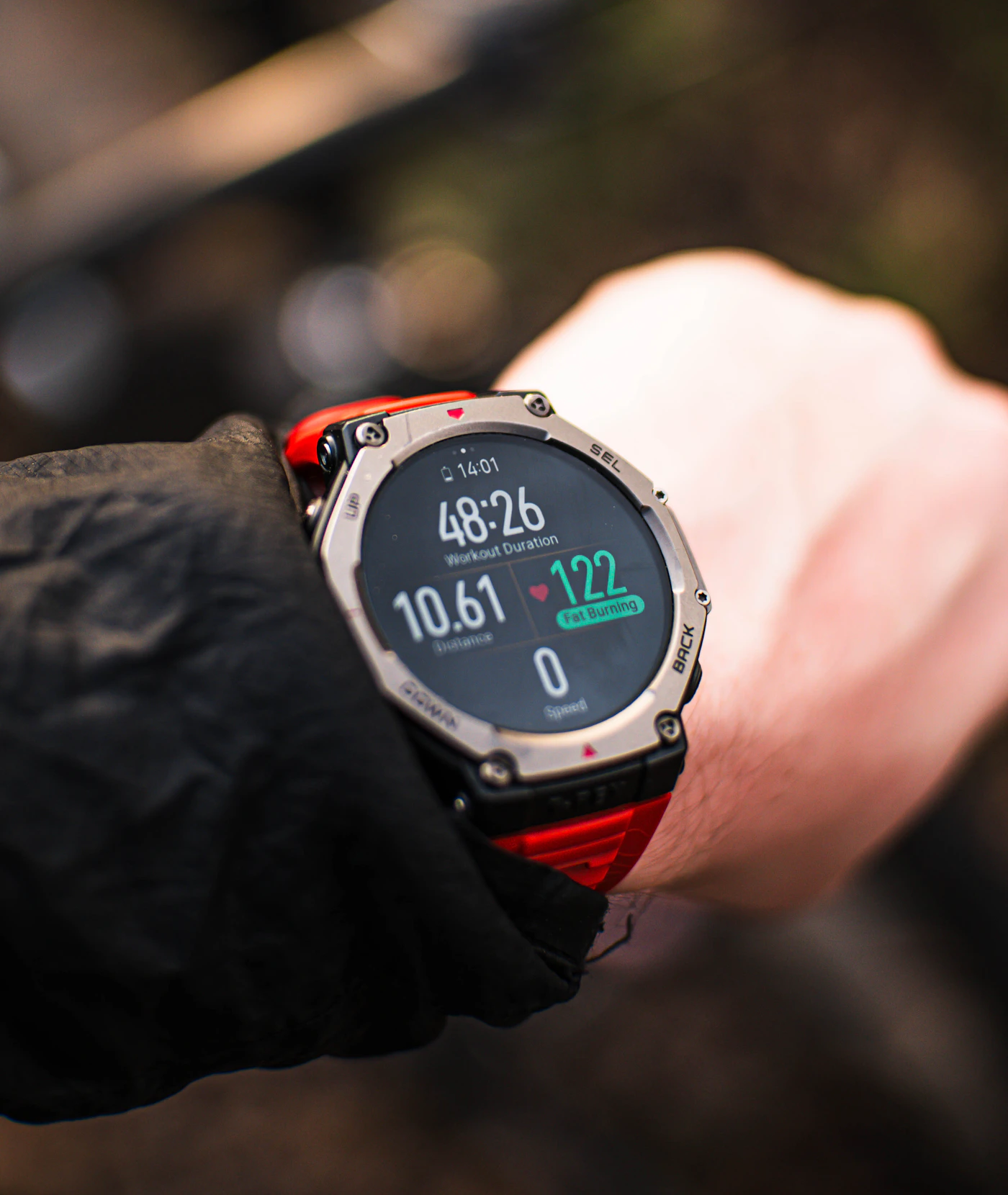
Calorie readouts on watches and treadmills are estimates, especially when the device does not know you are wearing extra weight. The 2026 treadmill experiment found that a combined heart-rate and accelerometer model detected the added demand but did not agree closely enough with laboratory gas measurements to treat the two methods as interchangeable. Use device trends cautiously rather than celebrating precise-looking totals.

Equipment Worth Exploring
Explore equipment, accessories and gear from our carefully selected range.

Apple Watch Ultra 3
Rugged 49 mm smartwatch with cellular connectivity, GPS and fitness tracking.


Powerbeats Fit
Secure-fit wireless workout earbuds with active noise cancellation and a charging case.

Go-Tone Pro
Portable digital cable trainer with up to 66 lb (30 kg) of adjustable resistance.
VOLTRA
Compact digital cable trainer with smooth, adjustable resistance.


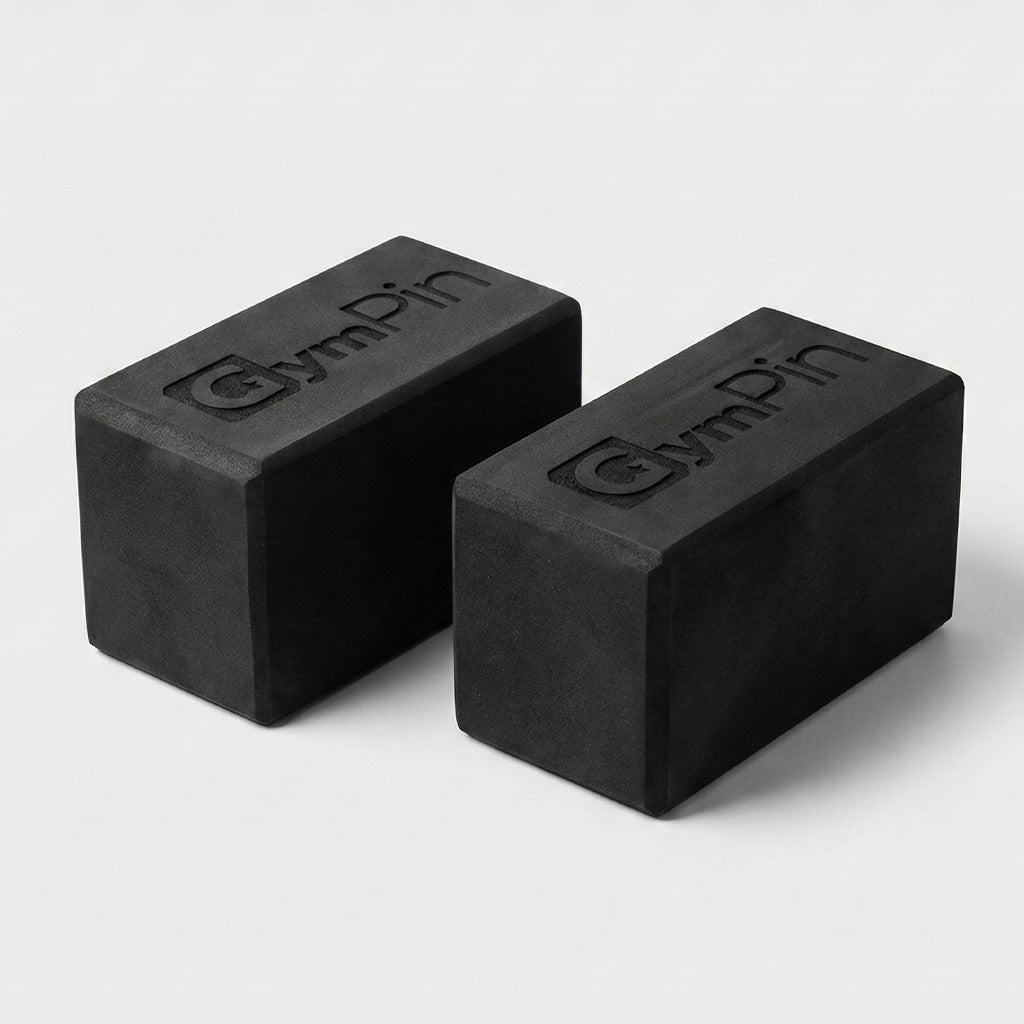
GymPin Starting Blocks
Portable high-density foam blocks for adjusting machine starting positions and range of motion.
Load, speed and incline: which lever matters most?

A vest is only one of several ways to increase walking demand. Speed changes how quickly you cover ground; incline adds vertical work; extra mass makes each step more costly. A 2025 controlled study tested different vest masses, weight placement, treadmill speeds and gradients. Its practical message was that load and walking conditions both matter, while moving the same moderate vest load between positions did not meaningfully change the average metabolic response.
Walking uphill with no added weight can be much harder than strolling on level ground in a vest. That makes hills or treadmill incline an attractive first progression for someone who wants more cardiovascular effort without additional compression or load on the shoulders and trunk. For someone who already walks briskly and has limited access to hills, a carefully fitted light vest can be another useful variable.
Do not change all three variables at once. For example, hold a 25-minute walking route constant for a week, then increase the brisk portion by five minutes. Alternatively, keep duration and speed stable while adding a small amount of vest weight. If you change the load, pace and hill steepness together, you will not know which adjustment caused discomfort or excessive fatigue.
A loaded hill walk also demands more balance and foot placement than a flat treadmill test. Shorter steps and deliberate pacing may help on uneven terrain. If the route includes steep descents, remember that downhill braking can challenge knees and quadriceps even when your heart rate is lower. A training session is not automatically better because every variable is maximized.

Cardio Shirts & Workout Gear
Cardio and conditioning gym gear for runners, endurance athletes and anyone who earns the sweat.

Hybrid Athlete – HYROX Training Crewneck for Strength & T-Shirt
Show some gym-day personality with “Hybrid Athlete”.


Anti Walking Walking Club Shirt Gymbro Meme Lifting T-Shirt
Bring “Anti Walking Walking Club” humor to your next gym day.

Cardio Is Hardio – Workout Meme Hooded Pullover Hoodie
Keep it laid-back with a little “Cardio Is Hardio” attitude.

Cardio Is Calling Decline Sweater Meme T-Shirt
Bring “Cardio Is Calling” humor to your everyday gym style.

Negative Cardio Review Cardio Sucks Running , Meme T-Shirt
Heavy lifts, good laughs, and a little “Negative Cardio Review” energy.

Don't Quit Do It – Motivational Jumper Pullover For Wor T-Shirt
Show some gym-day personality with “Don't Quit Do It”.

Everything Hurts And I'M Tired Motivation Hooded Hoodie
Stay casual and show some cardio attitude with “Everything Hurts And I'm Tired”.

Cardio Speed Superhero Gym Funny Treadmill Running Musc Tank Top
Show some personality between sets with “Cardio Speed Superhero”.

Anti Hiking Hiking Hiking Club Shirt – & Meme Top T-Shirt
Heavy lifts, good laughs, and a little “Anti Hiking Hiking Hiking Club” energy.
Weighted vest versus backpack: they are not the same load

Rucking usually means walking while carrying a load in a backpack. A weighted vest distributes mass closer to the torso and can allow relatively even loading at the front and back. A backpack places more of its load behind the body, and its straps and fit can change how it feels across the shoulders and hips. Neither setup guarantees good posture or protection from injury.
For a short urban walk, a snug vest with small removable weights may be convenient. For a longer hike, a properly fitted backpack with a supportive hip belt may be more practical because it also carries water, clothing and other essentials. Equipment choice should reflect the route and task, not a universal claim that one distribution is always superior.
Check fit before increasing weight. The vest should not bounce, chafe or prevent normal breathing and arm movement. A backpack should not pull the wearer so far backward that they constantly lean forward to compensate. Either arrangement can become uncomfortable when the load is too heavy or the walking session is too long.
In the research on load carriage, trained military-age participants have tolerated much heavier loads than an ordinary recreational walker should copy. Those tests help explain metabolic costs, but they do not establish a safe beginner load for every body. If your main goal is daily activity, there is no need to imitate tactical training. A comfortable, repeatable walk beats an ambitious session that leaves your feet or back irritated for days.
Can a vest build muscle, bone or cardiovascular fitness?
The clearest immediate effect is a higher workload. Whether that turns into improved fitness depends on how hard you train, how often, how you recover and what you were doing beforehand. A person who has been inactive may gain aerobic capacity from regular brisk walks without any vest. Someone who already runs or cycles hard may find that a lightly loaded stroll adds little meaningful stimulus.
Do not confuse carrying resistance with performing resistance training. Walking with extra weight requires the legs and trunk to support load, but it does not provide the same progressive, full-range challenge as squats, hinges, calf raises and other targeted strength exercises. If stronger legs or muscle growth is the goal, structured resistance training should remain the foundation.
Bone-health claims require similar care. A 2026 synthesis of nine randomized trials involving 368 middle-aged and older adults found benefits for bone density when vest-plus-exercise programs were compared with usual activity. But adding a vest to an exercise program did not show a confirmed extra bone-density benefit in the limited direct comparison. These results do not justify promising that a daily weighted walk will prevent osteoporosis.
Think of the vest as an optional conditioning tool. It can make familiar walking more demanding without needing to jog, but it is not a substitute for sufficient weekly activity, progressive strength work, good sleep and appropriate nutrition. If a vest makes walking less enjoyable or reduces how much you move overall, the net benefit may be worse than simply walking more.
Equipment Worth Exploring
Explore equipment, accessories and gear from our carefully selected range.



Squat Harness
Wearable harness for hands-free cable squats, sled work, and lower-body training.


Power Tower
Freestanding pull-up and dip station with adjustable handles for bodyweight training.


FID Bench MAX
Adjustable bench offering flat, incline, and decline positions + adjustable headrest.


A four-week weighted-walking progression that stays sensible

Start by finding a comfortable unloaded baseline. For many people, that could be 20–30 minutes at a pace that raises breathing but still allows conversation. If that is already challenging, spend the first weeks improving walking consistency rather than adding external load. The following example assumes an adult who can already walk comfortably without pain and wants to experiment with a vest.
Week 1: Keep two or three normal walks. On one short, flat session, try a very light, well-fitted vest for 10–15 minutes. Focus on posture, breathing and whether the vest moves. Do not aim for a personal record.
Week 2: If the previous session felt easy and the next day was normal, extend the loaded portion to 15–20 minutes. Keep the weight unchanged. A modest increase in duration is easier to evaluate than adding more load immediately.
Week 3: Maintain a similar total duration and add a few brisk intervals or a gentle incline if comfortable. Alternatively, increase vest weight by a small increment while keeping the route flat. Choose one change, not both.
Week 4: Repeat the most successful version and compare perceived effort, walking pace and recovery. If you have knee, foot, hip or back discomfort, return to unloaded walking and reassess rather than forcing the progression. One or two loaded sessions per week can be plenty alongside regular training; more is not inherently better.
Log duration, route, load, approximate effort and any discomfort. This provides more useful feedback than obsessing over a watch’s estimated calorie number. A plan you can repeat for months is more valuable than a dramatic four-week challenge.
Cardio Shirts & Workout Gear
Cardio and conditioning gym gear for runners, endurance athletes and anyone who earns the sweat.

Skip Cardio Exit Cardio Meme Hooded Hoodie
Keep it laid-back with a little “Skip Cardio” attitude.

Straight Outta Shape – Out Of Shape Meme Vest Tank Top
Your gym-day look, with a playful “Straight Outta Shape” twist.

Exercise Your Demons Gym | Funny Workout From Hell Hood Hoodie
Keep it laid-back with a little “Exercise Your Demons” attitude.

Epic Jump Rope Cardio Van Halen Gym Pullover Crewneck T T-Shirt
Keep things casual with a little “Epic Jump Rope Cardio Van Halen” attitude.

Meme Shirt – Two Things I Like Lifting Weights Not T-Shirt
Make gym days more fun with “Two Things I Like Lifting Weights Not” style.

Funny Uncle Sam Gym – I Want You To Do Cardio Patriotic T-Shirt
Keep things casual with a little “Uncle Sam” attitude.

We Don't Need No Cardio Hoodie
Stay casual and show some cardio attitude with “We Don't Need No Cardio”.

Hybrid Athlete – Iron Man Medieval Triathlon Crewneck f T-Shirt
Show some gym-day personality with “Hybrid Athlete”.

Gym Dost Thou Even Pedal Medieval Air Bike Joke for Cro T-Shirt
Show some gym-day personality with “Dost Thou Even Pedal Medieval Air Bike Joke”.

Track Panther Crewneck Pullover for Running Workout Fan T-Shirt
Keep things casual with a little “Track Panther” attitude.
Who should skip added weight, and the practical verdict
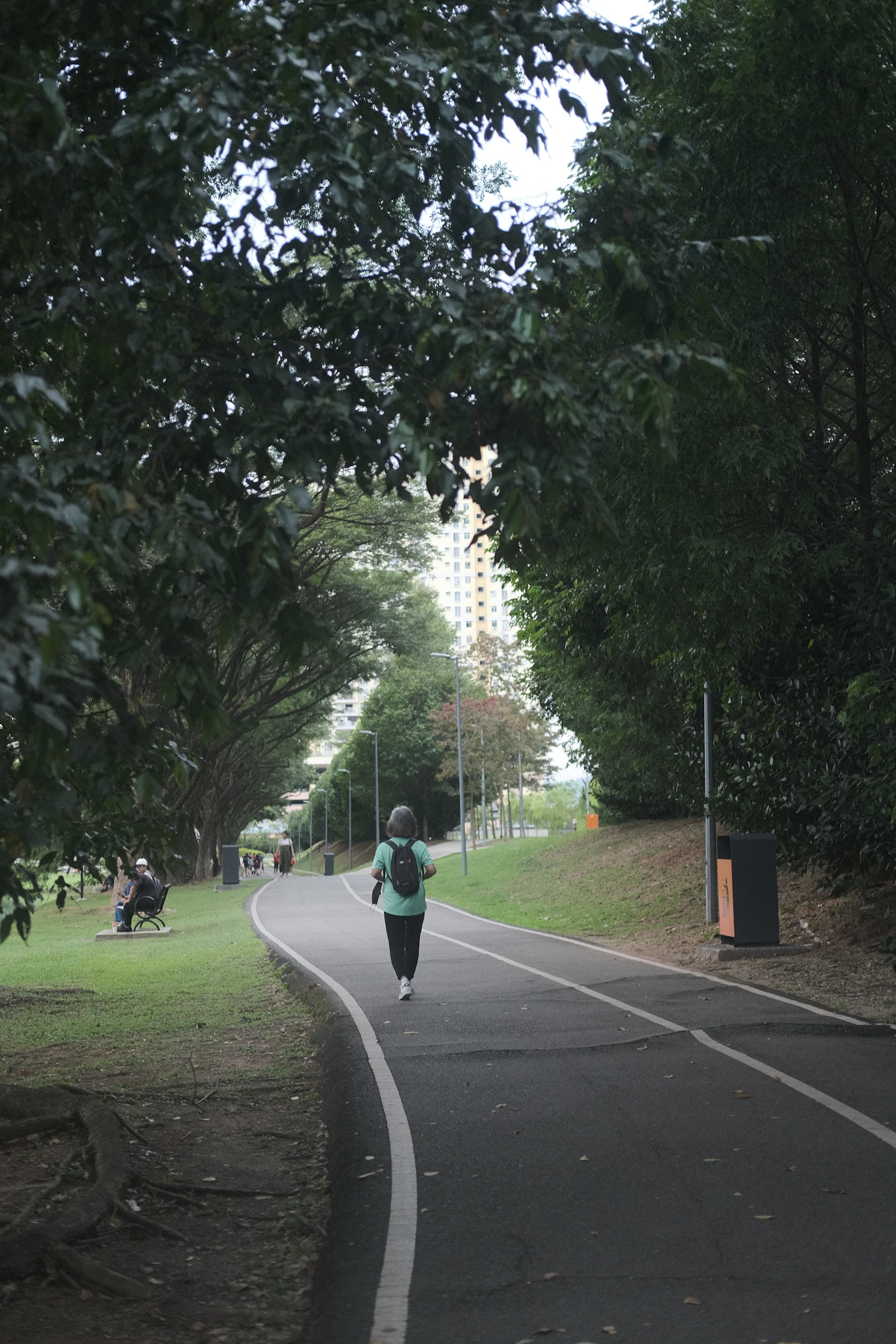
Weighted walking is not automatically appropriate for everyone. People with active joint or back pain, balance difficulties, recent injury, cardiovascular symptoms or other conditions that make exertion uncertain should avoid improvising heavy loaded walks. An easy unloaded walk, cycling or supervised exercise may be a better starting point. Stop a session for chest discomfort, dizziness, unusual breathlessness or sharp pain.
Footwear, terrain and temperature matter. More load means more repetitive work for the feet and lower limbs. Hot weather adds thermal stress, while a loaded backpack or vest can trap heat. Take water as appropriate, use predictable surfaces when learning and choose a route with a convenient way to shorten the session.
There is also a simple equipment test: would you still enjoy this walk if you removed the vest? If the answer is no, adding weight is unlikely to solve the underlying problem. Build a habit around routes, pace and frequency first. A vest is useful when it adds a measured challenge to an activity you already perform reliably.
Bottom line: A vest makes walking harder and can raise heart rate, oxygen use and calorie expenditure, but the extra calorie burn from a light vest may be modest. The evidence does not show that vest walking automatically produces superior muscle or bone gains compared with well-designed exercise. Progress gradually, use pace and incline intelligently, keep strength training in the plan, and judge success by consistency and recovery rather than the weight printed on the vest.