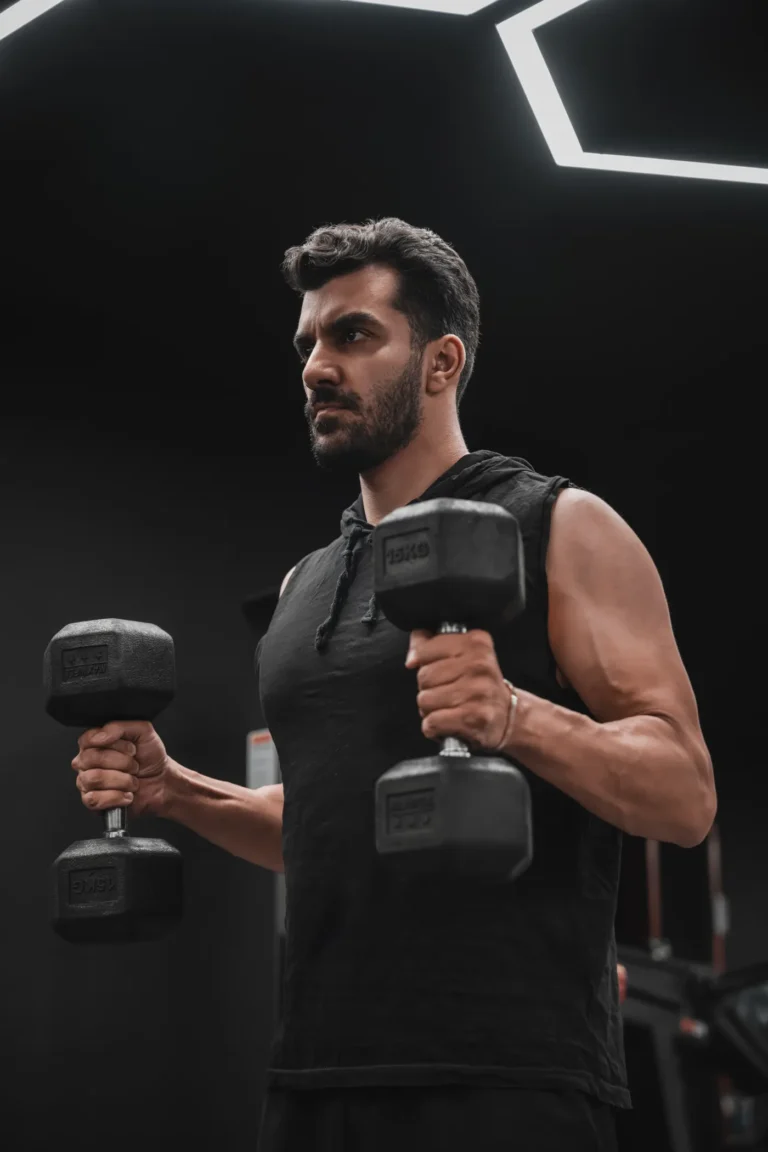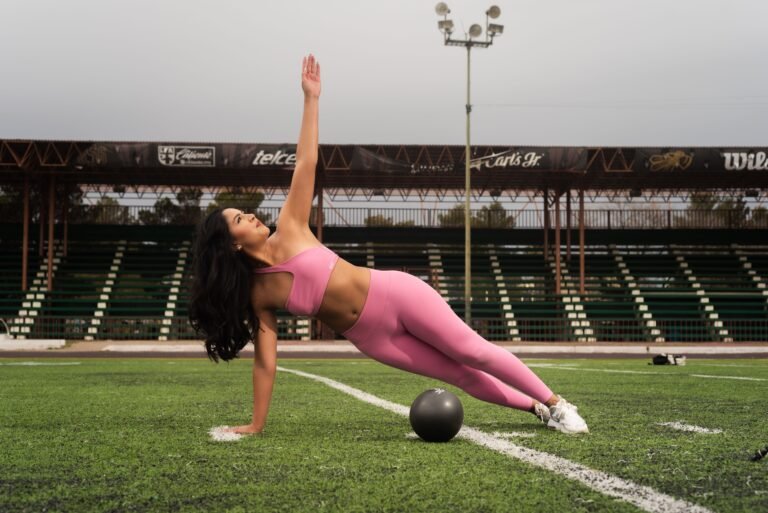
A workout does not have to occupy an uninterrupted hour to create a useful training stimulus. Short, deliberate bouts of activity scattered through the day – often called exercise snacks – are being tested as a practical option for people who struggle to fit regular exercise into their schedule. The important question is not whether a minute of movement is better than sitting still. It is which adaptations those minutes can actually produce, and which they cannot.
Evidence from controlled trials suggests that brief bouts can improve aerobic fitness in previously inactive adults. The same evidence does not establish meaningful gains in maximal strength, fat loss or every marker of metabolic health. That distinction matters for lifters, busy workers and anyone tempted by the promise of replacing structured training with a few quick bursts.
What actually counts as an exercise snack?

An exercise snack is a planned, brief bout of physical activity separated from other bouts by ordinary daily life. It is not necessarily a relaxed stretch or an arbitrary number of steps. In one recent pooled analysis, eligible interventions lasted no more than five minutes per bout, happened at least twice daily on at least three days per week, and continued for a minimum of two weeks. The included programs ran for roughly four to twelve weeks and ranged from moderate effort to near-maximal work.
That definition leaves room for very different sessions: climbing stairs briskly, doing a short circuit of bodyweight movements, or completing a hard minute on a bike. Two programs can both be described as snacks while delivering radically different cardiovascular and muscular loads. A minute of easy walking and a minute of vigorous stair climbing should not be expected to create identical adaptations.
The appeal is logistical. Someone with a full calendar may find three sixty-second breaks easier to repeat than a forty-minute gym appointment. But adherence is an advantage only when the activity is appropriate, frequent enough and challenging enough to matter. A tiny session is still a session: it should have a purpose, a safe setup and a progression rather than being an occasional burst of random effort.
For people already lifting and doing cardio regularly, snacks are best viewed as extra movement or targeted conditioning, not a new definition of what a complete strength program requires.
What 11 randomized trials found about aerobic fitness
A synthesis of 11 randomized controlled trials included 414 participants, mostly previously inactive adults and older people. Across six adult comparisons, short exercise bouts improved cardiorespiratory fitness compared with no exercise. The pooled standardized effect was large, but there was substantial variation between studies, so it should not be read as a promise that every routine will produce the same result.
Cardiorespiratory fitness describes how effectively the heart, lungs and working muscles support sustained effort. A useful laboratory measure is peak oxygen uptake. It is distinct from simply feeling less winded after a flight of stairs, although both can improve as fitness rises. The trials collectively support the possibility of a real training effect, especially when snacks are repeated consistently and performed with enough intensity.
That does not mean the shortest workout always wins. A conventional longer session can accumulate more work, allow steadier intensity control and develop skills that one-minute intervals cannot. The comparison in the pooled evidence was often against inactivity, not against a carefully matched full-length training plan. Small samples, differing protocols and the short intervention windows also limit what can be generalized.
The practical takeaway is more useful than the headline: several short bouts can be a legitimate starting point for aerobic fitness. They are not evidence that five minutes of activity automatically replaces every longer cardio session.

Equipment Worth Exploring
Explore equipment, accessories and gear from our carefully selected range.


Go-Tone Pro
Portable digital cable trainer with up to 66 lb (30 kg) of adjustable resistance.
VOLTRA
Compact digital cable trainer with smooth, adjustable resistance.

Why quick bouts are not a proven substitute for strength training
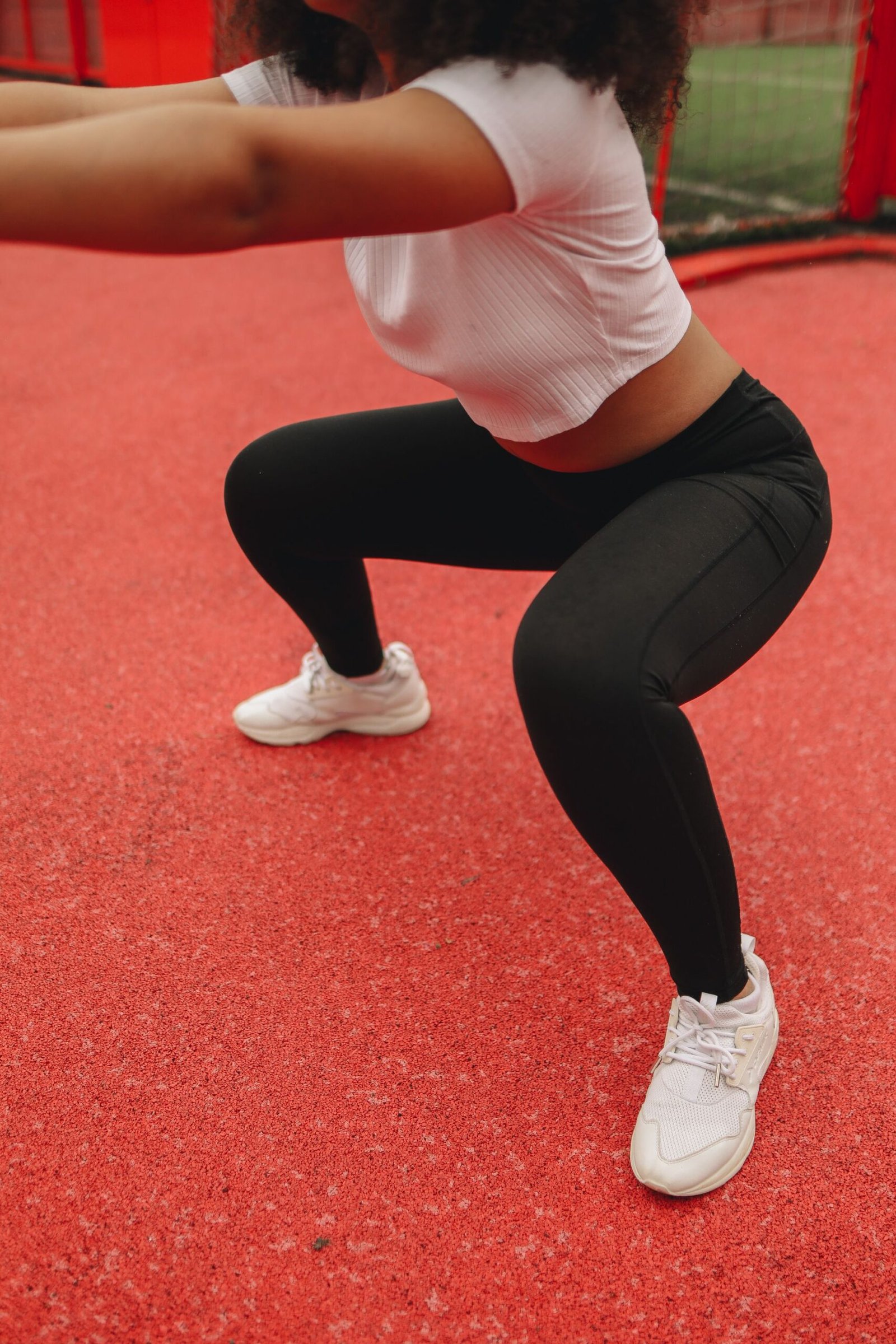
The same pooled evidence did not demonstrate a reliable improvement in lower-body maximal strength. Nor did it establish consistent changes in body composition, blood pressure or blood lipids. Older participants showed a smaller improvement in muscular endurance, but the certainty of that particular result was very low. These outcomes deserve separate interpretation instead of being bundled into a vague claim that exercise snacks improve everything.
Strength development requires meaningful resistance, repeated practice and enough challenging work for the relevant muscles. A handful of easy squats at a desk may improve movement confidence and interrupt prolonged sitting, yet it will not necessarily expose a trained lifter’s quadriceps to the effort needed for further growth. A hard set of push-ups close to muscular failure is a different stimulus from casually standing up ten times.
Similarly, calories burned are not the same as proven fat loss. A few vigorous bursts increase energy expenditure, but a measurable body-composition change depends on the total pattern of activity, food intake and time. The trials were generally too short and heterogeneous to justify a guaranteed weight-loss outcome.
For lifters, the distinction is straightforward. Keep progressive resistance training for muscle and maximal strength. Add snacks for movement breaks, light conditioning or an extra dose of aerobic work. If you want the snacks themselves to build muscle, the exercise must actually challenge the target muscle and the total weekly dose must become substantial.

Cardio Shirts & Workout Gear
Cardio and conditioning gym gear for runners, endurance athletes and anyone who earns the sweat.

Skip Cardio – Exit Cardio Meme , , Top T-Shirt
Bring “Skip Cardio” humor to your next gym day.

Negative Cardio Review Cardio Sucks Running , Meme T-Shirt
Heavy lifts, good laughs, and a little “Negative Cardio Review” energy.

Shirt – Don'T Quit Do It – Meme & Gains T-Shirt
Show some lifting attitude with a playful “Don't Quit Do It” tee.

Shirt – Sometimes Motivation Finds You – , Swimming T-Shirt
Bring “Sometimes Motivation Finds You” humor to your next gym day.


Hero Jump Rope – Cardio Speed Flash Superhero T-Shirt
Show some superhero attitude with a playful “Gym Hero Jump Rope” tee.

Cardio Sucks Shirt Meme & Gymbros Top T-Shirt
Make gym days more fun with “Cardio Sucks” style.

Anti Jogging Jogging Club Shirt – & Meme Top T-Shirt
Bring “Anti Jogging Jogging Club” humor to your next gym day.

Anti Cardio Cardio Club Shirt Meme & Top T-Shirt
Bring “Anti Cardio Cardio Club” humor to your next gym day.

Anti Walking Walking Club Shirt Gymbro Meme Lifting T-Shirt
Bring “Anti Walking Walking Club” humor to your next gym day.
Intensity and dose: why two experiments produced different results
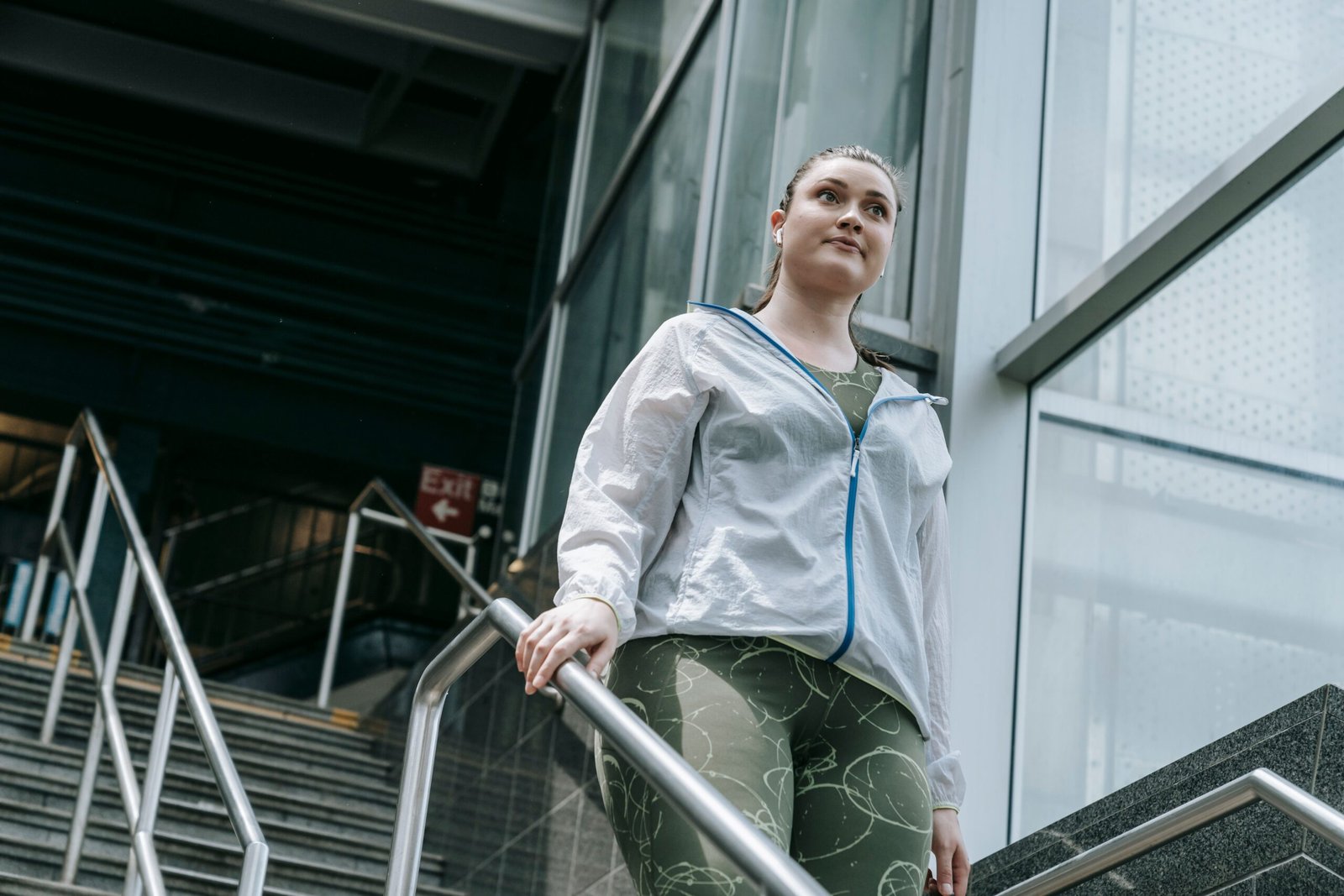
A six-week controlled experiment in 42 inactive young adults tested three hard stair-climbing bursts of thirty seconds each, separated by more than an hour, on three days per week. Peak oxygen uptake rose by about seven percent in the stair-climbing group. The comparison group doing forty minutes of moderate stationary cycling did not show a statistically clear improvement in that small experiment. That is an interesting finding, not proof that stair sprints outperform cycling in general.
Contrast that with a twelve-week remotely delivered trial in 77 inactive middle-aged adults. Participants were encouraged to perform at least three bodyweight bouts of one minute or less on three or more days each week. Adherence and enjoyment were encouraging, but peak oxygen uptake and the tested blood markers did not improve more than in a stretching comparison group. Average perceived exertion during the active bouts was only around three out of ten.
These findings are compatible rather than contradictory. The work performed during each snack matters. A short maximal stair climb can deliver a concentrated cardiovascular challenge; a comfortable bodyweight sequence may not. Population, baseline fitness, actual effort, frequency and supervision also differed. Neither study gives a universal threshold that everyone must reach.
Start with an effort you can execute safely. For an inactive beginner, brisk stair walking or repeated sit-to-stands may already feel challenging. A conditioned athlete might need harder intervals to notice a comparable training stimulus. Progress the dose gradually rather than jumping straight to all-out efforts.
Six practical exercise snacks and how to progress them
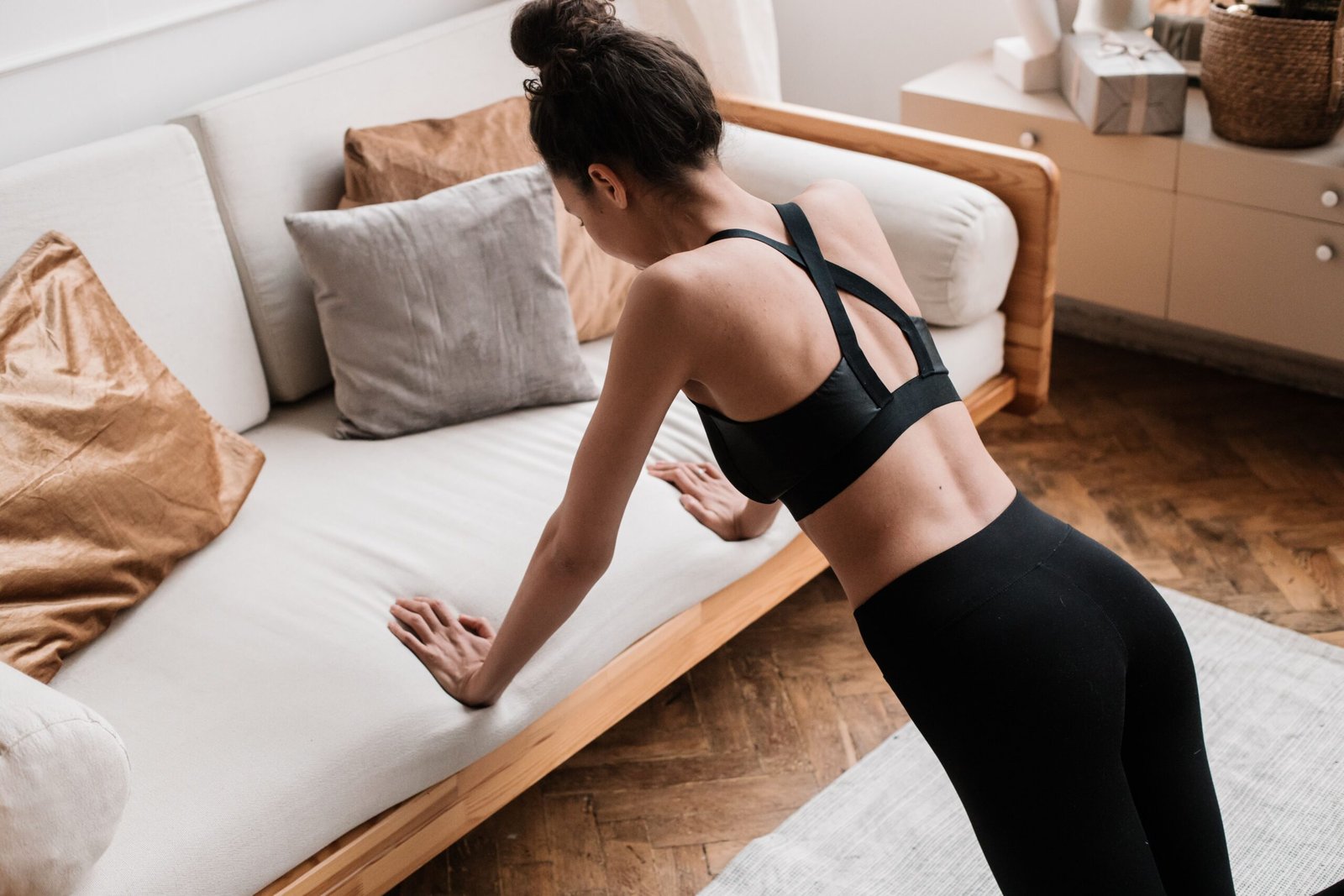
The best snack is one you can repeat in your real environment. Choose a movement with enough space, stable footing and no awkward equipment setup. Start with one or two daily bouts, then add a third when the first two feel sustainable. The examples below are starting templates, not protocols proven equivalent in clinical trials.
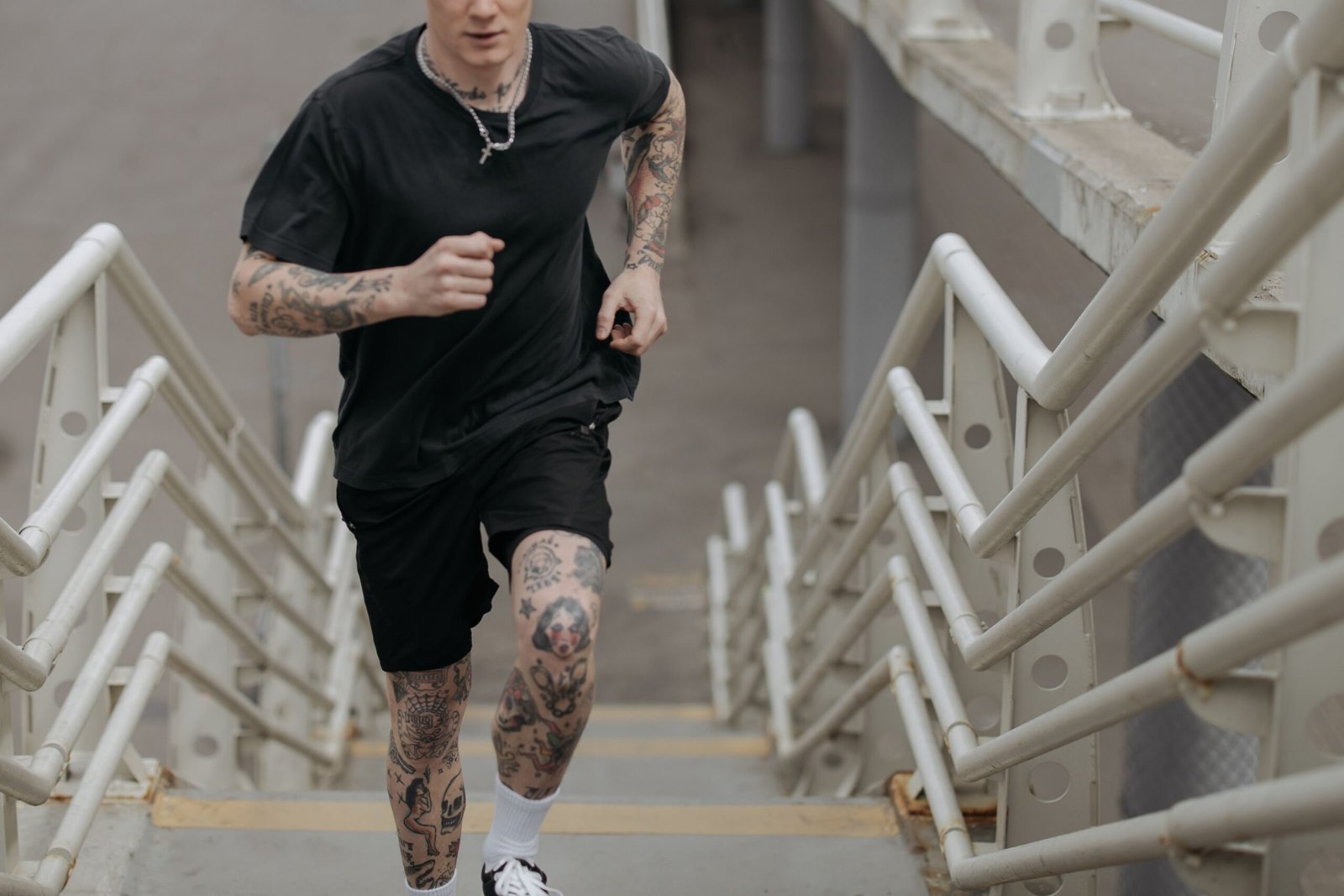
- Stair climbing: walk briskly up a manageable flight for 30-60 seconds, then descend carefully. Increase pace before extending the effort. Avoid sprinting on crowded or slippery stairs.
- Brisk outdoor walking: take a two- to five-minute purposeful walk between work blocks. Hills or a faster pace increase the challenge without requiring a gym.
- Chair sit-to-stands: perform 8-15 controlled repetitions from a stable chair. Progress by reducing hand assistance, slowing the lowering phase or using a higher repetition target.
- Incline push-ups: use a sturdy counter or bench for one controlled set, stopping when technique begins to deteriorate. Lower the support height over time if appropriate.
- Jump rope: alternate 20-30 seconds of comfortable skipping with an easy reset. Low-impact marching or step-taps are better alternatives if jumping is uncomfortable.
- Mini movement circuit: combine 30 seconds each of squats, calf raises, wall push-ups and marching for a two-minute session.
Choose one measurable progression at a time: a slightly quicker pace, a few more quality repetitions, an additional short bout or a modest increase in weekly frequency. Do not increase all variables simultaneously. For cardiovascular goals, breathing and effort should rise noticeably while remaining controllable. For muscular goals, the working muscles need to be meaningfully challenged, not merely moved.
Equipment Worth Exploring
Explore equipment, accessories and gear from our carefully selected range.

FID Bench MAX
Adjustable bench offering flat, incline, and decline positions + adjustable headrest.


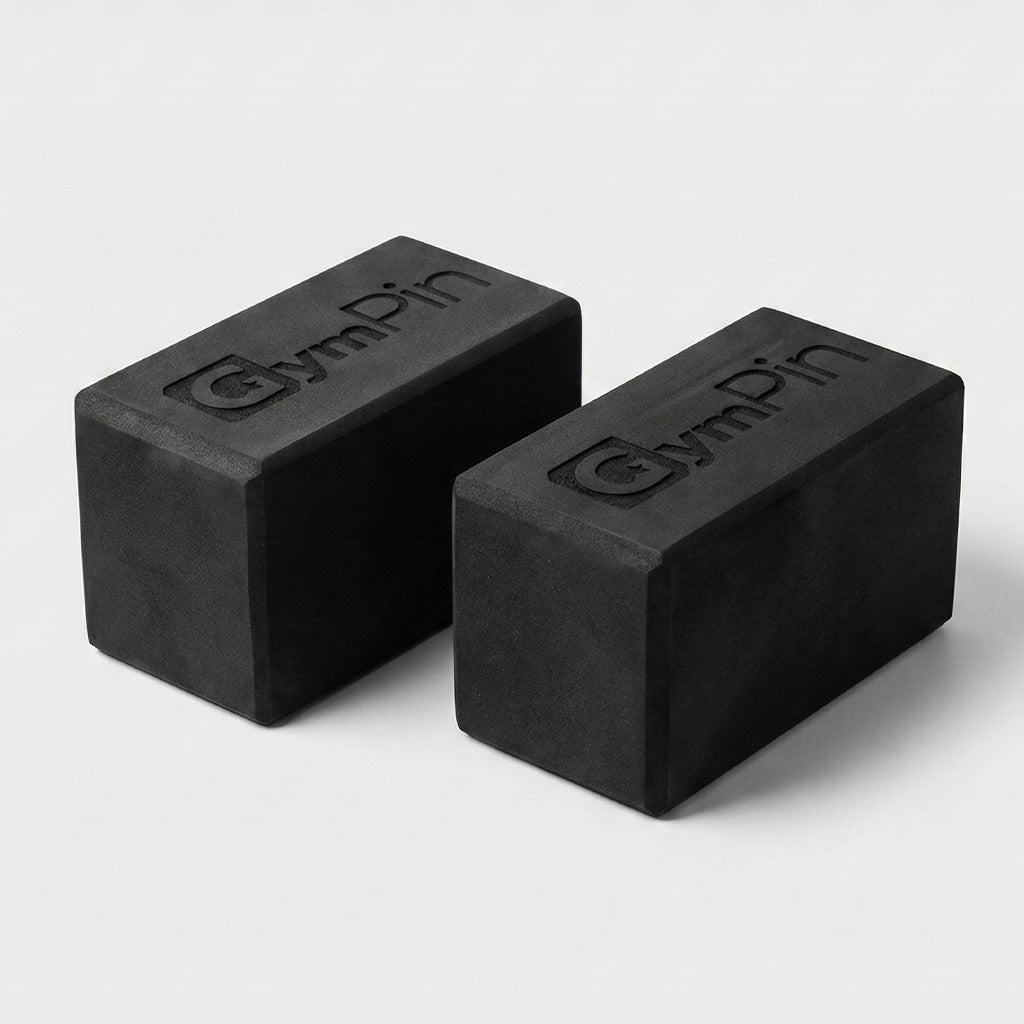
GymPin Starting Blocks
Portable high-density foam blocks for adjusting machine starting positions and range of motion.

GymPin Squat Wedges
Non-slip 15-degree squat wedges help elevate the heels for deeper quad-focused squats.

Squat Harness
Wearable harness for hands-free cable squats, sled work, and lower-body training.


How to combine short activity breaks with regular lifting
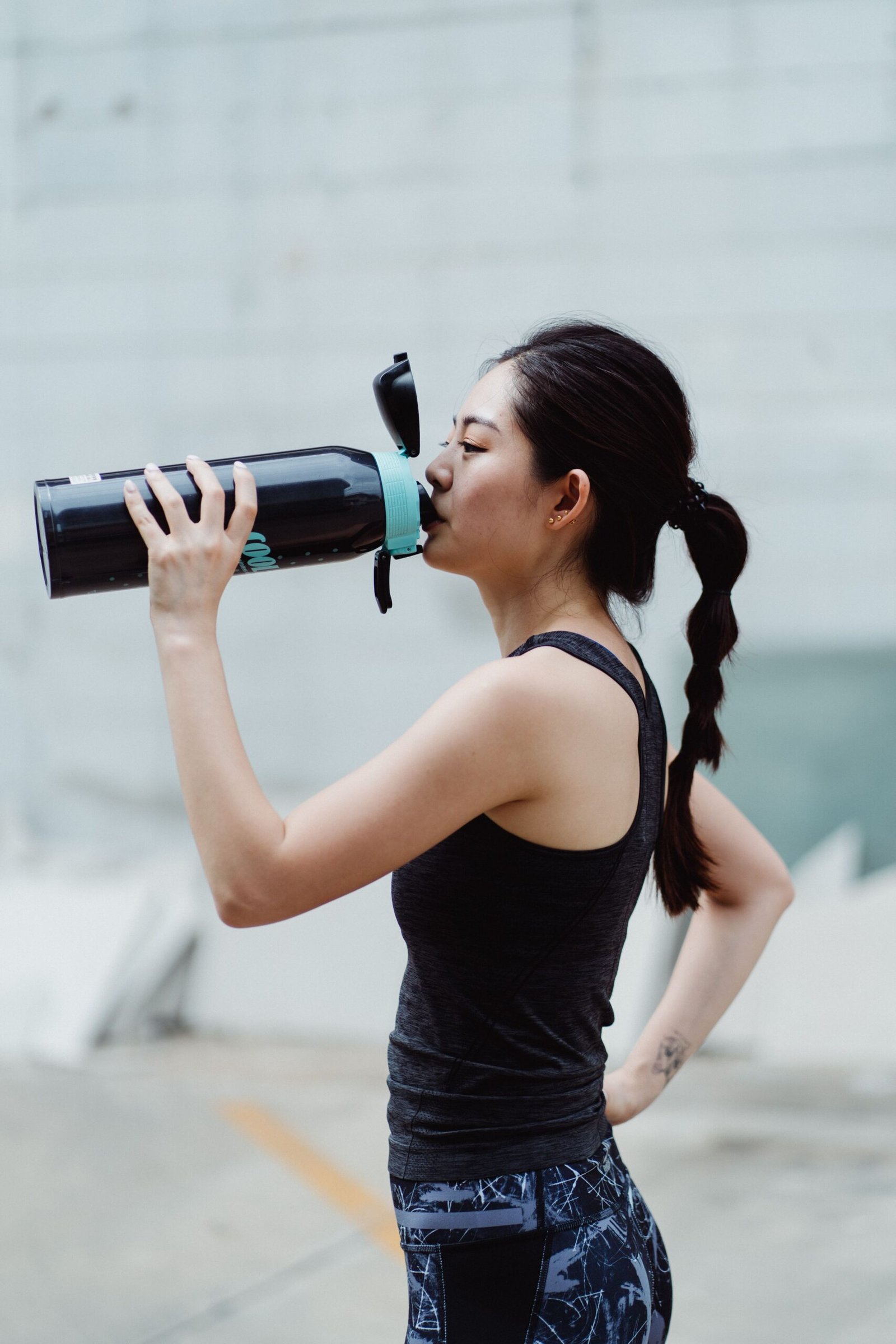
Exercise snacks are most useful when they solve a real problem: a sedentary workday, long gaps between planned workouts or the difficulty of building an initial habit. They become less helpful when every break turns into a hard session that leaves you fatigued for the training you care about. A strength-focused athlete can accumulate easy walks or gentle stair climbs without trying to turn them into maximal intervals.
For example, a lifter training Monday, Wednesday and Friday might add two three-minute brisk walks on office days and one short stair-climbing session on Tuesday or Saturday. That keeps the extra conditioning away from the most demanding leg sessions. Someone whose main objective is aerobic fitness could instead make two or three of the weekly snacks moderately hard and use easy movement on the remaining days.
Think in terms of weekly workload, not just the number of breaks. Three one-minute efforts per day on five days total fifteen minutes of activity, but their physiological cost depends on how hard they are. Repeated all-out stair runs can create more local fatigue than their duration suggests. If performance drops, calves stay sore or sleep suffers, reduce the intensity or frequency before abandoning the idea entirely.
For hypertrophy, keep enough dedicated hard sets, recovery time and progressive overload in the plan. For general health, aim to accumulate a wider base of movement beyond the snacks. They can complement conventional exercise, but they do not erase the value of longer walks, endurance sessions or deliberate resistance training.
Funny Gym Shirts & Workout Gear
Funny gym shirts, tanks, hoodies and workout gear for lifters who like training hard.

Weights Breakfast Pancake Plates Morning Workouts T-Shirt
Keep things casual with a little “Weights For Breakfast” attitude.

Installing Muscles Meme – Hooded Jumper Hoodie
Make your off-duty look more fun with “Installing Muscles”.

Don'T Fart Squats Sweater & Leg Day Meme T-Shirt
Show some gym-day personality with “Don't Fart Squats”.

Extra Fries Meme Decal Water Bottles & Gear Sticker
Stick a little “Extra Fries” humor on your favorite gear.

Let It Grow Motivation Meme Athletic Top Tank Top
Show some personality between sets with “Let It Grow”.

Meme – You May Delay Time Will Not Next Cult Brand T-Shirt
Heavy lifts, good laughs, and a little “You May Delay Time Will Not” energy.


Anti Club Shirt Meme & Top T-Shirt
Make gym days more fun with “Anti Exercise Exercise Club” style.

Who benefits most, what to avoid and the bottom line

Previously inactive adults may have the clearest opportunity to gain fitness from a modest but repeatable stimulus. Older adults may also benefit from manageable movement breaks, particularly for maintaining activity habits and muscular endurance, although the current evidence for specific outcomes is less certain. People who already train hard can still use snacks to break up sitting, practice movements or add convenient low-stress conditioning.
Start conservatively if you have been sedentary, are recovering from injury or have a condition that changes your exercise tolerance. Vigorous stair intervals are not the ideal first choice for someone with dizziness, chest symptoms, unstable balance or significant joint pain. A safer entry point may be comfortable walking, supported sit-to-stands or low-impact marching. Stop an effort if you develop alarming symptoms rather than trying to finish a preset minute.
There is also a difference between interrupting sitting and achieving a complete activity recommendation. General adult guidance still encourages roughly 150-300 minutes of moderate aerobic activity per week, or an appropriate vigorous equivalent, alongside muscle-strengthening work. Short bouts can contribute to that total, but a handful of isolated seconds is not a substitute for the overall target.
The bottom line: exercise snacks are a credible, flexible way to improve aerobic fitness for some inactive people when they are repeated and sufficiently demanding. They are not a proven shortcut to bigger muscles, lower body fat or universally better blood markers. Pick an accessible movement, track the actual dose, progress gradually and let the snacks support rather than replace the rest of your training.