Advertising disclosure: This page includes affiliate links that may earn us a commission at no additional cost to you.
Millet can be a fluffy side dish, a soft breakfast bowl or a different way to build a familiar training meal. The useful choice is not whether it deserves a “superfood” label. It is whether you bought the right form, cooked it to a texture you enjoy and included the rest of the meal deliberately. Start with a small bag intended for human consumption and one repeatable preparation rather than replacing every grain in your kitchen.
Know which millet product you bought
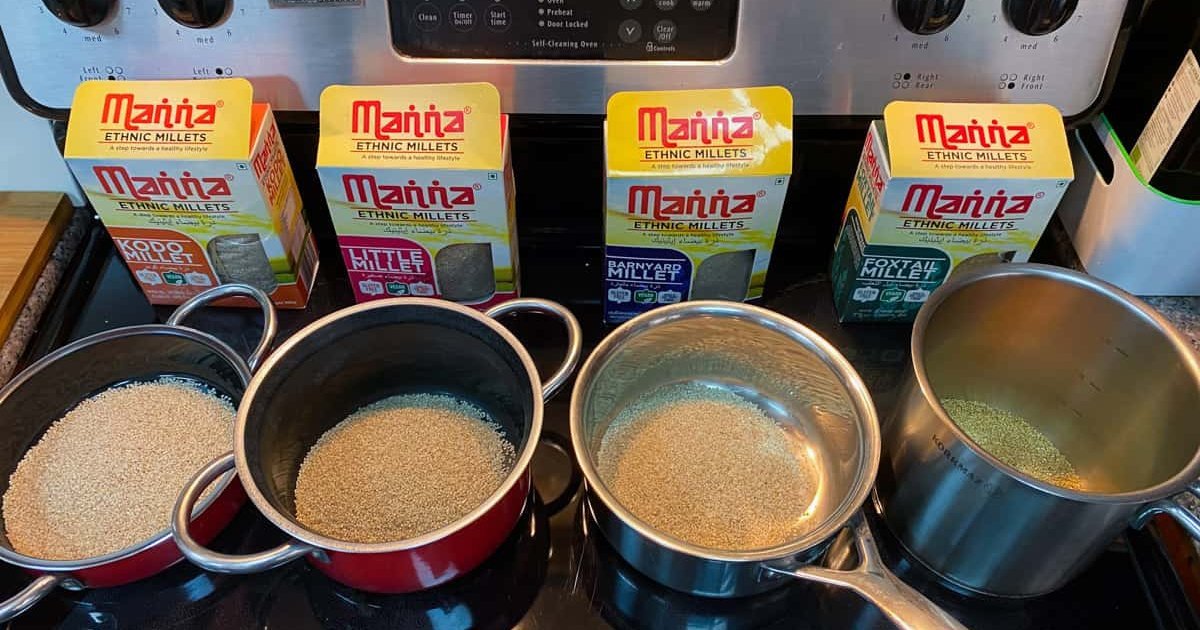
Millet is a name for several small-seeded cereal grasses, rather than one identical grain grown everywhere. Proso, pearl, foxtail and finger millet are among the different types. A packet may simply say millet, so read the product description and cooking directions instead of assuming that every online recipe describes the contents of your bag.
For a first rice-style side, look for a food-grade grain product with clear preparation instructions. Flour and flakes are separate purchases with different uses. The dry grains are small, but they are still an ingredient you need to cook and portion. Do not treat an image of a cooked bowl as evidence that the dry and cooked weights are interchangeable.
If you track your meals, check whether the nutrition panel refers to the dry product or a prepared serving. Water changes the weight of the finished food without adding protein or carbohydrate. Milk, oil, nuts and other additions change the meal total. Comparing an unusually watery bowl with a dry-grain entry can therefore produce a misleading calculation.
Use one consistent method: record the amount of dry grain used, account for other ingredients, and divide the cooked batch into the portions you actually serve. Four equal portions contain a quarter of the batch ingredients each, even when a wetter preparation weighs more. That is more useful than borrowing an impressive number from an unrelated millet product.
Choose a fluffy side or a softer bowl before cooking
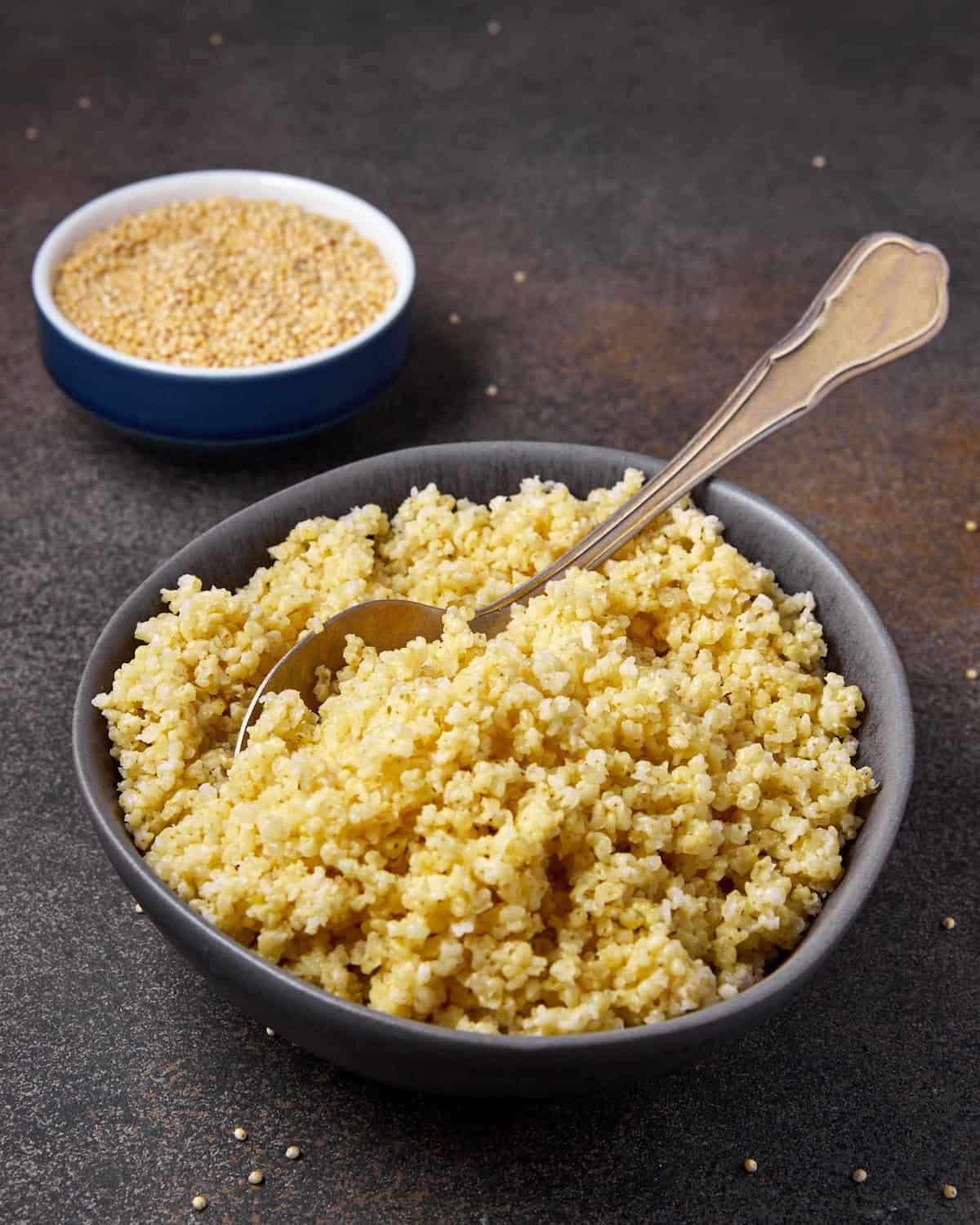
Cooking method changes millet’s texture. A relatively restrained amount of liquid can produce separate grains for a side dish, while more liquid and stirring can move the result toward a soft cereal. Decide which you want before starting. A porridge is not a failed pilaf, but it may be disappointing if you planned a loose grain salad.
For a straightforward stovetop reference, one cup of millet can be simmered with two cups of water under a lid for about twenty minutes. Treat that as a starting method for a suitable product, then follow the packet and check the result. Different millet types, pans and cooking methods can require adjustments; a timer alone cannot tell you whether the grain is tender.
For a softer cereal, a higher liquid ratio and more frequent stirring are useful options. Make a small first batch and note what you used. If you prefer the grain toasted, that is another preparation choice to record rather than changing several things at once and wondering why the next pot tastes different.
Keep the first trial simple. Learn the plain grain’s texture before adding a long list of ingredients. Once it works, broth, herbs or warm spices can suit a savoury version, while fruit and suitable milk can fit breakfast. These are serving ideas, not a requirement to reproduce a particular recipe.
Build the meal around more than the grain
For a lifter, the useful meal question is what accompanies the millet. A warm bowl with fruit is a different meal from millet served beside fish, chicken, tofu or beans. The grain can contribute to the meal without needing to carry every nutritional role itself. Consider the protein-containing component, vegetables or fruit, and any fats or sauces you add.
A savoury lunch might combine cooked millet, roasted vegetables and a familiar protein food. Add a dressing you enjoy rather than expecting plain grain to make the whole plate appealing. Keep the components recognisable when you first try it: changing the grain is enough of an experiment without also replacing every other part of lunch.
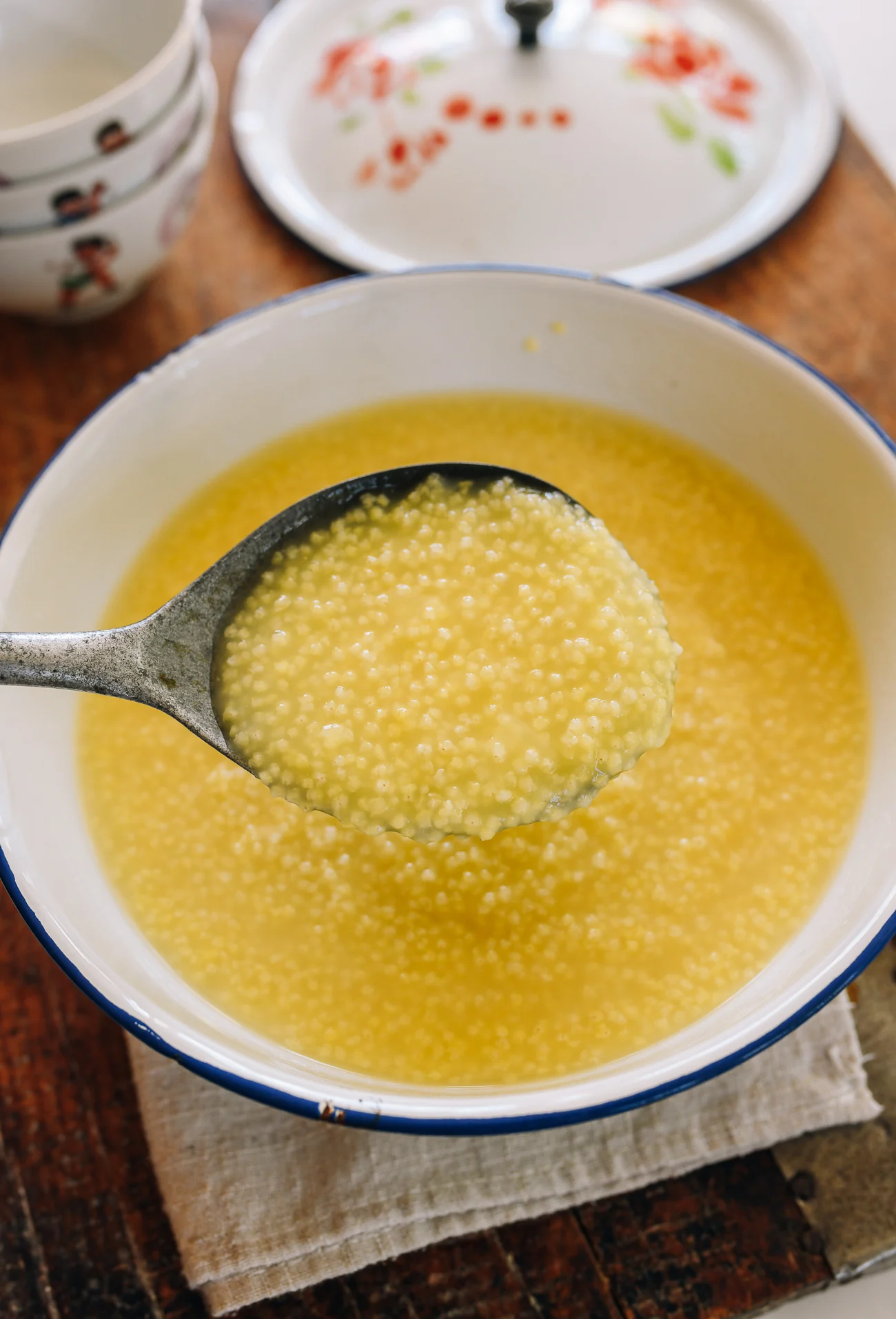
For breakfast, decide whether you want a loose cereal or a thicker bowl. Account for the actual milk, yogurt, nuts or other accompaniments you use. A photograph of porridge does not establish its protein content, and a small sprinkle of seeds should not automatically be treated as the main protein component.
Our guide to teff grains, flour and practical meals looks at another small-grain ingredient with distinct kitchen roles. Comparing the forms and textures can help you choose something you will want to eat again, rather than collecting packets because they sound unusual.
There is also no need to fit millet into every eating occasion. One enjoyable meal in your weekly rotation is a useful outcome. If rice, potatoes or another familiar staple suits a particular dish better, keep using it. Variety is an option, not a test of commitment to training.

Bodybuilding Shirts & Workout Gear
Bodybuilding shirts, tanks and gym gear for lifters chasing muscle, size, symmetry and the pump.

Carbie Barbie : No Keto Diet Carbs Meme T-Shirt
Rep “Carbie Barbie” humor in and out of the gym.

Waffles Weight Plate 45LB Plate Waffles & Weights Break Hoodie
Keep it laid-back with a little “Waffles Weight Plate” attitude.

Pancake Weight Plate 45LB Plate Pancakes & Weights Brea Tank Top
Add some powerlifting attitude to training with “Pancake Weight Plate”.

Weights Breakfast Pancake Weights Lifting Meme Sticker
Put “Weights For Breakfast Pancake Weights” gym humor on your laptop, bottle, or gym gear.

Work Hard Eat Hard Donut Dumbbell Donuts Barbell T-Shirt
Show some gym-day personality with “Work Hard Eat Hard Donut Dumbbell Donuts”.

Lift Eat Repeat Weightlifting & Hooded Hoodie
Keep it laid-back with a little “Lift Eat Repeat” attitude.


Chicken Broccoli Rice Powered By Meal Prep Hooded Hoodie
Show off your meal-prep humor in a laid-back “Chicken Broccoli Rice” hoodie.

Protein Power Cereal Tee
Heavy lifts, good laughs, and a little “Protein Power Cereal” energy.

Broccolift – Eat Broccoli & Lift , & Gains – Meme Top T-Shirt
Show some meal-prep attitude with a playful “Broccolift” tee.
Give flakes and flour their own job
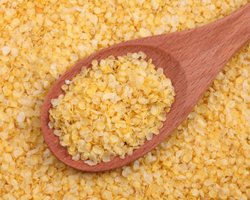
Millet flakes and flour should not be treated as direct substitutes for intact grains in every method. Their physical form changes how you use them. Flakes may suit a cereal preparation, while flour belongs in recipes designed around flour. Read the particular product’s instructions before deciding how much liquid or cooking time it needs.
If you want to bake, start with a tested millet-flour recipe rather than swapping it gram for gram into any wheat-flour dough. A grain being naturally gluten-free does not mean it behaves like wheat in bread. Likewise, a breakfast product containing millet can include other grains, sweeteners or flavourings that change what you are buying.
When gluten avoidance matters, check the finished product’s label and preparation environment rather than relying only on the word millet. A naturally gluten-free ingredient and a verified suitable packaged food answer different questions. This applies especially to mixed cereals and baking blends.
Buy for the task you actually have. If you want a side for dinner, a large bag of flour is not the obvious first purchase. If you want a quick breakfast cereal, a product intended for that preparation may be more practical. You do not need all the forms to discover whether millet has a place in your meals.
Make a batch you can use consistently
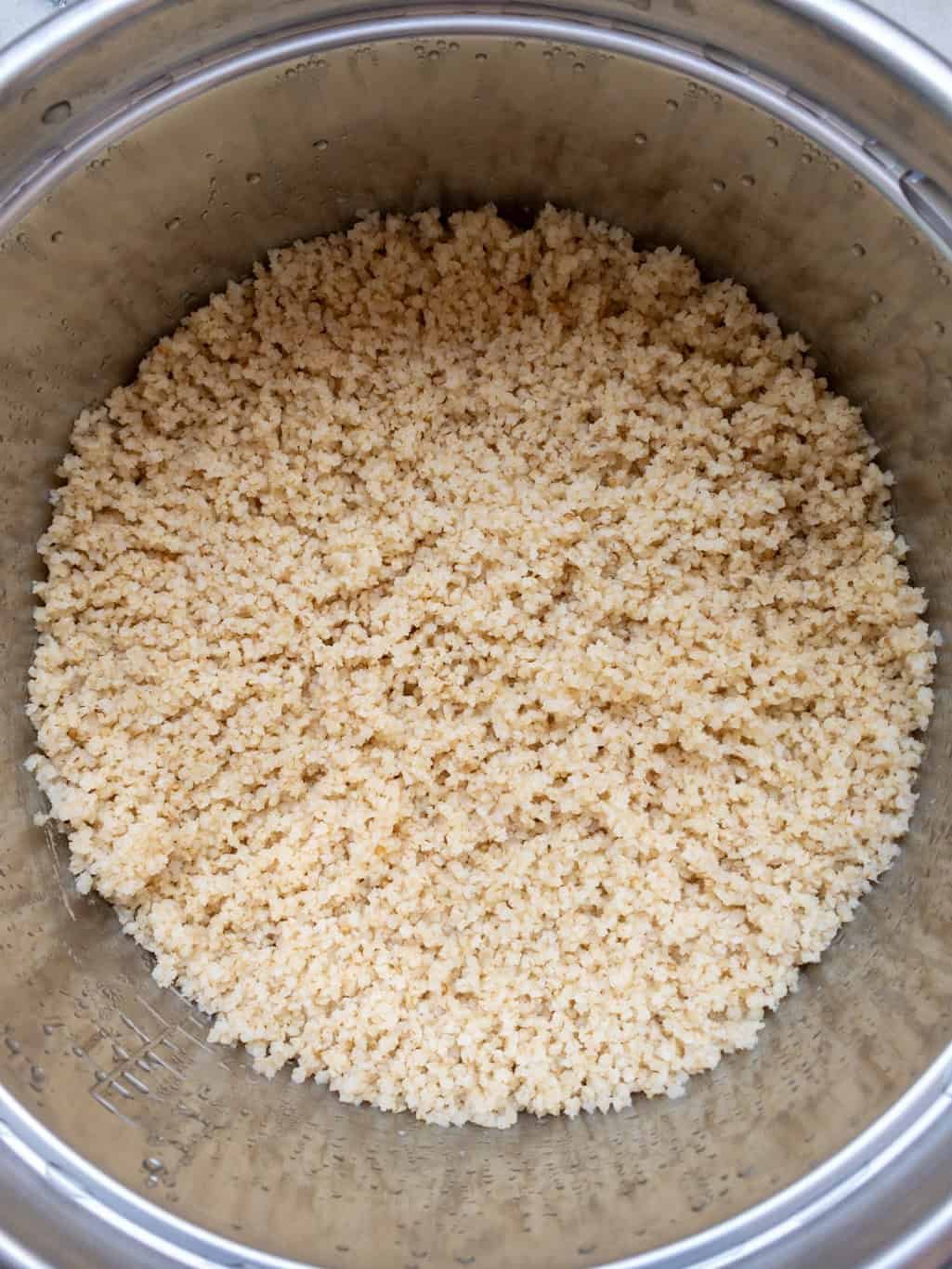
Once you have a preparation you like, write down the grain, liquid, pan or appliance, and the finished texture. This makes the next batch easier to repeat. A rice cooker can be another option when its instructions support the food and quantity, but its measuring cup and program should not be assumed identical to a stovetop method.
Plan the next few meals before cooking a large quantity. Keep sauces and delicate salad ingredients separate when that makes the finished dish easier to assemble. Portion the cooked grain with the meal it belongs to, rather than leaving an unspecified pot that becomes difficult to account for later.
Refrigerate leftovers within two hours. Use the storage guidance appropriate to the complete dish and its ingredients; adding meat, dairy or other foods changes the storage question. Do not turn a general claim about dry grain storage into permission to leave cooked millet sitting on the counter.
For a different texture in batch meals, our barley guide covers grain forms and repeatable portions. The useful habit is the same: identify the product, prepare it consistently and judge whether the whole meal works for your appetite and routine.
Keep buying millet if that process produces meals you enjoy. If it repeatedly ends up untouched in the cupboard, change the preparation or choose a staple you prefer. A reliable meal is more valuable than an ingredient with a fashionable description.