Advertising disclosure: This page includes affiliate product links that may earn us a commission, as well as products from our own store.
Squat Volume: 48 vs 144 vs 312 Reps in Eight Weeks—What 36 Lifters Gained
More squat repetitions do not automatically mean more leg growth. In an eight-week comparison involving 36 resistance-trained men, three supervised groups accumulated dramatically different squat volumes. One group completed 48 total repetitions; another logged 144; a third accumulated 312. Yet the muscle-size result was less straightforward than those numbers suggest.
The study is useful because it tried to separate how much work a lifter performs from how fatigued each repetition becomes. That makes the findings unusually interesting for people programming efficient leg sessions—but it also means the workouts were not ordinary sets pushed toward failure.
Here is how to interpret the results without turning one controlled experiment into a universal rule. The practical goal is a repeatable squat dose that improves your chosen outcome, leaves enough room for recovery and fits the other lower-body work in your week.
This article contains affiliate product links. Eligible purchases may earn MMP a commission.
1. The eight-week test: 48, 144 or 312 total squat reps
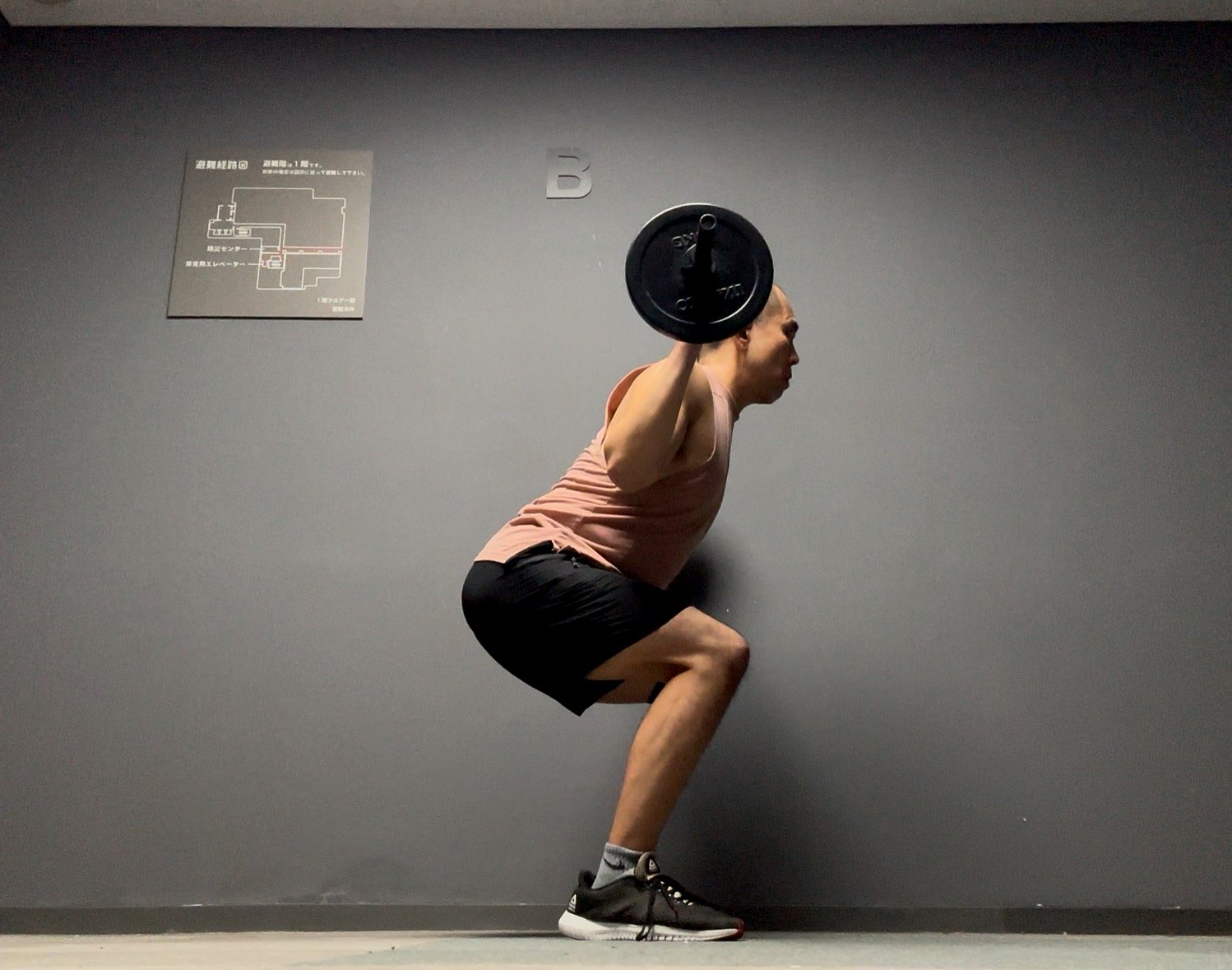
Thirty-six men with resistance-training experience were assigned to low-, moderate- or high-volume full-squat programs. They trained twice weekly for eight weeks, giving each group 16 supervised sessions. Relative loads climbed from approximately 70% to 85% of their one-repetition maximum. The difference was the accumulated work: 48 repetitions in the low group, 144 in the moderate group and 312 in the high group across the intervention.
Those totals are whole-program totals, not sets per workout and not weekly prescriptions. Spread over 16 sessions, they average about three, nine and nineteen-and-a-half experimental repetitions per session. Those averages are a useful way to visualize the exposure, but the actual protocol used changing loads and rest periods rather than identical gym workouts repeated every day.
The investigators examined the vastus lateralis, one of the quadriceps muscles, as well as squat-related strength, countermovement jump performance, isometric force and muscle-activation measures. That matters because becoming stronger at squatting and adding measurable tissue are related but not interchangeable outcomes.
The experiment did not compare three complete bodybuilding routines. It isolated the full squat under specific fatigue-management rules. The men were also tested under laboratory supervision, so the findings should not be treated as a promise that three unassisted squats twice weekly will produce the same outcome in every home gym.
2. The crucial detail: fatigue was deliberately controlled
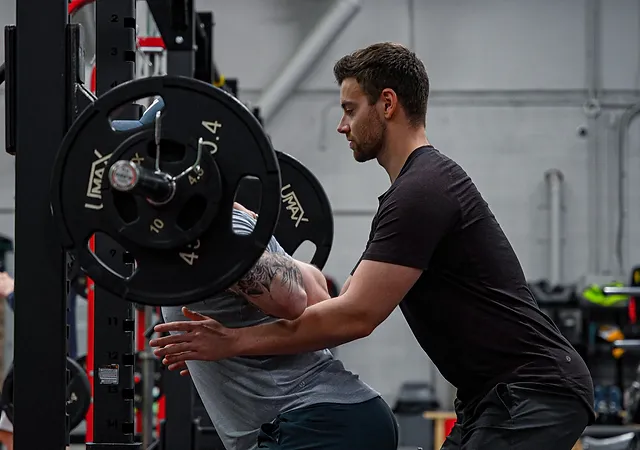
The most important feature is easy to miss in a headline: short rests were placed between repetitions. The rest duration was individualized to limit the performance decline normally seen when a set becomes tiring. Participants were encouraged to perform high-quality repetitions rather than grind through repeated slow, near-failure efforts.
This is different from a conventional set of ten squats with continuous tension. A normal set may end with slow repetitions, rising breathing demand and a substantial loss of bar speed. In this protocol, a lifter could perform more total work while using brief pauses to restrain that kind of accumulated fatigue. In other words, the number of repetitions was manipulated while the quality of individual efforts was deliberately protected.
That distinction is central to interpretation. A lifter doing 312 repetitions in fatiguing straight sets may face a very different recovery cost from someone performing the same number with micro-rests and controlled velocity loss. The study does not establish that volume no longer matters; it suggests that the way volume is accumulated changes the signal and the cost.
For a home setup, there is a practical lesson even without a bar-speed sensor: make more of your working repetitions deliberate, consistent and technically recognizable. Stop a set when depth, bracing or bar path deteriorates. If you want extra work, consider distributing it across more manageable sets instead of making every set a maximal endurance contest.

Equipment Worth Exploring
Explore equipment, accessories and gear from our carefully selected range.


Leg Press/Hack Squat BPR-790
Convertible 45-degree leg press and hack squat machine with a broad footplate and band pegs.

Compact Leg Press CLP-700
Compact reverse-style leg press with a moving seat carriage and an adjustable footplate.

Squat Harness
Wearable harness for hands-free cable squats, sled work, and lower-body training.


FID Bench MAX
Adjustable bench offering flat, incline, and decline positions + adjustable headrest.
3. More reps did not produce a clear extra quad-growth advantage
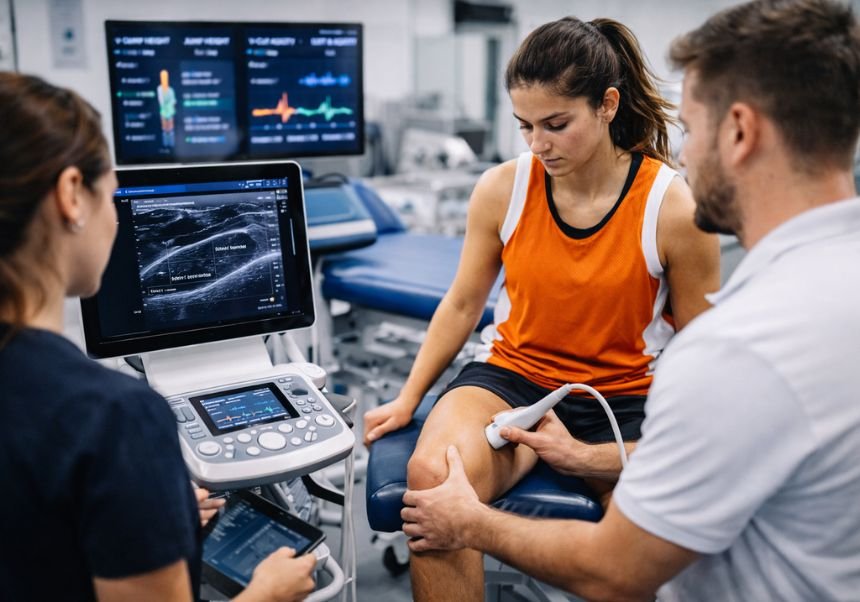
All three groups increased measurements of the vastus lateralis over the eight weeks. When comparing the groups against one another, however, the reported interaction for a main muscle-size outcome was not statistically significant. That means this experiment did not establish a reliable advantage for the 312-repetition program over the 144- or 48-repetition programs on that measured outcome.
It is important not to reverse that statement into a stronger claim. A nonsignificant between-group comparison is not proof that all possible training volumes build exactly the same muscle. With 36 participants and a short intervention, meaningful differences could be difficult to detect. The analysis focused on a particular quadriceps muscle, not every muscle group or every region of the leg.
Context from broader research also matters. Larger reviews examining different exercises, durations and definitions of weekly working sets generally find that increasing useful training volume can support muscle growth, but with diminishing returns. The squat experiment does not erase those broader findings because the controlled conditions were narrower and unusual.
The helpful takeaway is about efficiency: a comparatively small exposure to sufficiently challenging, well-executed squat repetitions can be productive. If your legs already receive work from lunges, presses, extensions or sports, adding hundreds of squat repetitions may not be the next productive step. Monitor a comparable depth, load progression, recovery and meaningful muscle measurements before expanding volume.

Leg Day Shirts & Workout Gear
Leg-day gym shirts and workout gear for lifters who never skip squats, lunges and lower-body punishment.

2 Plates Squat Club Meme Shirt – Motivational Leg T-Shirt
Heavy lifts, good laughs, and a little “2 Plates Squat Club” energy.

Heavy Squatter Wizards Leg Day Meme , & Gains T-Shirt
Make gym days more fun with “Heavy Squatter Gym Wizards” style.


Never Skip Leg Day Gym | LEGO Workout For Squat & Deadl Hoodie
Bring “Never Skip Leg Day” gym humor to lazy days and post-workout plans.

Leg Day Is Calling You Squats & Deadlifts Meme Hoodie
Stay casual and show some leg-day attitude with “Leg Day Is Calling You”.

Leg Day No Thanks Skip Leg Day Meme Sweater Squats T-Shirt
Show some gym-day personality with “Leg Day No Thanks”.

Leg Day Squats Deadlifts Sweater Meme T-Shirt
Show some gym-day personality with “Leg Day”.


My Leg Hurts Leg Day & Squat Meme Fans Vest Tank Top
Train hard, laugh a little, and rep “My Leg Hurts”.

Leg Day Thou Shalt Not Skip Leg Day Medieval Knight Gym Sticker
Give your everyday gear a playful “Leg Day” twist.
4. Moderate volume led on one squat-strength test
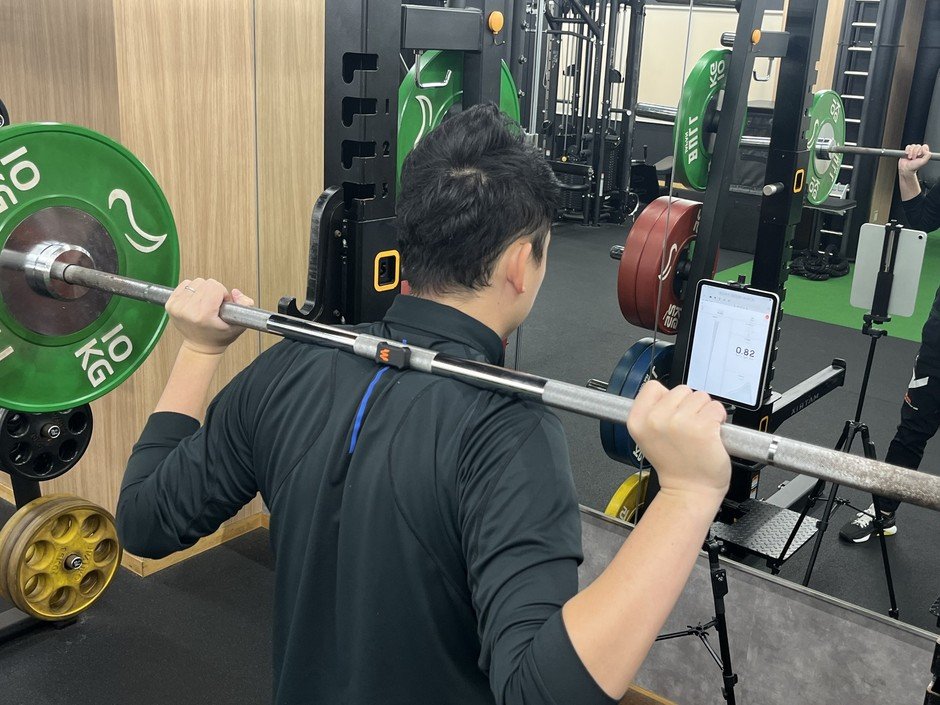
Muscle size was not the only result. The moderate-volume group showed the strongest improvement in the study’s progressive-loading squat test, with a statistically reported group-by-time difference. That finding makes intuitive sense as a possible balance between enough practice with the movement and a manageable total workload, but it should be read as a result of that particular test.
On another strength measure—one-repetition maximum—all three groups improved. Their reported average increases were approximately 13.7% for low volume, 16.4% for moderate volume and 14.0% for high volume. Those percentages look different, but they are not license to declare the middle dose the permanent winner for everyone. The sample was small, training lasted eight weeks and learning the test itself can contribute to improvement.
The low-volume result is especially interesting if time is limited: a few demanding, high-quality squats can maintain a meaningful exposure to heavy practice. But the published warm-up also involved progressively loaded repetitions, which may have provided additional training stimulus. Do not read the three-per-session average as the entirety of every barbell lift those participants performed.
If maximum squat strength is the priority, preserve regular practice at a recoverable heavy load. Two precise sessions with sensible rest can outperform a chaotic plan that adds sets merely because the previous session felt too easy. For a lifter returning from a long break, begin lower and add volume only after the existing dose is repeatable.
5. High-volume muscle activation was not the same as more muscle
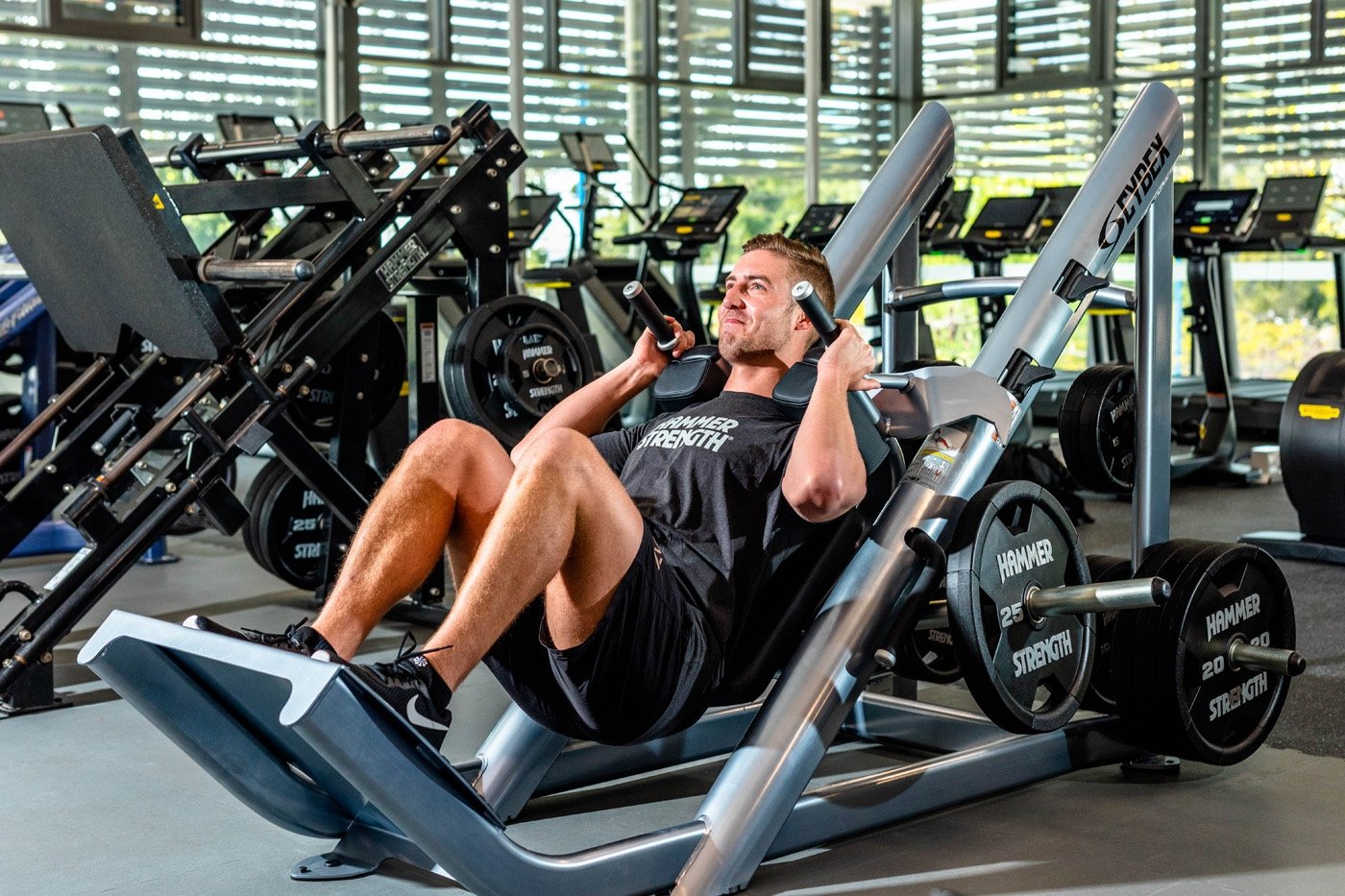
The highest-volume group showed the greatest increase in electromyography amplitude during the progressive loading test. EMG records electrical activity around the tested muscle; it is not a direct meter of hypertrophy, lifting technique quality or how much future size the muscle will gain. Different neural strategies can change an EMG signal without producing a matching difference in measured muscle mass.
This finding is a useful warning against chasing whatever feels most intense. A session can create a stronger sensation, more local fatigue or a different electrical response and still fail to demonstrate superior growth during the measurement window. Likewise, a low-volume workout that leaves you with little soreness can still provide a sufficiently challenging training stimulus.
More data is not automatically more certainty. A laboratory can measure squat velocity, isometric performance and muscle cross-sectional area, yet the optimal long-term choice remains shaped by joint comfort, available time, sport demands, other training and whether a lift is performed consistently. None of these instruments measures your individual recovery budget directly.
Use objective checkpoints that matter to your goal. For strength, compare the same barbell load at comparable depth and effort over several weeks. For muscle, combine repeated measurements with stable nutrition and a consistent exercise selection. For technique, watch a few identical-angle videos. An EMG result from another group should not dictate an excessive personal workload.
Equipment Worth Exploring
Explore equipment, accessories and gear from our carefully selected range.

Leg Extension/Curl BCO-780
Leg extension and lying leg curl combo with plate loading, band pegs and a cable-loading option.

Seated Leg Combo BCO-680
Adjustable seated leg extension and leg curl machine with band pegs for added resistance.

Glute Ham Developer GHD-820
Adjustable glute-ham developer with contoured pads and a fold-out knee support.


Pro Sled System
Heavy-duty push-pull training sled for loaded conditioning, speed, and strength work.


6. Turn the findings into two recoverable lower-body sessions
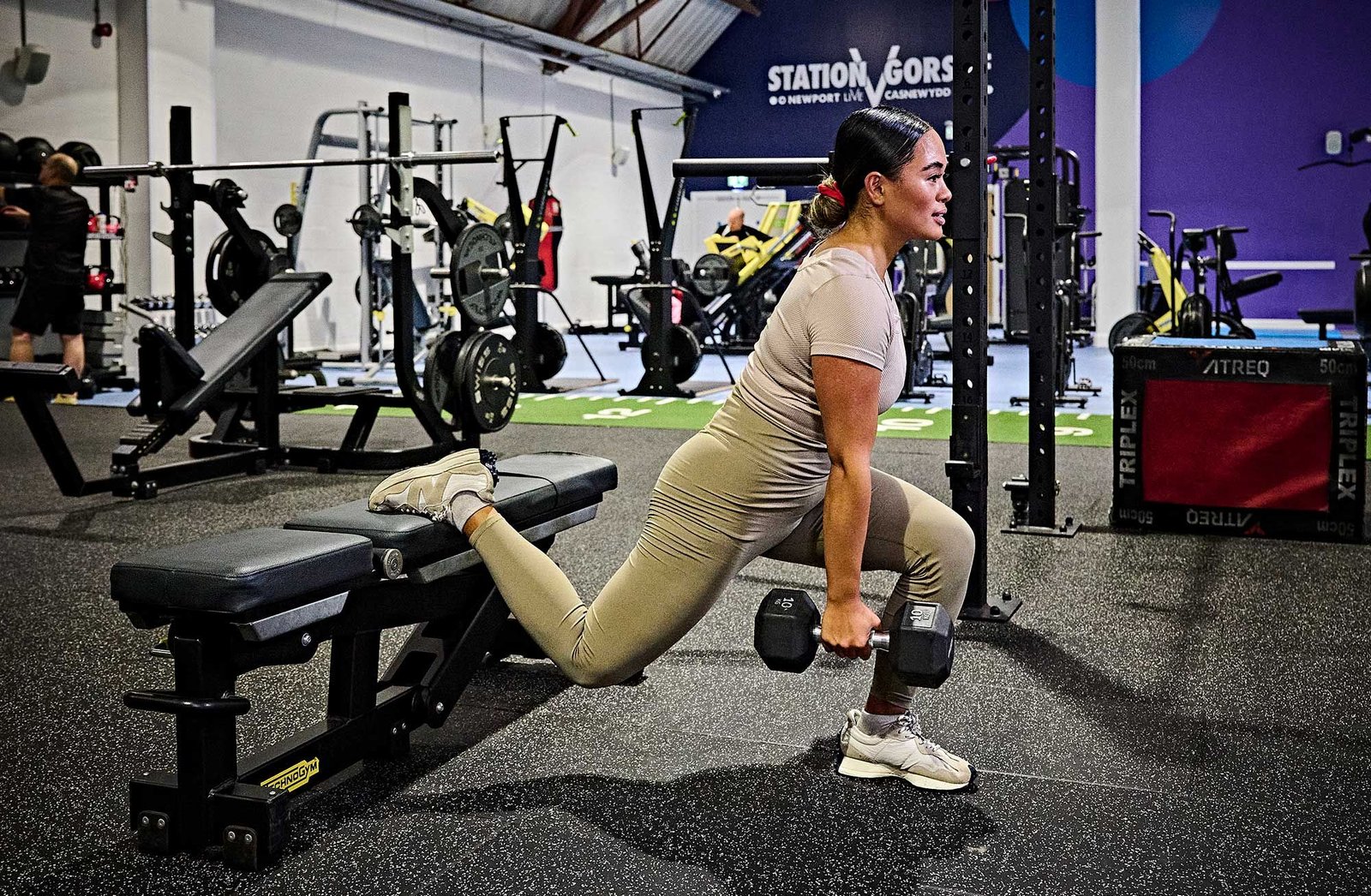
A practical application is to begin with two lower-body exposures rather than attempting to reproduce the laboratory’s 48/144/312-repetition totals. Those totals belong to the experiment, not an off-the-shelf workout. A sensible baseline for an experienced lifter might be two to four challenging squat sets on one day and two or three on another, adjusting for how many hard sets already come from leg presses, split squats and other quadriceps work.
On the first day, prioritize stable full-squat technique at a moderate-to-heavy weight. Rest long enough to reproduce your depth, bracing and foot pressure. Leave a little room in reserve when bar speed or form starts deteriorating. The second day can use a similar squat pattern at a somewhat lighter load, or another knee-dominant variation if that is more comfortable.
Use accessory exercises to fill gaps instead of duplicating fatigue without a purpose. A leg press can add quadriceps work with different stabilization demands; a split squat can challenge each leg separately; knee extension provides a more isolated knee-extension task. None is an exact replacement for squat skill, so keep some squat practice if squat performance is the goal.
Write down only four essentials: working load, sets, completed repetitions and a brief note on depth or perceived difficulty. If performance improves and soreness resolves before the next lower-body day, maintain the plan. If progress stalls but recovery is excellent, add a modest amount of work. If technique regresses or fatigue persists, reducing workload can be more productive than fighting for another set.
7. What the study cannot tell you—and when to add volume
The experiment lasted eight weeks and included resistance-trained men, so it cannot establish the long-term ideal volume for women, older trainees, complete beginners or advanced competitors in a different season of training. It also examined full squats and specific tests, not how a complete leg program should distribute effort among quads, glutes, hamstrings and calves.
Because rest was inserted between repetitions, the study cannot answer whether 312 consecutive repetitions broken into ordinary near-failure sets would produce the same growth or strength changes. It also cannot determine how the relative merits shift when squats share a week with hard running, team sports, deadlifts or long hikes.
A useful six-week adjustment is deliberately boring: keep weeks one and two stable and establish repeatable performance. In weeks three and four, add a small increment of weight or one working set only if the same depth and bracing remain available. Use weeks five and six to confirm that the new dose actually improves performance, rather than automatically adding work again. A tiring week can justify repeating or slightly reducing the dose.
The question is not whether 48 or 312 is a magic number. It is whether your next meaningful improvement comes from better repetitions, a manageable extra set or simply being fresher when you train again. Consistency and a clear outcome measure make that decision easier than copying the largest number in a study.
Powerlifting Shirts & Lifting Gear
Powerlifting shirts and gym gear for squat, bench and deadlift lifters who live for heavy numbers.

Shirt – Squat Bench Deads Gains T-Shirt
Heavy lifts, good laughs, and a little “Squat Bench Deads” energy.

Bending Bars Meme – Barbell Squat Bench Deadlift, & T-Shirt
Heavy lifts, good laughs, and a little “Bending Bars Gym Meme” energy.

Ultimate Meme Shirt Strong & Gymbros T-Shirt
Show some powerlifting attitude with a playful “Ultimate” tee.

Plants & Weights 45LB Plate Plant Fitness Barbell Worko Hoodie
Keep it laid-back with a little “Plants & Weights 45LB Plate” attitude.

Leg Day Squats Deadlifts Meme Hooded Hoodie
Show off your leg-day humor in a laid-back “Leg Day” hoodie.

Muscle Daddy Pink Barbell Plate Crewneck for Men Who Li T-Shirt
For laid-back days and lifting humor: “Muscle Daddy”.

Preworkout – Heavy Metal Gym Crewneck for Hardcore Lift T-Shirt
Show some gym-day personality with “Preworkout”.

Roses & Weights 45LB Plate Romantic Fitness Barbell Wor Tank Top
Add some gym-girl attitude to training with “Roses & Weights 45LB Plate”.

Ego Cleaner Anatoly Muscle Shirt Athletic Vest for Powe Tank Top
Train hard, laugh a little, and rep “Ego Cleaner Anatoly”.

Don'T Fart Squats Decal Water Bottles & Weight Sticker
Give your everyday gear a playful “Don't Fart Squats” twist.