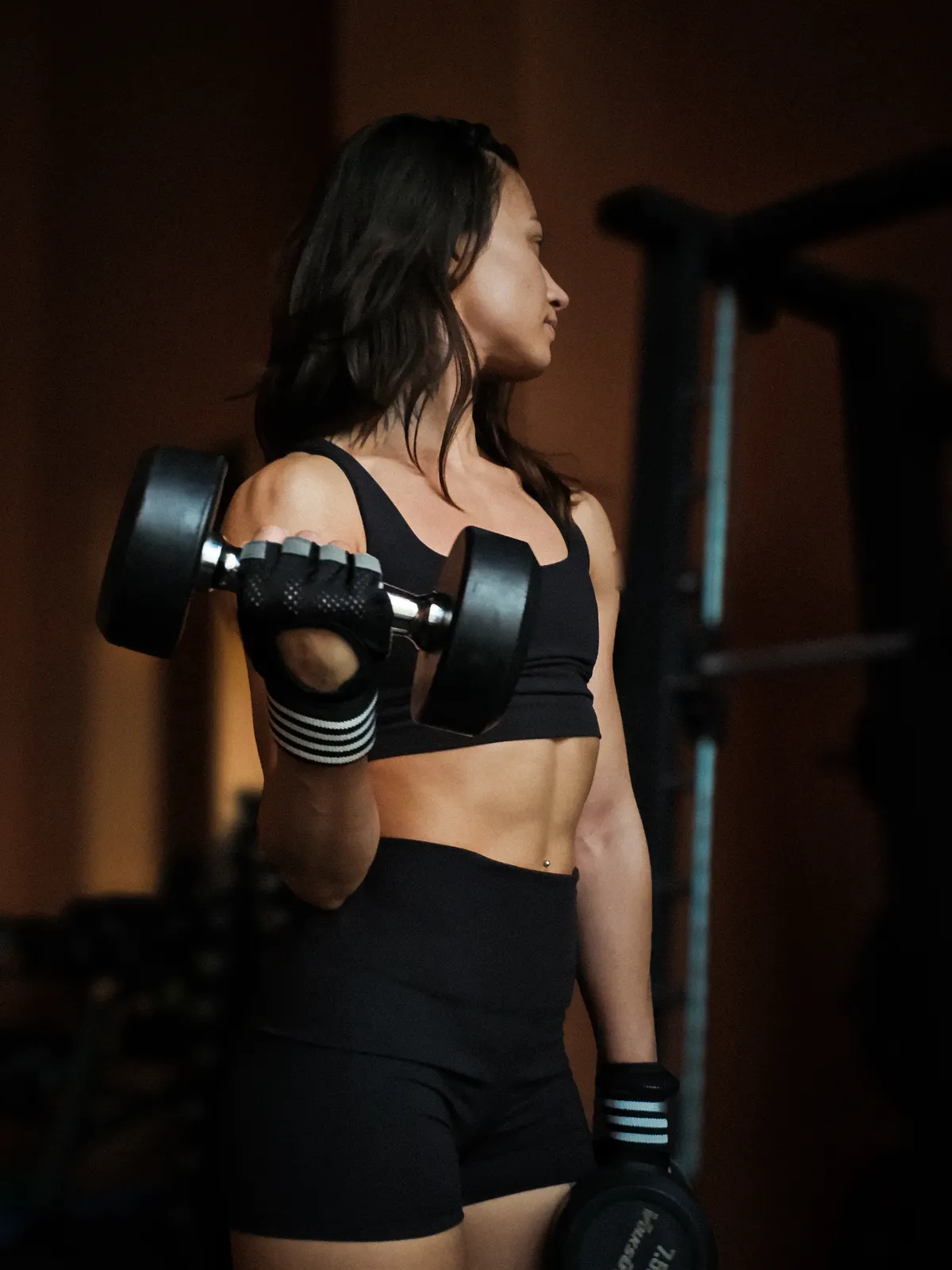
A familiar weight can suddenly feel unreasonably heavy. Perhaps last month you completed eight controlled bench-press repetitions, but today six are a struggle. That is frustrating, especially when your training calendar says you have been consistent. Yet a poor session is not the same thing as losing muscle, and a plateau is not automatically evidence that your program has failed.
The useful question is not simply why am I weaker? It is what changed between the sessions, and has the change persisted long enough to matter? Strength on any particular day reflects your underlying capacity plus fatigue, sleep, food, exercise setup, confidence and ordinary measurement noise. Treat those variables as clues instead of responding to every disappointing set by adding more work.
1. Separate a bad performance from a real downward trend

A single workout is a noisy measurement. The same lifter may complete seven repetitions on Monday, eight the following week and six after a stressful workday without experiencing meaningful muscle loss. Strength adaptations accumulate over weeks and months; the ability to demonstrate them fluctuates much faster.
Compare like with like. Record the exercise, actual load, repetitions, number of hard sets, estimated repetitions in reserve, rest time and whether the set came first or fifth in the session. Also note any unusual illness, long run, missed meals or shortened sleep. A 100 kg squat after heavy deadlifts is not equivalent to a fresh 100 kg squat.
Use a three-to-six-session trend for your main lifts rather than treating a single personal record as the baseline you must beat forever. For example, sets of 80 kg for 8, 7, 9, 8 and 9 repetitions suggest normal variation with a slightly improving trend. A sequence of 8, 7, 6, 5 and 5 with comparable conditions deserves investigation. Neither sequence, by itself, proves what happened to muscle mass.
If technique, range of motion or tempo changed, the apparent decline may be an improvement in exercise quality. Eight shallow squats are not interchangeable with six controlled deep squats. Keep the movement standard stable, or explicitly start a new comparison series. Video of an occasional working set can help you recognize an unintentional change in depth or setup.
The first move is modest: keep the next session comparable, avoid a maximal test out of frustration, and gather enough information to distinguish random noise from a persistent pattern.
2. Check whether accumulated fatigue is hiding your fitness
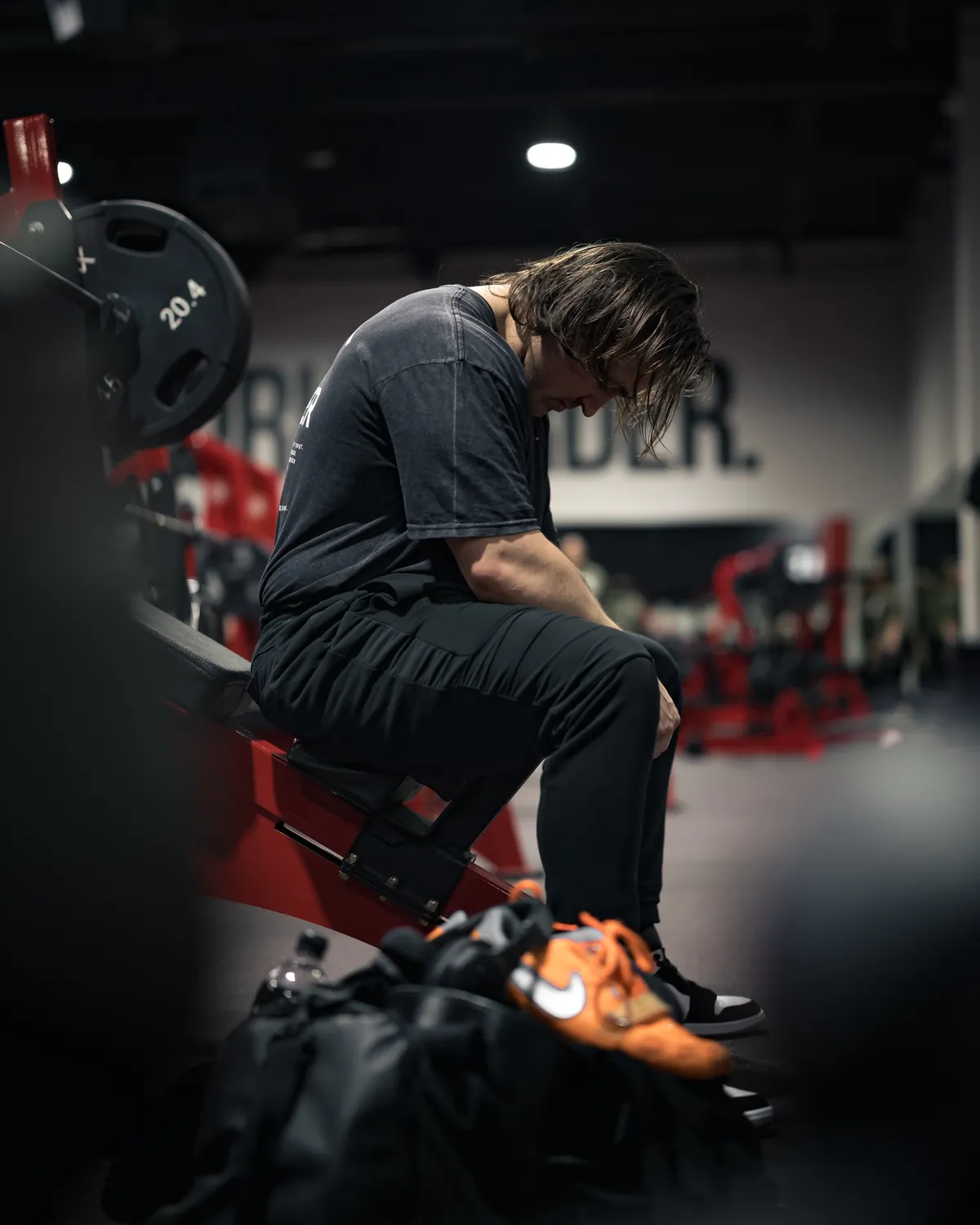
Hard training has two consequences that operate on different timelines. It supplies the stimulus for adaptation, but it also produces fatigue that can temporarily reduce performance. If training stress rises faster than recovery capacity, you may be fitter in the long term while lifting less today. This is particularly plausible after suddenly adding sets, training days, sports sessions or repeated failure sets.
A 2025 systematic review covering 51 studies found that set duration, training volume and proximity to muscular failure were important influences on acute resistance-training fatigue. That does not mean training hard is harmful. It means two programs that both feel productive can have very different recovery costs. Several sets taken to the point where no further clean repetition is possible are not equivalent to several challenging sets stopped with two repetitions left.
Look for clusters of clues: your usual warm-up feels heavy, performance is down across multiple exercises, soreness lingers, enthusiasm is lower and rest periods keep stretching. A single sore muscle after an unfamiliar exercise is weaker evidence than several of these signs appearing together. Fever, significant injury symptoms or unexplained weakness call for medical assessment rather than a self-prescribed deload.
When fatigue is the likely explanation, try a five-to-seven-day reduction in workload. A useful starting point is roughly half the usual hard sets, avoiding all-out failure while retaining familiar movements and comfortable technique. You do not need to turn every set into a maximum attempt to preserve skill. Some lifters benefit from a short rest from aggravating movements; others recover better with light, familiar work.
Reassess after the easier week. A rebound supports the idea that fatigue was part of the problem, but it does not establish a diagnosis. If the decline continues, move down the checklist rather than repeatedly prescribing harder sessions. The goal is a training dose you can recover from and repeat, not the largest workload you can survive once.

Equipment Worth Exploring
Explore equipment, accessories and gear from our carefully selected range.


FID Bench MAX
Adjustable bench offering flat, incline, and decline positions + adjustable headrest.


Leather Lifting Straps
Padded leather straps support grip during heavy rows, deadlifts and pulling exercises.

3. Audit food, energy availability and recent bodyweight changes

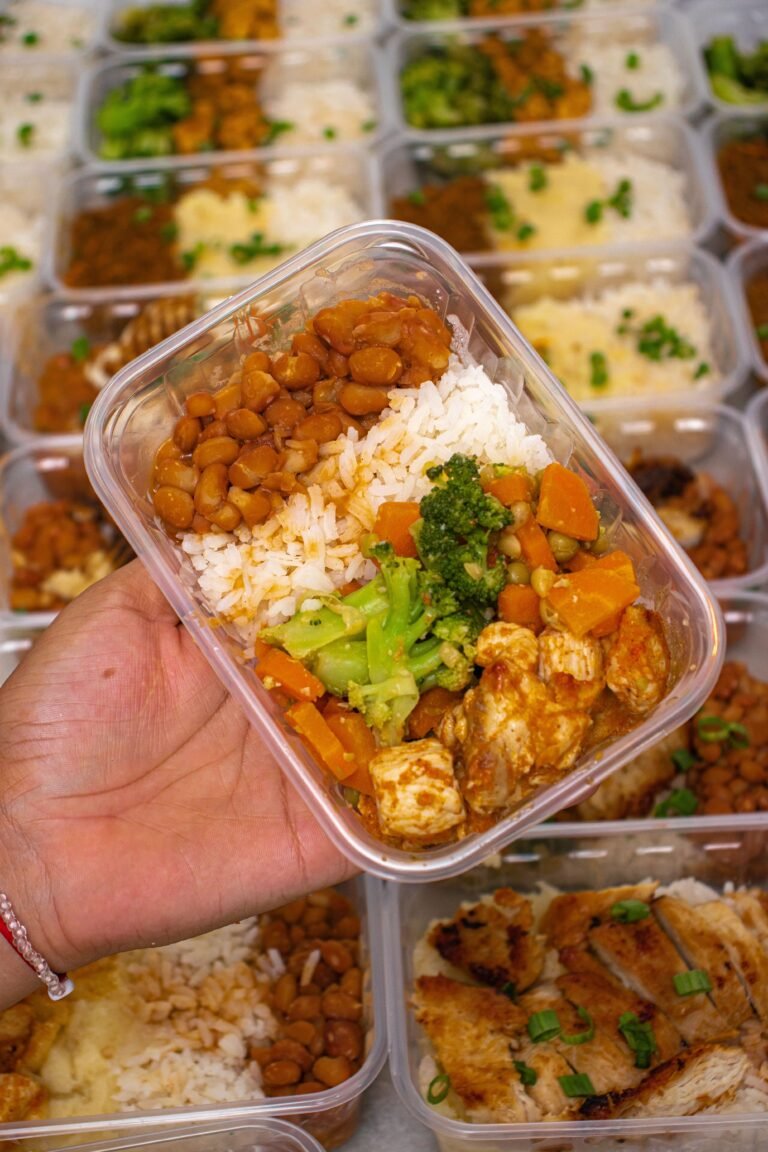
Strength sessions are easier to execute when training and recovery are adequately fueled. A lifter who quietly reduces portions, skips lunch and adds extra cardio may experience lower session quality before noticing dramatic changes in body composition. This matters during a calorie deficit: losing bodyweight can make relative-strength exercises easier while absolute loads on the bar become harder to maintain.
Start with observations rather than assuming every poor workout reflects a deficiency. Have you reduced calories? Are you consistently hungry, unusually cold, irritable or struggling to recover? Has your bodyweight dropped quickly? Are you attempting high-volume lifting after many hours without eating? A two-week food and bodyweight log can identify obvious changes without obsessive daily tracking.
Protein supports repair and adaptation, but it is not a substitute for enough total energy. A widely used sports-nutrition position statement places protein for most exercising adults around 1.4–2.0 g per kilogram of bodyweight daily, with individual needs varying. Carbohydrate can also matter when sessions are long, dense or combined with endurance work. There is no universal pre-workout meal that guarantees a personal record; choose food and timing you tolerate.
Hydration and heat are additional variables. A sweaty summer session, long commute or hard conditioning workout may leave you under-recovered before the first working set. Drinking to reasonable thirst and replacing significant fluid losses is more sensible than forcing extreme water intakes. If you train early, a small carbohydrate-containing snack may help when a full meal is impractical.
Low energy availability has been associated with poorer training responses in athlete research, but a single weak workout does not establish that condition. Persistent fatigue, frequent illness, menstrual changes, unexplained weight loss or other concerning symptoms warrant qualified clinical advice. Do not increase training demands while ignoring a sustained reduction in the resources available to meet them.

Powerlifting Shirts & Lifting Gear
Powerlifting shirts and gym gear for squat, bench and deadlift lifters who live for heavy numbers.

My Bench Press Is Stuck Horror Scary Movie Meme Hoodie
Show off your Halloween humor in a laid-back “My Bench Press Is Stuck Horror” hoodie.

I Love Bench Press | Black Heart Weight Plate Graphic S T-Shirt
Show some powerlifting attitude with a playful “I Love Bench Press” tee.

PR or ER – Horror Powerlifting Gym Decal for Deadlift F Sticker
Give your everyday gear a playful “PR or ER” twist.

Funny Viking Gym – Runes Say You'll PR Today Norse Work Tank Top
Your gym-day look, with a playful “Viking” twist.

Personal Record Birthday Cake Meme – Celebrate Your T-Shirt
Bring “Personal Record Birthday Cake” humor to your next gym day.

Superdad – Dadlifting Meme Shirt Sleepless Not Weak T-Shirt
Show some lifting attitude with a playful “Superdad” tee.

I Want You To Break Your PR – Patriotic Uncle Sam Hoode Hoodie
Keep it laid-back with a little “I Want You To Break Your PR” attitude.

Deadlift Skull Cyberpunk Muscle Shirt for Powerlifting Tank Top
Bring “Deadlift Skull” humor to your next lifting session.

Pumping Love Strong Heart Stronger Soul Valentine’s Day Hoodie
Show off your lifting humor in a laid-back “Pumping Love Strong Heart Stronger Soul” hoodie.

In My Muscle Mommy Era for Gym Girls, Lifting, Bodybuil T-Shirt
Heavy lifts, good laughs, and a little “In My Muscle Mommy Era” energy.
4. Treat sleep and life stress as training variables

Sleep affects how ready you feel, how demanding a weight seems and, in some circumstances, how much force you can produce. The research is not perfectly uniform: different sleep-loss protocols and strength tests produce different outcomes. A 2025 systematic review examining sleep deprivation and muscle strength found a mixed evidence base rather than a guarantee that one short night will reduce every lift. Repeated poor sleep deserves attention when performance trends downward.
Check your previous seven nights, not only the night before the disappointing session. Was bedtime irregular? Did you repeatedly wake early? Were you working late, traveling or caring for someone? Two sessions performed after very different weeks are not controlled experiments. Keep the log practical: approximate sleep duration, subjective quality and whether you woke refreshed are enough to spot a pattern.
Stress outside the gym counts. Deadlines, travel, family responsibilities and mentally demanding days can change perceived effort and willingness to push. You might still be capable of a heavy set but find that the session costs more than usual. That is a reason to adjust the day’s plan, not proof of laziness or lack of discipline.
On a rough day, use a short readiness check. Warm up normally, assess bar speed and technique at a moderate load, and select a working weight that permits the planned clean repetitions. If warm-ups are unusually slow, reducing load slightly or leaving more repetitions in reserve can preserve a useful session. Avoid repeatedly testing your one-repetition maximum to confirm that you are tired.
Improving sleep does not require a complicated supplement stack. Consistent sleep and wake times, a suitably dark room, less late caffeine and enough time in bed are reasonable first steps. If loud snoring, gasping, chronic insomnia or daytime sleepiness persist, seek medical evaluation rather than assuming a training program will solve them.
5. Make the exercise comparison fair before changing your program

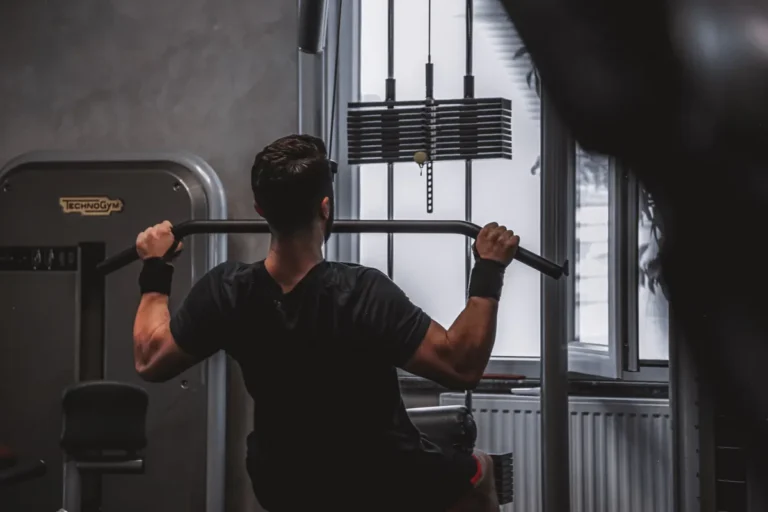
A plateau sometimes exists only on paper. Changing gyms, bar diameter, machine leverages, cable ratios, grip width, stance, shoes or bench angle can alter what the same number on the weight stack means. A cable machine marked 50 kg does not necessarily deliver the same handle resistance as another machine marked 50 kg. Even identical equipment can feel different if you shorten rest periods or place the movement later in the session.
Technique changes deserve the same attention. A slower eccentric, longer pause, deeper squat or stricter curl increases the work required from a given load. That can be excellent training, but it should not be recorded as a straightforward strength loss. Conversely, adding momentum can make a logbook look better without increasing the targeted muscle’s contribution.
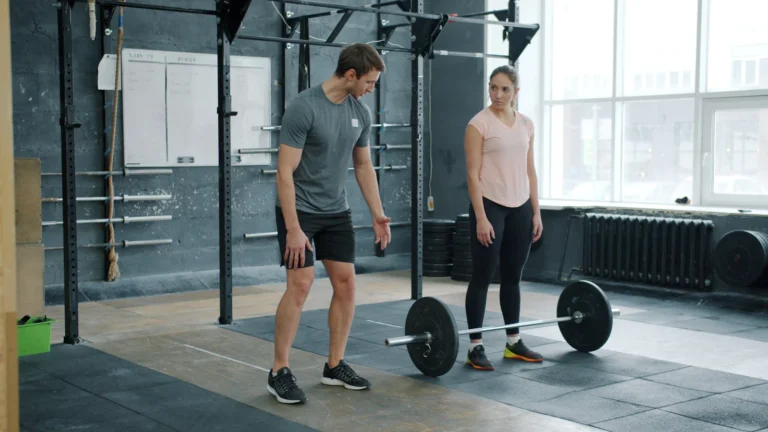
For a fair retest, use the same implement, setup and range of motion. Keep the warm-up consistent, give yourself comparable rest and perform the main lift at a similar point in the session. If you switched to a different movement variation, establish a fresh baseline instead of trying to convert numbers through guesswork.
Exercise selection can create an accidental bottleneck. If heavy rows follow exhausting pull-ups, grip or elbow flexors may limit the row before the back muscles are truly challenged. If bench press follows hard shoulder work, pressing performance may fall despite healthy chest development. Moving the priority lift earlier often clarifies whether the issue is exercise order rather than general strength.
Finally, ask what outcome you are measuring. A higher one-repetition maximum, more repetitions with a fixed load and greater muscle size are related but not identical. A training block focused on controlled hypertrophy work may improve muscle growth while your heavy single temporarily stagnates because you have practiced it less. Define the goal before judging the plan.
Equipment Worth Exploring
Explore equipment, accessories and gear from our carefully selected range.
VOLTRA
Compact digital cable trainer with smooth, adjustable resistance.

Go-Tone Pro
Portable digital cable trainer with up to 66 lb (30 kg) of adjustable resistance.


Angles 90 Grips
Flexible grip attachments that allow natural wrist movement during pulling exercises.


Leather Wrist Grips
Padded leather lifting grips help support the hands and wrists on heavy pulling exercises.
6. Progress without demanding a personal record every workout

Progressive overload is not a command to add weight on every visit. It is the gradual increase in an appropriate training challenge as you adapt. The challenge can rise through additional clean repetitions, slightly more load, improved range of motion, better control or an intelligently planned increase in hard sets. These methods are not interchangeable in every situation, but they give you more options than forcing the next plate onto the bar.
A practical example is double progression. Choose a weight you can lift for three sets of six to ten repetitions while keeping roughly one or two repetitions in reserve. Over several sessions, try to move from 8/7/6 to 9/8/7, then toward 10/10/10. Only after reaching the top of the range with stable technique do you increase the load by the smallest useful increment. Your repetitions will drop again; that is the normal start of another progression cycle, not a setback.
On a day when warm-ups are unusually difficult, autoregulate rather than blindly matching a fixed number. You might use a slightly lighter load to keep the same effort target, or complete fewer sets if fatigue is high. Research comparing autoregulated and fixed-load approaches suggests several systems can improve strength, without proving that one method wins for every lifter. Consistency, specificity and manageable workload still matter.
Do not confuse effort with punishment. Taking every set to failure can make it harder to maintain high-quality work later in the session. Reserve the most demanding sets for movements where technique and safety remain controlled; stop earlier on complex lifts when form degrades. If a training block repeatedly ends with poor recovery, reducing unnecessary failure work may be more useful than adding another exercise.
There is also a place for maintenance. During travel, illness recovery or an unusually stressful month, holding steady on two or three well-chosen sessions may be a success. A program that fits the real week beats an idealized six-day schedule that is constantly missed. Sustainable overload comes from repeatable exposure, not permanent escalation.
Bodybuilding Shirts & Workout Gear
Bodybuilding shirts, tanks and gym gear for lifters chasing muscle, size, symmetry and the pump.

Lift Eat Sleep Repeat Meme Sweater & T-Shirt
Bring “Lift Eat Sleep Repeat” humor to your everyday gym style.

Rest Day Sloth – Essential T-Shirt
Show some bodybuilding attitude with a playful “Rest Day Sloth” tee.

Momlifting Meme – Sleepless Not Weak Supermom Top T-Shirt
Rep “Momlifting Gym Meme” humor in and out of the gym.

Sleeping Booty Bootybuilding Meme Hooded Princess Hoodie
Make your off-duty look more fun with “Sleeping Booty”.

Off Season Rest Day – Meme , Gymbro, – Relaxing T-Shirt
Show some lifting attitude with a playful “Off Season Rest Day” tee.


Weak Ends Strongboy End The Weakness No More T-Shirt
Make gym days more fun with “Weak Ends Strongboy” style.

I'M Stronger Than Your Boyfriend Shirt – Rizz & Gains T-Shirt
Make gym days more fun with “I'm Stronger Than Your Boyfriend” style.

Stronger Things Shirt – Stranger Things Meme & T-Shirt
Rep “Stronger Things” humor in and out of the gym.

Kanye Rest Day | Swole Ye Lifting Parody Vinyl Decal Sticker
Stick a little “Kanye Rest Day” humor on your favorite gear.
7. Use a two-week diagnostic reset instead of guessing
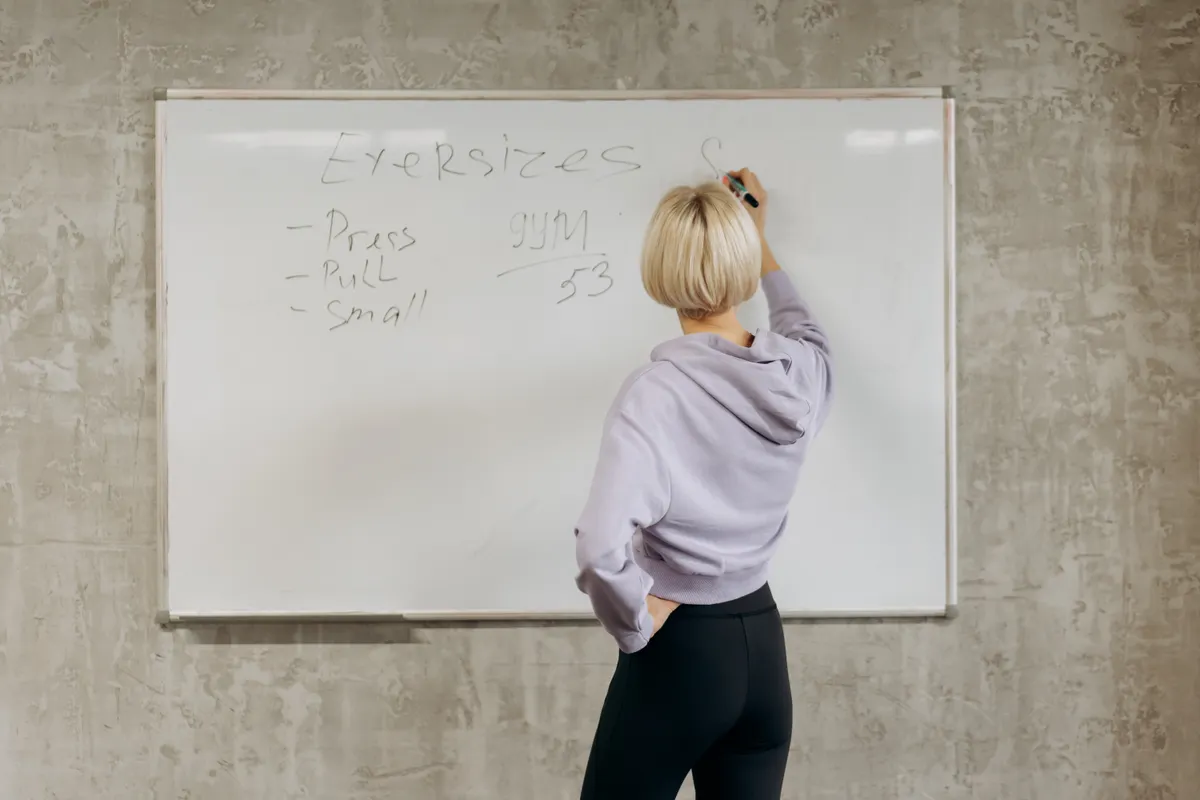
When several workouts feel worse than expected, make a small controlled change rather than rewriting everything. The following two-week framework is a coaching example for an otherwise healthy lifter, not a medical treatment or a mandatory deload for everyone.
Days 1–3: collect a clean baseline. Choose two or three priority exercises. Record a repeatable warm-up, one challenging but non-maximal top set, two back-off sets, rest periods and technique notes. Write down average sleep, appetite, bodyweight trend and any new endurance or sports workload. Do not chase a personal record during this check.
Days 4–7: lower fatigue if the clues point that way. Keep the same movement patterns but trim hard sets by roughly one-third to one-half, avoid grinding and leave several clean repetitions in reserve. Maintain normal eating and prioritize a consistent sleep window. If you were under-eating or missing meals, address that before interpreting the next performance test.
Days 8–10: retest under comparable conditions. Use the same equipment, warm-up and exercise order. Compare repetitions, technique and perceived effort, not just the number printed on the bar. If performance rebounds, rebuild training volume gradually rather than immediately returning to the exact overload that preceded the decline.
Days 11–14: decide the next four-week direction. If numbers improve, continue a manageable progression. If performance is flat but stable, hold the plan long enough to observe a trend. If it keeps declining despite adequate recovery and fair comparisons, review training volume, nutrition, illness and possible medical factors with a qualified professional. Persistent unexplained weakness, pain, dizziness or systemic symptoms should not be dismissed as ordinary gym fatigue.
Keep the decision rule simple: one poor session means observe; several comparable poor sessions mean investigate; a persistent unexplained decline means seek help. That approach protects progress without turning every normal fluctuation into an emergency. Strength training rewards patience as much as effort, and a useful training log tells you when to push, when to adjust and when the smartest next move is recovery.