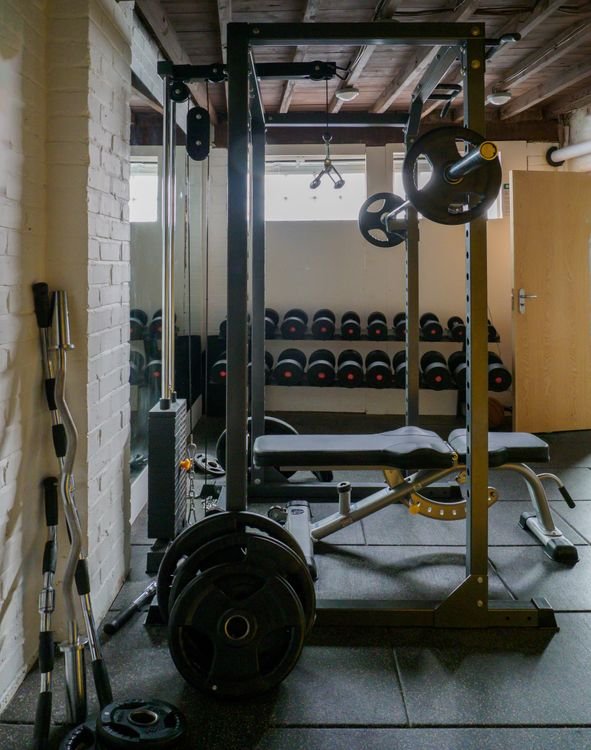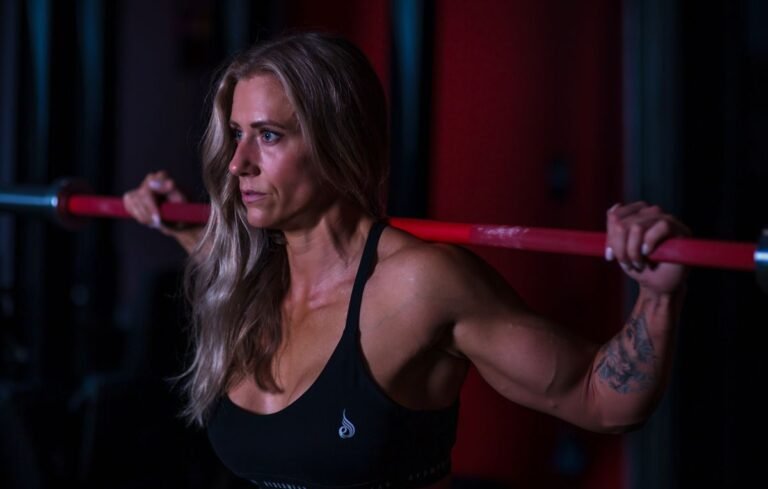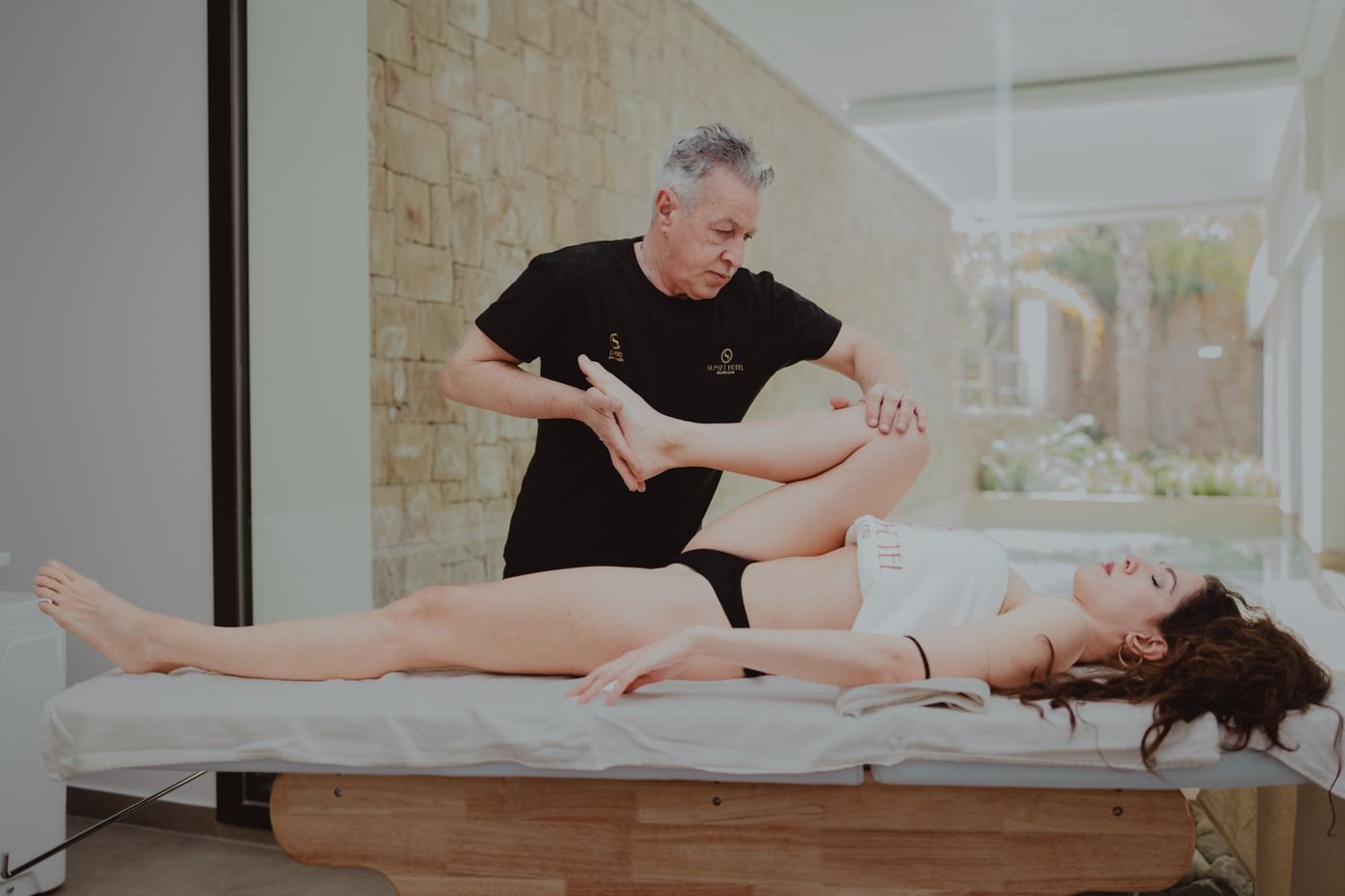
A sore Achilles, hamstring attachment or outer hip can tempt you to stretch harder and hope the discomfort disappears. Yet tendons need more than flexibility: they must tolerate the forces of walking, running, lifting and everyday movement. Isometric exercises, in which a muscle produces tension without visible joint movement, offer one way to begin rebuilding that tolerance. They are not a cure, a diagnosis or a substitute for progressive resistance training.
It helps to separate temporary symptom relief from long-term loading capacity. A calf hold might make the next few steps easier for one runner and have little immediate effect for another. Neither response proves that tissue has healed. Here is how static holds can fit into a compact home-gym routine without mistaking one exercise for an entire rehabilitation program.
1. Why tendon pain is not simply a stretching problem
Tendons connect muscles to bones and transmit force whenever you walk, jump or lift. They adapt to loading, but changes in total workload and recovery can make an area irritable. A sudden increase in running mileage, a new hill route, heavier calf training, or an aggressive return after time off can all change the demands. Those histories provide clues, not a diagnosis.
Achilles symptoms may sit in the midportion of the tendon or close to its heel attachment. Hamstring pain may be high near the sitting bone or farther down toward the knee. Outer-hip pain can have several causes, including gluteal tendinopathy. The location matters because a movement that is comfortable for one condition may aggravate another. A clinician can distinguish tendon problems from muscle strains, nerve irritation, joint disease and injuries requiring a different plan.
Stretching can improve range of motion when someone needs it. But forcefully pulling a painful tendon into its end range is not automatically beneficial. At some attachment sites, a stretched position can also increase compression against nearby bone. A more useful question is: which loading pattern can I perform repeatedly without a worsening response?
Track a familiar task, such as walking up stairs, during the session and the following morning. A tendon may feel better after warming up while still being sensitive to excessive load. The ability to finish a workout is not permission to double the next one. A sudden pop, marked swelling, major weakness or inability to bear weight calls for prompt assessment rather than a self-directed exercise experiment.
2. What isometric holds can and cannot do
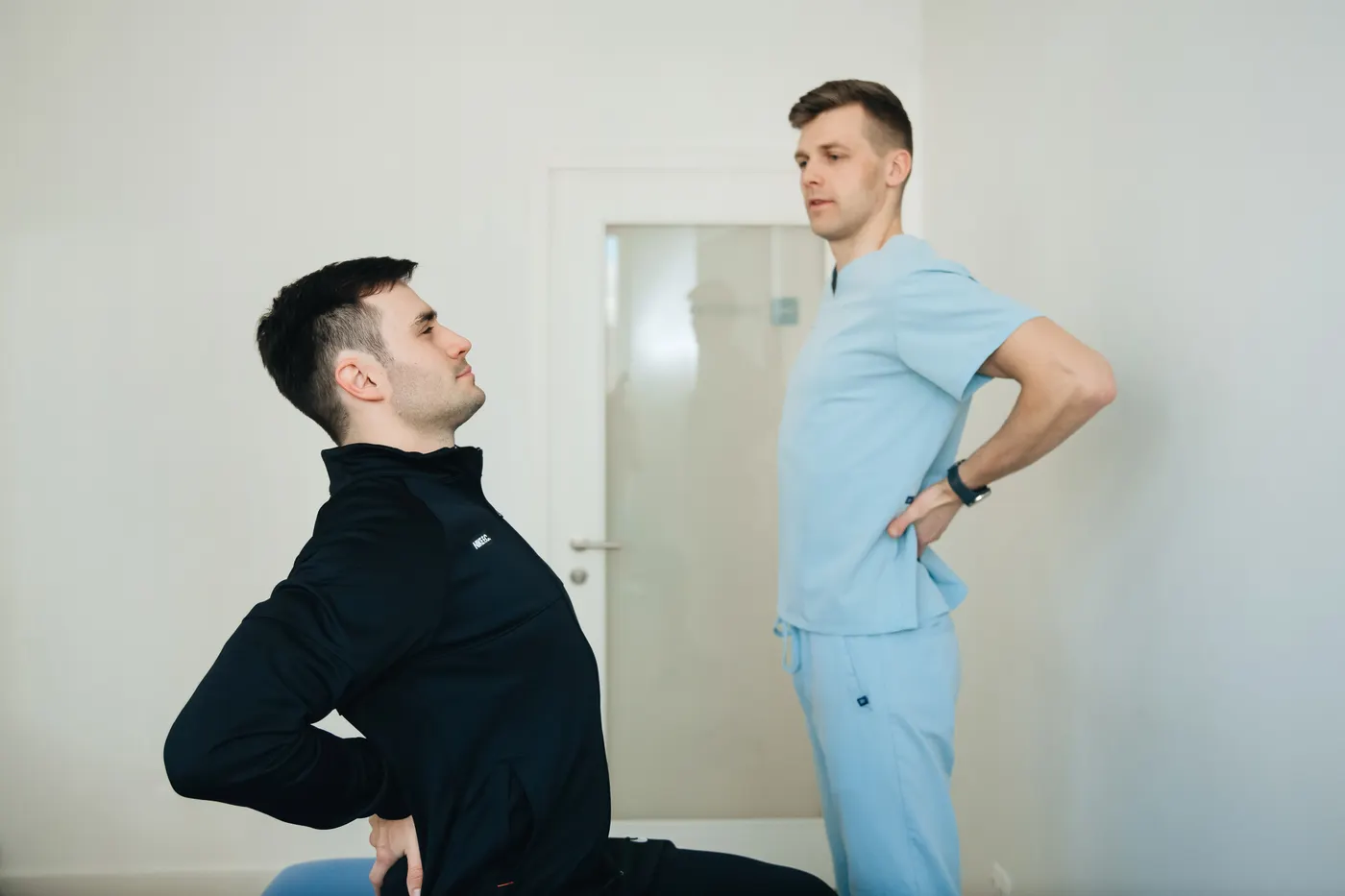
An isometric contraction produces tension while the working joint angle remains largely unchanged. Holding the top of a calf raise, maintaining a bridge or pressing a knee outward against a wall are familiar examples. In a yielding isometric you resist a load that would otherwise move you; in an overcoming isometric you push or pull against an immovable object. Yielding holds are often easier to measure at home because load, angle and duration can be repeated.
Some athletes report temporary pain relief after sustained contractions. That helped make isometrics popular before runs and strength sessions. The evidence, however, does not support a universal promise. A small trial in jumping athletes found greater immediate analgesia from isometric than moving contractions, but a systematic review of ten randomized studies did not find consistent superiority over isotonic exercise for chronic tendinopathy. Responses vary within and between tendon conditions.
Even without a dramatic reduction in pain, holds can be useful. They apply a relatively predictable force at a chosen angle, let someone practice muscle recruitment and may maintain training when full-range movement is difficult. But static work alone cannot prepare a runner for faster strides, a lifter for heavy full-range repetitions or a jumper for landing forces. Moving strength and sport-specific loading eventually matter.
For a person assessed and cleared to load the area, two or three moderate holds of roughly 20-30 seconds can be a starting example, with rest between efforts. The exact dose is individualized. Do not force a popular 45-second prescription if symptoms worsen. The goal is a repeatable, manageable stimulus rather than a contest to tolerate pain.

Equipment Worth Exploring
Explore equipment, accessories and gear from our carefully selected range.
VOLTRA
Compact digital cable trainer with smooth, adjustable resistance.

Go-Tone Pro
Portable digital cable trainer with up to 66 lb (30 kg) of adjustable resistance.





3. Achilles: supported calf holds and a gradual return to movement
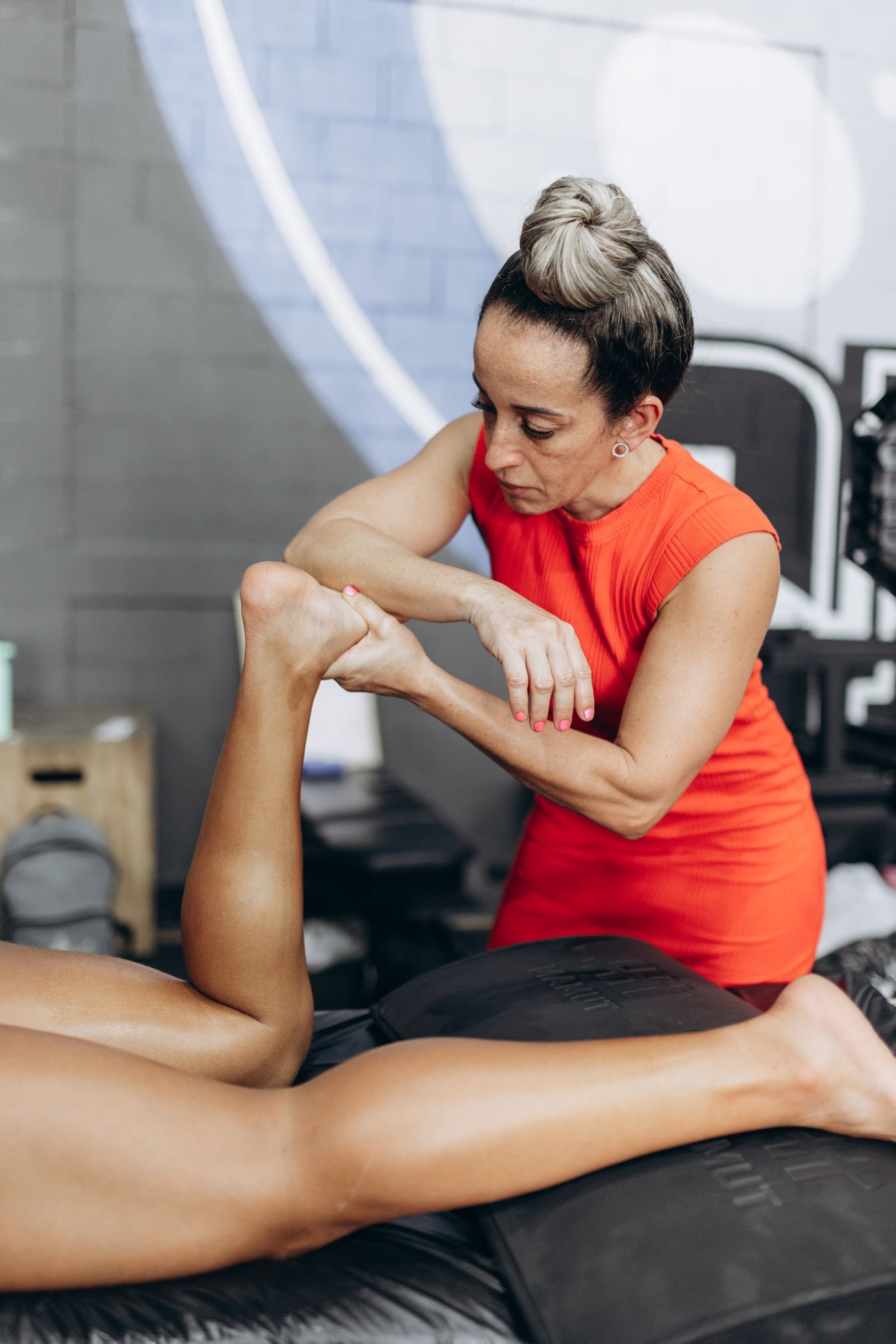
The calf complex includes gastrocnemius, which crosses the knee, and soleus, which works strongly when the knee is bent. Both transmit force through the Achilles tendon. A straight-knee heel-raise hold and a bent-knee version therefore load related but different demands. Begin on level ground with a stable hand support, raise the heels a modest distance and keep the ankles aligned. A two-legged version may be more appropriate than a single-leg hold when symptoms are sensitive.
Progress one variable at a time: hold a little longer, add a modest amount of resistance, or eventually move to one leg if tolerated. Adjustable dumbbells, a cable trainer or a carefully loaded backpack can add tension. Avoid making the hold longer, heavier and deeper in the same session. If pain sits at the heel insertion, automatically dropping the heel far below a step may increase local compression; midportion and insertional Achilles problems are not identical.
Once static loading is manageable, slow heel raises through a tolerated range usually deserve attention. The aim is gradually improving tendon capacity, not proving that one contraction type is special. Contemporary clinical guidance for midportion Achilles tendinopathy emphasizes progressive loading at the highest tolerable level rather than complete rest or a single mandatory exercise.
Count the total weekly load. Hill running, jumping, long walks, stairs and heavy calf work all ask something of the same system. A new hill session plus extra plyometrics can be a large change even if each activity looks reasonable alone. Watch the following-day response and reduce the sharpest spikes before adding more exercises.

Cardio Shirts & Workout Gear
Cardio and conditioning gym gear for runners, endurance athletes and anyone who earns the sweat.

Cardio Is Calling You , Meme Top Answer Or Decline? T-Shirt
Make gym days more fun with “Cardio Is Calling You” style.

Shirt – Cardio Is Hardio – & Gymbros T-Shirt
Show some cardio attitude with a playful “Cardio is Hardio” tee.

Track Panther – Shirt & Running & Fans – Black T-Shirt
Rep “Track Panther” humor in and out of the gym.

Anti Running Club Tee
Heavy lifts, good laughs, and a little “Anti Running Running Club” energy.

Anti Walking Walking Club Shirt Gymbro Meme Lifting T-Shirt
Bring “Anti Walking Walking Club” humor to your next gym day.

with Shark Meme – Motivation Finds You Workout Pullover T-Shirt
Show some gym-day personality with “with Shark Meme”.

Exercise Your Demons | Cardio Workout From Hell Graphic T-Shirt
Show some cardio attitude with a playful “Exercise Your Demons” tee.

Cardio Heartbeat Hoodie
Show off your cardio humor in a laid-back “Cardio Heartbeat” hoodie.


Running Dost Thou Even Trot Medieval Treadmill Crewneck T-Shirt
Show some gym-day personality with “Running”.
4. Hamstring tendons: bridges, curls and hip position
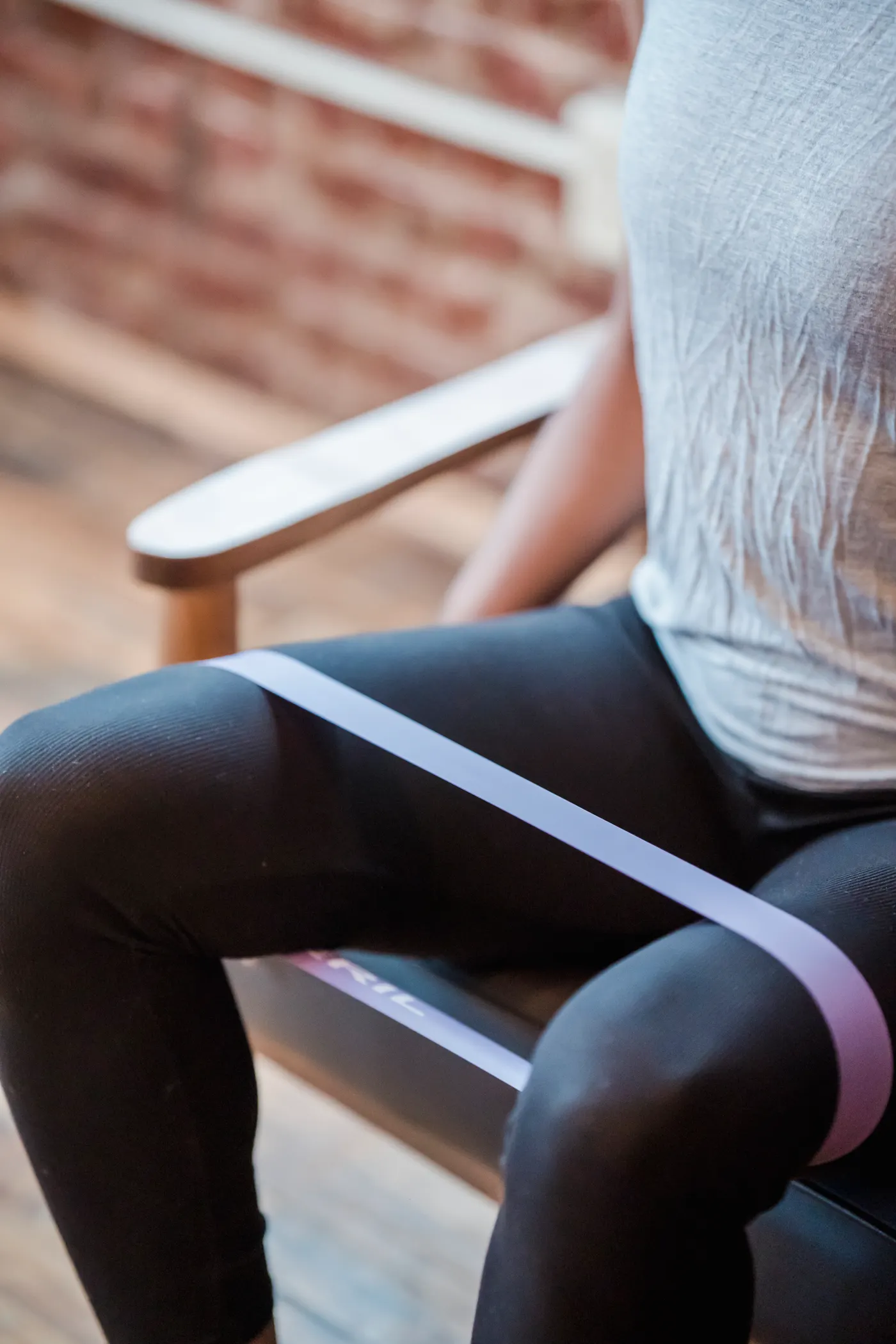
Hamstring tendons can be sensitive in different places. High symptoms near the sitting bone may be irritated by prolonged sitting or deep hip flexion, while symptoms nearer the knee may respond differently. That distinction matters when choosing a bridge, curl or hip hinge. An exercise is not automatically suitable because it appears in a hamstring rehabilitation video.
A long-lever bridge places the heels farther from the hips than a standard glute bridge. Press the heels into the floor, lift the pelvis to a manageable height and keep the hips level. Shortening the lever, keeping both feet down or reducing the lift makes the exercise easier. A single-leg long-lever bridge is substantially harder and should not be the default first step. If a bridge increases high hamstring symptoms, a clinician may choose a different angle or movement.
A leg-curl machine, adjustable bench attachment or securely anchored cable can create a measurable knee-flexion hold. Choose a comfortable angle and build tension smoothly without jerking or rotating the pelvis. Machines help standardize the load, but bodyweight and bands can work when anchored safely. Never trust a makeshift attachment that could detach under tension.
Later progress normally includes moving curls, hip hinges and, for runners, increasingly demanding running speeds. A pain-free bridge does not demonstrate readiness for sprinting. Likewise, comfortable jogging does not establish high-speed hamstring capacity. Treat a hold as one rung on the ladder, not as an all-clear test.
5. Lateral-hip tendons: abduction holds and load management
Gluteus medius and minimus help control the pelvis during walking and single-leg movement. Some people with outer-hip pain have gluteal tendinopathy, but referred back pain, joint disorders and other conditions can feel similar. Assessment is especially important when symptoms are severe, persistent or accompanied by weakness.
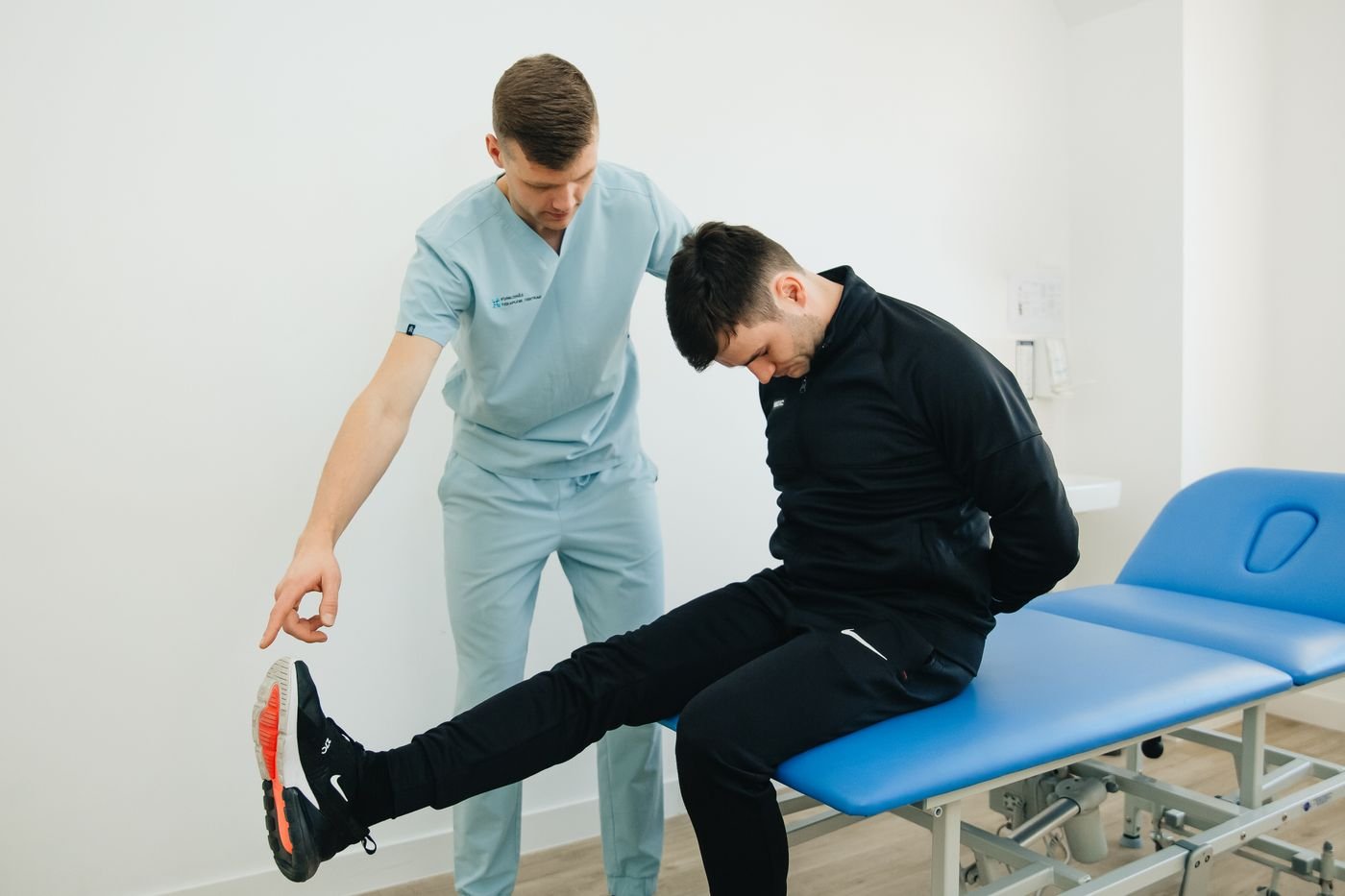
For someone whose clinician has recommended suitable loading, a gentle standing wall press can create hip-abductor tension with little movement. Stand side-on to a wall, keep the trunk steady and press the outer knee or thigh into a padded surface at a manageable effort. A supported band-abduction hold is another option. Avoid twisting the spine, hiking the pelvis or forcing a sharp pain response just to make the hold feel harder.
Daily habits matter. Some lateral-hip tendons are irritated by prolonged positions that bring the thigh across the body’s midline, such as hanging on one hip or tightly crossing the legs. Bigger range is not automatically better during a sensitive phase. Balance tolerable loading with reducing positions that repeatedly compress the painful area.
A randomized trial in people with confirmed gluteal tendinopathy found benefits from education plus exercise compared with waiting, and advantages over injection on some outcomes. That result does not mean one wall hold reproduces a full rehabilitation program. The larger lesson is to understand the symptoms, manage provocative loads and progressively build strength toward step-ups, single-leg control and normal walking or running.
Equipment Worth Exploring
Explore equipment, accessories and gear from our carefully selected range.

FID Bench MAX
Adjustable bench offering flat, incline, and decline positions + adjustable headrest.



GymPin Squat Wedges
Non-slip 15-degree squat wedges help elevate the heels for deeper quad-focused squats.
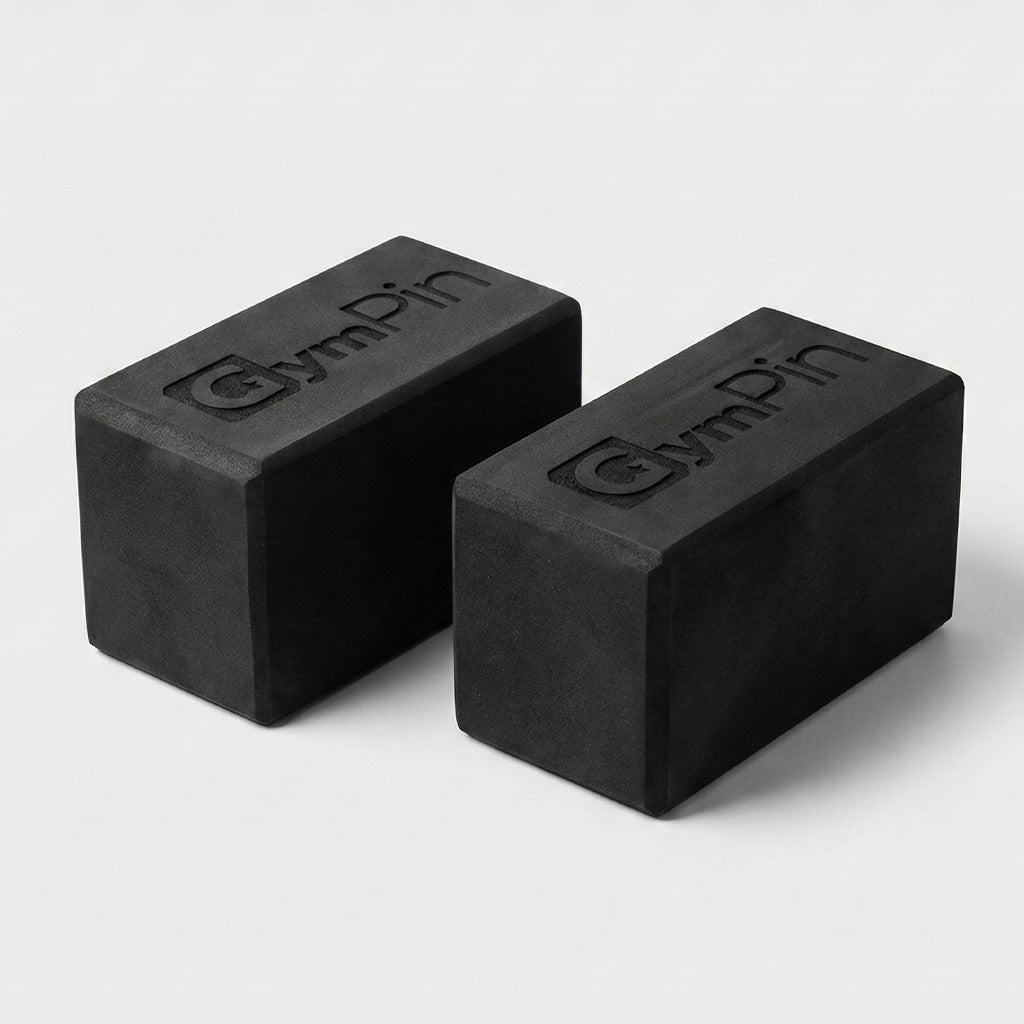
GymPin Starting Blocks
Portable high-density foam blocks for adjusting machine starting positions and range of motion.

HUSLA Leg Extension Pad
Pad attachment designed to increase usable range of motion on compatible leg-extension machines.


6. A two-day home-gym framework for rebuilding capacity
This is an educational framework for a person assessed and cleared for exercise, not a prescription for an undiagnosed injury. Keep two strength sessions on nonconsecutive days and add a short, symptom-tolerated hold where it serves a purpose. There is no benefit to combining every tendon exercise into one exhausting session.
Day A – controlled lower-body strength: begin with five minutes of easy walking or cycling. Perform one relevant hold for two or three sets of 20-30 seconds with rest. Follow with a supported squat or leg press for two sets of six to ten controlled repetitions, a calf-raise variation for two sets of eight to twelve, and one upper-body push and pull for two sets each. Leave some repetitions in reserve. Replace movements that repeatedly provoke symptoms.
Day B – posterior chain and stability: warm up similarly, then use a hamstring bridge or curl hold if appropriate. Follow with a controlled hip hinge or leg curl for two sets of six to ten, a supported split squat or step-up for two sets per side, and a hip-abduction variation for two sets. Finish with upper-body work and easy conditioning. These are exercise categories, not instructions to perform every variation regardless of diagnosis.
Digital cables, adjustable dumbbells and benches make small increases convenient, but bodyweight and resistance bands can work too. Change one progression variable at a time: load, seconds, repetitions or tolerated range. Include running, jumping and daily activity in the same workload log. No fixed weekly percentage guarantees safety. If a hold makes the next morning worse, reduce the dose or reconsider the exercise instead of forcing it.
7. A four-week audit: measure function, not only hold duration
Week one establishes a repeatable baseline. Record the exercise, joint angle, resistance, hold time, discomfort during the set and how the area feels the following morning. Include major changes in running, work and everyday activity. If the setup changes, a longer hold may reflect a different position rather than greater capacity.
In week two, keep most variables stable and look for a consistent response. If the task is tolerated and the following morning remains comparable, a modest progression may be reasonable. If symptoms worsen across sessions, step back and review the pattern with a clinician. Week three may introduce a small amount of dynamic work or a more demanding variation when appropriate. Week four is for repeating the baseline task and reviewing whether normal activities have become easier.
Useful markers include fewer interruptions to walking, better tolerance of a familiar lift, improved control at a fixed load and less next-day irritability. A longer static hold by itself is a narrow result. The goal is not to become exceptionally good at standing still; it is to tolerate the movements that matter in daily life and sport.
Seek prompt assessment for sudden injury, significant swelling, fever, redness or heat, inability to walk normally, new numbness or major weakness. Persistent symptoms that do not improve with sensible adjustments also warrant professional review. Tendon recovery can take longer than a four-week experiment, and some pain has causes exercise cannot resolve. Isometrics can be a useful first rung on the ladder, but durable strength depends on choosing the right ladder and climbing gradually.
Leg Day Shirts & Workout Gear
Leg-day gym shirts and workout gear for lifters who never skip squats, lunges and lower-body punishment.

My Leg Hurts Leg Day , Meme Lovers & Bros Casual T-Shirt
Bring “My Leg Hurts” humor to your next gym day.


I Love Squats | Valentine's Leg Day Decal for Water Bot Sticker
Put “I Love Squats” gym humor on your laptop, bottle, or gym gear.

Leg Day Is Calling You Squats, Deadlifts & Gains T-Shirt
Rep “Leg Day Is Calling You” humor in and out of the gym.

Muscle Mommy Gym – Peach Booty Training for Gym Girls a Hoodie
Show off your gym-girl humor in a laid-back “Muscle Mommy” hoodie.

Heavy Metal Skeleton Squat for Powerlifting, Bodybuildi T-Shirt
Show some gym-day personality with “Heavy Metal Skeleton Squat”.

Hippo Thrust Meme – Hip Thrusts & Leg Day , Gymbro, T-Shirt
Bring “Hippo Thrust Gym Meme” humor to your next gym day.

Never Skip Legday – Chicken Legs Meme , , & Leg Day T-Shirt
Heavy lifts, good laughs, and a little “Never Skip Legday” energy.