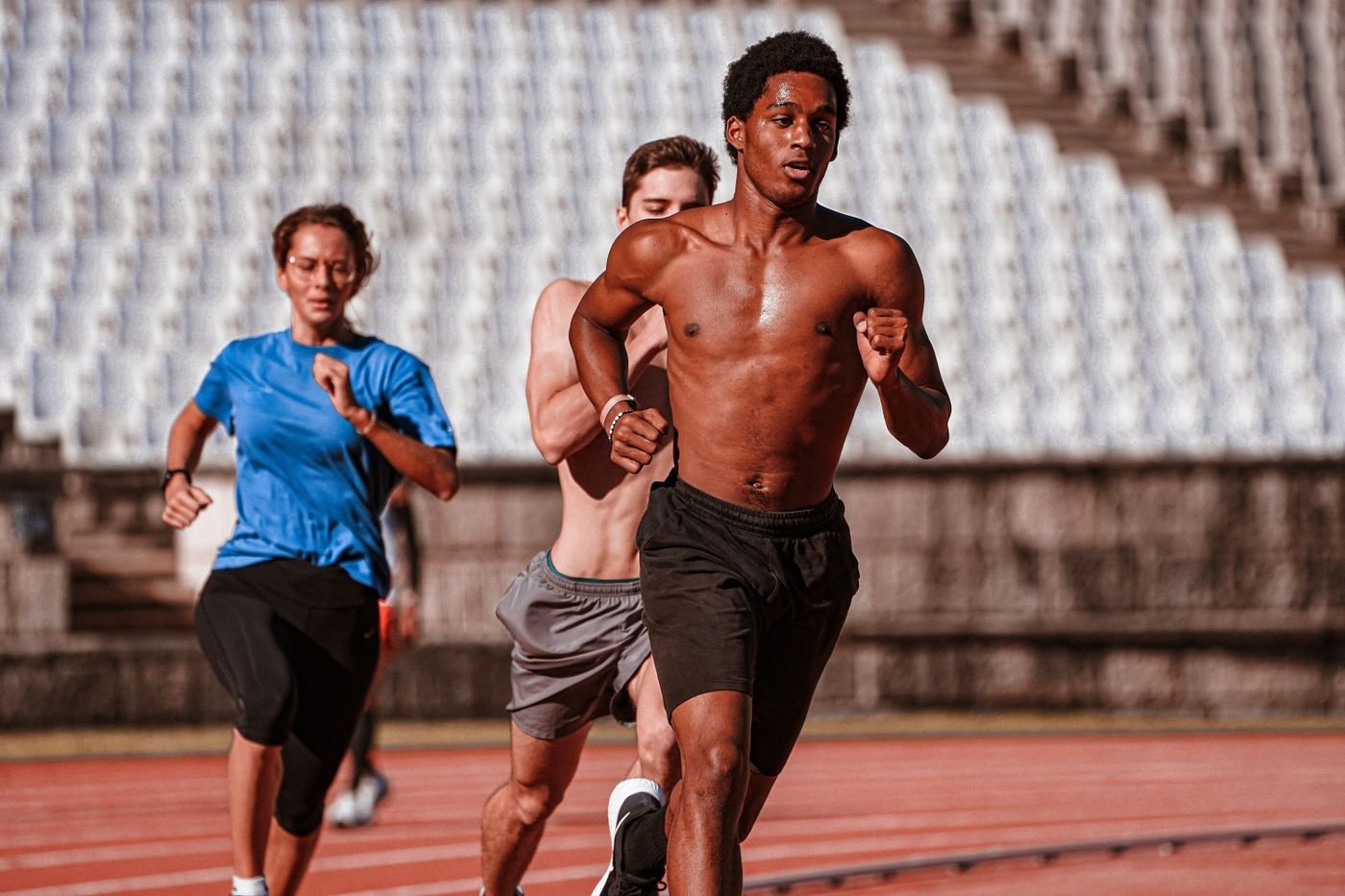
Running Builds Endurance; Leg Strength Builds Another Capacity
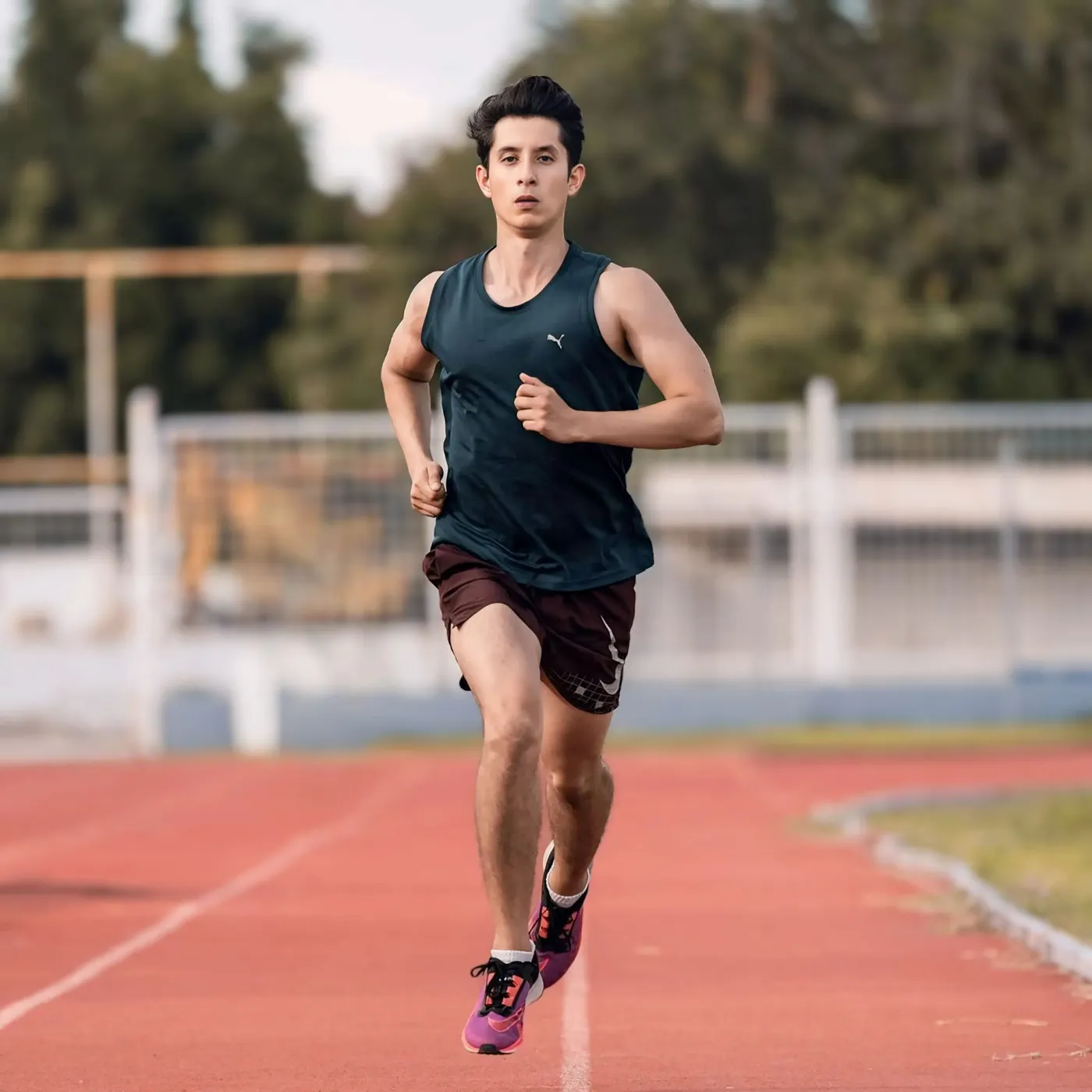
Running is an excellent way to practice running, but it does not automatically develop every kind of lower-body strength. Repeated foot strikes train the body to perform a familiar movement economically. Heavy hip hinges, controlled single-leg squats and fast hip extensions challenge muscles in ways that an easy jog does not. Those qualities can matter when you accelerate late in a race, climb a hill or try to maintain your mechanics as fatigue accumulates.
The mistake is to assume that a runner needs a brutal bodybuilding-style leg day. An unfamiliar workout with dozens of lunges may cause enough soreness to spoil the next interval session. That does not make strength training harmful; it means the dose was poorly matched to the running program. A productive leg session should develop force and control without monopolizing recovery for the next two days.
A recent workout feature highlighted five useful patterns: stiff-leg deadlifts, dumbbell swings, sumo deadlifts, step-ups and rear-foot-elevated split squats. These are worthwhile options, not five exercises that everyone must train heavily in a single circuit. Two different deadlifts can overlap, and an explosive swing is not necessarily a suitable starting point for a beginner who has never learned to hinge.
The practical solution is to choose one substantial bilateral lift, one unilateral movement and a modest amount of calf, trunk or power work. You can do that with adjustable dumbbells and a stable bench, or use a barbell, rack and cable machine for more loading options. The equipment is secondary to repeatable progression and the ability to keep running well.
What the Evidence Says About Running Faster
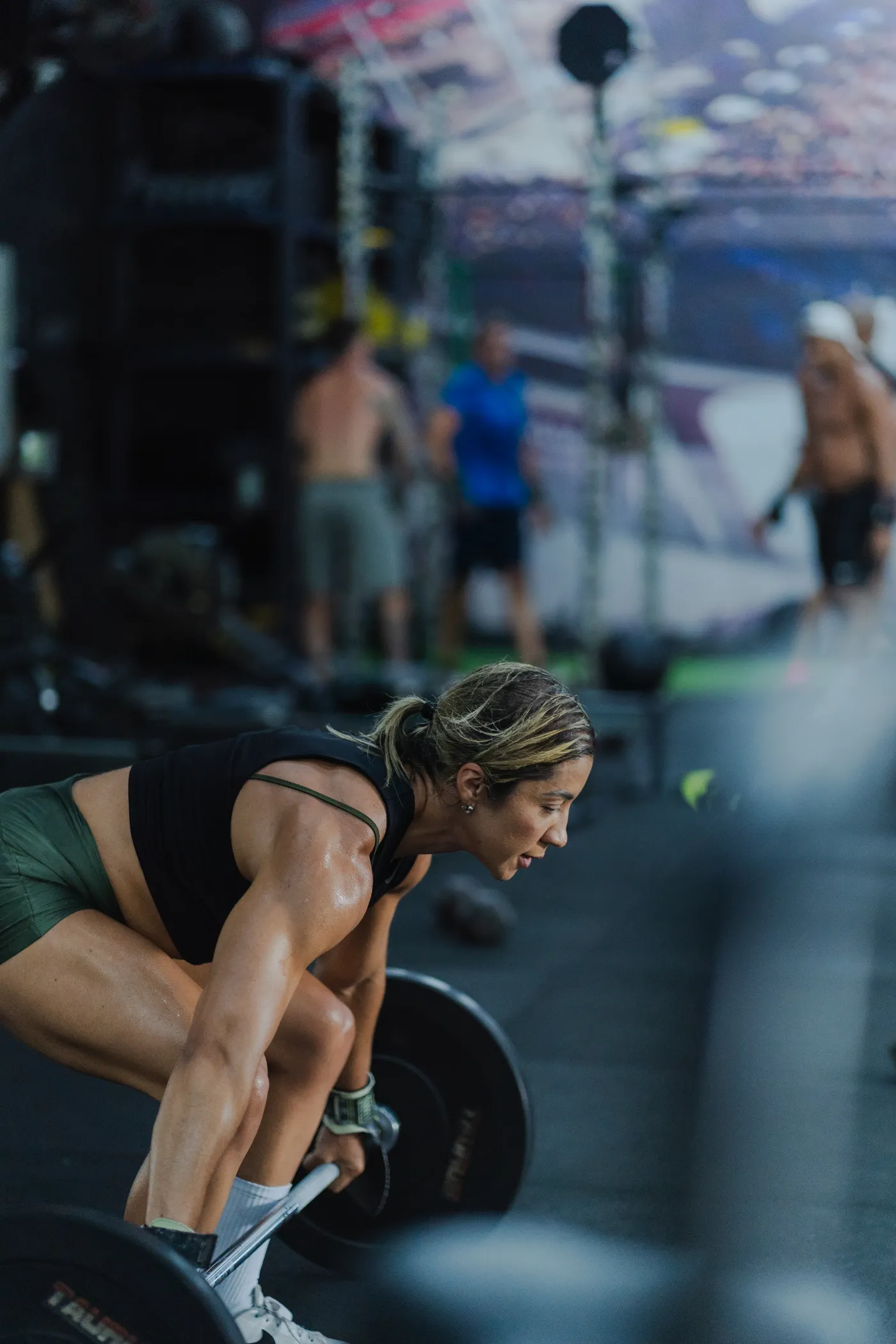
There is a meaningful performance case for lifting, but it deserves precision. A 2024 systematic review and meta-analysis combined 38 studies involving 894 middle- and long-distance runners. High-load resistance training improved outcomes such as time trials and time to exhaustion. Programs combining multiple strength methods also looked promising, although the certainty of evidence ranged from very low to moderate.
A separate synthesis considered running economy, the energy required to maintain a given submaximal speed. It found small average improvements from high-load strength training and benefits from some combined and plyometric approaches. This does not mean that every light circuit or every set of bodyweight squats delivers the same effect. Nor does a more economical stride necessarily mean a large increase in VO2 max.
That distinction is useful. A runner may become more economical by producing force more effectively or coordinating movement better without dramatically changing aerobic capacity. These mechanisms are plausible explanations, not outcomes proven for every athlete in every study. Similarly, adding weight to your squat does not guarantee a predictable number of seconds off a five-kilometer race.
Research participants differ in age, training history, running distance, lifting intensity and weekly workload. An experienced lifter who already squats twice a week may respond differently from a recreational runner beginning resistance training. Rather than copying a professional athlete’s program, introduce a manageable strength stimulus and observe both gym progression and running quality. The goal is better overall performance, not winning an isolated leg-day contest.
Five Strength Moves Worth Knowing
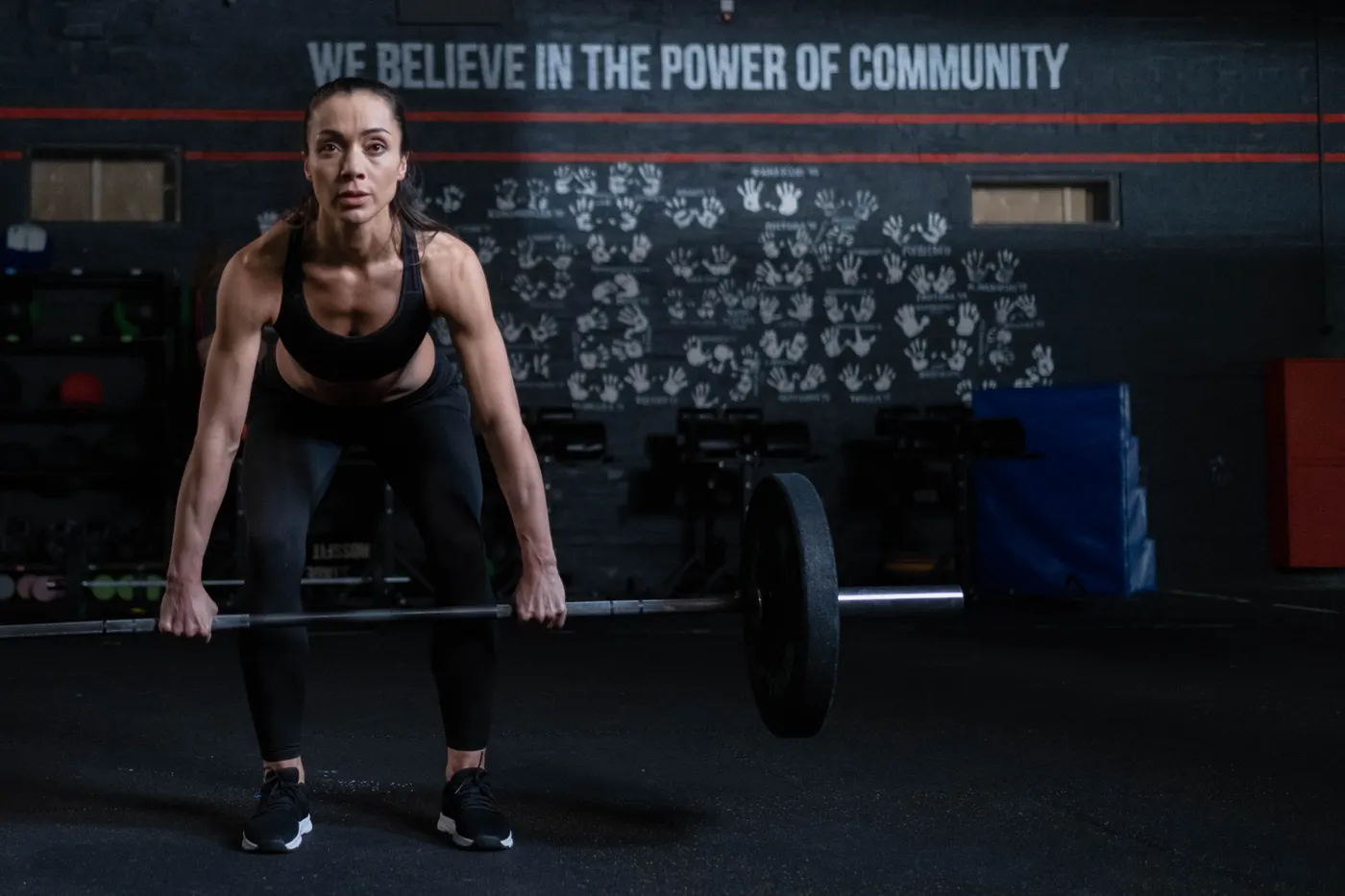
1. Romanian or stiff-leg deadlift: Hold dumbbells or a barbell close to your legs, keep a small knee bend and move the hips backward until the hamstrings feel loaded. Return to standing by extending the hips. Avoid rounding your back to reach the floor. A controlled Romanian deadlift is generally a more forgiving starting variation than an aggressively straight-knee pull.
2. Sumo deadlift: A wider stance with feet turned outward changes the mechanics of the lift and challenges the legs and hips differently. Start with a stance that feels stable rather than forcing extreme width. Keep the weight close and push through the whole foot. If the position irritates your hips, a conventional deadlift or goblet squat is a perfectly reasonable alternative.
3. Dumbbell or kettlebell swing: This is an explosive hip hinge, not an arm raise. The hips accelerate the implement and the arms guide it. Learn the slow hinge first, use a modest weight and stop when speed or control deteriorates. If you cannot maintain a consistent brace, use hip thrusts until the movement is more familiar.
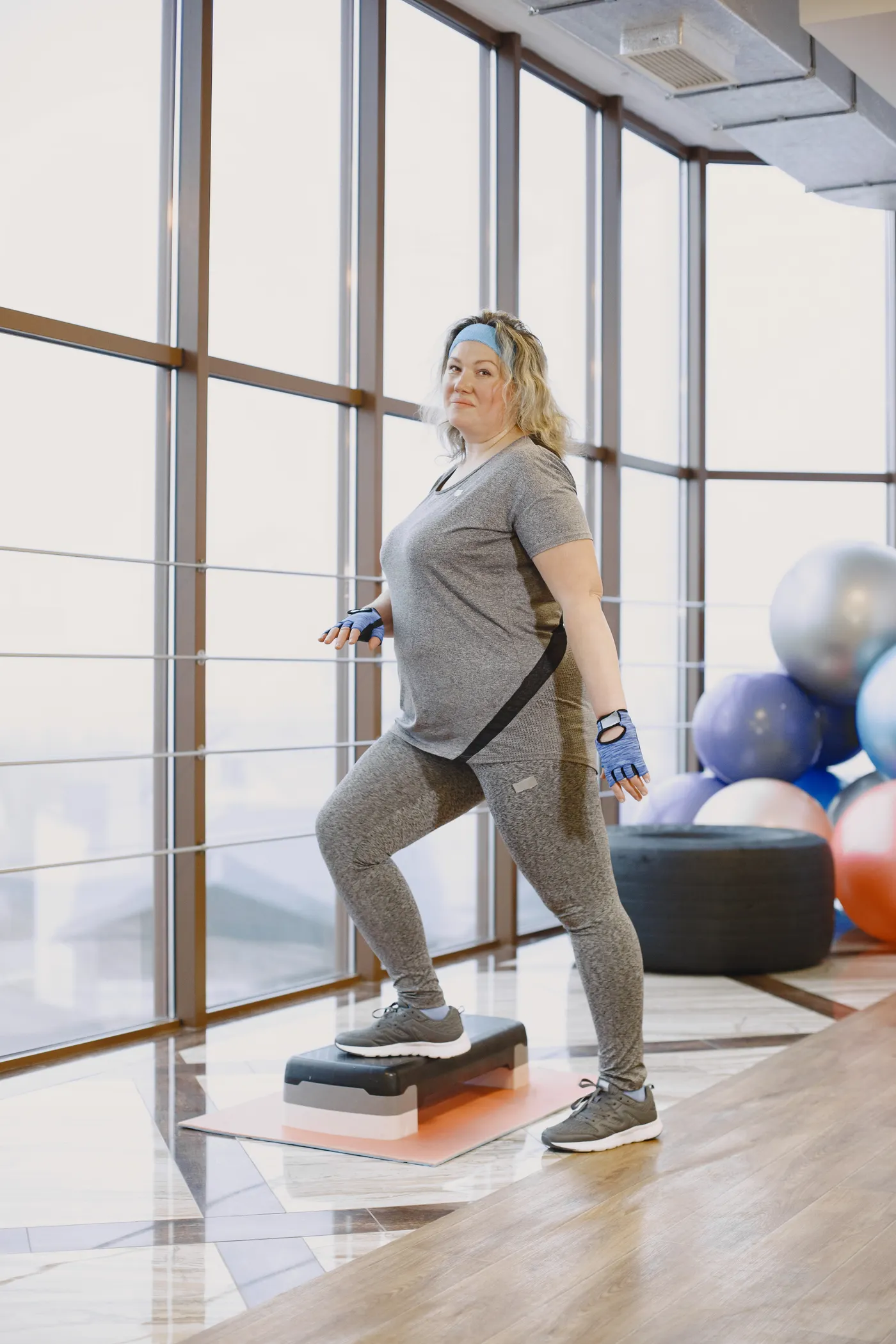
4. Step-up: Place one foot on a secure platform, drive through the working leg and stand tall before lowering slowly. Begin with a lower step rather than a box so tall that you need momentum. Avoid pushing hard off the trailing leg. Load the movement only after you can control the ascent and descent without twisting.
5. Rear-foot-elevated split squat: Support the rear foot on a bench, lower with the front leg and maintain balance. A regular split squat is just as useful when the elevated position feels awkward. Allow the front knee to travel naturally while keeping the heel planted. These five patterns form a menu; a sensible session usually chooses three or four rather than all five.

Equipment Worth Exploring
Explore equipment, accessories and gear from our carefully selected range.


FID Bench MAX
Adjustable bench offering flat, incline, and decline positions + adjustable headrest.


GymPin Squat Wedges
Non-slip 15-degree squat wedges help elevate the heels for deeper quad-focused squats.

Squat Harness
Wearable harness for hands-free cable squats, sled work, and lower-body training.

Why Single-Leg Work Matters, Without the Circus Tricks
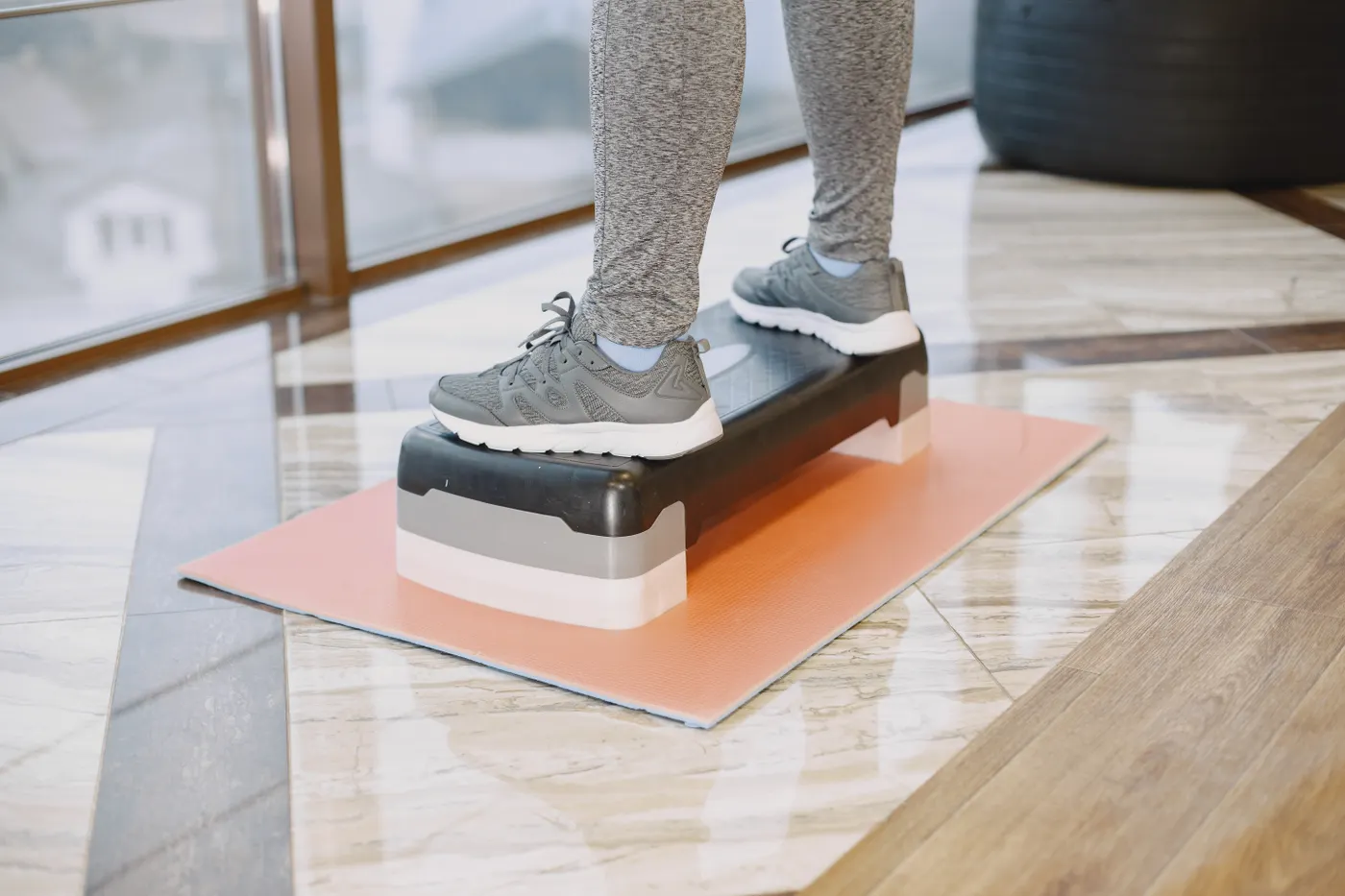
Running alternates support between the legs, which makes unilateral work especially appealing. Step-ups, lunges and split squats require one side to create force while the pelvis and trunk stay reasonably controlled. But standing on an unstable object with a tiny weight is not automatically better than a stable exercise you can progressively load. The target is strength and useful coordination, not difficulty for its own sake.
For step-ups, use a sturdy box and keep most of the effort in the elevated leg. If you have to launch yourself upward using the trailing foot, lower the platform or reduce the load. For split squats, choose a stance that lets the front foot stay flat and the knee follow the toes. A little forward torso lean is not inherently wrong if it is deliberate and controlled.
Some side-to-side difference is normal. Start unilateral sets with the side that feels less coordinated, then match repetitions on the other side. Avoid declaring a permanent muscle imbalance based on one session after a hard run. Compare performance over several weeks, accounting for soreness, fatigue and changes in mileage.
One straightforward workout might pair three sets of Romanian deadlifts with two sets of step-ups on each side. Keep two or three technically sound repetitions in reserve while learning. This gives a meaningful stimulus without demanding maximal effort from every set. If balance is the limiting factor, use a rail or rack upright for light support so the working leg can still be challenged.

Leg Day Shirts & Workout Gear
Leg-day gym shirts and workout gear for lifters who never skip squats, lunges and lower-body punishment.

Legday Gains – Squats & Deadlifts , Top Gymbros & T-Shirt
Heavy lifts, good laughs, and a little “Legday Gains” energy.

Today Is Gonna Be The Day That
Rep “Today Is Gonna Be The Day That I Finally” humor in and out of the gym.

Booty Building Mode Girl Sweater Squats & Leg Day T-Shirt
For laid-back days and gym-girl humor: “Booty Building Mode Gym Girl”.

Funny Minecraft Deadlift | Gym Meme Workout Pullover | T-Shirt
Bring “Minecraft Deadlift” humor to your everyday gym style.

Deadlift Frozen Skull Gym Pullover for Powerlifters, Ha Hoodie
Bring “Deadlift” gym humor to lazy days and post-workout plans.

Deadlift You Must Star Wars Yoda & Leg Day Gains Hoodie
Keep it laid-back with a little “Deadlift You Must” attitude.

Deadlift Military Skull Muscle Shirt for Powerlifters, Tank Top
Add some deadlift attitude to training with “Deadlift”.

BootyBuilder Leg Day & Squats Barbie Meme Athletic Tank Top
Add some leg-day attitude to training with “BootyBuilder”.

Skeleton Deadlift Decal Water Bottles & Gear Meme Sticker
Put “Skeleton Deadlift” gym humor on your laptop, bottle, or gym gear.

Siuuu Deadlift Cristiano Ronaldo Meme Decal Football Sticker
Put “Siuuu Deadlift” gym humor on your laptop, bottle, or gym gear.
Power, Calves and the Limits of Injury Claims
Heavy strength is not the whole story. Running includes brief ground contacts and repeated ankle loading. Controlled calf raises, small hops and eventually more demanding plyometrics can train qualities that a slow deadlift does not. Beginners should start with double-leg calf raises and very small pogo hops rather than high box jumps performed when already exhausted. Increase contacts gradually and stop when landings become noisy or uncontrolled.
Strength training is sometimes advertised as automatic injury prevention, but the evidence is more mixed. In one randomized trial of 325 novice recreational runners, a supervised hip-and-core program was associated with fewer lower-extremity overuse injuries than a stretching comparison over 24 weeks. That finding is encouraging, but it does not establish that any unsupervised leg-day routine will protect every runner.
Another systematic review of exercise-based injury-prevention programs found no statistically significant overall reduction in injury risk or injury rate when results were pooled. Supervised interventions looked more promising in a subgroup, while study quality and adherence remained limitations. A specific positive trial and a mixed broader review can both be true.
Use strength work to improve capacity, not as a shield against every injury. Sudden mileage spikes, previous injuries, sleep and individual health still matter. Pain that changes your gait or continues to worsen deserves assessment rather than more repetitions. Runners recovering from stress fractures, tendon injuries or recent surgery need an individualized loading progression before attempting impact drills or heavy lifting.
How to Schedule Leg Day Around Important Runs
The most important programming choice may be the calendar. If Tuesday contains your hardest intervals and Saturday your longest run, placing a large unfamiliar leg session on Monday or Friday can compromise both. The aim is to protect quality running while keeping enough resistance training to progress. Many runners do better when demanding sessions are grouped intelligently and easy days remain genuinely easy.
One example week is Monday easy run, Tuesday intervals followed later by a short lift, Wednesday recovery, Thursday steady running, Friday moderate strength or rest, Saturday long run and Sunday easy recovery. This is not a mandatory schedule. Some athletes prefer lifting after a hard run, while others benefit from separate days or several hours between activities. If racing performance is the priority, arrange the week around the runs that matter most.
For the first two weeks, keep strength volume deliberately low. Two sets of six to eight repetitions on a main lift and two sets of eight per leg on a step-up may be plenty for someone new to lifting. Experienced athletes can use more, but adding several unfamiliar movements simultaneously makes it difficult to identify what caused excessive soreness.
Judge the session by the following 48 hours as well as by the weights lifted. Persistent heavy legs, slower intervals and worsening easy-run mechanics suggest the dose is too large for the current mileage. Reduce sets before removing strength training altogether. A repeatable 25-minute session is more useful than a 90-minute leg day that disrupts an entire running week.
At home, adjustable dumbbells and a stable bench handle most of these patterns. A barbell and rack add loading capacity, while a jump rope or low-impact conditioning drill can provide variety. None of the equipment replaces planning, gradual progression or adequate recovery.
Equipment Worth Exploring
Explore equipment, accessories and gear from our carefully selected range.


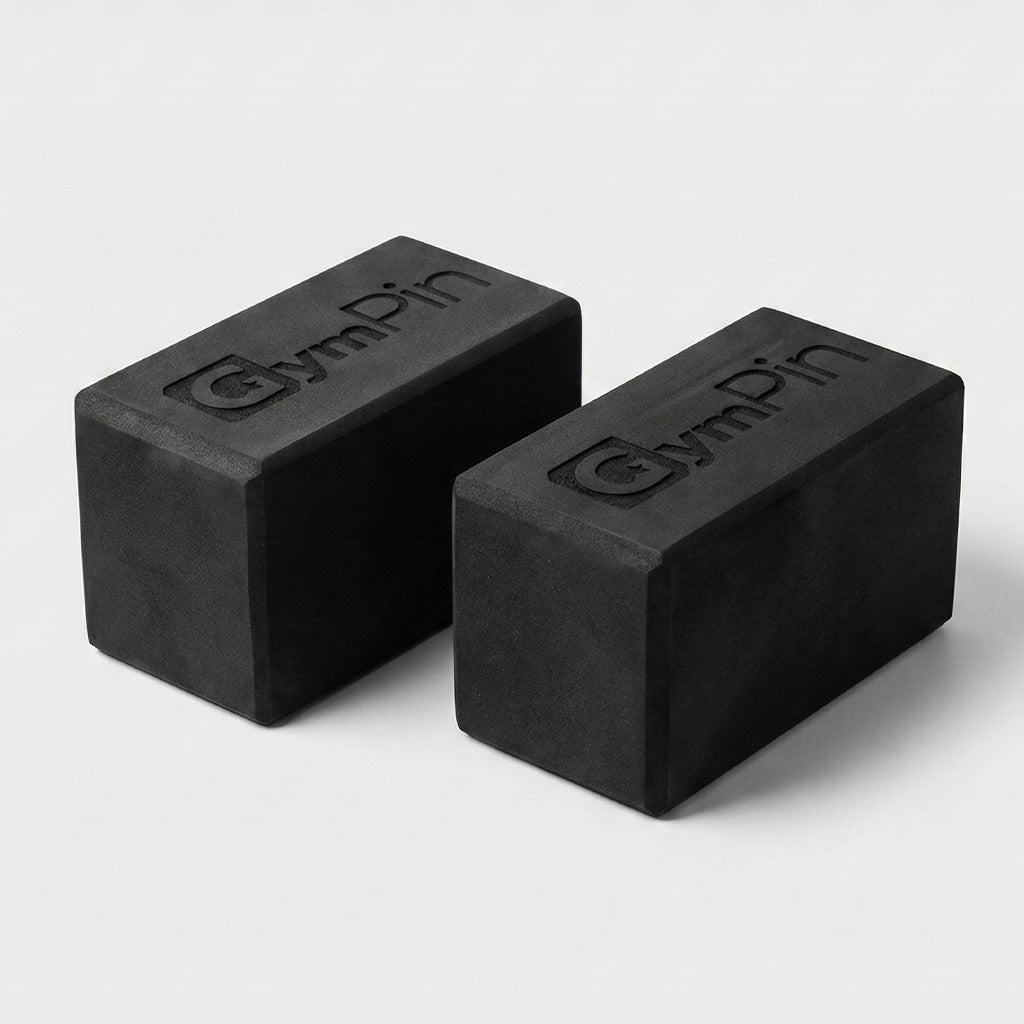
GymPin Starting Blocks
Portable high-density foam blocks for adjusting machine starting positions and range of motion.

Apple Watch Ultra 3
Rugged 49 mm smartwatch with cellular connectivity, GPS and fitness tracking.

Powerbeats Fit
Secure-fit wireless workout earbuds with active noise cancellation and a charging case.


A Practical Six-Week Two-Day Leg Plan for Runners
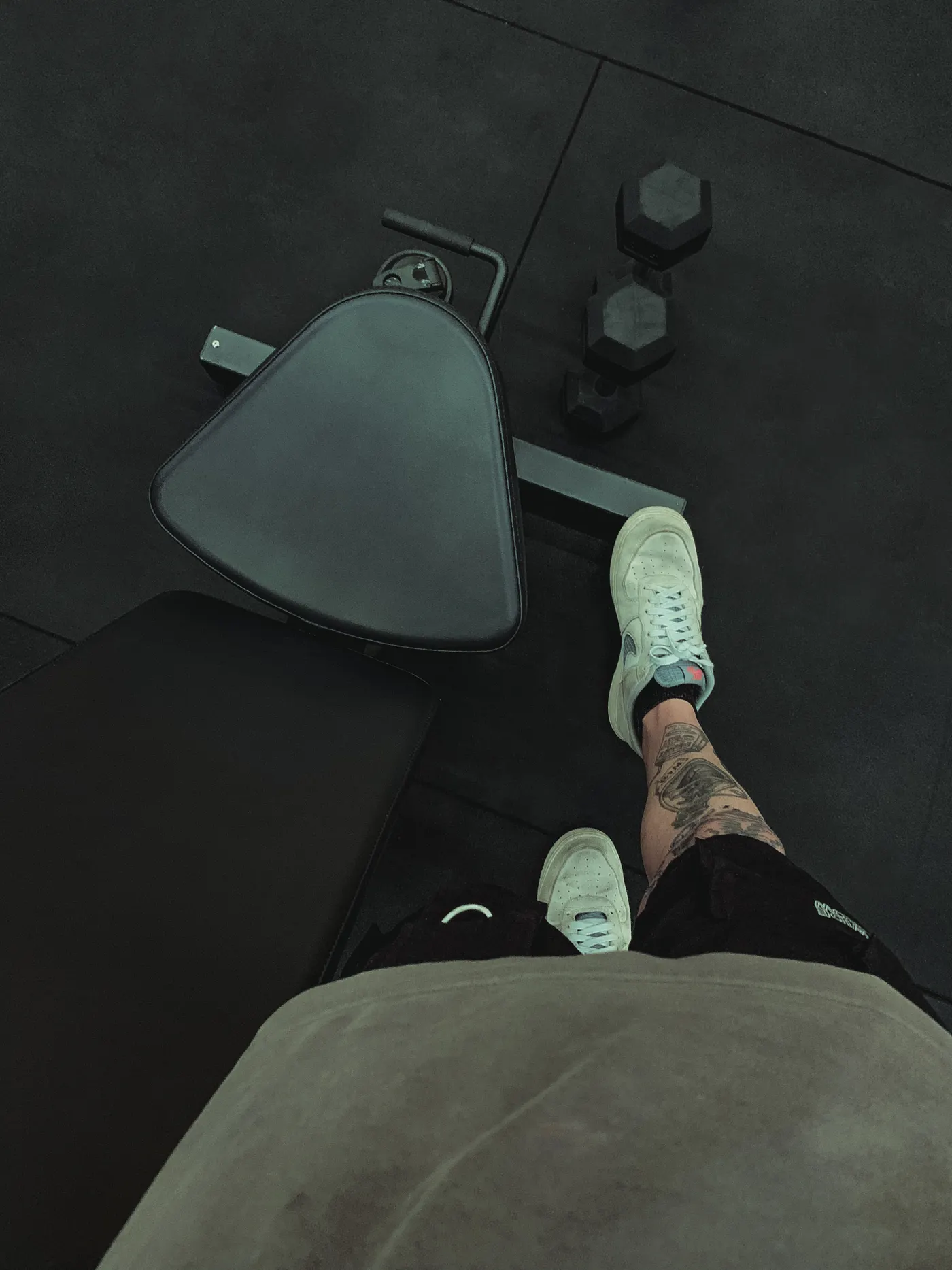
The following is a practical example, not a research protocol tested exactly as written. It assumes you can already run comfortably and have no current injury that limits lower-body exercise. Warm up with five minutes of easy movement and perform lighter practice sets before your first working weight. Leave recovery time between the two lifting sessions when possible.
Day A – hinge and unilateral control: Romanian deadlift, two or three sets of six to eight; step-up, two sets of six to eight per leg; standing calf raise, two sets of ten to fifteen; side plank, two controlled holds per side. Rest around 90 to 180 seconds after challenging sets. Choose loads that leave two or three technically sound repetitions in reserve.
Day B – squat and hip power: Goblet squat or comfortable sumo deadlift, two or three sets of six to eight; reverse lunge or rear-foot-elevated split squat, two sets of six to eight per leg; controlled hip thrust, two sets of eight to twelve. Optional: two sets of ten to fifteen low pogo contacts if your calves and tendons tolerate impact. Jumps are not required to benefit from the plan.
Weeks 1-2: Use the lower end of the set ranges, learn the movements and record how the next run feels. Weeks 3-4: Add a repetition or a small amount of weight to one or two movements if technique and running remain stable. Weeks 5-6: Progress another small step or add one set to a main lift. Do not increase weight, volume and jumping contacts all at once. Reduce lifting volume substantially during race week.
If mileage rises sharply, scale the strength dose down. If you are returning from a break, start with bodyweight step-ups and light hinges. You do not need to be sore to improve, and you do not need to choose between being a runner and being strong. The best leg day is the one that supports the next month of running instead of dominating the next two days.
Cardio Shirts & Workout Gear
Cardio and conditioning gym gear for runners, endurance athletes and anyone who earns the sweat.


Running Dost Thou Even Trot Medieval Treadmill Crewneck T-Shirt
Show some gym-day personality with “Running”.

Chucky's Cardio Nightmare Gym | Funny Workout Horror Pu T-Shirt
For laid-back days and cardio humor: “Chucky's Cardio Nightmare”.

Cardio Speed Superhero Gym Funny Treadmill Running Hood Hoodie
Make your off-duty look more fun with “Cardio Speed Superhero”.

Rowing – Dost Thou Even Row Medieval Knight Pullover fo Hoodie
Show off your medieval humor in a laid-back “Rowing” hoodie.

Hybrid Athlete – Iron Man Medieval Triathlon Muscle Shi Tank Top
Bring “Hybrid Athlete” humor to your next lifting session.

Jigsaw'S Cardio Session Horror Killer Spin Class Vest Tank Top
Bring “Jigsaw's Cardio Session Horror” humor to your next lifting session.

Track Panther Black Panther Running Decal Workout for F Sticker
Stick a little “Track Panther” humor on your favorite gear.

Chucky Spin Class Horror | Scary Cardio Gym Meme Decal Sticker
Put “Chucky Spin Class Horror” gym humor on your laptop, bottle, or gym gear.