The afterburn effect sounds like a shortcut: finish an intense workout, go about your day, and keep burning calories at an elevated rate. There is a real physiological process behind that idea, called excess post-exercise oxygen consumption, or EPOC. The misleading part is the suggestion that a hard session creates an enormous bonus calorie burn that makes the work performed during the workout almost irrelevant.
Intensity, session duration, training status and the length of the recovery measurement all change the result. For people who lift, run or do intervals, the useful questions are more practical: how much extra energy does recovery actually cost, which workouts produce it, and is maximizing that number worth sacrificing performance or recovery? The answers are less dramatic than the marketing, but much more useful for programming.
What EPOC actually measures after exercise

EPOC is the oxygen consumed above your normal resting level after a bout of exercise. Your breathing and circulation do not instantly return to baseline when the final repetition or sprint ends. The body is still restoring its internal conditions, including replenishing high-energy compounds, managing body temperature and supporting ongoing recovery processes. Those processes require energy, so oxygen use can remain elevated for a period after the session.
There is a faster early component, when breathing, circulation and immediate energy stores recover, and a slower component affected by factors such as exercise intensity and temperature. Calling the whole process an “oxygen debt” is a convenient metaphor, but it should not imply that every calorie expended in recovery is simply repayment for oxygen missed during a sprint. The physiology is more complex than a single debt balance.
Crucially, EPOC is an increment above resting energy expenditure. Your body would burn calories while sitting on the sofa anyway. If a tracker counts all calories burned during the next three hours and calls them afterburn, it inflates the effect by including ordinary resting metabolism. The meaningful number is the extra expenditure compared with the same recovery period without that exercise session.
How many extra calories does the afterburn effect add?
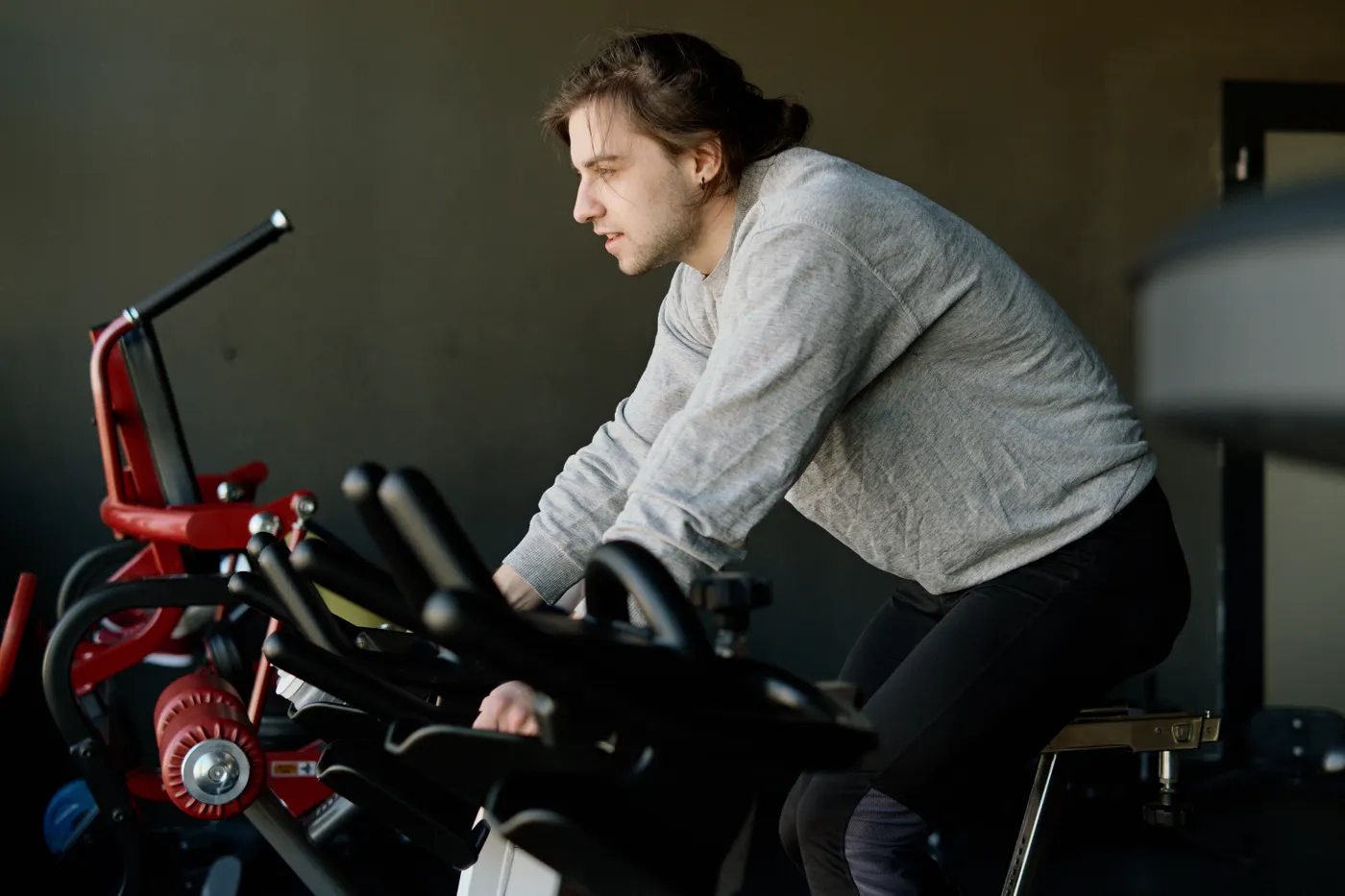
In a review comparing interval exercise with moderate continuous exercise, 22 studies were included. For shorter observation windows that properly subtracted resting expenditure, average EPOC was roughly 136 kilojoules after high-intensity intervals versus 101 kilojoules after moderate continuous work. That difference is about eight kilocalories. Longer observation windows reported about 289 versus 159 kilojoules, a difference near 31 kilocalories. These are group averages across different protocols, not promises for an individual workout.
The larger number does not mean intervals always burn more calories overall. A 45-minute steady session may consume substantially more energy during exercise than a brief interval workout, even when the shorter workout produces a somewhat bigger recovery bump. The right comparison is exercise calories plus incremental EPOC, with session length and effort made explicit.
It also matters whether studies monitored recovery for 30 minutes, three hours or longer. A measurement that ends early misses later energy use; one that includes resting calories exaggerates the bonus. Research methods vary enough that a single universal “afterburn percentage” is not scientifically defensible. Treat online claims of hundreds of guaranteed bonus calories from a short workout as marketing unless a specific protocol and valid measurement support them.

Equipment Worth Exploring
Explore equipment, accessories and gear from our carefully selected range.


Apple Watch Ultra 3
Rugged 49 mm smartwatch with cellular connectivity, GPS and fitness tracking.

Powerbeats Fit
Secure-fit wireless workout earbuds with active noise cancellation and a charging case.


VOLTRA
Compact digital cable trainer with smooth, adjustable resistance.

Go-Tone Pro
Portable digital cable trainer with up to 66 lb (30 kg) of adjustable resistance.

HIIT versus steady cardio: which produces more EPOC?

Hard intervals repeatedly raise energy demand faster than the aerobic system can meet it alone. The recovery between efforts, and the recovery after the session, both require energy. That helps explain why sprint intervals and high-intensity interval training often produce greater EPOC than easier continuous exercise when the comparison is carefully controlled. A study of middle-aged adults also found higher post-exercise oxygen consumption following interval protocols than after a resting control condition.
But “more afterburn” and “better workout” are different claims. Moderate cycling, brisk walking and steady running can provide a large aerobic training dose with relatively manageable fatigue. Intervals can improve cardiorespiratory fitness efficiently, yet their muscular, cardiovascular and perceived-effort costs are higher. A workout that leaves you unable to complete tomorrow’s lifting session may be a poor bargain if the only reason you chose it was an extra handful of recovery calories.
For a practical interval day, warm up thoroughly, then try six rounds of one minute hard followed by two minutes easy on a bike or similar machine. The hard minute should be challenging but controlled, not an all-out sprint. Progress first by making the hard efforts consistent; only later increase rounds or intensity. On other days, use conversational-pace cardio to build capacity without constantly accumulating high-intensity fatigue.

Cardio Shirts & Workout Gear
Cardio and conditioning gym gear for runners, endurance athletes and anyone who earns the sweat.

Shirt – Human Torch Burn Calories Superhero Comic T-Shirt
Rep “Human Torch Burn Calories” humor in and out of the gym.

Cardio Speed Flash Superhero Running, Treadmill & – T-Shirt
Rep “Cardio Speed Flash Superhero” humor in and out of the gym.

Fit And Fitter : Dumb And Dumber Gymbro Cardio & T-Shirt
Show some cardio attitude with a playful “Fit and Fitter” tee.

Burpees Bad Breaking Bad Shirt – Meme & Cardio Haters T-Shirt
Show some cardio attitude with a playful “Burpees Bad Breaking Bad” tee.

Shirt – I Want You To Do Cardio Uncle Sam Patriotic T-Shirt
Heavy lifts, good laughs, and a little “I Want You To Do Cardio Uncle Sam Patriotic” energy.

Skip Cardio Exit Cardio Meme Vest Tank Top
Add some cardio attitude to training with “Skip Cardio”.

Straight Outta Shape – Out Of Shape Meme T-Shirt
Add a playful “Straight Outta Shape” touch to your casual rotation.

Cardio Sucks Negative Review 1 Star Hooded Hoodie
Show off your cardio humor in a laid-back “Cardio Sucks” hoodie.

Cardio Is Calling Decline Decal Water Bottles Meme Sticker
A fun “Cardio Is Calling” touch for bottles, laptops, and lockers.

Anti Jump Rope Jump Rope Club Shirt Meme Cardio & T-Shirt
Heavy lifts, good laughs, and a little “Anti Jump Rope Jump Rope Club” energy.
Does heavy lifting create an afterburn effect too?
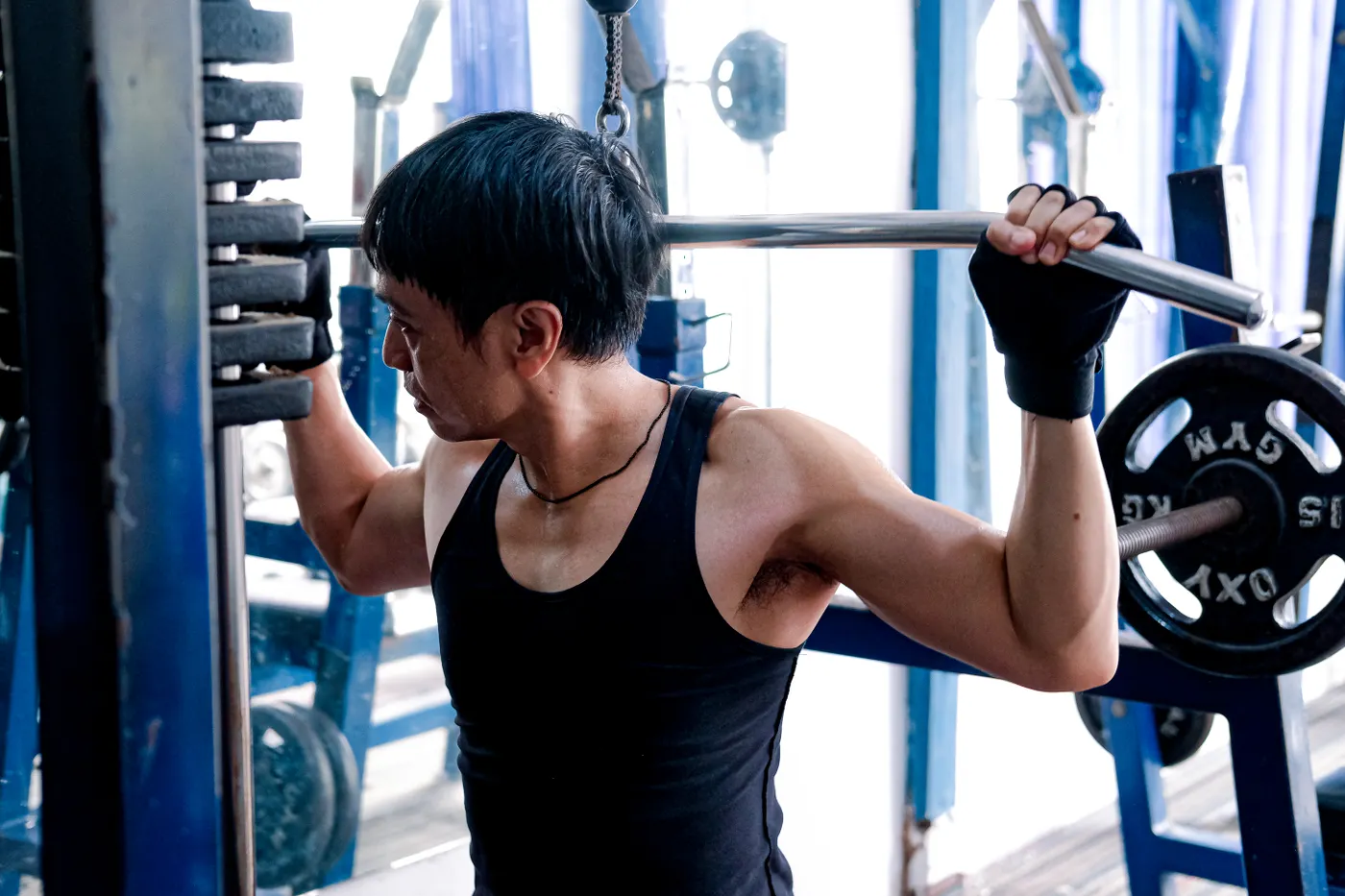
Yes. Resistance training can increase oxygen consumption after exercise, particularly when a session includes substantial muscle mass, challenging loads and enough total work. Compound movements such as squats, presses, rows and hinges recruit many muscles, while circuits add a cardiovascular demand. However, the afterburn response does not directly tell you how much muscle a session will build, or whether it was well designed for strength.
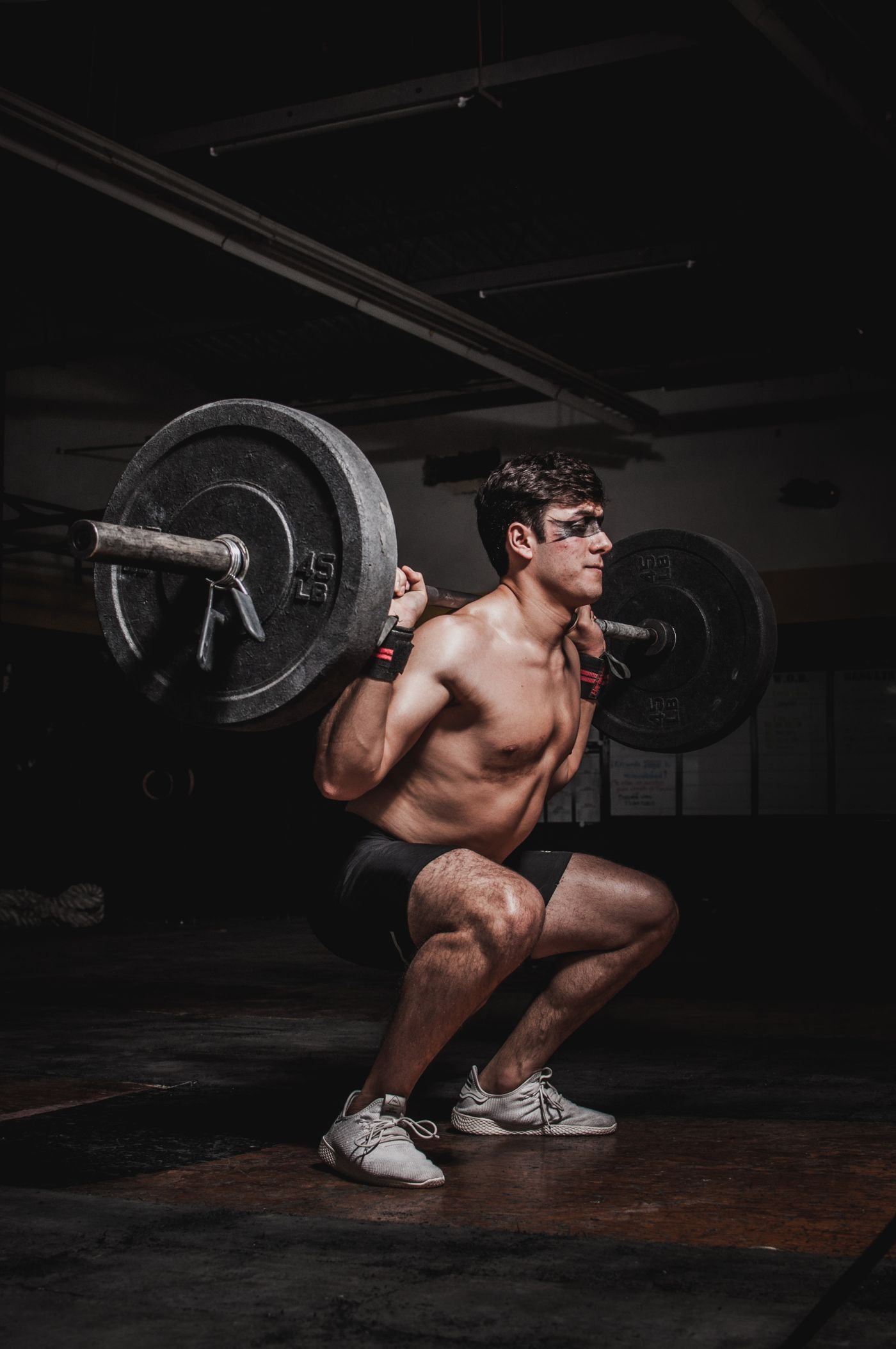
A systematic review of resistance-training EPOC found that training volume influenced both the magnitude and duration of the response, while workload appeared to affect its size. Shorter rests sometimes increased measured EPOC, but did not necessarily improve overall energy expenditure. That distinction matters: rushing between heavy sets can reduce the weight or repetitions you can perform. For hypertrophy or strength, the quality of hard sets and your ability to progress over weeks usually deserve priority over a slightly higher recovery oxygen reading.
If you want a conditioning effect alongside lifting, put it where it fits the goal. You might keep two or three minutes between demanding squat sets, then use a short, moderate circuit of carries, sled work or easier accessory exercises after the main lifts. Do not convert every barbell session into a breathless race just because an elevated heart rate looks productive on a watch.
The calorie math that matters more than afterburn
Imagine two sessions. One is a 20-minute interval ride that burns a modest amount during the workout and adds a measurable EPOC afterward. The other is a 50-minute comfortable ride that creates less EPOC per minute but burns more energy while you are moving. Either could have a higher total depending on body size, output and intensity. Without measuring the actual sessions, declaring the interval ride the superior fat-loss workout is guesswork.
Exercise also influences appetite, daily movement and fatigue. Some people naturally sit more after a very hard workout, reducing other activity. Others find moderate exercise easier to repeat consistently. A sustainable calorie deficit, adequate protein, resistance training to preserve muscle and sufficient sleep are more consequential for long-term body composition than trying to squeeze every possible calorie from recovery.
Wearables can help you compare your own workload over time, but their calorie estimates are not laboratory EPOC measurements. Heart rate alone cannot precisely separate resting metabolism, active energy cost and post-exercise recovery expenditure. Use a watch to track session duration, effort and trends, not to justify a large extra meal because a screen claimed your metabolism stayed elevated for hours.
Equipment Worth Exploring
Explore equipment, accessories and gear from our carefully selected range.


Leather Lifting Straps
Padded leather straps support grip during heavy rows, deadlifts and pulling exercises.

Squat Harness
Wearable harness for hands-free cable squats, sled work, and lower-body training.

Why recovery should set the ceiling for intensity

Very hard exercise produces a strong immediate signal, but training adaptations happen when that stress is followed by enough recovery. If interval sessions repeatedly compromise sleep, leave your legs heavy for important strength work or make easy cardio feel unusually difficult, more intensity is unlikely to be the answer. A bigger afterburn reading cannot compensate for lower-quality training across the week.
Beginners do not need maximal intervals to make progress. Start with regular walking, cycling or other manageable aerobic work and two strength sessions each week. As fitness improves, one interval day can be introduced gradually. Experienced lifters can place conditioning away from their hardest lower-body sessions, or use a low-impact bike rather than adding sprinting when joints and tendons are already heavily loaded.
Recovery is not a fixed 48-hour rule for every person and every workout. The necessary gap depends on the actual session, experience and individual response. Use practical signs: stable performance, reasonable soreness, normal sleep and motivation to train. If you have cardiovascular symptoms, an unmanaged medical condition or are returning after a long inactive period, obtain appropriate clinical guidance before trying maximal efforts.
Bodybuilding Shirts & Workout Gear
Bodybuilding shirts, tanks and gym gear for lifters chasing muscle, size, symmetry and the pump.

Shirt – I Want You To Lift Weights Uncle Sam T-Shirt
Make gym days more fun with “I Want You To Lift Weights Uncle Sam” style.


Bro Science Graph Shirt – Essential & Gains T-Shirt
Heavy lifts, good laughs, and a little “Bro Science Graph” energy.

Heavy Weights And Protein Shakes T-Shirt
Make gym days more fun with “Heavy Weights and Protein Shakes” style.

Heavy Barbell – Meme Shirt & Top T-Shirt
Make gym days more fun with “Heavy Barbell Powerlifting Graphic” style.

Installing Muscles Meme – Jumper T-Shirt
Bring “Installing Muscles Gym Meme” humor to your everyday gym style.

Bending Bars Meme Breaking Bad Sweater Barbell T-Shirt
For laid-back days and powerlifting humor: “Bending Bars Gym Meme”.

Dadlift Dad Gains Meme Hooded Hoodie
Stay casual and show some powerlifting attitude with “Dadlift”.

Weights Breakfast Pancake Plates Morning Tank Top
Train hard, laugh a little, and rep “Weights For Breakfast”.

Smash Weights She-Hulk Girls & Booty Builders Vest Tank Top
Bring “Smash Weights” humor to your next lifting session.
A balanced week that uses intensity without chasing it
A sensible template is two full-body lifting days, one interval session and two easy aerobic days, with flexibility to move or remove sessions. For example: Monday full-body strength; Tuesday easy 30-minute walk or cycle; Wednesday rest or mobility; Thursday interval cycling with a proper warm-up and cool-down; Friday full-body strength; Saturday 30 to 45 minutes of comfortable aerobic exercise; Sunday rest. The plan is a starting point, not a requirement to train six days.
On strength days, choose a squat or leg press, a hinge, a push, a pull and a smaller accessory movement. Perform roughly two or three challenging sets per movement, leaving enough repetitions in reserve to keep technique solid. On the interval day, make the hard efforts repeatable rather than maximal. On easy days, aim for a pace that still allows full sentences. If you already train hard in a sport, count those demanding sessions before adding anything new.
Review the plan after two weeks. Are loads or repetitions improving? Can you finish the interval session at a consistent pace? Are you recovering for the next important workout? Those are stronger indicators of a useful program than an estimated post-workout calorie spike. EPOC is real, but it is a secondary consequence of training, not a goal worth reorganizing your entire routine around.