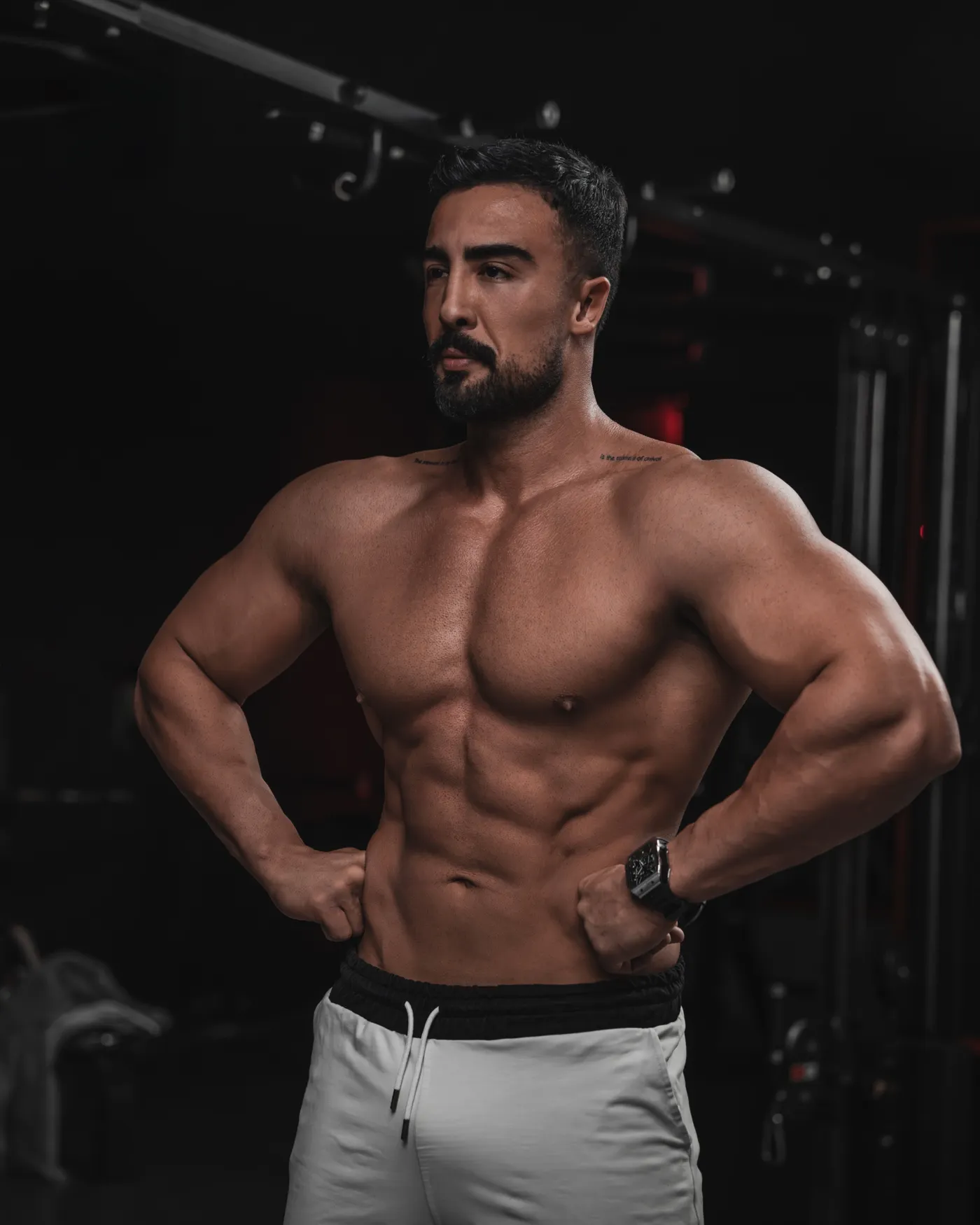
A visible six-pack in four weeks sounds like a simple deadline: train hard, eat clean, repeat. Reality is more individual. Someone with developed abdominal muscles and little fat to lose may notice dramatic definition in 28 days. Someone starting farther away can make meaningful progress without revealing every abdominal segment. Both outcomes can represent success.
Why a 28-day six-pack depends on your starting point
Visible abs depend on abdominal muscle size and the tissue covering those muscles. Genetics influence fat distribution, how the tendons divide the rectus abdominis into blocks, and how lean someone must become before definition appears. Lighting, posture, hydration, a recent meal and muscle contraction can change a photograph without changing actual body composition.
Two people with similar body weights or estimated body-fat percentages may look different. There is no reliable universal percentage at which every person suddenly develops a six-pack. Consumer scales, calipers and laboratory methods have different measurement errors. Treat a single percentage as an estimate rather than a countdown to guaranteed definition.
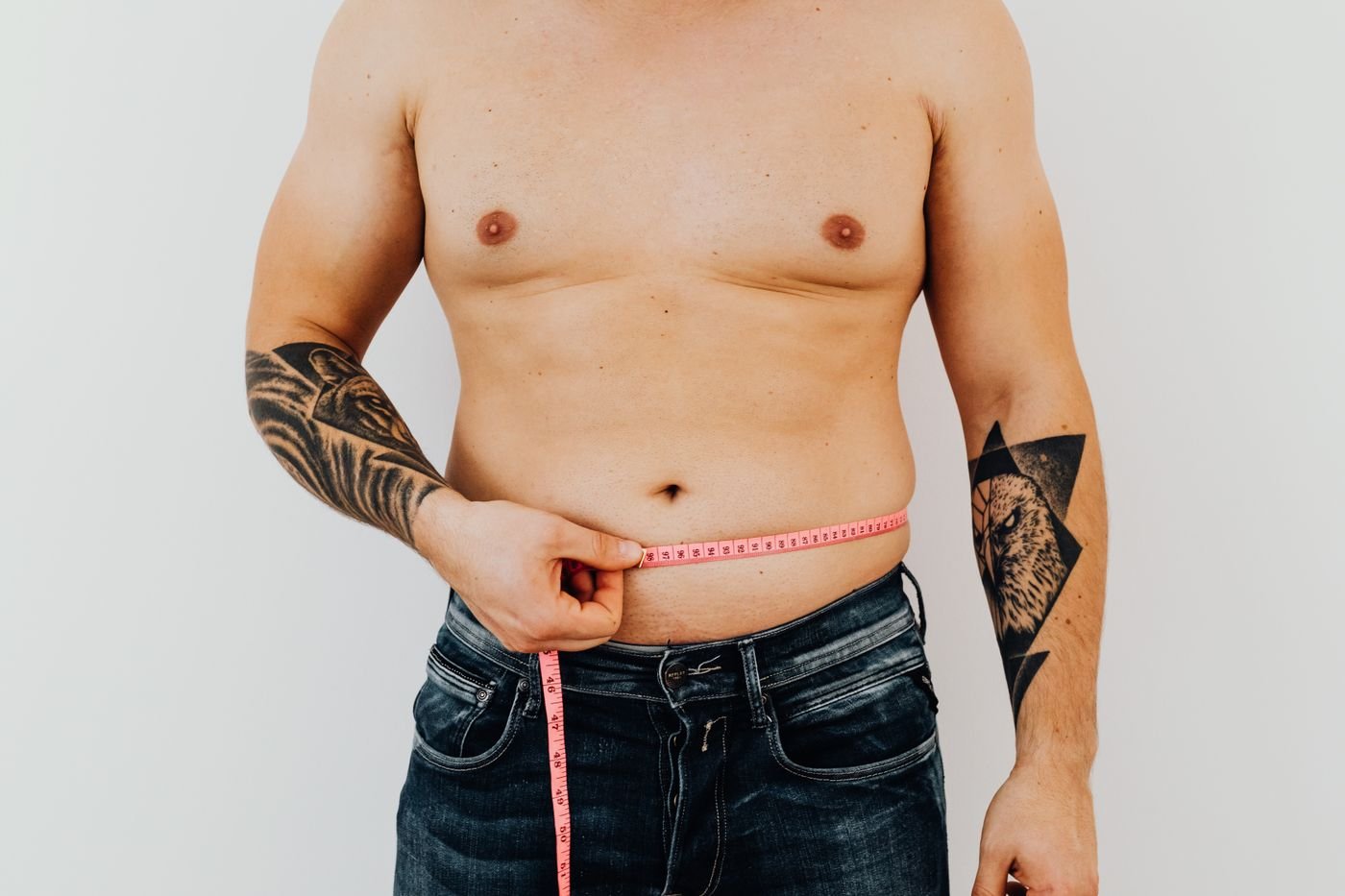
Use four weeks as a measurable block, not a final verdict. Establish a baseline with a waist measurement, several morning weigh-ins and repeatable gym performance markers. A photograph under consistent conditions can help if you enjoy visual tracking, but it is optional. If appearance tracking increases anxiety, prioritize strength, energy and wellbeing.
A routine that survives beyond day 28 is more valuable than a dramatic image produced through dehydration or crash dieting. An improving waist trend, stronger trunk and consistent meals are meaningful even when the mirror changes slowly. Make the process sustainable before chasing a particular look.
How much fat can actually disappear in four weeks?
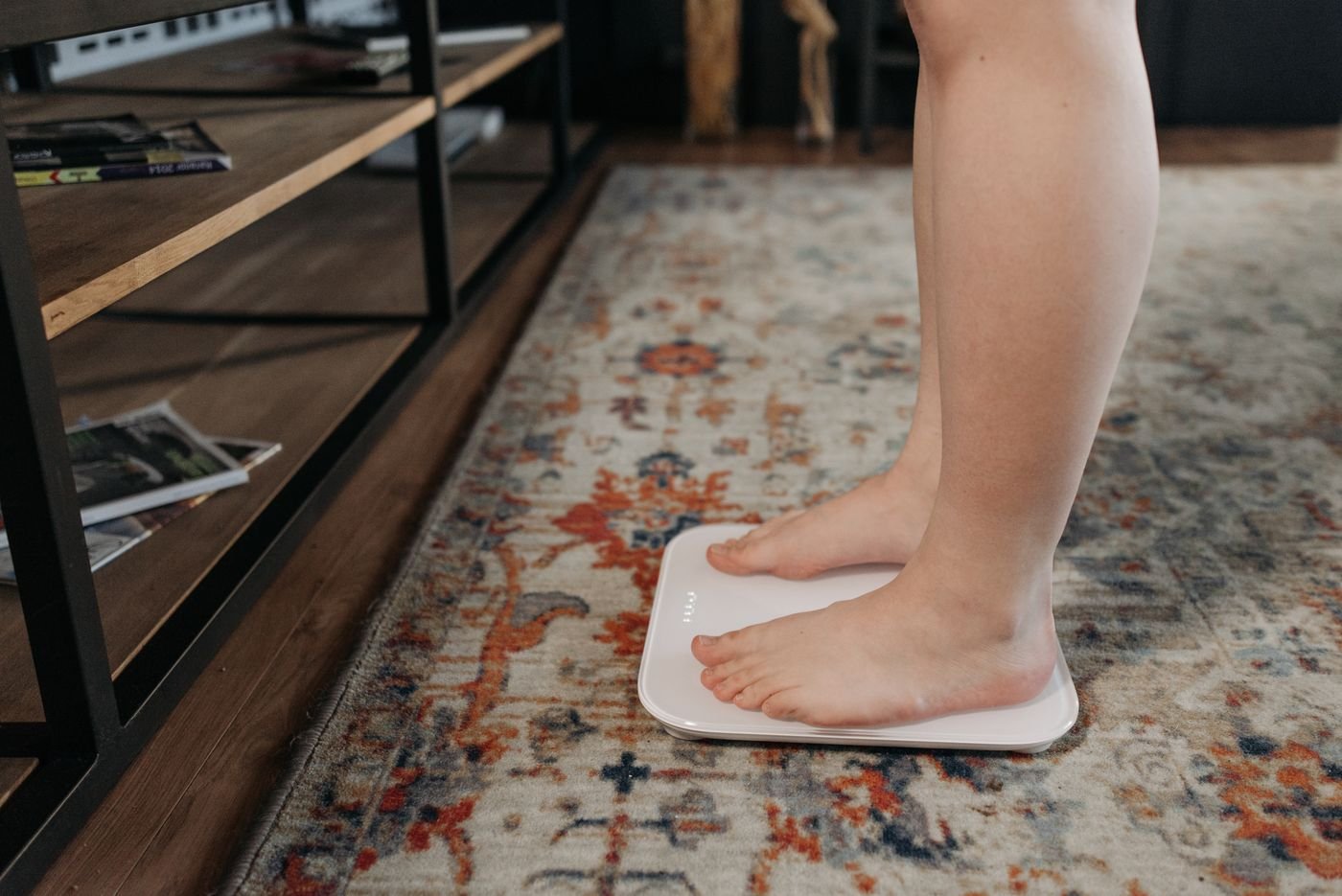
Fat loss requires a sustained energy deficit, but the bathroom scale does not directly measure fat. Glycogen binds water. Carbohydrate intake, sodium, inflammation, digestion and training stress can shift weight quickly. A large first-week drop is not necessarily all fat, and a salty meal can temporarily conceal genuine progress.
A common gradual-loss guideline for adults who need to lose weight is approximately one to two pounds per week. Four weeks at that pace might mean four to eight pounds of scale-weight change, not a guaranteed amount of fat or a guaranteed six-pack. Already-lean lifters often need a slower pace to protect muscle and recovery. People who do not need to lose weight should not treat that range as a target.
Imagine a 90-kilogram lifter hoping to lose three kilograms. A calorie calculation can illustrate the intended deficit but cannot predict the result precisely. Expenditure changes with activity and body mass, food labels are imperfect, and the composition of weight lost varies. Start with a sensible intake estimate and adjust from a two-week trend, not one morning’s reading.
Look for a gradually declining waist measurement, plausible weight averages and mostly stable lifting performance. If the scale falls rapidly while strength, sleep, concentration and mood deteriorate, the cost may be too high. If weight stays steady but the waist decreases and lifts hold up, do not dismiss that progress. Water shifts and recomposition can obscure short-term changes.
Do not assume a rapid first month can continue indefinitely. Early fluid losses often slow as the body adapts. A measured approach beats doubling cardio whenever the scale pauses for three days.

Equipment Worth Exploring
Explore equipment, accessories and gear from our carefully selected range.
VOLTRA
Compact digital cable trainer with smooth, adjustable resistance.

Go-Tone Pro
Portable digital cable trainer with up to 66 lb (30 kg) of adjustable resistance.


FID Bench MAX
Adjustable bench offering flat, incline, and decline positions + adjustable headrest.


Power Tower
Freestanding pull-up and dip station with adjustable handles for bodyweight training.


Nutrition that supports fat loss and muscle retention
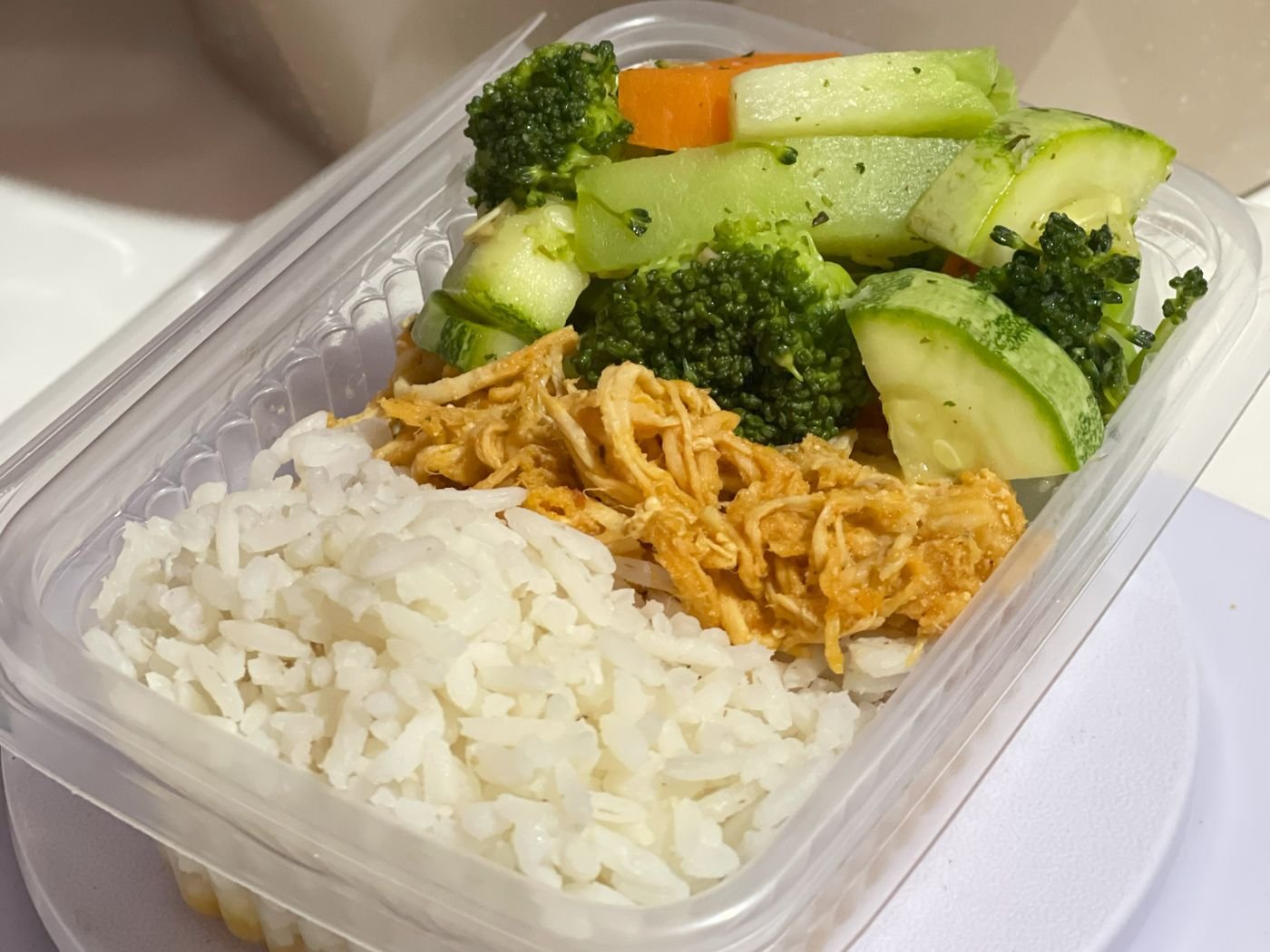
The best nutrition strategy is rarely the most dramatic. Start with meals that make energy intake manageable without leaving you hungry all day. Protein-rich foods, vegetables, fruit, high-fiber carbohydrates and reasonable portions of fats can all fit. You do not need to eliminate bread, rice, fruit or enjoyable meals to lose fat. A miserable four-week menu rarely becomes a sustainable routine.
Protein matters when lifting during a calorie deficit. Controlled research suggests that intakes above the basic adult allowance can help preserve lean mass during energy restriction. Resistance-training analyses also indicate diminishing returns as total daily intake rises. For many active adults, roughly 1.4 to 2.0 grams per kilogram of body weight daily is a useful planning range, with individual needs varying.
For a 75-kilogram lifter, that translates to about 105 to 150 grams daily. Spread protein across meals to suit appetite and schedule. A shake is convenient if food makes the target difficult, but has no special fat-burning effect. Carbohydrates support productive workouts, especially when you train several days weekly. Cutting them aggressively can create a quick water-weight drop without equivalent fat loss.
Choose a moderate initial calorie reduction instead of an arbitrary crash-diet number. Keep a few meals repeatable, measure portions occasionally and allow flexibility for social eating. Consistency over a month matters more than perfect compliance with a restrictive menu. A missed meal plan is not a reason to compensate by starving the next day.
People with diabetes, pregnancy, a history of disordered eating or medications affecting appetite or glucose should seek individualized clinical advice. Visible abs are an optional aesthetic goal, not a prerequisite for health.

Funny Gym Shirts & Workout Gear
Funny gym shirts, tanks, hoodies and workout gear for lifters who like training hard.

Check Out My Six Pack Donut – Donut Meme Vest Muscle Sh Tank Top
Show some personality between sets with “Check Out My Six Pack Donut”.

Check Out My Six Pack Tacos – Taco Six Pack Meme Decal Sticker
Stick a little “Check Out My Six Pack Tacos” humor on your favorite gear.

Shredded Cheese – Muscle Meme Pullover Jumper For Chees T-Shirt
Add a playful “Shredded Cheese” touch to your casual rotation.

with Protein Shaker Print | Bodybuilding Muscle Shirt Tank Top
Train hard, laugh a little, and rep “with Protein Shaker Print”.

Bear Protein : Hilarious Meme Hooded Hoodie
Stay casual and show some bodybuilding attitude with “Gym Bear Protein”.

Bulking Season Donut Dumbbell Donuts Barbell Bulk T-Shirt
For laid-back days and donut-loving humor: “Bulking Season Donut Dumbbell Donuts”.

Pizza Dumbbell Barbell Bulk T-Shirt
Rep “Pizza Dumbbell Barbell” humor in and out of the gym.

Mr. Lean Meme – & Gymbros – Top & T-Shirt
Make gym days more fun with “Mr. Lean Gym Meme” style.

Extra Fries Mishearings Sweater Meme Top T-Shirt
Keep things casual with a little “Extra Fries” attitude.

I So I Can Eat Cookies Jumper T-Shirt
Keep things casual with a little “I Workout So I Can Eat Cookies” attitude.
Lift to preserve muscle while losing weight
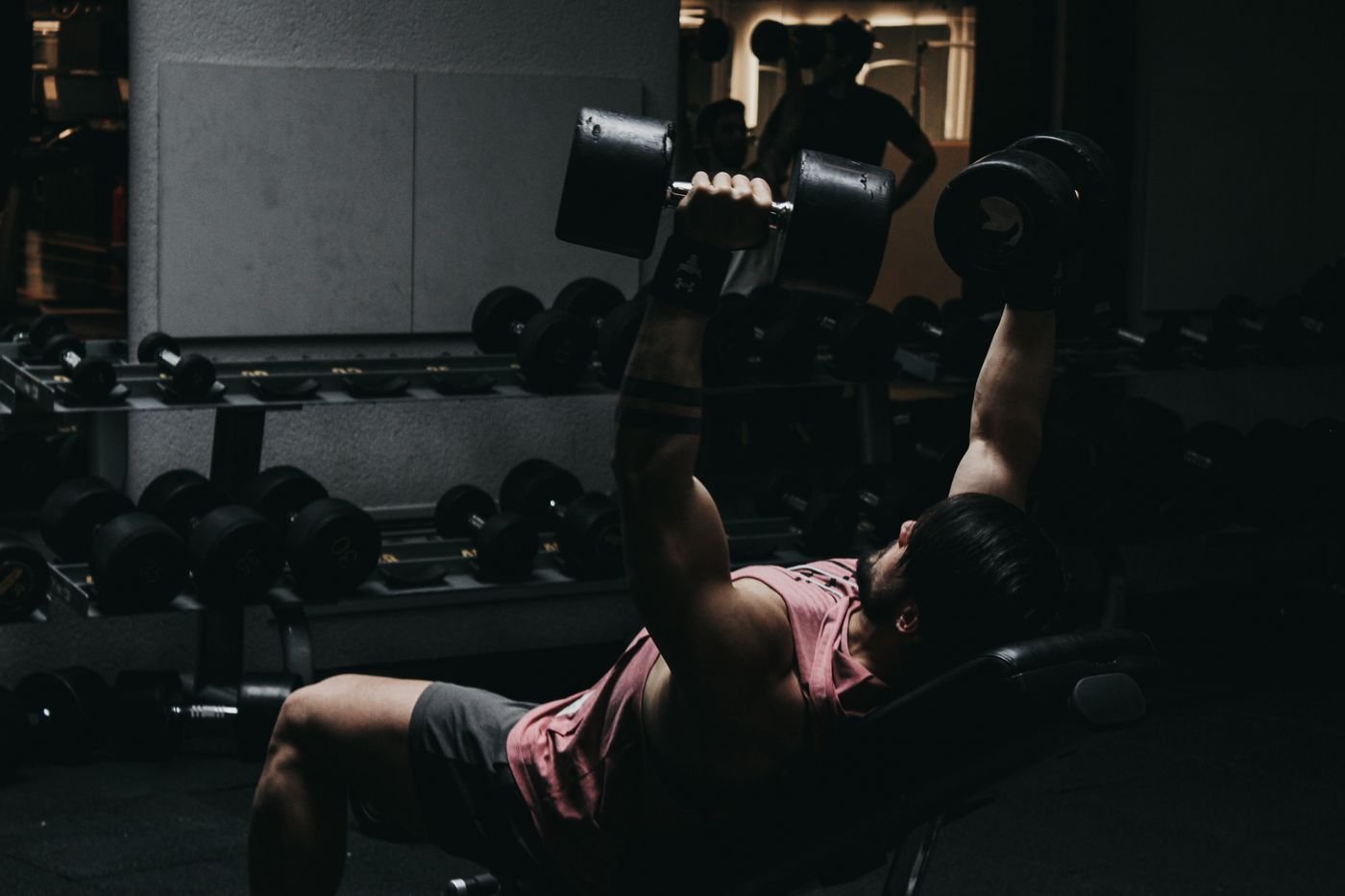
Resistance training tells the body that existing muscle is useful. During fat loss, the goal is not to chase the largest calorie reading on a watch. It is to maintain enough tension, effort and progression that strength and lean tissue are supported despite reduced energy intake. Turning every session into a frantic circuit with tiny weights may sacrifice that stimulus.
Build the week around a squat or lunge, a hip hinge, a press, a row or pull and some direct trunk work. Two to four well-planned resistance sessions can work depending on experience, recovery and schedule. Choose loads that make final repetitions challenging while leaving roughly one to three technically sound repetitions in reserve on most sets. More days are not automatically better during a deficit.
Progressive overload during a cut does not require increasing weight every workout. Maintaining the same load and reps while body weight falls can be an achievement. Some weeks you may add a repetition; other weeks you preserve performance. Track the main lifts, keep exercise selection stable and reduce optional accessory volume if fatigue accumulates.
A compact home gym can handle this well. Adjustable dumbbells, a stable bench, a cable machine or a rack and barbell cover most movement patterns. Equipment variety matters less than repeatable effort and a way to increase resistance. Superset noncompeting movements when time is limited, but rest enough between demanding compound sets to maintain technique.
Training while dieting is a balancing act: enough effort to retain muscle, not so much fatigue that ordinary life and the next workout suffer. The most effective workout is not necessarily the one that leaves you exhausted.
Ab exercises build muscle, not targeted belly-fat loss
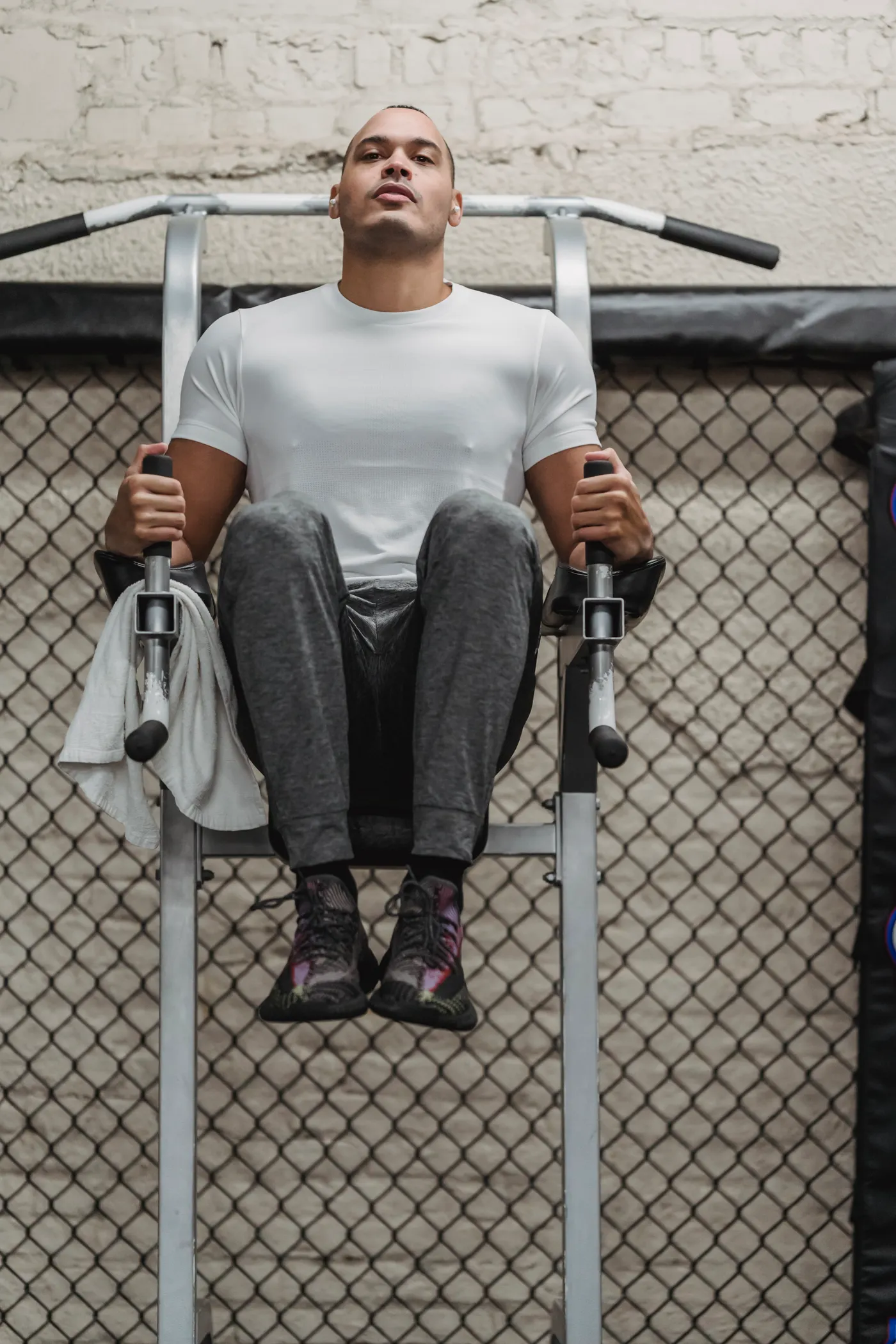
Crunches, planks, hanging knee raises and loaded cable crunches can strengthen the trunk and develop abdominal muscle. They cannot reliably command the body to remove fat specifically from the skin above those muscles. In a small controlled six-week experiment, an abdominal-exercise group improved curl-up endurance without a significant reduction in abdominal fat or waist measurements versus controls. That limited study illustrates the difference between training a muscle and choosing where fat disappears.
Think of core work as resistance training for the midsection. Include a spinal-flexion movement if comfortable, an anti-extension exercise such as a plank or dead bug, and an anti-rotation movement such as a Pallof press. Two or three brief sessions weekly are enough to begin. Try cable crunches for two or three sets of eight to fifteen controlled reps, dead bugs for two sets of six to ten per side, and Pallof presses for two sets of ten to fifteen per side.
Choose difficulty according to control, not just a burning sensation. On cable crunches, avoid turning each repetition into a large hip hinge. On dead bugs, keep the trunk stable as the limbs move. On planks, a shorter, well-braced hold is more useful than a long one with sagging hips and unnecessary breath-holding.
Definition may improve through both overall fat loss and muscle development, but neither has a four-week guarantee. If your neck, back or hips hurt, use a comfortable variation. A strong trunk is valuable at many body-fat levels. A six-pack is a visual outcome; trunk strength is a capacity worth pursuing independently.
Equipment Worth Exploring
Explore equipment, accessories and gear from our carefully selected range.


Apple Watch Ultra 3
Rugged 49 mm smartwatch with cellular connectivity, GPS and fitness tracking.


GymPin Squat Wedges
Non-slip 15-degree squat wedges help elevate the heels for deeper quad-focused squats.


Walking, cardio and sleep make the plan sustainable

Walking is underrated because it is not dramatic. It can increase daily energy expenditure without the recovery cost of repeated hard intervals and fits around work and family commitments. Rather than demanding 15,000 steps immediately, establish your current average and add a manageable amount. Someone normally walking 4,000 steps may benefit more from consistently reaching 6,000 than from an unsustainable leap to 18,000.
Cardio belongs in the plan for cardiovascular fitness, not merely calorie burning. Start with two or three moderate sessions around lifting: brisk walking, cycling, rowing or another enjoyable activity. Intervals can help conditioning, but hard intervals after heavy leg training may impair the next session when recovery is already limited. Choose a schedule you can repeat while maintaining lifting quality.
Wearables estimate movement and heart rate, but exercise-calorie readings are not precise enough to justify automatically eating back every displayed calorie. Doing so may erase the intended deficit without you noticing. Use the watch for activity trends and consistency rather than as a laboratory calorimeter.
Sleep matters too. A tired person may move less, feel hungrier, train worse and find food decisions harder. Keep a regular sleep window that allows sufficient rest. Recovery is not an optional luxury when calories are reduced. Avoid adding more exercise while ignoring the basic conditions that make training productive.
If you are constantly sore, irritable or struggling with normal workouts, reduce optional conditioning before cutting food further. Four weeks of improved habits should leave you prepared for the next month, not in need of prolonged recovery.
Bodybuilding Shirts & Workout Gear
Bodybuilding shirts, tanks and gym gear for lifters chasing muscle, size, symmetry and the pump.


I Have Abs-Olutely No Idea Meme Hooded Newbies & Hoodie
Keep it laid-back with a little “I Have Abs-olutely No Idea” attitude.

Check Out My Six Pack Beer – Gym Meme Vest Muscle Shirt Tank Top
Your gym-day look, with a playful “Check Out My Six Pack Beer” twist.

Cheatday Pizza Weight Plate – Bulking , Gymbro Meme T-Shirt
Show some pizza-loving attitude with a playful “Cheatday Pizza Weight Plate” tee.

Everything Hurts And I'M Hungry Motivation Hooded Hoodie
Bring “Everything Hurts And I'm Hungry” gym humor to lazy days and post-workout plans.

Safety Practice Safe Sets Hooded Jumper Top Hoodie
Show off your bodybuilding humor in a laid-back “Gym Safety” hoodie.

GymRat Ingredients Label Meme T-Shirt
Bring “GymRat Ingredients Label” humor to your everyday gym style.

Tough Cookie – Gingerbread Weightlifting Hooded Bros Hoodie
Show off your bulking humor in a laid-back “Tough Cookie” hoodie.

Bulkman – Bulking Diet Fat Superhero , & Meme Shirt T-Shirt
Make gym days more fun with “Bulkman” style.

Chicken Joke Why Did The Chicken Go To The Sweater T-Shirt
Bring “Chicken Gym Joke” humor to your everyday gym style.
A realistic four-week plan and how to judge progress
Use week one to establish routines rather than force a dramatic visual change. Train three days with a full-body structure: a squat or split squat, a hinge, a press, a pull and a short core finisher. Start with two or three challenging sets for each major lift. Add two moderate cardio sessions, keep movement consistent and choose a manageable eating plan with adequate protein.
Week 1: establish the baseline. Record three to five morning weigh-ins and calculate their average. Measure your waist at the same location and time, note usual steps and log working weights and reps. Avoid changing every variable at once. If tracking is stressful, focus on performance, walking, energy and how clothing fits.
Week 2: make small adjustments. Repeat the main lifts and add a rep where technique allows. Keep meals and protein consistent. If two weeks show no meaningful weight or waist trend and fat loss is appropriate, consider a small portion or activity adjustment. One high weigh-in is not failure.
Week 3: protect performance. Fatigue may tempt you to train harder and eat less. Check whether lifts remain stable, soreness resolves and sleep is adequate. If several markers worsen together, remove optional conditioning or accessory sets before reducing calories again. A recovery adjustment may help preserve muscle.
Week 4: review the trend. Compare average weights, waist measurements, training logs and wellbeing. If you are stronger, moving more and managing nutrition better, the month was productive even without visible abs. If you started lean and see definition, do not assume that pace continues indefinitely. Maintenance phases and gradual adjustments are normal.
Twenty-eight days can build momentum, but cannot override genetics, starting composition or physiology. Strength training, sensible energy balance, protein, movement and recovery are the controllable levers. Make them repeatable and let the mirror be one data point, not the entire scorecard.