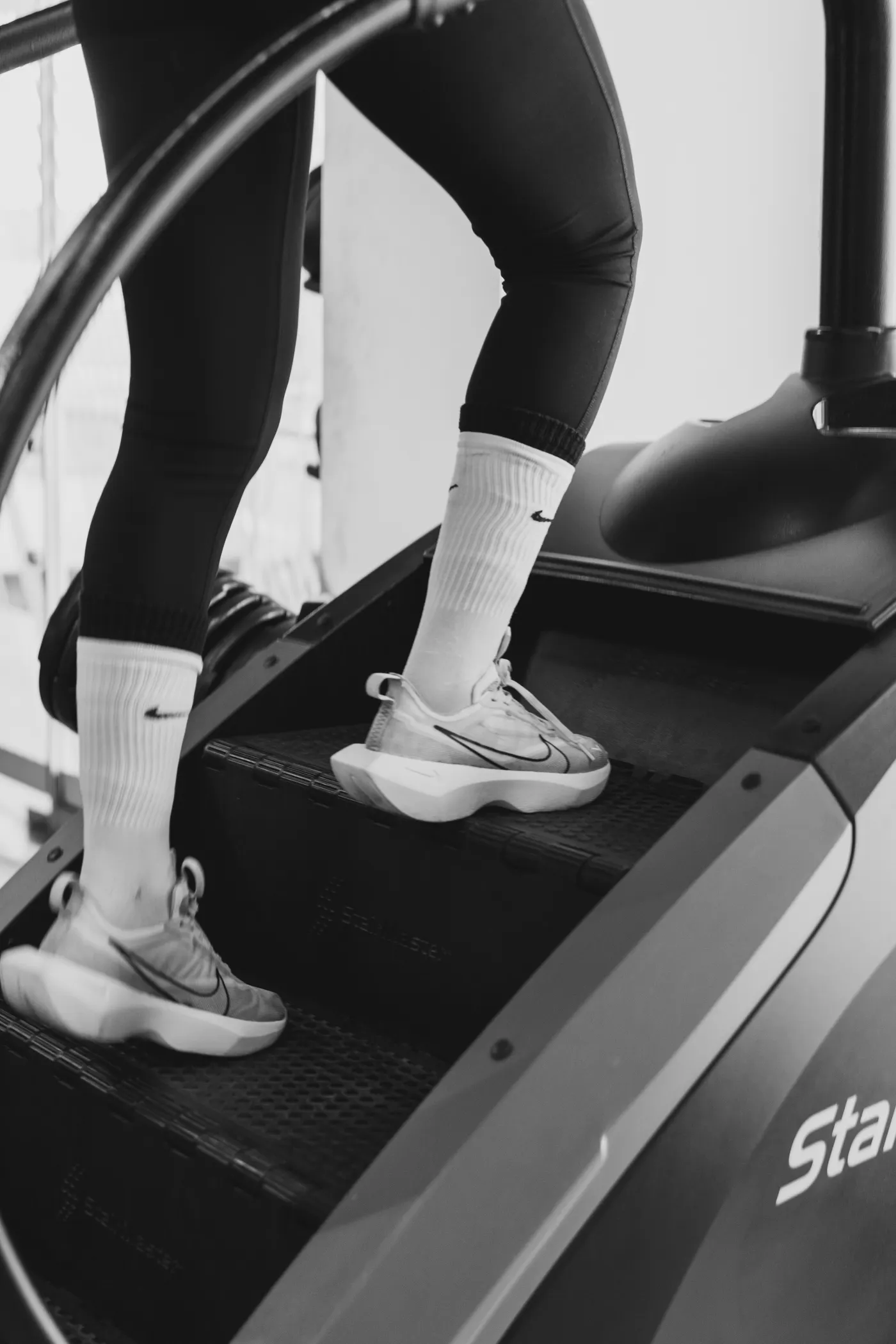
Incline walking and the stair stepper can both turn an ordinary gym visit into a demanding cardio session. They are not interchangeable, though. One keeps you moving along a sloped belt; the other repeatedly asks you to lift your body onto a higher step. That difference changes how your legs work, how quickly your breathing rises, and how easy the session is to sustain.
A September 2026 fitness feature compared these machines with exercise physiologists and strength coaches. Its most useful message was not a dramatic winner. It was that speed, grade, effort, technique, and consistency matter more than a machine’s reputation. Here is a practical way to choose between them, including a pair of repeatable workouts and the evidence behind the claims.
Why incline walking and stair climbing feel different
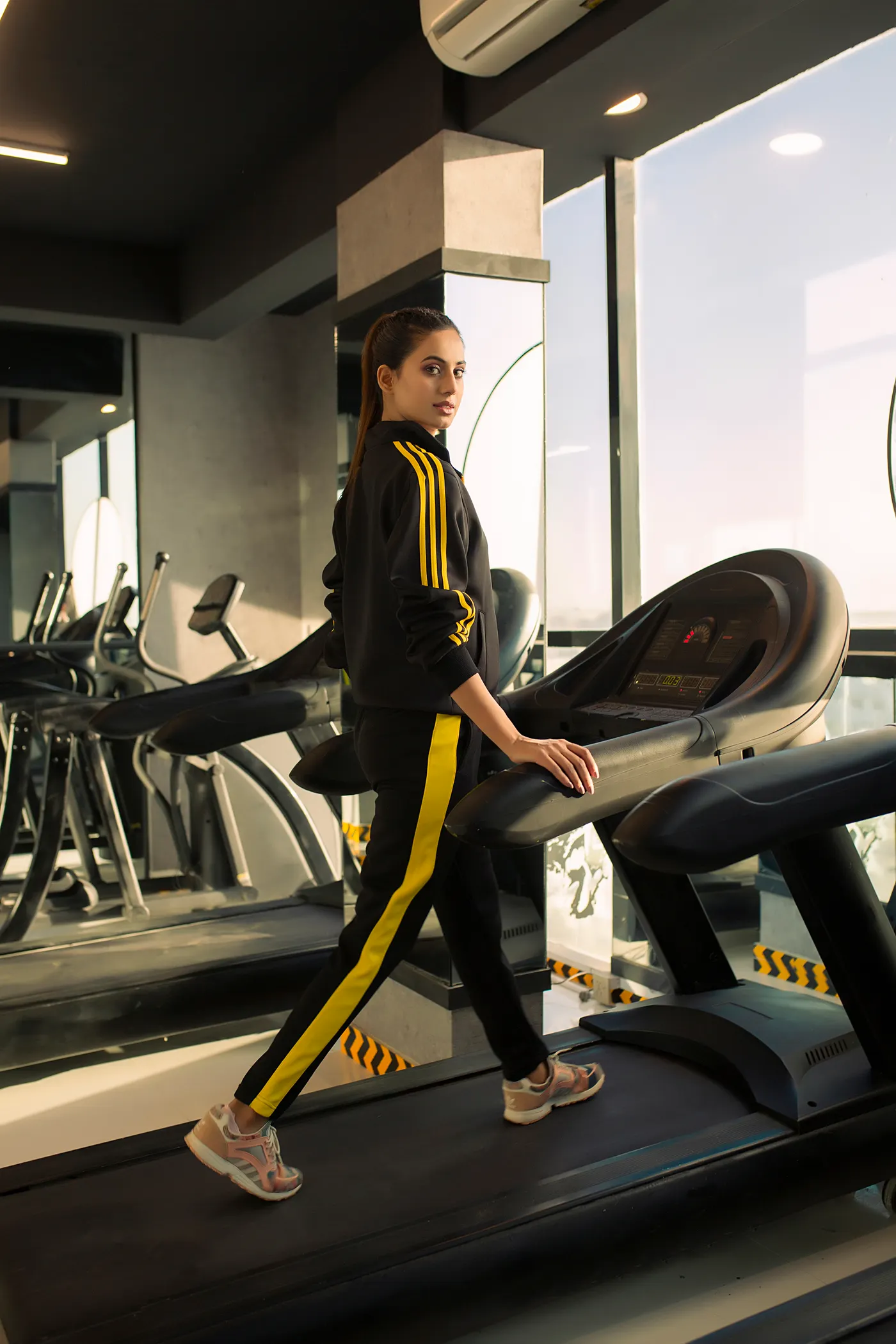
On an incline treadmill, the belt keeps moving horizontally while the slope increases the vertical work you do with each stride. Your calves, glutes, and hamstrings contribute as you push yourself uphill. Raising the grade often makes a comfortable walking speed feel noticeably harder without requiring you to jog. You can adjust the incline in small increments, making this an approachable way to progress when running is not appealing.
A revolving stair climber is different: each step involves more pronounced hip and knee bending before you extend the leg to raise your body. Your quadriceps and glutes work through repeated step-ups, and your heart rate may rise quickly even at what looks like a modest step rate. A machine with moving pedals is not necessarily identical to a revolving-stair machine, so do not assume every device labeled stepper provides the same mechanics.
Neither machine is automatically better for every person. A long-legged exerciser might find one step height comfortable and another cramped; someone new to cardio might prefer the treadmill’s more gradual control. Foot placement, handrail use, available speed settings, and how stable you feel all matter. The best comparison is to try both at a manageable effort rather than comparing the numbers printed on their control panels.
For a fair test, spend five minutes warming up on each, then complete eight minutes at a similar perceived effort. Notice your breathing, the muscles that fatigue first, and whether you can keep a natural posture. That tells you more about practical fit than declaring the stair climber universally harder.
Calorie burn depends on effort, not a machine label
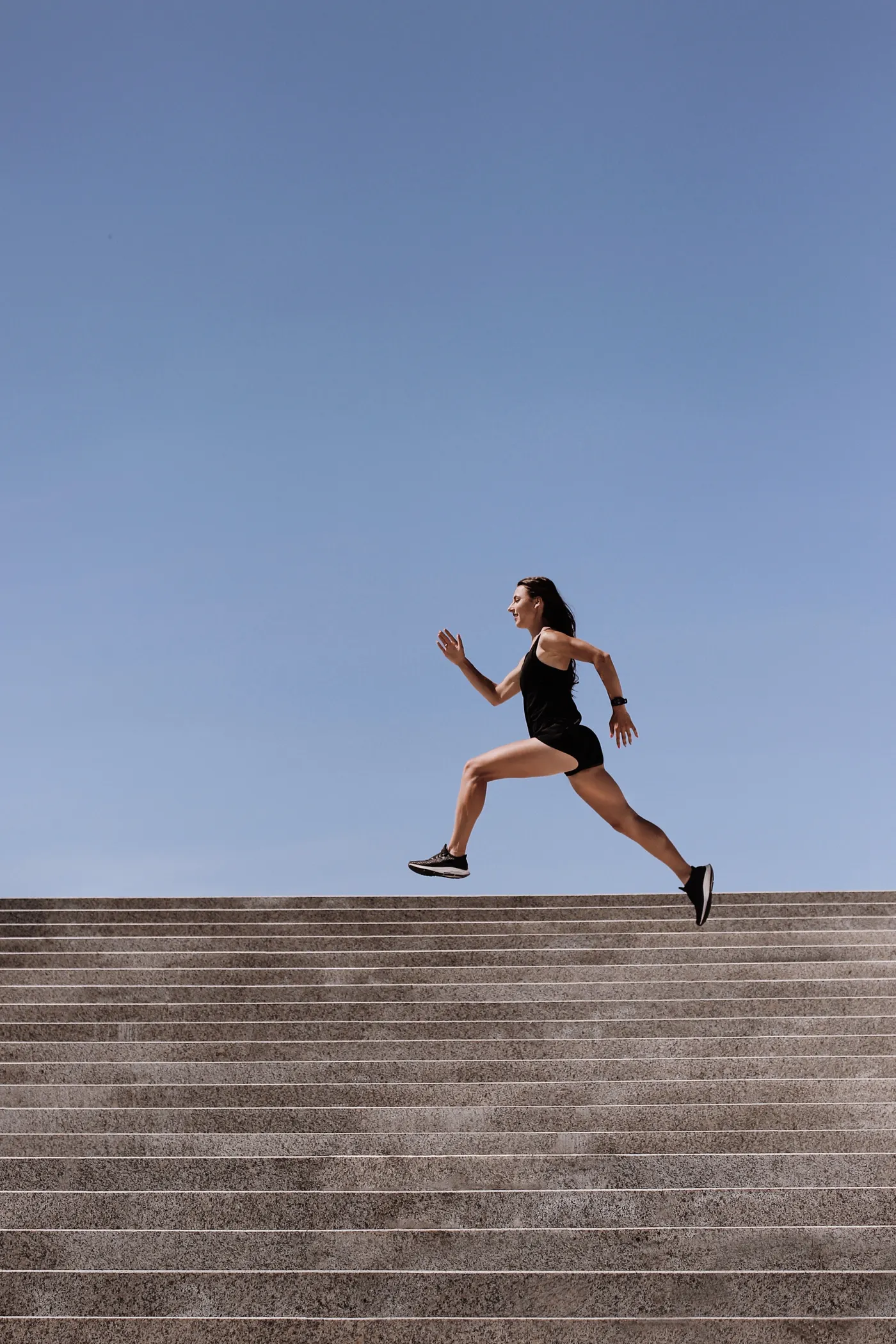
Stair climbing often feels more demanding minute for minute because you repeatedly elevate your body. But calorie estimates change with body mass, step cadence, walking speed, treadmill grade, fitness level, and how much support you take from the rails. A steep, brisk incline walk can be harder than leisurely stair climbing; a fast stair session can easily reverse that result.
That is why calorie numbers on machines should be treated as estimates rather than precise measurements. If a device does not know your actual body mass, or assumes a generic movement economy, the displayed total can be misleading. A smartwatch is not a laboratory calorimeter either. For comparing sessions, use duration and perceived intensity alongside heart-rate trends, and pay attention to whether the machine is measuring the same type of effort each time.
Another important distinction is total calories versus calories per minute. A stair session may be intense enough that you stop after ten minutes. A comfortable incline walk may let you complete thirty minutes with consistent breathing. The longer, repeatable session can accumulate more work across a week even if its instantaneous intensity is lower.
If weight management is your goal, avoid turning every workout into a contest to produce the highest calorie number. Weekly activity, food intake, sleep, and consistency matter much more than small differences between two machines. Choose a workload you can recover from and repeat, then gradually increase time or effort rather than trying to burn off a particular meal.

Equipment Worth Exploring
Explore equipment, accessories and gear from our carefully selected range.


Apple Watch Ultra 3
Rugged 49 mm smartwatch with cellular connectivity, GPS and fitness tracking.

Powerbeats Fit
Secure-fit wireless workout earbuds with active noise cancellation and a charging case.


VOLTRA
Compact digital cable trainer with smooth, adjustable resistance.

Go-Tone Pro
Portable digital cable trainer with up to 66 lb (30 kg) of adjustable resistance.

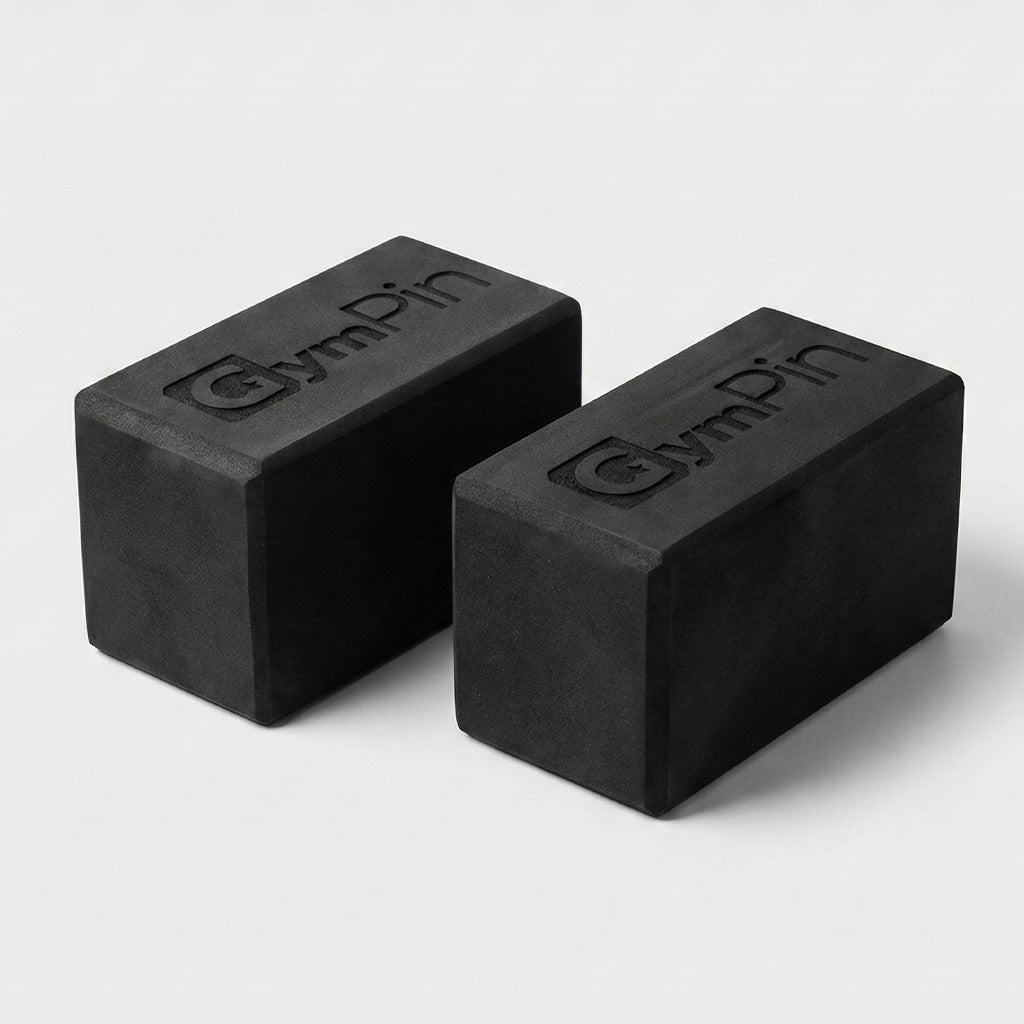
GymPin Starting Blocks
Portable high-density foam blocks for adjusting machine starting positions and range of motion.
Cardio fitness: match the intensity to your goal
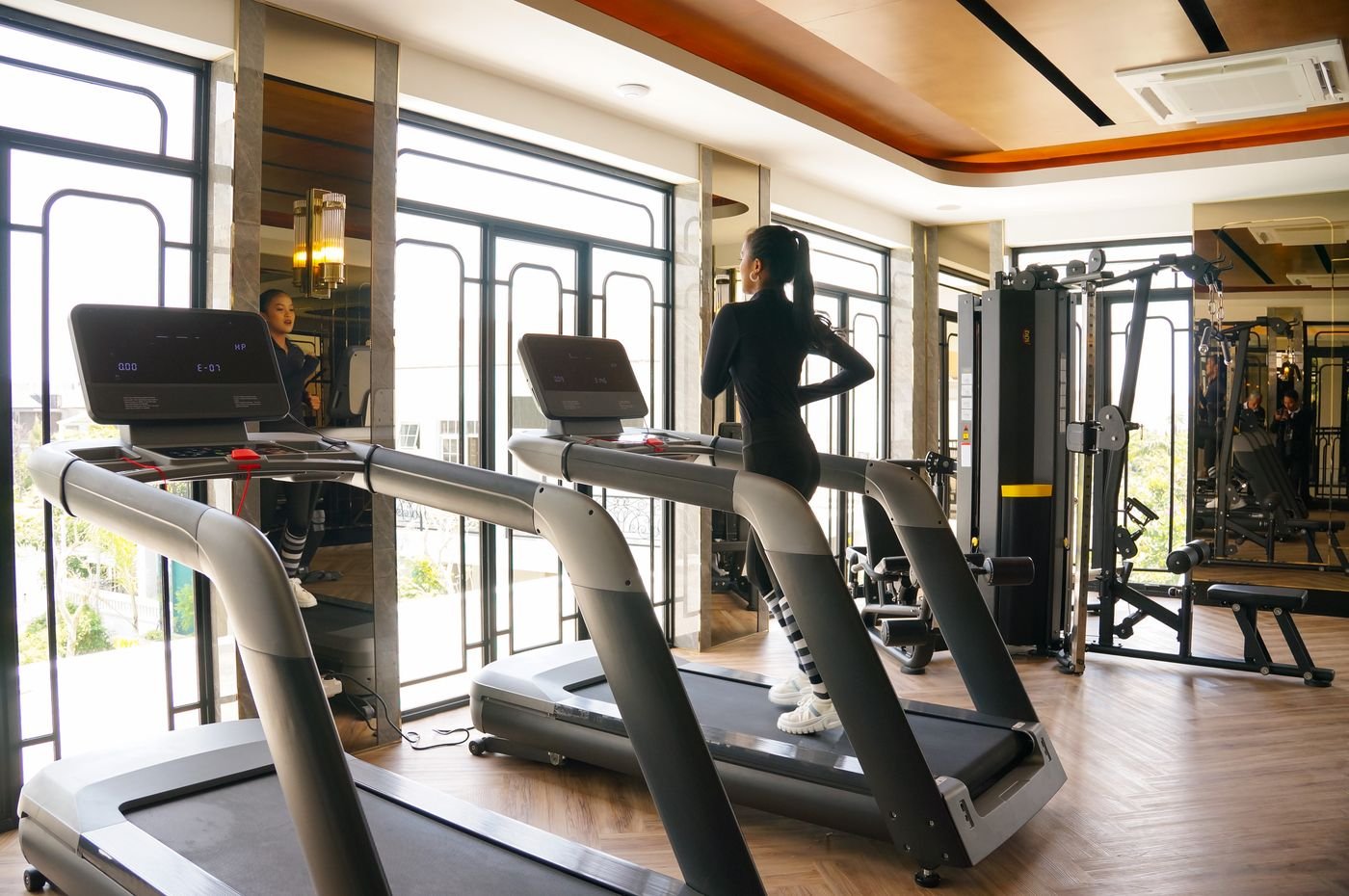
Both machines can provide moderate or vigorous aerobic exercise. What matters is the cardiovascular demand you create. A practical moderate-intensity cue is that you can still speak in sentences but would not want to sing. At vigorous intensity, conversation becomes difficult. These cues are imperfect, but they work without requiring an expensive device or a rigid heart-rate zone.
For general health, the CDC recommends adults accumulate at least 150 minutes of moderate aerobic activity or 75 minutes of vigorous activity each week, plus muscle-strengthening work on two days. Incline walking can be a convenient way to build those minutes, especially when you can maintain an even pace. A stair climber can provide shorter, harder intervals if you already tolerate the movement and recover well afterward.
Recent evidence also supports taking ordinary stair use seriously. A 2026 systematic review and meta-analysis associated habitual stair climbing with lower cardiovascular and all-cause mortality across observational studies. That finding does not prove that a gym stair machine causes the same risk reduction; healthier people may simply climb more stairs. It does reinforce the value of regular movement rather than waiting for a perfect workout.
If your main goal is to improve endurance, prioritize enough total time to build a reliable aerobic base. If your goal is to tolerate short climbs or demanding circuits, introduce brief harder efforts on the stair machine. You can combine them: a longer incline walk on one day and a short stair interval session on another. The choice should serve your weekly plan, not replace it.
Which one works your glutes, quads, and calves?
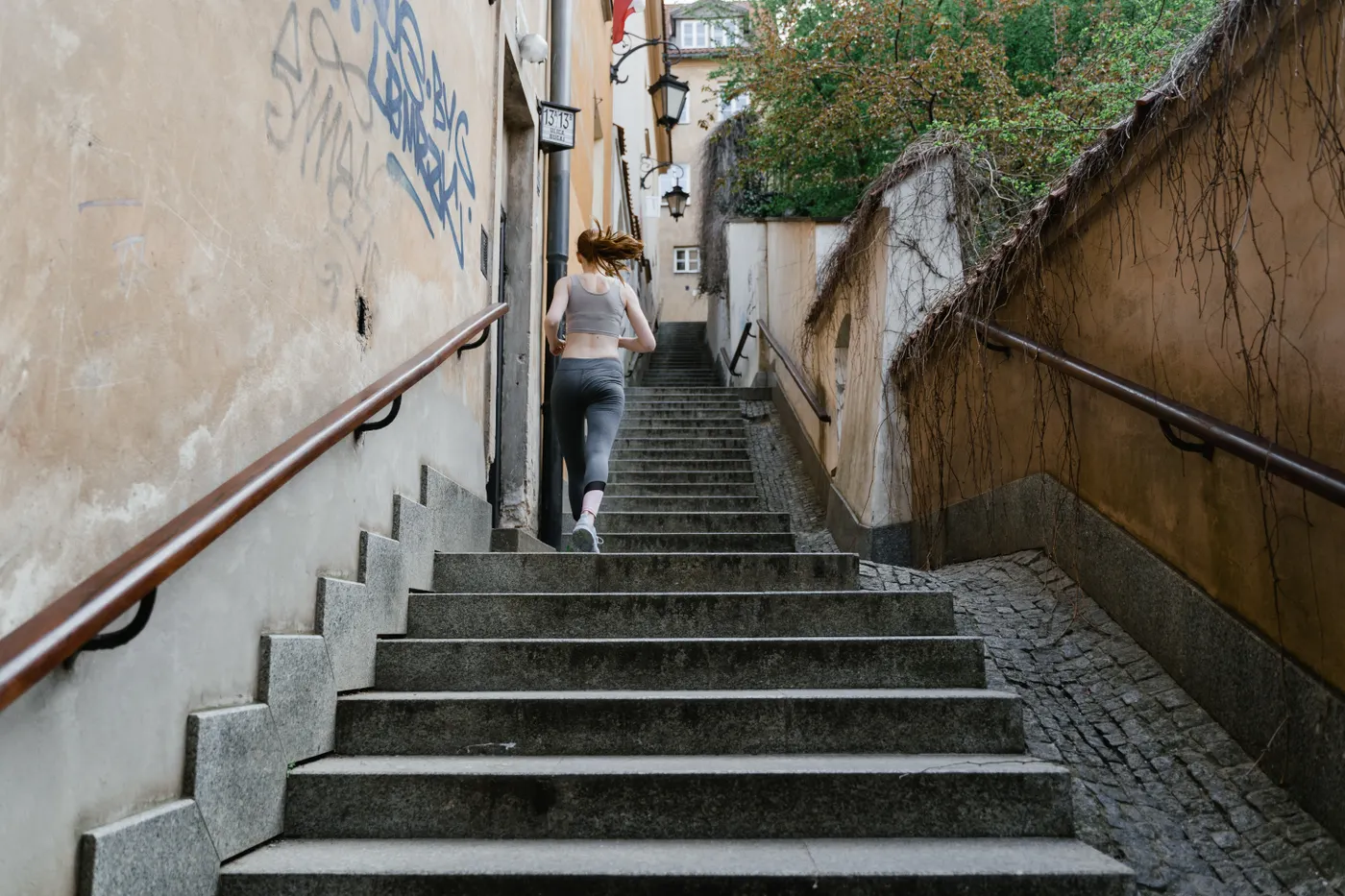
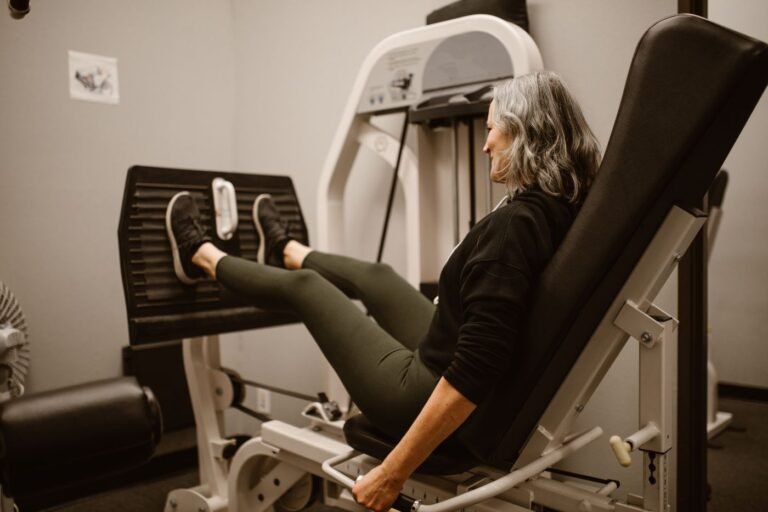
The stair climber asks for repeated knee and hip extension. That tends to make the quadriceps and glutes work conspicuously, particularly when you take full, controlled steps instead of bouncing on the toes. Your calves still contribute, but the movement is not simply a calf-raise machine. A faster step rate increases the cardiovascular challenge while potentially making your technique harder to maintain.
Incline walking uses a smaller, more continuous gait cycle. Increasing the slope can raise demand on the calves and posterior chain, including glutes and hamstrings. It is not accurate to say one machine exclusively trains the front of the legs while the other only trains the back. Both recruit multiple lower-body muscle groups; the pattern and degree of challenge differ.
Feeling a muscle burn is not the same as providing enough progressive resistance to maximize its growth. You may develop local muscular endurance and become better at climbing, but neither machine should automatically replace squats, hinges, step-ups, and other appropriately loaded strength exercises if building muscle is the priority. The CDC’s separate recommendation for muscle-strengthening days reflects this distinction.
A useful hybrid approach is to lift first on days when leg strength is the main objective, then add ten to twenty minutes of easy cardio if you feel recovered. On dedicated conditioning days, choose the machine that allows you to accumulate quality effort without compromising your next lifting session. This helps keep cardio useful rather than turning it into an unplanned second leg workout.

Cardio Shirts & Workout Gear
Cardio and conditioning gym gear for runners, endurance athletes and anyone who earns the sweat.

Cardio Speed Superhero Gym Funny Treadmill Runner Crewn T-Shirt
Bring “Cardio Speed Superhero” humor to your everyday gym style.


Cardio Is Calling You , Meme Top Answer Or Decline? T-Shirt
Make gym days more fun with “Cardio Is Calling You” style.

Shirt – Cardio Is Hardio – & Gymbros T-Shirt
Show some cardio attitude with a playful “Cardio is Hardio” tee.

Skip Cardio Exit Cardio Meme Sweater Top T-Shirt
For laid-back days and cardio humor: “Skip Cardio”.

Negative Cardio Review Cardio Sucks 1 Star Decal Sticker
Give your everyday gear a playful “Negative Cardio Review” twist.

Anti Running Club Tee
Heavy lifts, good laughs, and a little “Anti Running Running Club” energy.

Freedom To Skip Cardio Patriotic Gym – Funny Statue of Hoodie
Keep it laid-back with a little “Freedom To Skip Cardio Patriotic” attitude.

Exercise Your Demons | Cardio Workout From Hell Pullove T-Shirt
For laid-back days and cardio humor: “Exercise Your Demons”.
Knee comfort, balance, and the handrail trap
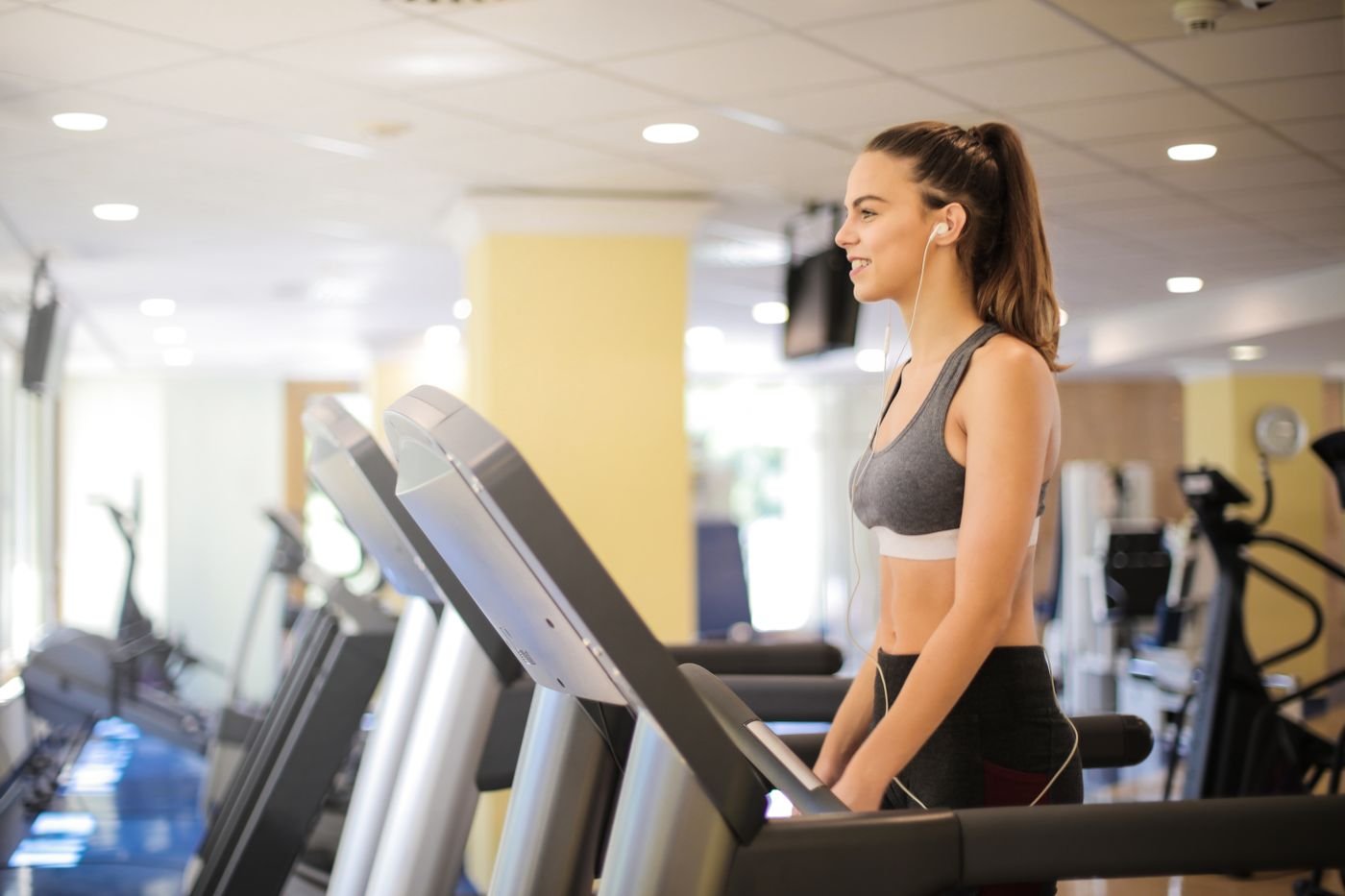
Both activities are generally low-impact compared with running, but low-impact does not mean universally painless. A person with limited knee flexion, poor balance, or recent lower-body injury may find repeated high steps uncomfortable. Another person might dislike a steep treadmill grade because it changes ankle and calf loading. Your response matters more than the idea that one machine is automatically joint-friendly.
A small biomechanical study of twelve healthy older men found that incline walking reduced one measure of medial knee loading—the internal knee abduction moment—at higher grades. That is interesting, but it was not a clinical trial showing that steep treadmill walking treats knee pain. It measured a particular joint moment in a small group under controlled conditions. Do not generalize it to every knee condition or every walking speed.
Handrails create another common comparison error. If you lean heavily on the treadmill bars or prop your body weight onto the stair machine’s console, the machine may record an impressive speed or grade while your legs perform less work. Use the rails for balance when necessary, but lower the difficulty if you cannot maintain upright, controlled movement without hanging from them.
Start with a level or mild incline and progress in small steps. On stairs, begin at a slow cadence, place the whole foot securely, and avoid twisting or skipping steps. Stop if you experience sharp pain, dizziness, chest discomfort, or unusual breathlessness. Anyone managing a recent injury or significant medical condition should seek individualized guidance before trying aggressive gradients or intervals.
Equipment Worth Exploring
Explore equipment, accessories and gear from our carefully selected range.

Squat Harness
Wearable harness for hands-free cable squats, sled work, and lower-body training.

GymPin Squat Wedges
Non-slip 15-degree squat wedges help elevate the heels for deeper quad-focused squats.


FID Bench MAX
Adjustable bench offering flat, incline, and decline positions + adjustable headrest.


HUSLA Leg Extension Pad
Pad attachment designed to increase usable range of motion on compatible leg-extension machines.

Two workouts you can repeat and progress
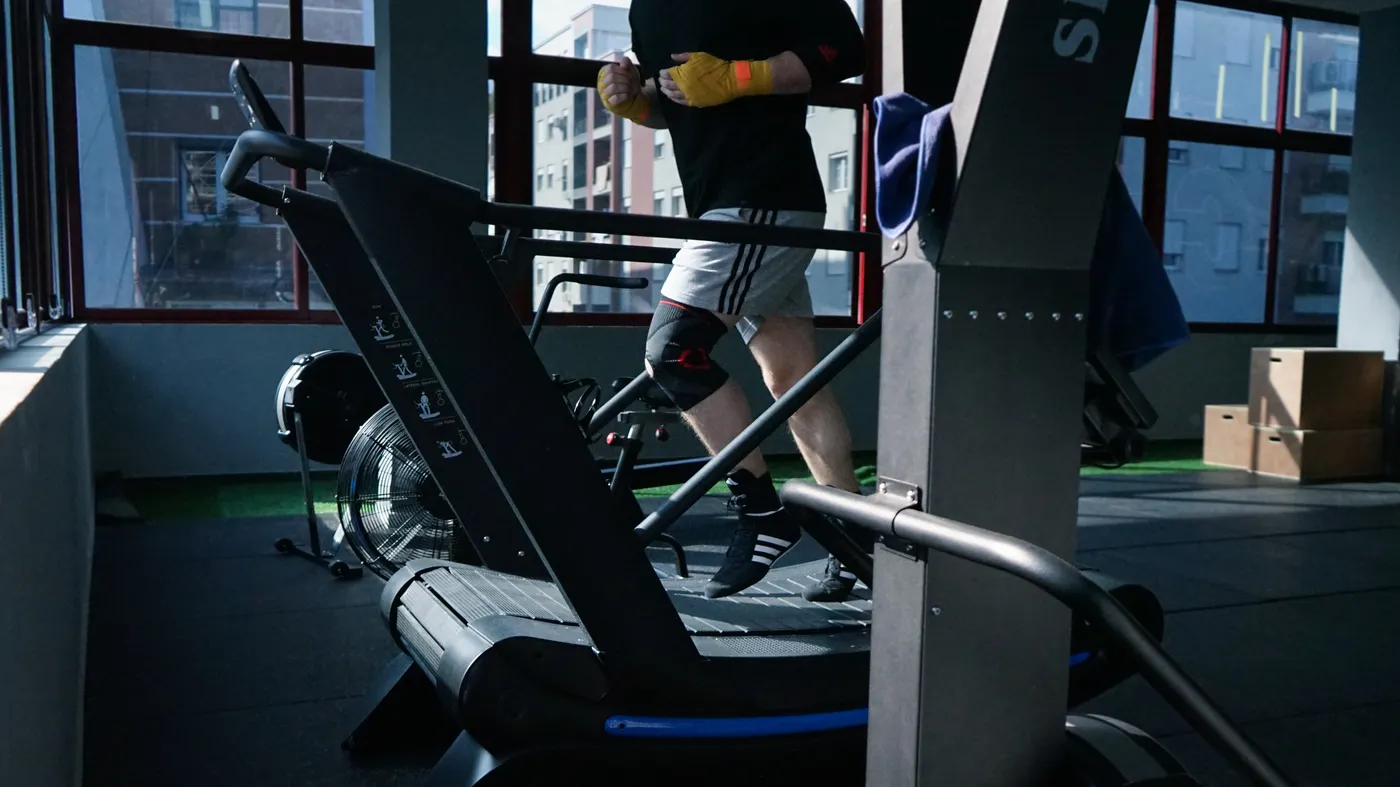
Workout A: 25-minute incline walk. Begin with five minutes on a level treadmill at a conversational pace. For the next fifteen minutes, alternate three minutes at a moderate incline with two minutes at a lower grade, repeating the five-minute pattern three times. Finish with five minutes easy. Adjust the incline, not just the speed, until your breathing feels moderately challenged while your stride remains natural.
On your next session, resist the urge to increase speed, grade, and duration together. Choose one small progression: add a minute of moderate work, raise the incline slightly, or keep the same workload with smoother technique. If the session already feels strenuous, repeat it unchanged. The goal is to accumulate consistent minutes, not to prove toughness every time you step onto the belt.
Workout B: 18-minute stair-climber intervals. Start with five minutes at a comfortable step rate. Then complete six rounds of one minute of purposeful climbing followed by one minute easy. Finish with one minute very easy, or longer if you need to bring your breathing down. Keep your hands light on the rails and your feet secure on each step. If six rounds are too demanding, begin with three or four and build up over several weeks.
Use the incline walk as the easier aerobic session and the stair intervals as the harder session, separated by recovery as needed. A beginner can start with one of these workouts per week and add a second only when the first feels manageable. Someone already training regularly can place them around lifting days, but should count hard stair sessions as genuine leg work when planning total fatigue.
Choose the machine you can use consistently
For steady aerobic minutes, a treadmill with adjustable incline is usually easier to pace and progress gradually. For a compact, leg-demanding conditioning session, a revolving stair climber may feel more specific. Neither option guarantees faster fat loss, stronger legs, or better cardiovascular health in isolation. The quality of your weekly training and the effort you actually perform determine the result.
If you dislike one machine, that matters. Enjoyment and convenience affect whether you return to it next week. You can also rotate the machines to reduce monotony: two moderate incline walks and one short stair workout, for example, or a mix of outdoor walking and occasional stair sessions when you do not have gym access. The most effective program is one that fits your recovery and schedule.
Keep a simple training log with minutes, settings, and a one-to-ten effort rating. After two to four weeks, look for improvements such as completing the same session with easier breathing or maintaining a higher grade without relying on the rails. Do not chase a single heart-rate reading, calorie estimate, or post-workout soreness score as the measure of progress.
Finally, remember that neither machine is a complete fitness plan. Pair aerobic exercise with strength training, enough recovery, and ordinary movement outside the gym. Use the stair climber when you want a controlled climbing challenge; choose incline walking when you want adjustable, sustainable cardio. The winner is the option that helps you train well again tomorrow.
Leg Day Shirts & Workout Gear
Leg-day gym shirts and workout gear for lifters who never skip squats, lunges and lower-body punishment.


My Leg Hurts Leg Day Sweater & Squat Meme Lovers T-Shirt
Keep things casual with a little “My Leg Hurts” attitude.

Leg Day Gains | LEGO Parody Workout Sweater For Squats T-Shirt
Show some gym-day personality with “Leg Day Gains”.


Thicc AF – Booty Lovers – Meme Shirt Thicc Glutes & T-Shirt
Make gym days more fun with “Thicc AF” style.

Squats Booty Builder Barbie Leg Day Decal Water Sticker
Give your everyday gear a playful “Squats Booty Builder” twist.

I Look Better Bent Over Squats Deadlifts & Booty Tank Top
Add some leg-day attitude to training with “I Look Better Bent Over”.


Legday of Legends Gym | Funny League of Legends Meme Wo Hoodie
Show off your leg-day humor in a laid-back “Legday of Legends” hoodie.