Your watch might show a low recovery score after a hard workout, but that does not necessarily mean your training was ineffective. Heart rate variability, or HRV, reflects subtle changes in the time between successive heartbeats. It can help describe how the nervous system responds to exercise, sleep and other stresses. It cannot tell you directly how much muscle you built, how many calories you burned or whether you must skip the gym tomorrow.
A 2026 longitudinal study followed people doing moderate continuous cardio, high-intensity intervals or resistance training for twelve weeks. Its most useful finding was not that one workout type was universally superior. Instead, the patterns of post-exercise HRV recovery differed between training modes, and the measurements were also related to the participants’ starting HRV and sleep. Here is what the experiment measured, what the statistics can and cannot mean, and how to use the information without letting a wearable dictate your entire program.
Some equipment links may be affiliate links, supporting Mind Muscle Perfection without increasing your purchase price.
What HRV measures, and why a higher number is not always better
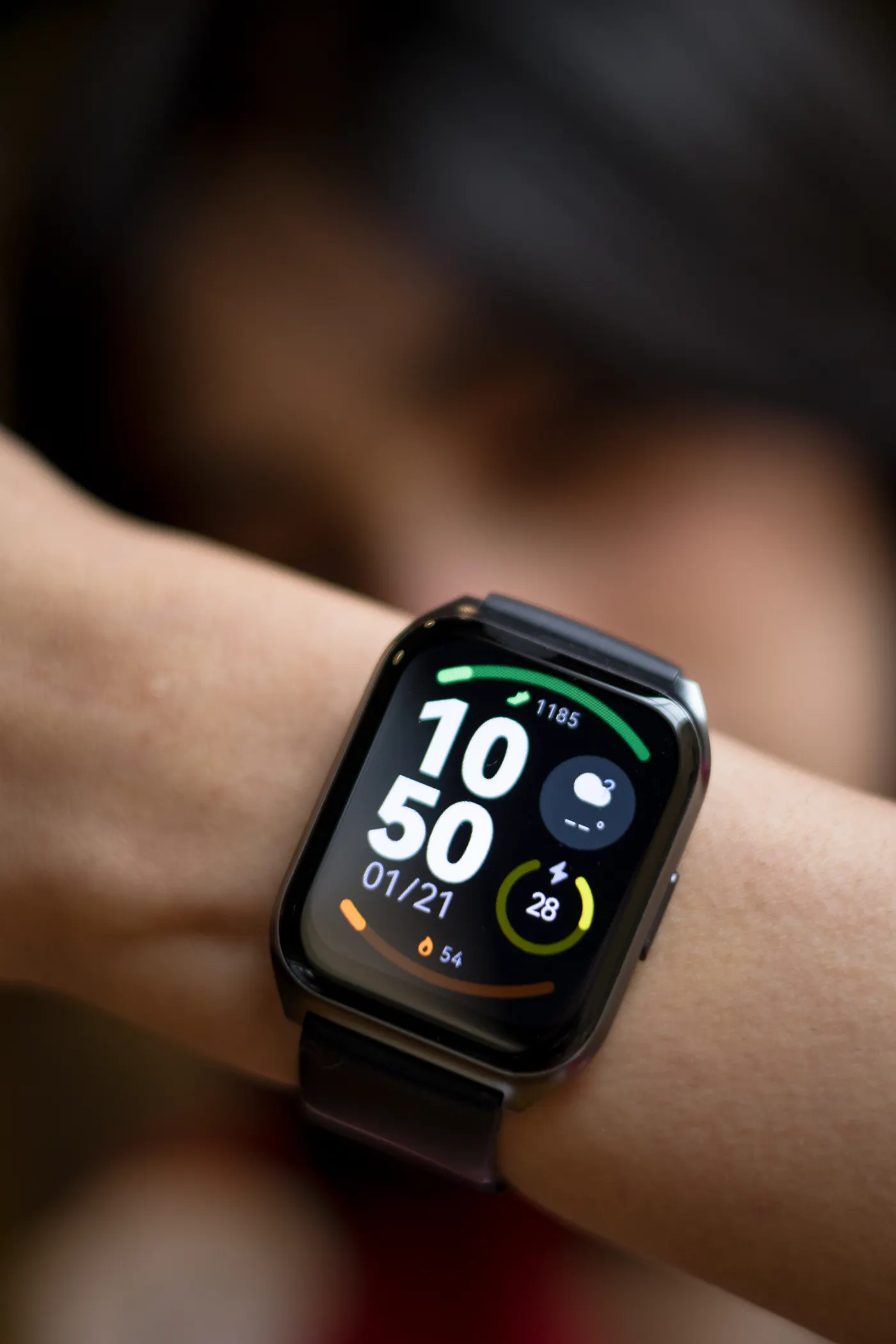
Your heart does not beat at perfectly equal intervals, even when the displayed heart rate is steady. The small variation between normal beats changes with breathing, autonomic regulation, posture, activity and recovery. One commonly used time-domain measure is RMSSD, which is particularly sensitive to short-term parasympathetic influences. That is why it appears in many fitness wearables and training-monitoring systems.
There are at least three different questions people confuse. First, what is your resting HRV today compared with your own usual range? Second, how does HRV change during the minutes after an exercise session? Third, has your typical pattern changed after weeks of training? Those are different outcomes. A recovery slope measured for five minutes immediately after exercise is not interchangeable with a morning resting score.
Context is essential. An unusually high or low reading can reflect breathing, a poor night of sleep, illness, alcohol, stress, hydration, device placement or ordinary measurement noise. A single number should not override clear symptoms or a sustained pattern of deteriorating performance. Conversely, a stable HRV reading does not prove you have fully recovered every muscle, tendon and energy store. Treat HRV as one piece of a larger picture, not a biological pass-fail grade.
Inside the twelve-week comparison of cardio, intervals and lifting
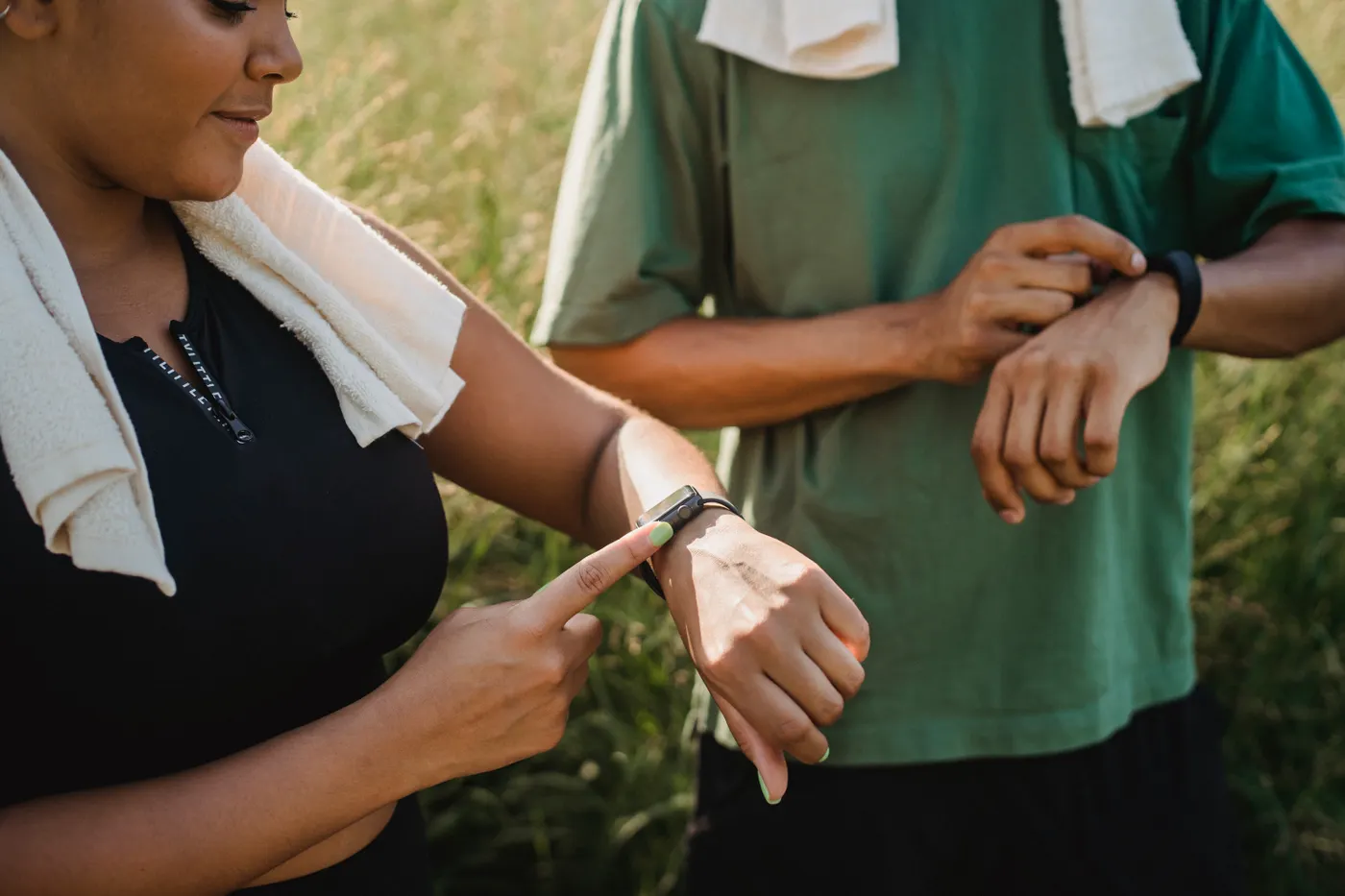
The original study, first published on June 29, 2026 and appearing in an October 2026 issue, followed three independent exercise cohorts. Forty-three healthy adults completed the intervention: thirteen in moderate-intensity continuous training, sixteen in high-intensity interval training and fourteen in resistance training. Each group trained three times per week for twelve weeks. The researchers collected 1,393 training observations rather than relying on a single before-and-after measurement.
Immediately after sessions, the team analyzed five minutes of continuous HRV data. They focused on the slope of RMSSD during early recovery and also examined the low-frequency-to-high-frequency power ratio. Statistical models assessed how those recovery slopes changed across the training weeks while accounting for resting HRV before exercise and a measure of prior-night insomnia symptoms.
That design provides a repeated look at recovery in real training, but it is not a simple head-to-head trial in which the same person randomly completed every modality. The three independent cohorts were small and may have differed in ways the models could not fully remove. The study also evaluated short post-session autonomic behavior, not muscle growth, long-term injury risk or a direct ranking of which workout improves health the most.
The practical value is in the distinction between adaptation of a measurement and adaptation of the whole athlete. HRV can change as a person becomes accustomed to a training stimulus. The direction and size of a particular recovery slope need interpretation alongside workload, fitness, sleep and the measurement method. Comparing one person’s watch score to a different person’s score is particularly unhelpful.

Equipment Worth Exploring
Explore equipment, accessories and gear from our carefully selected range.

Apple Watch Ultra 3
Rugged 49 mm smartwatch with cellular connectivity, GPS and fitness tracking.


VOLTRA
Compact digital cable trainer with smooth, adjustable resistance.

Go-Tone Pro
Portable digital cable trainer with up to 66 lb (30 kg) of adjustable resistance.


Moderate continuous cardio produced a distinct recovery pattern
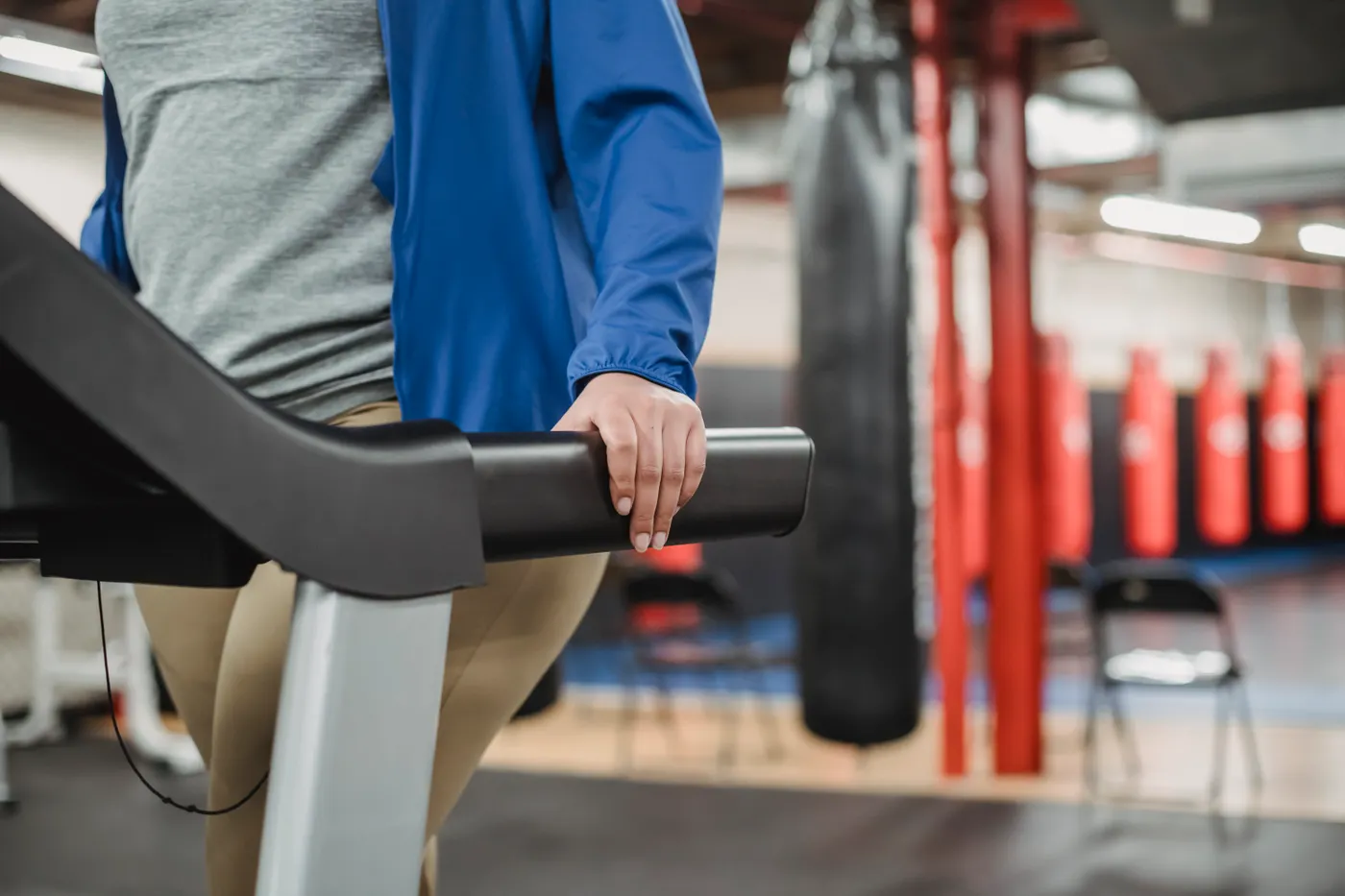
Across the twelve weeks, the moderate-intensity continuous training cohort showed a statistically significant downward trend in its post-exercise RMSSD recovery slope. The reported weekly trend coefficient was -0.165, with a P value of 0.003. That does not mean participants necessarily became less healthy or recovered more poorly. The researchers interpreted the pattern as potentially reflecting a more economical autonomic response to familiar steady-state exercise.
Think of a moderate bike ride, incline treadmill walk or sustained easy run. At a workload that becomes more familiar, the body may not need to respond in exactly the same way after every session. But a recovery slope is a mathematical summary of how the signal changes over a short window. Without the complete individual time series, it is unsafe to translate a negative coefficient into a universal claim such as ‘cardio slows recovery’ or ‘cardio doubles recovery speed.’
For programming, the stronger lesson is that moderate cardio and hard lifting create different immediate demands. A thirty-minute easy ride is not physiologically identical to a demanding set of squats. That does not make one a replacement for the other. Moderate aerobic work can contribute to cardiovascular fitness and overall training capacity, while resistance work supplies a distinct stimulus for strength and muscle.
Use steady cardio at an effort that lets you maintain control of your breathing and technique. Increase duration gradually, especially when adding it to a lifting plan. If your legs are unusually sore or your next heavy session is compromised, move the cardio to an easier day or shorten it. The point is to accumulate useful training, not to chase a particular HRV slope.

Cardio Shirts & Workout Gear
Cardio and conditioning gym gear for runners, endurance athletes and anyone who earns the sweat.


Hybrid Athlete – Iron Man Medieval Triathlon Pullover f Hoodie
Show off your medieval humor in a laid-back “Hybrid Athlete” hoodie.

Running Dost Thou Even Trot Medieval Treadmill Pullover Hoodie
Show off your medieval humor in a laid-back “Running” hoodie.

Gym Dost Thou Even Pedal Medieval Air Bike Humor for Cr Tank Top
Bring “Dost Thou Even Pedal Medieval Air Bike” humor to your next lifting session.

Jump Rope Wonder Woman Gym | Funny Superhero Cardio Wor Tank Top
Add some superhero attitude to training with “Jump Rope Wonder Woman”.

Van Halen Jump Rope Cardio Gym Decal for Workout Gear, Sticker
Stick a little “Van Halen Jump Rope Cardio” humor on your favorite gear.

Cardio Is Hardio – Workout Meme Pullover Jumper T-Shirt
For laid-back days and cardio humor: “Cardio Is Hardio”.

Cardio Is Calling Decline Decal Water Bottles Meme Sticker
A fun “Cardio Is Calling” touch for bottles, laptops, and lockers.

Cardio Speed Superhero Gym Funny Treadmill Running Musc Tank Top
Show some personality between sets with “Cardio Speed Superhero”.

Shirt – I Want You To Do Cardio Uncle Sam Patriotic T-Shirt
Heavy lifts, good laughs, and a little “I Want You To Do Cardio Uncle Sam Patriotic” energy.
HIIT and resistance training did not show the same weekly HRV trend
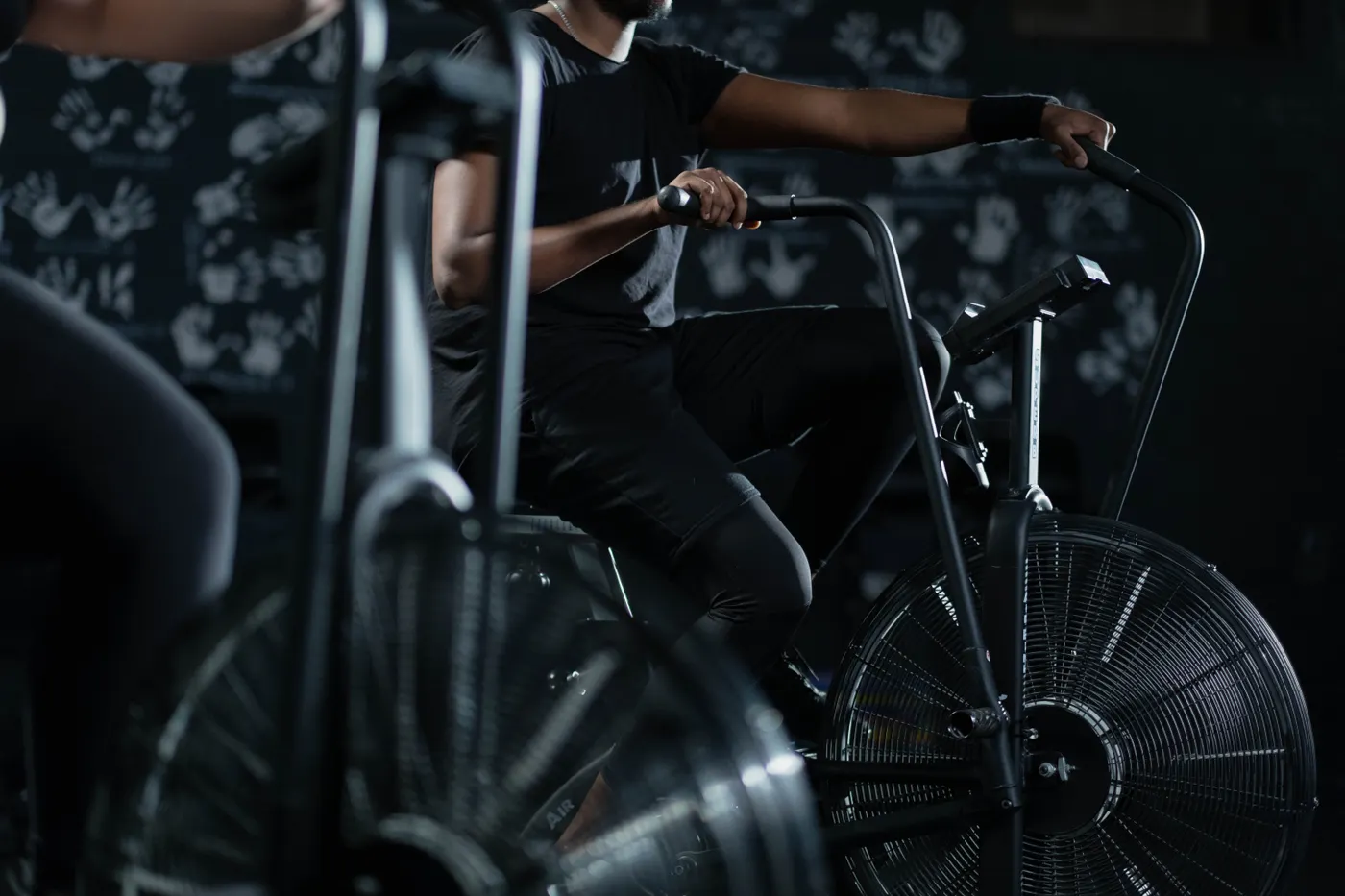
The interval-training cohort did not show a significant change in RMSSD recovery slope across the intervention: the reported coefficient was 0.019 with P = 0.680. The resistance-training cohort also lacked a significant slope trend, with a coefficient of -0.037 and P = 0.452. The difference between the interval and moderate-continuous groups was statistically significant, with a reported coefficient difference of 0.184 and P = 0.030.
Those figures do not establish that HIIT always restores the nervous system faster than lifting, or that resistance training has no cardiovascular benefit. A nonsignificant result is not proof of zero effect. The researchers were evaluating the change in a specific five-minute recovery metric over time, with only sixteen interval participants and fourteen lifting participants. Different interval lengths, lifting exercises, total work and participant characteristics could yield different results.
HIIT typically alternates demanding efforts with easier recovery periods. A session might involve six short bike intervals rather than continuous riding. Resistance training involves repeated muscular contractions with rest between sets, and its cardiovascular response depends heavily on load, exercise selection, volume, proximity to failure and breathing. Neither mode can be summarized accurately by a single intensity label.
For lifters, this matters because a hard leg session can leave local muscles fatigued even if the heart-rate signal settles quickly. Equally, a punishing interval workout can affect tomorrow’s squat performance even when resting HRV looks normal. Compare like with like: assess your interval sessions against your own previous interval sessions, and your lifting days against your own lifting baseline. If you change the session structure, note the change rather than treating the resulting HRV reading as a surprise.
Sleep and baseline HRV mattered more than a simple workout label

The models also found associations between the post-exercise recovery slope and two variables measured before the session. Higher pre-exercise resting RMSSD was associated with the slope, with a coefficient of 0.022 and P less than 0.001. Prior-night insomnia score was also associated with the slope, with a coefficient of 0.052 and P = 0.021. These statistical relationships do not imply that worse sleep improves recovery. The meaning of a coefficient depends on the precise slope definition and model.
The actionable point is that sleep and starting autonomic state can influence the signal you see after training. A watch cannot isolate your workout from the rest of your life. Late meals, travel, unusual bedtime, dehydration and psychological stress can all complicate comparisons. A useful training log should therefore record at least sleep quality, session effort and a simple performance measure alongside any wearable reading.
Longer-term evidence from randomized exercise trials also suggests that regular training can affect HRV, but the magnitude and direction depend on the population, intervention and metric. A synthesis of thirty-four trials involving 1,434 participants found changes in some HRV measures, while also highlighting substantial heterogeneity. The result is not a prescription to maximize one number at all costs.
For an individual lifter, a practical recovery check combines several questions: Did you sleep reasonably well? Is your usual warm-up weight moving normally? Are soreness and motivation within your normal range? Is your resting heart rate unusually elevated? Has HRV been outside your personal baseline for several mornings? One unusual metric should prompt curiosity, not panic. Persistent symptoms or concerning heart-related complaints deserve medical assessment rather than self-diagnosis from a wearable.
Equipment Worth Exploring
Explore equipment, accessories and gear from our carefully selected range.


FID Bench MAX
Adjustable bench offering flat, incline, and decline positions + adjustable headrest.


How to combine cardio, intervals and strength without wrecking recovery

You do not need to choose between building muscle and improving aerobic fitness. You need to control the combined dose. For many recreational trainees, two or three full-body strength sessions, one or two moderate aerobic sessions and an optional short interval session provide a reasonable starting structure. The exact distribution should reflect experience, goals, available time and how well you tolerate the work.
Consider a four-day example. Monday is full-body strength with a squat or hinge, a press and a pull. Tuesday is twenty-five to thirty-five minutes of comfortable cycling or brisk incline walking. Thursday is a second full-body strength session using different exercise variations. Saturday is either another moderate aerobic session or a short interval workout, not both at maximal effort. On other days, ordinary walking and light movement are sufficient.
For the interval option, warm up thoroughly, then try four to six rounds of thirty seconds hard and ninety seconds easy on a bike or other stable machine. The hard efforts should be controlled rather than reckless. Start with fewer rounds if you are new to intervals. Avoid placing the most demanding session immediately before your hardest lower-body lift if leg performance is a priority.
On strength days, track a few repeatable measures: load, reps, sets and how many repetitions you could probably have completed before technical failure. A simple progression might add one repetition at a fixed load, then increase resistance when the upper end of the range becomes comfortable. If both cardio and lifting volumes rise sharply in the same week, it becomes difficult to tell which change caused fatigue. Progress one variable at a time and leave space for adaptation.
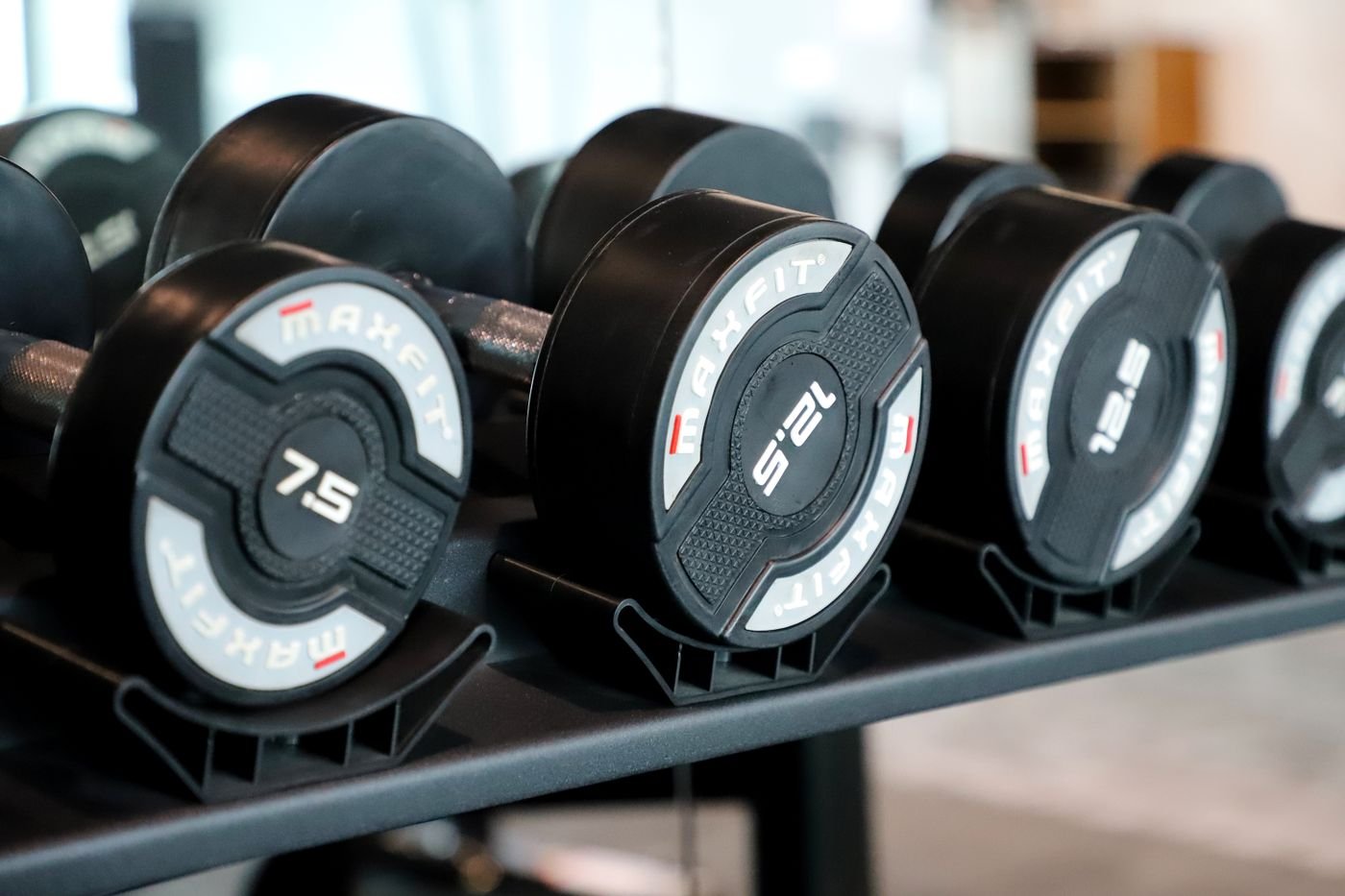
Equipment should make the plan easier to repeat, not more complicated. A reliable pair of dumbbells, a cable trainer, a jump rope or a stationary bike can all support different parts of a program. None is a substitute for sensible workload and recovery decisions.
Functional Fitness Shirts & Workout Gear
Functional-fitness shirts, tanks and workout gear for athletes who train strength, conditioning and everything in between.

Hybrid Athlete – Strength & Endurance Crewneck for Func T-Shirt
For laid-back days and lifting humor: “Hybrid Athlete”.


Kettlebell Heartbeat Decal for Water Bottles Laptops Wo Sticker
Put “Kettlebell Heartbeat” gym humor on your laptop, bottle, or gym gear.

Vive La Resistance Bands Painting Meme – Resistance Ban Tank Top
Your gym-day look, with a playful “Vive La Resistance Bands” twist.

Battle Ropes HIIT Tee
Show some superhero attitude with a playful “Wonder Woman Battle Ropes” tee.

Rowing – Dost Thou Even Row Medieval Knight Crewneck fo T-Shirt
Show some gym-day personality with “Rowing”.

Happy Kettlebell Emoji Smiley Kettlebell Fitness Decal Sticker
Give your everyday gear a playful “Happy Kettlebell Emoji” twist.

Hells Kettlebells Hells Bells Parody AC/DC Heavy Metal Tank Top
Your gym-day look, with a playful “Hells Kettlebells” twist.


Lift Together Grow Stronger for Gym Buddies and Lifting Tank Top
Bring “Lift Together Grow Stronger” humor to your next lifting session.
A four-week HRV tracking experiment with useful guardrails
Week 1: establish a baseline. Keep your training routine stable. If your device supports it, record resting HRV under consistent conditions on waking, ideally at a similar time and in the same position. Also note sleep, resting heart rate, workout type, duration, perceived exertion and one simple performance marker. Do not change training because of a single unusual morning.
Week 2: make comparisons within a modality. Repeat a similar moderate cardio session and a similar lifting session. If you can capture post-exercise HRV reliably, compare the same recovery window and device setup. Avoid comparing a five-minute post-workout RMSSD slope with an overnight score: they measure different things. If you do not have a suitable device, subjective effort and training performance still provide useful feedback.
Week 3: introduce one small change. Add five minutes to an easy cardio session, or add a modest amount of work to one strength exercise, but do not simultaneously increase every session. Watch for a trend in your normal performance, fatigue and sleep. If several measures deteriorate together, hold the workload steady or reduce it temporarily rather than trying to push through.
Week 4: review patterns, not isolated peaks. Compare similar days and sessions. Did your normal loads or repetitions improve? Can you complete the same cardio effort with less perceived strain? Is sleep reasonably consistent? Did a few low HRV readings predict anything meaningful, or were they just noise? Keep the observations that help you make better decisions and ignore precision that does not translate into useful action.
The 2026 study offers a valuable reminder: post-exercise autonomic recovery changes with training mode, but its measurements are not a competition between lifting and cardio. With only forty-three completers in separate cohorts and a short post-session measurement window, it cannot establish a universal ideal HRV score or prove that one type of exercise produces the best overall recovery. Use the data as a trend, combine it with real performance, and build a program you can sustain.