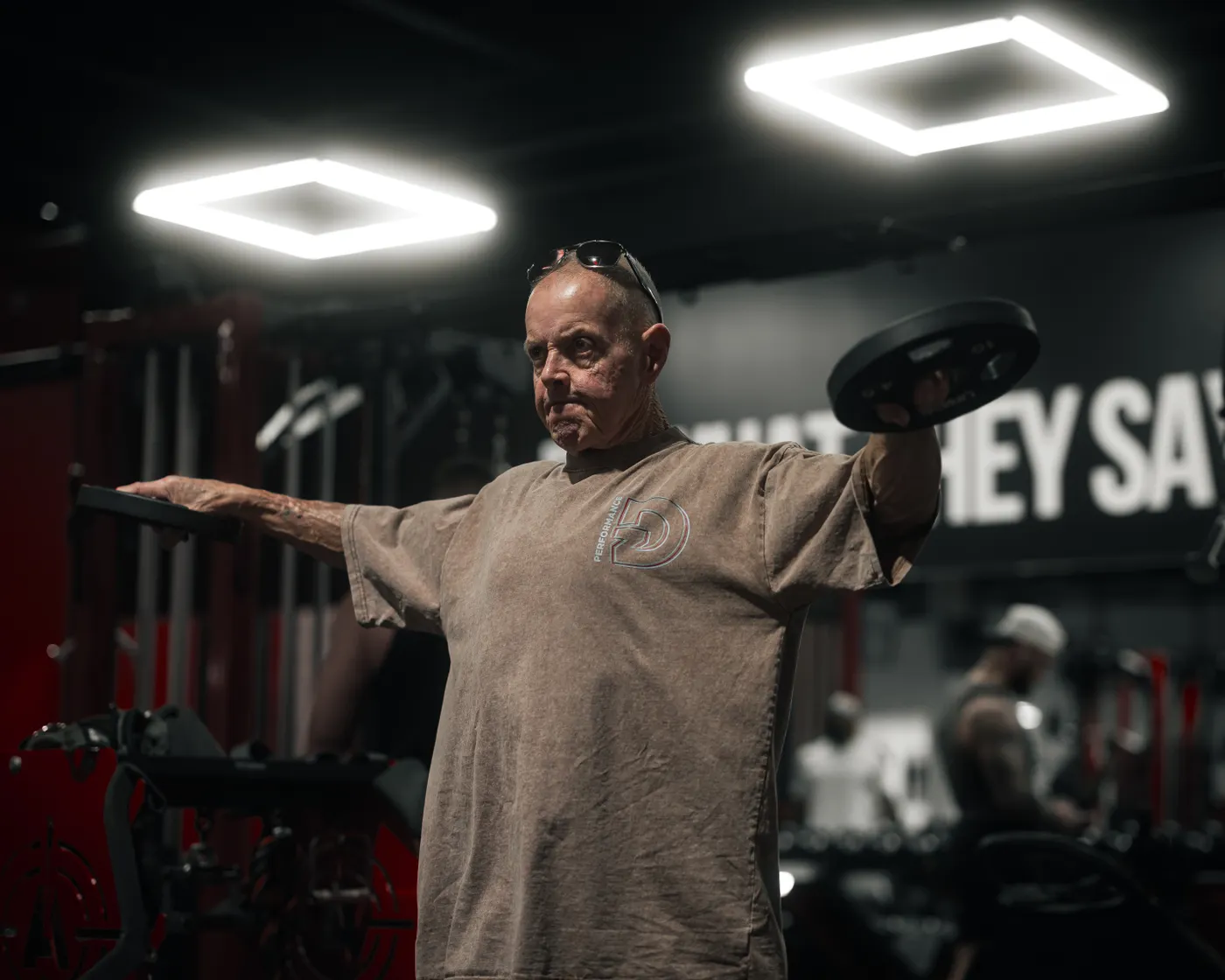
Is there a best time to lift weights? Some people feel strongest after breakfast, while others finally hit their stride in the evening. It is tempting to turn that feeling into a rule: find your personal peak and schedule every workout there. A randomized trial published in September 2026 put that idea to a more demanding test.
Researchers did not merely assign everyone to a generic morning or evening slot. They measured each person’s daily strength pattern, then compared training near the individual’s strongest and weakest times. The surprising result: training at the personal peak did not produce clearly superior gains in strength or lean mass. For people who struggle to fit resistance training around work, family or sleep, that is a useful finding – with important limits.
What the 2026 study actually tested
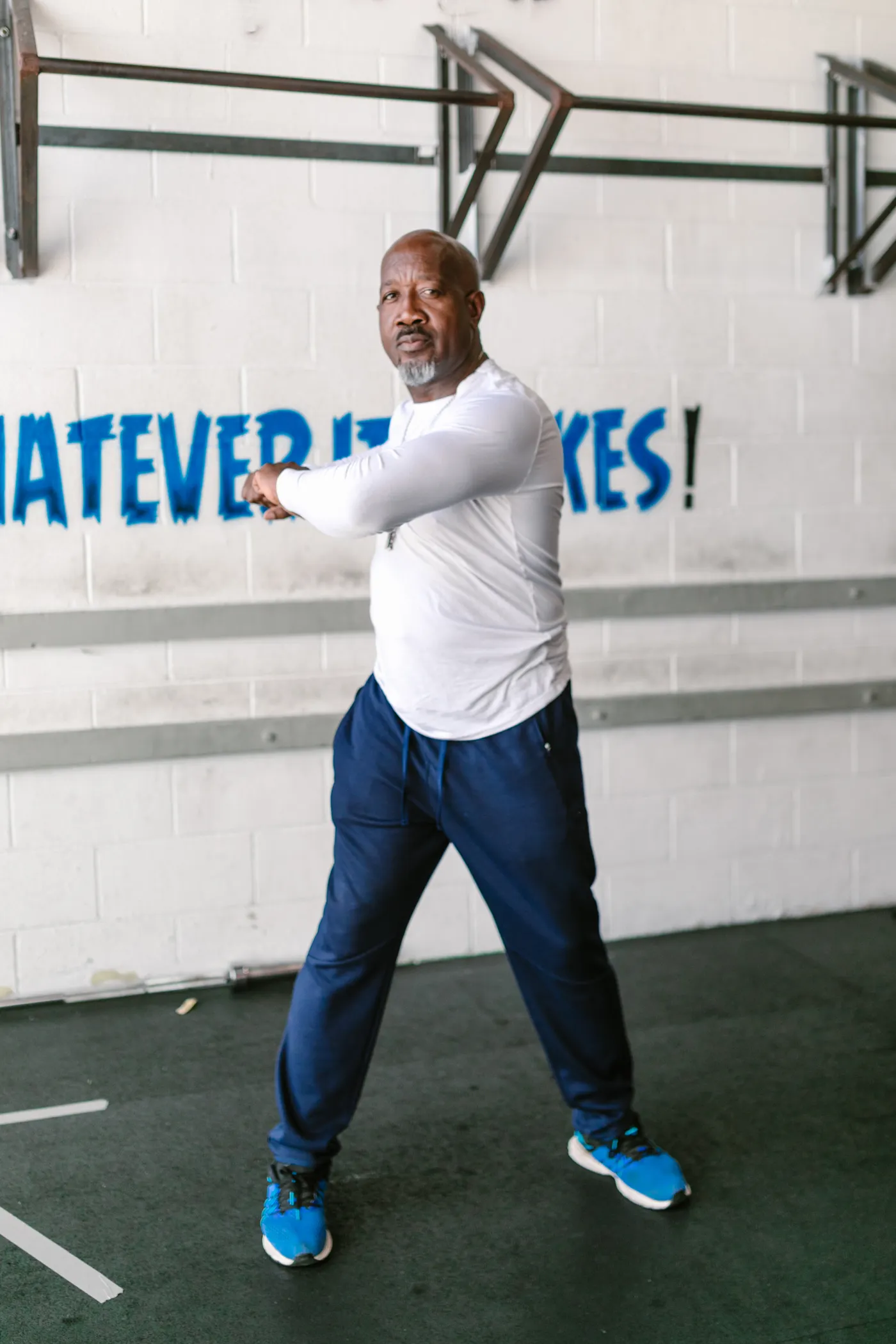
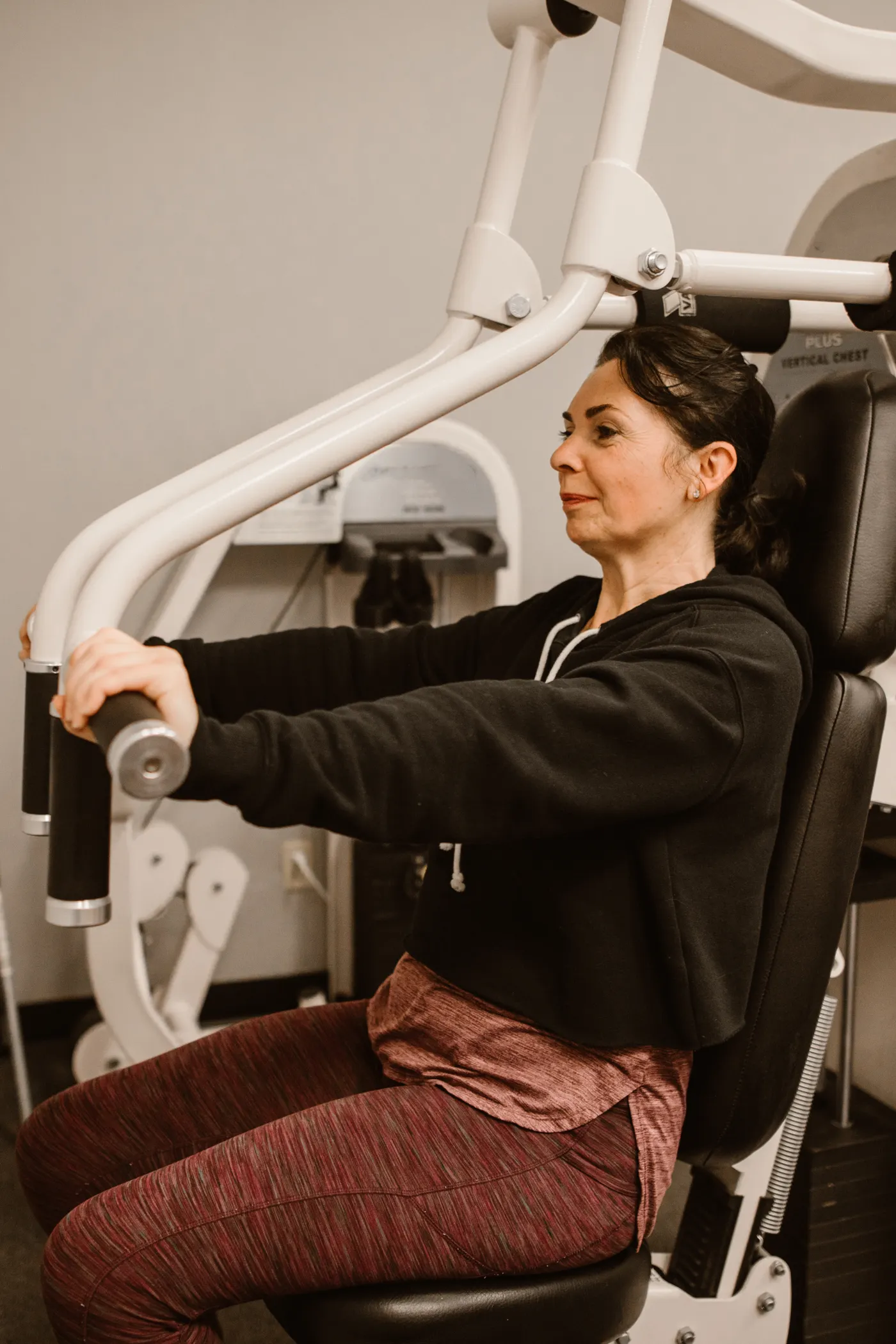
The trial, published in the Journal of Cachexia, Sarcopenia and Muscle, enrolled adults aged 60 to 80. A total of 108 participants were randomized, and 93 were included in the main analyses. Their average age was about 67, and 41% were women. That matters: this was not a study of college athletes, competitive bodybuilders or people trying to peak for a single maximal lift.
Before training began, each participant completed strength testing at 8 a.m., noon, 4 p.m. and 8 p.m. on separate days. The researchers used those assessments to identify the individual’s strongest and weakest time of day. Participants were then assigned to train near their own peak, near their trough, or to a non-training control group.
The intervention lasted 12 weeks, including a two-week familiarization phase. Training involved two supervised whole-body resistance sessions each week and one moderate cycling session. Each strength session used five exercises with three sets of roughly 8-15 repetitions, and loads progressed as participants adapted. This was a real training program, not a one-off laboratory test.
The main outcome was isometric mid-thigh pull strength. Researchers also measured handgrip strength and appendicular lean mass, the muscle-related lean tissue of the arms and legs. Those are useful outcomes, but they do not cover every possible definition of fitness or hypertrophy.
The result: a personal strength peak was not a growth advantage
At baseline, daily strength fluctuations were real. The study reported mean variation of approximately 11% between stronger and weaker testing times, with substantial differences between individuals. In other words, the idea of a personal high-performance window was not imaginary. Some participants genuinely produced more force at one hour than another.
But a better performance on a particular afternoon did not automatically translate into a better adaptation after weeks of training. The estimated difference between peak-time and trough-time training for isometric mid-thigh pull strength was close to zero: 0.06 N/kg, with a 95% confidence interval from -0.76 to 0.88. Handgrip strength and appendicular lean mass also showed no clear between-group advantage.
Those confidence intervals are important. A study that does not detect a significant difference is not proof that all training times are exactly equivalent for every person. It means the researchers did not find convincing evidence that the personalized peak schedule outperformed the trough schedule on the outcomes measured.
Adherence was high in both exercise groups: participants completed about 91%-93% of prescribed resistance sessions. Training loads and volume increased over the intervention. The absence of a clear peak-time advantage therefore cannot simply be dismissed as one group failing to train.
Researchers also compared participants training at fixed morning, noon, afternoon and evening times. Again, they did not find consistent evidence that one clock-time category generated superior strength or lean-mass changes. This is especially relevant for someone who can train reliably at 7 a.m. but rarely at 6 p.m. The study offers no compelling reason to abandon a sustainable morning routine just because later workouts sometimes feel stronger.

Equipment Worth Exploring
Explore equipment, accessories and gear from our carefully selected range.


FID Bench MAX
Adjustable bench offering flat, incline, and decline positions + adjustable headrest.


VOLTRA
Compact digital cable trainer with smooth, adjustable resistance.

Go-Tone Pro
Portable digital cable trainer with up to 66 lb (30 kg) of adjustable resistance.

Why feeling stronger today is different from building more muscle

Acute performance and long-term adaptation answer different questions. Acute performance asks, “How much force can I produce right now?” Adaptation asks, “What changed after enough challenging sessions, recovery and progressive loading?” A person may move a heavier weight at 5 p.m. than at 8 a.m. while still gaining strength from a consistent 8 a.m. program.
Body temperature, alertness, meal timing, accumulated movement and the nervous system can all influence how a session feels. The body’s circadian system also affects biological processes in muscle. Yet those influences do not establish that the hour of greatest immediate force production is the hour of greatest muscle-building response.
Resistance exercise creates a training stimulus relative to the lifter’s current capacity. If a morning lifter uses a slightly lighter absolute load but works with appropriate effort, good technique and sufficient volume, the session can still be productive. A properly progressed program is more than the largest number displayed on a weight stack on a single day.
This helps explain why the new trial fits with earlier research. A 2019 systematic review and meta-analysis of 11 studies found that baseline strength was often higher in the evening, but improvements in strength and muscle size were broadly similar after morning and evening training. A 2023 systematic review likewise found little reliable evidence that one universal training hour delivers better long-term results, although testing at the same time as training may sometimes influence performance assessments.
There is a practical trap here: choosing an inconvenient “optimal” time can reduce the number of workouts actually completed. If a perfect schedule produces missed sessions, it is no longer the better schedule. The training plan that happens consistently has a substantial advantage over a theoretical window that keeps getting skipped.

Funny Gym Shirts & Workout Gear
Funny gym shirts, tanks, hoodies and workout gear for lifters who like training hard.


Weights Breakfast Pancake Weight Plates Morning T-Shirt
Bring “Weights For Breakfast” humor to your next gym day.

Funny Lift O'Clock Gym | Workout Sweater For Bodybuildi T-Shirt
Keep things casual with a little “Lift O'Clock” attitude.

Lift Time Gym | Funny Workout For Gym Bros & Powerlifte Hoodie
Bring “Lift Time” gym humor to lazy days and post-workout plans.

Shirt – It'S O'Clock , Meme & Gains T-Shirt
Bring “It's Gym O'clock” humor to your next gym day.

Stronger Than Excuses Tank
Show some personality between sets with “Be Stronger Than Your Excuses”.

I Want You To Do One More Rep – Uncle Sam Patriotic Hoo Hoodie
Show off your bodybuilding humor in a laid-back “I Want You To Do One More Rep” hoodie.

Live Love Lift Crewneck Pullover Sweater Workout Gym Li T-Shirt
Add a playful “Live Love Lift” touch to your casual rotation.

Shirt – Is My Happy Place – Top & Gains T-Shirt
Rep “Gym Is My Happy Place” humor in and out of the gym.

Shirt – My Therapist Says Lift More – Is My Therapy T-Shirt
Show some powerlifting attitude with a playful “My Therapist Says Lift More” tee.
Morning, afternoon or evening: how to choose your own window
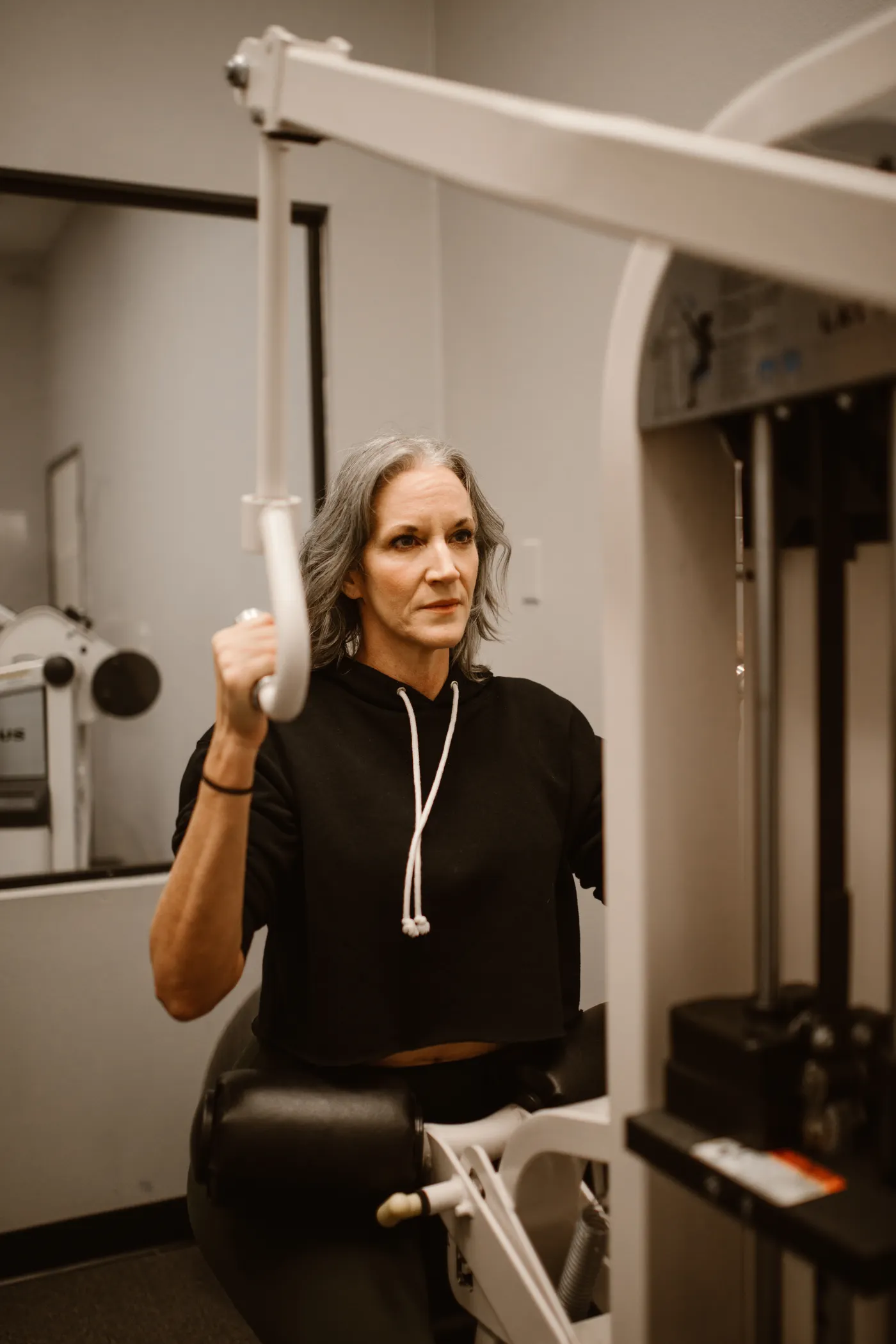
Start with availability rather than a claim about hormonal magic. Which two or three time slots can you protect most weeks? Which leave enough room to eat, travel, warm up and recover? A repeatable slot is the foundation. Only after that should you use comfort and performance to fine-tune the plan.
Morning training can be excellent for people whose evenings regularly disappear into obligations. Expect to spend a few extra minutes becoming alert and warm. Start with lighter sets, increase load gradually and avoid judging the entire session by how the first repetition feels. If you have just woken up, a short walk or easy cycling before lifting can make the transition smoother.
Midday or afternoon training may fit lunch breaks, flexible work schedules or retired adults. Some people feel more coordinated after being awake and moving for several hours. But a 30-minute workout completed reliably is better than a 90-minute plan that requires a daily scheduling miracle.
Evening training can feel powerful, especially after several meals and more daily movement. It may also be the only practical option. If intense late sessions interfere with your sleep, move them earlier where possible, shorten the final conditioning block or reduce the intensity near bedtime. The best schedule supports recovery instead of stealing it.
Keep your training log honest. Record the exercise, load, repetitions, effort and whether you completed the planned work. Compare progress over several weeks, not morning and evening single-session records. If one time slot consistently feels better and is equally convenient, use it. The new evidence simply argues against treating that preference as a universal muscle-growth law.
For people with dizziness, cardiovascular symptoms, unstable medical conditions or unfamiliar resistance exercise, an appropriately supervised program matters more than optimizing the clock. Individual clinical advice takes priority over generic scheduling tips.
The variables that matter more than the clock
The most useful part of this study is what it does not change. Progressive resistance training remains the central tool. Select movements you can perform with control, gradually increase repetitions or load as capacity improves, and train major muscle groups regularly. You do not need a special chronotype test to begin.
For a simple full-body session, combine a squat or sit-to-stand pattern, a hip hinge, a push, a pull and a core or carry exercise. A machine leg press, supported row, chest press and cable pull-through can be effective where balance or equipment limits free-weight options. Dumbbells, bands and bodyweight exercises also work when the difficulty can be progressed.
Begin with manageable sets and leave some repetitions in reserve while learning technique. Over time, add load, repetitions or an additional set when recovery and form allow. The exact prescription should reflect training history, goals and health status rather than the hour on the wall. An older beginner does not need to chase failure on every set to make meaningful progress.
The 2026 American College of Sports Medicine position stand synthesizes a large body of resistance-training evidence and emphasizes that multiple workable prescriptions improve strength and muscle outcomes. The broader World Health Organization guidance recommends muscle-strengthening activity involving major muscle groups on at least two days per week, with additional balance-focused activity for older adults.
Sleep, sufficient food and adequate recovery support the ability to repeat those sessions. Someone who lifts at an apparently ideal hour but sleeps poorly, rushes every workout and never progresses is not exploiting a secret biological advantage. A modest, sustainable routine is the more defensible bet.
Equipment should match the person rather than the headline. Adjustable dumbbells or a cable machine can make load progression convenient at home; a stable bench and appropriate grips can improve exercise setup. None of those products is required to obtain the study’s result, and no product carousel should be mistaken for evidence that a device changes circadian biology.
Equipment Worth Exploring
Explore equipment, accessories and gear from our carefully selected range.

Power Tower
Freestanding pull-up and dip station with adjustable handles for bodyweight training.


GymPin Squat Wedges
Non-slip 15-degree squat wedges help elevate the heels for deeper quad-focused squats.

GymPin Ergo Handles
Pair of ergonomic cable handles shaped for comfortable triceps and pulling exercises.
A practical two-day strength plan that works at any hour
Here is a flexible example for a generally healthy adult who wants a manageable full-body routine. It is not the exact protocol used in the trial, and it is not a substitute for individual coaching or rehabilitation. Leave at least one recovery day between strength sessions and scale every exercise to your present ability.
Session A: basic strength
- Five to eight minutes of easy walking or cycling, followed by light practice sets.
- Goblet squat, supported sit-to-stand or leg press: 2-3 sets of 8-12.
- Dumbbell or machine chest press: 2-3 sets of 8-12.
- Seated cable row or supported dumbbell row: 2-3 sets of 8-12.
- Farmer carry or a comfortable anti-rotation hold: 2 short rounds.
Session B: repeatable progression
- Five to eight minutes of comfortable warm-up movement.
- Hip hinge or light Romanian deadlift: 2-3 sets of 8-12.
- Step-up or supported split squat: 2 sets of 6-10 per side.
- Lat pulldown or assisted pulling variation: 2-3 sets of 8-12.
- Standing or seated overhead press if comfortable: 2 sets of 8-12.
- Easy balance practice near a stable support: 2-3 short rounds.
Pick a load that permits smooth repetitions without grinding or breath-holding. When you can complete the top end of the range with solid technique on consecutive sessions, make a small progression. A little more load is one option; more controlled repetitions or improved range of motion can be useful too.
Schedule A and B wherever they fit: early morning on Monday and Thursday, midday on Tuesday and Friday, or two evenings separated by rest. Consistency is the point. Add comfortable walking, cycling or other aerobic work on separate days as tolerated. If training in the evening makes it harder to sleep, try moving the session earlier before abandoning resistance training itself.
Review the log every four weeks. Are loads or repetitions improving? Are the sessions happening? Do you feel recovered enough to continue? Those questions are more actionable than whether your wristwatch labels you a morning or evening person.
Bodybuilding Shirts & Workout Gear
Bodybuilding shirts, tanks and gym gear for lifters chasing muscle, size, symmetry and the pump.

Never Skip Leg Day Chicken Legs Meme Sweater & Bros T-Shirt
Show some gym-day personality with “Never Skip Leg Day”.

Funny Train Hard Gains Gym | Thomas The Tank Engine Wor T-Shirt
Show some gym-day personality with “Train Hard Gains”.


Doctor Discipline Gym Villain T
Make gym days more fun with “Doctor Discipline Gym Villain” style.

Coffee and Weights Retro Cartoon Crewneck for Caffeine- T-Shirt
Show some gym-day personality with “Coffee and Weights Retro Cartoon”.

Welcome To The Gun Show Bro Meme Huge Arms Tank Top
Train hard, laugh a little, and rep “Welcome to the Gun Show”.

Never Skip Mass Day : Greek Mythology Booty & Top T-Shirt
Rep “Never Skip Mass Day” humor in and out of the gym.

Flexonomics Tee
Show some lifting attitude with a playful “: Flexonomics Muscle Graph” tee.

Train Hard Eat Trash Raccoon Shirt – Meme & Top T-Shirt
Bring “Train Hard Eat Trash Raccoon” humor to your next gym day.

Is My Therapy Cool , Gymbro & Meme Shirt T-Shirt
Heavy lifts, good laughs, and a little “Gym Is My Therapy” energy.
What the evidence cannot promise – and the real takeaway
The September 2026 trial offers a thoughtful test of personalized exercise timing, but it does not close the subject. Participants were older adults in a supervised, relatively short program. Its results should not be assumed to apply identically to competitive strength athletes, younger bodybuilders, shift workers or people training six days per week. A 12-week intervention also cannot answer whether subtle timing effects might emerge over years.
Strength and lean mass were measured with specific tests. Changes in athletic skill, sleep quality, glucose control, motivation and long-term adherence could follow different patterns. The trial also included a weekly cycling session, so it was not a pure comparison of isolated lifting at different hours. Those are reasons for proportionate conclusions, not reasons to ignore the results.
Most importantly, “no clear advantage” is not the same as “time never matters.” Timing can still matter to how you feel, whether you sleep well, how much weight you can lift on a given day, and whether you actually show up. It just did not demonstrate a reliable extra muscle or strength benefit when training was aligned with each participant’s measured daily peak.
For a home-gym owner, the practical conclusion is refreshingly simple: use the access you have. If 7 a.m. is quiet and predictable, lift at 7 a.m. If your best window is after dinner and sleep remains good, that is reasonable too. Warm up, work hard enough for your level, progress patiently and repeat.
Bottom line: the best time to lift weights is the time that supports consistent, progressive training and recovery. The 2026 trial found no convincing reason to reorganize a sustainable routine around an individually measured strength peak.
Research and further reading
- Bruggisser and colleagues (2026): daily rhythm-aligned resistance training trial in older adults.
- Grgic and colleagues (2019): morning versus evening resistance training meta-analysis.
- 2023 systematic review: time of day for strength and endurance training.
- ACSM (2026): updated resistance-training position stand.
- WHO: physical activity and muscle-strengthening recommendations.