Advertising disclosure: This page includes affiliate product links that may earn us a commission, as well as products from our own store.
A caffeine mouth rinse sounds like a shortcut to a stronger workout, but the outcome being measured matters. A small bench-press experiment found an endurance benefit without a significant improvement in maximum strength. Here is what that finding means, how it fits conflicting trials and why consistent training and sleep deserve more attention than a headline.
A bench-endurance result is not a bigger maximum
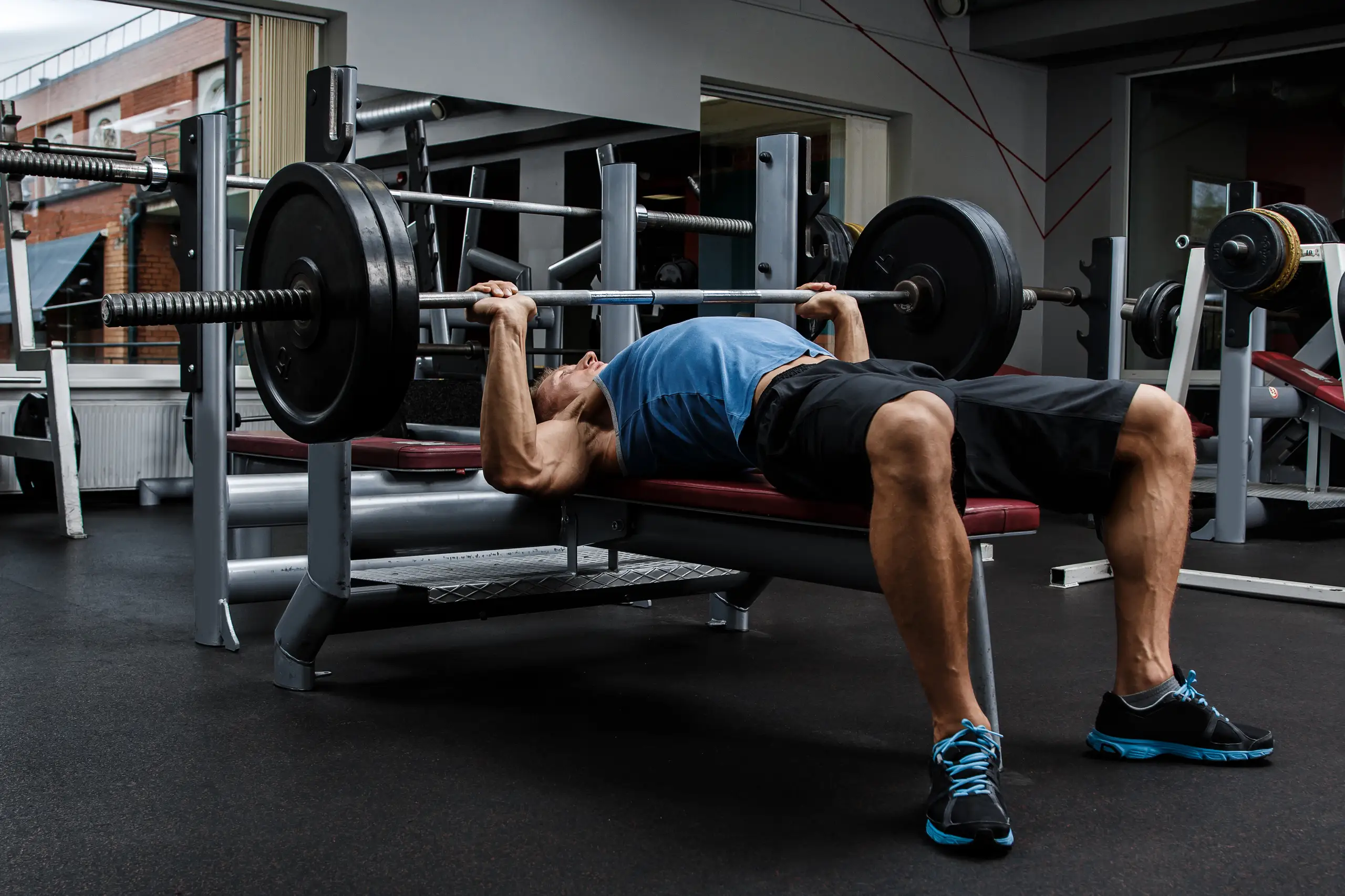
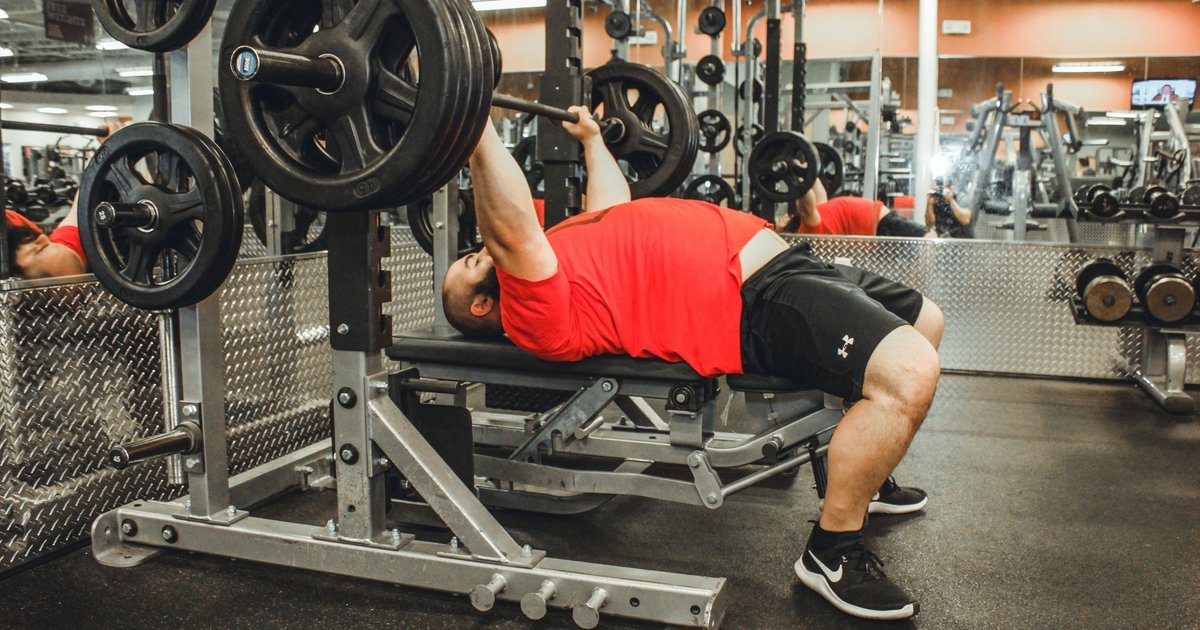
A 2021 crossover study tested fourteen resistance-trained men under four conditions, including a placebo and three caffeine mouth-rinse concentrations. The men rinsed briefly and spat the solution out before bench-press testing. The strongest rinse improved repetitions to failure at 60% of one-repetition maximum and reduced perceived exertion. Maximum bench-press strength did not differ significantly between conditions. That is a narrower finding than the broad claim that caffeine mouthwash makes you stronger.
The distinction matters because a maximum attempt and a repetition test ask different questions. One asks how much weight you can lift once under the test conditions. The other asks how long you can continue lifting a specified load. An intervention might affect willingness to tolerate effort, repeated performance or neither; it should not be credited with improving an outcome that did not change.
This was an acute experiment in a small male sample, not a months-long muscle-building programme. It cannot establish that rinsing produces larger pecs, a better training year or the same response in every lifter. It also does not show that a commercial pre-workout used as a rinse would reproduce the result. The useful takeaway is how carefully the performance claim needs to be defined before it becomes a recommendation.
When you read a supplement headline, write down the actual endpoint first. Was it repetitions, total work, bar speed, a maximum lift or a feeling of alertness? Those measurements can all be interesting, but they answer different questions. Keeping them separate protects you from turning a modest finding into a claim about everything that happens in the gym.
Rinsing, drinking coffee and taking pre-workout are different choices

Mouth rinsing involves contact with the mouth followed by expelling the liquid. Drinking coffee, tea or a pre-workout involves swallowing it. A proposed explanation for rinsing involves sensory signals from the mouth and their influence on effort or attention. That is a research hypothesis, not proof that a rinse delivers every effect associated with ingested caffeine or avoids every unwanted effect.
Coffee and matcha also vary as drinks. Neither a cup photograph nor a scoop size tells you how a drink compares with a laboratory solution. Likewise, a pre-workout can contain several ingredients, making it a poor substitute for a controlled research treatment. If several ingredients and the delivery method change together, you no longer know which comparison you are making.
The concentration used in a research rinse must not be read as a dose to swallow. This article is not a mixing recipe. Pure or highly concentrated caffeine sold in bulk can cause serious poisoning, and very small measuring mistakes can have severe consequences. Do not improvise a rinse from caffeine powder or assume that spitting it out makes an uncontrolled mixture safe.
For an everyday training decision, separate curiosity about the experiment from your existing habits. Note the caffeinated drinks and supplements you already consume instead of adding a new method on top without considering the total. If caffeine causes unpleasant symptoms or interferes with sleep, a novel delivery claim is not a reason to ignore that response. Questions about an individual's medical risks or medication interactions belong with their clinician or pharmacist, rather than a gym experiment.
Other resistance-training trials make the picture less certain
A separate study of fifteen recreationally resistance-trained men found no significant improvement in maximum bench strength, repetitions or total exercise volume from carbohydrate and caffeine rinses. Another trial involving thirteen men and fourteen women also found similar bench-press endurance across its conditions. Its combined carbohydrate-and-caffeine treatment improved the first squat-endurance set, but that does not establish an equivalent benefit for bench pressing.
These results should be read together. Different rinse protocols, loads, exercises and participants can produce different findings. A positive result in one task does not cancel the null results in another, while a null result does not prove that every possible protocol has exactly zero effect. The evidence is a set of specific comparisons, not a contest in which the most exciting headline wins.
For a lifter deciding what deserves attention, consistency across relevant tests matters. A method supported by a small number of mixed studies should receive less confidence than its most favourable individual result suggests. That is especially true when the practical promise expands from an immediate repetition test to long-term strength or hypertrophy, which requires a different kind of evidence.
Ask whether the study's task resembles the outcome you care about. A lighter-load endurance set, a single maximal attempt and a squat test are not interchangeable. You can find the topic interesting while deciding that the uncertainty, preparation and safety questions make it a low priority for normal training. No purchase or personal experiment is required to learn from the research.
Make your bench sessions comparable before judging a small change
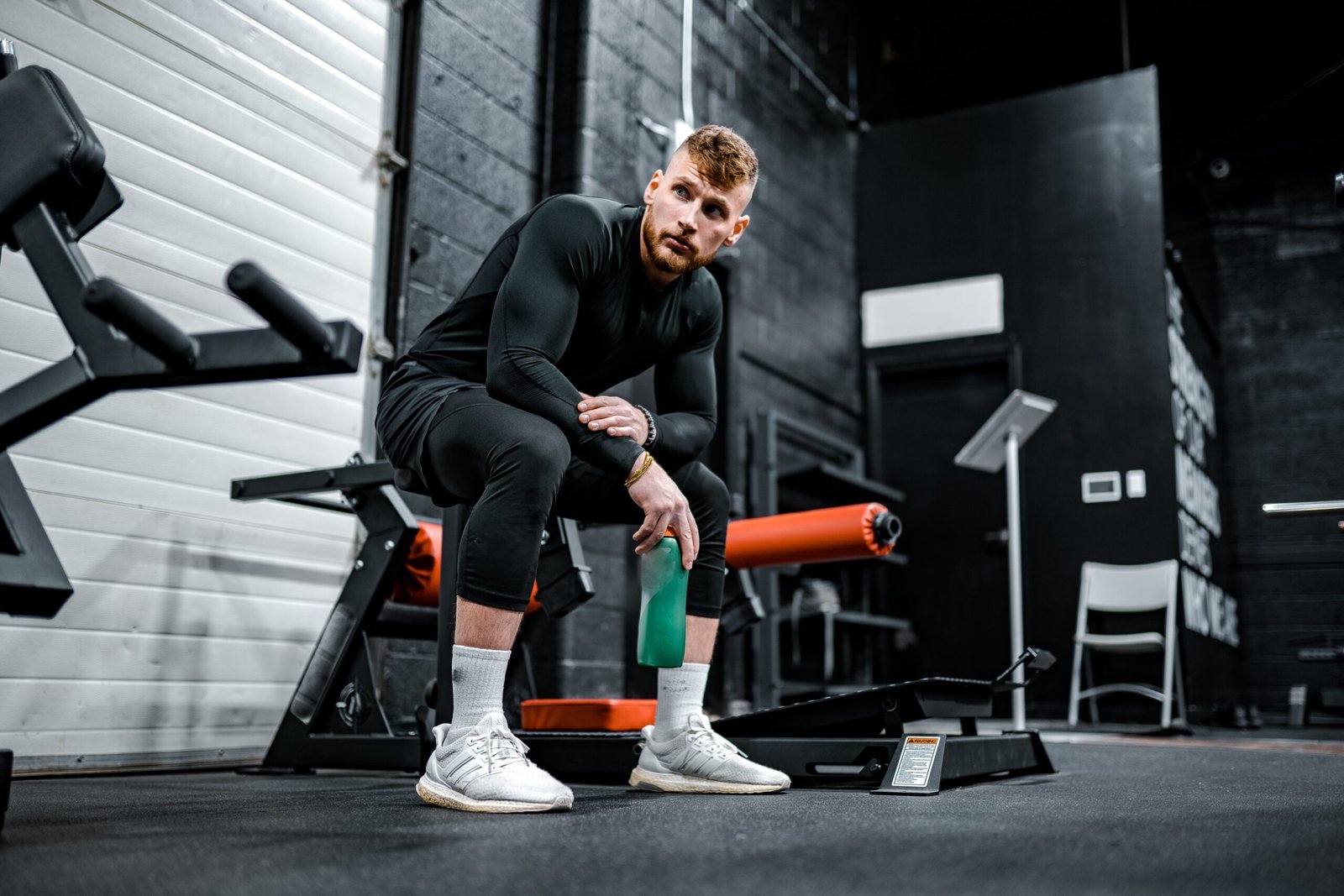
An ordinary training log becomes more useful when the exercise stays recognisably the same. Record your load, repetitions, rest periods and the way you finish a set. Keep your grip, range of motion and normal pause or touch convention reasonably consistent. Otherwise an extra repetition may reflect a changed technique or a longer rest rather than the effect you think you are observing.
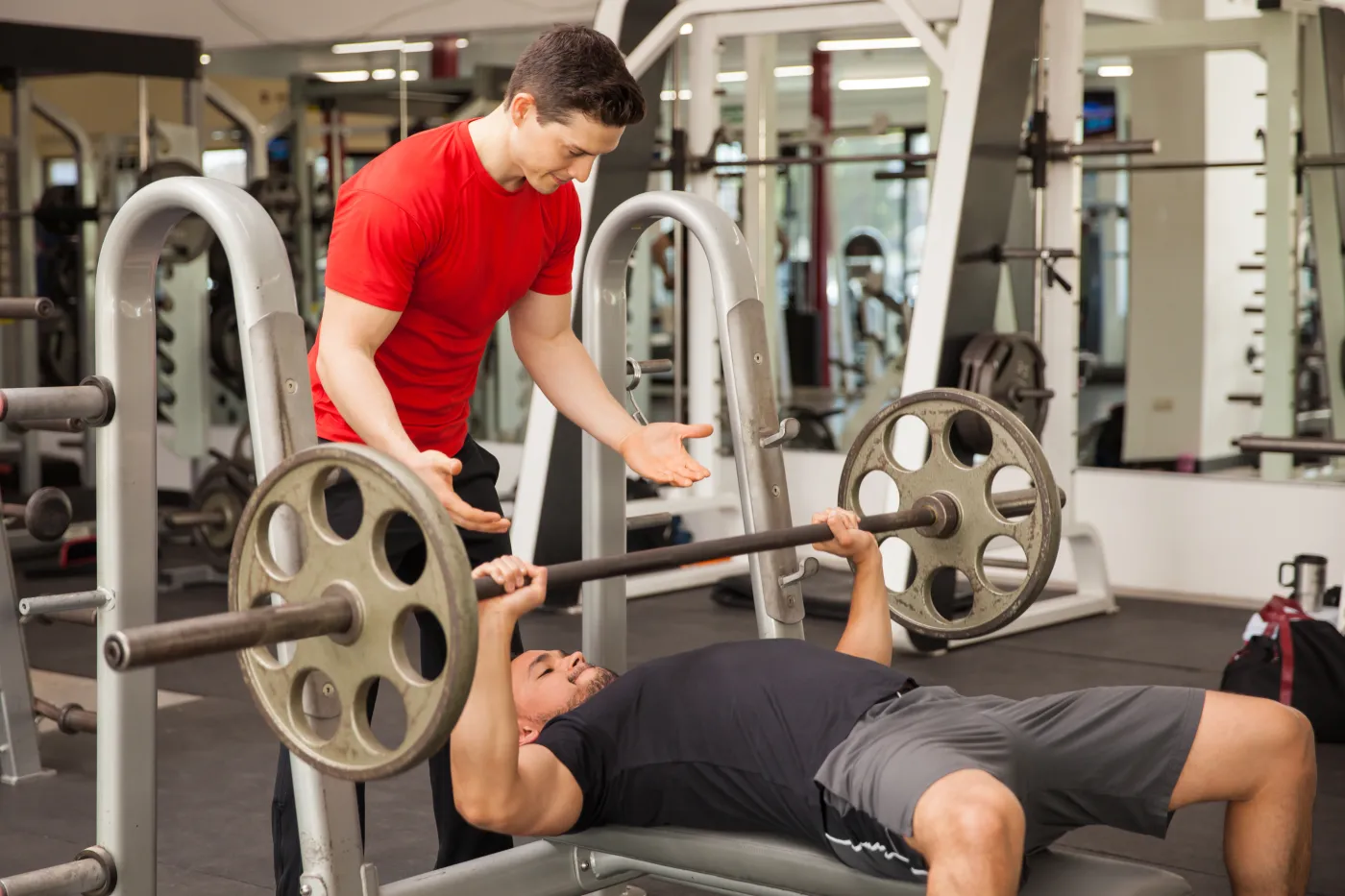
Use a stable bench and a secure barbell setup, with suitable safeties or a competent spotter when required. Agree on what assistance means before a difficult set. Repetitions completed after a spotter starts helping should not quietly become unassisted repetitions in your log. The purpose is honest comparison, not turning every session into a laboratory test or pursuing failure just to produce a number.
Also note whether bench pressing comes before or after other demanding work. A set performed fresh is not directly comparable with one performed after several pressing exercises. Keep warm-up choices and planned rest understandable enough that you can repeat them. If training time is short, a simple consistent routine is often easier to interpret than a different collection of techniques every week.
For example, a log might say: same bench and grip, same load, three working sets, timed rests, and one or two estimated repetitions left on the final set. Add a brief note about poor sleep or unusual fatigue. That is an original tracking example, not the mouth-rinse study's protocol, and it does not require changing your caffeine intake. Review several comparable sessions rather than treating one good day as proof of a new intervention.
Equipment choices support that consistency. A different bench pad, unfamiliar bar or large change in plate increments may alter the session enough to deserve a note. They do not invalidate your workout; they simply change the comparison. Progress is easier to assess when you know what actually stayed the same.

Equipment Worth Exploring
Explore equipment, accessories and gear from our carefully selected range.

Multi Bench MBX-650 2.0
Adjustable multi-bench with roller adjustment, 15 backrest positions and accessory mounts.


FID Bench MAX
Adjustable bench offering flat, incline, and decline positions + adjustable headrest.


Competition Plates
Competition-style bumper plates for Olympic lifts and loaded strength training.

Grip Plates
Rubber-coated weight plates with handholds for loading barbells and machines.

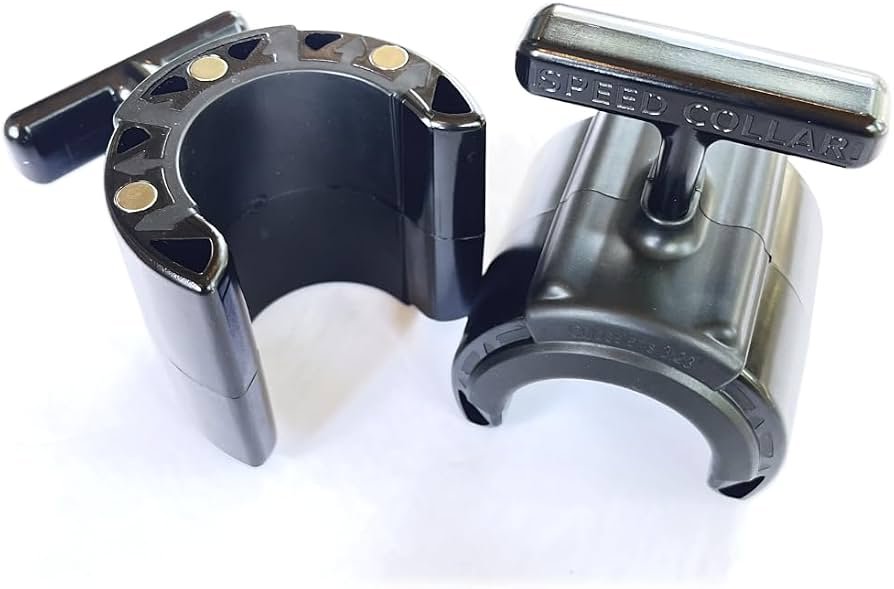
Speed Collar
Quick-release collars designed to secure weight plates on standard two-inch Olympic bars.
Judge the whole training week, including sleep

Caffeine can affect sleep, and individual responses vary. A more alert workout is not automatically a better overall trade if it contributes to a poor night and a difficult following day. This is particularly relevant for evening lifters, whose training, work and bedtime may already be close together. A mouth-rinse study cannot establish that a new caffeine routine is sleep-neutral for you.
Look at the whole week rather than only the most energetic set. Are you completing your planned sessions? Can you recover well enough to repeat productive work? Do you keep needing more stimulation to start a normal workout? Those questions help distinguish an interesting performance detail from an expensive or inconvenient ritual that adds little to your actual training.
A practical review can be simple: compare planned and completed sessions, note unusual tiredness, and check whether your evening routine still allows enough time in bed. This is an organisational check rather than a diagnostic test. It helps you notice a tradeoff before treating a stimulating workout as an uncomplicated success.
A sensible decision can be to leave things alone. Keep a routine that fits your training and sleep, make manageable progress, and remain open to stronger evidence without chasing every delivery method. If you already use caffeinated products, follow their directions and account for other sources. Do not use this experiment's concentrated rinse conditions as instructions for ingestion or home preparation.
The fourteen-man study is worth understanding because it separates a possible bench-endurance effect from maximum strength. It is not a universal endorsement of rinsing, a caffeine escalation plan or evidence of faster muscle growth. Read the endpoint, consider the conflicting trials and keep your own training records honest. Those habits remain useful even if you never try a new supplement method.

Funny Gym Shirts & Workout Gear
Funny gym shirts, tanks, hoodies and workout gear for lifters who like training hard.

Caffeine & Weights for Coffee Powered Lifting, Bodybuil Tank Top
Add some lifting attitude to training with “Caffeine & Weights”.

Caffeine Gym Cosmic Muscle Shirt , Coffee Workout Top Tank Top
Bring “Caffeine” humor to your next lifting session.

Coffee and Weights Retro Cartoon Decal for Caffeine-Fue Sticker
Give your everyday gear a playful “Coffee and Weights Retro Cartoon” twist.

Caffeine Skull Coffee Gym Crewneck Vibrant Hardcore Ene T-Shirt
Show some gym-day personality with “Caffeine Skull”.

Lift Eat Sleep Repeat Meme Sweater & T-Shirt
Bring “Lift Eat Sleep Repeat” humor to your everyday gym style.

Supplement Lover Gym | Funny Hypebeast Pre-Workout Meme Hoodie
Show off your bodybuilding humor in a laid-back “Supplement Lover” hoodie.

Preworkout – Heavy Metal Gym Crewneck for Hardcore Lift T-Shirt
Show some gym-day personality with “Preworkout”.

Coffee Shots & Heavy Squats for Caffeine Lovers, Liftin T-Shirt
Show some leg-day attitude with a playful “Coffee Shots & Heavy Squats” tee.

Rest Day Sloth – Essential T-Shirt
Show some bodybuilding attitude with a playful “Rest Day Sloth” tee.

for Chest Day | I Love Bench Press Muscle Shirt with Pi Tank Top
Add some lifting attitude to training with “for Chest Day”.