A heavy squat can make you instinctively tighten your torso and stop breathing. That short brace may make a difficult repetition feel stable, but it also changes pressure in the chest and cardiovascular system. The useful question is not whether every breath hold is good or bad. It is when a deliberate brace is worth its physiological cost, and who should avoid it without medical guidance.
A controlled experiment released in October 2026 compared resistance-trained and untrained adults during leg pressing. It found measurable differences in blood-pressure and brain-circulation signals when participants used the Valsalva maneuver. Here is what those measurements can—and cannot—tell lifters.
1. What the 2026 leg-press study actually found
Researchers tested 44 healthy young adults, including 23 resistance-trained people and 21 without training experience. They first assessed resting vascular function and responses to controlled pressure changes. Participants then performed leg press at 50%, 75% and 90% of one-repetition maximum. At the heaviest load, coached breathing and Valsalva were compared in a randomized order.
Valsalva increased peak mean arterial pressure and a measure of pulsatility in a major artery supplying the brain, while reducing heart rate during the measured response. Trained lifters reached higher peak arterial pressure during exercise, yet their cerebrovascular responses were similar to or smaller than those of untrained people. Resting brain-blood-flow measurements did not meaningfully differ between groups.
This was an acute laboratory study, not a trial of strokes, fainting episodes, brain injury or long-term cardiovascular outcomes. A temporary pressure change is a real observation, but not proof of permanent damage. The results also cannot automatically be generalized to older adults or people with high blood pressure, vascular disease or other risk factors.
2. Why the Valsalva maneuver can stabilize a heavy lift
During Valsalva, a lifter takes air in, closes the airway and braces the trunk while producing force. This raises pressure in the chest and abdomen, helping create a rigid torso around which the legs, hips and shoulders can work. A brief brace through the sticking point of a heavy squat is different from holding air throughout a long, exhausting set.
Chest pressure can also alter venous return to the heart and the way blood pressure changes during muscular contractions. Lifting itself already produces short blood-pressure spikes. Adding a closed-airway strain can amplify the response, depending on the load, duration, effort and breathing technique. The body does not experience every breath hold in the same way.
Another 2026 crossover experiment studied 15 healthy people who were not accustomed to resistance training. Repeated Valsalva during resistance exercise produced a temporary increase in carotid-femoral pulse-wave velocity, a measure related to arterial stiffness, whereas paced breathing did not produce the same pattern. A Valsalva-only condition also changed that measurement. These findings describe immediate responses, not permanent stiffening of the arteries.
Think of a brace as a controlled technique rather than a contest. Take only the air needed to establish stability, use the effort for the appropriate portion of the repetition, and breathe again once the difficult phase has passed. If you cannot explain when you are breathing during a set, reduce the load and practice first.

Equipment Worth Exploring
Explore equipment, accessories and gear from our carefully selected range.


FID Bench MAX
Adjustable bench offering flat, incline, and decline positions + adjustable headrest.


GymPin Squat Wedges
Non-slip 15-degree squat wedges help elevate the heels for deeper quad-focused squats.

Safety Squat Handles
Barbell squat handles that reduce shoulder positioning demands during high-bar squats.


3. Inhaling, exhaling and holding: what performance tests show
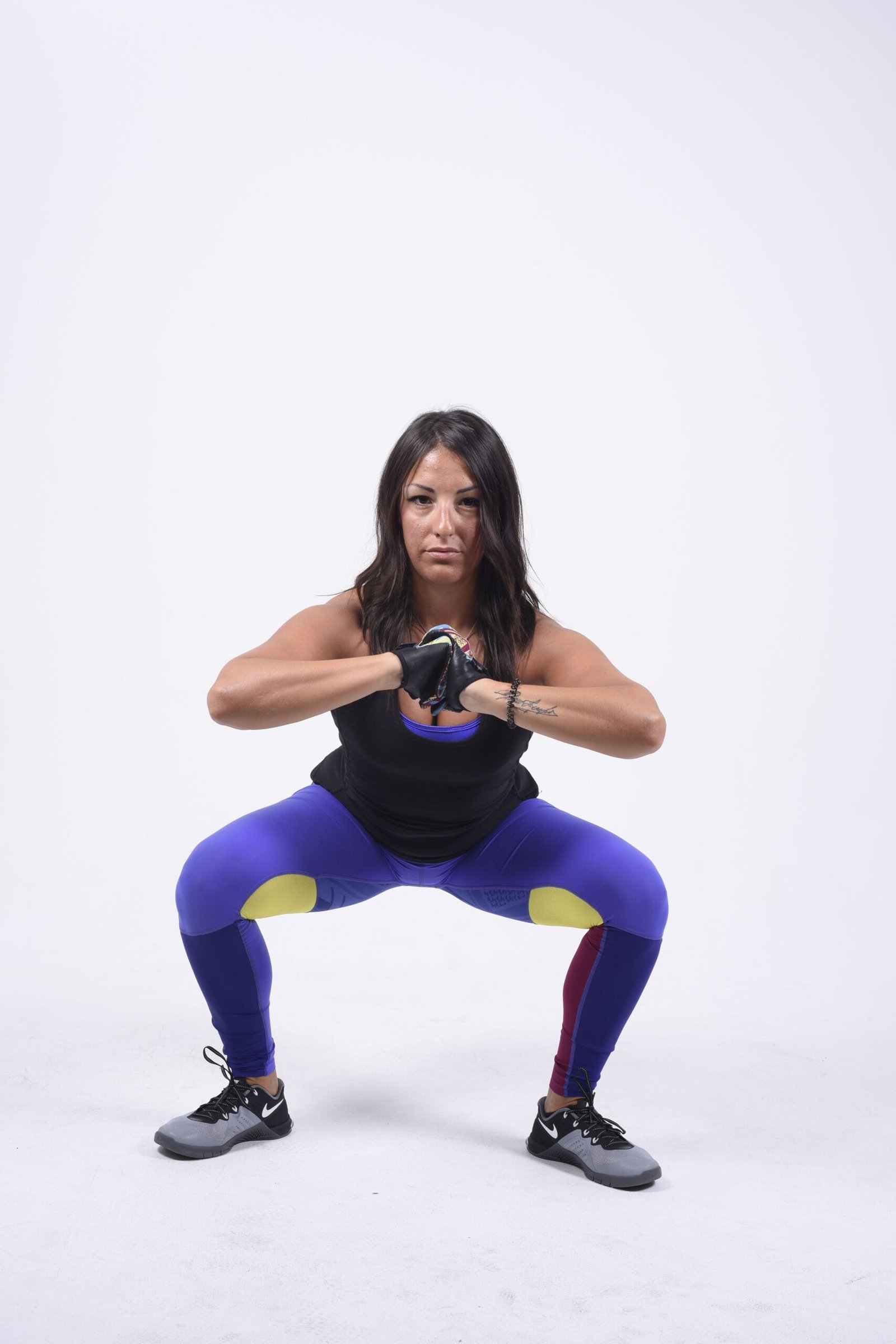
For moderate working sets, inhaling during the easier lowering phase and exhaling during the demanding lifting phase provides a simple rhythm. On a near-maximal attempt, experienced lifters sometimes choose a brief hold for extra trunk rigidity. These approaches are not mutually exclusive; they address different loading demands.
A controlled bench-press experiment involving 12 resistance-trained men compared inhaling during the press, exhaling during the press and holding the breath. Participants attempted repeated sets at about 90% of their one-repetition maximum. Inhaling during the lifting phase resulted in fewer completed sets and less total volume. Exhaling and breath-holding did not differ significantly on those performance measures. Some heart-rate-variability measurements changed, while measured blood-pressure differences were not statistically significant in that small sample.
That does not prove breath-holding builds more muscle or is safer for the heart. The experiment measured a single type of exercise over a short period, not months of training. It involved only healthy trained men, and the exact breathing patterns were not objectively confirmed with airflow sensors. Treat the findings as clues about immediate performance, not a universal training prescription.
On ordinary sets, breathe comfortably and avoid turning every repetition into a maximal strain. For appropriate heavy singles or doubles, a short deliberate brace may be useful, followed by a release and reset. Never continue holding your breath after the repetition has clearly stalled or when dizziness begins.

Powerlifting Shirts & Lifting Gear
Powerlifting shirts and gym gear for squat, bench and deadlift lifters who live for heavy numbers.

Breathe In Between Sets – Pink Floyd Meme Pullover Jump T-Shirt
Bring “Breathe In Between Sets” humor to your everyday gym style.

8 Plates Bench Club Meme & Gymbro Top T-Shirt
Make gym days more fun with “8 Plates Bench Club” style.

Barbells and Suffering – Demonic Heavy Metal Gym Vest f Tank Top
Bring “Barbells and Suffering” humor to your next lifting session.

Thunder Squat AC/DC Thunderstruck Parody Heavy Metal fo Hoodie
Stay casual and show some metalhead attitude with “Thunder Squat”.

1 Plate Squat Club Meme – Motivational Top T-Shirt
Bring “1 Plate Squat Club” humor to your next gym day.

Gym Nothing Else Matters Tee
Rep “Gym Nothing Else Matters Metallica” humor in and out of the gym.

Leg Day / Metallica
Add a playful “Leg Day The Day That Never Comes Metallica” touch to your casual rotation.

Lift Heavy – Hardcore Heavy Metal Powerlifting for Seri Hoodie
Show off your metalhead humor in a laid-back “Lift Heavy” hoodie.

Medieval Gym – Dost Thou Even Hoist Knight & Dragon Squ T-Shirt
Make gym days more fun with “Medieval” style.

Christian Gym Pray Heavy Lift Heavier Medieval Crewneck T-Shirt
Show some gym-day personality with “Christian”.
4. A blood-pressure spike is not the same as chronic hypertension
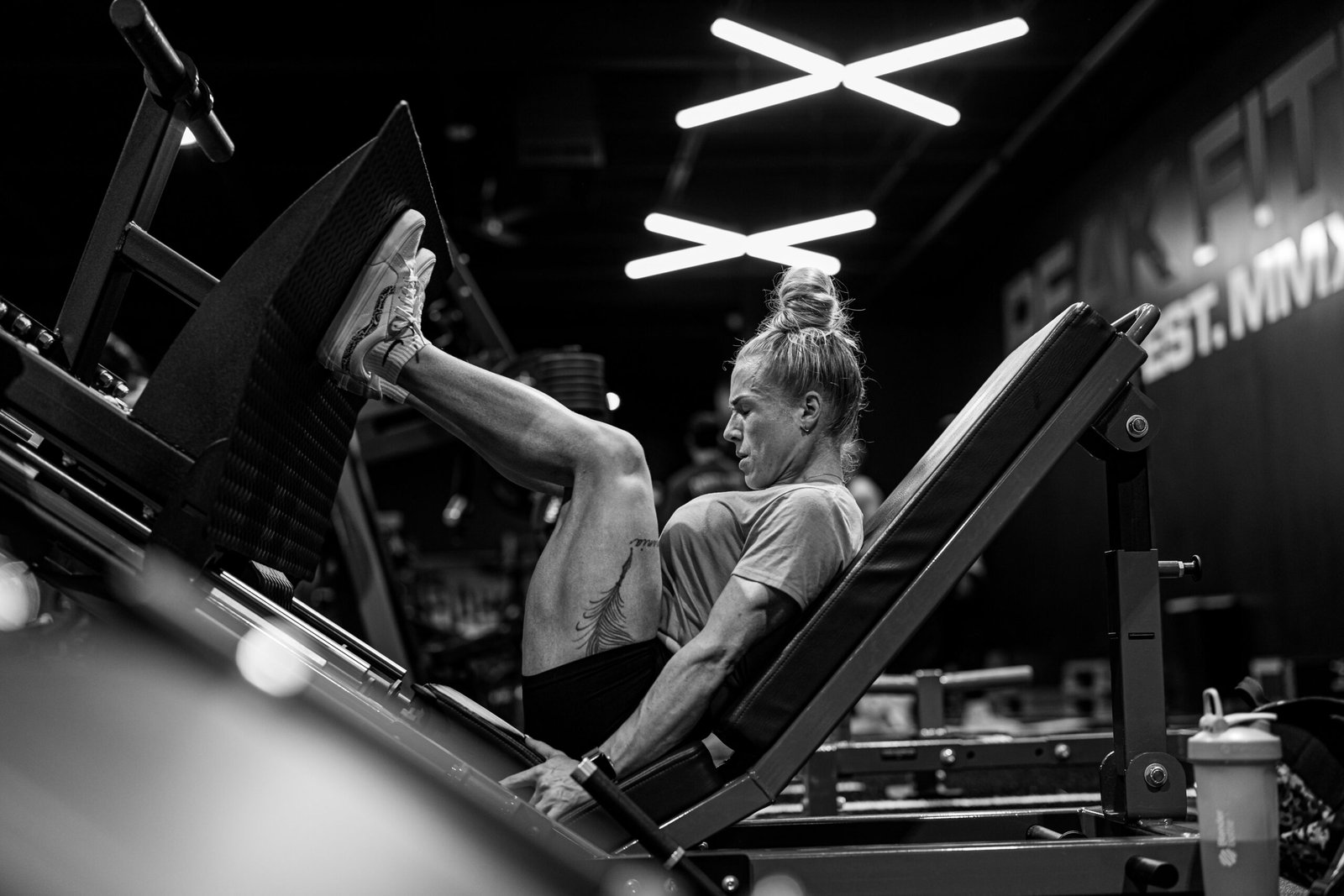
Blood pressure measured during a hard repetition and blood pressure measured at rest answer different questions. The first captures the immediate effects of muscular contraction, body position, breathing and effort. The second is used to evaluate cardiovascular health over time. A brief exercise peak should not be interpreted as though it persists all day, but it still matters when someone has medical risk factors.
In a separate 2026 squat study, 17 healthy young women performed bodyweight and light-to-moderate loaded squats with either breath-holding or controlled breathing. Breath-holding increased measured systolic pressure by roughly 16%–23% across tested conditions, along with smaller increases in heart rate and perceived effort. Oxygen uptake and ventilation temporarily fell. The measured responses were not considered critical in this healthy sample; that is not a blanket guarantee of safety for other groups.
An older experiment involving 20 novice male lifters also observed the largest blood-pressure responses with Valsalva during curls and knee extensions. Together, the experiments explain why breathing matters even at loads well below a personal maximum. None identifies a single safe pressure threshold for everyone, or proves that an acute response necessarily causes future disease.
Regular resistance training can still be part of a heart-healthy routine. Someone with elevated resting pressure should ask a qualified clinician about exercise intensity and straining rather than automatically avoiding strength work or assuming every heavy brace is harmless. The immediate cost of one repetition and the long-term effects of a consistent training program are separate questions.
5. Practical breathing cues for squat, bench, deadlift and leg press
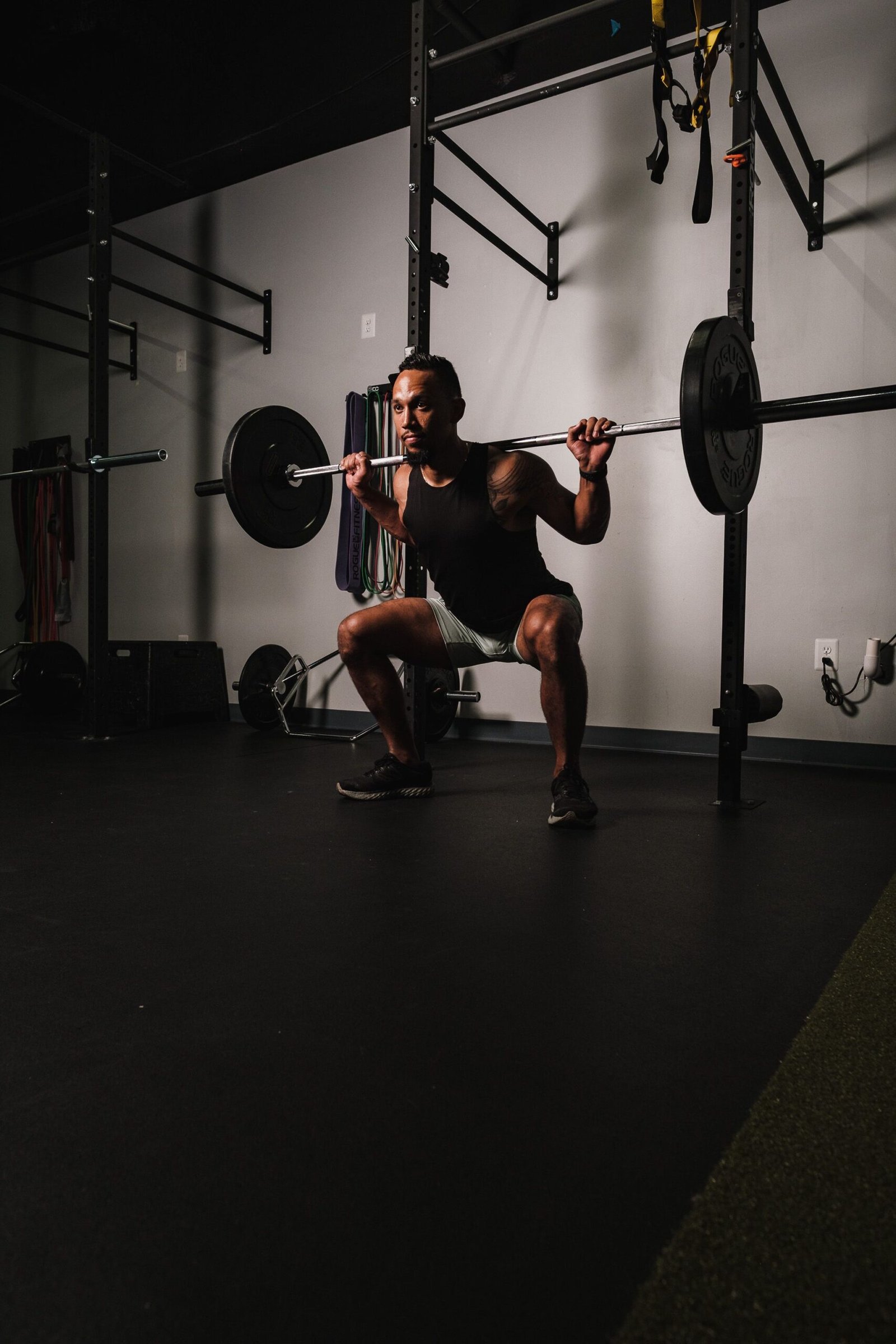
Squat: Before descending, stand tall, take a comfortable breath and tighten the trunk as though preparing for a firm tap to the abdomen. Keep the ribs and pelvis organized. For moderate sets, exhale as you stand through the demanding phase. For an appropriate heavy attempt, use a short practiced brace, then release air and reset before the next repetition.
Bench press: Establish a stable upper back and feet before unracking. On normal sets, inhale as the bar lowers and exhale during the press. Do not lose shoulder position just to force a particular breathing rhythm. If a brief heavy brace is appropriate, release it after the difficult part. Use safeties or a competent spotter where necessary.
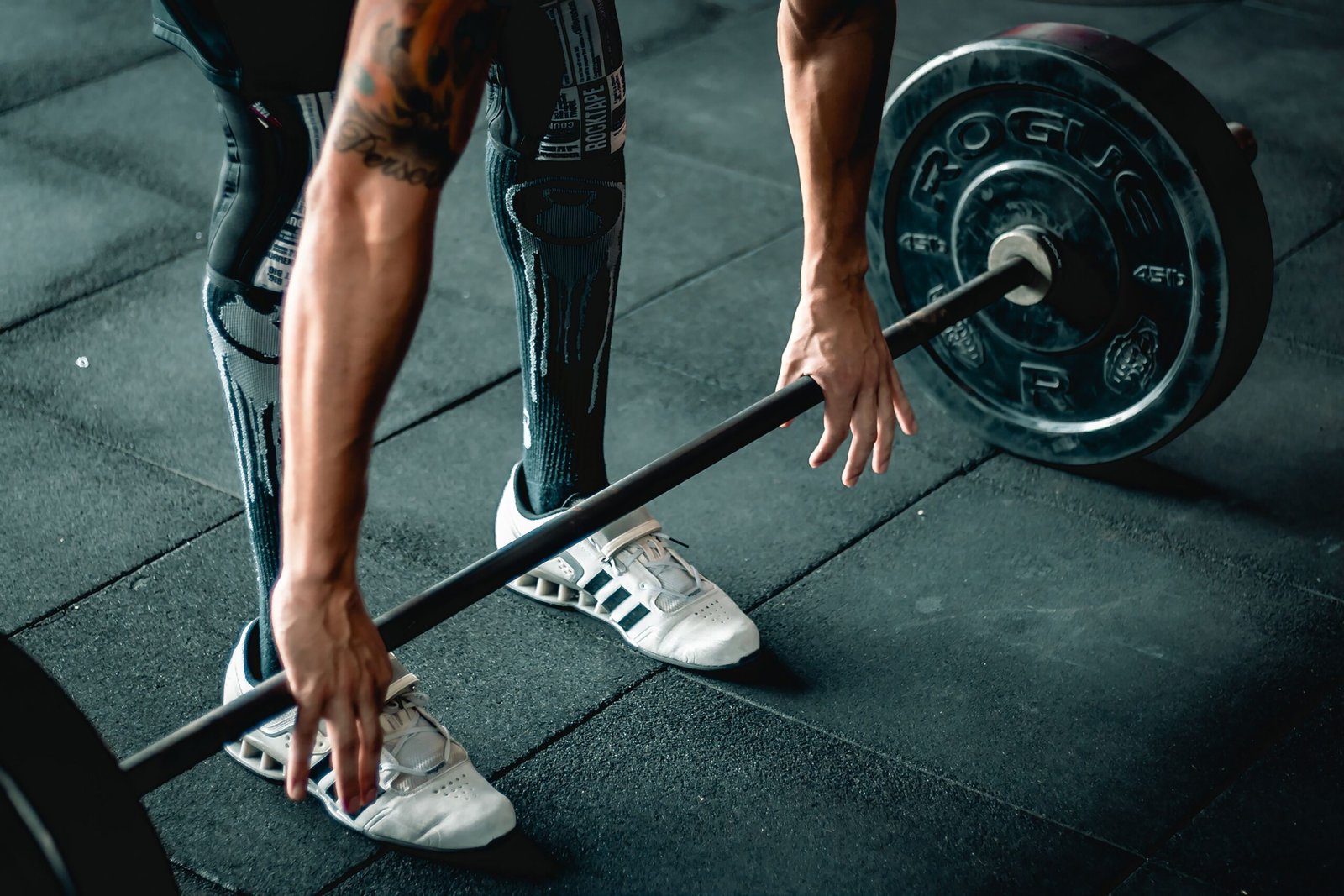
Deadlift: Set the bar close, brace before initiating the pull and keep the torso organized as the bar passes the knees. Breathe and reset at the top or between repetitions depending on the style. Avoid repeated jerking attempts while holding a prolonged breath, especially when vision, balance or coordination feels unusual.
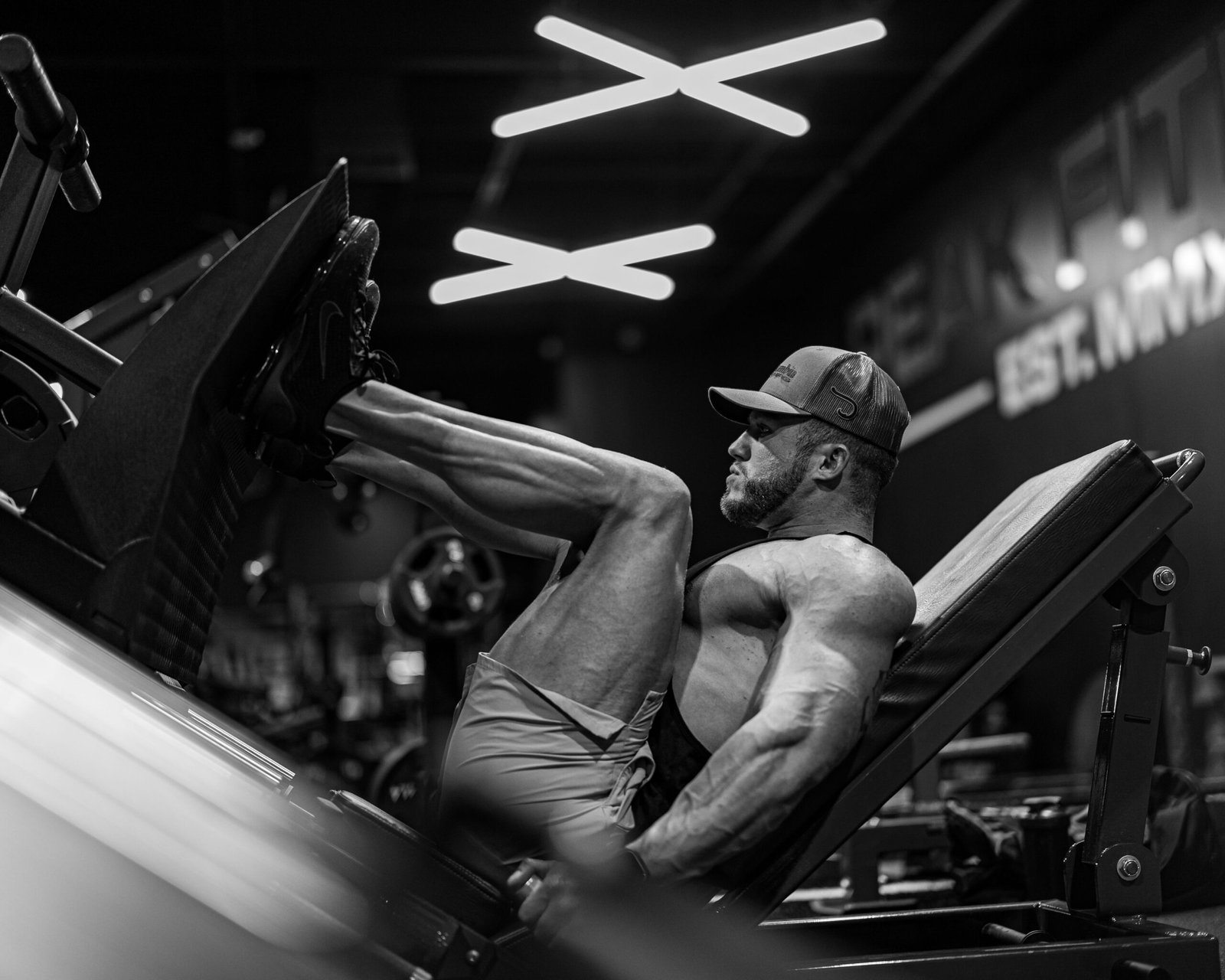
Leg press: Do not assume a supported machine is cardiovascularly effortless. The legs can produce high forces while the torso is braced. Use a controlled range, avoid folding the pelvis sharply at the bottom and exhale during routine presses. Stop when technique or breathing becomes disorganized.
The goal is repeatable control, not the longest possible breath hold. A lifting belt can provide something to brace against, but it does not replace breathing skill or remove medical considerations. For beginners, a lighter load with a reliable breathing rhythm is more useful than copying a maximal-lift technique before mastering the movement.
Equipment Worth Exploring
Explore equipment, accessories and gear from our carefully selected range.
VOLTRA
Compact digital cable trainer with smooth, adjustable resistance.

Go-Tone Pro
Portable digital cable trainer with up to 66 lb (30 kg) of adjustable resistance.

Squat Harness
Wearable harness for hands-free cable squats, sled work, and lower-body training.


Belt Squat Collar
Heavy-duty collar adapter for compatible belt-squat and landmine bar setups.


6. Who should be especially cautious about deliberate breath-holding?
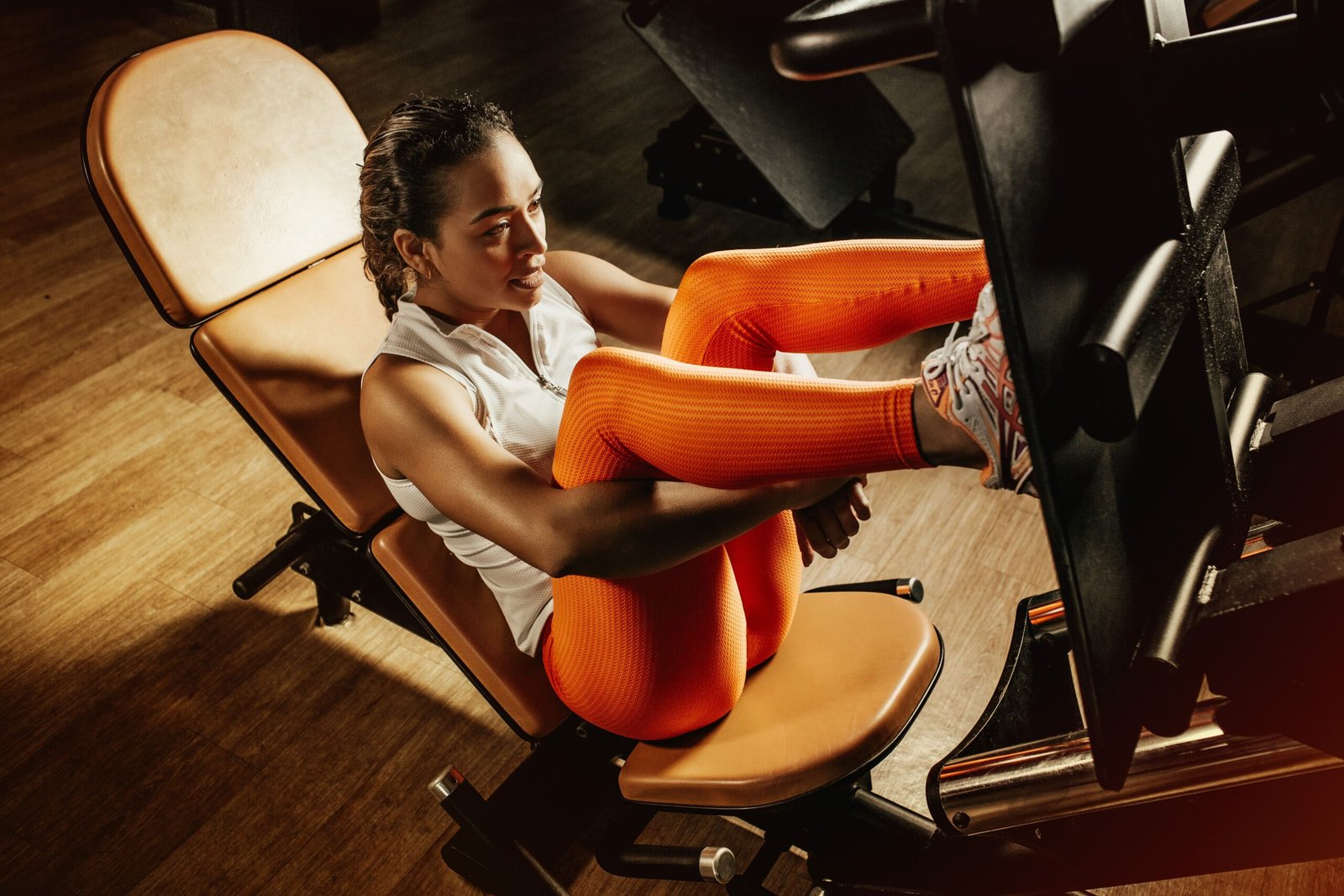
The experiments discussed here mainly involved healthy adults under supervision. Their results do not justify applying the same instructions to people with uncontrolled hypertension, cardiovascular or cerebrovascular disease, a history of fainting during exertion or a medical recommendation to avoid straining. Those lifters should obtain individualized advice on loading and breathing before deliberately using Valsalva.
Warning signs deserve attention even without a known diagnosis. Stop exercising and seek prompt medical assessment for unusual chest discomfort, a severe headache, fainting, sudden neurological symptoms or breathlessness out of proportion to the effort. Do not attempt to fix dizziness by bracing harder. Severe or sudden symptoms warrant emergency care.
If you are returning after a long break, begin with manageable weights, leave repetitions in reserve and breathe continuously during routine sets. Progress gradually instead of testing how long you can hold air. A coach may help with mechanics, but cannot replace clinical evaluation of cardiovascular risk. The exact pressure response varies among individuals and situations.
The 2026 brain-circulation study did not show that habitual strength training damages the brain. It identified physiological differences during controlled challenges. Responsible interpretation means acknowledging both sides: the pressure response is measurable, while its long-term significance for a particular person remains uncertain.
Funny Gym Shirts & Workout Gear
Funny gym shirts, tanks, hoodies and workout gear for lifters who like training hard.

Heavy Metal Lift Heavy – Hardcore Powerlifting Gym Shir T-Shirt
A t-shirt featuring the Heavy Metal Lift Heavy – Hardcore Powerlifting Gym Shirt for Bodybuilders and Lifters artwork, bringing lifting-inspired humor and distinctive gym graphics to your everyday gear.

Ultimate : Meme Squat Rack Gains & Humor T-Shirt
Rep “Ultimate Powerlifting” humor in and out of the gym.

Wonderbar Gym Shirt | Funny Oasis Parody Who Love Barbe T-Shirt
Rep “Wonderbar” humor in and out of the gym.

Heavy Metal – Rock & Barbell Decal for Water Bottles & Sticker
Stick a little “Heavy Metal” humor on your favorite gear.

Rack Panther Black Panther Workout Graphic Gym Shirt Sq T-Shirt
Make gym days more fun with “Rack Panther Black Panther” style.

Gym Cult Occult Barbell Meme Graphic – Powerlifting Bod T-Shirt
Make gym days more fun with “Gym Cult” style.

Liftionaire Money Barbell Meme Workout Bodybuilding Pow Hoodie
Keep it laid-back with a little “Liftionaire” attitude.

Nice Rack – Squat Rack Meme & Gymbros Ultimate Top T-Shirt
Heavy lifts, good laughs, and a little “Nice Rack” energy.

Viking Squats – Norse Workout Meme Vest Muscle Shirt Tank Top
Show some personality between sets with “Viking Squats”.
7. A two-session plan for better breathing under load
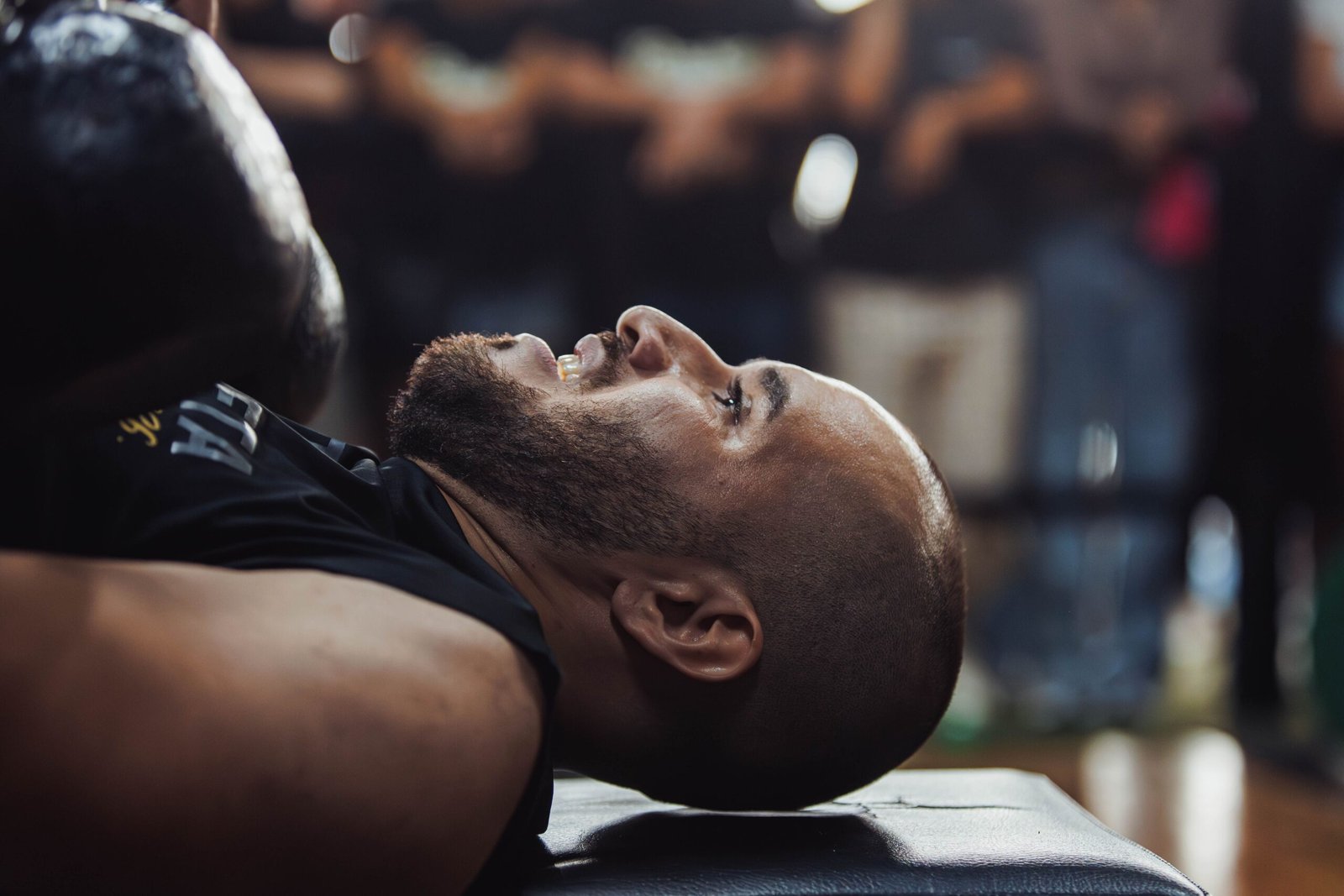
Practice breathing with a load that lets you focus on movement rather than fight for the last repetition. This is a technique drill, not a medical rehabilitation program or a challenge to hold your breath longer. Follow individualized clinical guidance if you have relevant risk factors.
Session A — squat and push: Warm up with five slow bodyweight squats, noticing when the torso tightens and air escapes. Perform three sets of six to eight goblet squats at an easy-to-moderate effort, inhaling during the descent and exhaling as you stand. Add three sets of six to eight light-to-moderate bench presses or push-ups with the same steady rhythm. Rest until you can speak comfortably. Write down whether breathing stayed smooth as fatigue increased.
Session B — hinge and machine: After warming up, perform three sets of five to eight controlled Romanian deadlifts with a manageable load. Breathe and reset between repetitions rather than racing. Add two or three sets of eight to ten leg presses, exhaling during the push and avoiding maximal straining. If you are already experienced and medically cleared for heavy lifting, practice a slightly heavier repetition with a deliberate setup and short release, not a prolonged hold.
Over the next few weeks, increase difficulty only when the movement stays stable and you can describe your breathing without guessing. If a set turns into gasping or dizziness, stop and reduce the load. Good breath control is a skill to develop, not a contest to win. Consistency matters more than dramatic demonstrations of pressure.
Bottom line: A brief Valsalva brace can help stabilize heavy lifting, but it also changes immediate blood-pressure and brain-circulation measurements. For most routine sets, controlled breathing is a sensible default; heavier bracing requires experience, context and appropriate health screening.
Some product links may be affiliate links, which can support Mind Muscle Perfection at no additional cost to you.