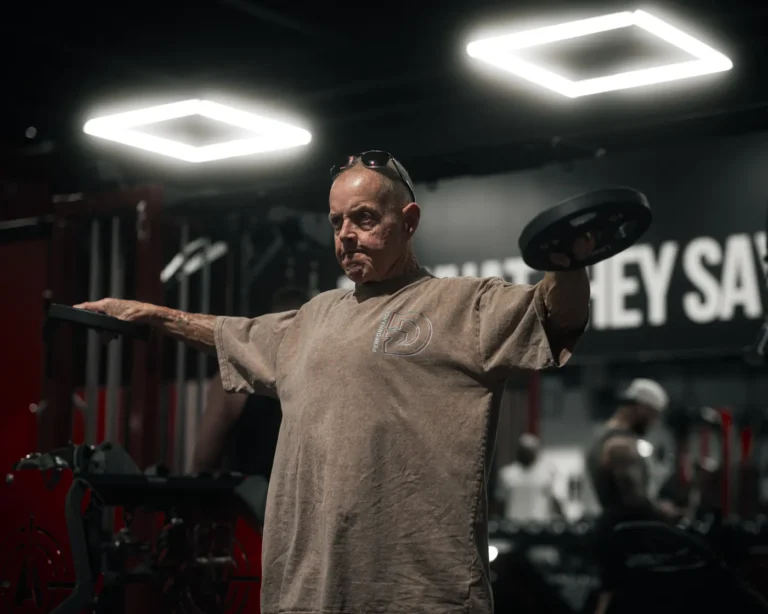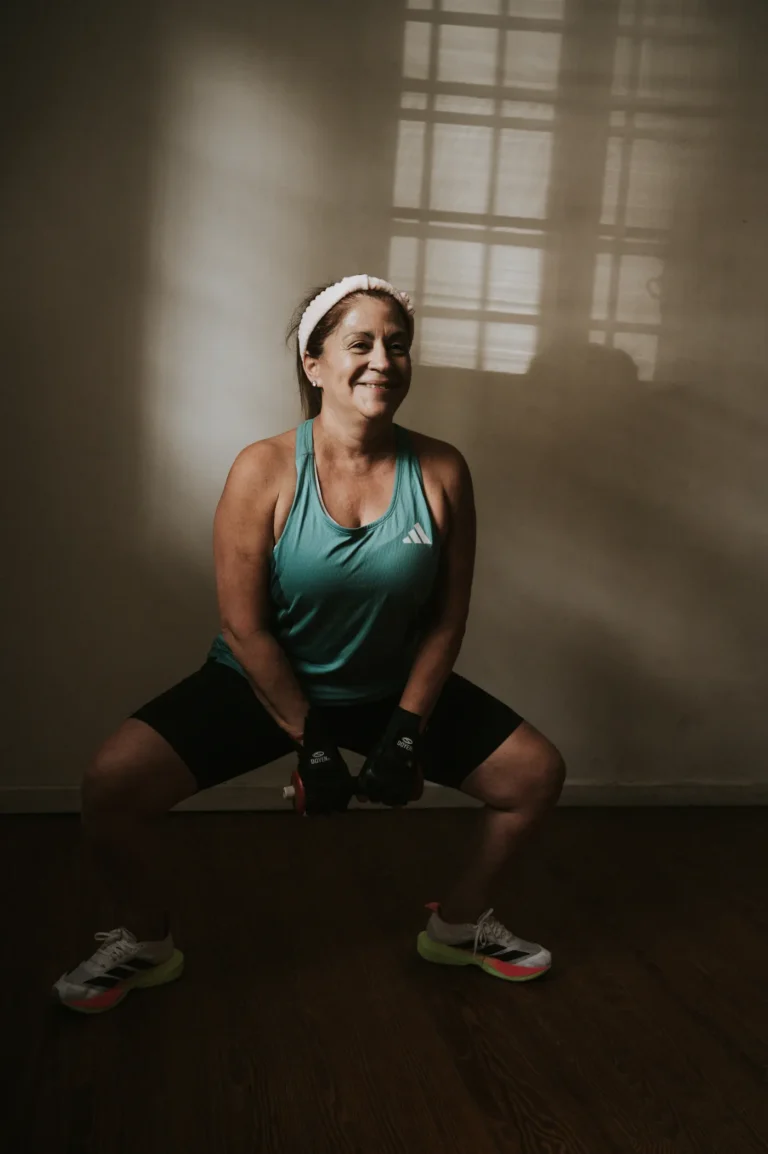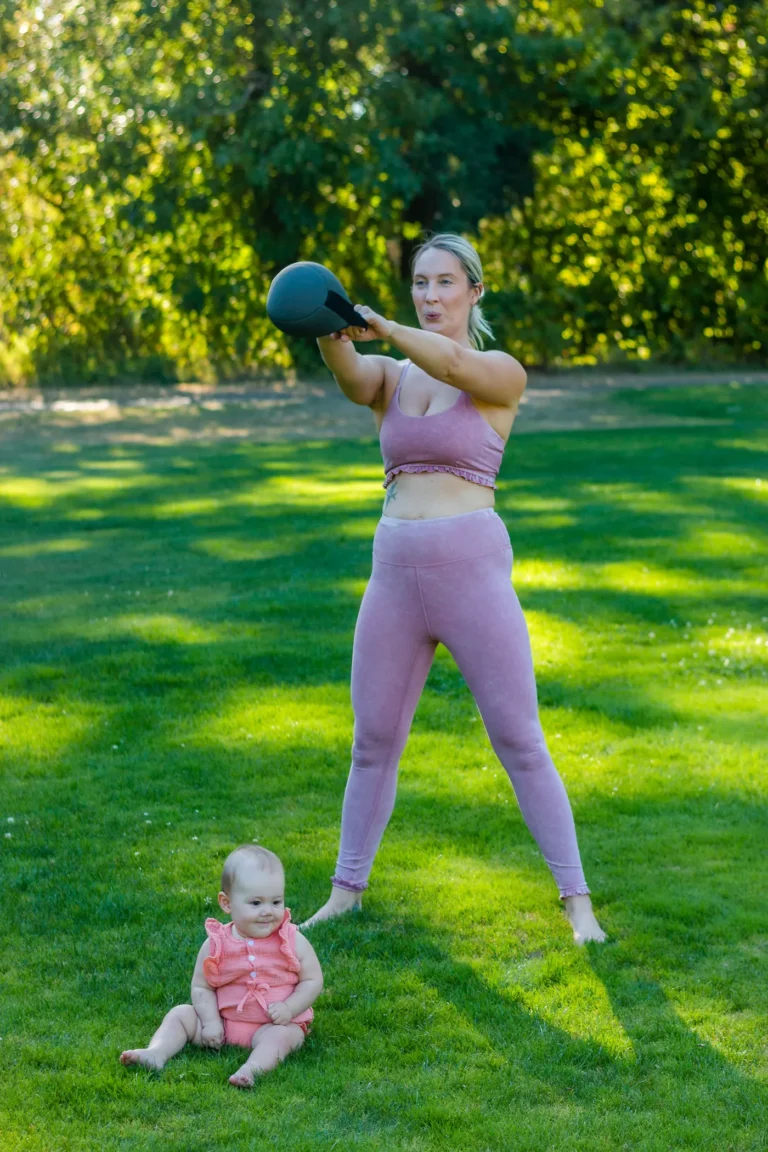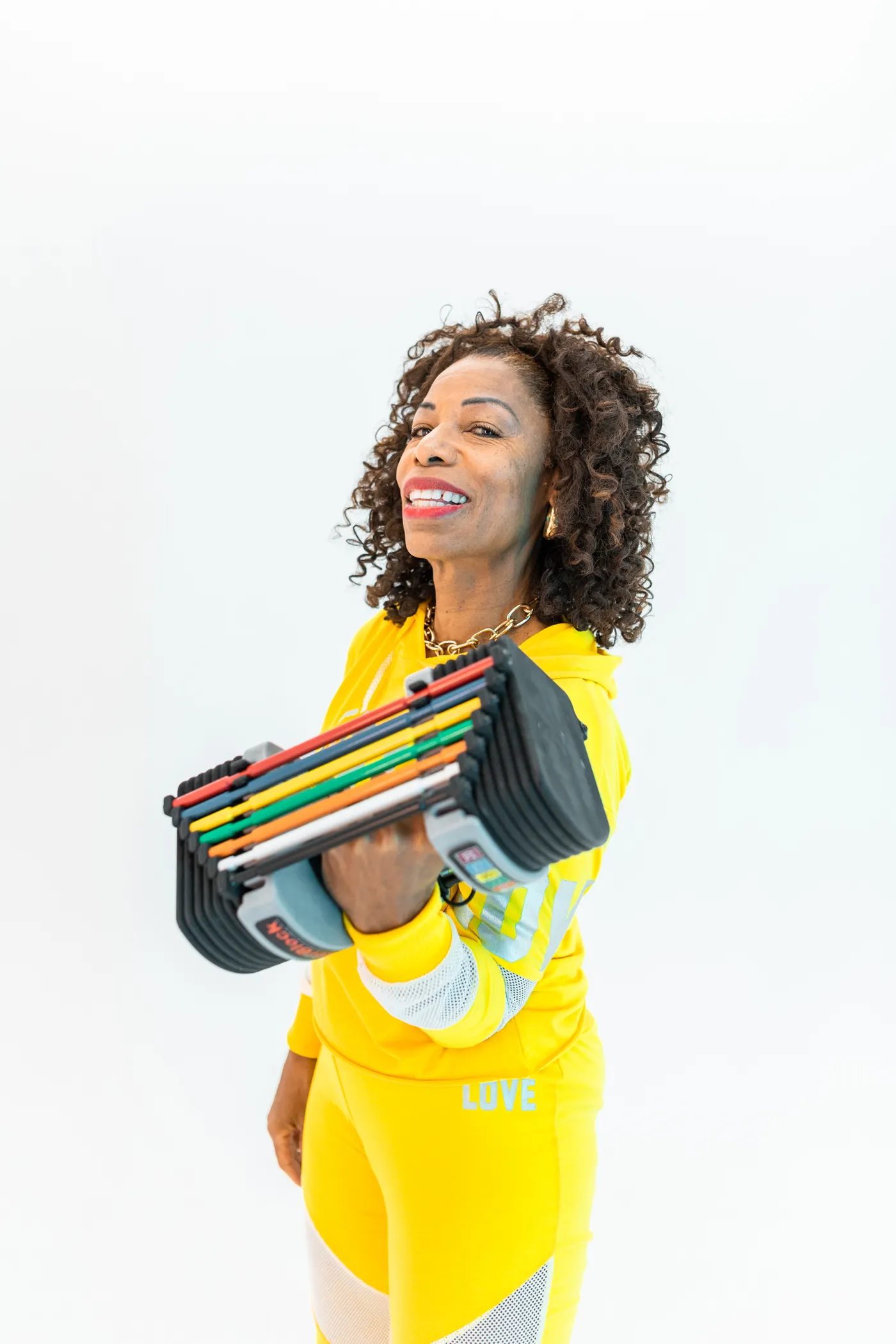
Could a twice-weekly deadlift program help older women improve more than their gym numbers? A 2026 randomized trial followed 32 women, averaging almost 68 years old, over 24 weeks. Sixteen were assigned to supervised training built around a hexagonal barbell deadlift; sixteen served as controls. The results suggest that carefully progressed strength work can improve trunk function and selected mobility measures, although not every outcome changed.
That distinction matters. It would be easy to turn the study into a claim that everyone over 60 needs a trap bar, or that deadlifting alone guarantees muscle growth and fat loss. Neither claim is supported. The more useful story is how a consistent, supervised program affected specific measurements and what those results can teach people who are learning to lift later in life.
What the Six-Month Deadlift Experiment Actually Tested
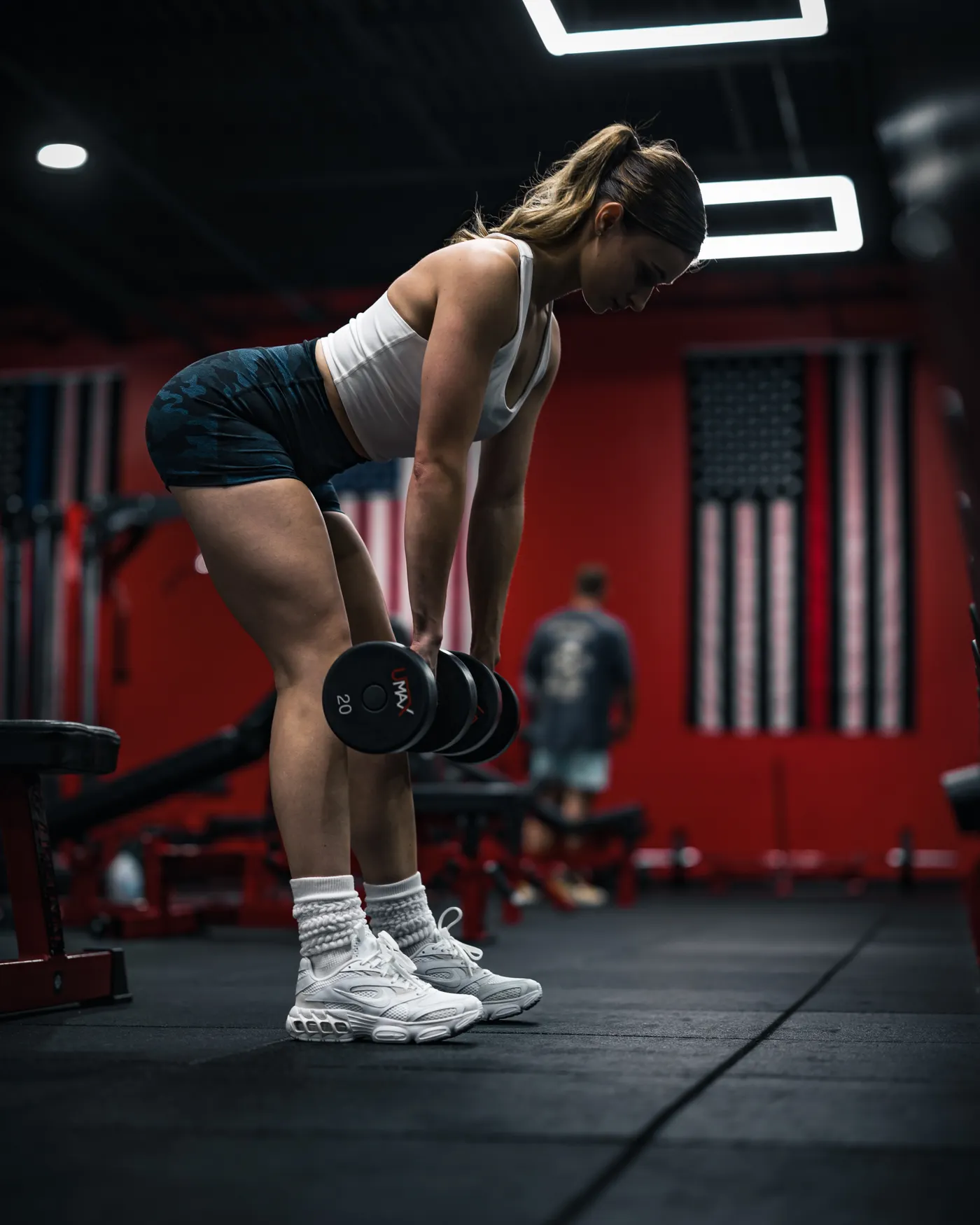
The trial assigned 16 women to a hex-bar-based resistance-training program and 16 to a control group. Participants averaged 67.6 years of age. The exercise group trained twice weekly for 24 weeks under supervision and attended about 89.6% of prescribed sessions. This was a sustained training intervention, not a one-off heavy lift or a short fitness challenge.
A hex bar, sometimes called a trap bar, lets the lifter stand inside the frame and grip handles at the sides. It changes the relationship between the load and the body compared with a straight bar in front of the shins. Handle height, stance, individual mobility and coaching still matter; the equipment does not automatically make a movement safe.
Researchers measured body composition, trunk muscle torque and power at controlled testing speeds, knee function, walking, balance and maximal isotonic strength. These tests were selected because useful aging-related adaptations should extend beyond a single personal record. Stronger trunk extensors may matter for lifting and carrying, while walking and balance tests capture other aspects of function.
The study was small, and the control group did not receive an equally supervised alternative resistance-training program. It therefore cannot tell us whether the hex bar is superior to dumbbells, kettlebells, machines or straight-bar deadlifts. It tells us what happened under this particular training program.
What Improved: Trunk Muscle, Balance and Walking
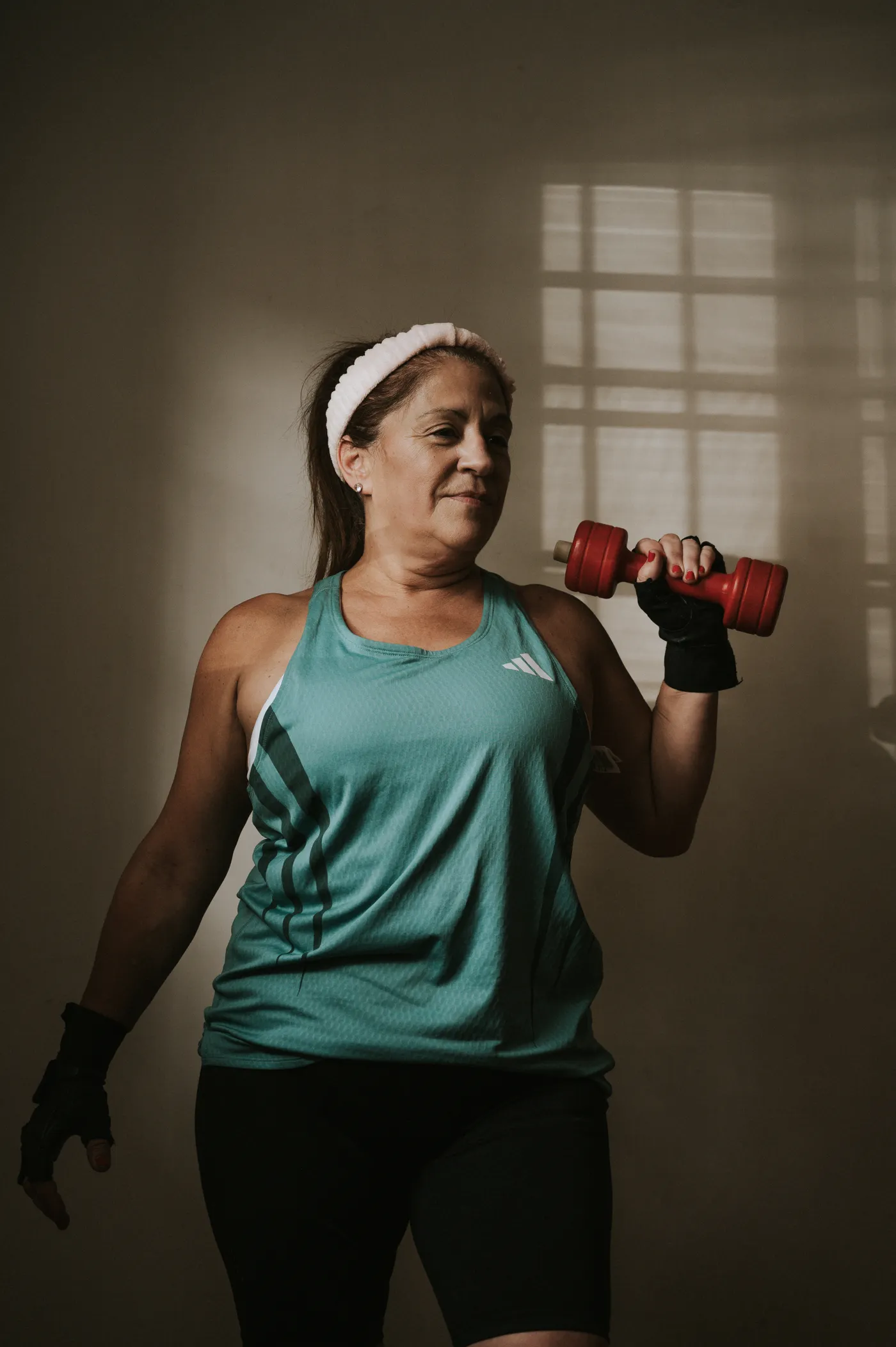
After six months, trunk lean mass increased by about 0.4 kilograms in the training group while declining by about 0.2 kilograms in controls. That between-group difference was statistically significant. Body-fat percentage decreased by approximately 1.4 percentage points among trainees while rising by 0.3 points in controls. Total fat mass also declined more in the training group. These are averages from a small study, not guaranteed results for any individual.
The trunk-strength findings were notable. Peak trunk extensor torque at the slower test speed rose about 26% in the trained group and fell about 6.3% in controls. Average trunk extensor power improved at both testing speeds. In everyday terms, the participants appeared better able to produce force through muscles that help stabilize and extend the torso.
The training group also performed better on eyes-closed static balance and the six-minute walk test. That is promising because these outcomes relate to tasks outside the weight room. But it does not establish that the program prevents falls, fractures or disability, which the trial was not designed to test.
There were important non-findings: whole-body lean mass and lower-limb isokinetic strength did not clearly differ between groups. That does not invalidate the trunk results. It means the benefits were not equally visible in every test. An increase in trunk lean mass should not be advertised as a large whole-body muscle gain, and improved walking should not be confused with a proven long-term health outcome.
Progress is best assessed through several lenses: repeatable technique, controlled repetitions at a given load, comfortable walking, confidence in daily movement and the ability to recover between sessions. A single scale number will miss much of this picture.

Equipment Worth Exploring
Explore equipment, accessories and gear from our carefully selected range.


FID Bench MAX
Adjustable bench offering flat, incline, and decline positions + adjustable headrest.


GymPin Squat Wedges
Non-slip 15-degree squat wedges help elevate the heels for deeper quad-focused squats.

Safety Squat Handles
Barbell squat handles that reduce shoulder positioning demands during high-bar squats.


Hex Bar Versus Straight Bar: Different Mechanics, Not Magic
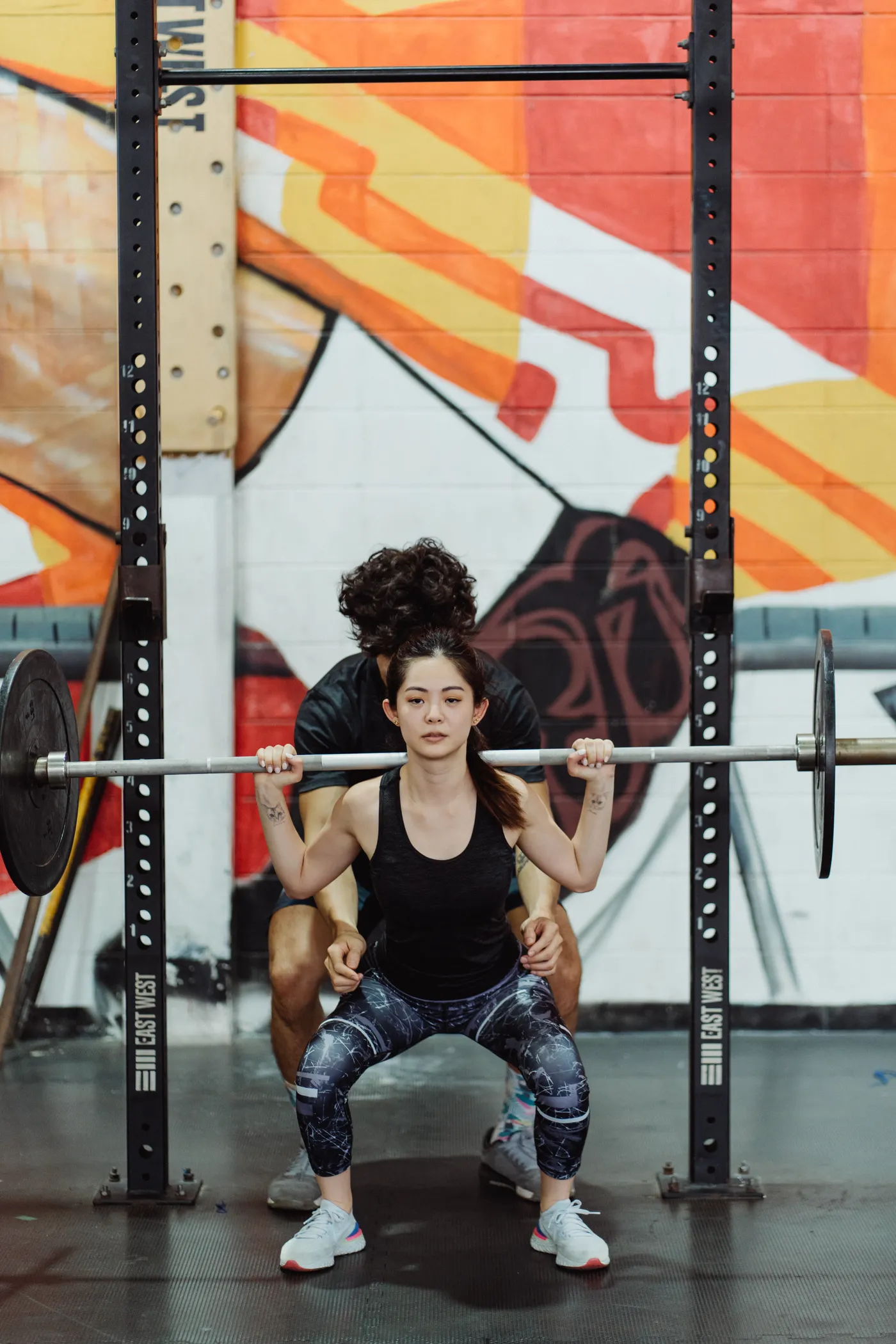
With a hex bar, the load sits around the lifter and the hands usually remain beside the legs. A conventional straight-bar deadlift places the bar in front of the body. The two arrangements can produce different joint angles and demands, especially when grip position and handle height change. Neither version has one universally correct posture for every person.
A separate biomechanical study in eleven resistance-trained women found greater bar velocity and knee joint moments with the hex-bar variation during heavy repetitions. Conventional and sumo deadlifts produced greater hip moments near lockout. That finding helps explain why different bars may feel different. It does not prove which variation produces the most long-term muscle growth, and those younger trained women were not comparable to the older novices in the 24-week experiment.
High handles can reduce how far a lifter must bend to reach the weight. This may be helpful when mobility is limited, but the right range of motion is the one the person can control. Lower handles are not automatically better, and raising the start position is not a failure. The aim is a consistent hinge with stable feet and a controlled torso.
Before buying a trap bar, consider its footprint, handle spacing, plate loading, storage and whether the lifter can step into the frame comfortably. An open-frame model may allow easier access, while a closed frame may be simpler for traditional pulls. A pair of dumbbells or an elevated kettlebell can provide a reasonable introduction without special equipment.
The real benefit is not a magical bar shape. It is finding a movement that can be learned, loaded gradually and repeated with tolerable effort. An exercise is only useful if the person can keep doing it.

Bodybuilding Shirts & Workout Gear
Bodybuilding shirts, tanks and gym gear for lifters chasing muscle, size, symmetry and the pump.

Science Based Lifting Rick And Morty Inspired Hoodie
Bring “Science Based Lifting” gym humor to lazy days and post-workout plans.

The Big Flex Theory Gym | Science Based Lifting Hooded Hoodie
Keep it laid-back with a little “The Big Flex Theory” attitude.

| Pencilneck Science-Based Lifting Hooded for Gym Bros Hoodie
Bring “Pencilneck Science-Based Lifting” gym humor to lazy days and post-workout plans.

The Bro Science Theory Big Bang Meme T-Shirt
Rep “The Bro Science Theory” humor in and out of the gym.

Testosterone Formula Breaking Bad Shirt Science T-Shirt
Make gym days more fun with “Testosterone Formula Breaking Bad” style.

Bro Scientist Chemistry of Gains | Workout Crewneck Pul T-Shirt
Keep things casual with a little “Bro Scientist Chemistry of Gains” attitude.

E = mc² Energy Muscle Confidence Albert Einstein Scienc Sticker
Put “E = mc² Energy Muscle Confidence” gym humor on your laptop, bottle, or gym gear.

45LB Metal Weight Plate Barbell Standard Lifting Workou Sticker
Put “45LB Metal Weight Plate” gym humor on your laptop, bottle, or gym gear.

White Weight Plate Shirt Metal Weight Plate T-Shirt
Bring “White Weight Plate” humor to your next gym day.

Weight Plate Heartbeat Decal for Water Bottles Laptops Sticker
Give your everyday gear a playful “Weight Plate Heartbeat” twist.
Why the Safety Findings Need Context
No adverse events were reported in the supervised training group. That is encouraging, especially given the age of the participants. It is not proof that deadlifting is risk-free for every older adult. A study with sixteen trainees cannot detect rare harms, and participants were screened and coached rather than left to experiment with heavy loads independently.
The results also do not separate the specific benefits of hex-bar lifting from the general benefits of structured resistance training. Supervision, regular attendance, gradual loading and movement practice all contributed to the intervention. An equally well-designed program using machines or dumbbells might produce overlapping benefits, but that comparison was not tested.
Other research supports the broader idea that older adults can improve strength and function with appropriately dosed training. A 2026 systematic review of eccentric-overload programs reported promising effects on lower-limb strength and explosive power, while noting variation in study quality and protocols. This context makes the new trial plausible without turning it into a universal prescription.
Nor does the trial establish that deadlifting prevents falls, reduces mortality or reverses aging. Balance and walking are meaningful intermediate outcomes, not direct evidence for those claims. Results from a small sample of older women also cannot be automatically generalized to younger men, elite lifters or people with major medical limitations.
Anyone with osteoporosis, recent surgery, uncontrolled cardiovascular problems, persistent back pain, significant balance impairment or unexplained symptoms should discuss training choices with a qualified clinician or physical therapist. A supported hinge, elevated kettlebell or machine may be more appropriate than a loaded trap bar. The safest useful exercise is one matched to the person’s current abilities.
Learn the Hip Hinge Before Loading the Bar
Start by learning the hip hinge without a heavy implement. Stand tall, soften the knees and move the hips backward while keeping the feet firmly planted. Stop at a depth that allows a comfortable, controlled trunk position. The goal is to feel the hips doing much of the work, not to force a particular back angle or touch the floor at all costs.
Next, practice with light dumbbells at the sides, a kettlebell elevated on a stable surface or an unloaded hex bar with high handles. Two sets of six to eight controlled repetitions are enough for an initial technique session. Finish each set while another three or four clean repetitions would still be possible. Quality matters more than fatigue.
Once the setup is repeatable, add repetitions before adding much weight. For example, work from two sets of six toward two sets of ten. When the top of that range feels comfortable and the technique stays consistent, increase the load slightly and return to six or seven repetitions. Allow enough rest to maintain the same start position on every set.
Useful cues are straightforward: push through the floor, keep the handles close to the body, stand without jerking and lower under control. Avoid leaning backward aggressively at lockout. A coach can help, but a side-view video can also reveal whether the hips rise too quickly or the starting position changes with fatigue.
Do not copy the exact loads from another person’s program or chase the study’s outcome percentages. The trial tested months of supervised practice. Its strongest practical lesson is that consistent, appropriately progressed training can be feasible later in life. Build the skill first and let the load follow.
Equipment Worth Exploring
Explore equipment, accessories and gear from our carefully selected range.
VOLTRA
Compact digital cable trainer with smooth, adjustable resistance.

Go-Tone Pro
Portable digital cable trainer with up to 66 lb (30 kg) of adjustable resistance.
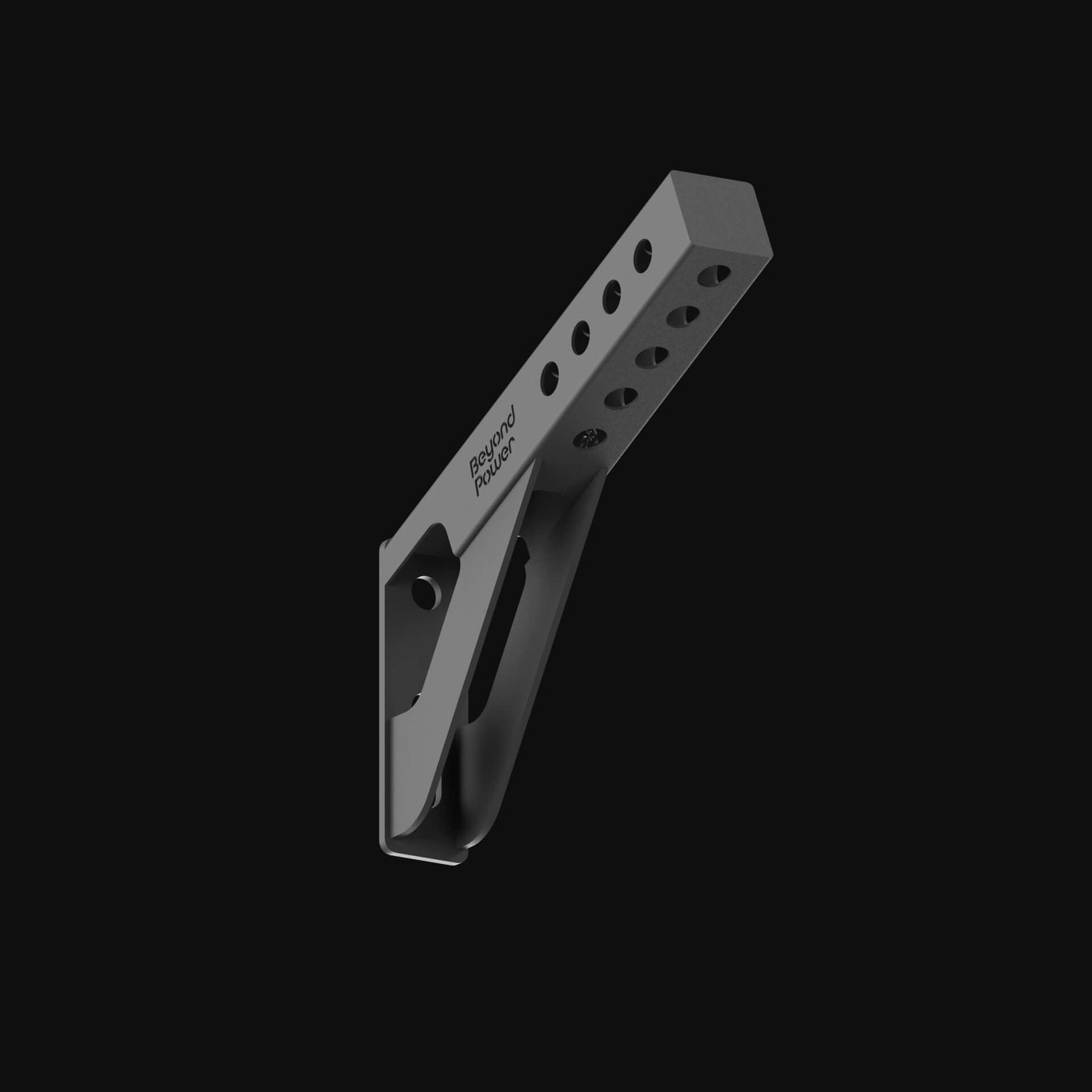

Belt Squat Collar
Heavy-duty collar adapter for compatible belt-squat and landmine bar setups.





A Simple Two-Day Routine for Newer Lifters
For an adult medically cleared to exercise, two nonconsecutive strength sessions can provide a manageable starting structure. This is an illustrative routine, not the exact protocol used in the study or a rehabilitation prescription. Begin with five to eight minutes of easy movement and practice the main lift before fatigue builds.
Day A — hinge focus: elevated dumbbell or high-handle hex-bar deadlift for two sets of six to eight; supported split squat for two sets of eight per leg; seated row for two sets of ten; and a short, easy carry if balance permits. Rest around two minutes between challenging sets, or longer if breathing and technique need time to settle.
Day B — balanced strength: goblet squat to a box or leg press for two sets of eight to ten; a lighter hinge variation for two sets of eight; chest press or incline push-up for two sets of eight to twelve; and a pulldown or supported row for two sets of ten. A simple standing balance drill near sturdy support can be included if appropriate for the individual.
For the first two weeks, leave roughly three repetitions in reserve on each working set. As confidence improves, progress toward two repetitions in reserve rather than training to failure. Keep the total workload modest enough that soreness does not interfere with normal walking and daily tasks. The exact number of sets is less important initially than a routine that can be repeated consistently.
A trap bar is optional. Two adjustable dumbbells, a kettlebell, a cable machine or appropriate gym equipment can cover the same movement patterns: hinge, squat, push, pull and carry. If pain, dizziness, unusual breathlessness or loss of balance occurs, stop and seek appropriate advice. The equipment should serve the lifter, not dictate the program.
Use a Four-Week Audit to Check Real Progress
Four weeks cannot reproduce a 24-week randomized trial, but it can show whether a new routine is sustainable. Record the main hinge’s load, repetitions, rest, perceived effort and any discomfort. If safe, also track one simple functional measure, such as a comfortable six-minute walk or a consistent sit-to-stand task. Use the same conditions each time.
Week 1: establish a comfortable start position and choose conservative loads. Record handle height or the alternative equipment used. Week 2: repeat the same setup and aim for smoother, more consistent repetitions. Week 3: add one repetition to selected sets if the movement remains controlled. Week 4: review whether the same work feels easier or a slightly higher load is manageable without sacrificing form.
Do not expect a dramatic body-composition change in a month. Hydration, meals and measurement conditions can overwhelm small short-term changes. Early progress may show up first as better attendance, less hesitation, steadier technique and greater confidence in ordinary tasks. These outcomes are worth recording even when the scale does not move.
At the end of the month, ask whether the hinge feels comfortable, whether recovery is adequate and whether the routine fits the person’s life. If the answer is yes, continue gradually. If not, reduce load, adjust the range of motion or seek coaching rather than pushing through discomfort.
The 2026 trial provides a measured, encouraging message. Twice-weekly hex-bar-based training improved trunk strength and selected mobility measures in a small group of older women over six months. It does not establish that everyone needs a trap bar. The transferable lesson is progressive strength work matched to the individual, repeated long enough to matter.
Funny Gym Shirts & Workout Gear
Funny gym shirts, tanks, hoodies and workout gear for lifters who like training hard.

Happy Weights Emoji Weight Plate Smiley Face Weight Gym Tank Top
Bring “Happy Weights Emoji Weight Plate” humor to your next lifting session.

Gym Is My Happy Place Happy Weights Smiley Face Weight Tank Top
Bring “Gym Is My Happy Place” humor to your next lifting session.

Gymrat Mousetrap | Rat Workout | Caught In The Gains Pu Hoodie
Bring “Gymrat Mousetrap” gym humor to lazy days and post-workout plans.

T
Heavy lifts, good laughs, and a little “T-Shirt Mike Mentzer Heavy Duty Old School” energy.

Ultimate Girl Power Ironic & T-Shirt
Heavy lifts, good laughs, and a little “Ultimate” energy.


– "I Would Have Quit Already But My Trainer Scares Hoodie
Bring “"I Would Have Quit Already But My Trainer” gym humor to lazy days and post-workout plans.

I Miss Gym Muscle Shirt Athletic Vest Who Find Happines Tank Top
Bring “I Miss” humor to your next lifting session.

Ice In My Gains Icy Hoodie
Show off your lifting humor in a laid-back “Ice In My Gains” hoodie.

Gym Bear Unbearable Workout | Funny Exhausted Bear Pull T-Shirt
For laid-back days and lifting humor: “Gym Bear Unbearable”.