Advertising disclosure: This page includes affiliate product links that may earn us a commission, as well as products from our own store.
Cable Lateral Raises: Pulley Height, Wrist Cuffs and a Six-Week Delt Plan
A cable lateral raise is a small movement with a surprisingly large setup problem. Move the pulley, change the handle or stand a little closer to the machine, and the exercise can feel entirely different even though the weight stack has not changed. That does not make one setup magically superior. It means the direction of the cable, the load you can control and the range you repeat all deserve attention.
The goal is to train the middle portion of your shoulder with a consistent arm path, not to swing the entire body into a heavier number. This guide explains how to arrange the station, when a wrist cuff makes sense, what to do when your traps dominate, and how to build six weeks of useful progression.
1. Set the pulley so the cable pulls where you need it
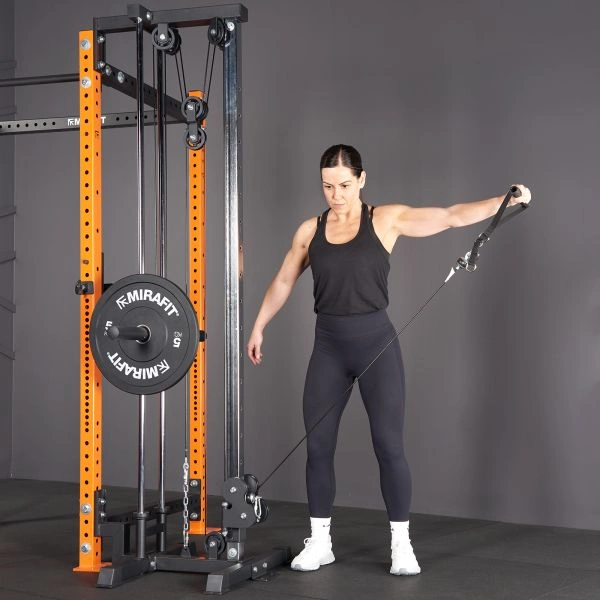
First find a pulley position that allows the cable to pull across your body without rubbing against a post, thigh or forearm. A low pulley is a practical default for a standing lateral raise because the handle starts close to the opposite hip and resistance is present as the arm moves outward. But low is not an automatic winner for everyone. The exact resistance felt at the shoulder depends on the angle between the cable and your arm, and that angle changes throughout the repetition.
If the cable begins nearly parallel to your arm, its turning effect about the shoulder can be relatively small. As the arm rises, a different cable angle can make the task harder or easier. Adjust pulley height, your distance and your starting hand position together. Try several controlled unloaded or very light repetitions before deciding an unusual angle is better because it feels more intense at one point.
Stand far enough away to keep tension without the stack touching down during your normal range. Set your feet at a stable width, soften the knees and keep the torso quiet. A one-arm variation can use the free hand to hold the upright lightly. Do not lean so far away that you turn every repetition into an unpredictable bodyweight-assisted movement. If leaning is intentional, document the stance and repeat it next week.
2. Pick a D-handle or wrist cuff for repeatable reps
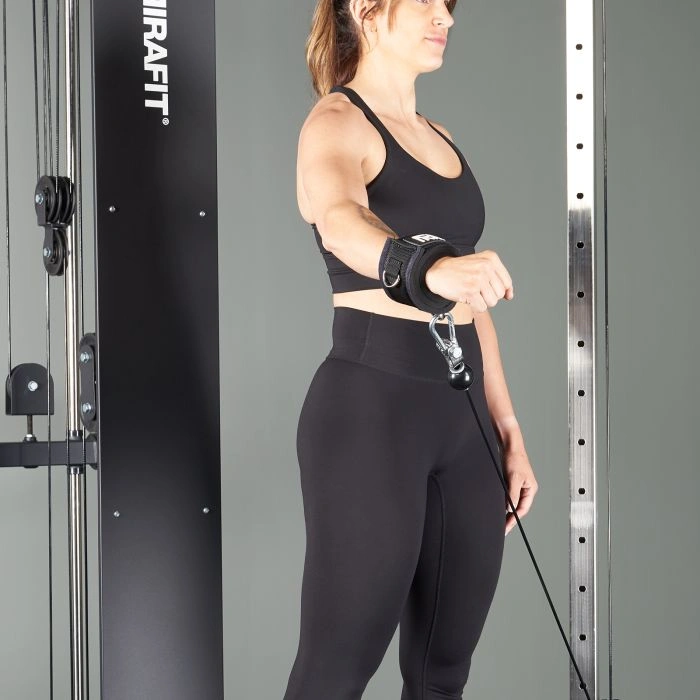
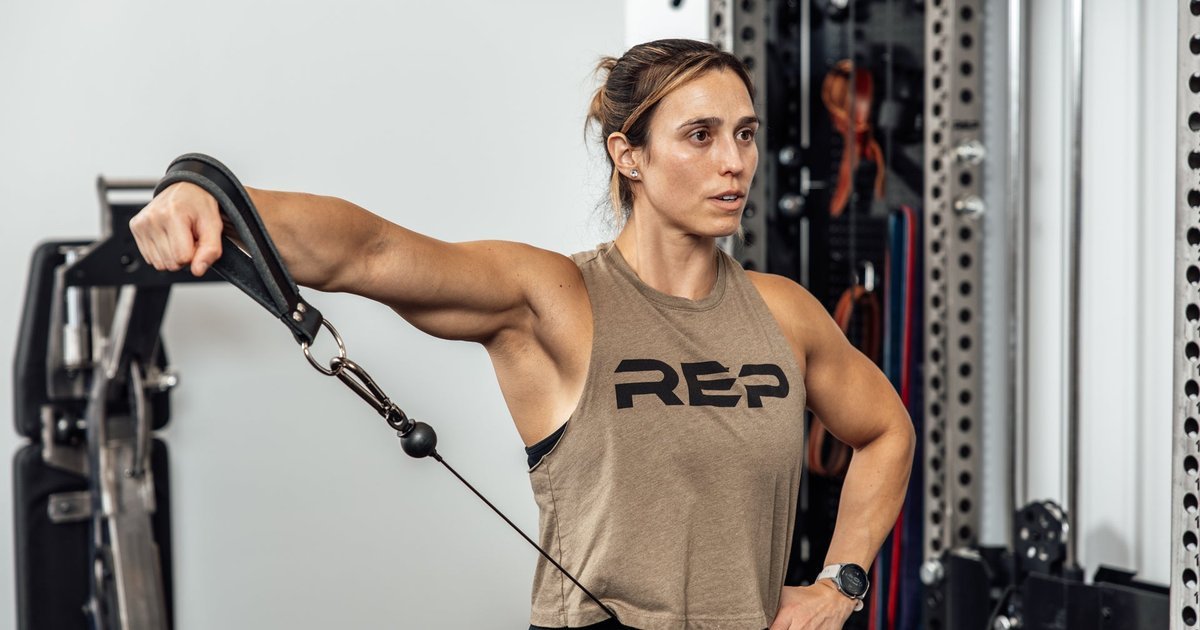
A basic D-handle is an excellent starting point. Grip it firmly enough to prevent slipping, but do not squeeze so hard that your hand and wrist distract from the shoulder movement. A wrist cuff moves the connection closer to the forearm and lets you raise the arm without gripping a handle. That can help when grip fatigue limits the set or the handle creates an awkward wrist angle. It is not a proven shortcut to faster deltoid growth.
Fasten a cuff according to its design, check stitching and attachment hardware, and begin with a light load. The cuff should sit securely without pinching or sliding toward the hand as the cable changes direction. Never improvise a loose strap around your wrist or place a carabiner where it could strike the skin. A cuff can change leverage and starting position compared with a handle, so treat your first cuff session as a new variation rather than copying your previous stack weight.
The practical test is whether you can perform the same start, top position and controlled lowering repeatedly. If the handle allows that, there is no need to switch. If a cuff improves comfort and removes an irrelevant grip bottleneck, it is a valid choice. Avoid assuming that a sharper local burn identifies superior muscle recruitment; it can also signal unfamiliar pressure or too much resistance.
For bilateral cable raises, allow enough space for the cables to cross without snagging and keep both wrists clear of pulleys. Single-arm sets are often easier to troubleshoot because you can watch one shoulder and one cable path at a time.

Equipment Worth Exploring
Explore equipment, accessories and gear from our carefully selected range.

GymPin D Cuffs
Adjustable wrist cuffs with textured grips for supported cable-machine exercises.
VOLTRA
Compact digital cable trainer with smooth, adjustable resistance.

VForce Wall Trainer
Space-saving wall-mounted functional trainer with pivoting cable arms and variable resistance ratios.

Go-Tone Pro
Portable digital cable trainer with up to 66 lb (30 kg) of adjustable resistance.

GymPin Ergo Handles
Pair of ergonomic cable handles shaped for comfortable triceps and pulling exercises.


VForce 2IN1
Half rack and pivot-arm functional trainer with switchable 1:1 and 2:1 pulley ratios.

Multi Pull Smith Rack MPHR-780
All-in-one rack with a Smith machine, functional trainer, lat pulldown and low row.

GymPin D Handle Bar
Multi-use steel D-handle bar for cable rows, pulldowns and other cable exercises.
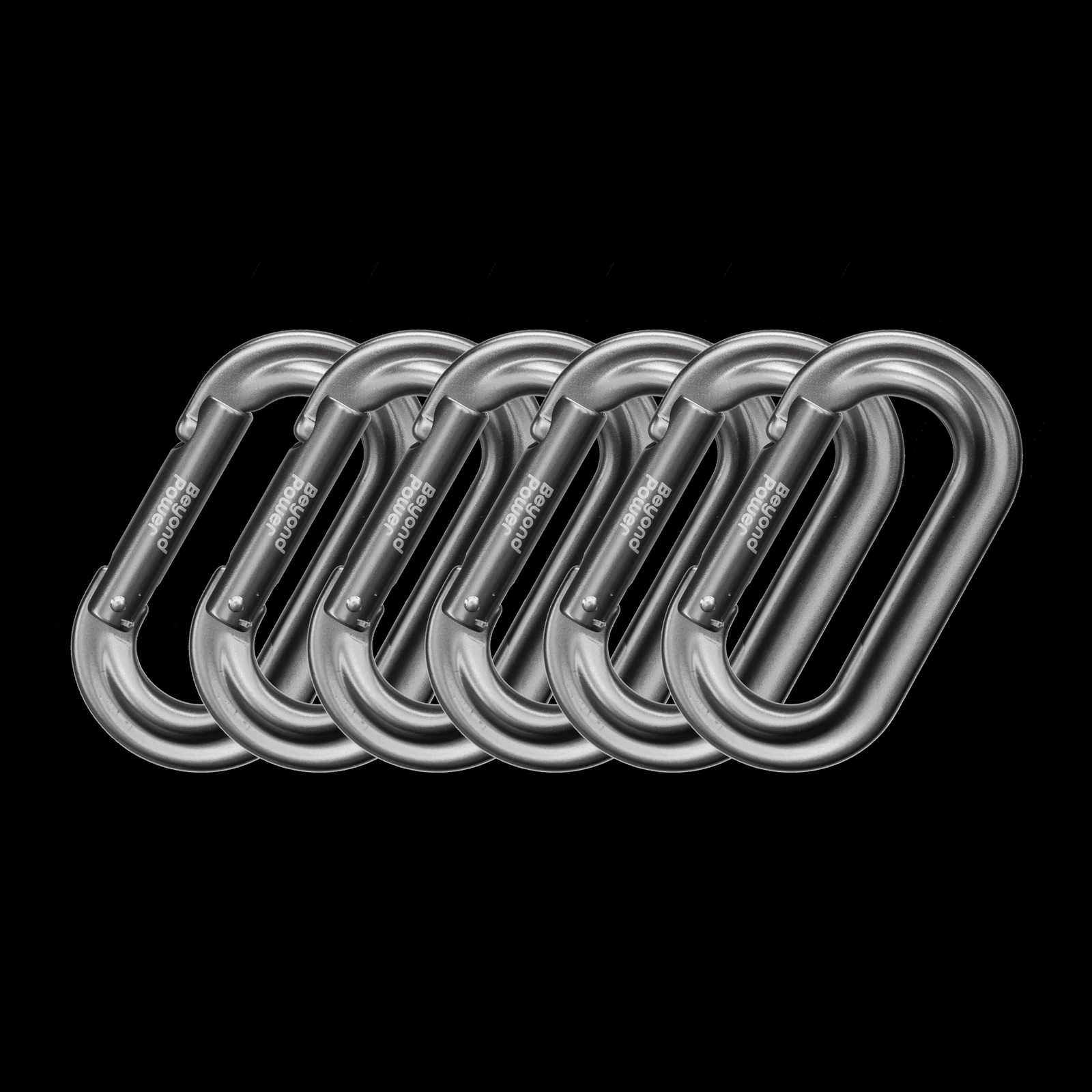
Premium Carabiner
Durable carabiner for connecting cable attachments and training accessories.
3. Raise with your elbow, not momentum
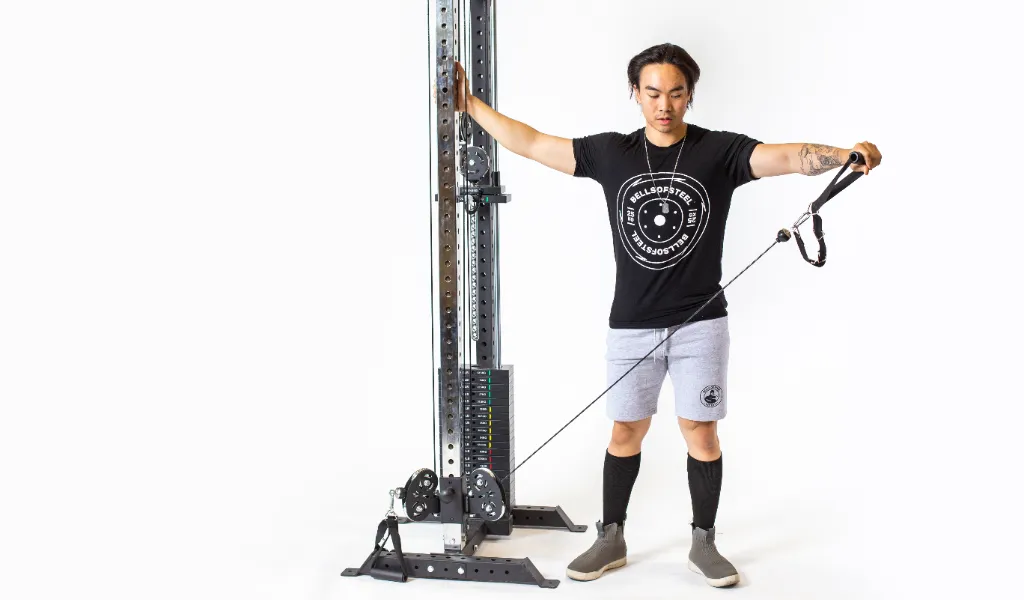
Start with your working arm slightly in front of the body, the elbow relaxed rather than locked, and the hand near the opposite thigh or hip. Think of guiding the upper arm outward and upward. The elbow and hand travel together; the shoulder should be doing the work rather than a wrist flick. A little elbow bend is normal, but changing it dramatically from bottom to top alters leverage and makes successive repetitions hard to compare.
Raise to about shoulder height if that range is comfortable and controlled. There is no prize for lifting above it with a shrug or arching the spine. Keep your neck relaxed, ribs positioned over the pelvis and shoulder blade moving naturally rather than forcibly pinning it down. Pause briefly when you can, then lower with control. Let the cable draw the arm across only as far as you can maintain a stable torso and comfortable shoulder.
A useful tempo is roughly two seconds up, a brief controlled transition and two or three seconds down. Treat those timings as a technique tool, not a universal biological requirement. If you cannot stop the weight at the top without twisting or kicking, reduce it. For most lifters a lighter stack and consistent motion produce better training records than a heavier stack plus increasingly dramatic body English.
Discomfort is not the same as useful effort. If one particular arc causes pinching, try a slight forward arm angle, a different handle or a smaller comfortable range. Persistent or sharp pain deserves individualized assessment rather than pushing through on the promise that the muscle will adapt.
4. Compare behind-body cables, dumbbells and machines
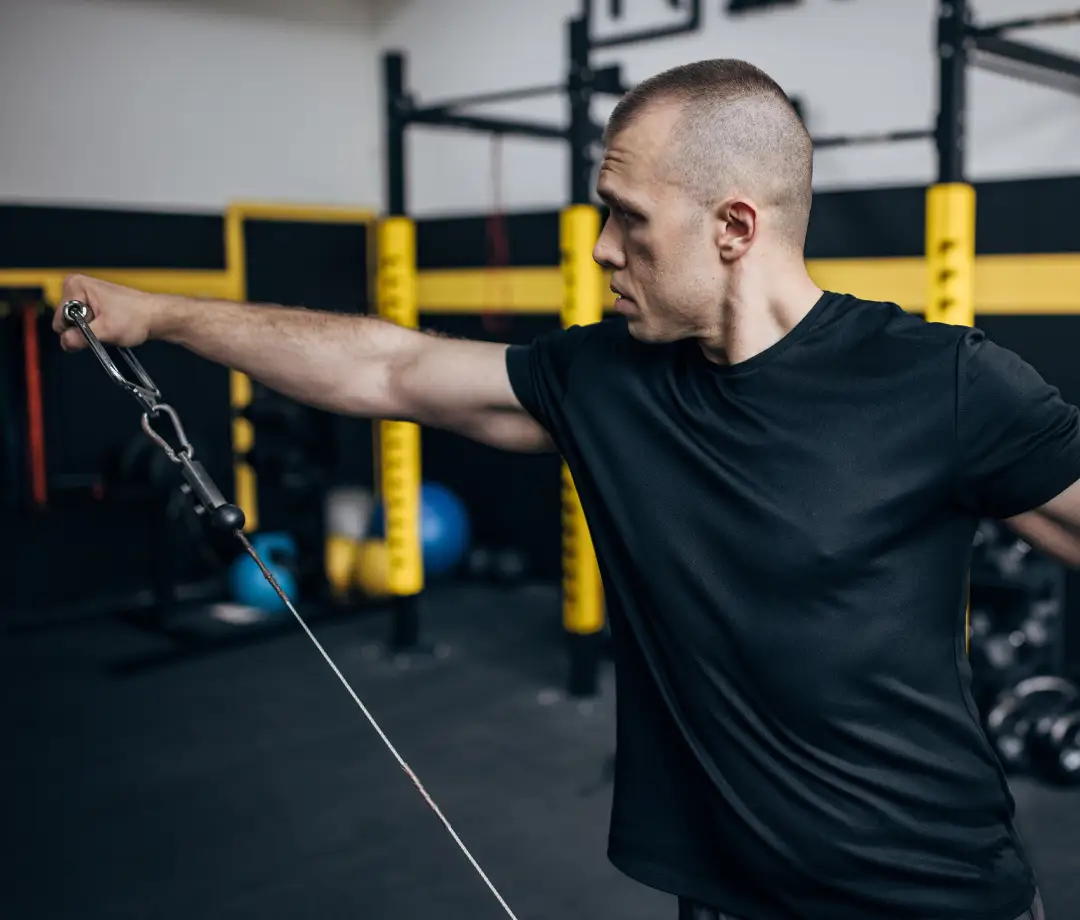
A behind-the-body cable raise begins with the working hand slightly behind the hip, changing the arm and cable relationship at the start. Some lifters prefer the extra stretch sensation; others find it awkward at the front of the shoulder. Neither sensation proves superior hypertrophy. Use a modest load, check that the path is clear and compare repeatable reps before treating the behind-body version as your main exercise.
Dumbbells have a different resistance profile because gravity pulls vertically while the arm rotates. A standing dumbbell raise may feel easiest near the bottom and more demanding as the arm approaches horizontal; a low cable can challenge a different portion of the path depending on setup. These are mechanical differences, not a verdict that cable training automatically beats dumbbells.
In one eight-week comparison involving 24 trained participants, cable and dumbbell lateral raises both produced measurable increases in lateral-deltoid size, without a clear between-exercise advantage. The finding applies to the particular protocols and measurements studied. It cannot determine the best pulley height for every shoulder, prove that a wrist cuff wins, or settle how much work every person needs.
A lateral-raise machine adds a guided path and may reduce the need to stabilize a handle. It also fixes a particular machine geometry that may or may not fit your body. Choose the version that permits comfortable range, consistent loading and progression. If you alternate variations, log them separately rather than pretending a ten-kilogram cable stack is equivalent to a ten-kilogram dumbbell.

Bodybuilding Shirts & Workout Gear
Bodybuilding shirts, tanks and gym gear for lifters chasing muscle, size, symmetry and the pump.

Swole Jesus Lateral Raises Tank
Bring “Swole Jesus Lateral Raises” humor to your next lifting session.


Dost Thou Even Press Hoodie
Show off your medieval humor in a laid-back “Shoulder Press” hoodie.


My Gymbro Has Attachment Issues Meme T-Shirt
Show some lifting attitude with a playful “My Gymbro Has Attachment Issues” tee.

Bro Science Periodic Table Tee
Heavy lifts, good laughs, and a little “Bro Science Periodic Table Graphic” energy.

Knight Lifting Iron Medieval Jumper T-Shirt
Show some gym-day personality with “Knight Lifting Iron”.

Gym Makes Me Happy Muscle Shirt Athletic Vest Who Love Tank Top
Show some personality between sets with “Gym Makes Me Happy”.

Why So Swole Joker Gym Funny Workout Muscle Shirt Villa Tank Top
Train hard, laugh a little, and rep “Why So Swole Joker”.

Gainz Or Valhalla Funny Viking Gym – Norse Workout Hood Hoodie
Stay casual and show some Viking attitude with “Gainz Or Valhalla Funny Viking”.
5. Plan six weeks of shoulder work without chasing the stack
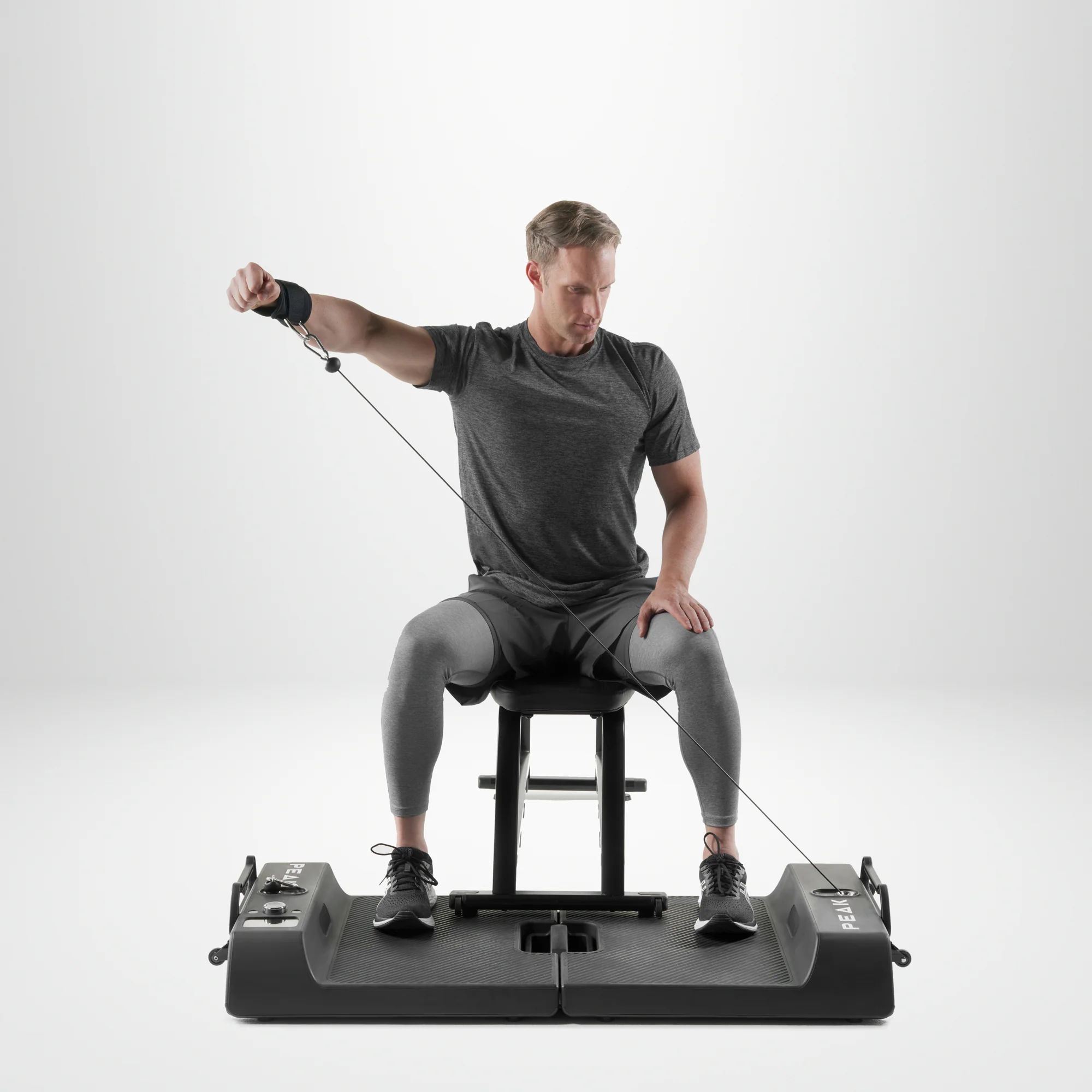
Begin with two shoulder-focused exposures each week, separated by at least a day when practical. If pressing, rowing and other upper-body work already leave your shoulders fatigued, start conservatively. A simple baseline is two controlled sets per side per session, usually within eight to fifteen repetitions. Stop each set with roughly one to three clean repetitions still available rather than grinding until the torso starts twisting.
Weeks 1-2: Fix the station, pulley height, handle and standing distance. Complete two sets per arm twice weekly. Aim to reach the same comfortable top position and controlled lowering on every repetition. Record repetitions, load and any symptoms. Do not change four setup variables at once just to find the largest pump.
Weeks 3-4: If recovery and form are good, add a third set in one or both sessions or add repetitions within your chosen range. Keep load stable while you build repeatability. If you switch from handle to cuff, give the cuff its own baseline and do not count changed leverage or stance as strength progress.
Weeks 5-6: When all planned sets reach the upper end of the repetition range cleanly, increase resistance by the smallest practical increment and return toward the lower end. On some cable stacks a single plate jump is surprisingly large, so an extra repetition or slower controlled return may be more sensible. If shoulder irritation, unusual fatigue or declining form accumulates, hold or reduce volume for a week.
Combine lateral raises with broader shoulder and upper-body training rather than treating them as a complete shoulder program. Presses, rear-delt work and other pulling patterns train different movements and capacities. For a seated cable variation, the same principle applies: use a stable position, clear cable path and a separately logged load. Your progress metric is the quality of repeated work over weeks, not a single dramatic set.
Equipment Worth Exploring
Explore equipment, accessories and gear from our carefully selected range.


Rubber Hex Dumbbells
Rubber-coated hex dumbbell pairs with a stable shape for home and commercial strength training.


VForce 3IN1
All-in-one rack combining an adjustable Smith machine, functional trainer, and free-weight station.

VForce 3IN1 Max
Six-post all-in-one rack with Smith machine, functional trainer, and variable-force cables.

Original GymPin
Adds Olympic plates to compatible cable-machine weight stacks for extra resistance.

GymPin MiniPin
Compact Olympic-plate loading pin for compatible cable stacks with limited clearance.

Lat Pulldown Set
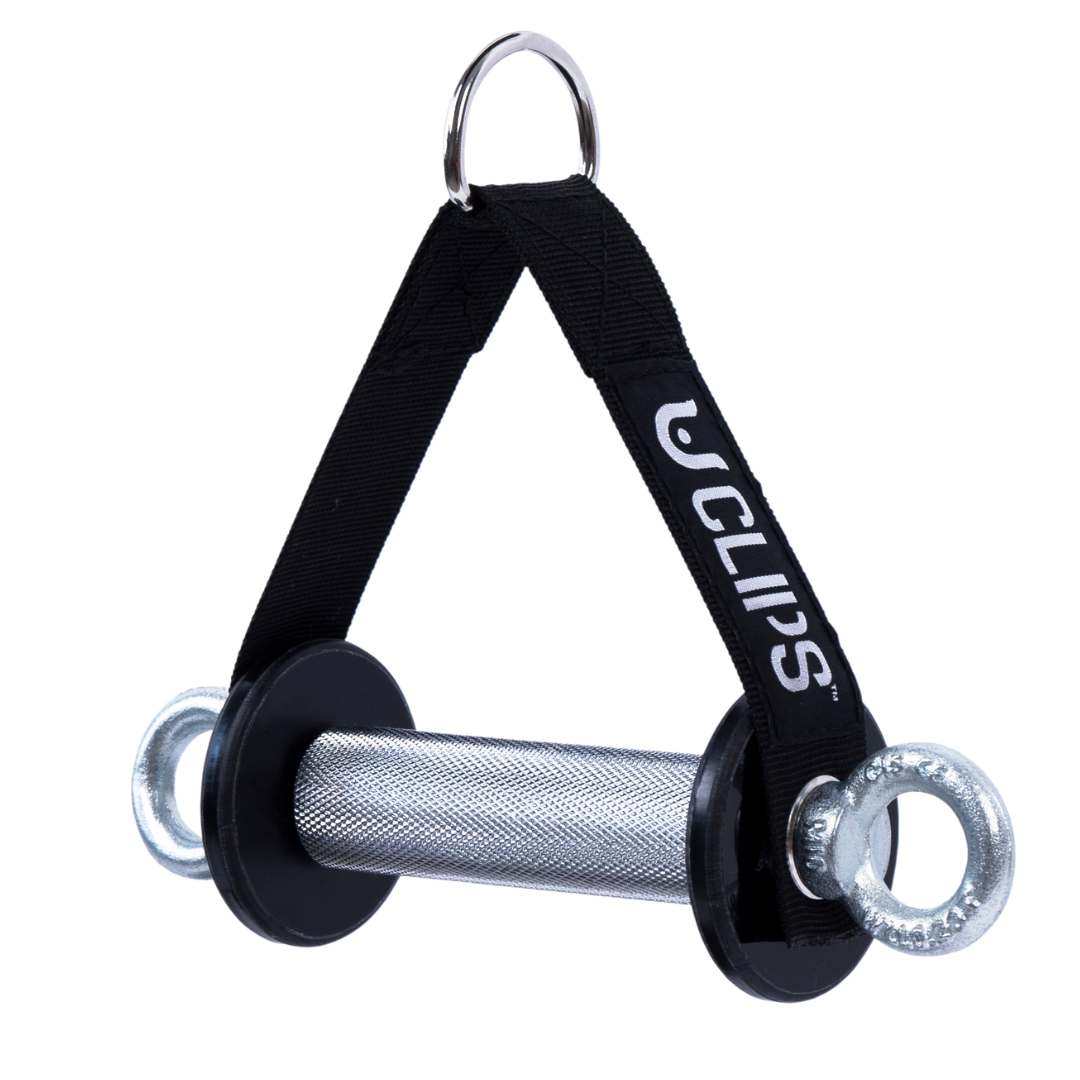
Multi-grip cable attachment set for pulldowns, rows, and varied upper-body training.