Advertising disclosure: This page includes affiliate product links that may earn us a commission, as well as products from our own store.
Caffeine Before Bench Press: A Small Trial Did Not Establish a Higher-Dose Advantage
Feeling more alert before training and completing more repetitions are different outcomes. So are a hard session and months of muscle growth. Caffeine research becomes easier to use when those questions stay separate. A small bench-press experiment provides a useful example: doubling the tested caffeine dose did not establish a clearer performance advantage. That finding deserves a careful reading rather than a bigger scoop, a dramatic supplement verdict or a claim that one session reveals how much muscle you will build.
1. What the bench-press experiment actually tested
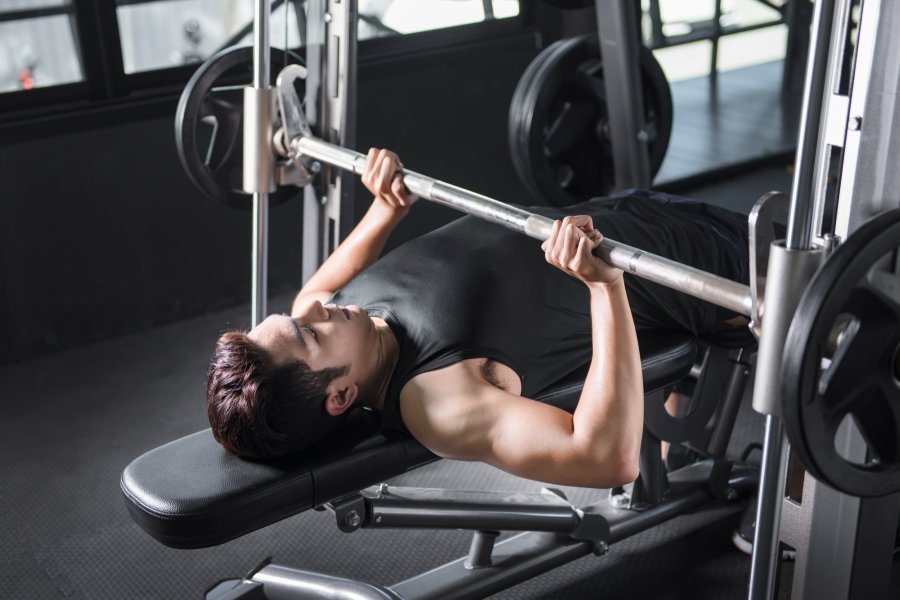
An experiment published on 7 February 2026 involved 11 resistance-trained men, averaging about 26 years old. They completed a baseline visit and randomized caffeine or placebo conditions. The caffeine amounts were 3 or 6 milligrams per kilogram of body weight, taken as capsules 60 minutes before testing. Those are experimental exposures, not recommendations to copy.
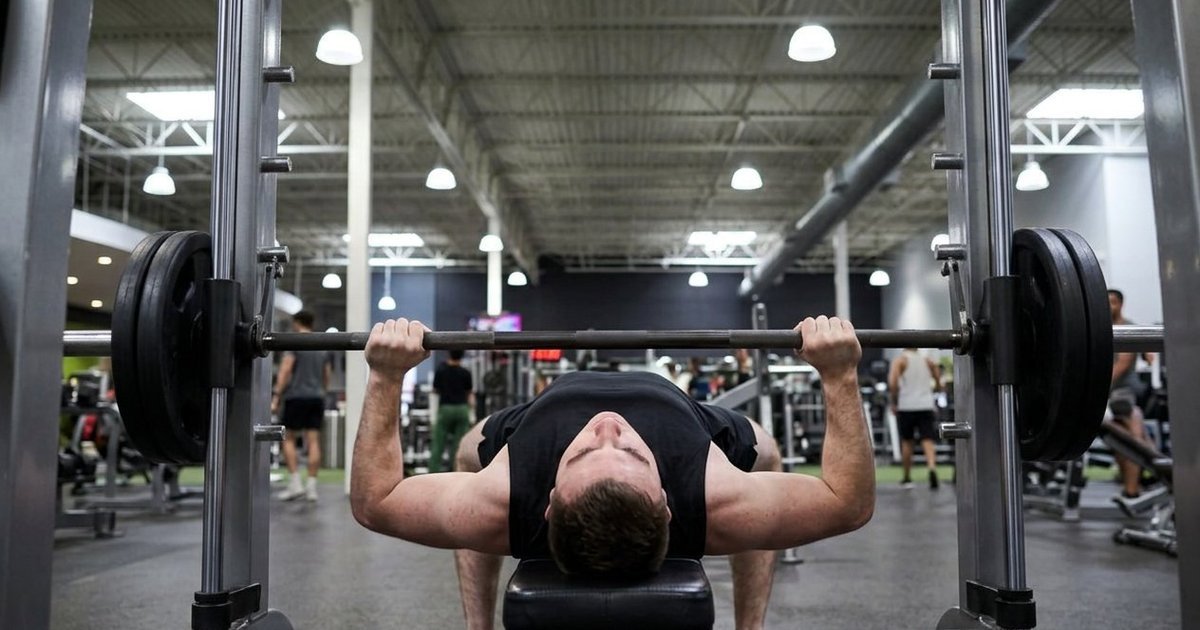
The endurance test used a Smith-machine flat bench press at 80% of the assessed maximum, continued to concentric failure. Repetitions and workload did not differ significantly across conditions. The highest mean repetition counts occurred with the lower caffeine dose and the higher placebo condition. Muscle thickness was also measured immediately around the exercise session; this was not a long-term muscle-growth trial.
Participants could distinguish one-capsule from two-capsule conditions, although they did not know whether the capsules contained caffeine. That matters when interpreting a dose comparison. The appropriate takeaway is limited: this small test did not establish a benefit from the larger caffeine exposure. It does not settle every question about caffeine, every exercise or every lifter.
2. Read a null comparison without declaring a universal winner
A result described as not statistically significant is not proof that two options are identical. Equally, choosing the largest average in a table does not automatically identify a reliable winner. Statistical interpretation needs the size of the estimated difference, uncertainty and study design, rather than a single threshold.
Imagine comparing two ordinary bench sessions: one day produces ten repetitions and another produces eleven. The extra repetition is real as an observation. Its cause remains uncertain if sleep, rest time, technique, motivation and the previous workout also changed. You can record the improvement without deciding that the drink you happened to use caused it.
The same distinction applies when reading a group result. Ask what was compared with what. Improvement from an earlier baseline is not the same question as improvement over a placebo taken under comparable conditions. A before-and-after story can sound persuasive while leaving the practical comparison unresolved.
Also separate uncertainty from permission to invent a conclusion. A small sample may leave important possibilities open, but that does not make your preferred explanation correct. “The higher amount must work if we test enough people” and “caffeine never helps anybody” both go further than a cautious interpretation allows.
For your own training decisions, write the claim you are evaluating in one sentence. “Will this improve my repeated bench sets?” is clearer than “Does this work?” It identifies an outcome you could observe and makes it easier to notice when a marketing claim answers a different question.
3. Keep an acute workout response separate from long-term progress
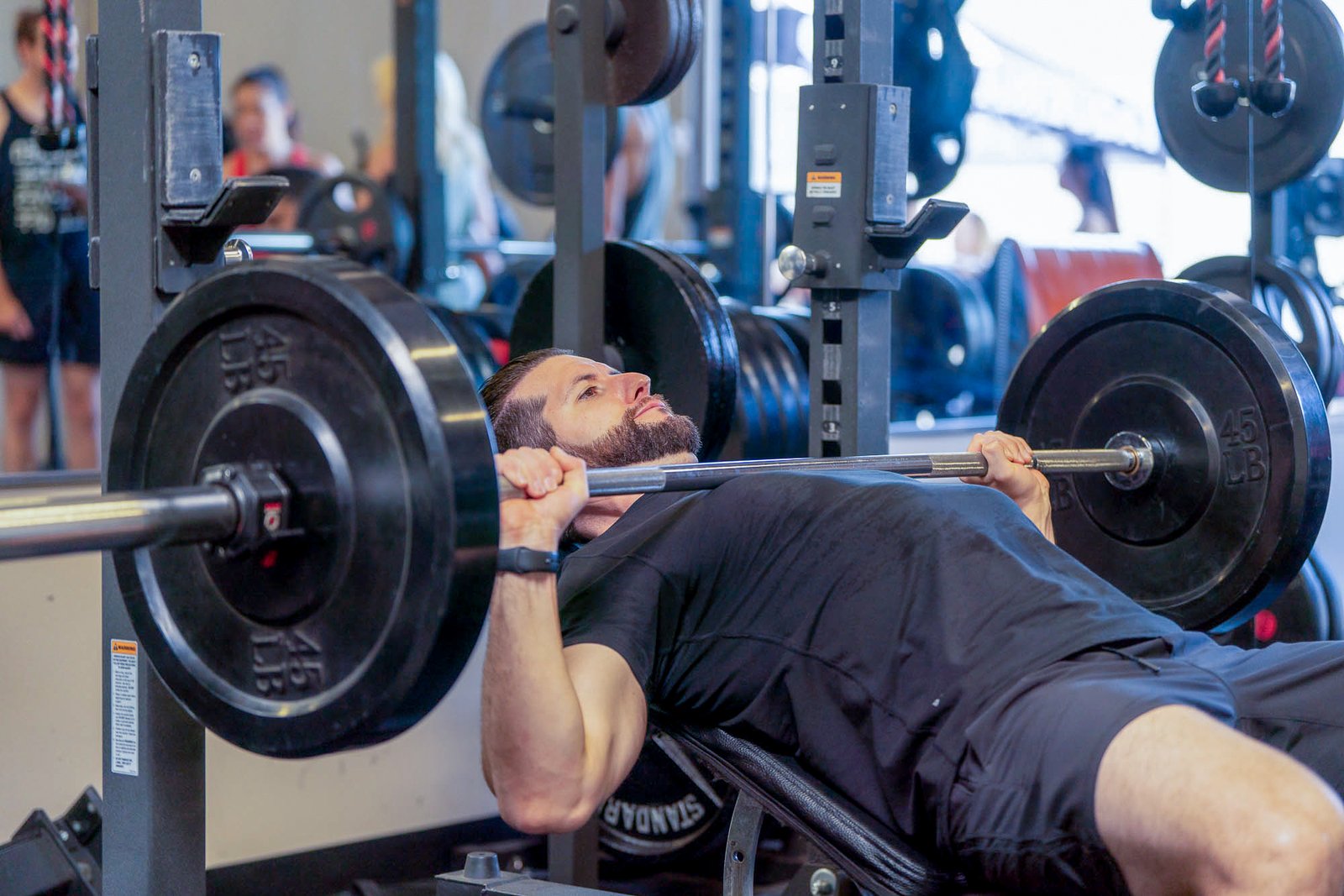
A session can change how muscles look and feel immediately afterward. That short-term appearance is not a direct measurement of new muscle tissue accumulated through a training block. Likewise, feeling energized does not by itself establish a larger training stimulus. These are different observations and should have different labels in your log.
For example, “chest felt full after training” describes an experience. “Completed the planned sets with consistent range and rest” describes performance. “Maintained a stronger repeatable lift across several weeks” describes a longer trend. Keeping those entries separate prevents one impressive afternoon from standing in for a programme outcome.
Do not change the workout simply to make a stimulant feel useful. Adding extra failure attempts, shortening rest periods or chasing a stronger pump changes the task you were trying to compare. It also makes it harder to tell whether the original programme is progressing. A planned session remains a useful session even if it does not feel unusually dramatic.
Use the equipment consistently as well. A guided bar, a free bar and dumbbells have different movement constraints. Numbers from one cannot be transferred directly to another. Record the apparatus and bench setting, and avoid interpreting a switch of machine as a sudden gain or loss of strength.
The equipment options below are relevant to those bench-training setups. They are not supplements, and choosing one does not reproduce a research protocol or make caffeine more effective. Select a setup that supports your normal training and safe handling of the load.

Equipment Worth Exploring
Explore equipment, accessories and gear from our carefully selected range.

Multi Pull Smith Rack MPHR-780
All-in-one rack with a Smith machine, functional trainer, lat pulldown and low row.

Multi Bench MBX-650 2.0
Adjustable multi-bench with roller adjustment, 15 backrest positions and accessory mounts.


FID Bench MAX
Adjustable bench offering flat, incline, and decline positions + adjustable headrest.


Competition Plates
Competition-style bumper plates for Olympic lifts and loaded strength training.


4. Treat caffeine exposure and tolerance as separate considerations

The broader exercise literature supports potential benefits from caffeine in some settings, with substantial variation between people and tasks. More is not automatically better. The amount that makes someone feel stimulated is not necessarily the amount that improves useful training performance, and unwanted effects can outweigh a small benefit.
Count all sources rather than looking only at the pre-workout product. Coffee, tea, energy drinks and some supplements contribute to the same daily total. Serving sizes and concentrations vary, so “one coffee” or “one scoop” is an imprecise unit. Check the actual label and serving information where available instead of assuming that products are interchangeable.
For most healthy adults, 400 milligrams per day is commonly cited as an amount not generally associated with negative effects. That is not a performance target or a guarantee of safety for everyone. Sensitivity, medical conditions and medications can change the picture. Individual advice is appropriate if caffeine is unsuitable for you or interacts with your treatment.
Sleep, anxiety, palpitations and digestive symptoms belong in the decision, not outside it. An energetic evening workout is a poor trade if the caffeine disrupts your night. There is no single clock-time cutoff that fits every person’s schedule and response. Avoid using how tired you feel as a reason to keep adding caffeine to an already uncertain total.
Do not try to recreate capsule experiments by measuring bulk pure caffeine powder with kitchen utensils. Highly concentrated caffeine products can be dangerous to measure. You can assess the quality of a research claim without repeating its exposures, testing your tolerance or taking a supplement at all.
5. Build a useful training record before chasing a supplement effect
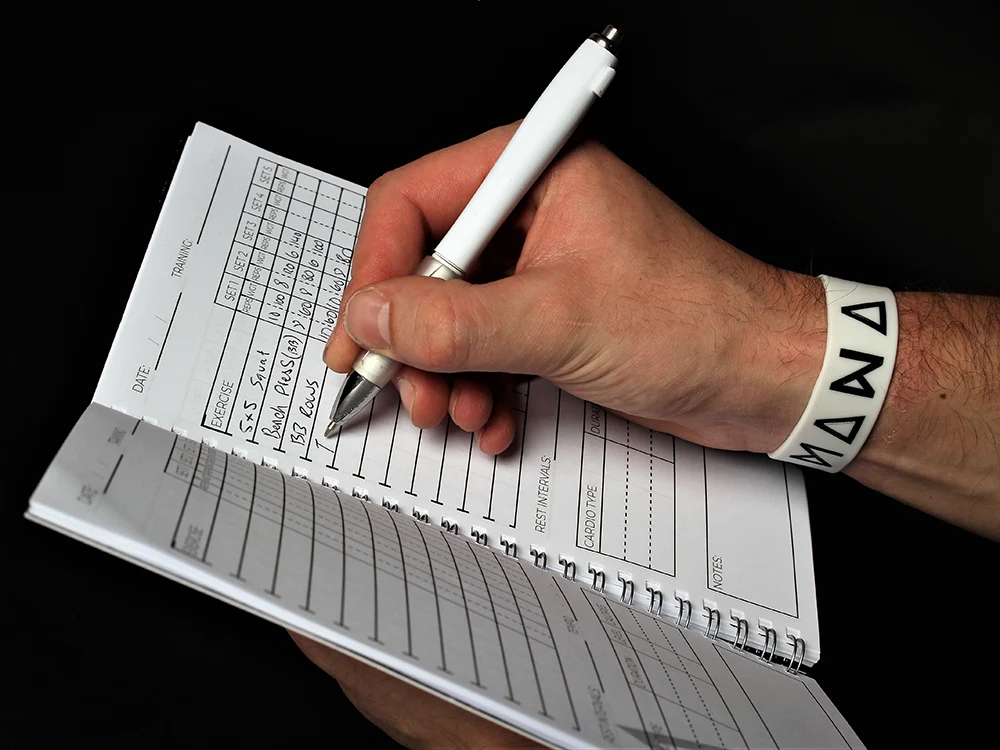
Start with a consistent bench-training record: apparatus, load, repetitions, range, rest intervals and whether a spotter assisted. Add the session time and a brief note about sleep and readiness. If you already consume caffeine, record the known amount and timing without treating the log as a reason to increase it.
Suppose Monday shows three sets with a consistent load and two minutes between sets, while Thursday uses a different machine and much shorter rests. Those entries may both describe productive workouts. They do not provide a clean comparison of a drink or supplement. Mark the differences before deciding what caused the result.
Use repeated comparable sessions to understand ordinary variation. If a normal working set ranges from eight to ten repetitions, a single nine-repetition day tells you little about a new product. A personal log also cannot replace a blinded controlled experiment, but it can stop you from attributing every ordinary fluctuation to the most recent purchase.
Decide what would matter practically. A marginal change in one set may be less valuable to you than consistent sleep, a predictable session and a supplement routine you can comfortably skip. Keep the training plan, progression and recovery habits in view. They should not become secondary to interpreting whether a particular drink felt powerful.
The restrained conclusion is useful: do not assume that escalating caffeine will improve bench performance, and do not turn an acute result into a muscle-growth promise. Keep the question specific, the comparison honest and your own limits respected. The coffee-and-lifting designs below reflect that training theme; the clothing carries no performance claim.

Funny Gym Shirts & Workout Gear
Funny gym shirts, tanks, hoodies and workout gear for lifters who like training hard.

Caffeine Skull Hardcore Coffee Gym Shirt Energy Workout T-Shirt
Make gym days more fun with “Caffeine Skull” style.

Swole Siren Starbucks Coffee And Gains Meme T-Shirt
Make gym days more fun with “Swole Siren Starbucks Coffee and Gains” style.

Shirt: This Is Your Body On Caffeine – Meme Top T-Shirt
Make gym days more fun with “: This Is Your Body On Caffeine” style.

Caffeine & Weights for Coffee Lovers, Lifting Sessions Hoodie
Keep it laid-back with a little “Caffeine & Weights” attitude.

Funny Squatbucks Gym | Starbucks Parody Workout | Leg D Hoodie
Bring “Squatbucks” gym humor to lazy days and post-workout plans.

Coffee and Weights Retro Cartoon Crewneck for Caffeine- T-Shirt
Show some gym-day personality with “Coffee and Weights Retro Cartoon”.

Gym Sir Swole of Benchalot Medieval Knight Chest Day Cr T-Shirt
Show some gym-day personality with “Sir Swole of Benchalot Medieval Knight”.

Grateful Weights Caffeine Tee
Show some metalhead attitude with a playful “Grateful Weights” tee.

Coffee Shots & Heavy Squats for Caffeine, Lifting and S Sticker
Put “Coffee Shots & Heavy Squats” gym humor on your laptop, bottle, or gym gear.

Caffeine Gym Cosmic Decal , Coffee Workout Energy Desig Sticker
Give your everyday gear a playful “Caffeine” twist.