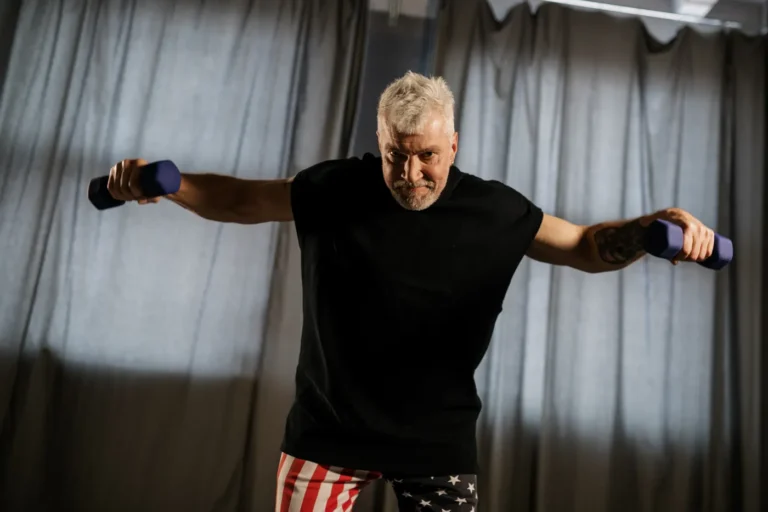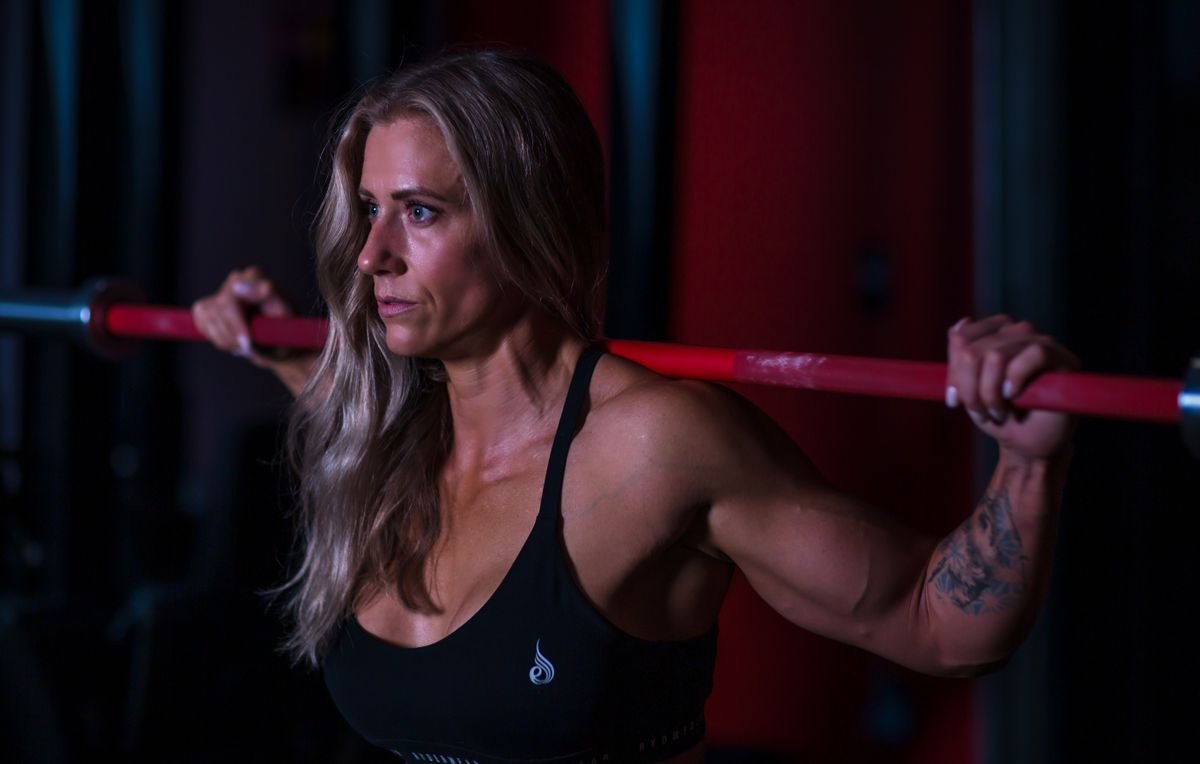
Does getting stronger mean you must keep chasing heavier and heavier singles? A September 2026 coaching analysis raised a useful question: for someone who is not competing in powerlifting, how much near-maximal barbell work is actually necessary? The answer depends on whether you want to lift the biggest possible number in a particular exercise, build muscle, perform better in a sport, or simply remain capable and healthy. Those goals overlap, but they are not identical.
1. What Counts as Very Heavy Training—and Why It Matters
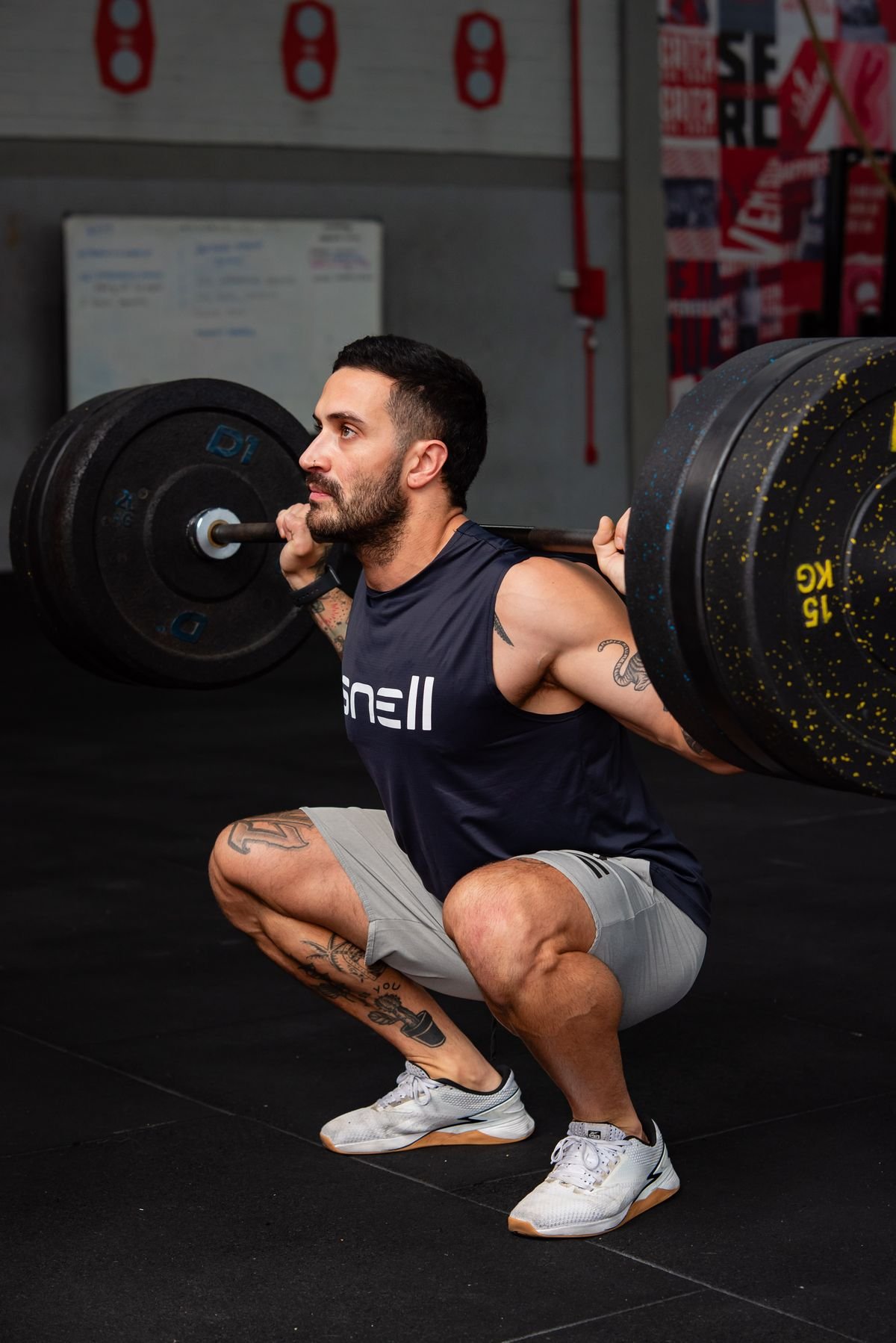
Here, near-maximal means roughly a weight you can lift for one to five good repetitions, often called 1–5RM. That is not the same as an easy set of five with a load you could lift ten times. The distinction matters: a five-repetition set can be a demanding strength test or a comfortable practice set depending on the load and effort.
Very heavy work is appealing because progress is easy to see. Add 5 lb (2.3 kg) to your squat or deadlift, and the result feels objective. But an improved one-repetition maximum is partly an improvement in the skill of that particular lift: bracing, timing, coordination, familiarity with the bar path and confidence under a heavy load. None of that is bad. It simply means a bigger squat is not a complete measure of athleticism, muscle size or long-term health.
Ask a more useful question before choosing your rep range: what performance am I trying to improve? A competitive lifter needs practice under heavy competition-style loads. A recreational trainee may care more about muscle, repeatable sessions and being able to train again next week. Both can use barbells; neither needs to copy the other’s entire program.
2. What Heavy Loads Do Better Than Moderate Loads
Research does support an advantage for heavier loading when the test is maximal strength. A large 2023 network meta-analysis found that resistance-training prescriptions improved strength and muscle size compared with doing no training, but the higher-load approaches ranked especially well for strength. A 2026 overview of 137 systematic reviews likewise identified loads at or above about 80% of one-repetition maximum as helpful for voluntary strength development.
That finding should not be watered down into “weight does not matter.” If your goal is to squat 405 lb (184 kg), you eventually need to practice producing high force against substantial loads. Technical familiarity, specific strength and a well-managed progression are real adaptations. Conversely, if you mostly train with 15-repetition dumbbell sets, you should not be surprised if your one-rep barbell test lags behind someone who regularly practices heavy squats.
Still, heavy does not have to mean maximal every week. Many strength-focused sessions can be productive with sets of three to six performed with one to three repetitions left in reserve. Some athletes benefit from occasional heavier singles, but that is a programming choice, not an entry requirement for everyone who wants to be strong.
The most defensible distinction is specificity: heavy barbell practice is valuable for heavy barbell performance. It is much harder to claim that every lifter needs frequent grinders to obtain all the benefits of resistance training.

Equipment Worth Exploring
Explore equipment, accessories and gear from our carefully selected range.


FID Bench MAX
Adjustable bench offering flat, incline, and decline positions + adjustable headrest.

Safety Squat Handles
Barbell squat handles that reduce shoulder positioning demands during high-bar squats.

GymPin Squat Wedges
Non-slip 15-degree squat wedges help elevate the heels for deeper quad-focused squats.

Leather Lifting Straps
Padded leather straps support grip during heavy rows, deadlifts and pulling exercises.


3. Building Muscle Is a Different Problem
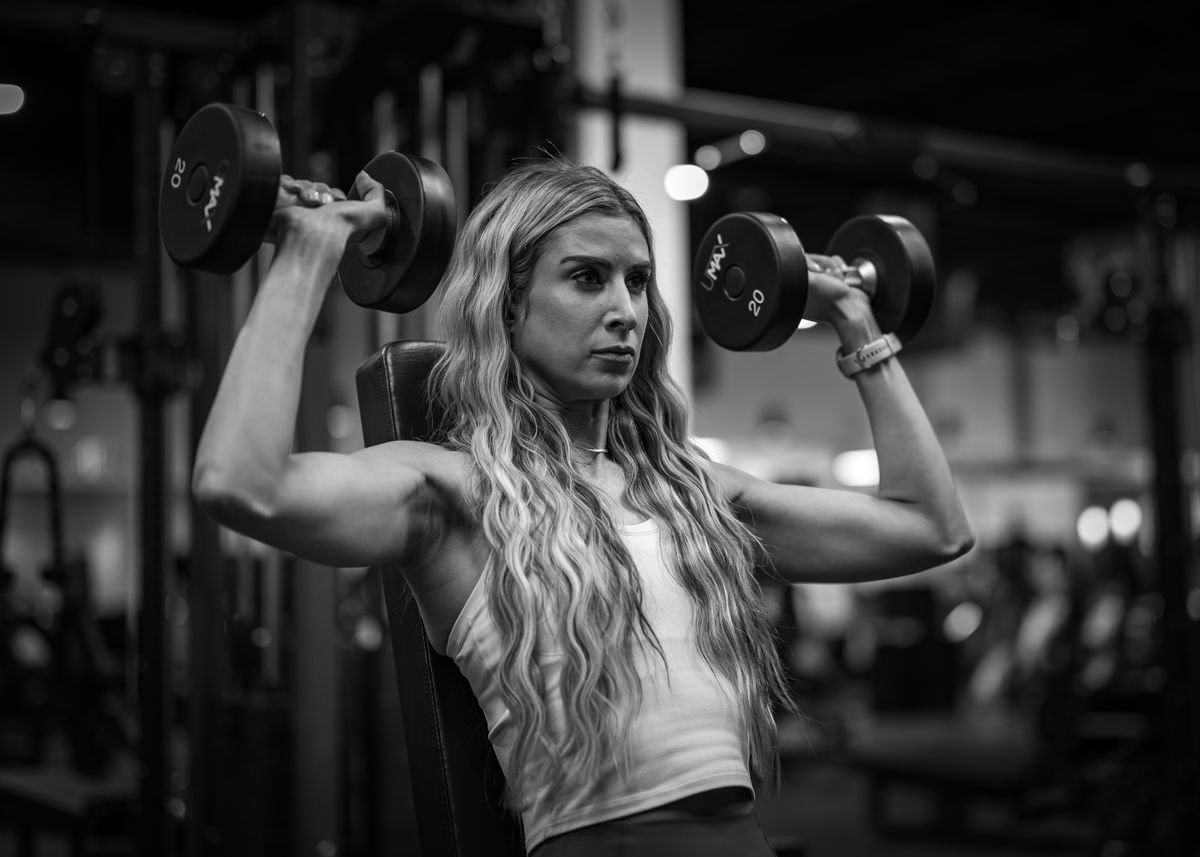
Muscle hypertrophy is not a contest to see who can move the most weight once. A muscle responds to sufficient mechanical tension and a repeatable training stimulus across weeks. Research comparing load ranges finds that lighter and heavier loads can both build muscle when sets are appropriately challenging. The 2023 network meta-analysis found broadly comparable hypertrophy across several loading prescriptions, while the 2026 evidence overview highlighted weekly training volume as a more consistent lever for muscle size.
For many lifters, sets of six to fifteen repetitions are a practical middle ground. They are heavy enough to train hard without making every set a technical near-maximal event. Higher-repetition sets can also work, although they may become uncomfortable because of breathing, local fatigue and the time required. Lower-repetition sets can build muscle too, but may require more sets to accumulate comparable work.
“Train close to failure” is useful shorthand, not a demand to reach absolute failure on every set. A challenging set that stops with roughly one to three clean repetitions available often provides a productive stimulus while leaving room for technique and recovery. Effort should be judged honestly: a 12-repetition set that could have continued for another ten reps is probably too easy for a main hypertrophy set.
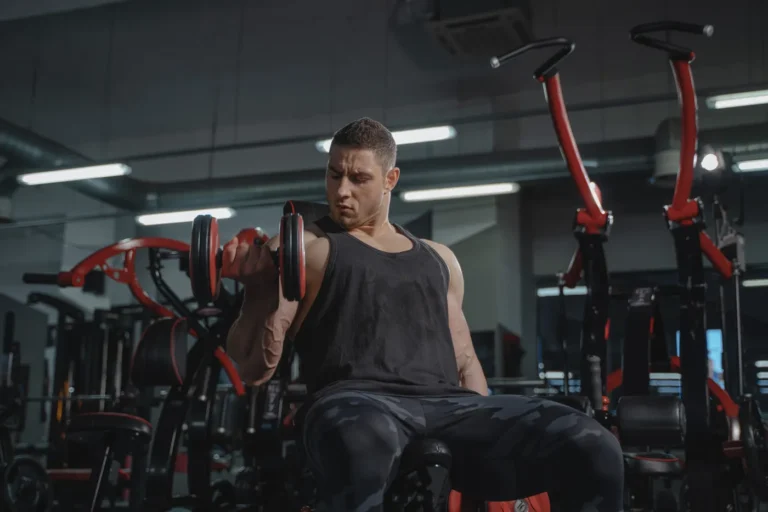
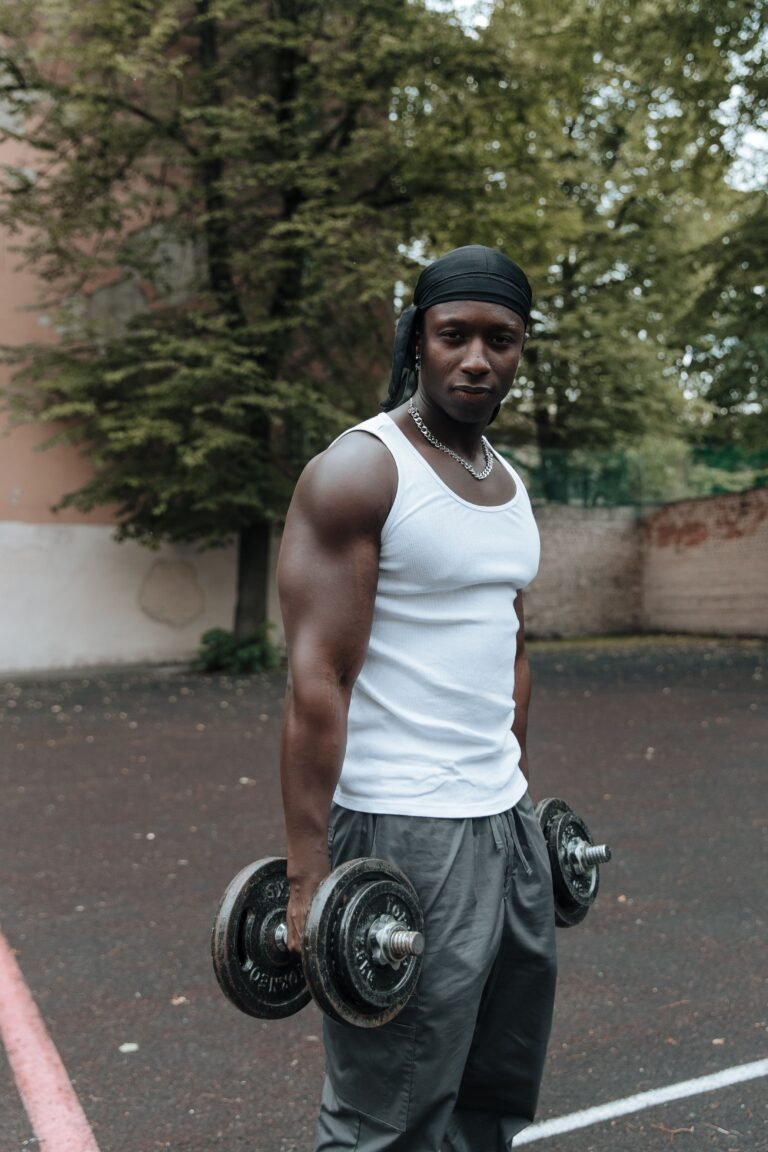
The practical implication is liberating. If your shoulders prefer dumbbells, your legs respond well to a leg press, or your back training feels better with cables, you do not need to force maximal barbell work into every muscle-building session. Progressive overload can mean more repetitions, better range of motion, additional controlled sets or modest load increases—not only heavier singles.

Powerlifting Shirts & Lifting Gear
Powerlifting shirts and gym gear for squat, bench and deadlift lifters who live for heavy numbers.

2 Plates Bench Club & Chest Day Top T-Shirt
Rep “2 Plates Bench Club” humor in and out of the gym.

8 Plates Deadlift Club Motivational Meme & Top T-Shirt
Make gym days more fun with “8 Plates Deadlift Club” style.

Coffee Shots & Heavy Squats for Caffeine Addicts and Sq Hoodie
Keep it laid-back with a little “Coffee Shots & Heavy Squats” attitude.

Deadlift Skull Gym Gold Heavy Metal Muscle Shirt for Po Tank Top
Bring “Deadlift Skull” humor to your next lifting session.

Deadlift Snake Skull – Hardcore Powerlifting Crewneck f T-Shirt
Show some gym-day personality with “Deadlift Snake Skull”.

No Plates No Dates Muscle | Vest For Weightlifting & Ga Tank Top
Show some personality between sets with “No Plates No Dates”.

I Love Bench Press | Red Heart Weight Plate Decal Sticker
Put “I Love Bench Press” gym humor on your laptop, bottle, or gym gear.

Shirt Stack Of Weight Plates Meme & Gymbros Stacking T-Shirt
Rep “Stack Of Weight Plates Meme” humor in and out of the gym.

Gym Sworn to the Iron Oath Medieval Knight Muscle Shirt Tank Top
Bring “Sworn to the Iron Oath Medieval Knight” humor to your next lifting session.

Funny Viking Deadlift Shirt For Gym Bros | Leg Day Gain T-Shirt
Heavy lifts, good laughs, and a little “Viking Deadlift” energy.
4. Injury Risk Is About More Than a Number on the Bar
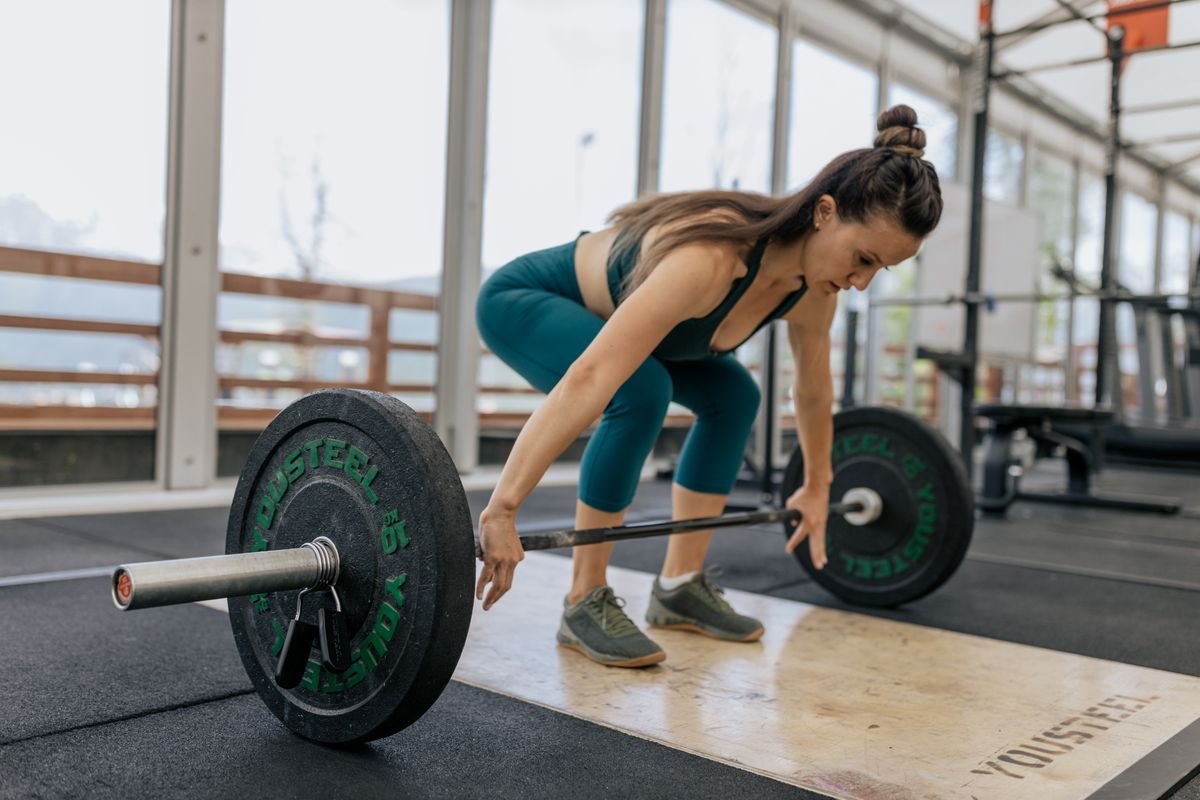
There is a reasonable concern that a near-maximal attempt leaves less room for unexpected fatigue or a failed repetition. But it would be misleading to claim that research has established a precise injury probability for a 3RM squat versus an 8RM squat in otherwise identical people. Training studies rarely randomize lifters for years while measuring every relevant injury exposure. Observational injury surveys also differ widely in who they count, what they call an injury and how they calculate training hours.
A 2023 systematic review covering 28 studies reported a broad range of injury rates across resistance-training disciplines. That range should make us cautious about sweeping comparisons between powerlifting, bodybuilding, functional fitness and other approaches. It does not prove that one repetition range is intrinsically unsafe, nor that an athlete with excellent technique is immune to injury.
Load matters alongside total sets, frequency, previous injuries, exercise selection, sleep, accumulated fatigue, equipment setup and the ability to end a set safely. A controlled heavy triple inside a rack with appropriate safeties can be a sensible session for a prepared lifter. A sloppy moderate-weight set performed to exhaustion when someone is already hurt may be a poor choice. Technique is useful because it helps distribute and control force; there is no single magic spine angle that guarantees safety.
Watch for trends rather than one imperfect repetition: repeated pain that worsens, unexpected loss of performance, worsening movement control and persistent recovery problems deserve a change in load or exercise. Sudden sharp pain, neurological symptoms or an acute injury call for appropriate medical evaluation rather than an internet form cue.
5. Better Alternatives Are Not Second-Class Exercises
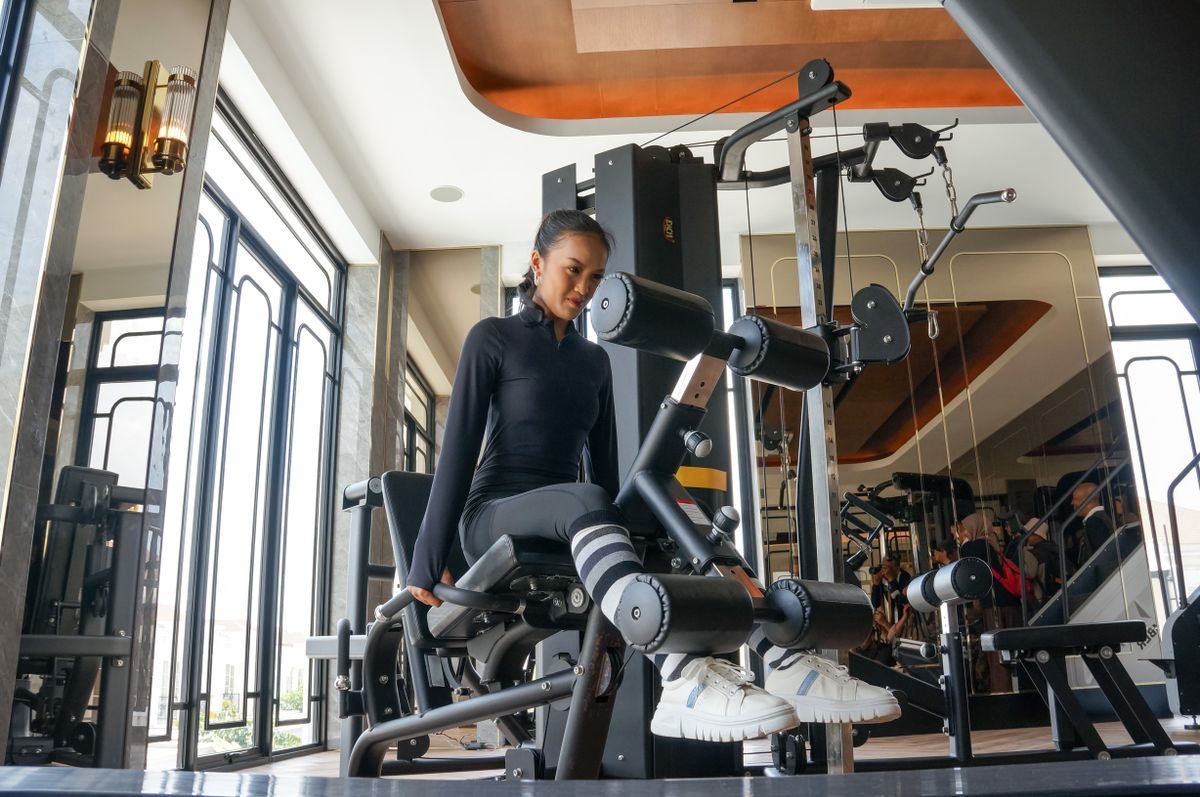
For general strength and muscle, the useful question is whether an exercise challenges the target muscles through a tolerable range of motion and can be progressed over time. A trap-bar deadlift, dumbbell Romanian deadlift, split squat, leg press or cable row may be a better match than a competition-style lift for some bodies and training environments. They are not identical movements, and none automatically removes injury risk, but they expand the ways to train productively.
Machines can provide stability when balance or technique is limiting a hard set. Free weights ask for more stabilization and often have greater skill transfer to free-weight tests. A 2023 meta-analysis of machine versus free-weight training found that strength gains were largely specific to the equipment used for testing, while direct comparisons did not establish a clear hypertrophy advantage for either approach. That is a reason to choose tools based on the goal, not a reason to declare one universally superior.
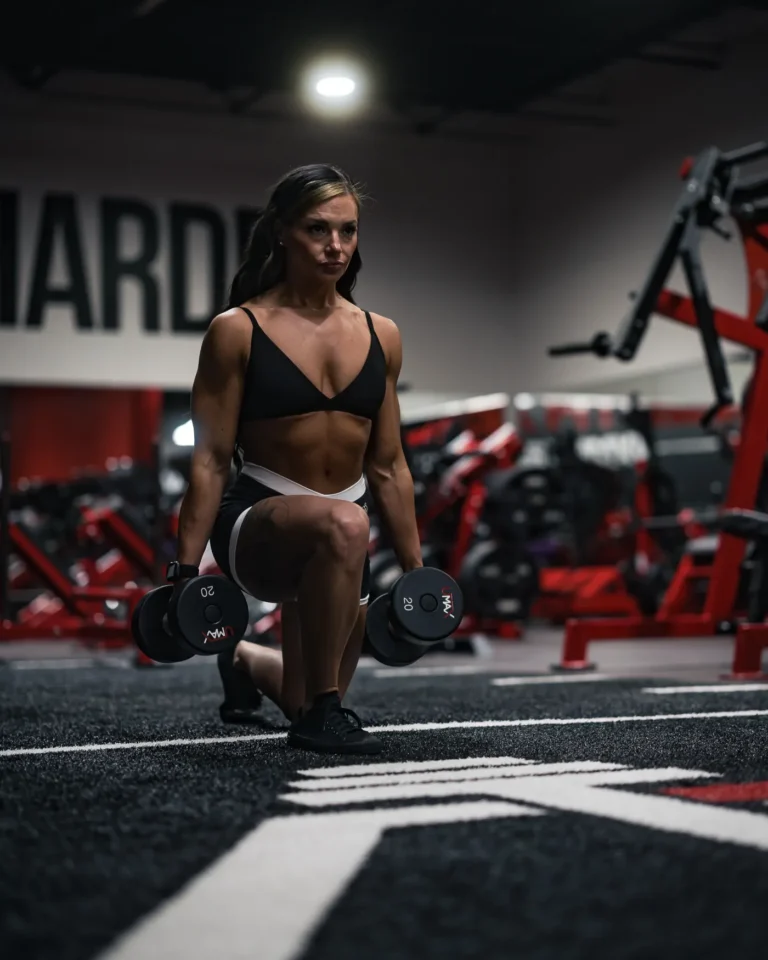
Unilateral training can also create substantial local effort with less total external load. A rear-foot-elevated split squat may challenge the quads and glutes without requiring the absolute barbell load of a bilateral squat. Cable and dumbbell variations can let you adjust the line of pull, grip and range of motion. The trade-off is that some variations demand more balance, setup time or local endurance.
For a small home gym, a rack, adjustable dumbbells, a reliable bench and a cable system can cover most movement patterns. Prioritize exercises you can load consistently, perform comfortably and repeat for months. Expensive equipment is not a substitute for good programming, and the simplest setup is often the one that gets used.
Equipment Worth Exploring
Explore equipment, accessories and gear from our carefully selected range.


VOLTRA
Compact digital cable trainer with smooth, adjustable resistance.

Go-Tone Pro
Portable digital cable trainer with up to 66 lb (30 kg) of adjustable resistance.
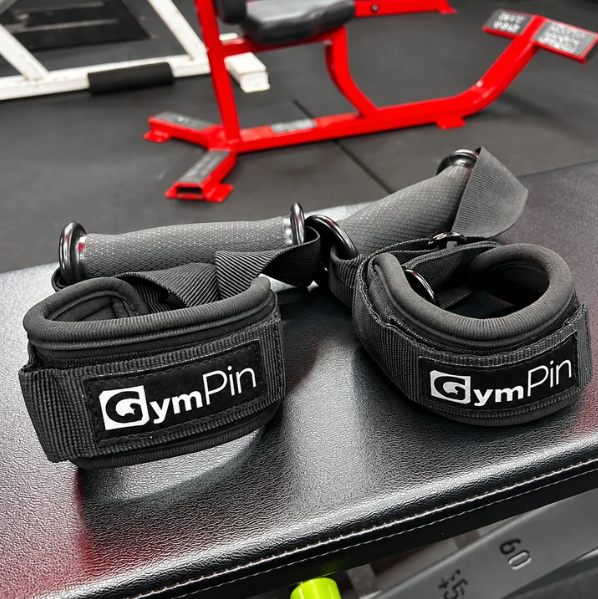
GymPin D Cuffs
Adjustable wrist cuffs with textured grips for supported cable-machine exercises.
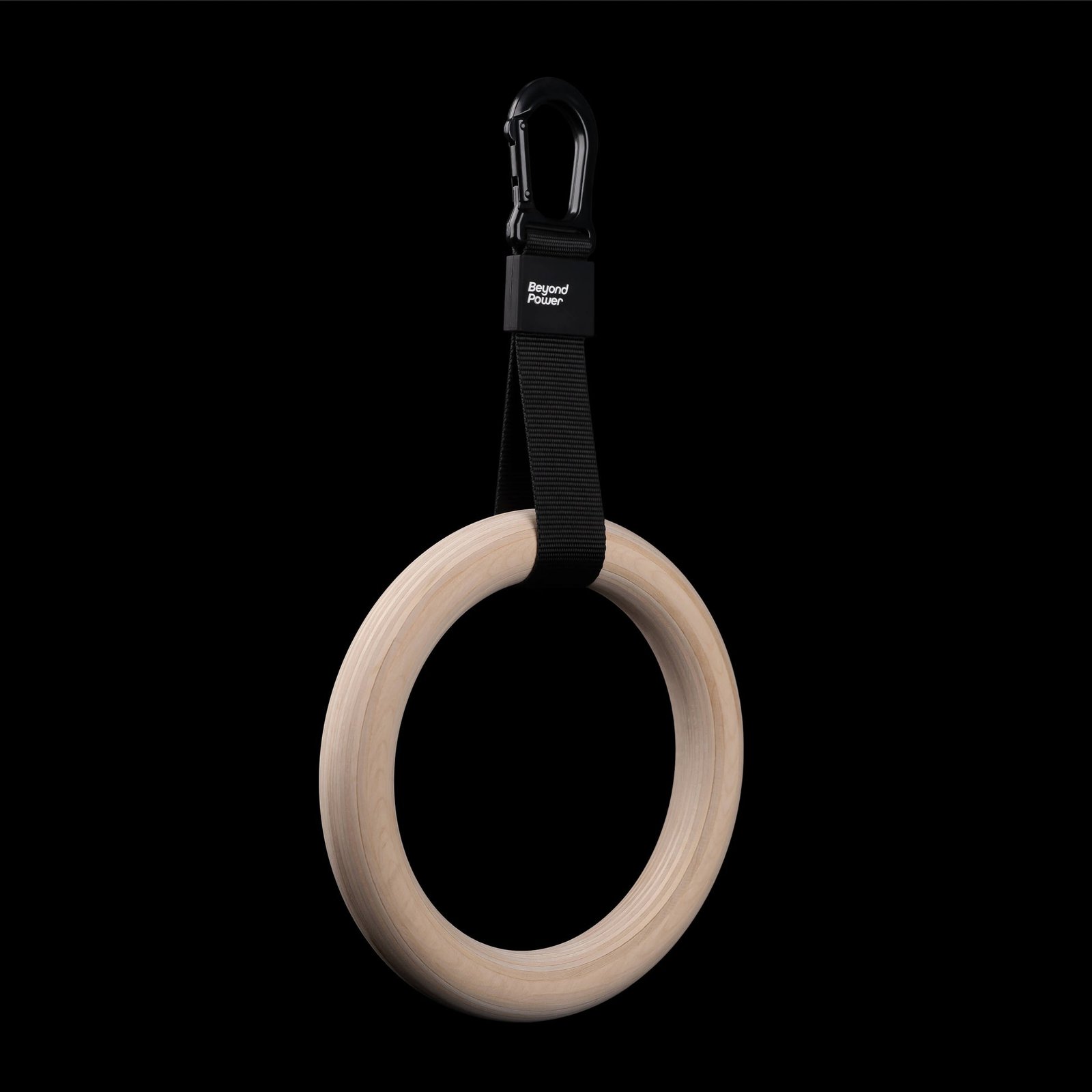

HUSLA Leg Extension Pad
Pad attachment designed to increase usable range of motion on compatible leg-extension machines.


6. A Two-Day Plan That Builds Strength Without Constant Maxing
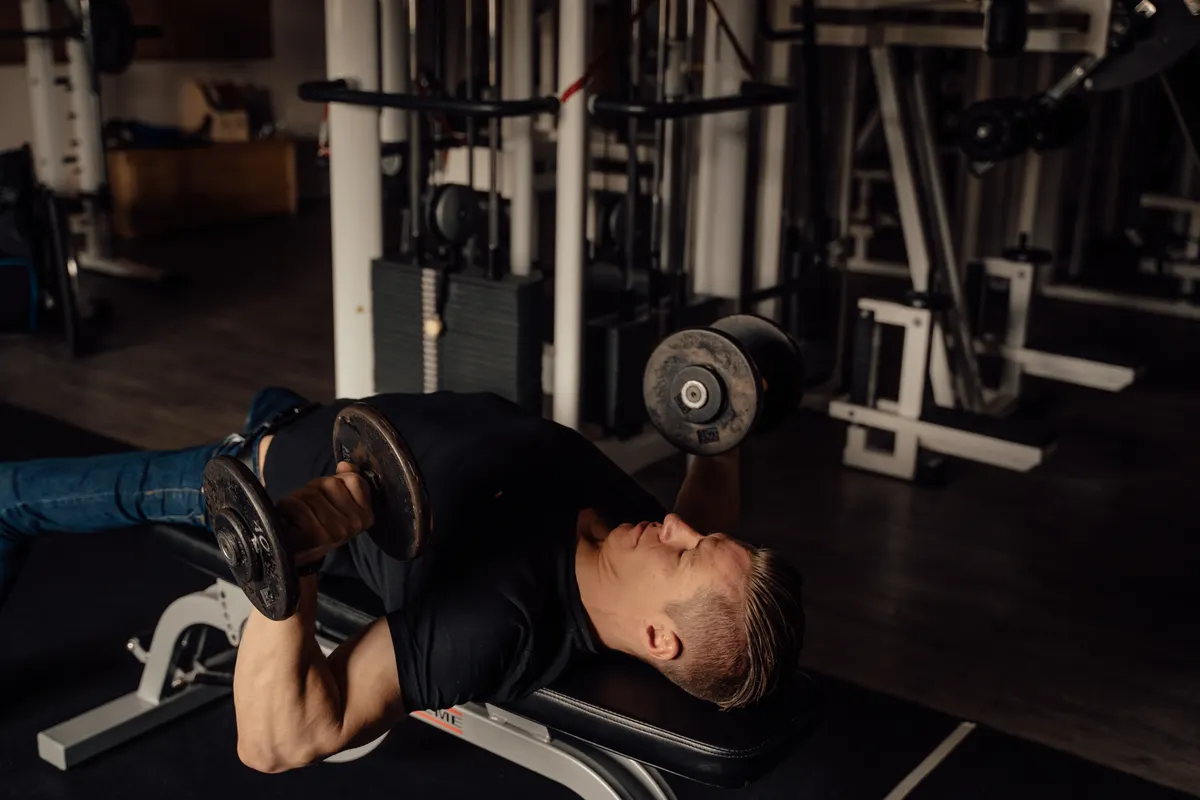
Here is a practical starting template for a healthy adult who wants to become stronger and more muscular without centering the week on 1RM attempts. Train on nonconsecutive days, warm up with progressively heavier practice sets, and choose loads that leave about two clean repetitions in reserve on most work sets. These are examples, not universal prescriptions; reduce the number of sets if you are new to lifting or returning after a break.
Day A — Squat Pattern and Upper-Body Push
- Squat or leg press: 3 sets of 5–8 repetitions.
- Dumbbell or barbell bench press: 3 sets of 6–10.
- Chest-supported or cable row: 3 sets of 8–12.
- Split squat: 2 sets of 8–12 per leg.
- Optional core work: 2 controlled sets.
Day B — Hinge Pattern and Upper-Body Pull
- Trap-bar or Romanian deadlift: 3 sets of 5–8.
- Pull-down or assisted pull-up: 3 sets of 6–12.
- Neutral-grip overhead or landmine press: 3 sets of 6–10.
- Leg curl: 2 sets of 10–15.
- Calf raise or loaded carry: 2–3 controlled sets.
Rest roughly two to three minutes after challenging compound sets and one to two minutes after smaller accessories, extending rests when performance clearly suffers. Start near the low end of each rep range. When every set reaches the top end with stable technique and the planned effort, increase the load by the smallest useful increment and repeat. If progress stalls for two or three exposures, check sleep, nutrition, total volume and exercise consistency before adding more intensity.
Across a month, your aim is a reliable pattern of good sessions—not a personal record every Friday. You can add a third day or more weekly sets later if recovery and schedule allow. Beginners often need less volume than experienced lifters. Someone training for a sport may also need to reduce gym fatigue before demanding field or court sessions.
Bodybuilding Shirts & Workout Gear
Bodybuilding shirts, tanks and gym gear for lifters chasing muscle, size, symmetry and the pump.

Muscle Mommy Muscle Club for Gym Girls, Lifting, Bodybu T-Shirt
Heavy lifts, good laughs, and a little “Muscle Mommy Muscle Club” energy.

Mike Mentzer Heavy Duty Old School Bodybuilding Gym Shi T-Shirt
Heavy lifts, good laughs, and a little “Mike Mentzer Heavy Duty” energy.

Musclenomics Muscle Graph : The Ultimate Meme Shirt & T-Shirt
Make gym days more fun with “Musclenomics Muscle Graph” style.

– Everything Hurts And I'M Dying Muscle Vest Tank Top
Bring “Everything Hurts And I'm Dying Workout” humor to your next lifting session.

Knight Lifting Iron Medieval Jumper T-Shirt
Show some gym-day personality with “Knight Lifting Iron”.

Thicc Butt Energy Leg Day & Squat Lovers Meme Vest Tank Top
Train hard, laugh a little, and rep “Thicc Butt Energy”.

Muscle Daddy Pink Barbell Plate Gym Shirt for Men Who L T-Shirt
Show some lifting attitude with a playful “Muscle Daddy” tee.

Coffee and Weights , Coffee Lovers and Workout Training Tank Top
Bring “Coffee and Weights” humor to your next lifting session.

Gym The Bar Does Not Lie Medieval Knight Muscle Shirt f Tank Top
Bring “The Bar Does Not Lie Medieval Knight” humor to your next lifting session.

LiftIn Social Network Gym Parody , Bodybuilders & Worko T-Shirt
Show some lifting attitude with a playful “LiftIn” tee.
7. Who Should Still Train Near Their Maximum?
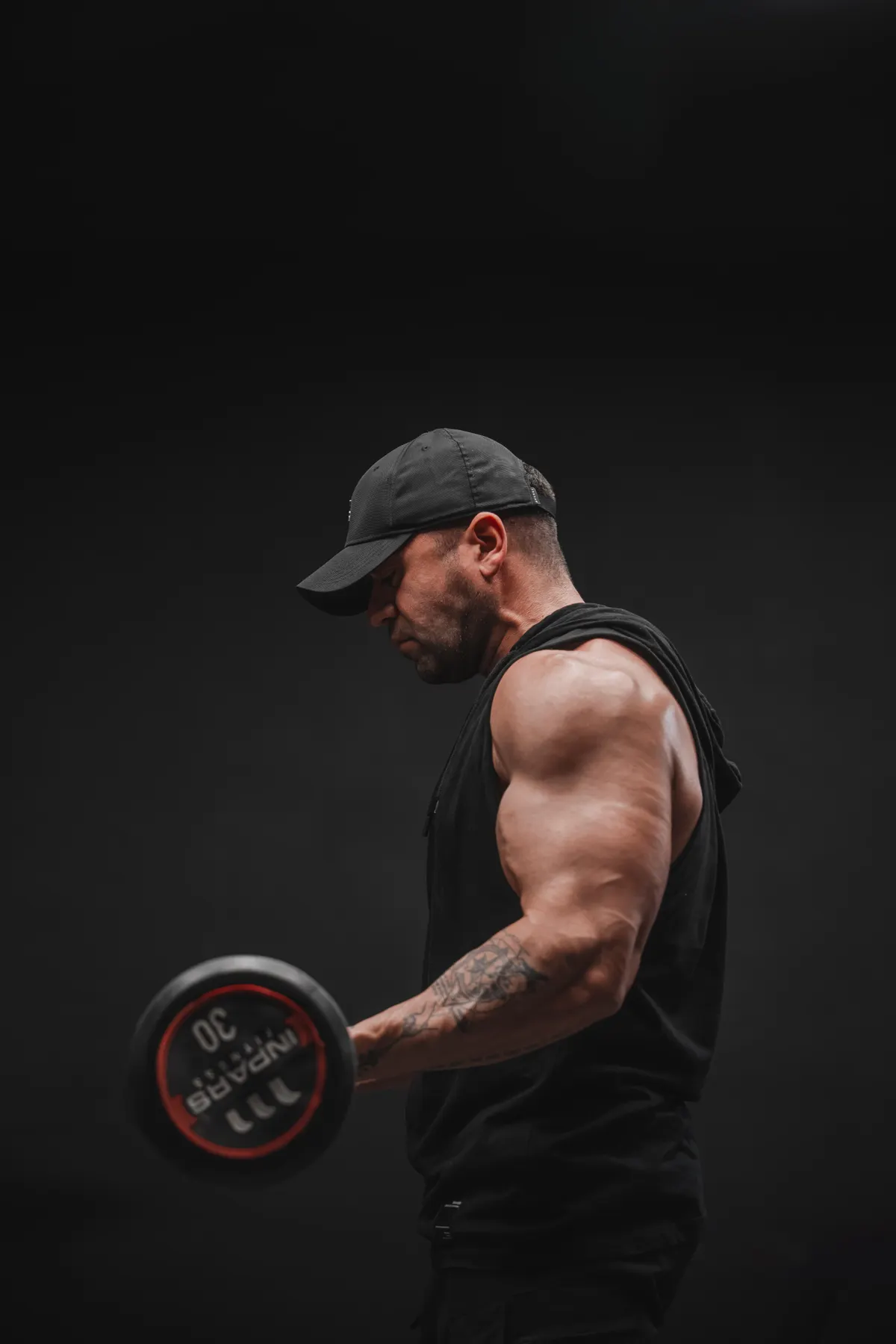
Competitive powerlifters, weightlifters and strength specialists need heavier exposures because their sport rewards performance with a heavy barbell. Experienced lifters who enjoy testing strength may also choose to include them. The question is not whether a heavy single is forbidden; it is whether the benefit justifies its cost within the whole program.
If maximal strength is a priority, use heavier sets strategically: build technique first, practice with safeties and suitable spotting, keep most repetitions crisp, and plan demanding attempts when you are recovered. A sensible program can include occasional top sets while doing most muscle-building work at moderate loads. You do not have to choose between being strong and training sustainably.
If your goals are general health, body composition, stronger joints, improved daily function or recreational sport, regular resistance training matters far more than your ability to grind a one-repetition squat. A well-chosen six-repetition set, hard dumbbell work or a controlled machine exercise can be a serious strength stimulus. The 2026 evidence overview reinforces that many forms of resistance training improve meaningful outcomes when they are performed consistently and progressively.
Bottom line: near-maximal barbells are a useful specialist tool, not a universal fitness requirement. Keep them when they serve a clear goal; use other loads and exercises when those let you train hard, recover and return stronger. Your best program is the one whose benefits you can keep collecting over time.