A shoulder can feel strong in one movement yet awkward in another. A bench press may be comfortable while an overhead reach feels restricted, or a row may feel smooth while raising an arm out to the side is difficult. The shoulder blade is part of that story: it must move with the upper arm, not simply stay pinned in one position.
A July 2026 evidence review examined scapular-focused rehabilitation for people with rotator cuff-related shoulder problems. It found encouraging changes in pain and function, but also substantial differences between studies. That distinction matters. These results support thoughtful exercise as one possible part of recovery; they do not establish that a few band drills can diagnose or fix every painful shoulder. Here is how to interpret the evidence and build a measured return to training.
What the 2026 shoulder-blade review actually found
The review brought together nine studies spanning non-surgical shoulder care and recovery after rotator cuff surgery. Seven were randomized trials, alongside one matched observational study and one before-and-after study. Researchers examined pain, shoulder function, disability and movement. In the pooled analyses, scapular-targeted rehabilitation was associated with less pain and better shoulder-function scores than comparison care.
The reported pooled pain effect was a standardized mean difference of approximately -0.88, while the Constant-Murley shoulder-function score improved by about 6.9 points. Those are group averages, not a promise of an individual result. The disability outcome leaned in the same direction but was not statistically conclusive. The studies also differed markedly in participants, exercises and results, so it would be a mistake to treat the pooled estimate as a precise prediction for every lifter.
The strongest practical interpretation is that shoulder-blade work can be a useful addition to a broader program. It is not proof that scapular training must replace rotator cuff loading, sensible strength work or individualized treatment. Post-surgery protocols also have different restrictions from routine gym training; a generic program is not a substitute for those instructions.
Most importantly, the review concerned people with shoulder disorders. A healthy lifter seeking better overhead technique is a different population. You can borrow the idea of controlled scapular movement without pretending that rehabilitation outcomes automatically translate into larger delts, better one-rep maximums or injury prevention.
Why the shoulder blade matters during a reach or press
The shoulder is not a single hinge. The upper-arm bone moves in its socket while the scapula rotates and tilts across the rib cage. The clavicle, thoracic spine and surrounding muscles contribute as well. As the arm rises, the shoulder blade normally participates in upward rotation. Trying to hold it rigidly down and back through every overhead repetition can make the movement feel unnecessarily constrained.
Different tasks ask for different control. In a row, the shoulder blades move around the rib cage as the arms reach and pull. In a press, they need to coordinate with the arms as the load travels upward. In a push-up, they should be able to move forward around the ribs near the top. None of these movements requires a theatrical shoulder-blade squeeze held from the first rep to the last.
A quick self-check is to raise both arms overhead slowly while standing tall. Notice whether one side feels different, whether the rib cage flares sharply or whether the movement provokes pain. Then try a comfortable wall slide with your back near a wall. These are observations, not diagnostic tests: mobility, body proportions, fatigue and prior training all affect how they look.
Do not chase perfect symmetry by forcing a painful range. If you can reach comfortably but not under load, strength and coordination may matter more than another long stretch. If passive and active motion are both restricted, the issue may be different. A clinician can distinguish these patterns more reliably than a mirror or phone video.
Three controlled movements to rebuild shoulder confidence

Begin with exercises that let you control range, speed and resistance. A wall slide is a useful starting point: place the forearms against a wall, keep the ribs relatively quiet, and slide upward only as far as movement remains smooth. Think about reaching, not wrenching the arms into position. Try one or two sets of six to ten slow repetitions as a movement practice, rather than as a test of endurance.
Next, use a very light band for external rotation with the elbow near the side. Keep the elbow gently against the torso, rotate the hand outward without twisting the whole body, and return under control. One or two sets of eight to fifteen comfortable repetitions are enough to assess tolerance. If the movement is painful, reducing the range or resistance is more sensible than forcing a large number of reps.
Finally, add a scapular push-up or wall push-up plus. With elbows nearly straight, allow the chest to move slightly toward the wall or floor as the shoulder blades approach each other, then push the surface away so the upper back rounds gently. This trains controlled movement around the ribs without requiring a heavy press. A wall version is easier to dose than a full plank.
These drills serve different purposes: the wall slide practices overhead motion, external rotation adds local cuff loading, and the push-up plus works scapular control. They are not a magic sequence, and none should create sharp pain, spreading symptoms or worsening discomfort the following morning. Choose one or two that you can perform consistently and progress them gradually.

Equipment Worth Exploring
Explore equipment, accessories and gear from our carefully selected range.
VOLTRA
Compact digital cable trainer with smooth, adjustable resistance.

Go-Tone Pro
Portable digital cable trainer with up to 66 lb (30 kg) of adjustable resistance.

GymPin D Cuffs
Adjustable wrist cuffs with textured grips for supported cable-machine exercises.

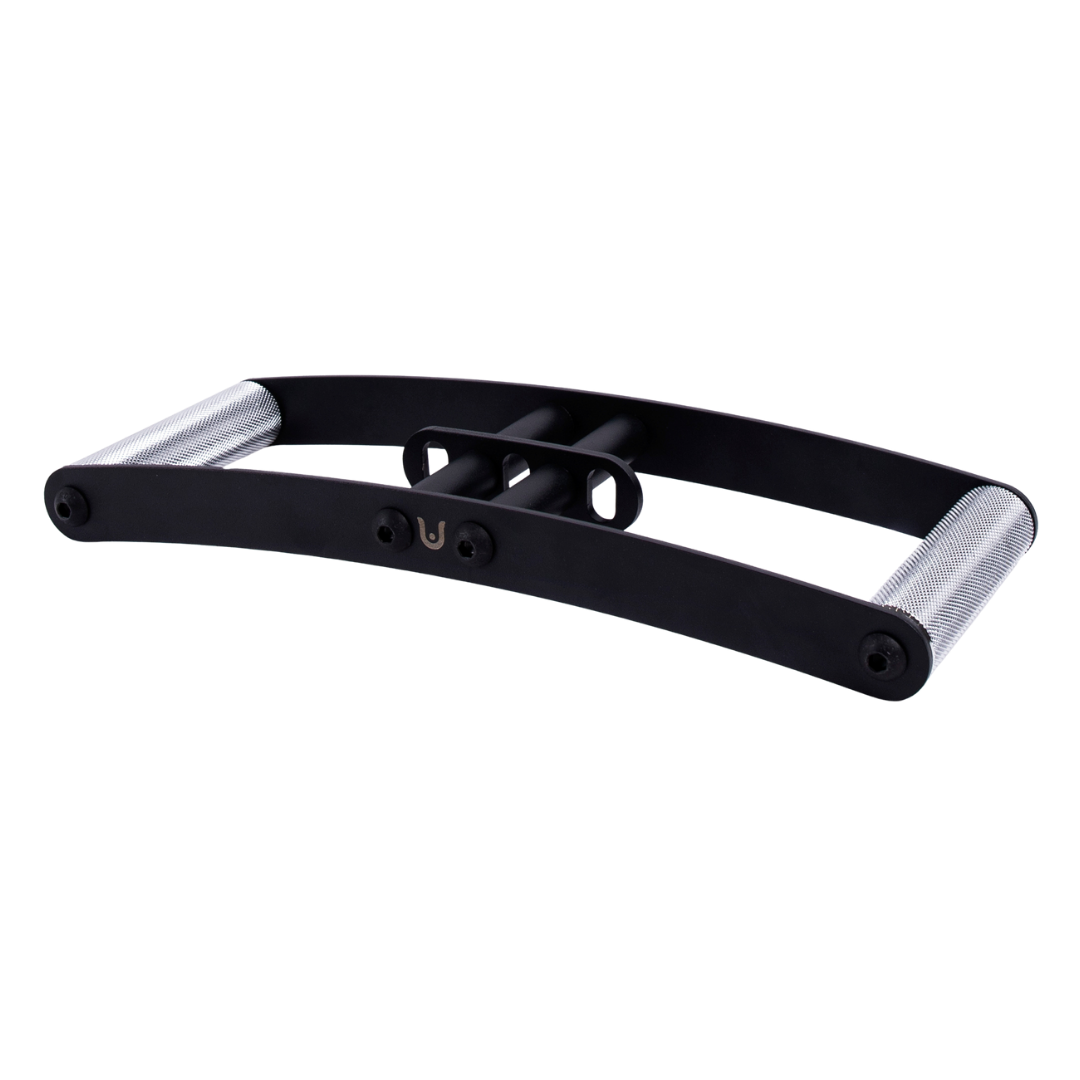
Horizon Grip
Ergonomic V-style cable grip for rows and back training.
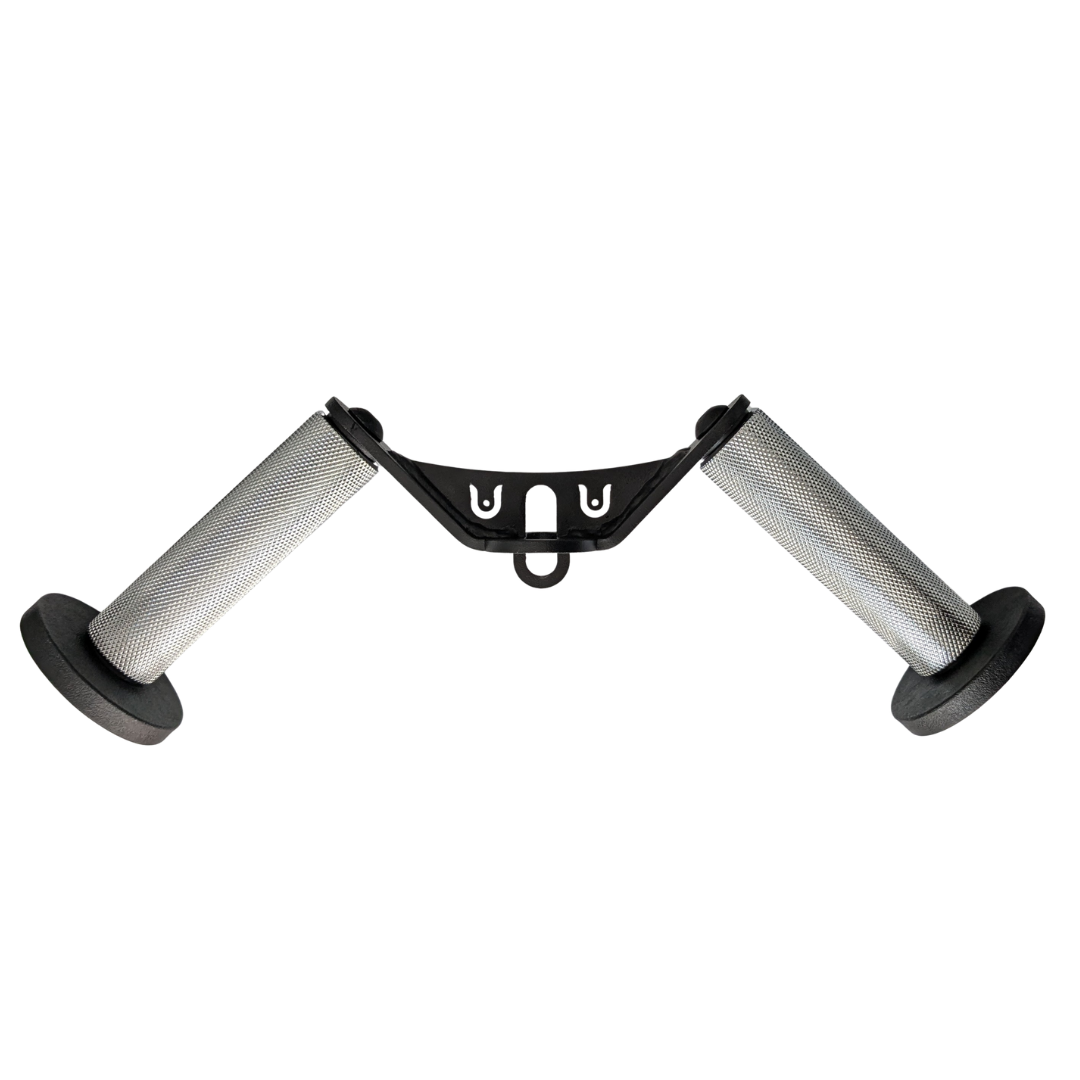
W Grip
Angled cable grip for comfortable rows, pushdowns, and curls.
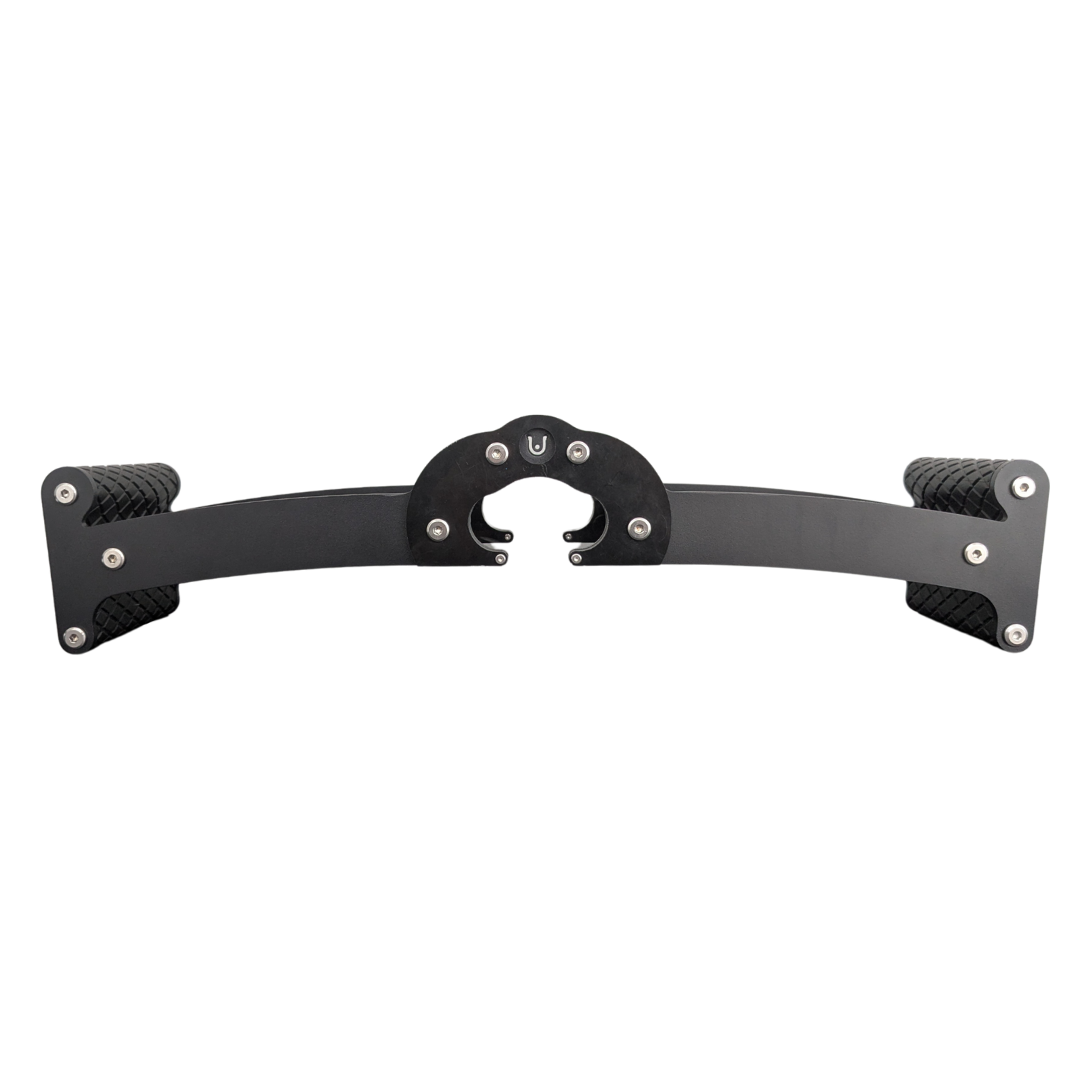
Back Bar
Multi-grip cable and landmine bar with a built-in deadlift jack.


GymPin Ergo Handles
Pair of ergonomic cable handles shaped for comfortable triceps and pulling exercises.

Angles 90 Grips
Flexible grip attachments that allow natural wrist movement during pulling exercises.
Train the upper back without treating every row as rehabilitation
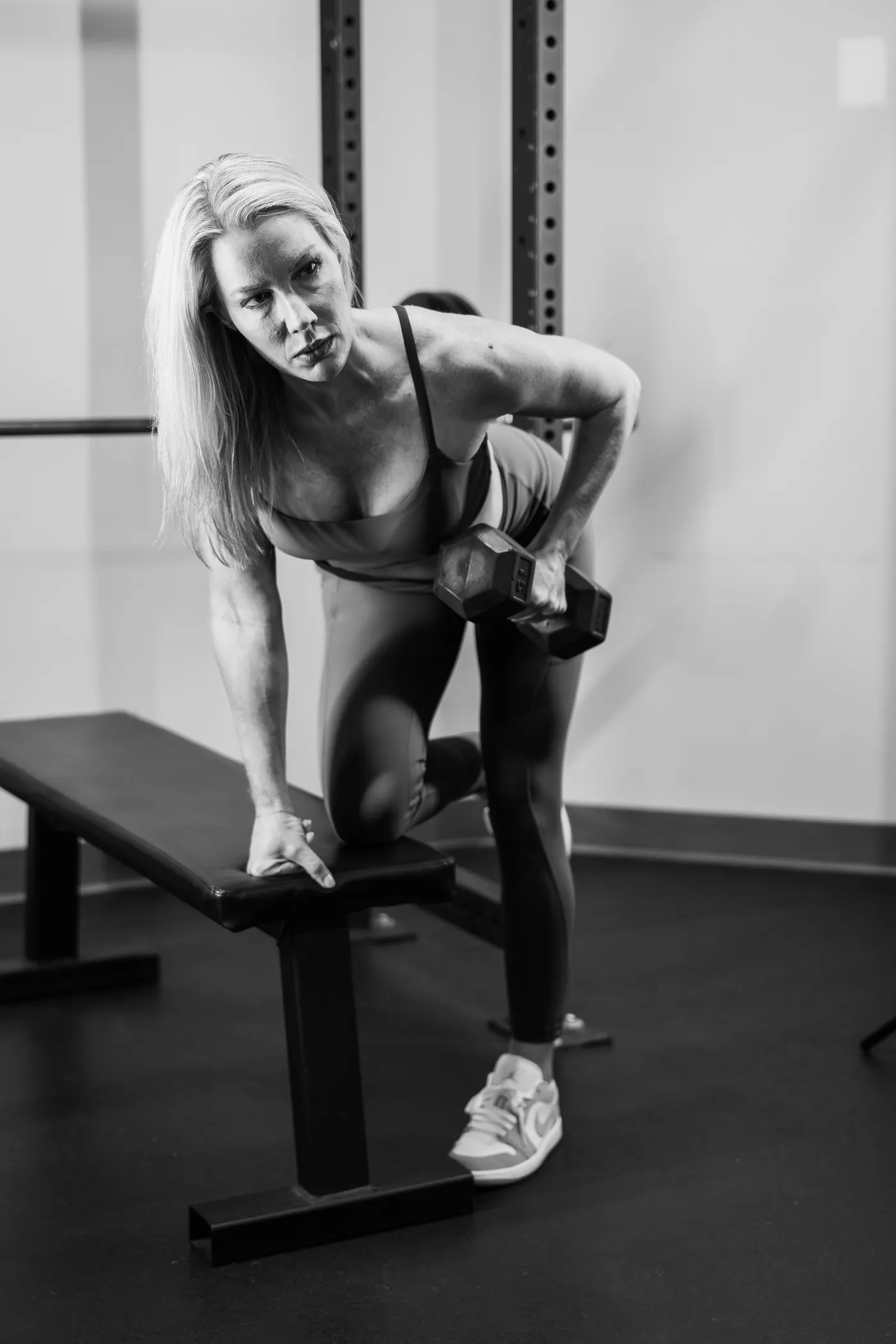
Rows can be helpful because they load the muscles that move and stabilize the shoulder blade. But more rowing volume is not automatically better, and a heavy bent-over row is not the same intervention as a low-load therapeutic exercise. Start with a stable setup, such as a chest-supported dumbbell row or a cable row with an easy-to-control handle. Allow the shoulder blade to move naturally as the arm reaches forward, then pull the elbow toward the hip or ribs without shrugging aggressively.
For a general strength session, two or three sets of eight to twelve controlled reps can be a reasonable starting point if the movement is comfortable. Leave several repetitions in reserve at first. If the shoulder becomes irritated after the session, reduce load, range or total sets before concluding that all pulling is unsuitable. A neutral grip often feels comfortable, but there is no universally safest grip for every person.
Lower-trap raises, prone Y raises and gentle band pull-aparts may be useful accessories when performed with a range you can control. Their role is to add manageable movement and strength, not to force the shoulder blade into one permanent posture. The quality of the repetitions matters more than how much weight is in the hands.
Keep the broader training plan balanced. A lifter who already rows frequently does not necessarily need to double pulling sets. Instead, consider whether pressing volume, exercise selection, fatigue or a particular painful range is the actual limiting factor. Exercise variety helps only when it solves a real problem.

Calisthenics Shirts & Street Workout Gear
Calisthenics and bodyweight-training gear for pull-ups, dips, handstands and street-workout athletes.

Calisthenics Hanging Out Crewneck
Bring “Calisthenics Is My Idea of Hanging Out” humor to your everyday gym style.

Always Pull Yourself Up Tank
Show some personality between sets with “Always Pull Yourself Up”.

Pull Up Or Shut Up Hoodie
Bring “Pull Up Or Shut Up” gym humor to lazy days and post-workout plans.

Calisthenics Heartbeat Tank
Add some lifting attitude to training with “Calisthenics Heartbeat”.

Calisthenics Evolution Crewneck
For laid-back days and lifting humor: “Calisthenics Evolution”.


Human Flag Calisthenics Decal Workout for Water Bottles Sticker
A fun “Human Flag” touch for bottles, laptops, and lockers.

Big Dip Energy Hooded Pullover for Calisthenics Dips Fa Hoodie
Show off your lifting humor in a laid-back “Big Dip Energy” hoodie.


Calisthenics Workout Sweatshirt
Add a playful “Calisthenics” touch to your casual rotation.
Return to pressing by changing the demand, not ignoring pain
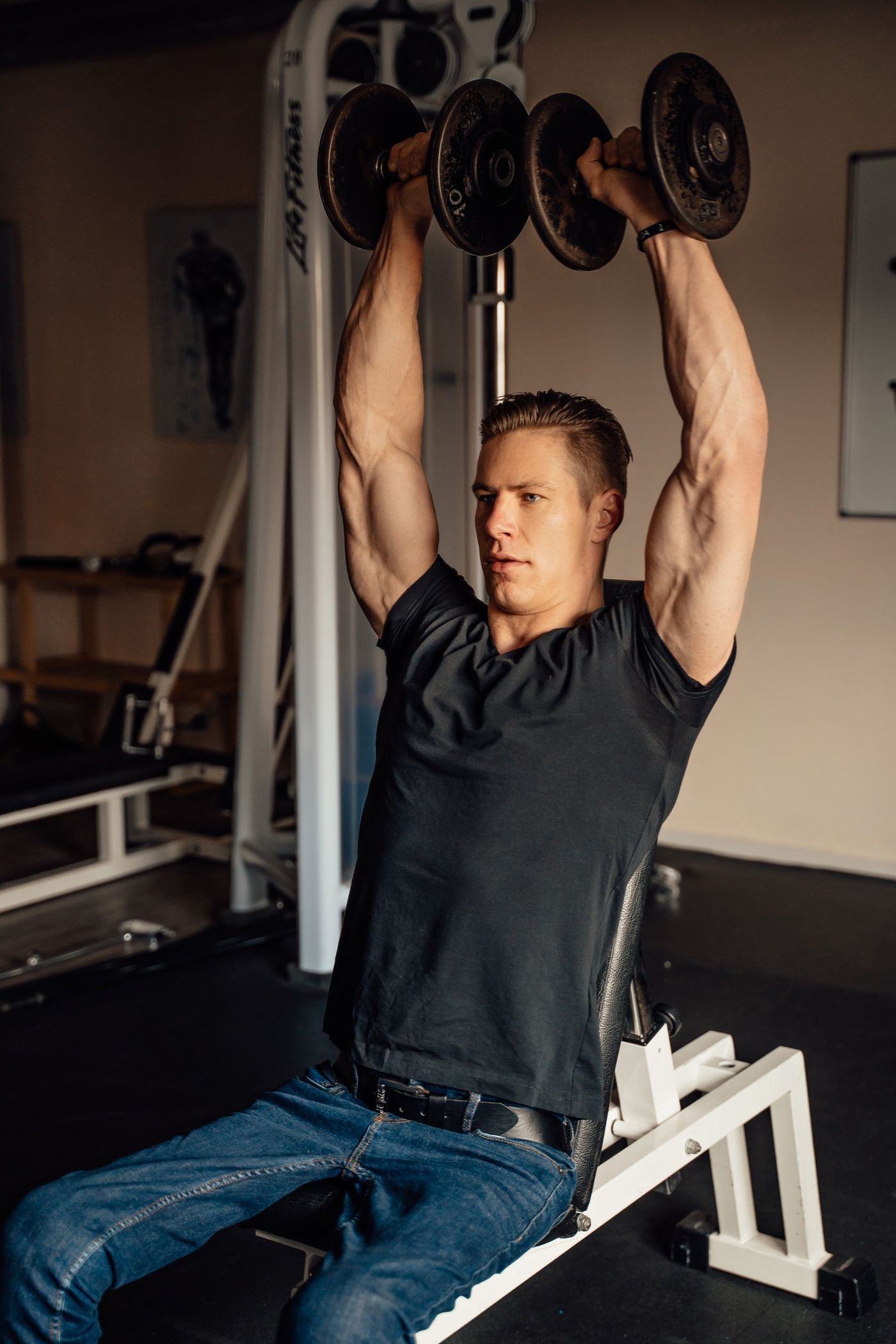
Overhead pressing places a different demand on the shoulder than a floor press, incline press or push-up. If overhead work is uncomfortable, it may be useful to begin with a pain-tolerable variation that keeps the elbow and hand in a comfortable path. A landmine press or neutral-grip dumbbell press can sometimes offer a workable angle, but neither is guaranteed to be painless.
Use a load that allows smooth repetitions without a forced arch in the lower back. Start with a smaller range if necessary, then extend the range as control and tolerance improve. For example, two sets of eight at an easy effort can tell you more about the shoulder’s response than one maximal set. Progress one variable at a time: range, load, repetitions or total sets. Changing all four at once makes setbacks hard to interpret.
A common mistake is confusing temporary relief with proof that a shoulder is fully recovered. A movement that feels fine during the warm-up may still provoke symptoms later that evening or the next morning. Track both the immediate session and the 24-hour response. Another mistake is trying to stretch aggressively through a sharp pinching sensation; that is not a useful indicator of productive adaptation.
For lifters without shoulder pain, full comfortable range and progressive resistance training remain valuable. A broad review of resistance training found that loading through an appropriate range can improve flexibility, not just strength. Extra stretching can be useful when it addresses a specific limitation, but it is not automatically mandatory before every lift.
A practical six-week shoulder-friendly training progression
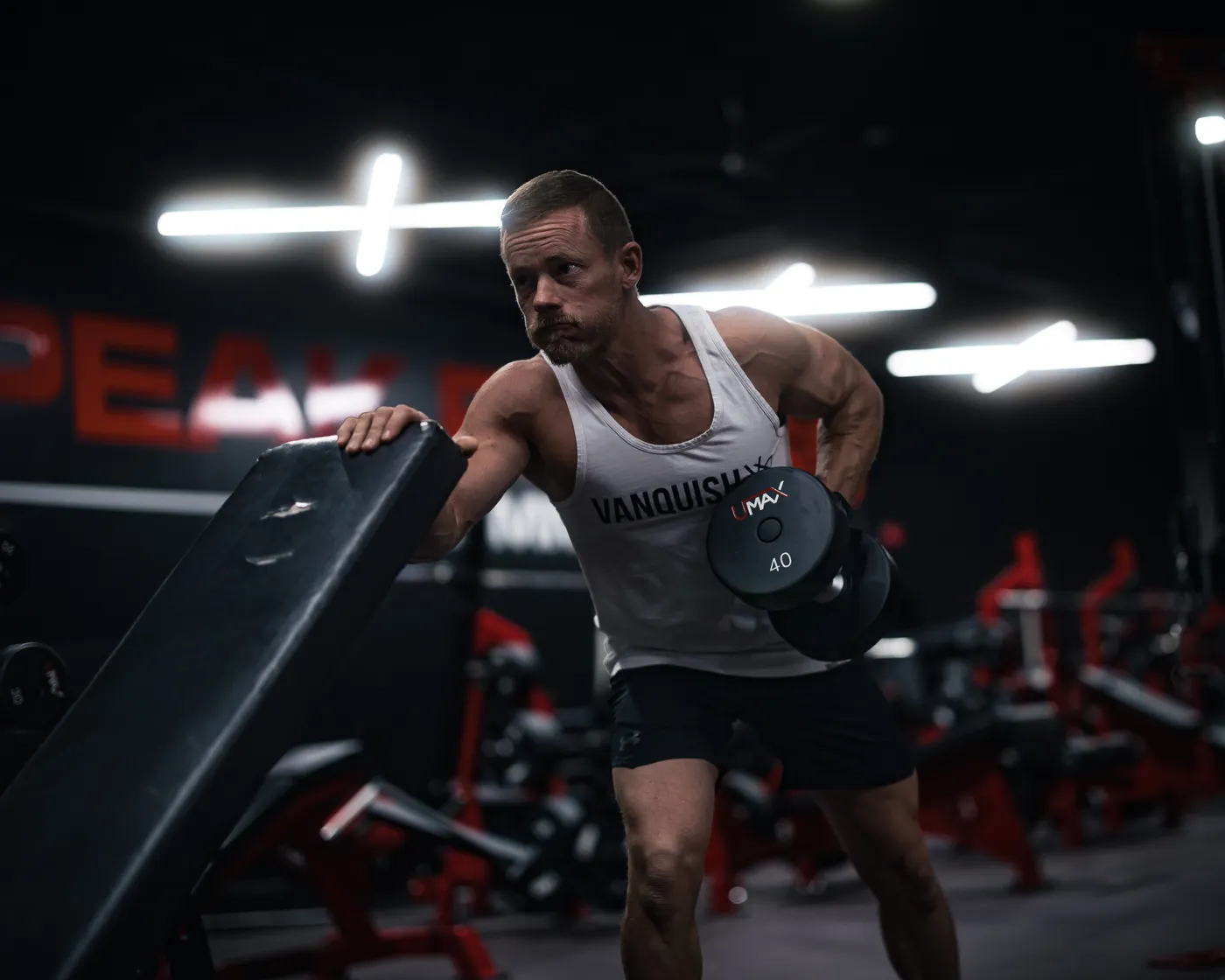
Use this as an example for generally active adults with manageable, non-acute symptoms who have been cleared for exercise, not as a treatment protocol for a diagnosed tear or recent surgery. The aim is to restore confidence and build tolerance without replacing the rest of your training. Two upper-body sessions each week are enough to organize the work, with short, comfortable movement practice on other days if helpful.
Weeks 1–2: Begin each upper-body session with wall slides and easy band external rotations. Follow with chest-supported rows, two sets of ten, and a pressing variation that is comfortably tolerated, two sets of eight. Finish with a low-load scapular push-up or wall push-up plus. Keep two to four repetitions in reserve and record which movements feel smooth the following day.
Weeks 3–4: If symptoms and next-day response remain stable, add a set to one pulling movement or increase load modestly. Practice reaching a little higher in wall slides only if that range is comfortable. Introduce an incline or landmine press where appropriate, and keep the total upper-body work manageable. Do not progress an exercise merely because the calendar says it is time.
Weeks 5–6: Build toward normal pressing and pulling ranges with controlled tempo. A third working set may make sense for the movements that have remained consistently comfortable. Reintroduce overhead work with light dumbbells if it is tolerated, but keep a less demanding alternative available. Some shoulders need more than six weeks; that is not failure, and it is not a reason to force the progression.
Track three simple measures: a repeatable reach that does not require compensation, the load and repetitions of one comfortable pull or press, and how the shoulder feels during the following day. If symptoms worsen, return to the last tolerated dose and consider assessment rather than repeatedly pushing through them.
Equipment Worth Exploring
Explore equipment, accessories and gear from our carefully selected range.


FID Bench MAX
Adjustable bench offering flat, incline, and decline positions + adjustable headrest.


Power Tower
Freestanding pull-up and dip station with adjustable handles for bodyweight training.


GymPin Barbell Row Handle
Heavy-duty handle attachment for barbell, landmine and T-bar rows.

T-Bar Row Attachment
Welded barbell attachment that connects a D-handle bar for landmine and T-bar rows.


Know what the evidence cannot promise and when to seek help
The 2026 review supports scapular-targeted rehabilitation as a potentially useful adjunct, but its included studies were small and varied. The results do not prove that one particular wall slide, band exercise or rowing technique is the best choice for everyone. They also do not establish that asymptomatic athletes should perform a fixed daily shoulder routine to prevent future injury.
Look for practical improvement rather than a perfect-looking shoulder blade. Better tolerance of daily reaching, less discomfort during ordinary activities, and a gradual return to repeatable training loads are meaningful signs. A little muscle effort during a drill is different from sharp joint pain, tingling, new weakness or pain that becomes progressively worse. Keep an eye on the trend over several sessions, not just the feeling during one warm-up.
Seek prompt medical assessment after a fall or traumatic injury, with marked weakness, deformity, major swelling, fever or an inability to move the arm normally. Persistent pain, night pain or symptoms that repeatedly interfere with daily activities also deserve a proper examination. Do not attempt to self-diagnose a rotator cuff tear from a social-media mobility test. After surgery, follow the surgeon’s and physiotherapist’s staged loading instructions.
For the ordinary lifter, the takeaway is deliberately modest: practice comfortable shoulder-blade motion, strengthen the cuff and upper back progressively, and reintroduce pressing with a dose you can recover from. A smart shoulder plan should make training more sustainable, not add another exhausting workout or turn every ache into an emergency.
Funny Gym Shirts & Workout Gear
Funny gym shirts, tanks, hoodies and workout gear for lifters who like training hard.


Vive La Resistance Bands – Resistance Bands Warmup Reha Hoodie
Stay casual and show some lifting attitude with “Vive La Resistance Bands”.

Nice Traps Big Back – Halloween Horror Jigsaw Meme Vest Tank Top
Add some Halloween attitude to training with “Nice Traps Big Back”.

Gym Dost Thou Even Pull Medieval Knight Back Day Crewne T-Shirt
Show some gym-day personality with “Dost Thou Even Pull Medieval Knight Back”.


Mass Monster Bane Tee
Show some superhero attitude with a playful “Mass Monster Gym Hero” tee.


Unbreakable Gains Back Tee
Make gym days more fun with “Unbreakable Gains: Strong Back Greek God” style.