Advertising disclosure: This page includes affiliate product links that may earn us a commission, as well as products from our own store.
Lifting Straps: When to Use Them, How to Wrap Them and How to Keep Training Grip
A pulling set can end for two different reasons: the muscles you intended to train have reached their limit, or your hands can no longer hold the weight. Those are not interchangeable outcomes. Lifting straps can help with the second problem, but they do not improve a poor setup or turn a failed repetition into a good one.
The useful question is not whether straps count as cheating. Ask what the exercise is supposed to accomplish, what currently limits it and whether you also need to perform that movement without assistance. Use that distinction to choose your equipment, learn a repeatable setup and keep grip training deliberate rather than accidental.
Decide whether grip is limiting the work you intended
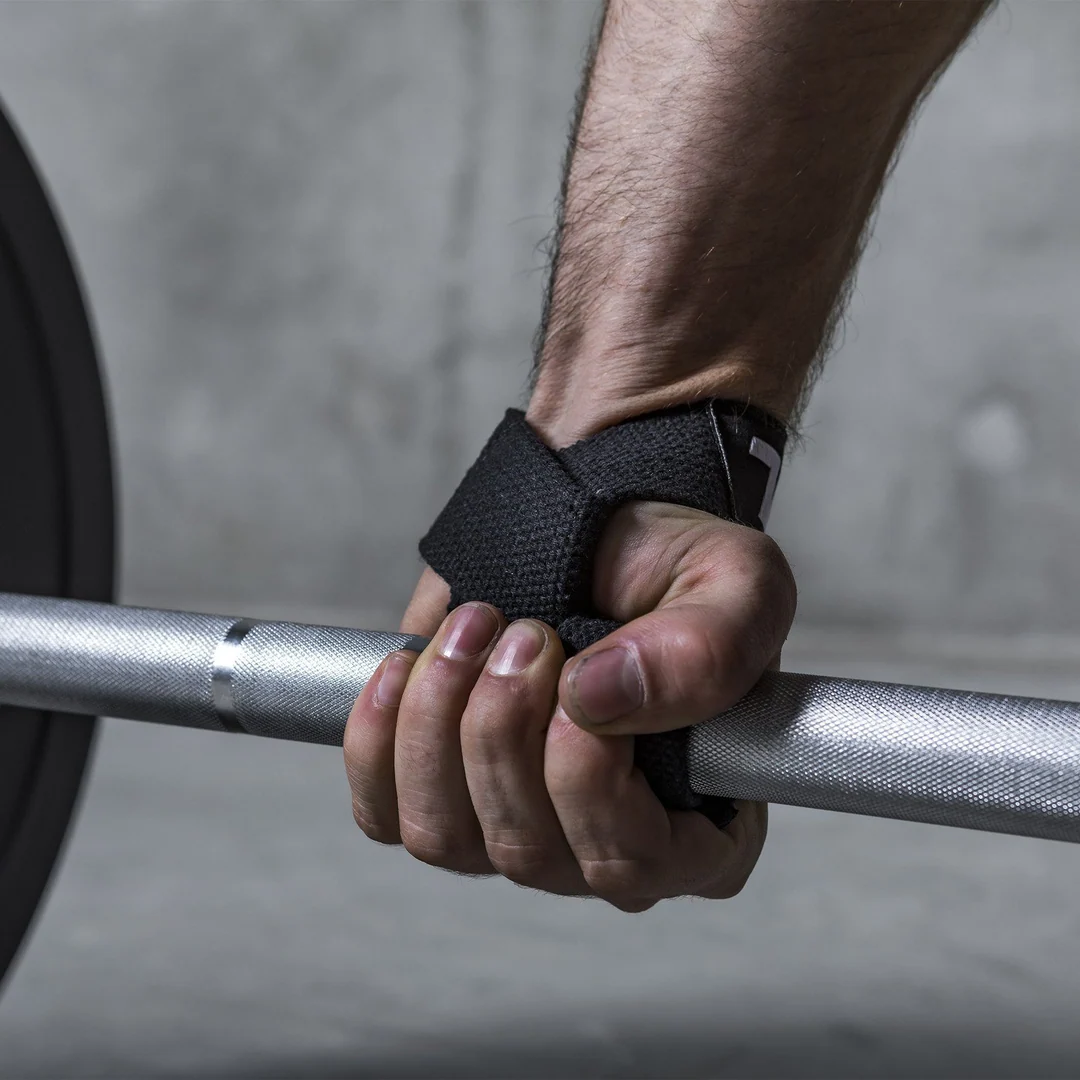
Watch how the set ends. If a bar starts rolling toward the fingertips while you could still perform controlled pulling repetitions, grip may be the immediate limit. If you cannot maintain the intended position or finish the movement even with a secure hold, straps do not address the main problem. They support the connection to the implement; they do not replace the rest of the exercise.
Consider a Romanian deadlift used for hamstring training. If the hands open early in every working set, you may be spending the session repeatedly testing your hold instead of completing the planned hinge work. A strap can be a useful tool there. In a dedicated grip hold, however, the hand fatigue is the point. Assisting it changes the task you are measuring.
Start with ordinary setup issues. Check that the handle is dry and that your hand position is consistent. Where permitted, chalk may help manage moisture. It is not a substitute for an appropriate grip, but it can reveal whether a slipping problem is mainly about the contact surface rather than a need for more equipment.
Keep a simple note in the training log: load, repetitions, strap use and the reason the set ended. Compare like with like. A strapped set of ten and an unstrapped set of eight are different conditions, so do not use them to claim that grip strength suddenly improved. Both can be useful performances when recorded honestly.
Do not wait for the weight to slip dangerously before deciding. If a planned set is likely to be limited by your hands, prepare the equipment in advance. If pain, numbness or a damaged strap changes the situation, stop and resolve that issue rather than tightening everything harder and continuing.
Learn the wrap with a light bar before adding load
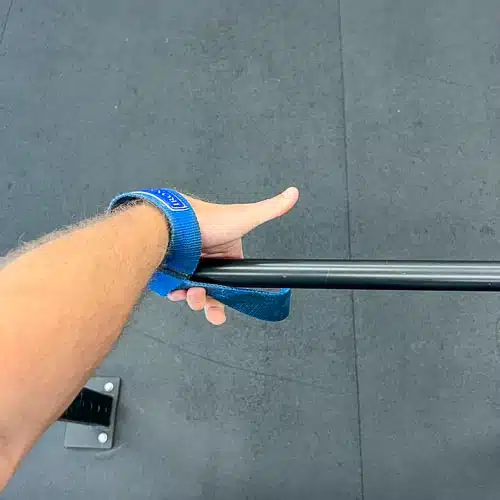
For a conventional loop strap, the loose end is threaded through its sewn loop to make the wrist opening. The tail should lie across the palm in the direction specified for that design. Check both hands: straps that look identical when laid on the floor need to be positioned correctly on opposite wrists.
With the wrist loop seated, bring the tail underneath and around the bar, then take up slack before closing your grip. The strap should oppose the bar rolling out toward the fingertips. Follow the actual manufacturer’s instructions, because an open weightlifting loop, a long lifting strap and a grip pad are not installed in exactly the same way.
Practice one hand at a time on an unloaded or very light implement. Learn how to wrap the second side without twisting your whole body into a strained position. Finish by checking that the two hands are placed where you intended. A perfect wrap is not useful if it leaves one hand much wider than the other.
Before starting a repetition, establish the same body position you would use without straps. Do not spend so long adjusting the fabric that you forget to organize your stance, brace and bar position. If the setup keeps unraveling, put the weight down and repeat the light practice instead of learning under a demanding working load.
Also practice the exit. Set the implement down under control, remove tension and release the wrap as instructed. A strap is a connection to a moving load, so understand how that connection comes off before using it heavily. Do not attach yourself to equipment or movements that require an unfamiliar rapid release.
Choose the strap style for the task, not the biggest number
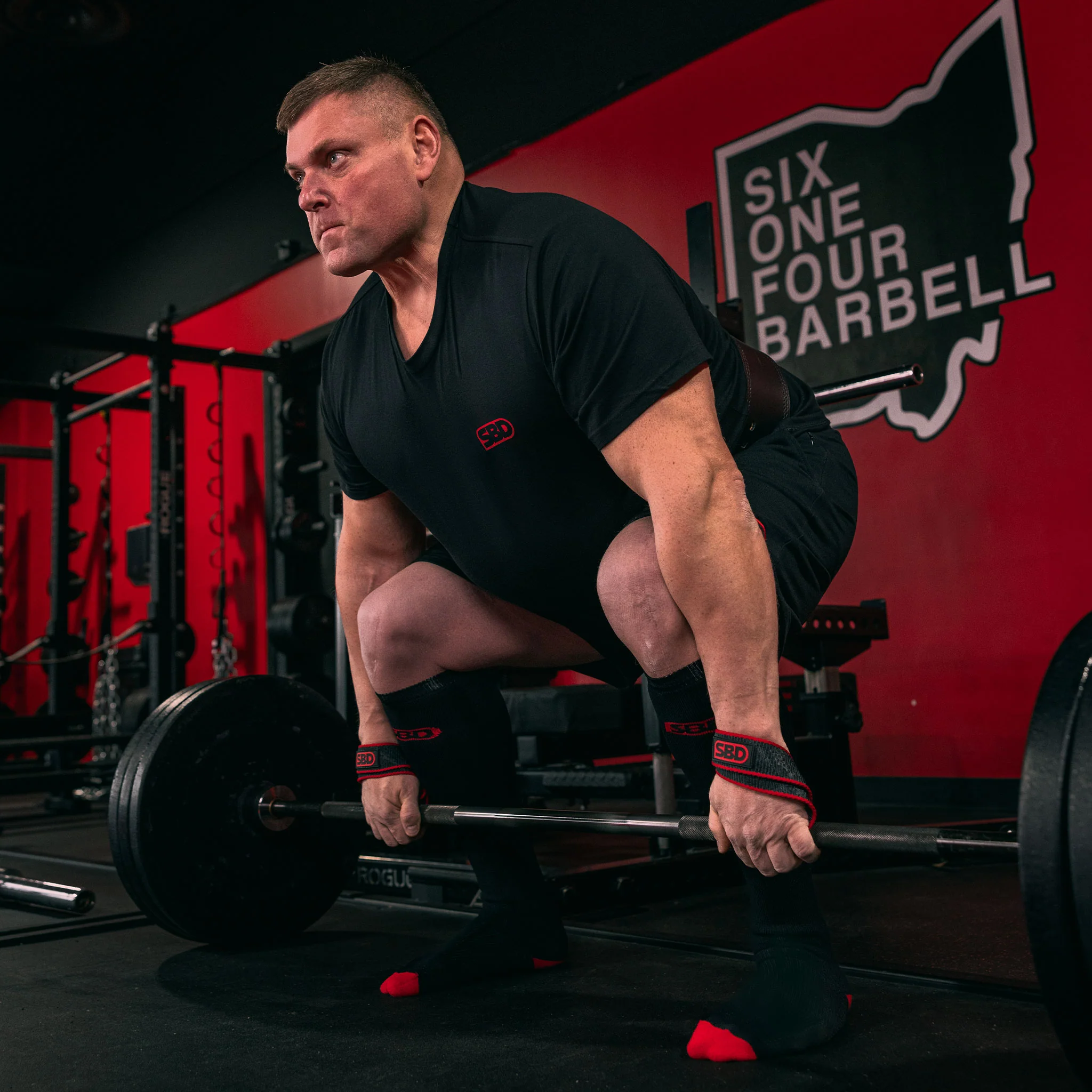
Long loop straps, open weightlifting loops, figure-eight straps and grip pads solve related problems with different shapes. A conventional long strap wraps around the implement. A figure-eight design makes a more enclosing connection around the wrist and bar. A grip pad places a broad gripping surface between the hand and handle.
Those differences affect setup time, fit and release. More material or a tighter attachment is not automatically better for every lift. Start with a design whose instructions match your intended exercise and whose size suits your hands and the handle diameter. A strap that works comfortably on one bar may feel different on a thick axle or an awkward dumbbell handle.
Check the product’s sizing method rather than guessing from a familiar glove size. Some designs use hand and wrist measurements; others have more adjustment built into the tail. Test the fit lightly, without forcing a painful wrist position. The goal is a reliable connection, not the maximum pressure you can tolerate.
Inspect the webbing, stitching and contact surfaces before use. Fraying, torn seams or a damaged gripping surface deserve attention. Clean and dry the product according to its care instructions; do not assume every material tolerates the same washing or drying method. Equipment care is part of keeping the setup consistent.
Keep straps distinct from wrist wraps. Straps assist the hold during pulling; wrist wraps support the wrist and do not serve the same attachment function. Product labels can be confusing, so look at how the equipment actually works rather than buying anything with “wrist” in its name.

Equipment Worth Exploring
Explore equipment, accessories and gear from our carefully selected range.

Leather Lifting Straps
Padded leather straps support grip during heavy rows, deadlifts and pulling exercises.

Leather Wrist Grips
Padded leather lifting grips help support the hands and wrists on heavy pulling exercises.


Competition Plates
Competition-style bumper plates for Olympic lifts and loaded strength training.


Powerlifting Shirts & Lifting Gear
Powerlifting shirts and gym gear for squat, bench and deadlift lifters who live for heavy numbers.

Deadlift Viking Skull Gym Pullover for Powerlifters, No Hoodie
Keep it laid-back with a little “Deadlift” attitude.

Deadlift Skull Cyberpunk Powerlifting Pullover for Leg Hoodie
Show off your leg-day humor in a laid-back “Deadlift Skull” hoodie.

Deadlift or Die Tryin Sweatshirt
Bring “Deadlift or Die Tryin” humor to your everyday gym style.

Do You Even Deadlift Hooded Pullover Deadpool Fans Hoodie
Bring “Do You Even Deadlift” gym humor to lazy days and post-workout plans.

I Love Deadlifts | Pink Heart Plate Workout Pullover fo T-Shirt
For laid-back days and deadlift humor: “I Love Deadlifts”.

Gym Viking Deadlift | Funny Leg Day Workout Pullover & T-Shirt
Bring “Gym Viking Deadlift” humor to your everyday gym style.

Skeleton Deadlift Sweater & Fans Meme T-Shirt
For laid-back days and deadlift humor: “Skeleton Deadlift”.

Barbell Buddies for Gym Buddies, Friendship, and Liftin Sticker
Put “Barbell Buddies” gym humor on your laptop, bottle, or gym gear.

Therapy Barbell – Lifting Bodybuilding Powerlifting Mem T-Shirt
Rep “Therapy Barbell” humor in and out of the gym.

Meme : Squat Rack Top Home T-Shirt
Make gym days more fun with “Powerlifting Gym Meme” style.
Use straps to preserve an exercise—not to hide a changing repetition
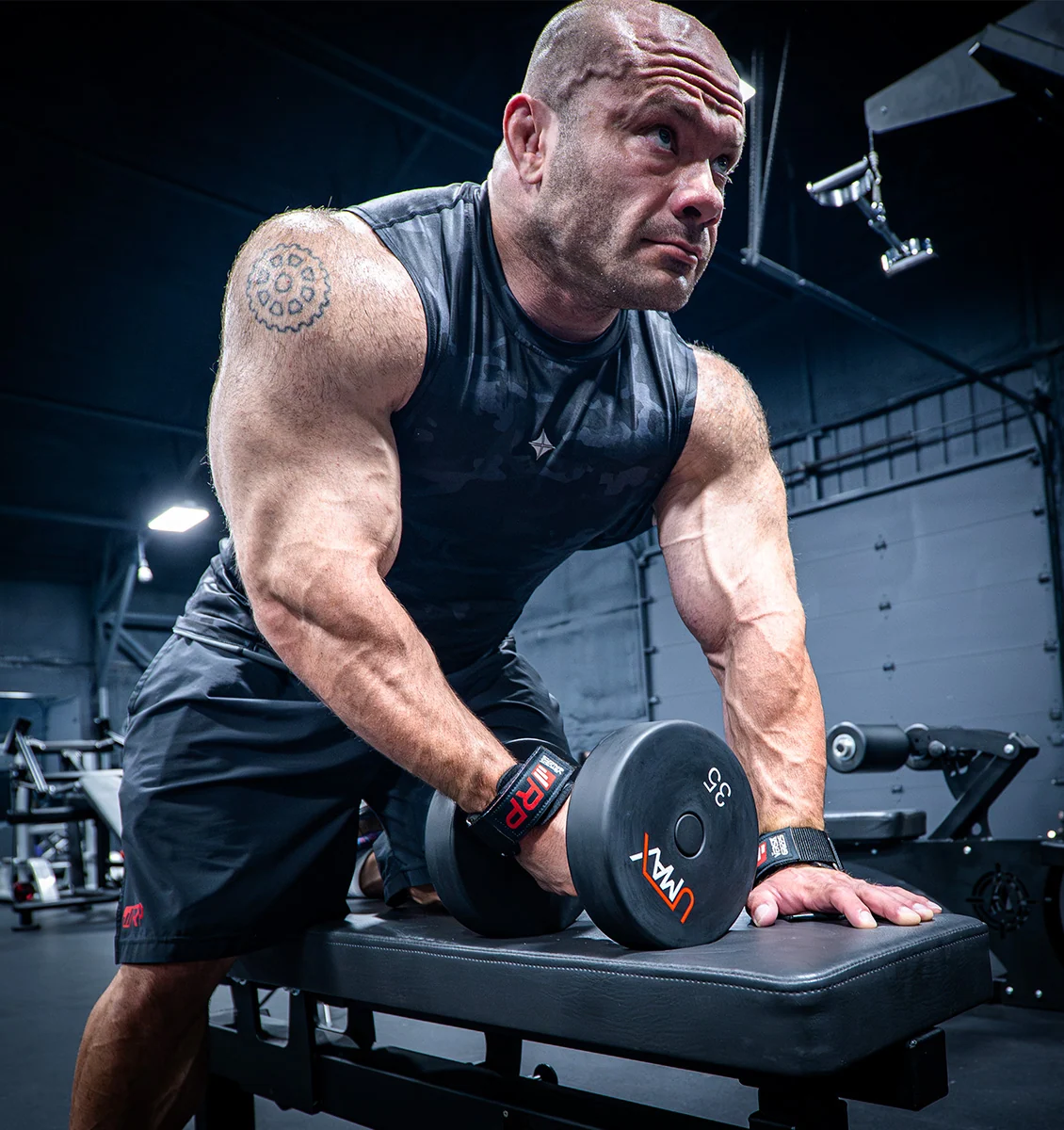
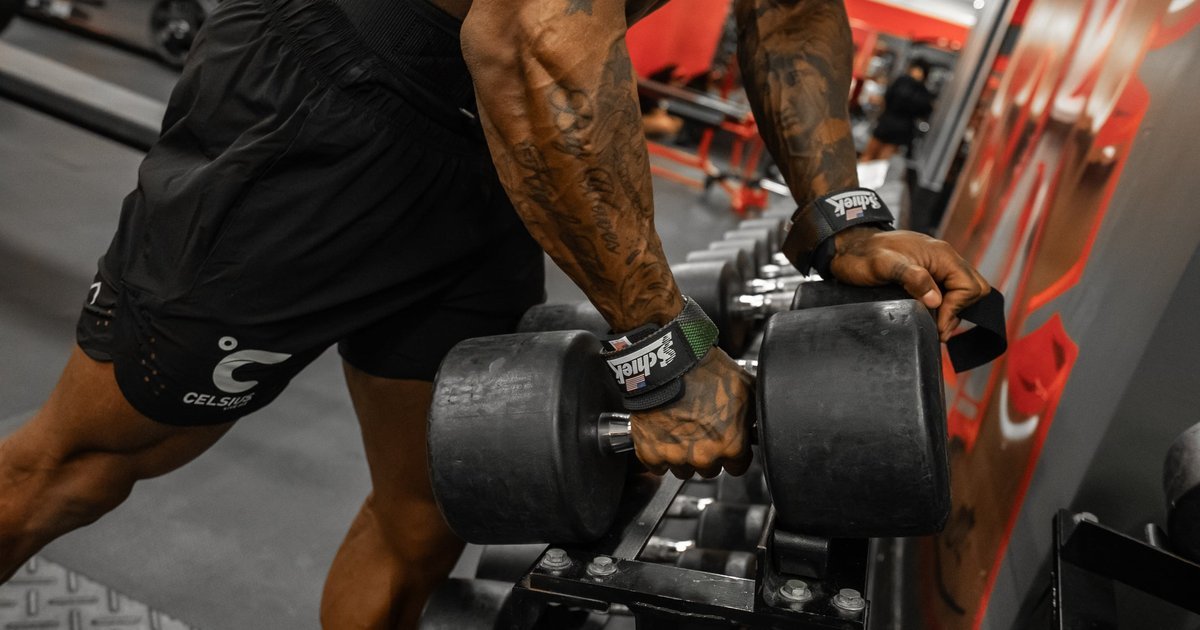
In a supported dumbbell row, secure grip can let you concentrate on the planned pulling motion. It does not justify lifting a heavier dumbbell by twisting the torso more on every repetition. Keep the support position, range and overall movement consistent when judging whether the strap helps you complete useful work.
The same logic applies to pulldowns and barbell hinges. Select a working load you can control with the intended technique. Then use the strap, if appropriate, to stop the hands being the premature limiting factor. Do not increase load, range, tempo and strap assistance simultaneously and expect a clear comparison.
A practical example is to keep suitable lighter warm-ups unassisted and use straps for selected working sets where grip has repeatedly limited the target exercise. Record which sets used them. This is an organizational example, not a rule that everyone must follow or a guarantee that the warm-ups alone provide enough grip training.
For a row progression, you might keep the same load until all planned sets reach the upper end of your chosen repetition range with comparable technique. Only then make a small increase. If the strap lets you add repetitions but the final ones become much shorter, resolve the range change before calling the whole set an improvement.
The products below include straps, bars, plates, dumbbells and pulling-station accessories. They have different jobs. Grip tools change hand position, while a row attachment requires a compatible cable or barbell setup. None should be assumed to be universally interchangeable simply because it can be held in the hand.
If you compete, keep enough practice under your actual event rules. Permission to use a strap in training is not evidence that it is allowed in a meet. Check the current federation or event rules and train the required unassisted grip separately where needed, rather than discovering the difference on competition day.
Equipment Worth Exploring
Explore equipment, accessories and gear from our carefully selected range.

Linear Row LRX-750
Dual-sided rowing machine for supported rows, bent-over rows and varied pulling movements.

Lateral Row Machine LRM-720
Rowing machine with independent lever arms, an adjustable seat and chest support.

Trinity Lat Machine LSW-850
Weight-stack pulldown tower offering three cable directions and adjustable seated support.

VForce Lat Tower
Wall-mounted cable tower with pivot arms and adjustable 1:1 or 2:1 pulley ratios.
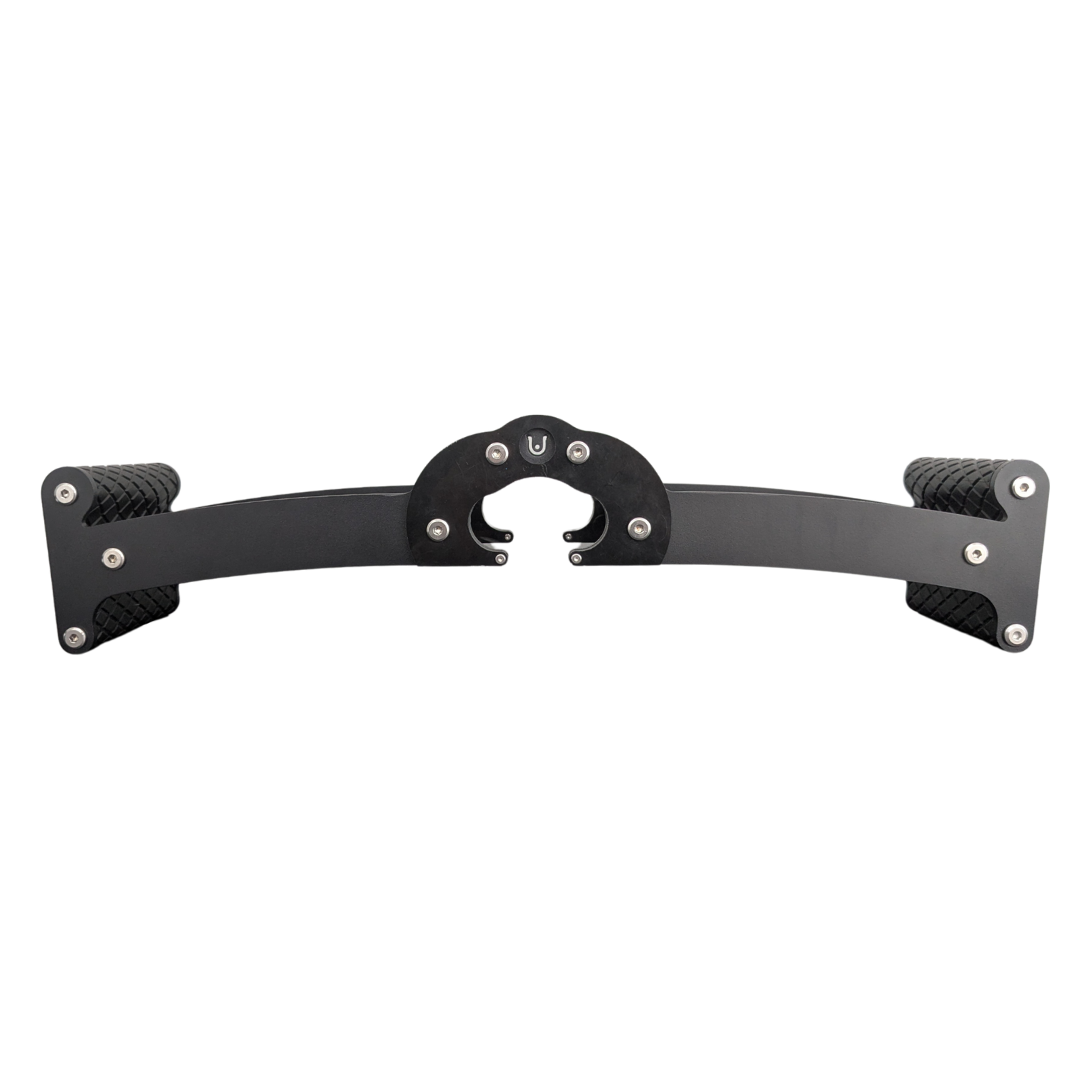
Back Bar
Multi-grip cable and landmine bar with a built-in deadlift jack.
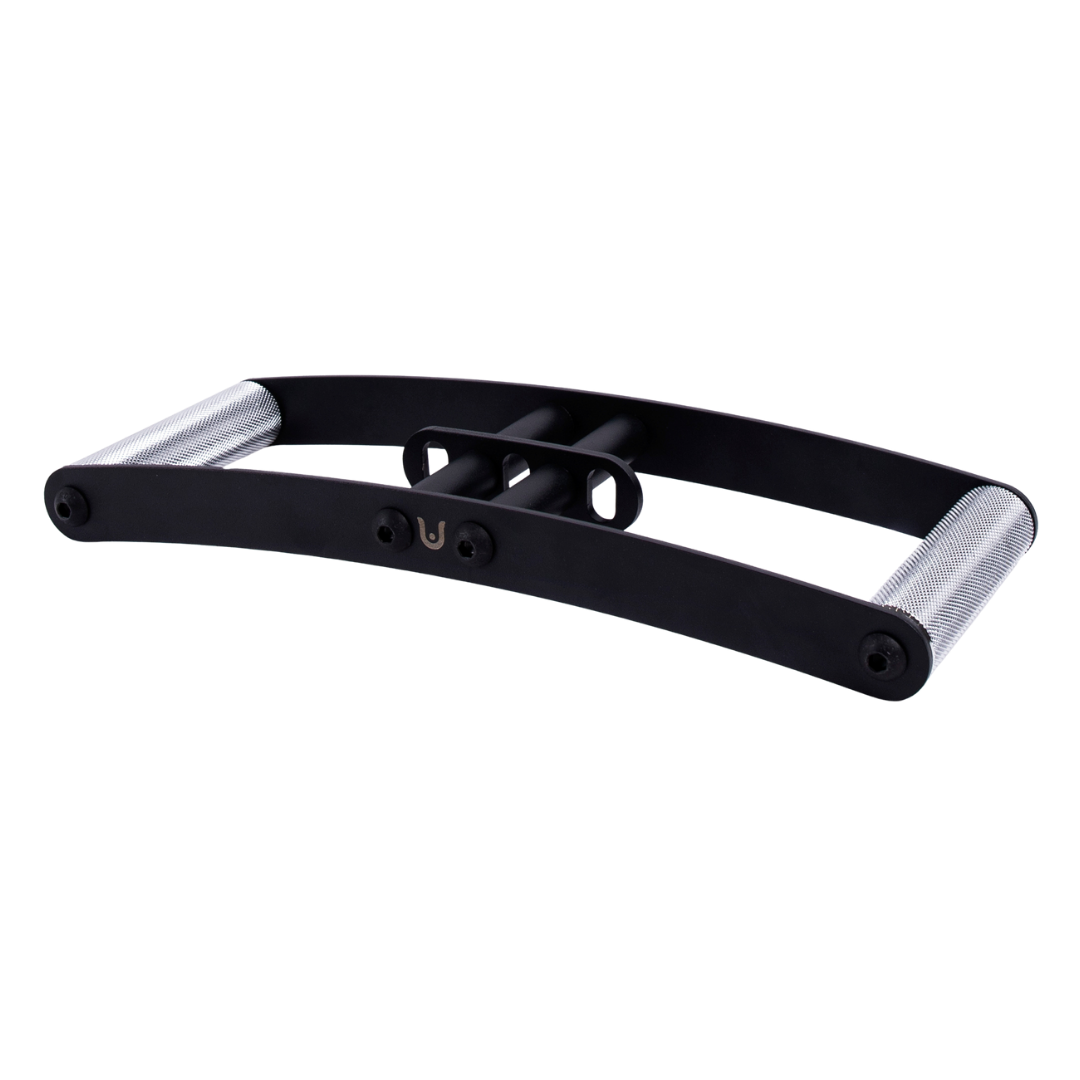
Horizon Grip
Ergonomic V-style cable grip for rows and back training.

GymPin Ergo Handles
Pair of ergonomic cable handles shaped for comfortable triceps and pulling exercises.


Power Tower
Freestanding pull-up and dip station with adjustable handles for bodyweight training.
Keep grip work separate and measure it honestly
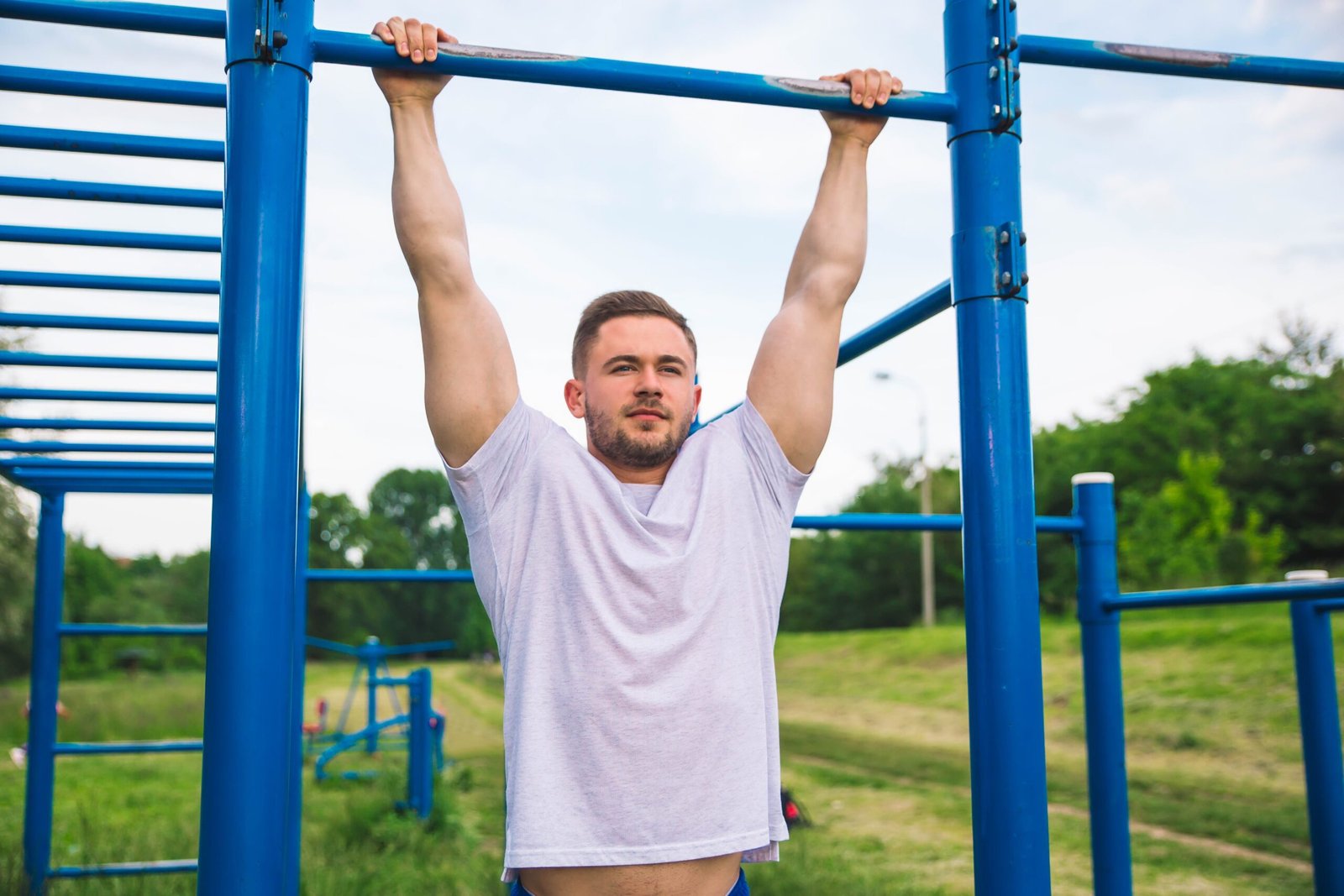
Using straps on a back exercise and training grip directly are compatible choices. Separate the goals so that you can see whether both are progressing. For example, preserve the quality of a pulling session, then use a modest amount of unassisted hold or hang work at a time that does not undermine your next important workout.
A supported or full bodyweight hang is one option when the station and your shoulders suit it. Use a secure bar, a controlled entry and an easy route back to support. Keep the exercise within a comfortable, manageable position; it is not a universal shoulder treatment or a test everyone must pass.
Another option is an unassisted dumbbell or barbell hold with a load you can put down under control. Choose a repeatable duration and grip rather than turning every attempt into an all-out record. A short, consistent hold gives you cleaner information than a longer one achieved by repeatedly regripping or changing the implement.
As a starting example, try two manageable holds after one or two suitable sessions and review how your hands feel before the next pulling day. Add duration or load gradually if recovery and performance remain good. This is a conservative practical experiment, not a research-proven dose or a reason to train through persistent discomfort.
Log the details that change difficulty: handle diameter, load, grip, duration and whether the hold was supported. Do not compare a thick-handle hold directly with a thinner bar and conclude that one result means your grip became weaker. Keep the conditions stable long enough to see a useful trend.
The aim is straightforward: use straps when they help the intended pulling exercise, learn their setup before loading them heavily, and give unassisted grip a place of its own. You do not have to sacrifice back training to prove a point about your hands, or ignore your hands because a strap makes the next set possible.
Calisthenics Shirts & Street Workout Gear
Calisthenics and bodyweight-training gear for pull-ups, dips, handstands and street-workout athletes.


Always Pull Yourself Up Hoodie
Make your off-duty look more fun with “Always Pull Yourself Up”.

Calisthenics Heartbeat Hoodie
Keep it laid-back with a little “Calisthenics Heartbeat” attitude.

Be Stronger Than Your Excuses Funny Gym
Bring “Be Stronger Than Your Excuses” humor to your everyday gym style.

Turn Off Gravity Funny Calisthenics Gym Muscle Shirt fo Tank Top
Bring “Turn Off Gravity Funny Calisthenics” humor to your next lifting session.

Calisthenics Evolution Sticker
Stick a little “Calisthenics Evolution” humor on your favorite gear.

Funny Calisthenics Gym Hooded Pullover for Bodyweight L Hoodie
Bring “Calisthenics” gym humor to lazy days and post-workout plans.

Calisthenics Hanging Out Crewneck
Bring “Calisthenics Is My Idea of Hanging Out” humor to your everyday gym style.


Human Flag Calisthenics Decal Workout for Water Bottles Sticker
A fun “Human Flag” touch for bottles, laptops, and lockers.