Advertising disclosure: This page includes affiliate product links that may earn us a commission, as well as products from our own store.
Fast vs Slow Squat Descents: What 18 Lifters Gained in Seven Weeks
Should every squat take four seconds on the way down, or is a controlled one-second descent enough? The difference sounds tiny until you count time under a loaded barbell. At the same number of reps, an intentionally slow descent can turn a short set into something much more demanding.
A seven-week comparison involving 18 adults tested both styles. Both groups built measurable quad size and squat strength. The slower group made larger gains in one quadriceps region and on the tested squat one-rep maximum, while the faster group completed more repetitions. That difference in training work matters. Here’s how to interpret the results without claiming that one tempo is right for every lifter.
What 18 lifters actually tested in seven weeks
An experiment involving 18 participants sheds light on what squat tempo can and cannot change. Ten were men and eight were women, and none had performed resistance training during the preceding eight months. Nine trained with a one-second lowering phase and nine with a four-second lowering phase. The groups were instructed to rise in approximately one second with no deliberate pause at either end.
The intervention lasted seven weeks. Both groups squatted using loads around 60–70% of a tested one-rep maximum, followed three- to four-set programming, and rested about two minutes between sets. Their repetitions did not end up being equal, however, because longer descents changed how many the athletes could finish. This prevents us from attributing every result to the clock alone.
The team used ultrasound to assess quadriceps muscle cross-sectional area, separately tested squat one-repetition maximum strength, and collected additional information about mechanical muscle response. The sample consisted of adults returning to resistance training, not elite powerlifters with years of current heavy squat experience.
The fair interpretation is a useful comparison of two training styles, not proof of a superior tempo for everyone. Seven weeks can reveal early changes in strength and measured muscle size, but it cannot establish what happens across a full year of high-level programming.
What a one-second and four-second descent feel like
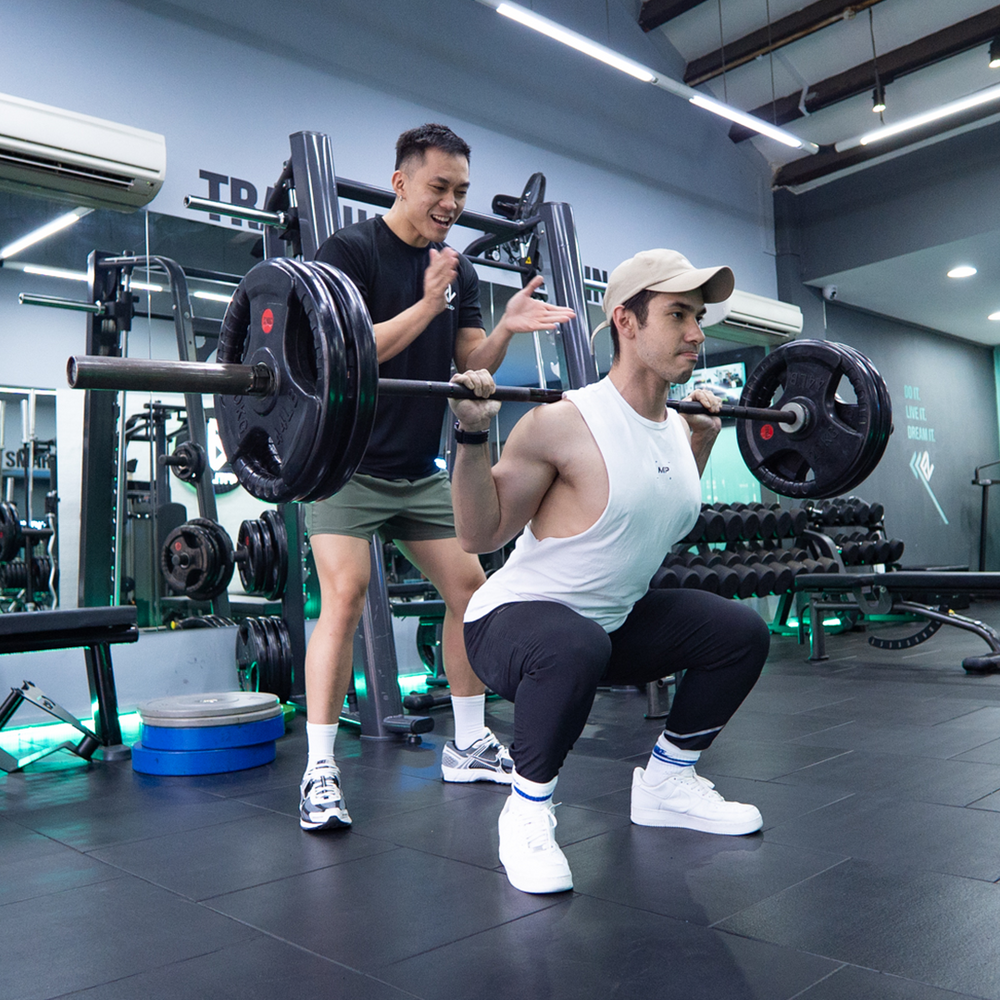
Squat tempo is commonly written as four values: lowering, pause at the bottom, lifting, and pause at the top. 1-0-1-0 is roughly one second down, no deliberate bottom pause, one second up and no top pause. 4-0-1-0 is the same movement but with a four-second lowering phase. These were the patterns compared, rather than slow reps with an added dead stop.
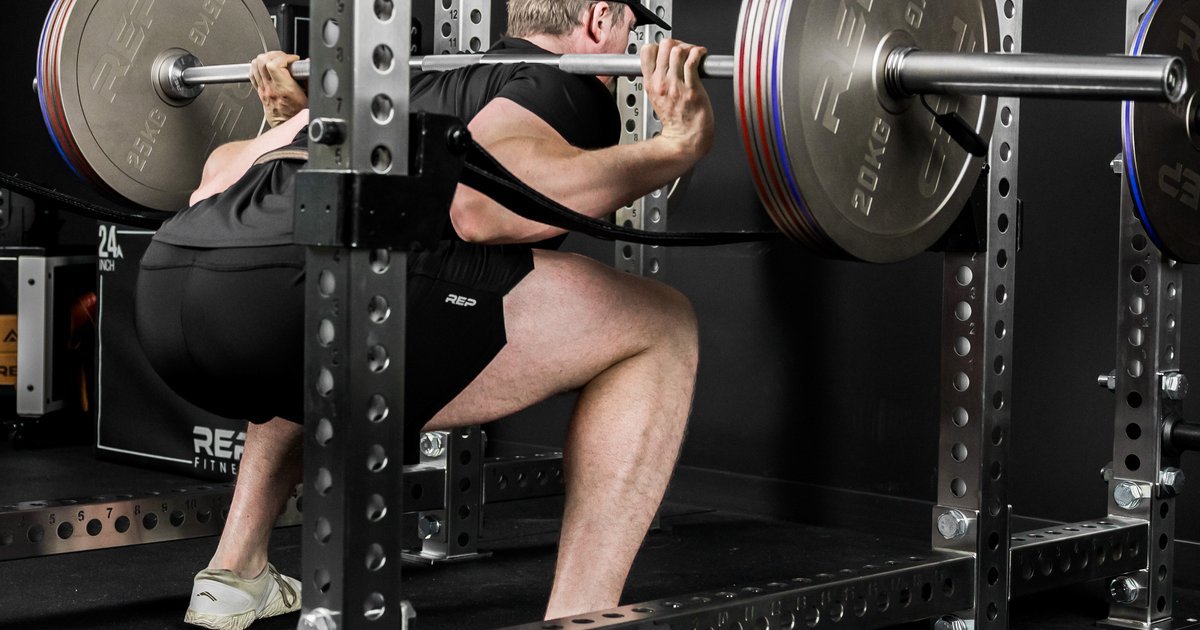
Start with the empty bar in a rack and film yourself from the side. On the faster repetition, lower smoothly into a repeatable depth without simply dropping. On the slow version, distribute a count of four evenly through the same descent. Keep stance, bar position and depth constant so the tempo is the intentional change.
The slow version typically feels more demanding at a given load because you resist the bar’s downward motion longer. It can expose when your knees drift, pressure shifts to the toes or the torso loses position. But adding seconds does not automatically fix these issues. They still require appropriate balance, manageable load and useful technique cues.
End a set when you can no longer maintain the chosen descent and your normal depth, even if the planned rep count has not been reached. A controlled fast eccentric is not an uncontrolled fall, and a slow eccentric is not an excuse to grind through unstable repetitions.

Equipment Worth Exploring
Explore equipment, accessories and gear from our carefully selected range.


GymPin Squat Wedges
Non-slip 15-degree squat wedges help elevate the heels for deeper quad-focused squats.

Safety Squat Handles
Barbell squat handles that reduce shoulder positioning demands during high-bar squats.


Multi Pull Smith Rack MPHR-780
All-in-one rack with a Smith machine, functional trainer, lat pulldown and low row.

Foldable Wall Rack
Wall-mounted folding squat rack designed to save floor space between workouts.

Competition Plates
Competition-style bumper plates for Olympic lifts and loaded strength training.
The quadriceps and strength outcomes, without the hype
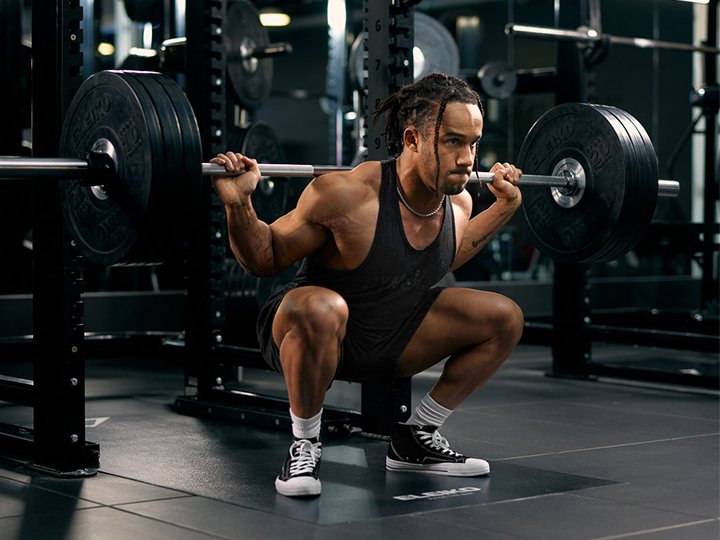
Both groups increased their squat one-repetition maximum. In the one-second group, the average improvement was about 5.6 kg; in the four-second group it was about 11.1 kg. The study’s between-group comparison favored the slower group, with a reported p-value near 0.041. This is noteworthy but comes from only nine people in each condition.
Both groups also increased measured quadriceps size. For the quadriceps as a whole, there was no clear difference between tempos. Growth in most individual regions was also comparable. The important exception was the vastus lateralis, the outer quadriceps muscle, where ultrasound-measured growth favored the slower descent.
That pattern should stop the phrase ‘four seconds grows your quads more’ from becoming a universal rule. The study did not show superior growth in every quadriceps region. Ultrasound also measured a limited site on each muscle, which cannot capture every possible difference along the whole muscle.
A later synthesis of 14 tempo-training studies found little overall difference in muscle-growth effects between broadly faster and slower repetitions under controlled conditions. The practical conclusion is not to throw away slow negatives, but to treat them as one useful variable among load, total productive work, exercise technique and recovery.

Leg Day Shirts & Workout Gear
Leg-day gym shirts and workout gear for lifters who never skip squats, lunges and lower-body punishment.

3 Plates Squat Club : Essential Meme & Leg Day T-Shirt
Make gym days more fun with “3 Plates Squat Club” style.

Quadzilla Massive Quads Sweater Leg Day Squatting T-Shirt
Keep things casual with a little “Quadzilla” attitude.

Thicc Butt Energy Squat Lovers & Leg Day Hooded Hoodie
Bring “Thicc Butt Energy” gym humor to lazy days and post-workout plans.

Coffee Shots & Heavy Squats for Leg Day, Lifting and Fi Tank Top
Add some leg-day attitude to training with “Coffee Shots & Heavy Squats”.

Legendary Leg Day – Squat Meme Decal for Gym Bottles & Sticker
Put “Legendary Leg Day” gym humor on your laptop, bottle, or gym gear.

My Leg Hurts Leg Day Sweater & Squat Meme Lovers T-Shirt
Keep things casual with a little “My Leg Hurts” attitude.

Squats Leg Day Heavy Weights Meme – Essential Top T-Shirt
Bring “Squats Leg Day Heavy Weights” humor to your next gym day.

Heavy Metal Skeleton Squat for Powerlifting, Bodybuildi T-Shirt
Show some gym-day personality with “Heavy Metal Skeleton Squat”.

Fantastic Booty Leg Day Sweater Squats & Glutes Meme T-Shirt
Keep things casual with a little “Fantastic Booty” attitude.

Booty Building Mode Girl – Bootybuilder Squats, Leg T-Shirt
Show some gym-girl attitude with a playful “Booty Building Mode Gym Girl” tee.
Why slower repetitions changed the amount of work
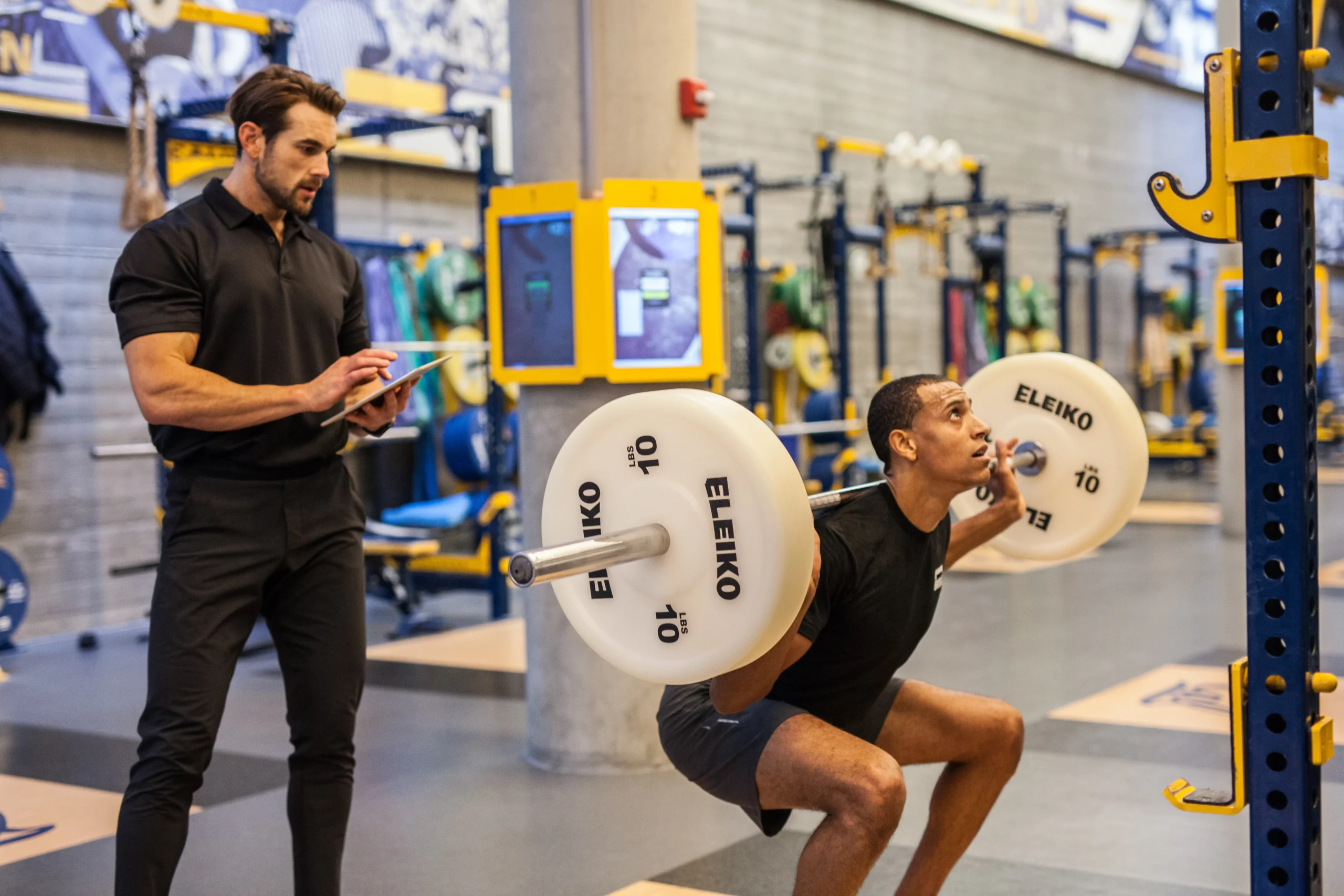
The experiment contains a revealing trade-off. Across three sets, the fast group averaged about 38.7 repetitions and the slow group about 30.5. That is roughly eight more repetitions for the faster style. Yet time under tension was around 77.5 seconds in the faster group and 152.5 seconds in the slower group: almost twice as much time for the people completing fewer reps.
Consequently, three sets of ten at a four-second descent should not be treated as interchangeable with three sets of ten at a regular cadence. A slower repetition can make the same weight harder, reduce the number of clean reps, and change accumulated fatigue. Comparing volume only by sets or elapsed time overlooks important differences.
In your own log, include the actual load, reps, approximate tempo, depth and how many clean reps you believe remained. This provides a useful progression framework without pretending there is a precise formula that converts a normal squat into an equivalent tempo squat.
If slow negatives cause a set of ten to turn into a clean six, that may simply mean the load needs adjusting. Make room for controlled tempo work where technique and muscular control are the goals. Preserve normal-speed practice when improving heavy, competition-style squat performance is your priority.
Build a stable bar path while controlling the descent
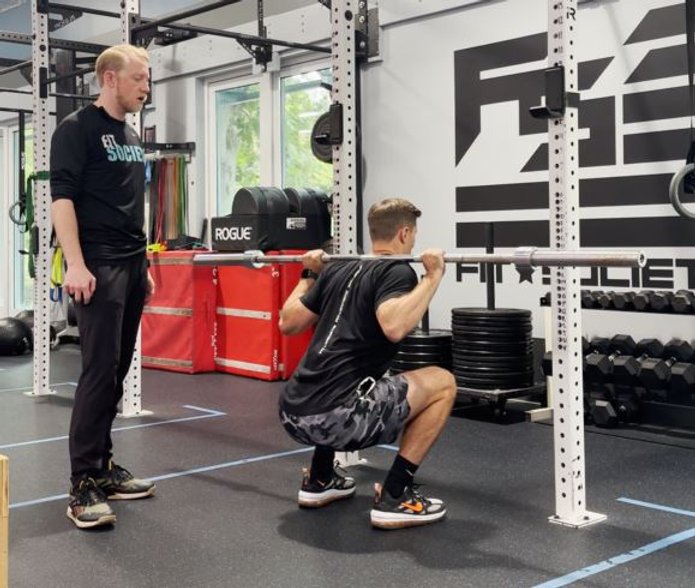
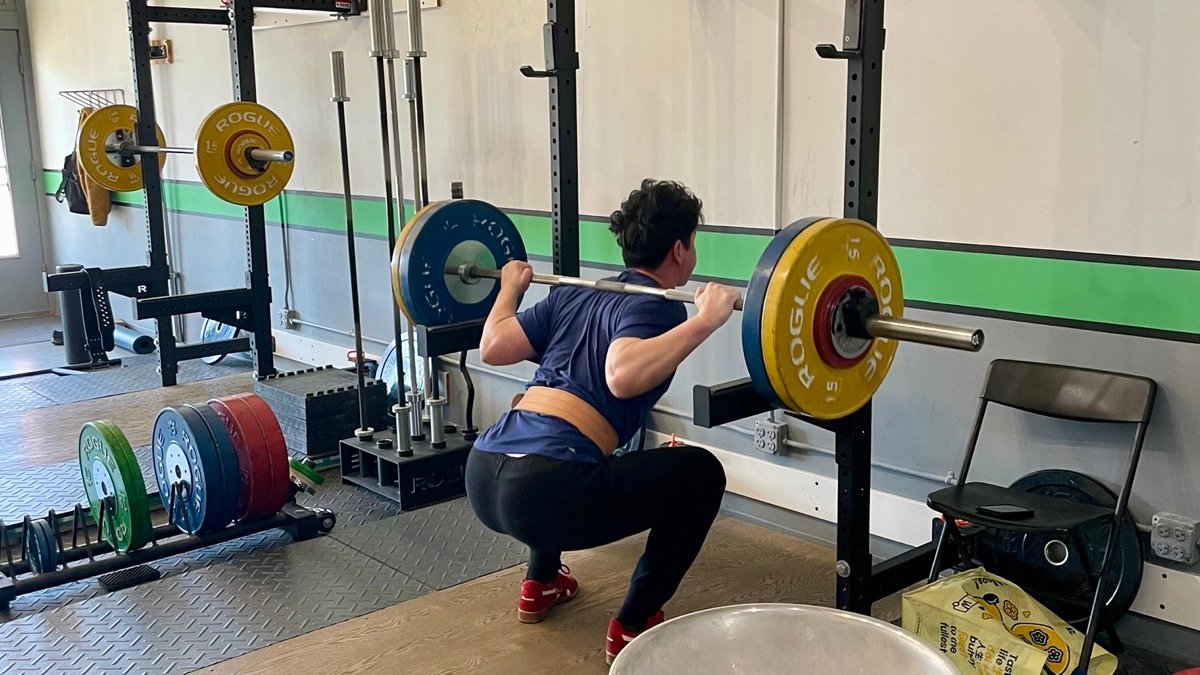
Begin with a stable bar position, a stance that permits repeatable depth and a full breath that lets you brace your trunk. Unrack using a small number of deliberate steps. Decide the bottom position before you start the count; do not descend farther each rep simply because you are moving more slowly.
As you lower over four seconds, keep balanced pressure through the foot. Bend at the hips and knees in a coordinated way that suits your proportions. A high-bar squat often looks different from a low-bar squat, so a vertical torso should not be demanded of everyone. What matters is keeping the bar balanced over the middle of the foot.
A side-view recording can reveal whether you spend three controlled seconds descending and then suddenly fall into the bottom. If so, use a lighter weight and count more evenly. If the heels rise or the knees collapse sharply, inspect your stance, load and ankle movement rather than assuming you just need a stricter stopwatch.
Once you have reached your intended depth, drive upward with intent and maintain your normal bracing. The study used an approximately one-second ascent, but your actual speed will change as the set becomes harder. Do not intentionally stretch the upward phase simply because you lengthened the lowering phase.
Equipment Worth Exploring
Explore equipment, accessories and gear from our carefully selected range.

Studio V-Squat
Plate-loaded V-squat machine for supported lower-body strength training.

Squat Harness
Wearable harness for hands-free cable squats, sled work, and lower-body training.

Belt Squat Collar
Heavy-duty collar adapter for compatible belt-squat and landmine bar setups.


Grip Plates
Rubber-coated weight plates with handholds for loading barbells and machines.


VForce 3IN1 Max
Six-post all-in-one rack with Smith machine, functional trainer, and variable-force cables.

VForce 3IN1
All-in-one rack combining an adjustable Smith machine, functional trainer, and free-weight station.

VForce 2IN1
Half rack and pivot-arm functional trainer with switchable 1:1 and 2:1 pulley ratios.

Rubber Hex Dumbbells
Rubber-coated hex dumbbell pairs with a stable shape for home and commercial strength training.
Choose equipment and alternatives that fit your goal
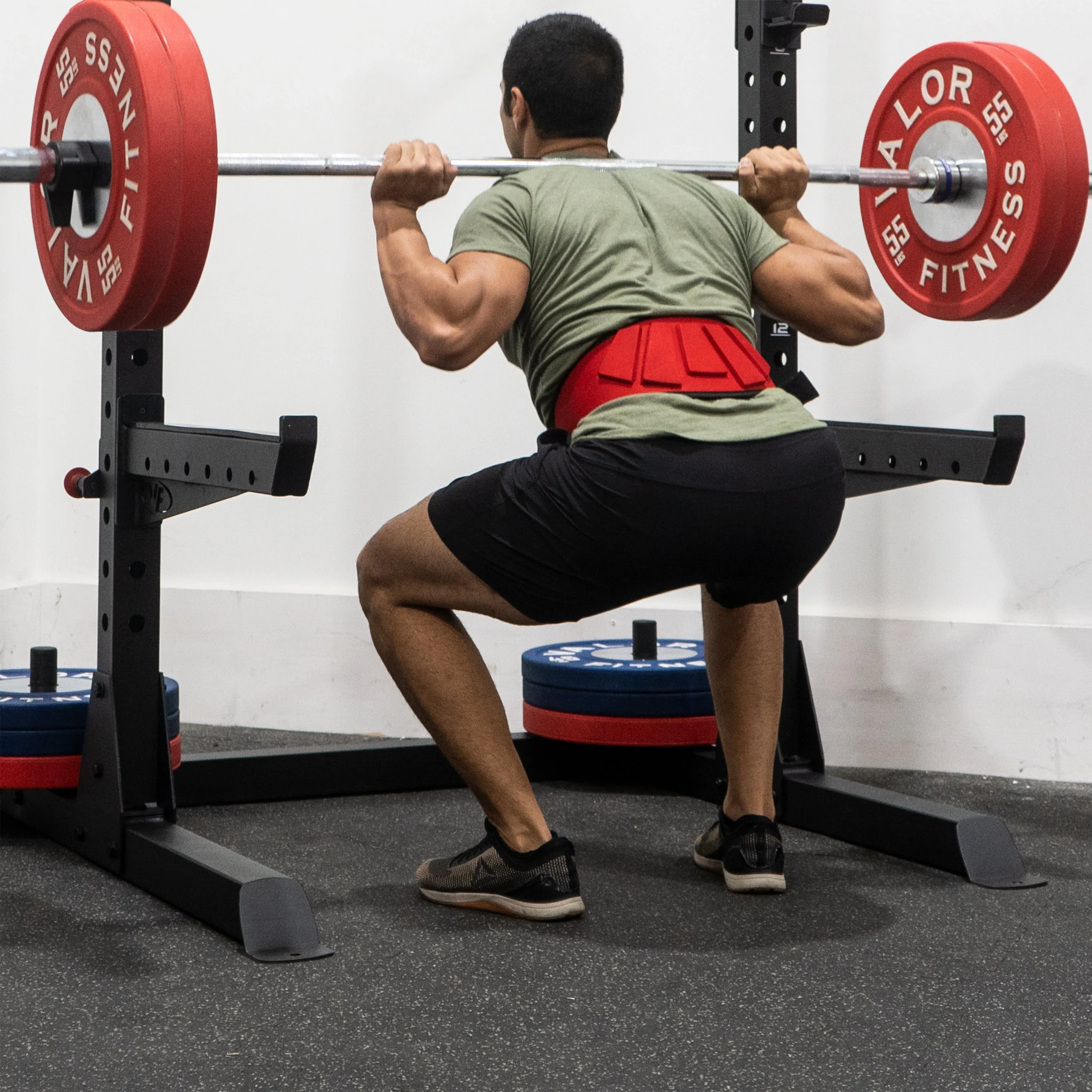
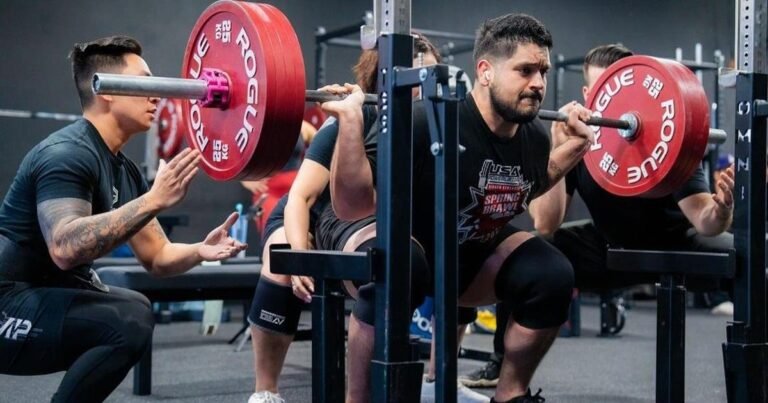
For barbell tempo squats, a stable rack is more valuable than a complicated accessory. Adjust the safety bars or spotter arms beneath your usual bottom position and confirm that a failed repetition can be safely set down. Use capable spotters where appropriate, especially when working near a challenging load.
Secure your plates with collars and make small load adjustments rather than jumping straight to the weights you use for normal squats. Optional lifting shoes or squat wedges may help certain lifters find a consistent setup; they are not required for the effectiveness of slow descents. A tripod foot, solid rack, and simple side-view video usually offer better feedback than another gadget.
If back squats are not appropriate for your body or available equipment, practice controlled lowering with a goblet squat, split squat, heel-elevated squat, belt-squat station or a suitable machine. These are substitutions for practical training, not evidence that the original seven-week back-squat results transfer exactly to every variation.
For machine or cable-assisted options, learn the path before adding difficult loads. Control the entire descent instead of turning it into a race for stopwatch accuracy. Avoid substituting an unfamiliar machine under maximum resistance simply to imitate a study that did not test that machine.
A six-week squat-tempo plan you can actually repeat
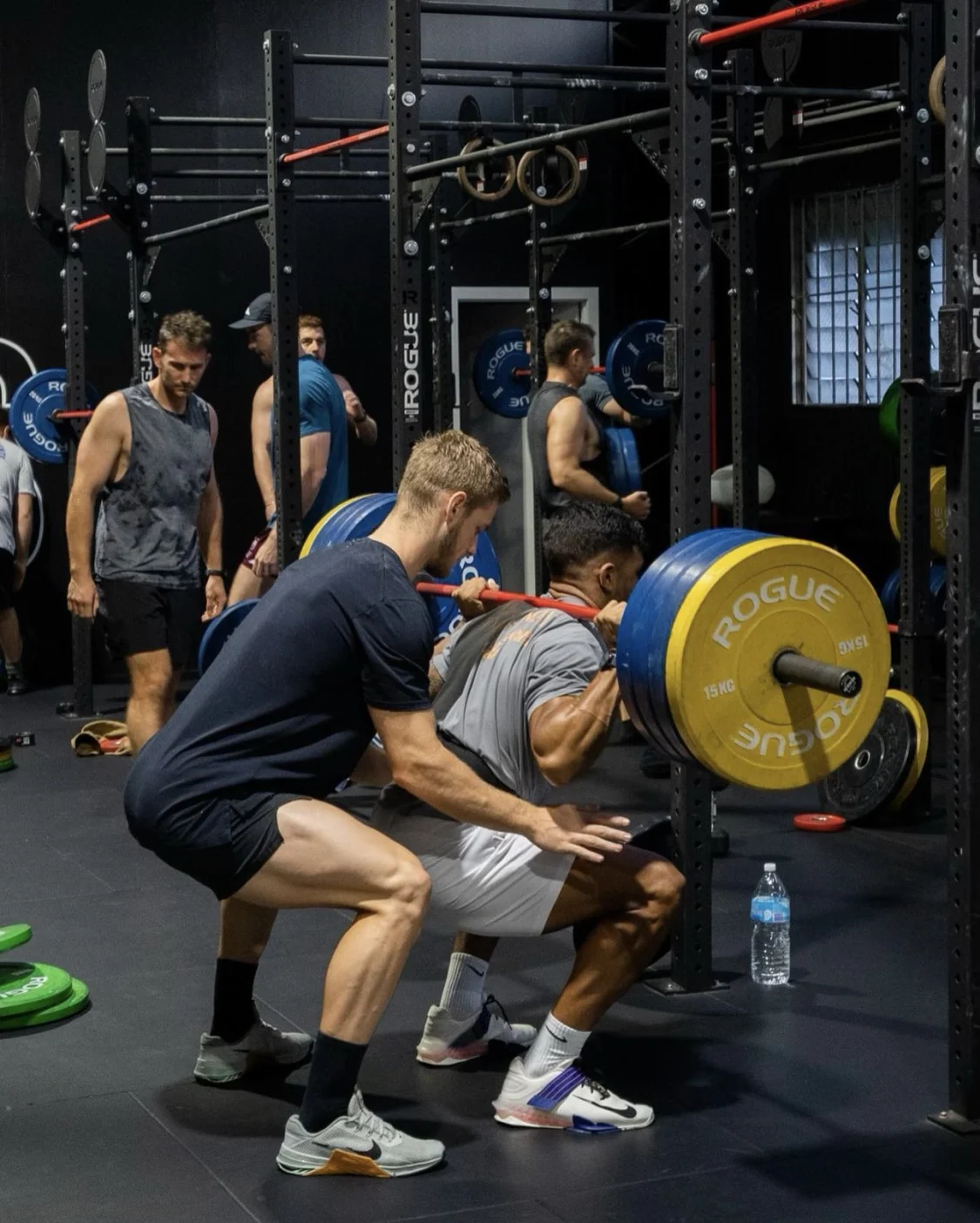
This six-week plan is a practical template, not a reproduction of the seven-week experiment and not a promise of superior gains. It suits adults who can already squat safely and have a reliable rack. Schedule one deliberate-tempo squat day weekly; a second ordinary-speed lower-body day is optional depending on your existing program and recovery.
Weeks 1–2: perform three sets of five to six squats with a three-second lowering phase, no intentional pause, and a controlled ascent. Choose a load that leaves approximately three good reps in reserve. Film at least one set and note any changes in balance, bracing and depth. Reduce the weight if the count falls apart.
Weeks 3–4: use three sets of five to six with a four-second descent. Allow adequate rest, keep two or three repetitions in reserve, and do not chase your normal-speed working weight. Add a small amount of load only when every rep retains the intended tempo and consistent depth.
Week 5: if you are recovering well, perform three or four sets of four to six repetitions with the same four-second descent. Treat these as technique and tension sets rather than a test of maximum strength. Stop when quality breaks down, not when a predetermined number becomes unavoidable.
Week 6: reduce the tempo-squat workload slightly, then compare a moderate session at a smooth self-selected lowering pace with your original videos. Look for better depth consistency, bar control and ordinary squat performance, while also noticing any joint discomfort or excessive fatigue. Keep slow descents when they solve an actual problem; shorten them when they prevent useful training volume.
Powerlifting Shirts & Lifting Gear
Powerlifting shirts and gym gear for squat, bench and deadlift lifters who live for heavy numbers.

Squatzilla Meme Leg Day & Squat Fans Hooded Hoodie
Show off your leg-day humor in a laid-back “Squatzilla” hoodie.

Funny Squat Queen Gym | Burger King Parody Workout Swea T-Shirt
Add a playful “Squat Queen” touch to your casual rotation.

Invisible Booty To Visible Booty Motivation Meme T-Shirt
Bring “Invisible Booty To Visible Booty” humor to your everyday gym style.

Gym Girl Booty Builder Sticker
A fun “Gym Girl Booty Builder” touch for bottles, laptops, and lockers.

Rack Panther Black Panther Workout Squat Rack Bodybuild Tank Top
Bring “Rack Panther Black Panther” humor to your next lifting session.

Leg Day Squats Deadlifts Decal Meme Vinyl Sticker
Give your everyday gear a playful “Leg Day” twist.

Don'T Fart Squats & Leg Day Memes Athletic Shirt Tank Top
Bring “Don't Fart Squats” humor to your next lifting session.


Patriotic Eagle Stars Stripes and Squats Pullover for L Hoodie
Show off your leg-day humor in a laid-back “Patriotic Eagle” hoodie.

I Love Squats | Valentine's Leg Day Hooded Hoodie
Keep it laid-back with a little “I Love Squats” attitude.