Can lifting weights change more than muscle size after age 60? A two-year randomized trial in older women found favorable differences in several measurements of heart structure and function after sustained progressive resistance training. The result is promising, but it is not proof that weights prevent heart attacks or replace aerobic exercise. Here is what changed, what remains uncertain, and how to put the findings into a sensible training plan.
What the two-year trial actually tested
A strong heart and strong muscles are often treated as separate goals. But resistance exercise makes the cardiovascular system work, too. A randomized trial reported in 2026 followed a structured lifting program for two years and measured changes inside the hearts of older women. That unusually long observation period makes the results worth examining, while the details prevent sweeping claims that weights replace aerobic exercise.
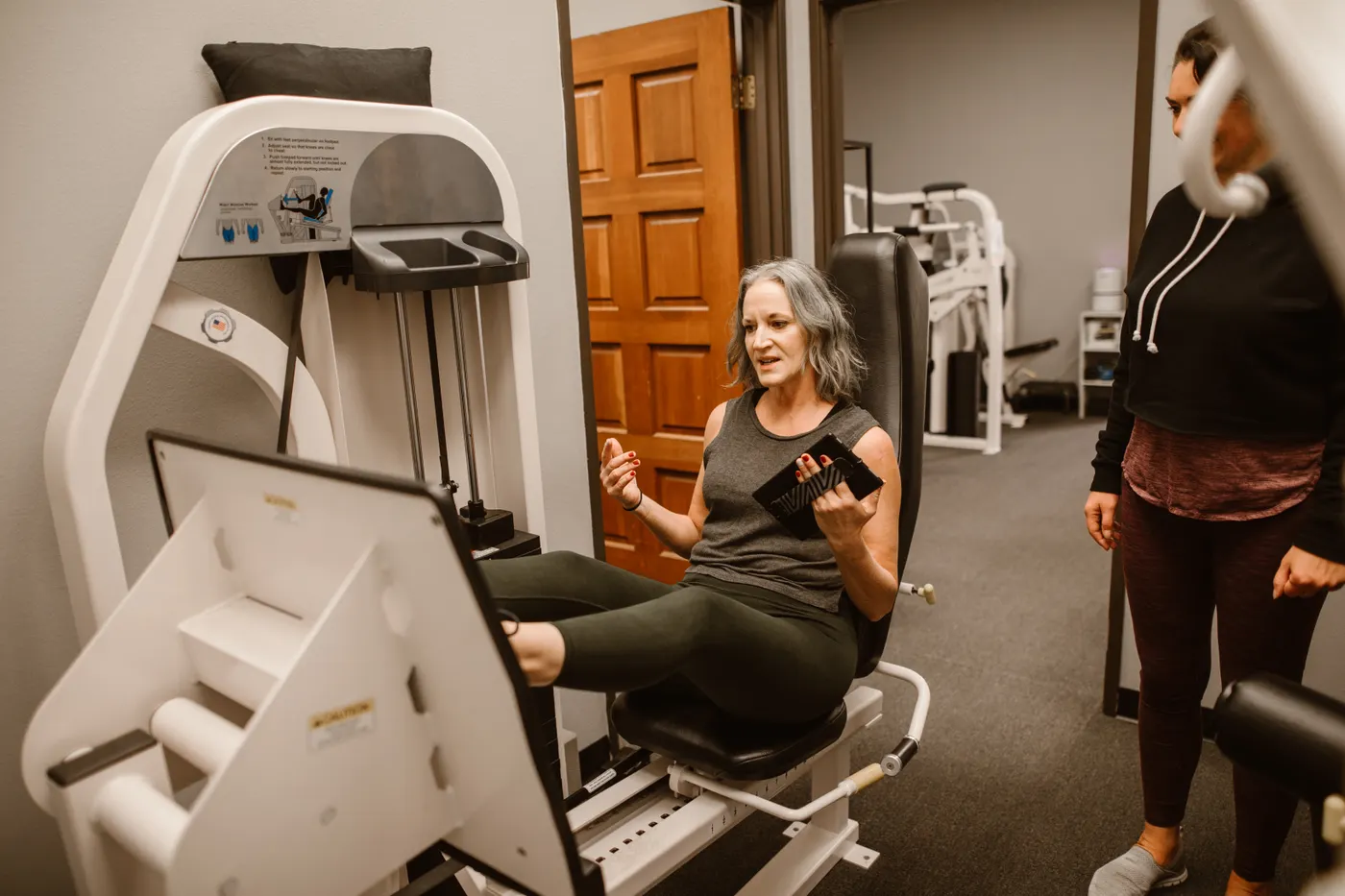
The trial recruited 64 physically independent women aged at least 60. Thirty-three were assigned to progressive resistance training and 31 to a control group. The training prescription was substantial: three supervised whole-body sessions per week on nonconsecutive days, eight exercises per session, and three sets of eight to twelve repetitions per exercise. An experienced assessor, unaware of group assignment, performed echocardiography before and after the two-year period.
The key distinction is that this was a comparison of a sustained training program with a control condition, not a test of a single exercise, a supplement, or a shortcut. Echocardiography describes heart dimensions and pumping or filling behavior; it does not directly count heart attacks prevented or years of life gained. The investigators reported several favorable group-by-time differences. Those are meaningful physiological signals, but they should be interpreted as signals from this particular population and protocol.
For readers considering a new strength routine, the most useful lesson is not to copy the trial’s workload on day one. It is that consistent, progressive training may matter to cardiovascular health over years, even when the exercises are primarily designed to build muscle.
Which heart measurements changed, and what they mean
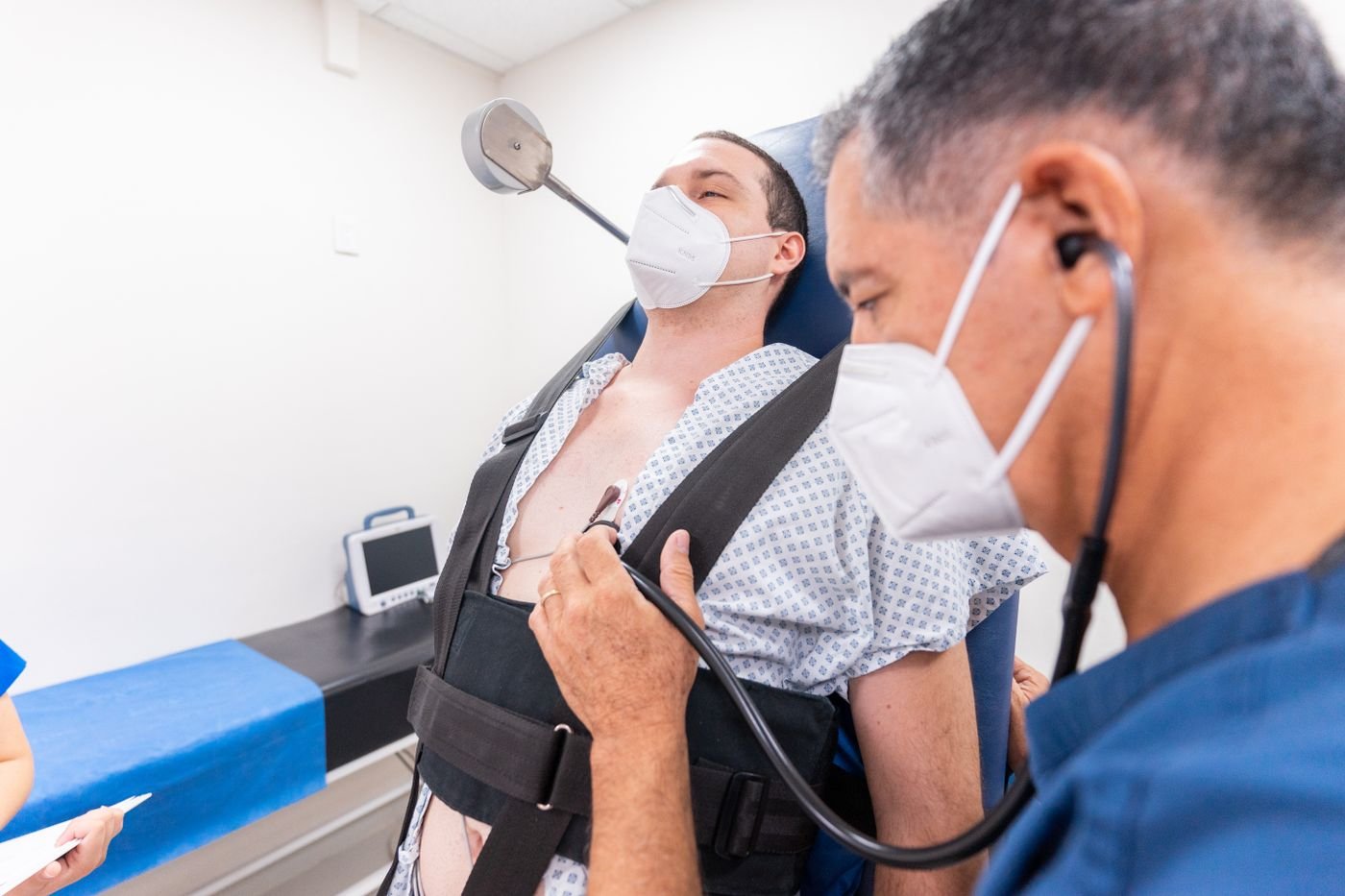
The most striking result involved left ventricular mass index, a measure of the heart’s main pumping chamber mass relative to body size. The training group showed an approximately 5.5% reduction, whereas the control group showed an approximately 11% increase. Septal thickness changed by about -3.8% versus +7.3%, and posterior wall thickness by -2.8% versus +13.6%, respectively. These are group changes, not a diagnostic verdict about any one participant.
Left atrial volume index also moved in different directions: approximately -7.1% in the training group compared with +28.1% in controls. The study reported differences in ventricular end-diastolic and end-systolic volumes as well. Some measurements of filling function favored the exercise group: septal E/e-prime fell by about 11% with training and rose about 22.1% in controls. E-prime measures, which reflect tissue motion during filling, also showed more favorable trajectories with training.
These numbers require context. A smaller value is not automatically better for every cardiac dimension, and normal ranges depend on body size, age, blood pressure, underlying disease, and the measurement method. An athlete’s heart can remodel in healthy ways that differ from changes caused by illness. A clinician interprets a complete echocardiogram, not an isolated percentage.
Left ventricular ejection fraction, a familiar pumping measure, declined by about 1% in the training group versus 4.9% in controls. That difference is not the same as showing that lifting cures heart failure. It suggests that sustained resistance exercise may help preserve selected aspects of cardiac function in this sample. The trial did not establish a reduction in clinical cardiovascular events.

Equipment Worth Exploring
Explore equipment, accessories and gear from our carefully selected range.


FID Bench MAX
Adjustable bench offering flat, incline, and decline positions + adjustable headrest.


VOLTRA
Compact digital cable trainer with smooth, adjustable resistance.

Go-Tone Pro
Portable digital cable trainer with up to 66 lb (30 kg) of adjustable resistance.
Why lifting might affect the heart beyond building muscle

Every demanding set creates a temporary need for blood flow and oxygen delivery. Heart rate and blood pressure rise during effort, and the body adjusts as the set ends. Repeated exposure over months may interact with vascular function, blood pressure regulation, metabolic health, and the ability to perform everyday activities. The long-term picture is more complicated than the immediate pressure spike during a heavy lift.
Resistance training can also improve the machinery surrounding the cardiovascular system. Stronger leg and trunk muscles make walking, climbing stairs, and carrying shopping less demanding relative to maximum capacity. Greater physical independence can support more overall movement. That indirect pathway matters, especially in later life when inactivity and loss of muscle strength can reinforce each other.
Evidence from broader analyses also connects structured resistance exercise with improvements in blood pressure and other cardiovascular risk factors. A review of circuit-based resistance programs in community-dwelling older adults, for example, found average reductions in resting blood pressure across randomized trials. Yet circuit training, traditional sets with longer rests, and the two-year program are not identical interventions. Their outcomes cannot simply be pooled into one guaranteed effect.
Equally important, resistance training is not a substitute for endurance activity. Brisk walking, cycling, swimming, and other rhythmic exercise provide complementary adaptations. A practical plan combines lifting with aerobic movement and balance practice rather than treating one modality as a rival to the others. The heart benefits of regular training are a reason to build a sustainable routine, not to chase maximal loads at every session.

Gym Girl Shirts & Workout Gear
Gym shirts, tanks and workout gear for women who lift, train hard and live the gym lifestyle.

Muscle Mommy Pink Barbell Plate Gym Girl Decal for Wome Sticker
Put “Muscle Mommy” gym humor on your laptop, bottle, or gym gear.

Lifterbell Fairy Meme Girls & Tank Top
Your gym-day look, with a playful “Lifterbell Gym Fairy” twist.

Plants & Weights 45LB Plate Plant Lover Fitness Barbell T-Shirt
For laid-back days and gym-girl humor: “Plants & Weights 45LB Plate”.

Roses & Weights 45LB Plate Romantic Fitness Barbell Wor Sticker
Put “Roses & Weights 45LB Plate” gym humor on your laptop, bottle, or gym gear.

Flowers & Weights 45LB Plate Floral Fitness Barbell Wor Hoodie
Keep it laid-back with a little “Flowers & Weights 45LB Plate” attitude.

Tulips & Weights 45LB Plate Floral Barbell Workout Spri Tank Top
Add some Easter attitude to training with “Tulips & Weights 45LB Plate”.

Lift With Your Heart Valentine’s Day Gym with Heart-Sha T-Shirt
Show some gym-day personality with “Lift With Your Heart Valentine’s Day”.

Caffeine & Weights for Coffee Lovers, Lifting Sessions Hoodie
Keep it laid-back with a little “Caffeine & Weights” attitude.

Pink 45LB Weight Plate Barbell Lifting Workout Decal Fi Sticker
Put “Pink 45LB Weight Plate” gym humor on your laptop, bottle, or gym gear.

Lifting Is Freedom Gym | Statue of Liberty Meme Muscle Tank Top
Bring “Lifting Is Freedom” humor to your next lifting session.
What the study cannot prove

Randomization is a strength because it helps distribute known and unknown differences between groups at the start. Blinded echocardiographic assessment is another useful safeguard. Two years of follow-up is unusually valuable in a field where many exercise studies last only weeks. Nevertheless, 64 recruited participants is a modest sample for broad clinical claims, and the published abstract alone does not resolve every question about adherence, medication changes, or the generalizability of the findings.
All participants were physically independent older women. The result should not be automatically extended to men, frail adults, people with uncontrolled cardiovascular disease, or those recovering from a cardiac event. It also does not prove that the same changes would follow from two short sessions per week, unsupervised maximal lifting, or a different set of exercises.
The primary outcomes were imaging measurements, not hospitalizations, mortality, symptoms, or exercise capacity. A favorable change in a surrogate marker may be encouraging without guaranteeing a better clinical outcome. Some echocardiographic variables can also vary with hydration, loading conditions, body size, and measurement technique. Multiple tested outcomes increase the need to examine the full statistical picture rather than celebrating one isolated number.
Another limitation is time: two years is long enough to show sustained training exposure but not enough to map every later-life outcome. The right conclusion is specific. In a randomized comparison of older women, a supervised progressive resistance program was associated with more favorable changes in several cardiac structure and function measures than control. Whether that translates into fewer heart attacks or longer survival requires different evidence.
How to build a heart-conscious full-body strength routine
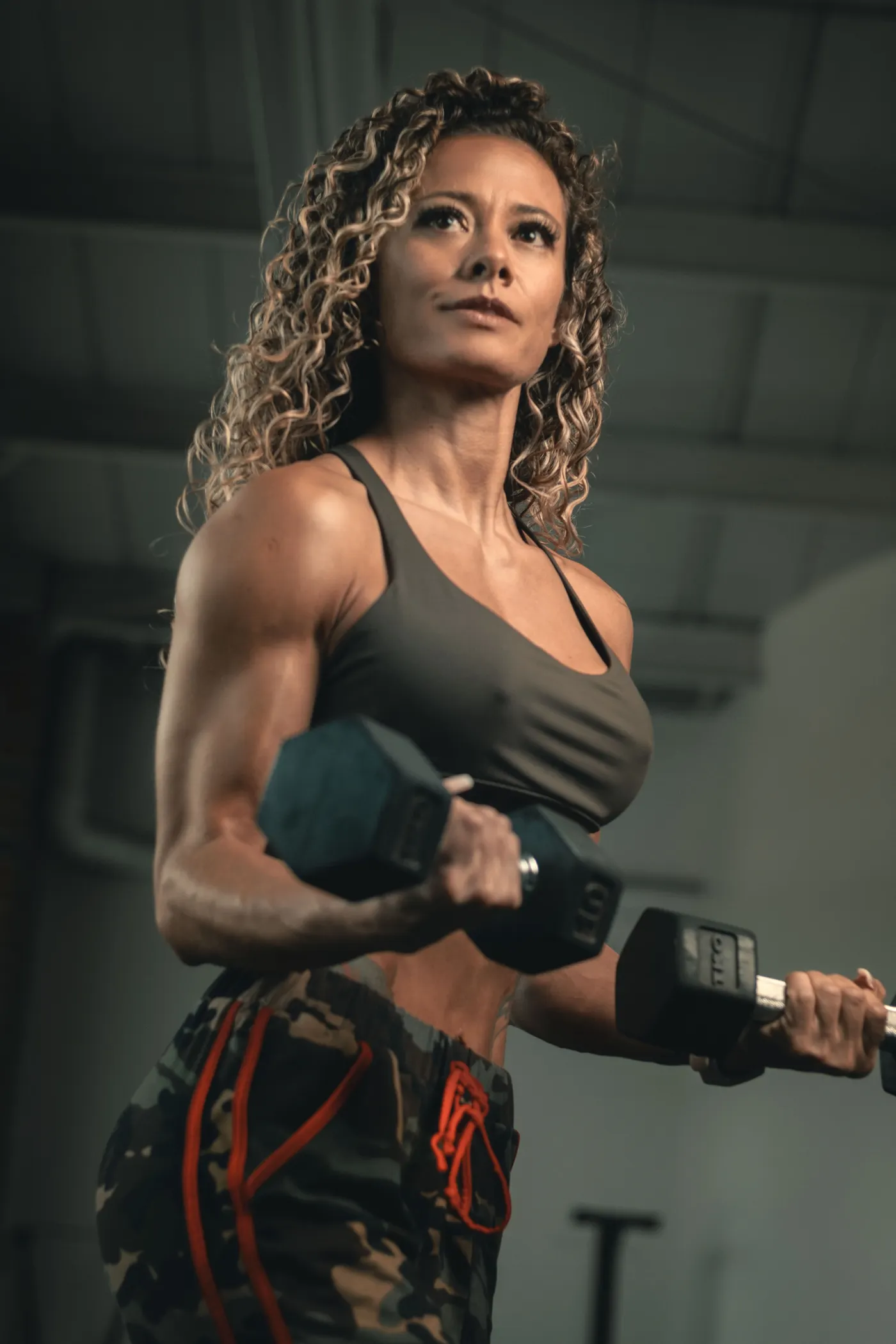
A useful beginner program needs to train the major muscle groups without turning every session into an all-out test. Choose a knee-dominant exercise such as a supported squat or leg press, a hip hinge such as a light Romanian deadlift, an upper-body push, an upper-body pull, and a manageable carry or core movement. The exact equipment matters less than stable technique, appropriate range of motion, and a load that can be controlled.
Start with one or two sets of roughly eight to twelve repetitions for most movements, leaving several repetitions in reserve. Rest long enough to breathe normally and maintain form. For someone who has not lifted recently, two nonconsecutive sessions each week may be a sensible entry point. The study used three sessions and three sets per exercise, but that workload was part of a supervised research intervention, not a universal starting dose.
Progress only one variable at a time. First establish regular attendance and repeatable technique; then add a small amount of load or an extra set when recovery and symptoms permit. A training log can capture the exercises, repetitions, effort, and any unusual breathlessness or discomfort. Consistency is a more useful measure of progress than how exhausted someone feels after one workout.
Breathing matters. Avoid prolonged breath-holding and excessive straining, especially when blood pressure or cardiac disease is a concern. Exhale during the demanding part of the movement and use a load that allows controlled breathing. People with known heart disease, uncontrolled hypertension, recent cardiac symptoms, or new exercise intolerance should obtain individualized clinical advice before starting or intensifying resistance training.
Equipment Worth Exploring
Explore equipment, accessories and gear from our carefully selected range.


GymPin Squat Wedges
Non-slip 15-degree squat wedges help elevate the heels for deeper quad-focused squats.



Squat Harness
Wearable harness for hands-free cable squats, sled work, and lower-body training.
A realistic six-week starting plan
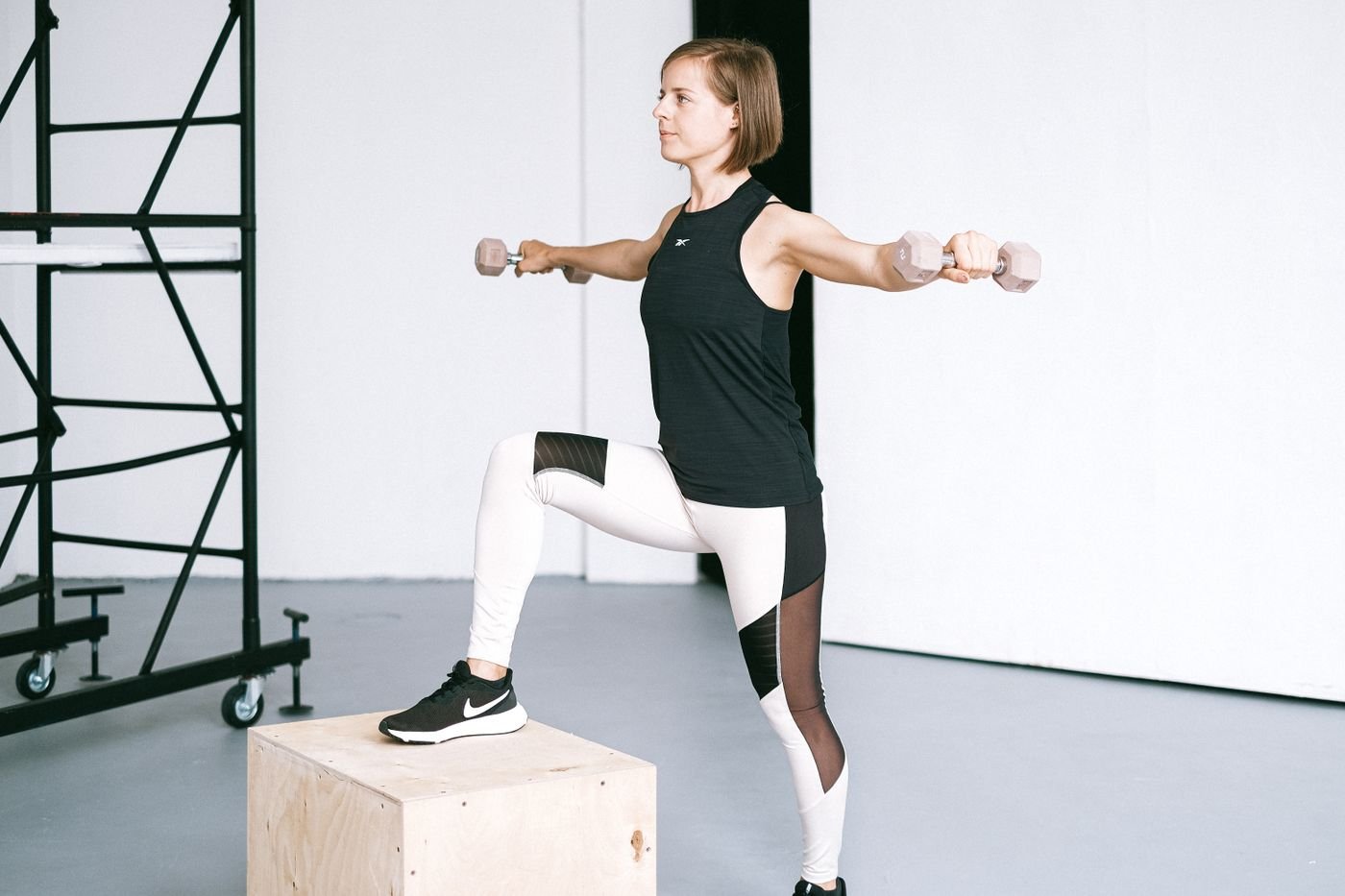
During weeks one and two, schedule two full-body sessions separated by at least one day. After a five- to ten-minute easy warm-up, perform supported squats or leg presses, a row, a chest press, a hip hinge, and a light carry. Use one or two controlled sets of eight to twelve repetitions for the main lifts, and a short comfortable carry if appropriate. Record how the final repetition feels; stop with clear technical reserve.
In weeks three and four, retain the same exercises and increase to two sets consistently if recovery has been good. Add a third set to one or two movements only when the extra work does not interfere with daily activity. Someone who finds the current load easy can add the smallest practical increment while keeping repetitions smooth. If joint pain, excessive fatigue, or breathlessness rises, repeat the previous week instead of forcing progression.
In weeks five and six, choose between keeping two sessions or adding a brief third day based on recovery, schedule, and medical guidance. A third session does not have to be heavier: it can use lighter loads, a smaller number of exercises, and extra technique practice. Keep the plan flexible enough to survive travel, poor sleep, and ordinary life. A program performed for months is more valuable than a perfect-looking calendar abandoned after two weeks.
Alongside lifting, aim toward regular moderate-intensity aerobic activity, such as comfortable-to-brisk walking, and include balance practice. For adults aged 65 and older, widely used public-health guidance recommends at least 150 minutes of moderate aerobic activity weekly, muscle strengthening on at least two days, and balance activity. These are population targets, not a demand to jump immediately from inactivity to full volume. Build toward them gradually.
The takeaway: stronger muscles and a healthier heart can share a plan
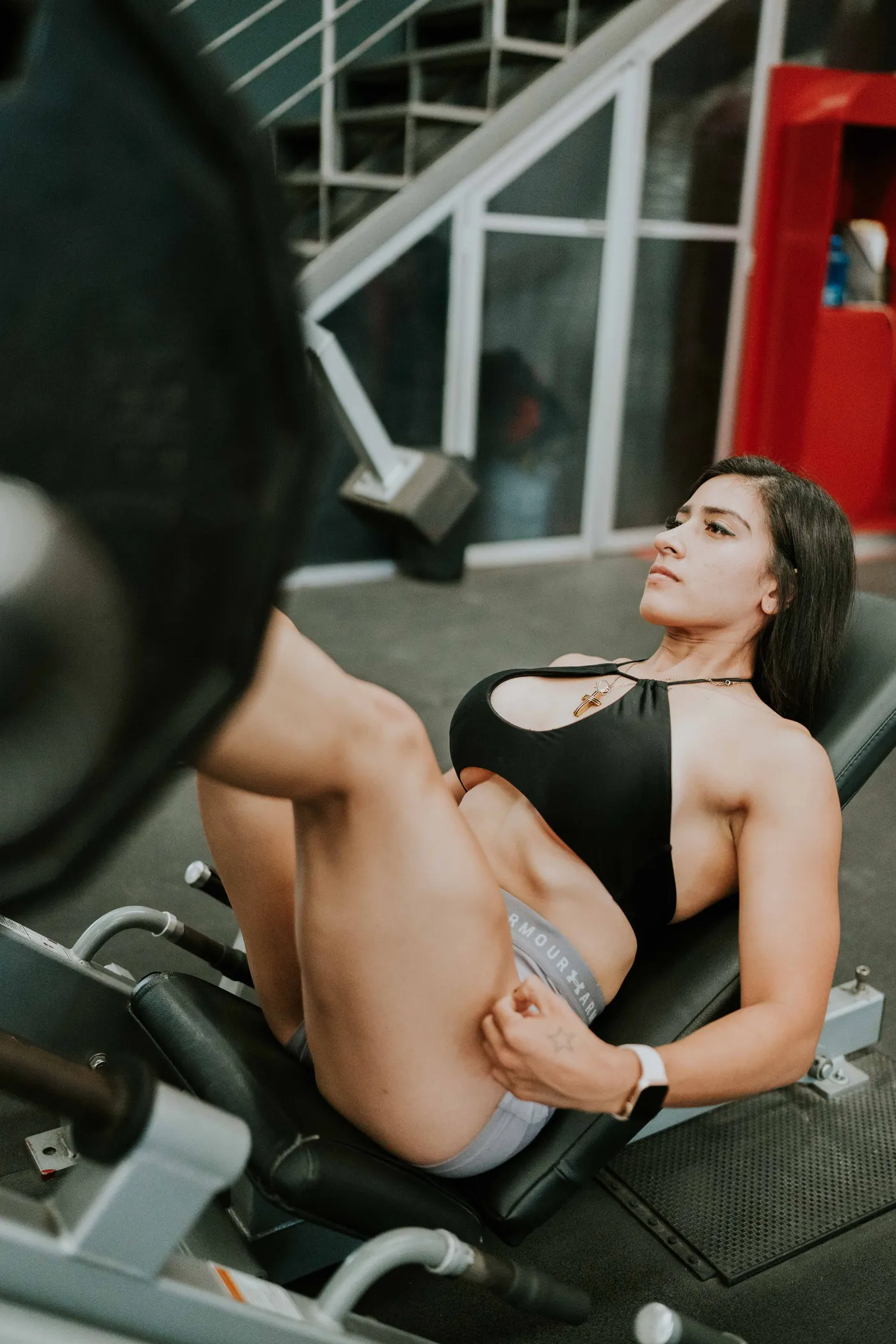
The two-year trial adds a compelling dimension to the case for resistance training after 60. It found favorable differences in several measures of cardiac structure and filling function in older women following supervised progressive lifting. The findings support taking strength work seriously as part of healthy aging, while leaving open the much larger question of whether those imaging changes prevent clinical events.
Do not interpret the data as an instruction to lift extremely heavy weights, stop cardio, or use a rigid three-day template regardless of health status. Nor should anyone self-diagnose a heart problem from a study’s percentage changes. The appropriate program depends on current fitness, blood pressure, medication, symptoms, balance, joint tolerance, and what can be maintained over time.
For a person beginning from a low activity level, the first meaningful milestone may simply be completing two comfortable full-body sessions for several consecutive weeks. From there, strength, confidence, and exercise capacity can improve gradually. For an experienced lifter, the practical reminder is to preserve aerobic conditioning and not assume that bigger muscles tell the whole story of cardiovascular fitness.
Training for longevity is not one magic exercise or one heart measurement. It is a repeatable combination of strength, endurance, recovery, and appropriate medical care. That makes the most useful lesson of this study both modest and encouraging: consistent resistance exercise can be part of a heart-conscious routine well into later life.
Funny Gym Shirts & Workout Gear
Funny gym shirts, tanks, hoodies and workout gear for lifters who like training hard.

Gym Is My Happy Place Happy Weights Meme for Fitness an T-Shirt
Show some gym-day personality with “Gym Is My Happy Place”.

45LB Metal Weight Plate Barbell Standard Lifting Tank Top
Add some metalhead attitude to training with “45LB Metal Weight Plate”.

Icy 45LB Weight Plate Frozen Barbell Lifting Workout Co T-Shirt
Show some powerlifting attitude with a playful “Icy 45LB Weight Plate” tee.

Flaming 45LB Weight Plate Fire Barbell Lifting Workout Hoodie
Keep it laid-back with a little “Flaming 45LB Weight Plate” attitude.

Valentine’s Day & Weights I Love Lifting Cupid 45LB Pla T-Shirt
For laid-back days and powerlifting humor: “Valentine’s Day & Weights I Love Lifting”.

Liftionaire Money Barbell Meme Workout Bodybuilding Pow Sticker
Put “Liftionaire” gym humor on your laptop, bottle, or gym gear.

Hit The Weights Metallica Rock Music — Bodybuilding & P T-Shirt
Add a playful “Hit The Weights Metallica Rock Music” touch to your casual rotation.

Rolling Stones Strongman Atlas Stone Rock Music for Bod T-Shirt
For laid-back days and rock-and-lifting humor: “Rolling Stones Strongman Atlas Stone Rock”.

Strong Equality LGBTQ+ Pride Meme & Top T-Shirt
Heavy lifts, good laughs, and a little “Strong Equality LGBTQ+ Pride Powerlifting” energy.

Doctor Strong Doctor Strange Magic Strength Training Hu T-Shirt
For laid-back days and superhero humor: “Doctor Strong”.