Advertising disclosure: This page includes affiliate product links that may earn us a commission, as well as products from our own store.
Seated Dumbbell Shoulder Press: A Repeatable Setup and a Clearer Progression Plan
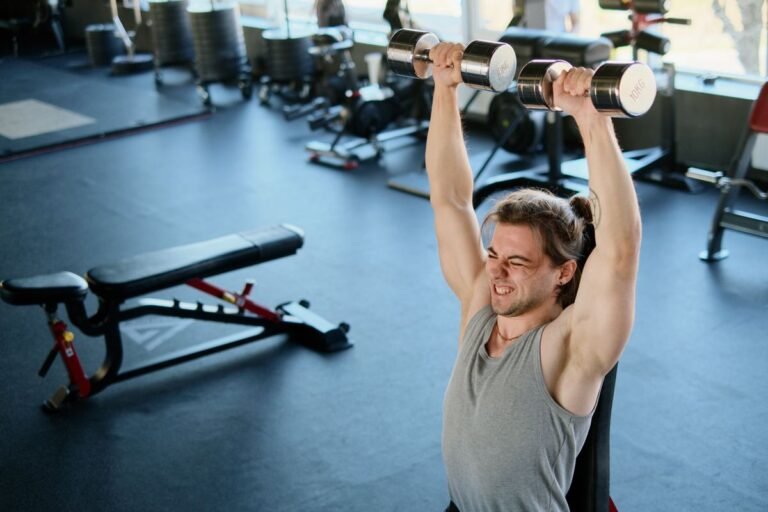
The seated dumbbell shoulder press becomes much easier to assess when every set starts from the same position. A different bench angle, a hurried lift into place or progressively shorter repetitions can make the numbers improve without telling you much about pressing strength.
The goal is a repeatable overhead press: a stable seat, a manageable pair of dumbbells and a movement you can control from the first repetition to the last. The following checklist covers the setup, grip choices and training log that make progress easier to judge. It is a practical technique guide, not a claim that one variation guarantees more muscle or prevents shoulder injuries.
This article contains affiliate product links. Eligible purchases may earn MMP a commission.
1. Set the bench and plan how the dumbbells get into position
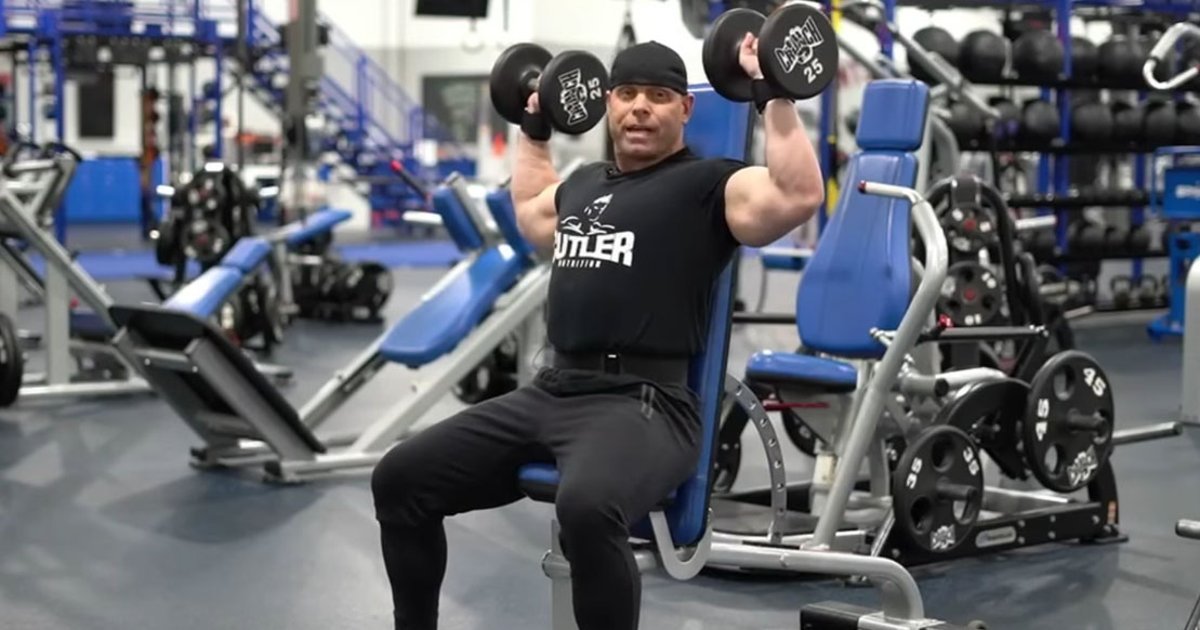
Use a stable bench with a raised backrest, then check that its adjustment is securely engaged. Choose an upright or near-upright position that lets you press overhead without sliding forward or turning the movement into an incline chest press. There is no need to chase an exact angle copied from someone else’s bench; the important part is keeping your chosen setup consistent.
Plant your feet and establish comfortable contact with the seat and backrest. Before lifting the working weights, rehearse the path with a light pair. Check the space overhead and around the bench, including any nearby rack, mirror or person. A good exercise position is only useful if you can reach it without an awkward struggle.
Getting heavy dumbbells to the shoulders can be more demanding than the first press. Many lifters bring them onto the thighs and use a controlled assistance from the legs to position one side at a time. Learn that transition with a manageable load. It should not become a violent heave that leaves you leaning sideways beneath a weight you cannot settle.
If setup is the limiting factor, reduce the load or arrange competent assistance before the set. Agree how a spotter will help and when the set ends. Plan the return to the thighs or another controlled finish as well. Do not discover at failure that your only exit is dropping the dumbbells into a busy walkway.
If you use adjustable dumbbells, check that the selected plates or blocks are secured according to their instructions before lifting them into place. The shape of the ends can also affect how comfortably they rest on your thighs. Practise that transition with your actual equipment rather than assuming every dumbbell handles identically.

Equipment Worth Exploring
Explore equipment, accessories and gear from our carefully selected range.


Rubber Hex Dumbbells
Rubber-coated hex dumbbell pairs with a stable shape for home and commercial strength training.


FID Bench MAX
Adjustable bench offering flat, incline, and decline positions + adjustable headrest.


Multi Bench MBX-650 2.0
Adjustable multi-bench with roller adjustment, 15 backrest positions and accessory mounts.


Cast Iron Kettlebells
Textured cast-iron kettlebells for swings, squats, carries, and full-body training.
2. Make the first and last repetitions look like the same exercise
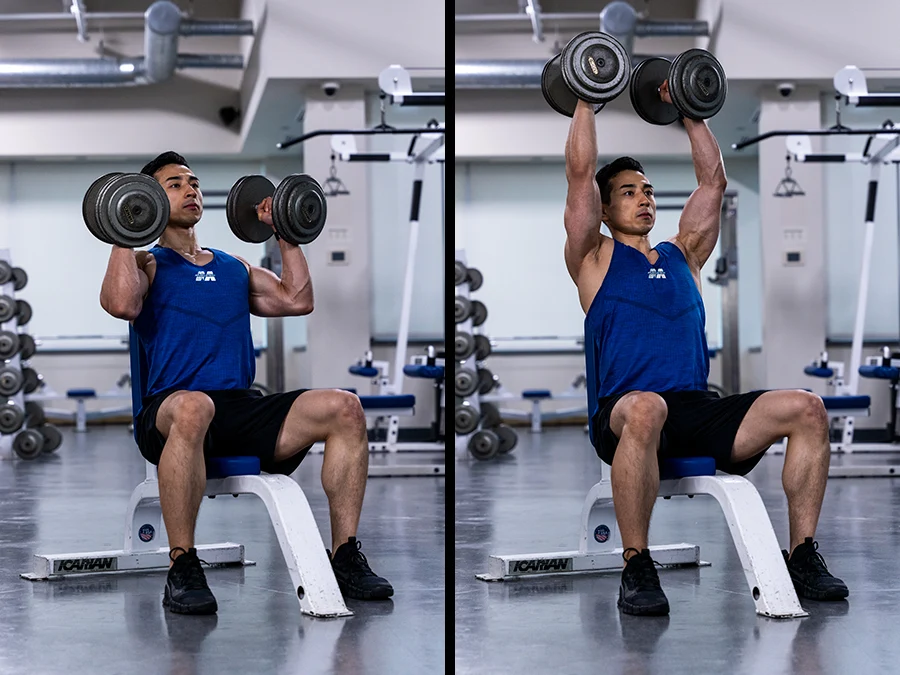
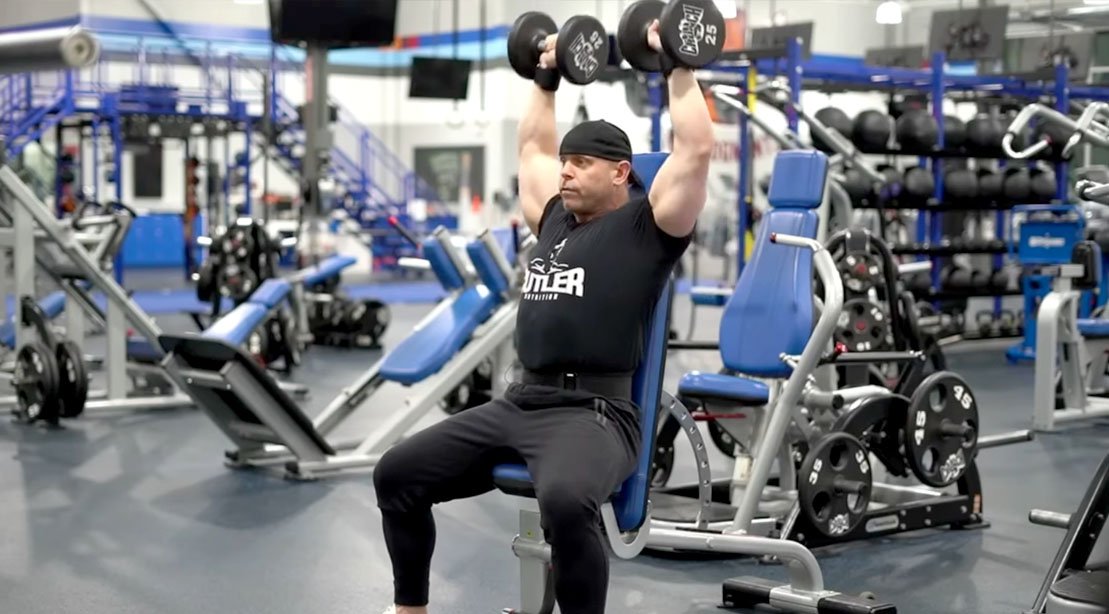
Start with the weights near shoulder level and your hands securely around the handles. Brace your torso, then press the dumbbells upward without bouncing out of the bottom. Lower them deliberately towards the same comfortable starting region. The weights need not collide above your head, and forcefully slamming the elbows into extension adds nothing useful to the repetition.
Watch what happens as the set becomes difficult. A growing lower-back arch, hips moving off the seat or an increasingly shallow descent changes the task. If your intended exercise is a supported shoulder press, turning the final repetitions into a steep incline press makes your training log harder to interpret. End the set before losing the position you meant to train.
Both arms should remain under control. One side drifting away or finishing much later is a reason to reassess the load and execution, rather than immediately adding another heavy set. Dumbbells let the arms move independently; they do not automatically correct an imbalance or guarantee equal work.
Use a range you can repeat without sharp discomfort. More depth is not automatically better if it requires an uncontrolled drop or a forced position. Conversely, shortening the range every week to move a heavier pair is not the same progression as pressing that pair through your established movement. A short side-view video can help reveal changes that are difficult to notice during the set.
3. Choose a grip you can control, then keep it consistent
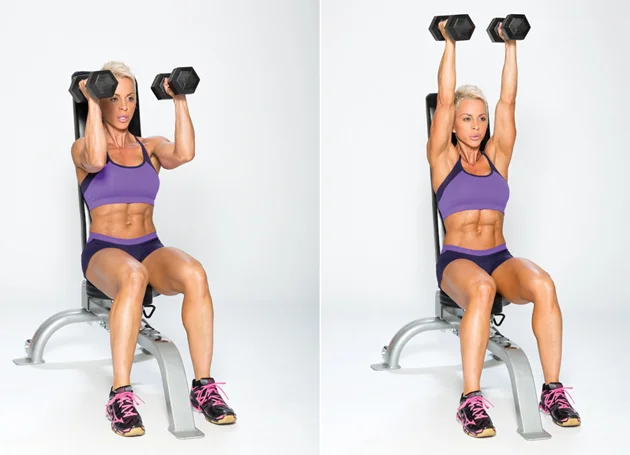
A forward-facing grip and a neutral grip, with the palms facing each other, are both recognisable dumbbell press options. A position between those extremes can also feel natural. The useful question is whether your hands, elbows and shoulders can follow a controlled path, rather than whether your palms match a photograph perfectly.
Keep the wrists from folding far backwards under the handles. Let the elbows sit in a position that supports the weights without forcing them into an exaggerated flare. Small changes in hand orientation can alter the feel of the lift, so experiment with a light load before deciding how you will perform working sets.
A neutral grip is an option to assess, not a promise that pressing will become pain-free. If a movement produces sharp or persistent shoulder symptoms, stop forcing that version and get appropriate advice. Do not treat a grip adjustment as a diagnosis or a rehabilitation programme.
Once you choose a version, record it. A neutral-grip set and a forward-grip set can both be useful, but they should not silently share one personal-best entry if the execution changes substantially. Keep the bench position, grip and intended range stable for a block of training. That makes it easier to decide whether another repetition reflects better performance or simply a different task.

Bodybuilding Shirts & Workout Gear
Bodybuilding shirts, tanks and gym gear for lifters chasing muscle, size, symmetry and the pump.

Shoulder Press Dost Thou Even Press Medieval Knight Cre T-Shirt
Show some gym-day personality with “Shoulder Press”.

Pressure Meme Stoic Bodybuilder With Greek God T-Shirt
Rep “Pressure Gym Meme” humor in and out of the gym.

Lightweight Baby Ronnie Gym Tee
Rep “Lightweight Baby Yeah Buddy Ronnie Coleman” humor in and out of the gym.


Buff Smiley Grunge Hoodie
Stay casual and show some metalhead attitude with “Buff Smiley Face”.

One More Rep Shirt: Motivational & T-Shirt
Make gym days more fun with “One More Rep” style.

Train Hard Gains Gym | Funny Thomas The Tank Engine Wor Hoodie
Show off your lifting humor in a laid-back “Train Hard Gains” hoodie.

Lift Eat Repeat & Weightlifting Meme Vest Tank Top
Add some lifting attitude to training with “Lift Eat Repeat”.

Lift Heavy – Hardcore Heavy Metal Gym Decal for Powerli Sticker
Give your everyday gear a playful “Lift Heavy” twist.
4. Separate supported pressing from standing or barbell variations
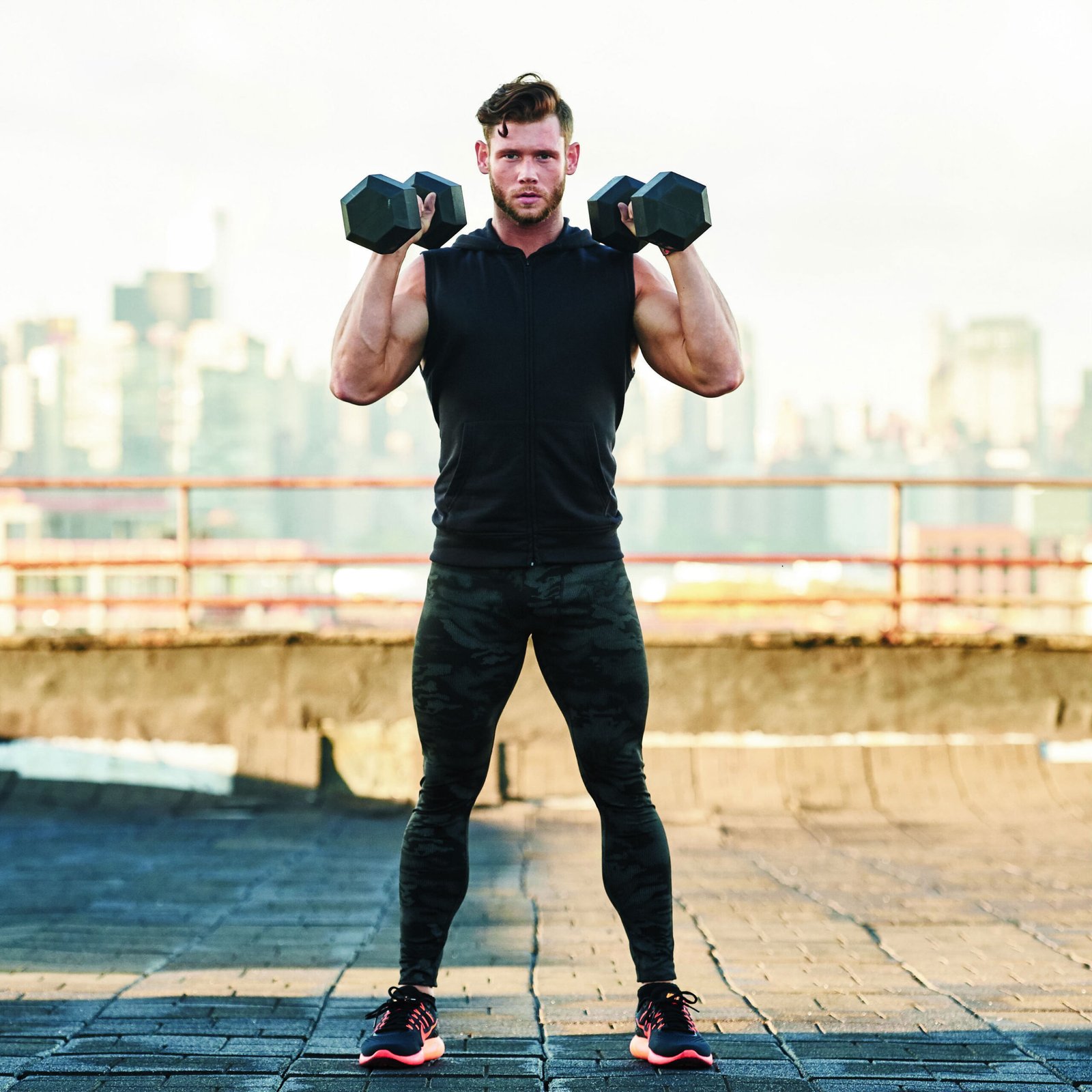
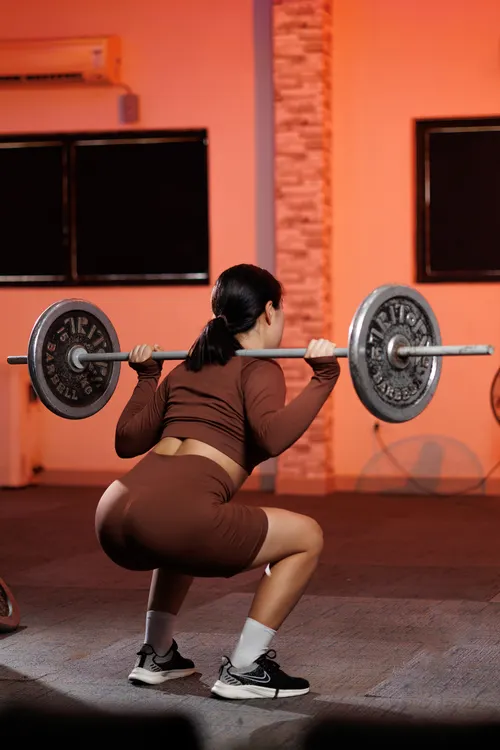
The standing dumbbell press shown here removes the backrest, so maintaining a stable torso becomes part of the exercise. It can be a useful variation, but its numbers are not directly interchangeable with a supported seated press. Adding leg drive changes the task again. Decide whether you are training a strict press or another movement before comparing sessions.
A barbell joins the hands on one implement, while two dumbbells allow more independent movement. A machine adds another degree of external support and a defined movement path. These differences affect setup and execution; none makes a variation universally superior for every lifter. Choose according to the movement you can perform well and the goal of the programme.
For someone seeking a repeatable shoulder exercise, the seated version may reduce the attention needed to balance the whole body. Someone practising a standing barbell press may prefer to keep that specific lift central. Use separate records for each. A lighter dumbbell number is not evidence that the exercise is inferior, and a heavier machine stack is not proof of greater strength across all pressing tasks.
Consider the equipment before buying it. Benches, free weights, collars and rack-based setups serve different configurations. Check the actual compatibility, adjustment and load limits for your intended lift. A product appearing beside a press guide does not establish that every bar or rack accessory belongs in the same setup.
Equipment Worth Exploring
Explore equipment, accessories and gear from our carefully selected range.

Multi Pull Smith Rack MPHR-780
All-in-one rack with a Smith machine, functional trainer, lat pulldown and low row.

Foldable Wall Rack
Wall-mounted folding squat rack designed to save floor space between workouts.


5. Progress the log without letting fatigue rewrite the movement
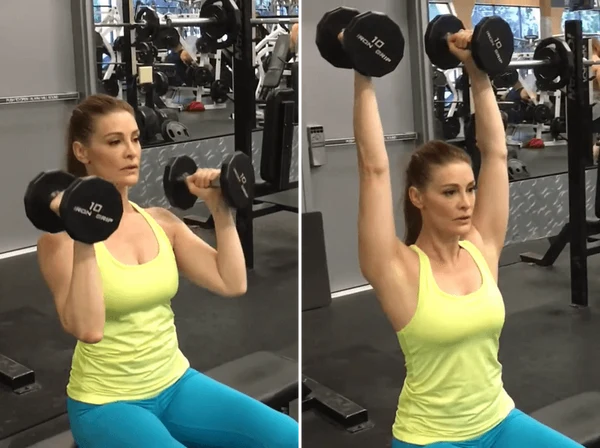
Choose a manageable number of working sets that fits your existing programme. For example, a lifter might use two or three sets within an eight-to-twelve repetition range, keeping a few controlled repetitions in reserve while learning the setup. This is a practical starting example, not a universal dose or a requirement to add more shoulder work.
Record the weight of each dumbbell, repetitions, bench setting and grip. Also note any substantial change in range or assistance. When you can complete the upper end of your chosen range across the planned sets with consistent execution, try the next suitable increment. If the jump between dumbbells is large, building repetitions at the current load may be more useful than forcing an unstable heavier set.
Suppose your first session records ten, nine and eight controlled repetitions with the same pair. A later session of ten, ten and nine can be a useful improvement without changing the weight. If the later numbers require a different bench angle or a shorter descent, write that down instead of treating the totals as directly equivalent.
Keep rest periods reasonably consistent so that comparisons are meaningful. If later sets fall sharply, check whether you rested less, started too aggressively or carried fatigue from other pressing. Bench presses and other upper-body work already place demands on the shoulders and triceps. Adding sets automatically is not the only response to a stalled number.
Training slogans about heavy weights and another repetition are motivation, not instructions to abandon control. Judge progress by the work you can reproduce: the same setup, a clear range and a finish you can manage. A small improvement under those conditions tells you more than a spectacular final repetition that has become a different exercise.