Advertising disclosure: This page includes affiliate product links that may earn us a commission, as well as products from our own store.
Z Press: Floor Setup, Bar Path and a Six-Week Shoulder Plan
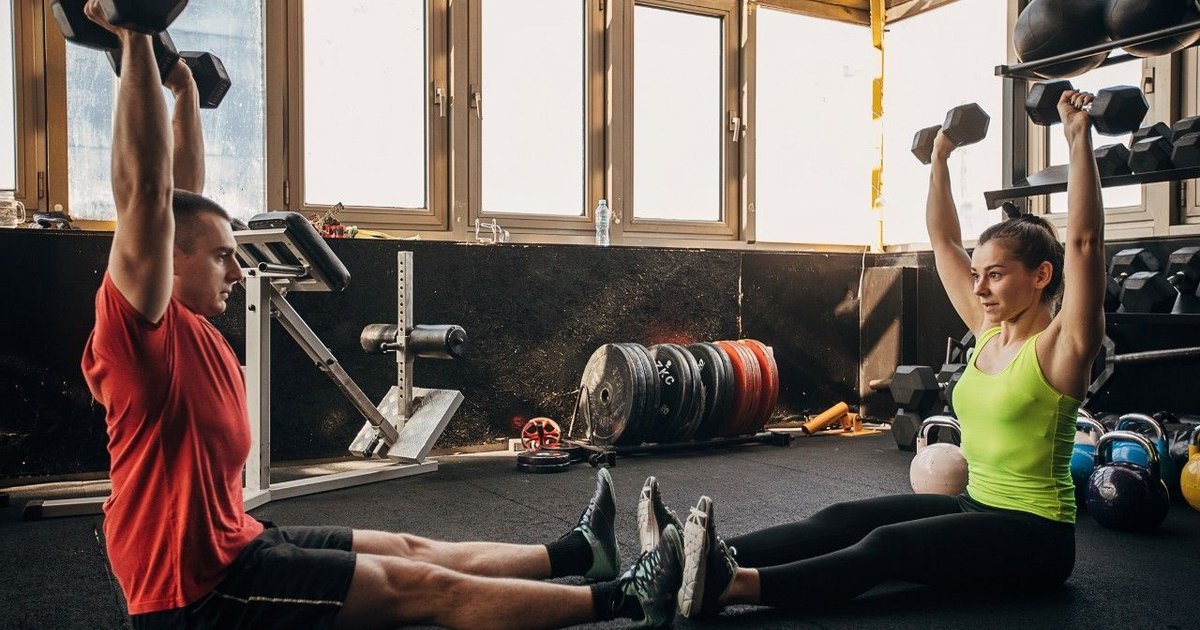
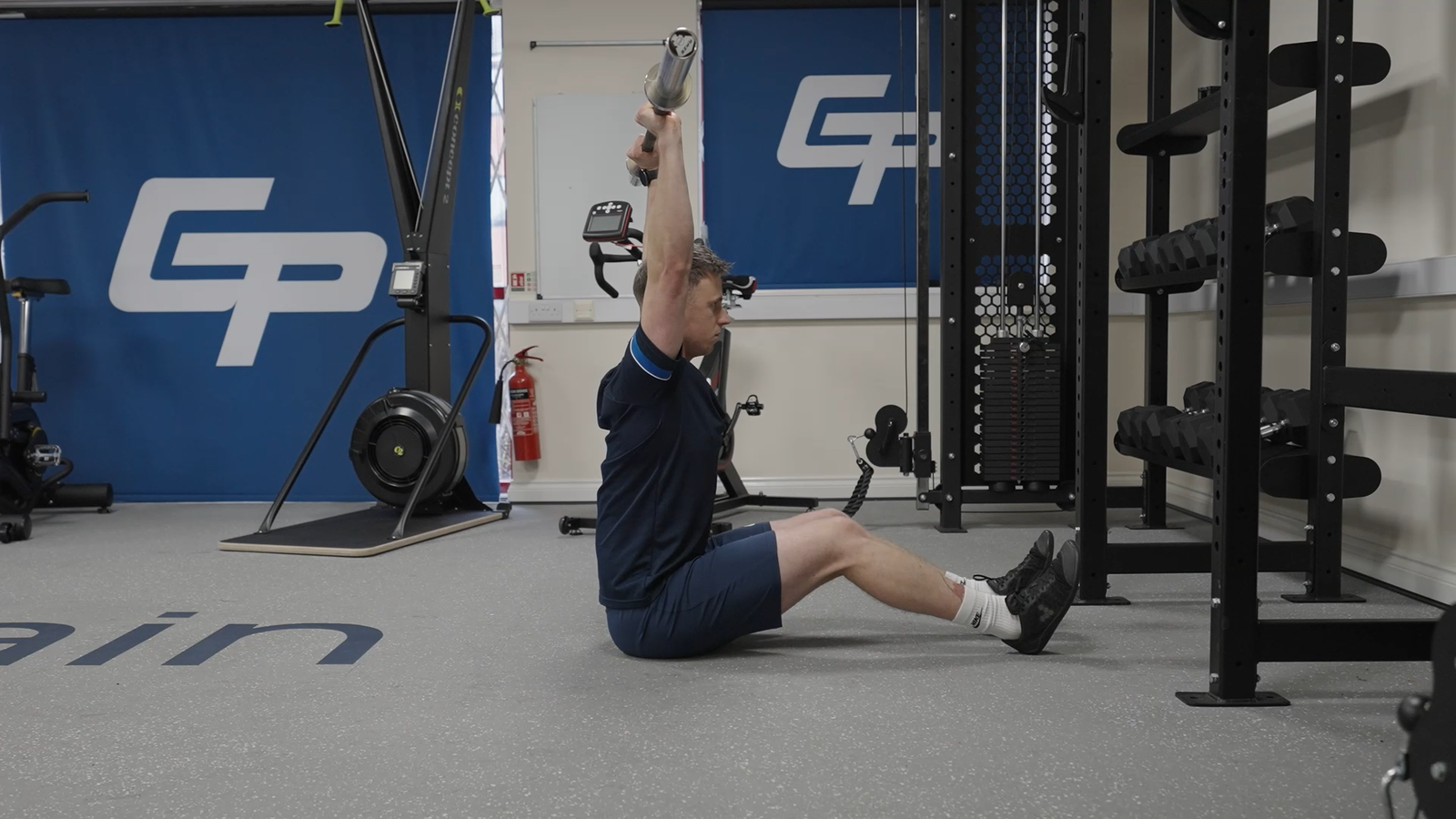
The Z press is an overhead press performed while you sit on the floor with your legs extended in front of you. There is no bench backrest, and your legs cannot dip to help the bar move. That makes the lift useful for practicing a strict press, but it also exposes a practical limitation: if you cannot sit upright comfortably, the position may stop the set before your shoulders are challenged.
A clean Z press is not a contest to lift the most weight from the floor. Its value is a repeatable combination of seated posture, bracing and a controlled overhead path. Start with the appropriate implement and an unracking setup you can exit safely, then judge each rep by the same standard.
1. Understand the shoulders-and-trunk challenge
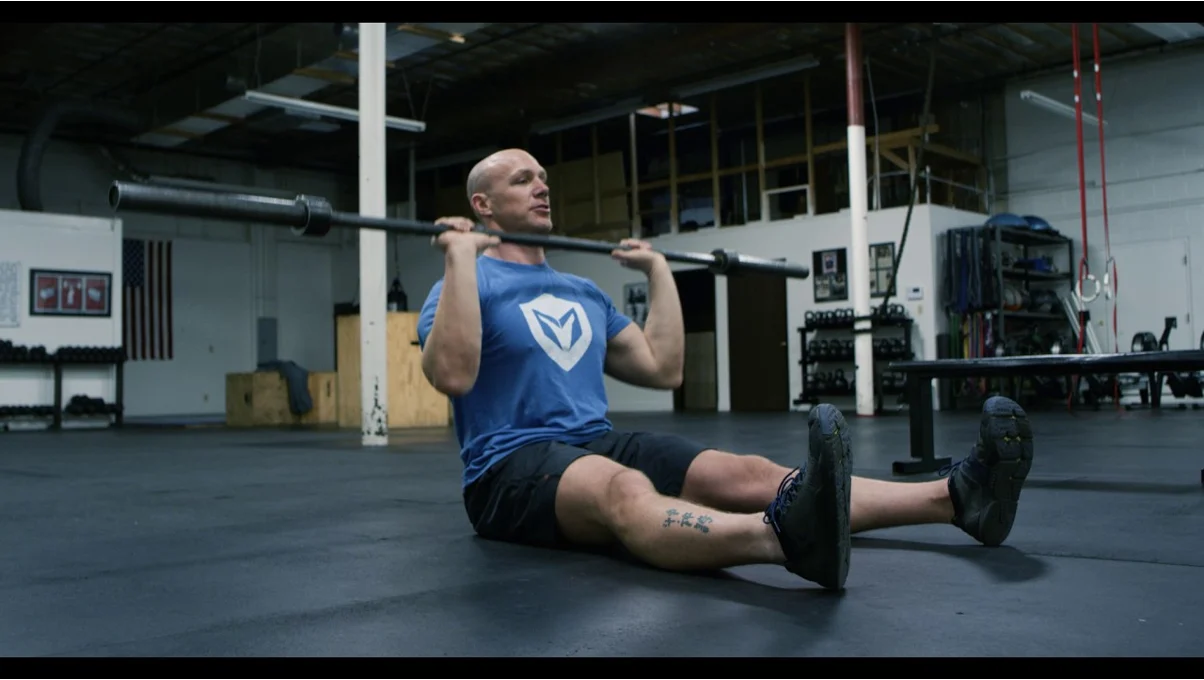
The shoulders and triceps still perform the pressing work. The deltoids drive the arms upward, the triceps extend the elbows, and the muscles around the shoulder blades help position the arms overhead. Meanwhile the abdominal wall, upper back and hips work to keep the torso from tipping. This does not make the Z press a replacement for every core exercise; it gives a shoulder exercise an unusually strict positional requirement.
Compare what happens during a standing press. You can shift your feet, soften your knees or lean backward when fatigue rises. Sitting on the floor takes away much of that freedom. If the torso rocks backward to send the bar up, you have effectively changed the task. The limiting factor may be trunk endurance, comfortable hip position or actual pressing strength; those are different things worth noting in a training log.
Leg position matters for balance, not for an imagined magic activation effect. Extend the legs comfortably, spread them slightly if needed and keep the heels on the floor. Your hamstrings do not need to be stretched aggressively. If the pelvis rolls backward and you cannot stack the ribs over the hips, using a folded mat or a small stable elevation under the hips is a more sensible starting point than loading a rounded posture.
2. Set rack height and start each rep safely
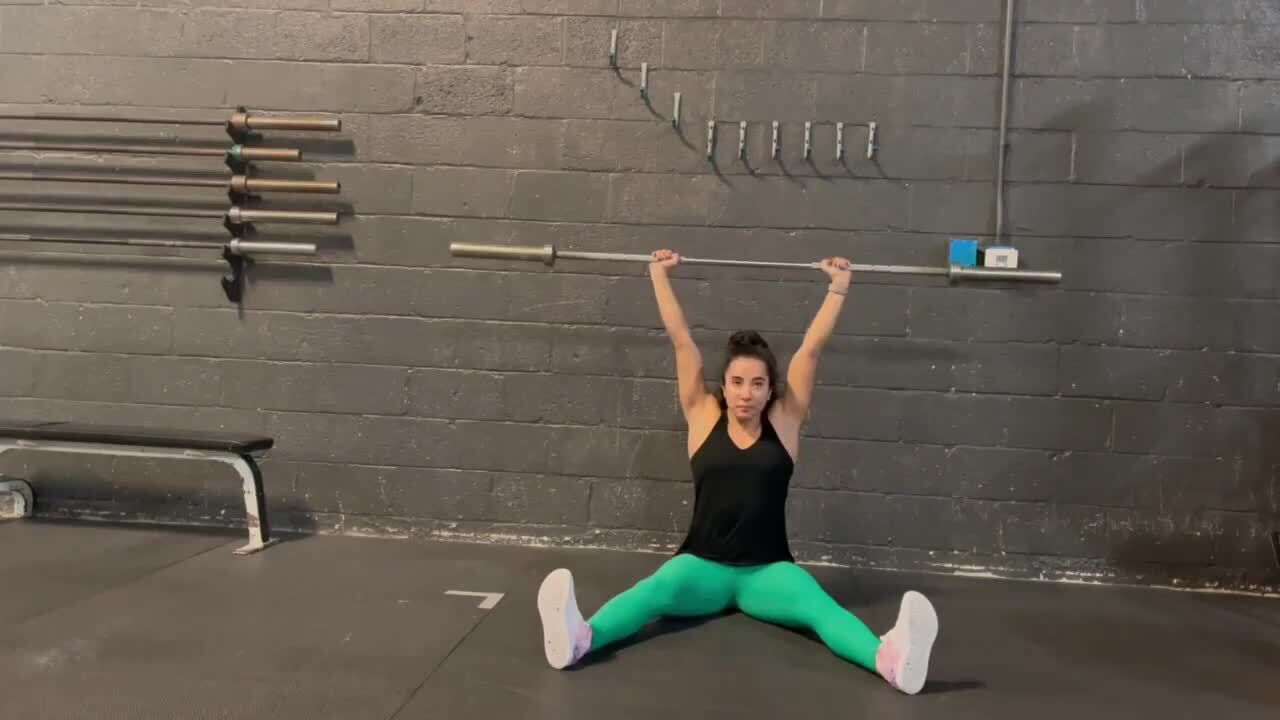
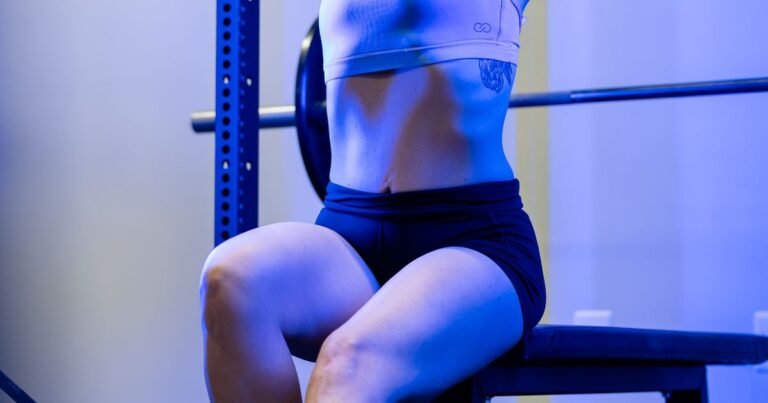
For a barbell Z press, use a stable power rack with safeties. Sit on the floor inside the rack before setting hook or pin height: standing shoulder height is completely wrong here. Position the bar near your seated upper chest or shoulder level so you can take it without a long forward reach. Make sure the supports can catch an unsuccessful repetition and that your legs have room clear of the uprights.
Settle with legs out, heels planted lightly and hands just outside shoulder width. Begin with an unloaded technique bar or another light implement; an empty standard bar may already be too heavy for a newcomer. Keep your elbows slightly forward of the bar, wrists close to straight and your chin neutral. Take a breath into the trunk and brace before lifting the bar clear of its supports.
The safest exit deserves as much rehearsal as the first repetition. Practice lowering the bar back onto the hooks or pins without reaching behind yourself. If the bar catches awkwardly, or the setup requires a dangerous clean from the floor, use light dumbbells or a kettlebell instead. Never assume that having a rack automatically creates a safe seated catch position.
Do not force a wide stance or a maximal stretch merely because pictures show straight legs. The important conditions are a steady seated base, room for the bar to travel and the ability to press without losing trunk position. Clear floor space, footwear that does not slip and moderate plate changes make the entire process less complicated.

Equipment Worth Exploring
Explore equipment, accessories and gear from our carefully selected range.


Foldable Wall Rack
Wall-mounted folding squat rack designed to save floor space between workouts.

Multi Pull Smith Rack MPHR-780
All-in-one rack with a Smith machine, functional trainer, lat pulldown and low row.


Competition Plates
Competition-style bumper plates for Olympic lifts and loaded strength training.

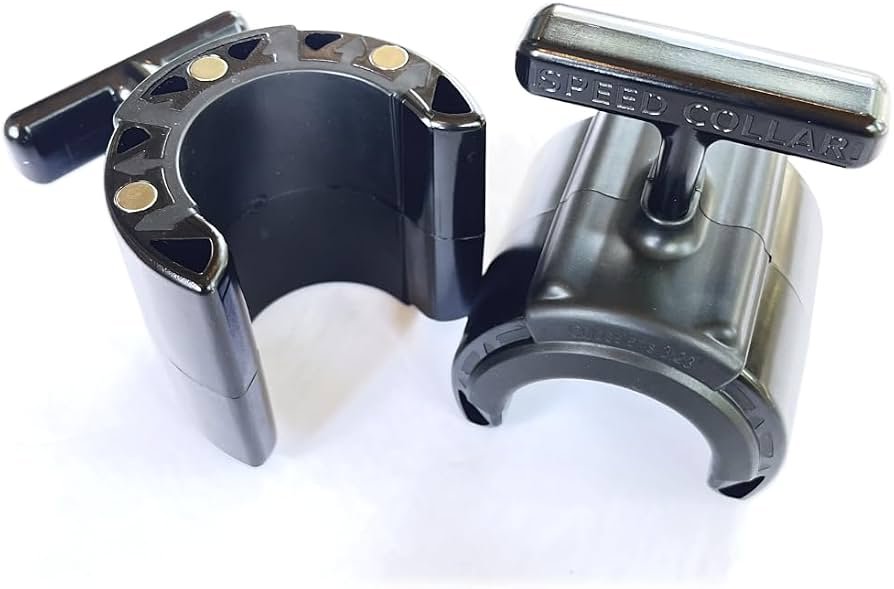
Speed Collar
Quick-release collars designed to secure weight plates on standard two-inch Olympic bars.
3. Press vertically without borrowing a backbend
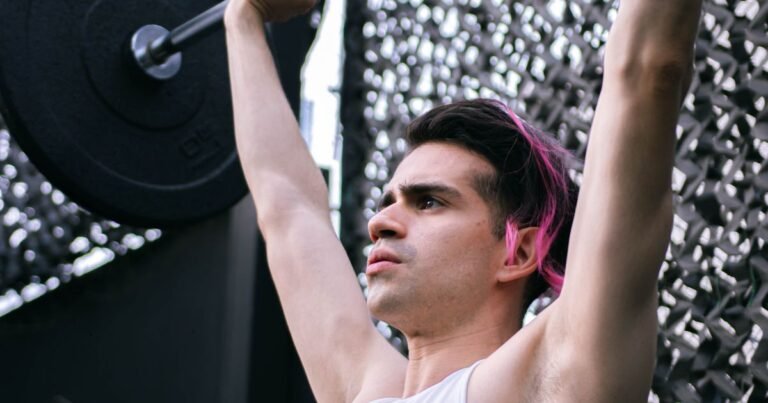
Initiate the rep with a tall torso and a steady brace. Move your chin slightly out of the bar’s path, then press upward while extending the elbows. As the bar clears your face, let your head return to a neutral position between your arms. At the top, the bar should be supported over the shoulders rather than far out in front, and your ribs should not flare sharply upward.
Lower the implement under control to the same front-rack height each time. The descent is part of the exercise, not a free fall. One or two smooth breaths between reps may be useful, but do not relax the entire torso while a heavy bar is overhead. Finish the set before the bar path wanders or your pelvis slides across the floor.
Three errors show up repeatedly. First, the lifter leans back until the press resembles an unsupported incline press; reduce weight or work on the sitting position. Second, the bar travels too far forward, making the shoulders and lower back compensate; start with a more appropriate grip and guide the bar close to the face. Third, a lifter presses from an uncomfortable cramped rack position; adjust the supports rather than fighting the apparatus.
Pain is not proof that the exercise is effective. If an overhead position produces pinching, sharp discomfort or an inability to control the shoulder, discontinue that variation and choose a tolerable alternative. A floor-seated press can be demanding even at low loads, and it is not an obligatory mobility assessment or rehabilitation drill.

Bodybuilding Shirts & Workout Gear
Bodybuilding shirts, tanks and gym gear for lifters chasing muscle, size, symmetry and the pump.


Smash Dumbbells Tee
Show some superhero attitude with a playful “Smash Dumbbells Like Hulk” tee.


Vitruvian Man With A Barbell Shirt – Leonardo Da T-Shirt
Show some powerlifting attitude with a playful “Vitruvian Man With A Barbell” tee.

Iron Is My Therapy – Gymbro Meme , & Gains Top T-Shirt
Bring “Iron Is My Therapy” humor to your next gym day.

Weights Breakfast Pancake Plates Morning Workouts T-Shirt
Keep things casual with a little “Weights For Breakfast” attitude.


4. Choose barbell, dumbbell or kettlebell variations
A barbell is most useful when you want both hands moving the same implement and you have a well-fitted rack. Its predictable hand spacing makes progress easy to log, but it also requires both shoulders to accommodate the same bar path. The rack matters: if the lowest comfortable hooks are still too high, a barbell Z press is not a good fit for that station.
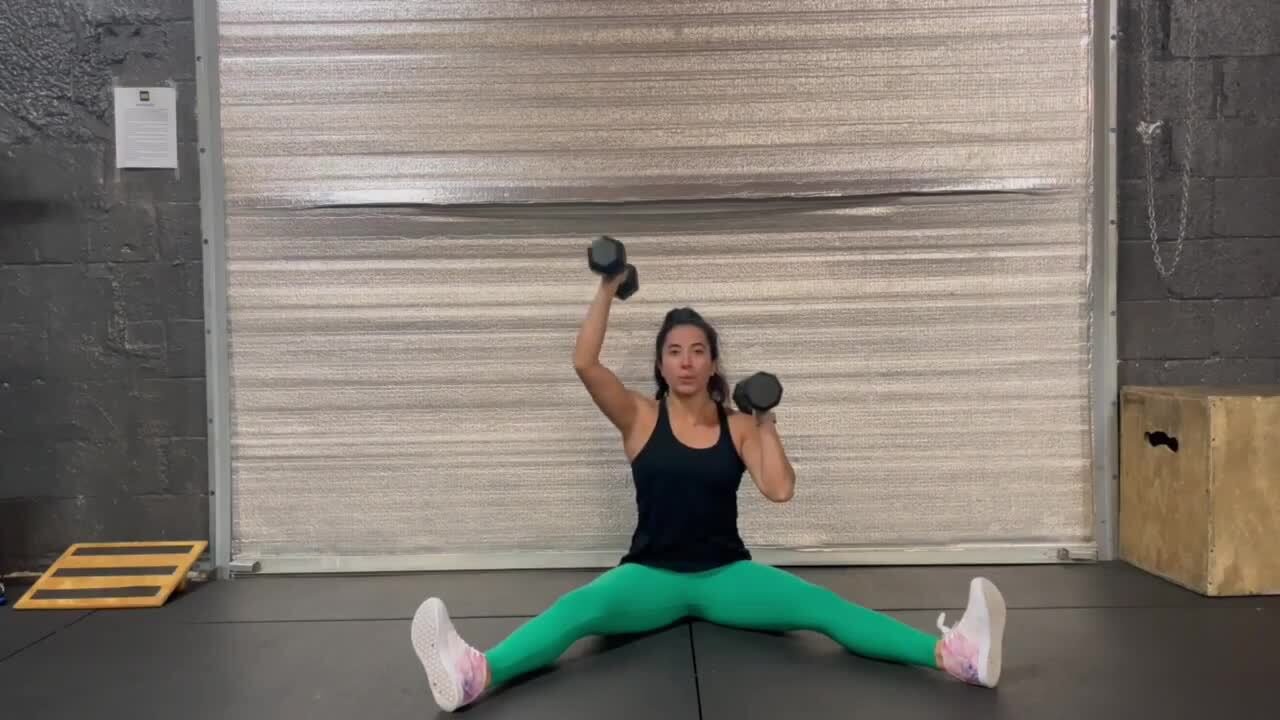
Dumbbells simplify getting started and allow the hands to rotate toward a neutral grip. They also ask each arm to stabilize independently. Sit down with genuinely manageable weights, bring them to the shoulders under control and avoid awkward attempts to kick heavy dumbbells from the floor into place. One dumbbell at a time can lower the total balance demand while increasing the need to resist rotation.
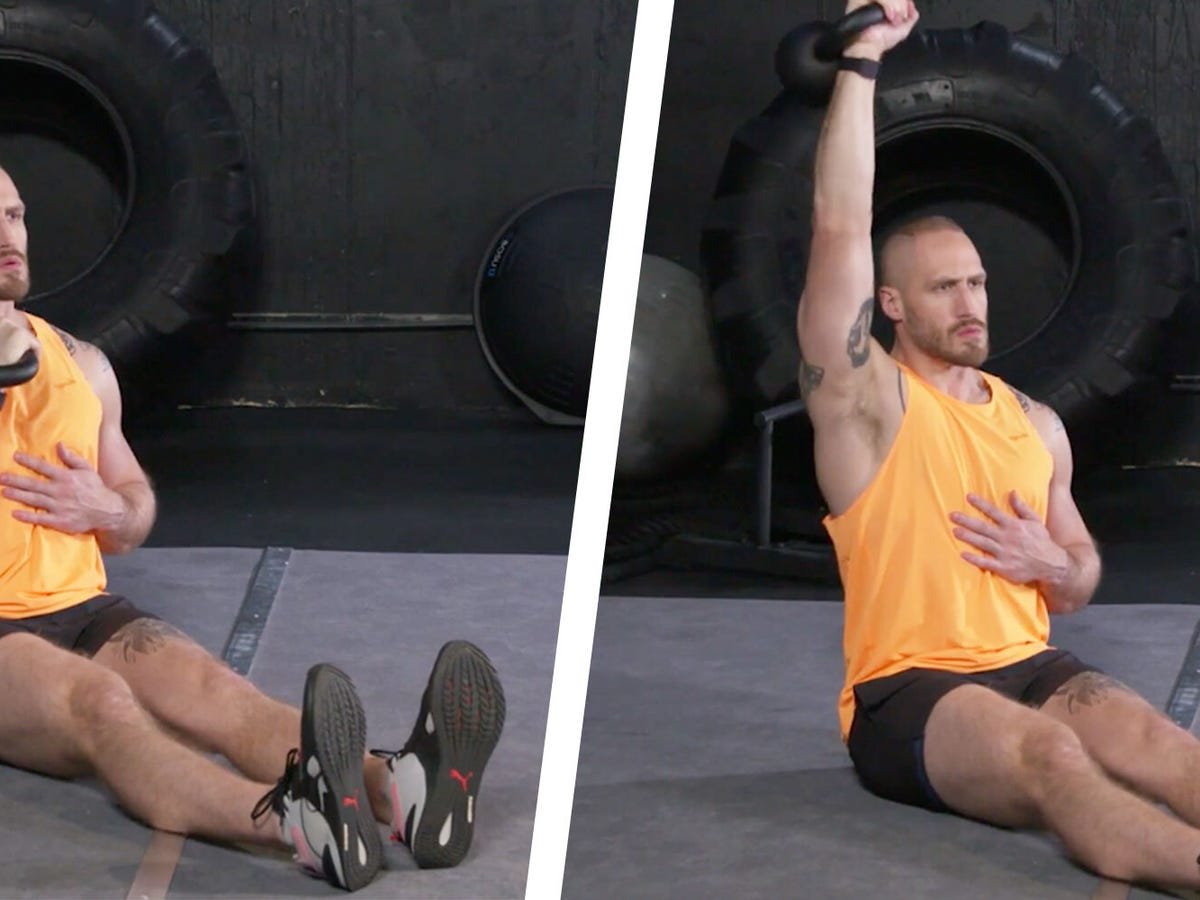
A kettlebell changes the center of mass relative to the hand and may suit a single-arm press if you already handle its rack position comfortably. Keep the forearm stable and do not let the bell swing toward your face. The single-arm version is a separate exercise in your log; comparing its kilograms directly with a two-hand barbell press is not especially useful.
Use a different variation when the sitting position, grip or overhead range is the limiting factor. A back-supported seated dumbbell press removes the floor-position demand; a standing strict press allows a different stance; and a landmine press travels on a diagonal rather than vertically. None is automatically easier or superior for every lifter. Select the one you can perform repeatedly with meaningful effort and without forcing painful motion.
Keep equipment practical. Small change plates allow finer increases than jumping a full dumbbell increment, and reliable collars matter when using a bar. A comfortable floor mat can help the sit bones without turning into a thick unstable cushion. Buying an attachment does not compensate for a poorly adjusted rack or rushed technique.
Equipment Worth Exploring
Explore equipment, accessories and gear from our carefully selected range.


Rubber Hex Dumbbells
Rubber-coated hex dumbbell pairs with a stable shape for home and commercial strength training.

Cast Iron Kettlebells
Textured cast-iron kettlebells for swings, squats, carries, and full-body training.


Grip Plates
Rubber-coated weight plates with handholds for loading barbells and machines.


5. Progress for six weeks without sacrificing posture
Train the Z press once or twice weekly, ideally before fatigue makes maintaining a tall seat difficult. Start with two or three working sets of six to ten controlled reps, resting around two minutes or longer if needed. Leave roughly two or three repetitions in reserve initially. This is a practical template, not a study-proven prescription unique to the Z press.
During weeks one and two, use a light load to establish a repeatable starting height, seat position and full but comfortable overhead lockout. In weeks three and four, aim to add a repetition per set while every rep looks similar. Only increase the load after reaching the top of your chosen rep range without leaning back. Keep the smallest weight increment available rather than making a large jump.
In weeks five and six, maintain the technique standard while adding a small amount of resistance or another clean set if recovery allows. Example: two sets of eight become two sets of ten; the next session you raise the load slightly and return to eight. If posture collapses, repeat the weight or remove a little rather than counting poor reps as progress.
Track four details besides the number on the bar: implement, seated position or elevation, start height and the first repetition on which torso position changes. Those notes make the exercise comparable across weeks. A failed rep due to falling backward is different from a rep that slows despite a stable torso, and the response should be different.