How much does the second or third working set actually buy you? If you train in a small home gym, the difference between one set and three sets per exercise can turn a quick session into an hour-long commitment. A 2026 randomized experiment gives us a useful comparison, but not permission to declare that everybody must triple their workload.
Thirty-four previously sedentary men were allocated to one-set training, three-set training, or a nontraining control group. The two training groups exercised twice weekly for eight weeks. Each session contained seven exercises, and the programs used the same broad exercise menu and a target intensity around 60-70% of estimated one-repetition maximum. The critical difference was the number of working sets: one group completed one set per exercise, while the other completed three.
1. The 34-man trial: what changed after eight weeks?
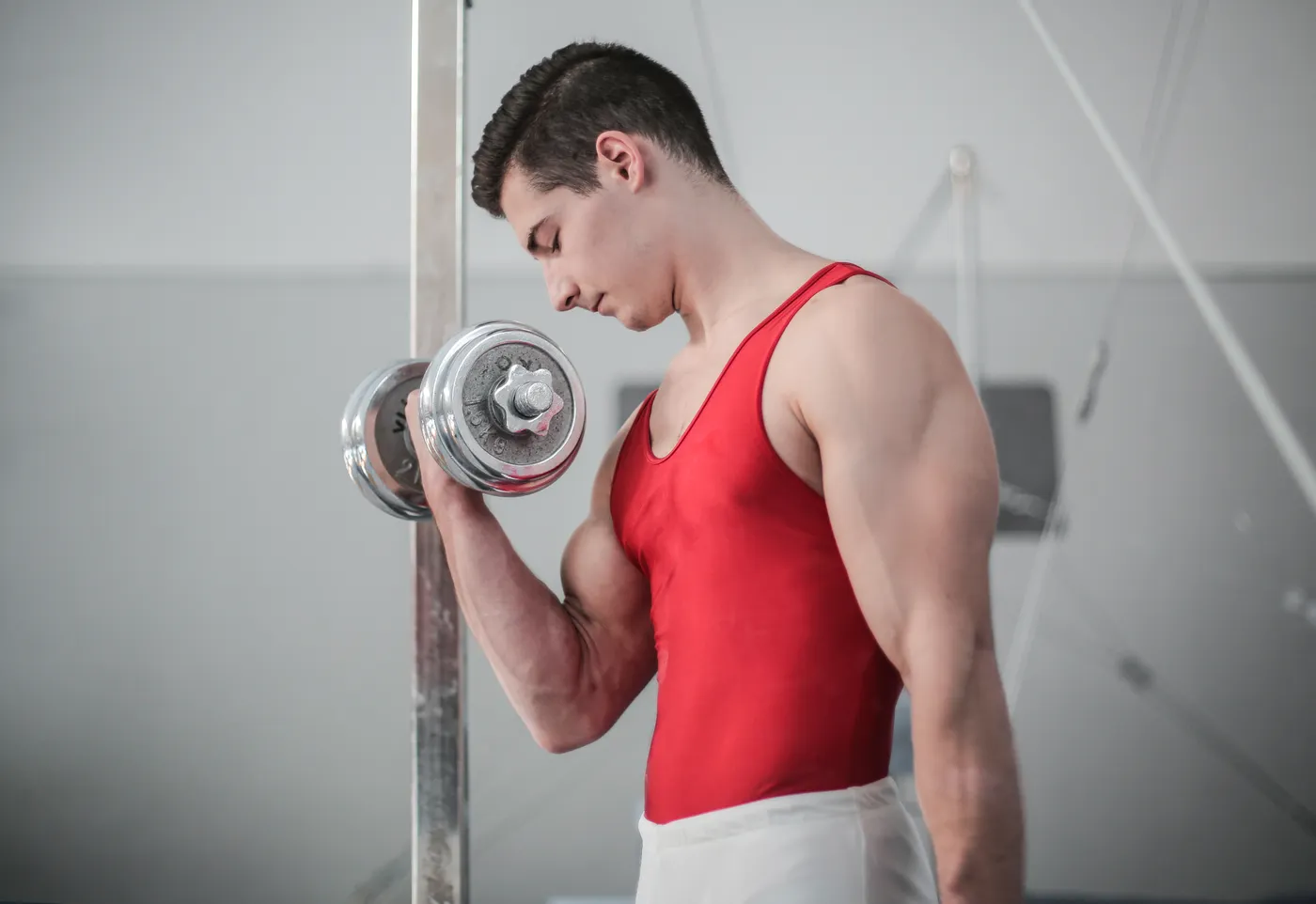
Both programs worked. The one-set participants improved multiple measures of strength and physical performance rather than remaining stuck at baseline. The three-set group generally gained more. Reported leg muscle cross-sectional-area changes were approximately 11.3% in the multiple-set condition versus roughly 6-8% in the single-set condition. The higher-volume group also posted stronger improvements on estimated bench-press and squat maximums, with reported gains of about 19.8% and 14.8%, respectively.
The researchers also measured jumping, short sprinting, medicine-ball throws, grip strength and an intermittent endurance test. Several favored the three-set condition, although not every comparison reached statistical significance. In particular, the between-training-group difference on the intermittent endurance measure did not cross the conventional significance threshold.
The sensible interpretation is straightforward: a small amount of progressive lifting can improve performance in beginners, while additional well-tolerated sets can create a larger training stimulus. It does not mean that three sets are universally optimal, that nine sets are better than three, or that an experienced lifter should copy a novice laboratory program without adjustment.
2. What the experiment can and cannot prove
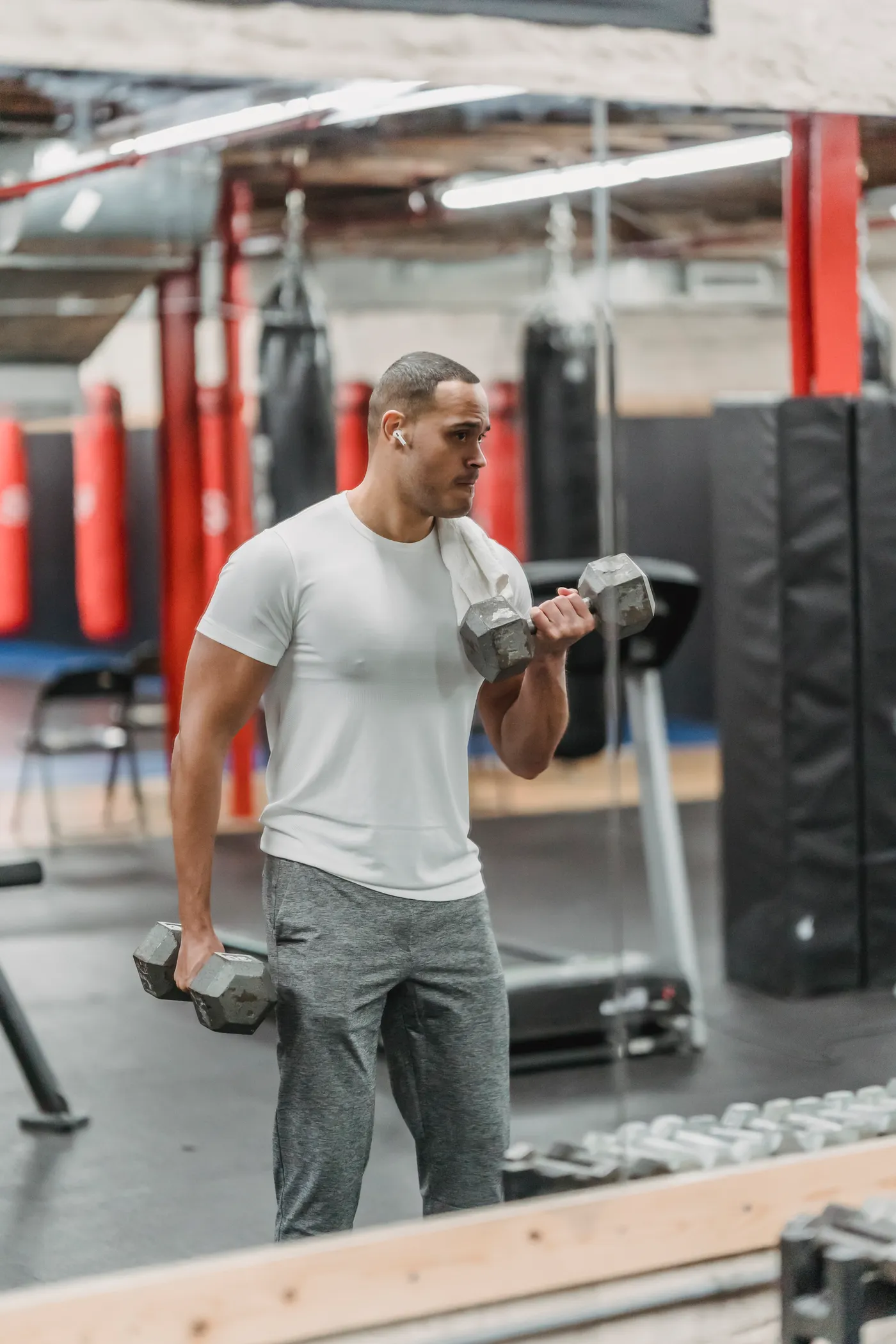
The comparison is compelling because the investigators assigned participants to groups and used an eight-week supervised training period. It also has boundaries. Only 12 men were allocated to the one-set condition and 11 to the three-set condition, with 11 controls. These were sedentary young men, not seasoned bodybuilders, older adults, women, or athletes already managing high weekly training volumes.
Seven exercises per session is a substantial menu for a beginner. Performing three sets of every exercise means 21 working sets rather than seven, a large difference in time and total work. The groups also used different between-set rest structures because the single-set group had no repeated sets within an exercise. Consequently, the result reflects a broader difference in training dose and session design, not a laboratory isolation of one magical extra set.
Another important distinction is the outcome being measured. Limb circumference, body composition estimates and cross-sectional measurements do not all describe exactly the same tissue changes. Early strength gains can also reflect better technique and neural adaptation. A larger bench-press improvement does not, by itself, establish that the chest muscles grew by the same percentage.
We should also resist extending eight weeks of novice data to years of training. More volume is not infinitely productive: extra work eventually costs recovery time and can reduce the quality of subsequent sessions. The question for a home lifter is not whether three is a lucky number. It is whether the next set provides enough additional stimulus to justify its fatigue and time cost.
That makes this experiment useful for setting expectations. One hard set can be a credible starting point. Two or three sets often provide a practical next step when technique is reliable, recovery is adequate and progress has begun to slow.
3. Weekly hard sets matter more than a universal per-exercise rule
A set is only a useful unit of training volume when we know what it contains. Ten casual repetitions with a load you could lift another twenty times are not equivalent to ten controlled repetitions that finish close to your current capacity. Range of motion, technique, exercise selection, rest and proximity to failure all affect the stimulus.
Longer-term research syntheses generally favor multiple sets over a single set for maximizing muscle growth on average. A classic meta-analysis of single versus multiple sets found an advantage for multiple sets, while a later dose-response synthesis reported a positive association between weekly set volume and hypertrophy. These are population averages, not individual guarantees.
More recent reviews add an important qualification: moderate and very high weekly volumes do not always separate clearly for every muscle group. One review of trained young men found no meaningful quadriceps or biceps advantage for more than twenty weekly sets compared with roughly twelve to twenty, although the triceps findings differed. It would be misleading to convert those results into an absolute cap or a universal minimum.
Count direct work first. A chest press is a clear chest set, and a row is a clear back set. The triceps and biceps also contribute to those movements, but counting every indirect set as one full isolation set can inflate your totals. Track a consistent definition and compare your progress over several weeks instead of chasing a mathematically perfect score.
For a compact home gym, the practical approach is to begin with a recoverable number of hard sets, keep technique consistent and add a little volume only when you have a reason. If your strength, repetitions and measurements are already improving, more sets may simply make a good program longer.

Equipment Worth Exploring
Explore equipment, accessories and gear from our carefully selected range.


VOLTRA
Compact digital cable trainer with smooth, adjustable resistance.

Go-Tone Pro
Portable digital cable trainer with up to 66 lb (30 kg) of adjustable resistance.


4. A one-set full-body plan for busy beginners
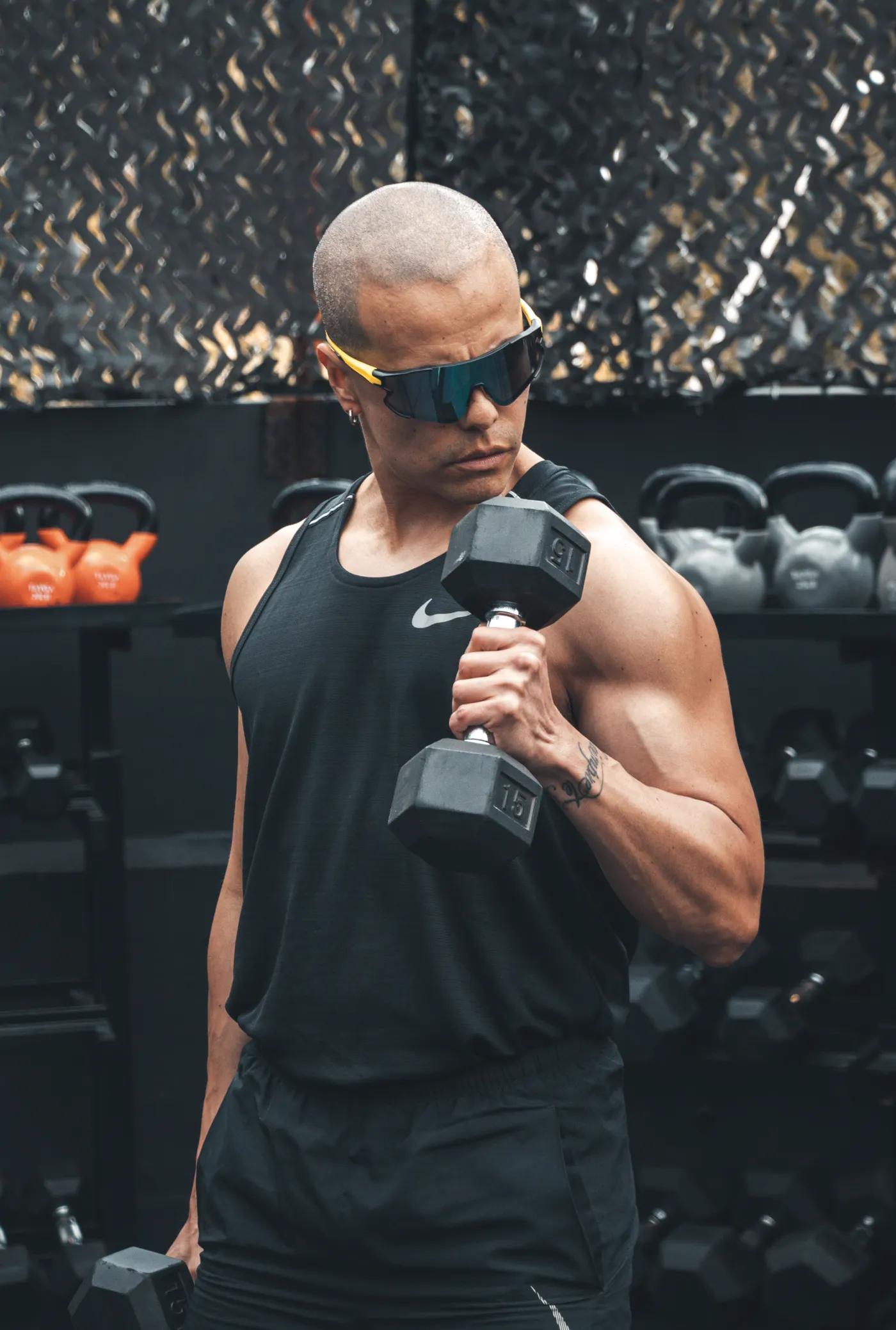
One-set training makes sense when the biggest obstacle is consistency. A session you actually complete twice per week is more useful than an ambitious four-day plan that you abandon after ten days. The study’s beginner results support the idea that a small progressive dose can work, even though a larger dose may deliver greater average gains.
Try two nonconsecutive full-body days. On Day A, use a squat or supported split squat, a horizontal press, a row, a hip hinge and an optional curl or triceps exercise. On Day B, use a leg press or lunge, a pulldown or assisted pull-up, a shoulder-friendly press, a hamstring movement and a trunk exercise. Perform one controlled working set of about eight to twelve repetitions for each movement after appropriate warm-up sets.
Choose a resistance that leaves roughly two or three good repetitions in reserve. A beginner does not need to grind to failure to prove that the set counted. Focus on stable foot pressure, a controlled lowering phase, a repeatable range and the ability to stop when form deteriorates. Rest long enough that the next exercise does not become a breathless compromise.
Log the load, repetitions and a short note about effort. If a movement reaches the top of its repetition range with clean technique in two consecutive sessions, make a small load increase. On a cable machine, a tiny weight change can be enough. On fixed dumbbells, adding a repetition before jumping to the next pair may be the better progression.
After two or three weeks, evaluate the plan. If you are recovering well and want more muscle or strength, add a second set to one or two priority movements. You do not have to triple the entire workout overnight. The purpose of a minimal plan is to build a reliable base from which more demanding training can grow.

Functional Fitness Shirts & Workout Gear
Functional-fitness shirts, tanks and workout gear for athletes who train strength, conditioning and everything in between.

Forged in the Gym Tee
Show some lifting attitude with a playful “Forged in the Gym: Hephaestus God of Fire” tee.

Viva La Resistance Bands , Meme Shirt, Top T-Shirt
Make gym days more fun with “Viva La Resistance Bands” style.


HYROX High Rocks Functional & CrossFit Tank Top
Your gym-day look, with a playful “HYROX High Rocks” twist.

Break the Stereotype Tee
Show some gym-girl attitude with a playful “Break The Stereotype Gym Girl” tee.

Vitruvian Kettlebell Tee
Heavy lifts, good laughs, and a little “Vitruvian Man With Kettlebells” energy.


High Rocks HYROX Decal Water Bottles, Laptops & Sticker
A fun “High Rocks” touch for bottles, laptops, and lockers.
5. When two or three sets are worth the extra time
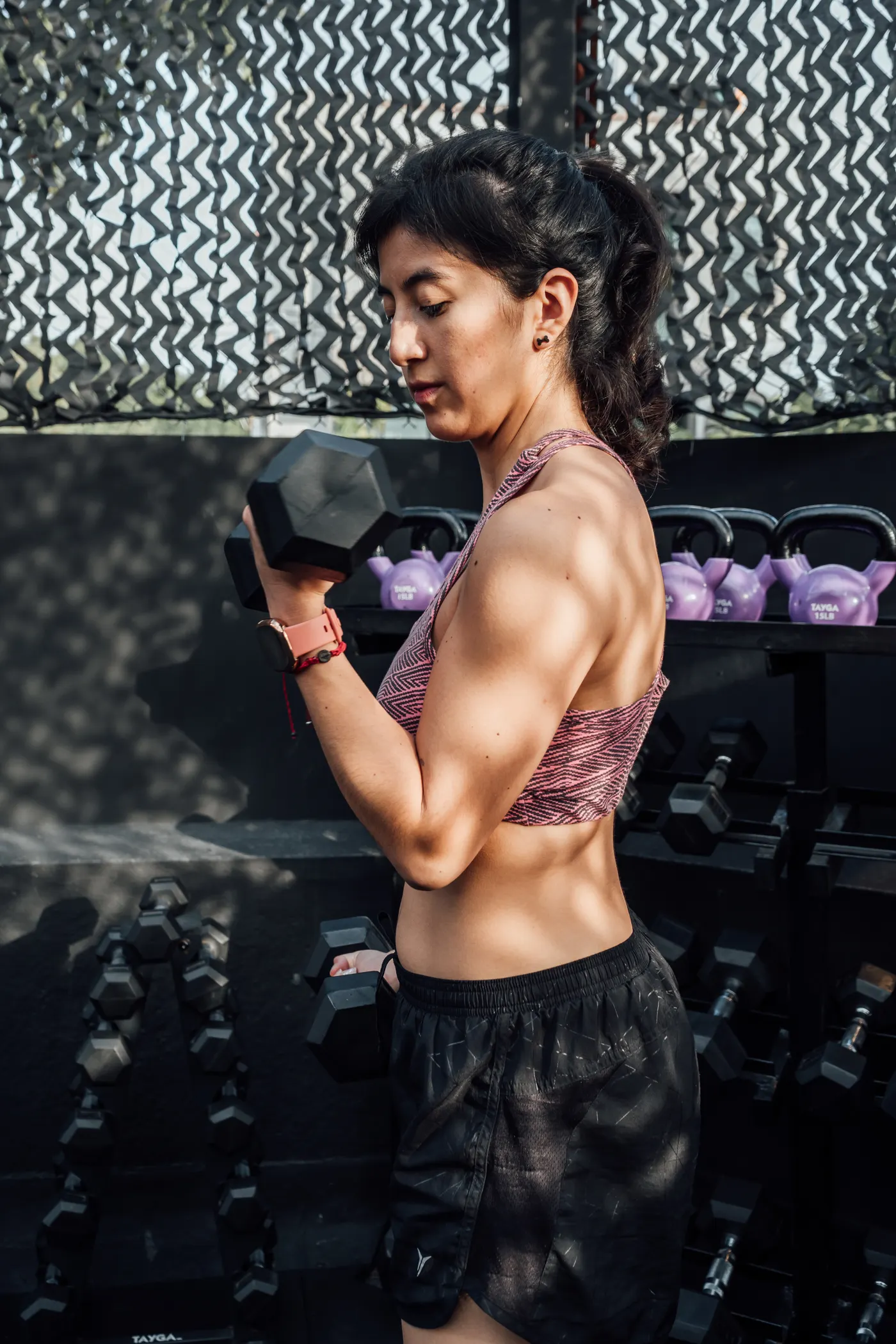
Additional sets become attractive when you can execute the movement well, the first set is no longer a novel challenge and your schedule supports more work. A second hard set can provide more productive repetitions without requiring another exercise, another attachment or another training day. A third set can make sense for a lagging muscle group or a lift you want to improve specifically.
Prioritize instead of distributing extra volume indiscriminately. If upper-back development is your goal, adding a row or pulldown set may be more useful than another set of calf raises. If you want a stronger bench press, practice the press more often or add a high-quality pressing set while keeping your shoulders and elbows comfortable. The same reasoning applies to legs and posterior-chain work.
Rest sufficiently between demanding sets. Short rests can make a workout feel intense, but they can also reduce the repetitions or load you achieve on later sets. For most compound lifts, two or more minutes is a reasonable starting point. Smaller isolation exercises can often tolerate shorter rests, provided the performance and technique remain stable.
Watch the cost of adding work. If the third set regularly forces your next session to be lighter, or if soreness and joint irritation accumulate, the net benefit may be small. On the other hand, if the extra set is completed with consistent technique and you recover normally, it may be a productive investment.
The right number is therefore a range rather than a command. One set is a minimum-dose tool; two or three sets are common, manageable ways to raise the dose. More sets should be earned through demonstrated recovery and a clear training objective, not added merely because a template says more is always better.
6. Build a two-day home-gym program without wasting space

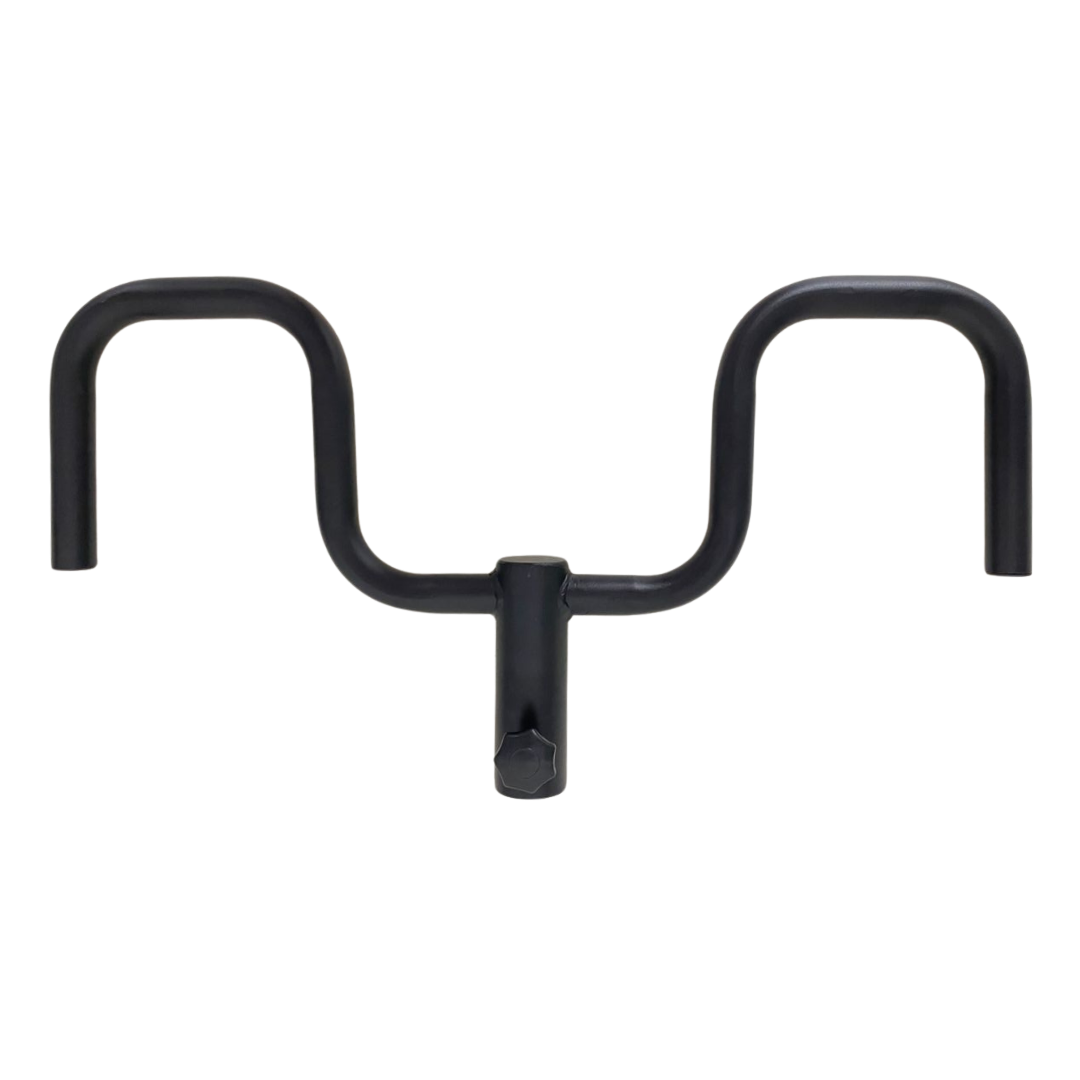
A rack, adjustable bench, dumbbells and a compact cable system are enough to reproduce the basic movement patterns from the experiment. You do not need seven separate commercial machines. A goblet squat or rack squat covers knee-dominant work, a dumbbell Romanian deadlift covers a hinge, and a cable row or pulldown covers pulling. Pressing can be done with dumbbells, a barbell or a cable handle depending on your setup.
For Day A, choose squat, bench or floor press, row, Romanian deadlift, lateral raise and cable pushdown. For Day B, choose lunge, pulldown, overhead or incline press, hamstring curl substitute, hammer curl and a controlled abdominal movement. Six movements are plenty. Warm up each large lift with one or two lighter sets, then perform the planned working sets.
Weeks one and two can use one working set for every exercise. In week three, add a second set to the first two movements of each day. In week four, keep that structure if progress is good, or add a third set to just one priority movement. This is a practical experiment, not a claim that a four-week program reproduces an eight-week clinical trial.
For each set, write down load, completed repetitions and estimated repetitions left in reserve. Keep the exercise order stable. If you add a new movement and extra sets at the same time, it becomes harder to understand what changed. Use the same bench angle, cable height and range of motion whenever possible so your logs reflect progress rather than equipment variation.
Small spaces reward simplicity. One good cable station can handle several pulling and arm exercises, and adjustable dumbbells can cover pressing, hinges and lunges. The best equipment is the equipment that lets you train safely, repeatably and with enough incremental load options to progress.
Equipment Worth Exploring
Explore equipment, accessories and gear from our carefully selected range.


FID Bench MAX
Adjustable bench offering flat, incline, and decline positions + adjustable headrest.



7. A four-week set-volume audit: keep what actually works
Start with a baseline. Record how many working sets you complete per major movement pattern, how long the workout takes and whether your final repetitions stay controlled. Track one representative strength marker, such as the load and repetitions on a squat or row, and one recovery marker, such as how ready you feel at the next session.
In week one, do not change everything. Establish consistent exercise technique and effort. In week two, repeat the plan and look for small improvements in repetitions or control. In week three, add one extra set to the muscle group or movement that matters most. In week four, compare performance, time and recovery with your baseline.
Keep the added set if it produces useful work without making the rest of the program worse. Remove or redistribute it if it simply increases fatigue, makes your elbows or shoulders unhappy, or turns a sustainable session into something you dread. A single poor workout is not enough evidence to make a dramatic change; look for a pattern across several sessions.
Experienced lifters should be especially cautious about applying beginner percentages directly. A person who already trains a muscle with twelve hard weekly sets is not in the same position as a sedentary person completing one set twice per week. Additional volume may have smaller returns and higher recovery costs at that stage.
The takeaway from the 34-man experiment is not that one set is useless or that three sets are magic. Both approaches improved performance over eight weeks, and the higher-volume group generally improved more. Start with the dose you can sustain, make the working sets count, and increase volume only when your goals, progress and recovery justify it.
Bodybuilding Shirts & Workout Gear
Bodybuilding shirts, tanks and gym gear for lifters chasing muscle, size, symmetry and the pump.


Smash Dumbbells Tee
Show some superhero attitude with a playful “Smash Dumbbells Like Hulk” tee.


Hell'S Dumbbells Shirt AC/DC Rock Music & Gymbros T-Shirt
Make gym days more fun with “Hell's Dumbbells” style.

Right To Bare Arms George Washington Hooded Hoodie
Bring “Right To Bare Arms” gym humor to lazy days and post-workout plans.

Smash Weights She-Hulk Girls & Meme Hoodie
Show off your superhero humor in a laid-back “Smash Weights” hoodie.

Dost Thou Even Hoist Sir? – Water Bottles & Gear Sticker
Put “Dost Thou Even Hoist Sir?” gym humor on your laptop, bottle, or gym gear.