Should you stretch before a heavy workout, or save the long holds for later? The useful answer is not that one type of stretching is good and the other is bad. It depends on whether you need to move more freely right now, produce maximum force in the next few minutes, or build flexibility over several weeks.
A 2026 synthesis examined 23 studies involving 627 athletes in sports with substantial range-of-motion demands. Static stretching generally increased flexibility more than dynamic movements, but longer holds sometimes came with small immediate performance reductions. Dynamic preparation offered smaller flexibility changes and tended to preserve or modestly improve performance. Those are averages, not promises for every lifter, and many included studies were judged to have methodological limitations.
For strength training, the practical question is how to combine general warming, movement-specific rehearsal and targeted flexibility work without wasting time or arriving at the first heavy set feeling flat. Here is a useful way to do it.
1. What the 23-study comparison actually tested
The review covered athletes from activities such as gymnastics, dance, wrestling, swimming and track and field. These are not interchangeable with recreational bodybuilding or powerlifting populations. A gymnast needing extreme hip range may benefit from a different warm-up than someone preparing for a heavy bench press. That distinction matters whenever findings are applied to the weight room.
The investigators compared static stretching, dynamic stretching, combinations of methods and some proprioceptive neuromuscular facilitation protocols. Outcomes included measured range of motion and performance tasks. Results were pooled or summarized across heterogeneous protocols, with different joints, test methods and durations. In other words, the research does not identify a universal warm-up that maximizes every strength, speed and flexibility outcome.
Of the 23 included studies, 15 were rated low quality. That is an important reason to treat small percentage differences as directional evidence rather than a precise prediction for your next workout. A movement that feels comfortable and improves your squat setup can still be useful even if the average jump test in a separate population moved slightly in another direction.
Keep three outcomes separate: immediate joint range, immediate force or speed, and long-term adaptation. Stretching can affect one without necessarily changing the others. A more flexible hamstring today does not prove faster sprinting tomorrow; a better squat position does not automatically mean stronger muscles six months later.
2. Static, dynamic and combined stretching are different tools
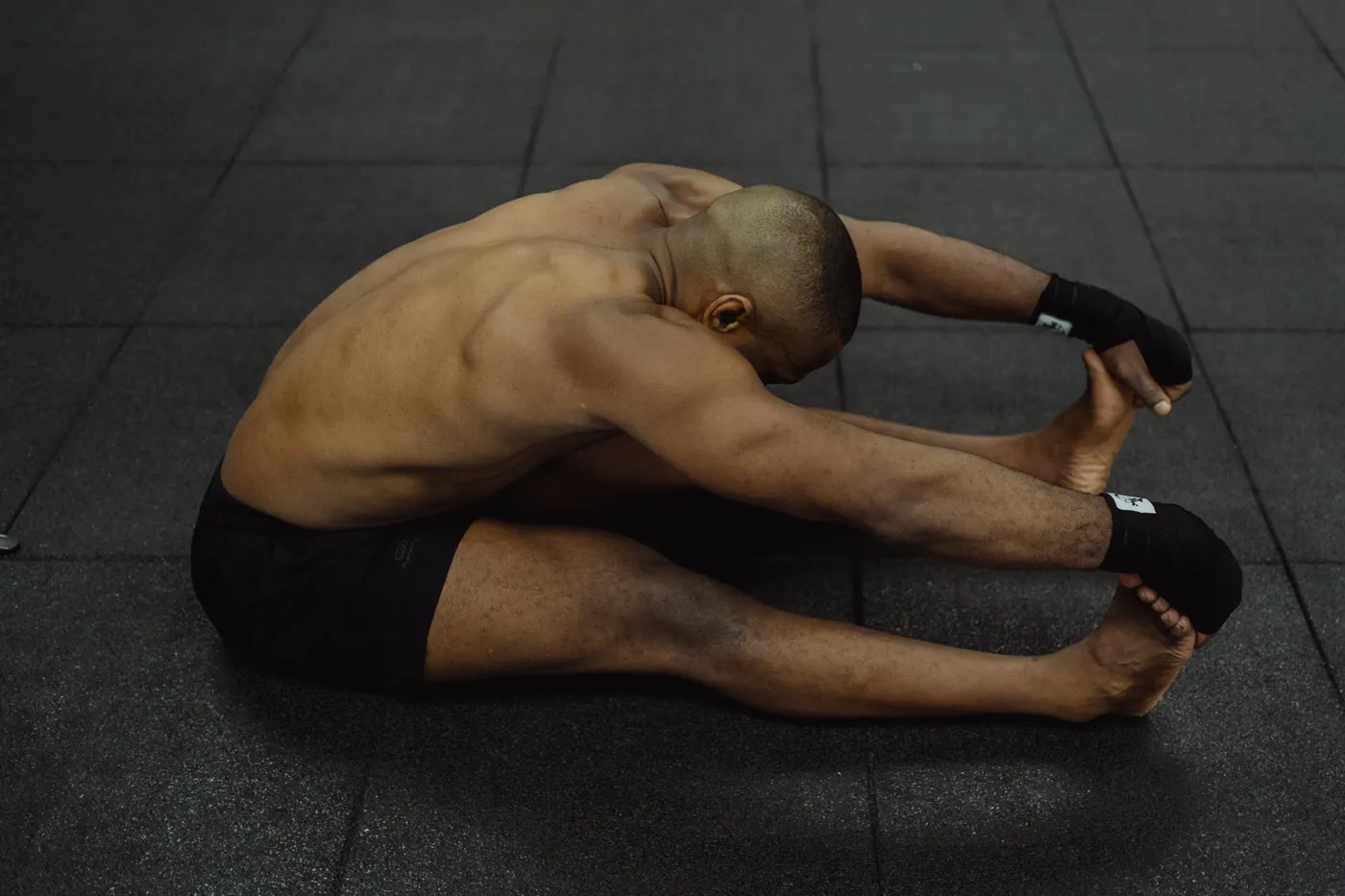
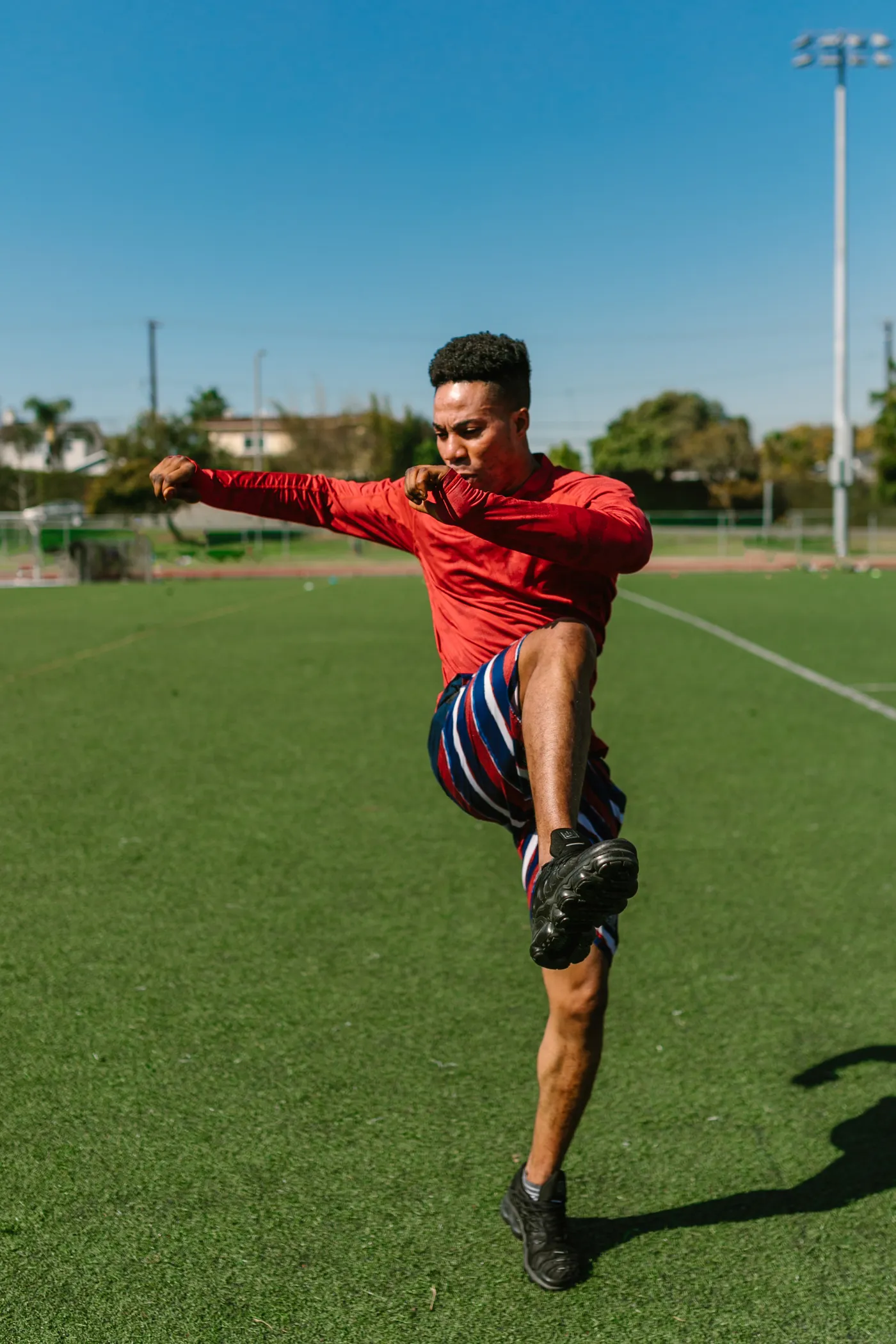
Static stretching means moving into a position and holding it without bouncing. A supported calf stretch, a hip-flexor hold or a seated hamstring stretch are familiar examples. Dynamic stretching moves deliberately through a useful range: leg swings, walking lunges, arm circles or controlled deep squats. Neither category describes intensity, quality or purpose by itself.
In the 2026 synthesis, static protocols averaged about a 2.97% pre-to-post flexibility increase, while dynamic protocols averaged about 0.77% relative to control conditions. These figures come from different comparison frames, so they should not be treated as a clean head-to-head score. The general pattern is more reliable than pretending the decimal places are universal.
Static stretching showed a small negative average immediate performance change in some pre-to-post analyses, approximately 0.88%, whereas dynamic stretching showed a small positive change of about 0.55%. Combined approaches also showed small positive average changes. The measures included different athletic tasks, and results were not uniformly significant across studies. The size of a reported effect and the certainty of that effect are separate questions.
The practical interpretation is straightforward: use dynamic movement to prepare for demanding lifts or fast movements, and use sustained holds when increased range is the main objective. A brief static hold for a specific restriction is not forbidden before training. It simply should not replace the rest of a proper warm-up, especially before maximal or explosive work.
Think of the warm-up as a sequence rather than a contest between two stretching labels. Raise body temperature, rehearse the joints and movement patterns, then gradually approach the working load. Reserve the most demanding flexibility sessions for a time when immediate peak performance is not the priority.
3. Stretch duration matters more than the slogan
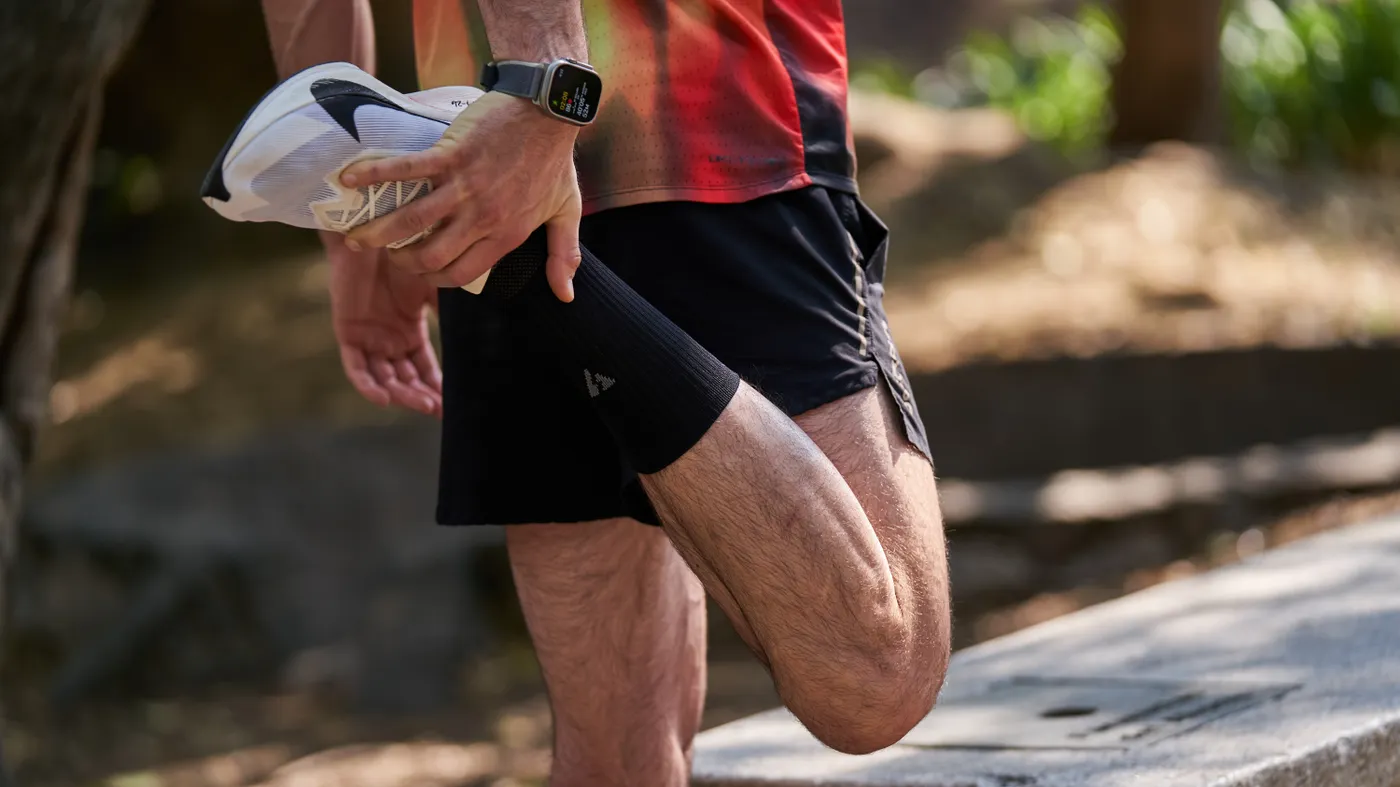
A short hold and a prolonged stretching session can produce different immediate effects. In the athlete review, stretching periods longer than 60 seconds were associated with larger flexibility changes, but also small average performance declines in pre-to-post comparisons. Shorter protocols produced smaller range-of-motion changes and generally trivial immediate performance effects. This does not mean 61 seconds suddenly becomes harmful; duration is a continuous variable, not a magic cutoff.
Intensity matters too. A stretch that produces a mild pulling sensation is different from forcing a joint to the edge of pain. More discomfort is not proof of a better stimulus. If your breathing becomes strained, you are guarding against the position, or you feel sharp pain, reduce the range. For people with a history of injury, the right modification may require an individualized clinical assessment.
Consider a lifter who cannot comfortably reach a squat depth because the ankles feel restricted. Thirty seconds of gentle calf stretching followed by controlled ankle rocks, unloaded squats and progressively heavier warm-up sets may be more useful than five minutes of aggressive holds immediately before the first heavy attempt. The improvement is judged by the actual squat, not by how dramatic the stretch feels.
For a lifter who already moves comfortably, there is little reason to add a long passive flexibility block to every session. A few minutes of general movement and specific ramp-up sets may be sufficient. Time is a training resource: if a warm-up consumes so much of it that the main workout suffers, its design deserves scrutiny.
For dedicated flexibility training, the dosage is different. A broad analysis of 189 studies found that improvements tended to plateau around four cumulative minutes per muscle group in one acute session and ten minutes per week for longer-term flexibility. Those are evidence-informed reference points, not mandatory minimums for every person.

Equipment Worth Exploring
Explore equipment, accessories and gear from our carefully selected range.


GymPin Squat Wedges
Non-slip 15-degree squat wedges help elevate the heels for deeper quad-focused squats.


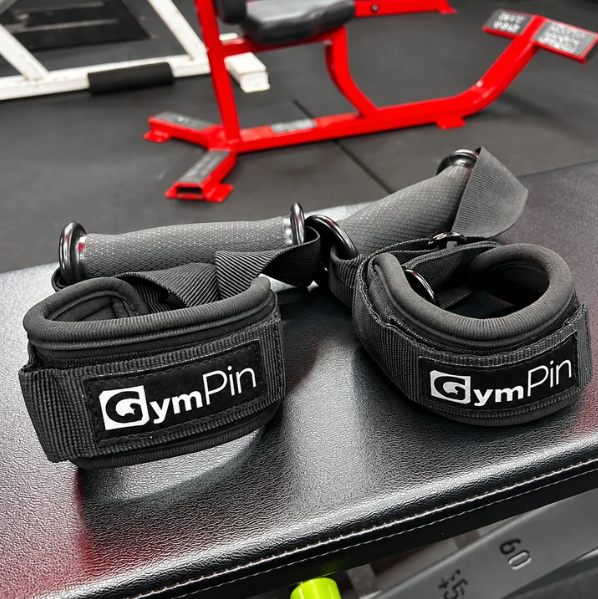
GymPin D Cuffs
Adjustable wrist cuffs with textured grips for supported cable-machine exercises.


Angles 90 Grips
Flexible grip attachments that allow natural wrist movement during pulling exercises.


4. Prepare for squats, presses and hinges with the movement you will perform
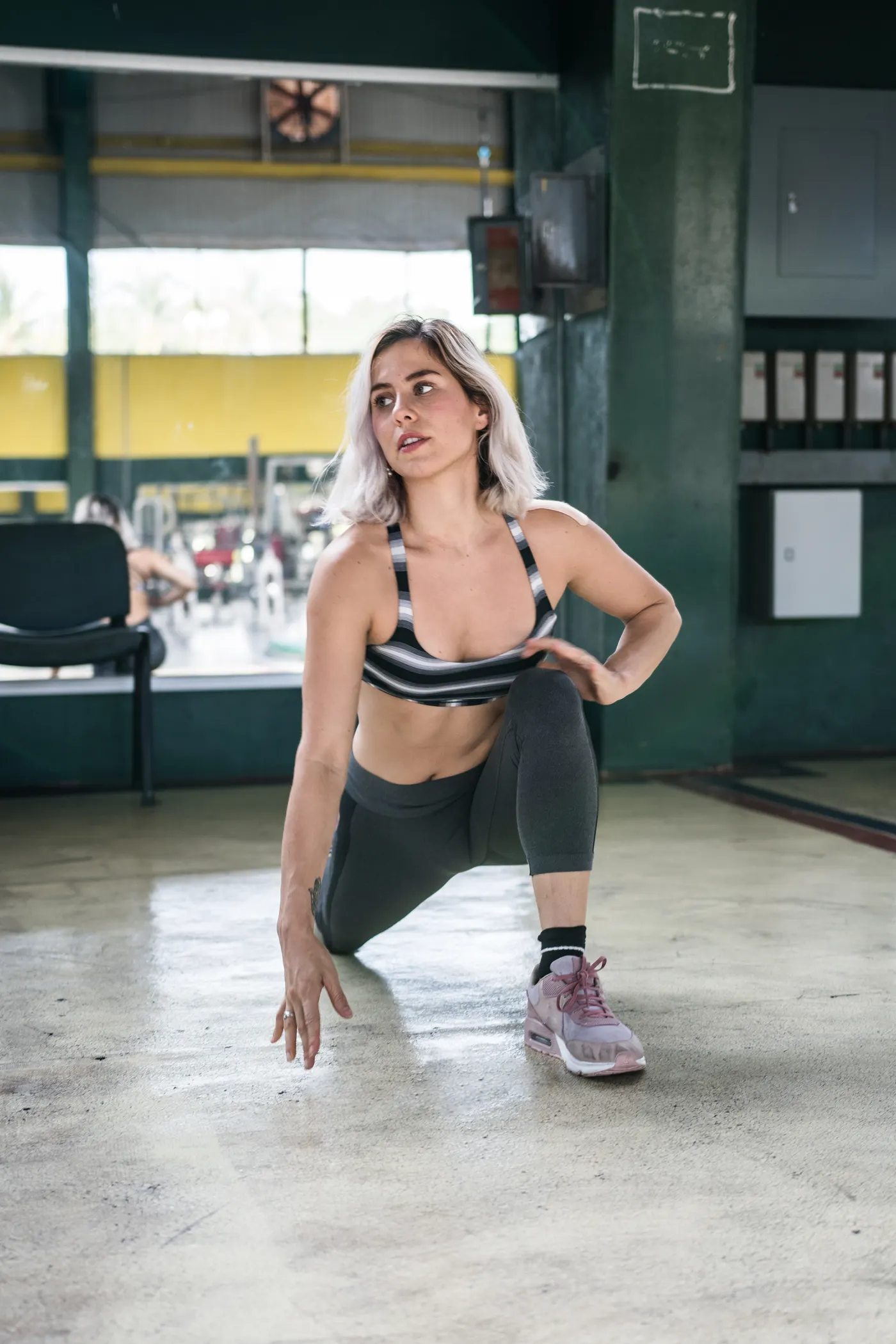
Start a lower-body day with three to five minutes of easy movement: walking, cycling, a light row or unloaded squats. Then choose one or two mobility drills based on the actual movement you are about to perform. If the ankles are limiting your squat, try controlled knee-over-toe rocks. If the hips feel stiff in a hinge, try a slow bodyweight hinge with hands on the hips and a pause near the end of your comfortable range.
For squats, progress from bodyweight repetitions to an empty bar and then several increasingly heavy sets. A possible sequence before a moderate working weight is five easy empty-bar reps, five reps around half the planned load, three at roughly three quarters and one or two near the working load. Adjust the steps for your strength level and the day. This is rehearsal, not fatigue training.
For upper-body pressing, combine easy shoulder circles, controlled scapular movement and light presses or push-ups. The purpose is to establish a comfortable path and stable shoulder position. Long, intense shoulder stretching immediately before a maximal press is not necessary for most lifters. If a position consistently hurts, do not force it in the name of mobility; change the exercise or seek professional assessment.
For deadlifts and rows, rehearse bracing and the hip hinge rather than trying to maximize hamstring range at all costs. The goal is a strong starting position with a repeatable spine and hip relationship. If you are already mobile enough to set up correctly, more passive range does not automatically improve lifting mechanics.
A useful warm-up leaves you feeling coordinated and ready, not exhausted. If the first work set is slower than usual after a lengthy stretching routine, test a shorter protocol next session while holding the main exercise and load reasonably constant.

Functional Fitness Shirts & Workout Gear
Functional-fitness shirts, tanks and workout gear for athletes who train strength, conditioning and everything in between.

Anti Stretching Stretching Club Meme Shirt – T-Shirt
Bring “Anti Stretching Stretching Club” humor to your next gym day.


Vive La Resistance Bands – Resistance Bands Warmup Mobi T-Shirt
Rep “Vive La Resistance Bands” humor in and out of the gym.

Hybrid Athlete – Strength & Endurance Crewneck for Func T-Shirt
For laid-back days and lifting humor: “Hybrid Athlete”.


Gym Is My Happy Place Happy Kettlebell Emoji Graphic Wh T-Shirt
Make gym days more fun with “Gym Is My Happy Place” style.


High Rocks HYROX Decal Water Bottles, Laptops & Sticker
A fun “High Rocks” touch for bottles, laptops, and lockers.

Vitruvian Kettlebell Tee
Heavy lifts, good laughs, and a little “Vitruvian Man With Kettlebells” energy.
5. Flexibility training deserves its own progression
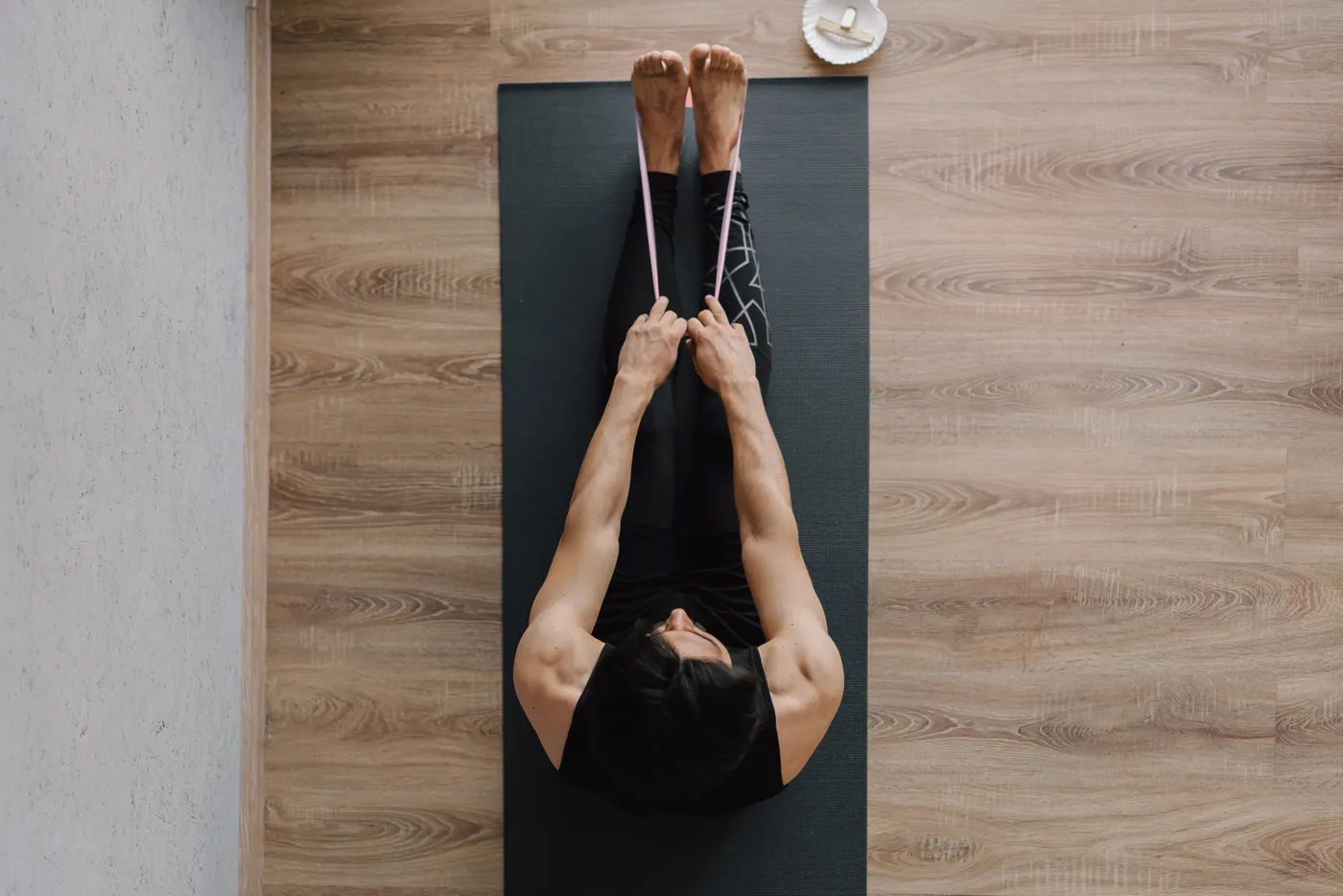
Flexibility is trainable, but the result depends on what you measure. A larger range of motion can reflect changes in stretch tolerance, tissue properties or both. It does not necessarily mean that every muscle became longer in a simple anatomical sense. Regular stretching can increase range over weeks, while the exact mechanism varies with protocol and person.
A practical flexibility plan starts by selecting a small number of meaningful limitations. Perhaps you want easier overhead reach, a more comfortable deep squat or less restriction during a split squat. Pick one repeatable test for each: shoulder flexion against a wall, knee-to-wall ankle distance, or a supported hip-flexor position. Record the test in the same way each week, preferably at a similar time relative to training.
Two to four short flexibility sessions per week are a manageable starting point. Accumulate several comfortable holds for each chosen area, gradually building total weekly time without forcing the range. If a stretch irritates a joint, reduce its depth, change the angle or replace it. Consistency is more useful than occasional marathon sessions.
Stretching should complement strength through the ranges you can control. Split squats, deep goblet squats, controlled Romanian deadlifts and overhead reaches can develop strength and movement confidence in positions that matter. Loaded movement is not identical to passive stretching, but both can have a place in a complete plan.
Do not sell stretching as a guaranteed injury-prevention tool or as a shortcut to hypertrophy. Injury risk depends on many interacting factors, and the evidence for stretching alone preventing injuries is inconsistent. Likewise, some long-term stretching studies find small strength effects, but adding stretches to a solid resistance program does not consistently improve strength outcomes. Set a specific mobility goal and judge success against that goal.
6. A 12-minute warm-up you can adapt to the session

Use the following structure as a starting template rather than a rigid routine. Minutes zero to three: move at an easy pace until you feel warmer. Minutes three to six: perform two movement-specific drills, such as ankle rocks and bodyweight squats for leg day, or arm circles and light rows for upper-body training. Keep the range controlled and breathing relaxed.
Minutes six to nine: rehearse the main exercise with very light resistance, paying attention to balance, bracing and joint comfort. Minutes nine to twelve: add two or three progressive ramp-up sets. Heavy lifters may need additional warm-up sets beyond this window; beginners may need fewer. The clock is a planning aid, not a reason to rush a demanding lift.
For a power or sprint session, favor dynamic movement and low-fatigue rehearsals. A few submaximal jumps, throws or accelerations can bridge the gap between mobility and high-speed work, provided the athlete already knows how to perform them. Rest enough that the warm-up does not become a conditioning workout.
For a bodybuilding session, the priority is a comfortable path and gradually increasing resistance on the first compound movement. You do not need elaborate agility drills if they do not prepare the exercises you will perform. For a mobility-focused day, extend the flexibility portion, use gentle static holds and treat the improved range as the actual session objective.
If a particular joint needs extra attention, add one brief targeted stretch and immediately follow it with active control through that range. For example, pair a comfortable calf hold with ankle rocks, then test the squat. The final check is whether movement quality improved without making the working sets feel weaker.
Equipment Worth Exploring
Explore equipment, accessories and gear from our carefully selected range.

FID Bench MAX
Adjustable bench offering flat, incline, and decline positions + adjustable headrest.


VOLTRA
Compact digital cable trainer with smooth, adjustable resistance.

Go-Tone Pro
Portable digital cable trainer with up to 66 lb (30 kg) of adjustable resistance.


Safety Squat Handles
Barbell squat handles that reduce shoulder positioning demands during high-bar squats.
7. Track flexibility and performance over four weeks
Week one is a baseline. Choose one movement test and one training outcome. You might measure knee-to-wall ankle distance and record how your first working squat set feels, or note shoulder reach and the speed of a consistent overhead press load. Keep the test setup identical, and do not chase a new personal best every session.
In week two, add a modest dose of targeted stretching on two or three nonmaximal days. Continue using a dynamic warm-up before lifting. Record the same movement test and note any unusual soreness or discomfort. If the flexibility work is taking too much time or interfering with the main workout, shorten it rather than forcing the plan.
In week three, progress only one variable: a slightly longer total stretch duration, an additional comfortable set, or a marginally deeper position. Do not increase all three simultaneously. Continue lifting through your controlled range, and use the same work-set comparison to judge whether your warm-up is supporting rather than disrupting performance.
Week four is a review. Compare range of motion, training quality and adherence. A small flexibility gain with unchanged strength performance is a useful outcome if greater mobility was the goal. If your performance is worse, review sleep, fatigue, total training volume and stretching dose before blaming one isolated warm-up detail.
The central lesson is to match the method to the job. Dynamic preparation is generally a sensible default before hard or fast training. Static stretching is a legitimate tool for developing flexibility, particularly when it is placed and dosed deliberately. Neither method deserves an absolute rule, and neither substitutes for progressive resistance training when your goal is strength or muscle growth.
Funny Gym Shirts & Workout Gear
Funny gym shirts, tanks, hoodies and workout gear for lifters who like training hard.

I Love Squats | Valentine's Leg Day with Black Heart We T-Shirt
Show some leg-day attitude with a playful “I Love Squats” tee.

Leg Day Squats Deadlifts Sweater Meme T-Shirt
Show some gym-day personality with “Leg Day”.

Anti Leg Day Leg Day Club & Meme Fans Hoodie
Show off your leg-day humor in a laid-back “Anti Leg Day Leg Day Club” hoodie.

Negative Cardio Review Cardio Sucks 1 Star Decal Sticker
Give your everyday gear a playful “Negative Cardio Review” twist.


Running Dost Thou Even Trot Medieval Treadmill Crewneck T-Shirt
Show some gym-day personality with “Running”.

Leg Day Is Calling You Squats & Deadlifts Meme Vest Tank Top
Your gym-day look, with a playful “Leg Day Is Calling You” twist.

7 Plates Squat Club Shirt – Meme & Leg Day Gains T-Shirt
Rep “7 Plates Squat Club” humor in and out of the gym.

Fit And Fitter : Dumb And Dumber Gymbro Cardio & T-Shirt
Show some cardio attitude with a playful “Fit and Fitter” tee.