Advertising disclosure: This page includes affiliate product links that may earn us a commission, as well as products from our own store.
Three Protein Meals vs Five: What 18 Lifters Gained in Eight Weeks
Do lifters really need four or five protein feedings to maximize their gains? An eight-week comparison of three versus five protein-rich meals found strength and muscle-related improvements in both groups, with no detected advantage from the extra meals. Here is what the numbers mean, what they cannot prove, and how to build a routine that actually sticks.
What the eight-week protein-meal experiment actually tested
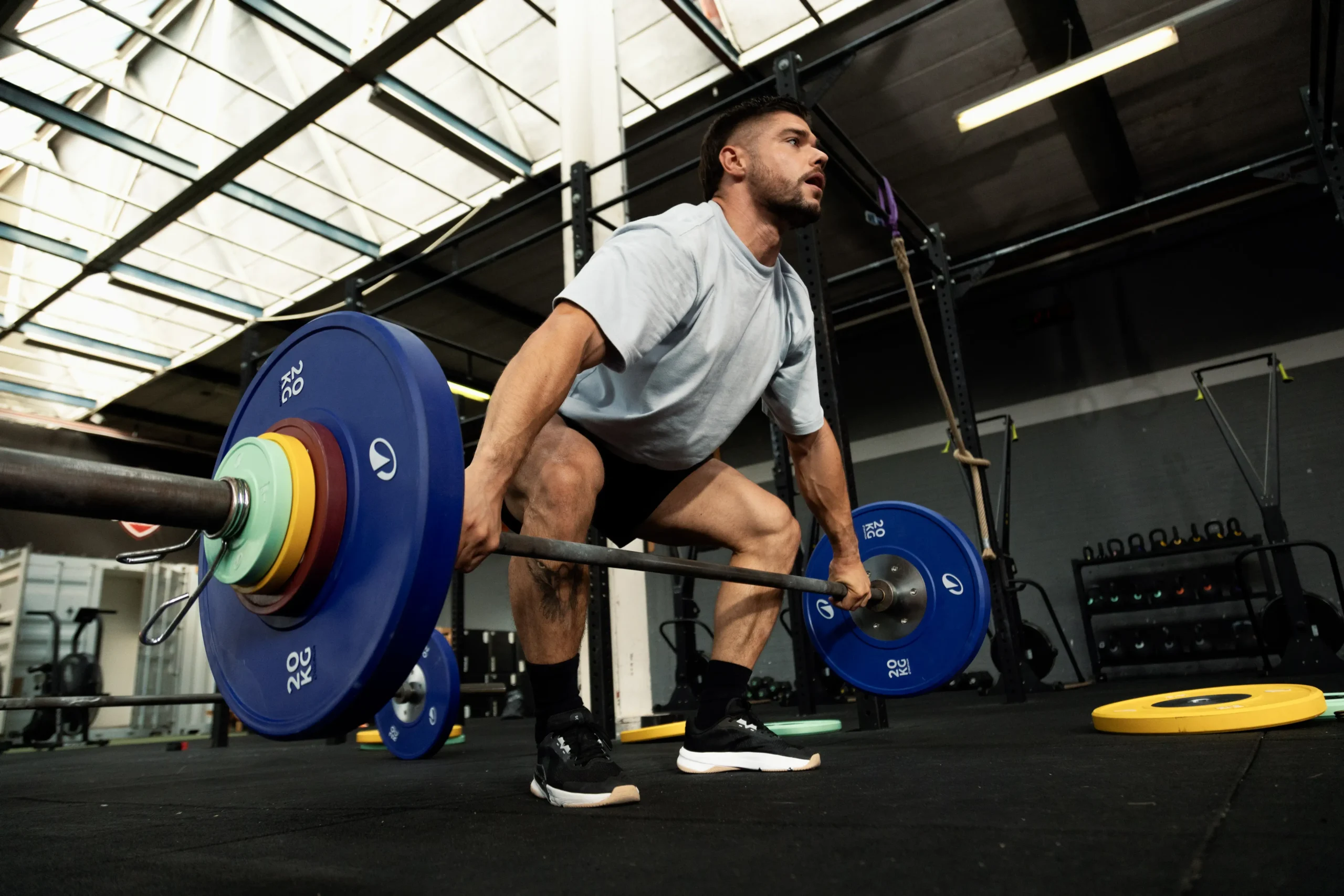
Eating protein at every possible opportunity has become a familiar bodybuilding habit. The logic sounds reasonable: lifting stimulates muscle repair, so repeated protein meals might create more chances to build muscle. But a useful test must keep the total amount of protein roughly comparable while changing how often people eat it. Otherwise, an apparent meal-frequency benefit might simply reflect consuming more protein overall.
In an eight-week comparison, 32 healthy, young men who already had resistance-training experience were allocated to one of two patterns. One group planned three protein-rich meals daily; the other planned five. Each qualifying feeding supplied more than 0.24 grams of protein per kilogram of body weight, and the groups’ daily protein intake was similar. Participants underwent resistance training while investigators measured body composition, thigh-muscle size and knee-extension strength before and after the intervention.
There is one crucial detail: only 18 men completed the protocol. Fourteen of the 32 originally allocated were not in the final analysis. That attrition limits confidence in small differences and means the results should be read as an informative comparison, not a decisive rule for every lifter. The participants were young, trained men, not beginners, older adults or competitors deep into a diet. The study also compared two sensible protein schedules, not three meals against starvation or one giant evening meal.
That narrower framing makes the finding more useful: for someone already eating sufficient daily protein and training productively, does adding two extra protein feedings clearly improve results across two months?

Equipment Worth Exploring
Explore equipment, accessories and gear from our carefully selected range.
VOLTRA
Compact digital cable trainer with smooth, adjustable resistance.


Rubber Hex Dumbbells
Rubber-coated hex dumbbell pairs with a stable shape for home and commercial strength training.

Multi Bench MBX-650 2.0
Adjustable multi-bench with roller adjustment, 15 backrest positions and accessory mounts.


Competition Plates
Competition-style bumper plates for Olympic lifts and loaded strength training.


FID Bench MAX
Adjustable bench offering flat, incline, and decline positions + adjustable headrest.
Lean mass, thigh size and strength: the numbers without the hype
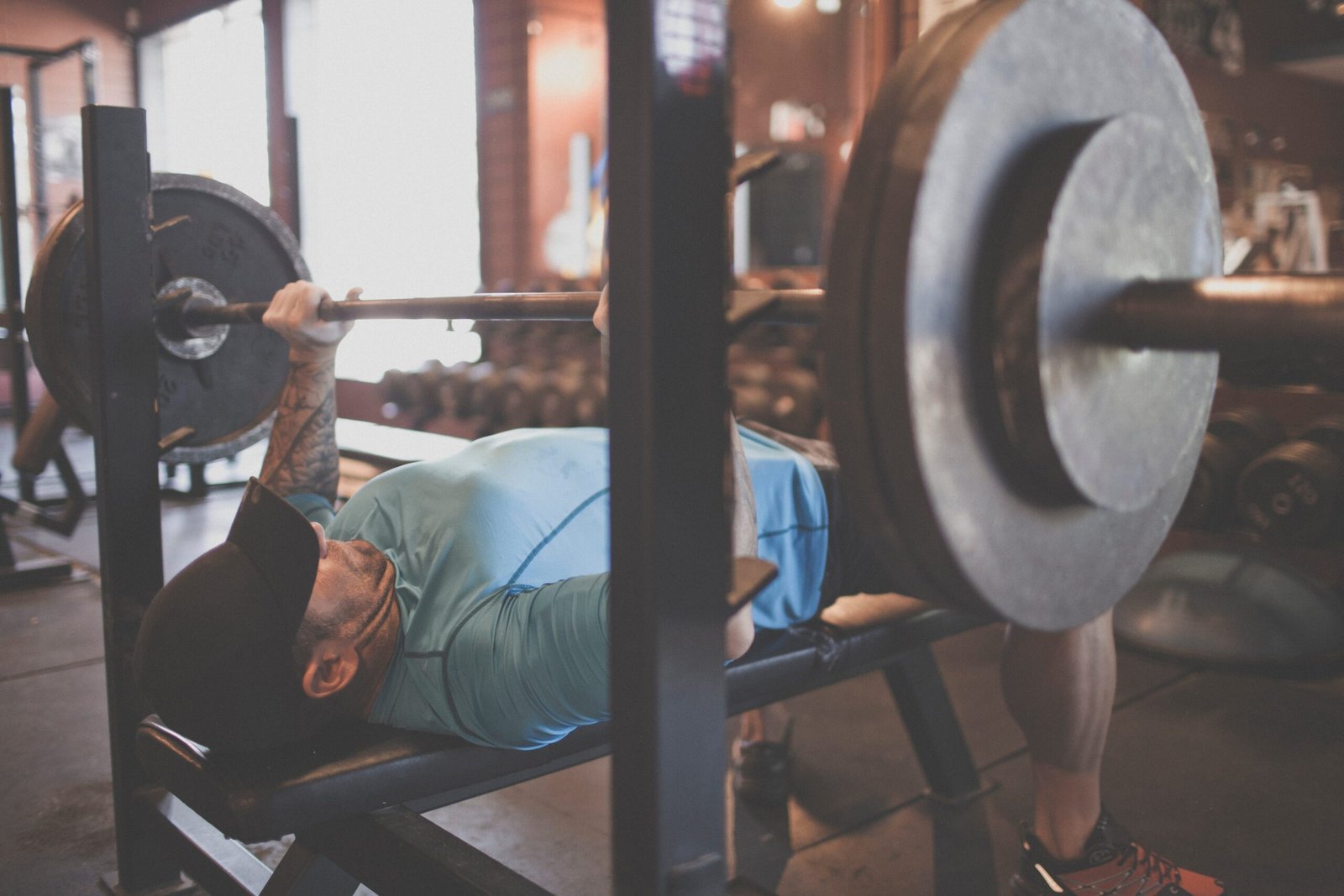
Both groups made measurable progress. Average lean-mass gain was about 1.15 kg in the three-feeding group and 0.63 kg in the five-feeding group. The vastus lateralis muscle cross-sectional area increased by about 3.41 cm² versus 2.53 cm², respectively. On the knee-extension one-rep-max test, the average increases were approximately 19.08 kg and 16.01 kg.
Those raw averages are not a victory for eating three times. The variation around each figure was substantial, and the investigators found no statistically significant differences between the schedules. A small study that fails to detect a difference does not prove the two approaches are perfectly identical under every circumstance. It says there was no convincing advantage for five protein-rich feedings over three in the measured outcomes and conditions.
Body-composition readings also need care. Lean mass is not a pure measure of new contractile muscle tissue: water and glycogen contribute, and measurement techniques have limitations. Muscle ultrasound adds useful local information, but it does not transform an eight-week, 18-person result into a universal estimate of growth. A bigger sample, longer follow-up, and careful dietary control would help separate subtle true effects from noise.
For everyday decision-making, the result undermines the idea that missing a fourth or fifth feeding automatically ruins gains. It does not establish that meal timing never matters. Consistent training, total energy intake, adequate daily protein, sleep and recovery remain the larger foundations.
Set a daily protein target before counting meals
Before deciding whether to eat three, four or five times, estimate the protein you need in an entire day. A useful evidence-informed range for many people lifting regularly is roughly 1.4–2.0 grams per kilogram of body weight per day. The precise point within the range depends on training, goals, body size, energy intake and how easily you can sustain the plan. People dieting aggressively, carrying substantial extra body fat or managing a medical condition may need a more individualized approach.
For an illustrative 80 kg lifter, that range becomes 112–160 g of protein daily. Choosing 144 g/day gives room for the following examples. Spread across three protein-containing meals, that is 48 g per meal. Spread across five, it averages about 29 g each time. The math is simple; the practical issue is which arrangement helps you reliably eat enough without making daily life a spreadsheet.
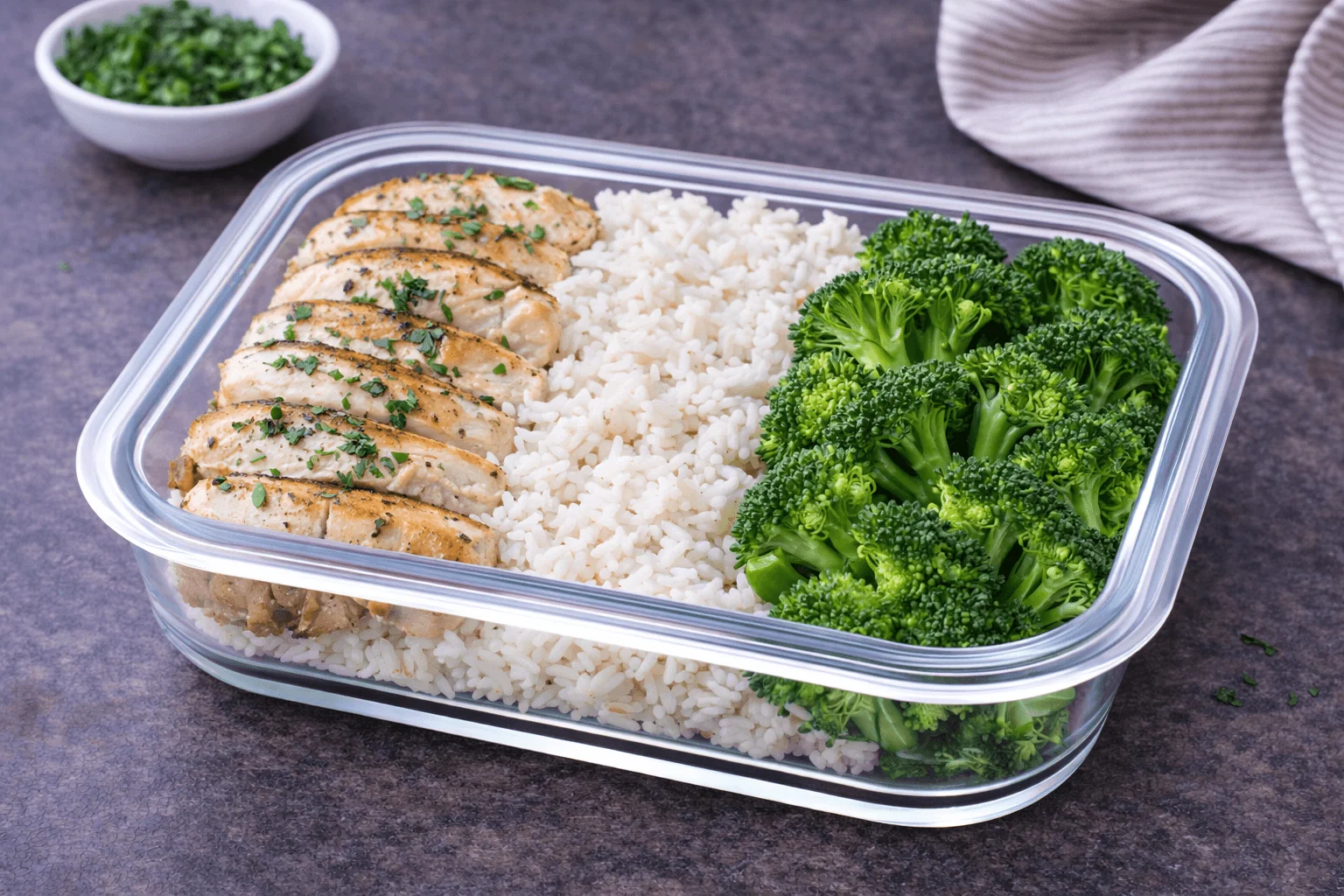
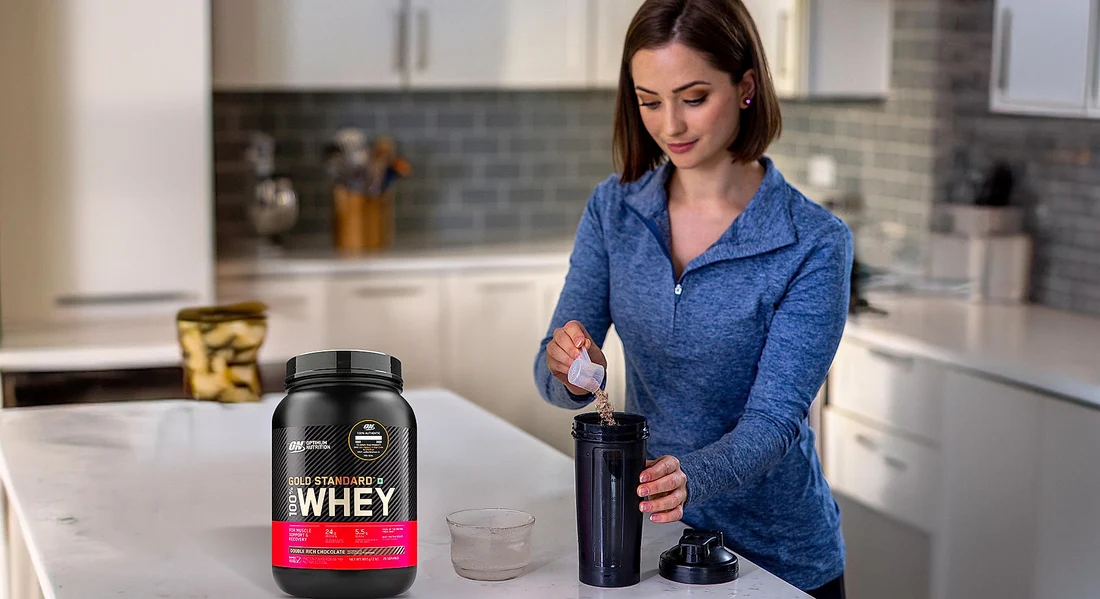
There are different ways to reach the total. Breakfast might combine eggs, thick yogurt and a grain source; lunch might bring chicken, tofu or beans alongside rice and vegetables; dinner might feature fish, lean meat, dairy or a varied plant-protein mix. A shake can help if appetite or scheduling makes the target difficult, but a shaker bottle is not an anabolic requirement.
Also remember that counting every gram with laboratory precision is unnecessary for most people. Look at your normal weekly pattern, choose portions you can repeat, and adjust when your bodyweight trend, performance or appetite indicates you should. An achievable daily target beats a theoretically perfect schedule that you abandon by Wednesday.

Bodybuilding Shirts & Workout Gear
Bodybuilding shirts, tanks and gym gear for lifters chasing muscle, size, symmetry and the pump.

Protein Monster – Protein Lovers, & Bros – Meme T-Shirt
Heavy lifts, good laughs, and a little “Protein Monster” energy.

Bear Protein Bear Meme , & Bros Hilarious T-Shirt
Heavy lifts, good laughs, and a little “Gym Bear Protein Bear” energy.

Bro – Protein Tub Meme , & Fans – Protein T-Shirt
Bring “Gym Bro” humor to your next gym day.

Meme – Free Protein Gymbro – Humor Top & Gains T-Shirt
Heavy lifts, good laughs, and a little “Free Protein Gymbro” energy.

This Is Your Body On Protein Shirt – Meme & Top T-Shirt
Bring “This Is Your Body On Protein” humor to your next gym day.

Protein Power Cereal Tee
Heavy lifts, good laughs, and a little “Protein Power Cereal” energy.

Weights & Protein Shakes Tee
Bring “Heavy Weights and Protein Shakes” humor to your next gym day.

Protein Shaker Bottle Gym Meme | Funny Bodybuilding Gra T-Shirt
Bring “Protein Shaker Bottle Gym Meme” humor to your next gym day.

Rice Chicken Broccoli Diet Hooded Meal Prep Hoodie
Keep it laid-back with a little “Rice Chicken Broccoli” attitude.

Brotein Bar Gym | Funny Protein Bar Meme Workout Decal Sticker
Bring “Brotein Bar” attitude to your water bottle or laptop.
Does protein above 25 or 30 grams in one meal go to waste?
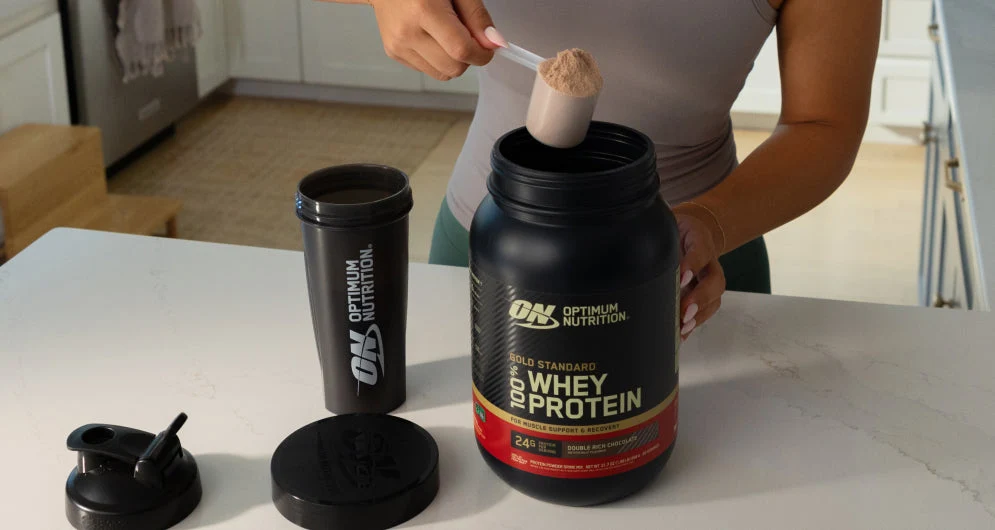
No. The popular ‘only 20 to 30 grams can be absorbed’ rule confuses digestion and absorption with the short-term muscle-protein-synthesis response measured after a single feeding. A large mixed meal is digested over time, and amino acids have several possible uses beyond immediate synthesis in a particular muscle. The body does not simply discard everything above a fixed threshold.
Moderate servings have practical benefits. In many settings, roughly 20–40 g of high-quality protein can generate a strong acute muscle-protein-synthesis response, and evenly spaced meals may be convenient. But factors such as body size, age, protein quality, training volume and the composition of the meal change that response. A bigger person finishing a demanding session should not assume an arbitrary 30 g ceiling applies equally to everyone.
Short-term experiments also show that a larger post-exercise dose can generate a more prolonged anabolic response than a smaller dose. This is useful for challenging the ‘extra protein is wasted’ myth, yet it would be a mistake to jump from a few hours of muscle-protein-synthesis measurements to claiming a specific long-term hypertrophy advantage. An acute tracer measurement and eight weeks of muscle growth are different endpoints.
The practical approach is to use meal sizes that let you meet your daily total while keeping meals comfortable and satisfying. If three proper meals naturally contain 40–55 g of protein apiece, there is no reason to panic simply because the servings exceed an internet rule. If five smaller meals feel better for digestion or appetite, that is fine too.
Three meals or five? Two realistic training-day examples
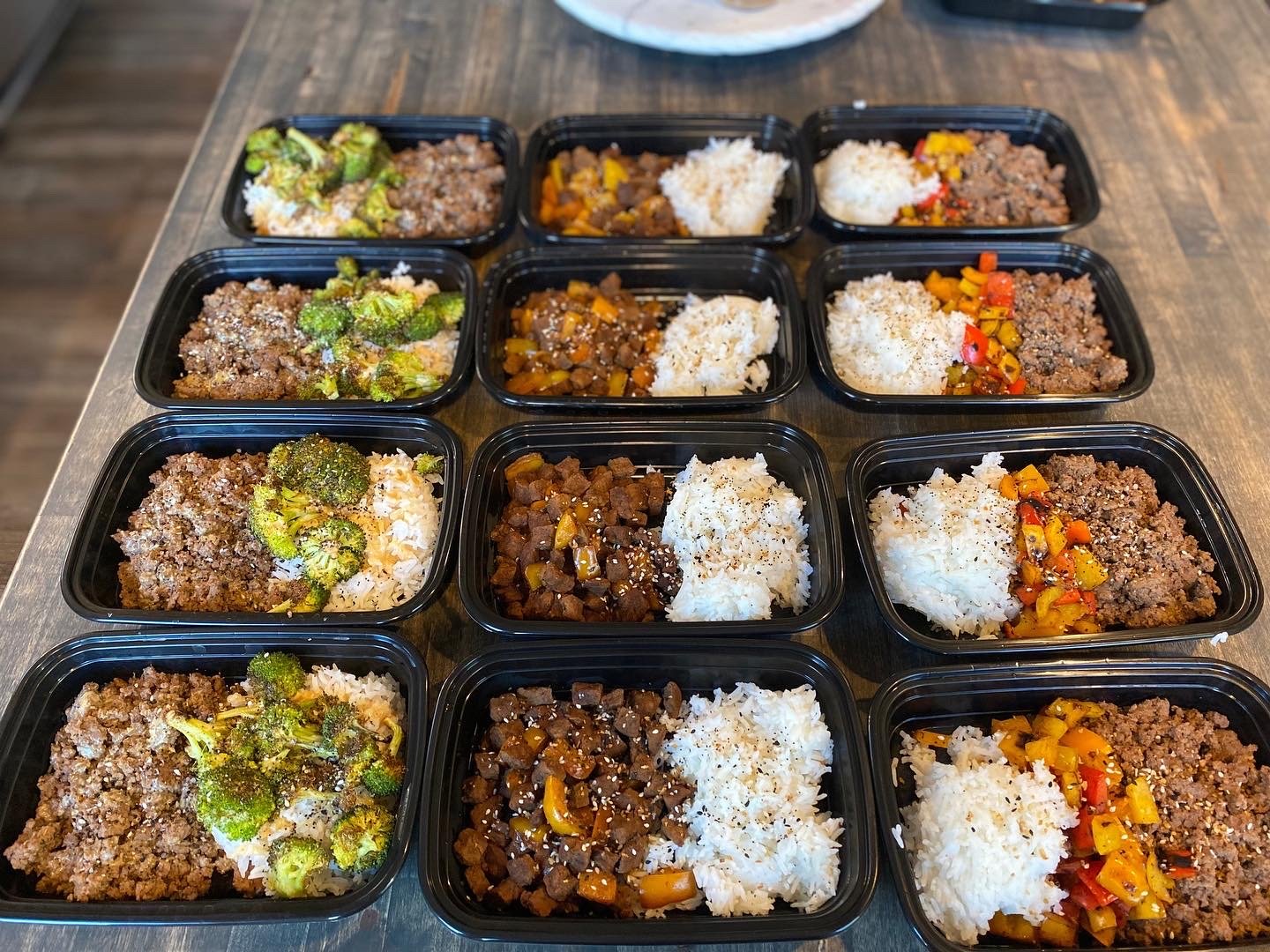
Using the illustrative 144 g protein target for an 80 kg lifter, a three-meal structure could look like this: breakfast with about 45 g, lunch with about 50 g, and dinner with about 49 g. One workable day might include yogurt and eggs in the morning, a chicken or tofu-and-grain lunch, and fish or lean meat with vegetables at night. You could lift between lunch and dinner without carrying snacks to the gym.
The same 144 g can fit a five-feeding schedule: breakfast 30 g, a late-morning snack 25 g, lunch 32 g, an afternoon snack 25 g, dinner 32 g. For someone who is rarely hungry enough for a large lunch or prefers a small protein serving after training, this may be much easier. Neither sample is a prescription or an exact recreation of the study participants’ diets.
For a shift worker, a student, or a lifter who spends most of the day in meetings, consistency often decides the better pattern. Planning five separate protein stops could be a burden; for someone else it could prevent accidentally skipping food. If three meals make you excessively full, or you are trying to gain weight and struggle with large portions, splitting intake into four or five feedings can improve adherence even without a demonstrated direct hypertrophy advantage.
Keep your pre-training meal digestible, especially before hard squats or running intervals. Carbohydrate and fluid needs matter for performance too. Post-training protein is useful, but there is no evidence here that you must rush to drink a shake within a few minutes of your final set.
Equipment Worth Exploring
Explore equipment, accessories and gear from our carefully selected range.


VForce 2IN1
Half rack and pivot-arm functional trainer with switchable 1:1 and 2:1 pulley ratios.

Pro Sled System
Heavy-duty push-pull training sled for loaded conditioning, speed, and strength work.


Standing Chest Press SCP-760
Standing chest-press machine with adjustable handle positions for chest and close-grip pressing.

Leg Press/Hack Squat BPR-790
Convertible 45-degree leg press and hack squat machine with a broad footplate and band pegs.
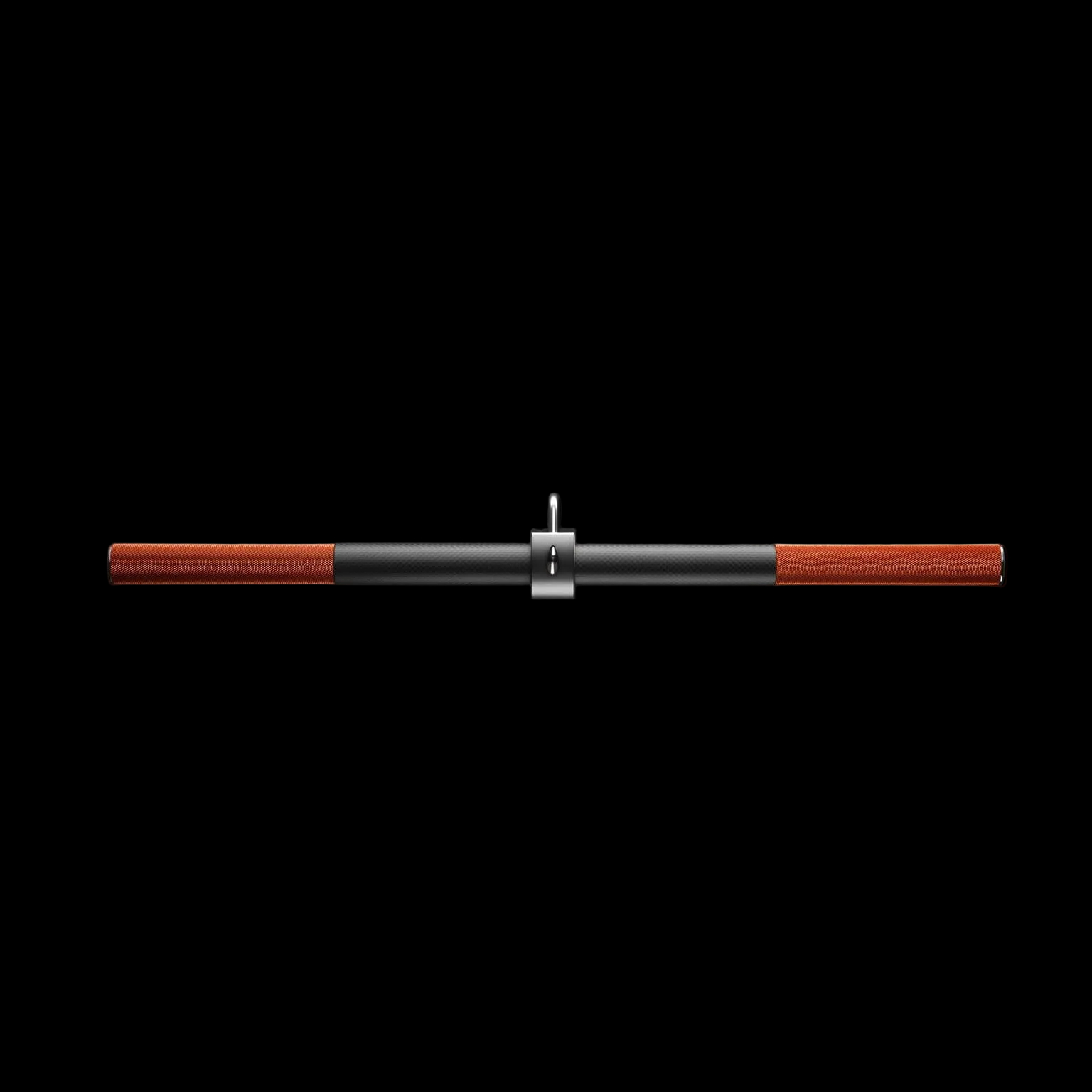

Leather Lifting Straps
Padded leather straps support grip during heavy rows, deadlifts and pulling exercises.
Food quality and the rest of your diet still matter

Meal frequency is a small piece of a much wider nutritional picture. Protein-rich foods differ in digestibility, essential amino-acid profiles, serving size and the nutrients that accompany them. Milk, eggs, fish, meat and soy can all be convenient substantial sources. A well-planned combination of plant proteins can also support strength training; it may simply require attention to total intake and a variety of sources.
Whole foods do more than supply amino acids. A meal with lean protein, colorful vegetables, fruit, whole grains and healthy fats brings fiber and micronutrients that a scoop of powder alone does not. Equally, protein shakes are not inherently worse than food: they can be a practical supplement on days when cooking and eating enough are difficult. The goal is a usable routine, not moral points for consuming everything from a lunch box.
For muscle gain, overall calorie intake should be adequate and weight changes should be reviewed over several weeks, not over a single morning. For fat loss, a higher protein intake can help support lean-mass retention, but total energy balance still governs the broader weight-loss trend. A diet that hits a headline protein goal while consistently undersupplying calories, sleep or fluids may compromise training quality.
Check labels and serving weights instead of assuming a large-looking piece of food automatically contains a particular amount of protein. Cooked and raw weights differ. Dairy servings vary widely. A handful of nuts is nutritious but not equivalent in protein to a full serving of chicken or yogurt. Make the daily total realistic before worrying whether each meal is separated by precisely three hours.
Funny Gym Shirts & Workout Gear
Funny gym shirts, tanks, hoodies and workout gear for lifters who like training hard.

Shirt Protein King – Meme & – Top T-Shirt
Heavy lifts, good laughs, and a little “Protein King” energy.

Why Did The Chicken Go To The & Meme Fans Hoodie
Make your off-duty look more fun with “Why Did The Chicken Go To”.

Powered By Chicken Broccoli Rice Bro Sweater Meme T-Shirt
Show some gym-day personality with “Powered By Chicken Broccoli Rice”.

Protein Shake Hooded & Meme Fans Hoodie
Show off your lifting humor in a laid-back “Protein Shake” hoodie.

5 AM Squad Morning Bro Meme & T-Shirt
Heavy lifts, good laughs, and a little “5 AM Squad” energy.

Eat Your Chicken – Protein Meme Decal for Water Bottles Sticker
A fun “Eat Your Chicken” touch for bottles, laptops, and lockers.

Fried Chicken Gains – Thanksgiving Leg Day Meme Vest Mu Tank Top
Train hard, laugh a little, and rep “Fried Chicken Gains”.


Bulking Season Bulk T-Shirt
Heavy lifts, good laughs, and a little “Bulking Season” energy.

Protein Gym Cosmic Decal , Workout Macros Energy Design Sticker
Give your everyday gear a playful “Protein” twist.
A four-week routine to find your easiest protein schedule
You do not need an elaborate nutrition experiment to benefit from the evidence. For one week, eat normally and track the approximate total protein in your main meals. Note how often you miss your target, how hungry you feel, and whether you train comfortably. Do not judge the plan from a single day when work or travel distorts your routine.
In week two, choose the three-meal approach if your schedule naturally supports larger meals. Set a repeatable breakfast, lunch and dinner structure, and aim to meet your total without forcing an extra snack. If you consistently fall short, add a simple protein option rather than blaming the meal count itself.
In week three, try a four- or five-feeding structure using roughly the same daily protein. Spread servings across meals or one or two snacks, and keep training, sleep and calorie intake as consistent as your life allows. Compare practical adherence, digestion, convenience and appetite, not the illusion of measuring muscle growth in seven days.
In week four, choose whichever pattern you can sustain. Track your working weights, rep quality and bodyweight trend over months. If you have digestive problems, kidney disease or another condition affecting protein intake, discuss individual targets with a qualified clinician rather than adopting generic bodybuilding numbers.
Bottom line: in a small eight-week comparison of trained men, three and five protein-rich meals produced improvements without a detected between-group difference. That makes five daily feedings an option, not a requirement. Eat sufficient protein consistently, lift progressively, recover well, and use meal timing to support the routine rather than control your day.