Advertising disclosure: This page includes affiliate product links that may earn us a commission, as well as products from our own store.
The AssaultRunner Pro looks like a treadmill, but the training experience is fundamentally different. There is no motor choosing your pace. Every change in speed comes from the runner, the curved slat belt and the way the feet meet it. That combination is compelling for short intervals, hybrid conditioning and athletes who want to sprint without waiting for a powered treadmill to accelerate. It also creates a learning curve, a substantial equipment footprint and some important limits that marketing slogans rarely explain.
What makes the AssaultRunner Pro different from a motorized treadmill?
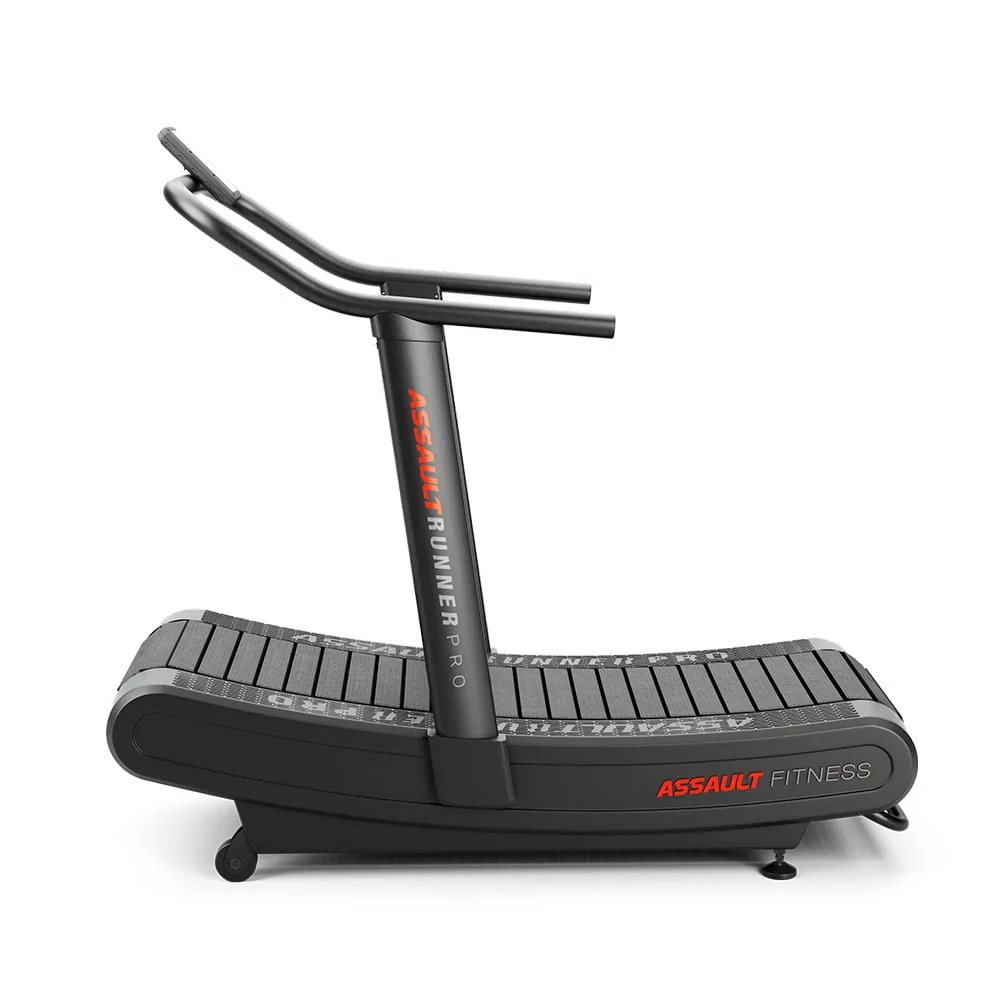
On a conventional treadmill, an electric motor drives the belt at a selected speed. The runner must match that moving surface. On the AssaultRunner Pro, the belt is mechanically driven by the runner’s own steps. Accelerate and the belt moves faster; reduce your effort or alter foot placement and it slows. There is no speed-up button, preset belt velocity or mains cable powering the running deck. This makes changes of pace responsive, but it also requires the runner to control the entire rhythm rather than simply following the machine.
The deck curves upward at the front and rear. As the runner lands and moves toward the lower center, foot pressure helps rotate the belt around its rollers. The sensation is not identical to a flat motorized machine or outdoor asphalt. A novice who stands too far forward may feel rushed; someone leaning back or gripping the handrails may never develop a natural rhythm. Start around the middle of the curve, look ahead, stay tall and experiment with a short relaxed stride before attempting top speed. The exact sweet spot depends on how your body moves.
Because the belt responds to you, the Pro works especially well for repeatable short efforts measured by time or effort. It is not necessarily the easiest tool for controlled rehabilitation, precise submaximal pace testing or long sessions requiring an exact locked speed. A good first session is five to ten minutes of easy run-walk transitions, allowing for familiarity with the belt and how much force is needed to keep it moving.
A curved manual runner is also not a form-correction machine. Better mechanics come from appropriate instruction and practice. If your stride is chaotic on day one, the deck’s shape does not magically fix it. The useful advantage is the opportunity to feel the relationship between position, pressure and speed directly.
Build, belt, dimensions and practical setup
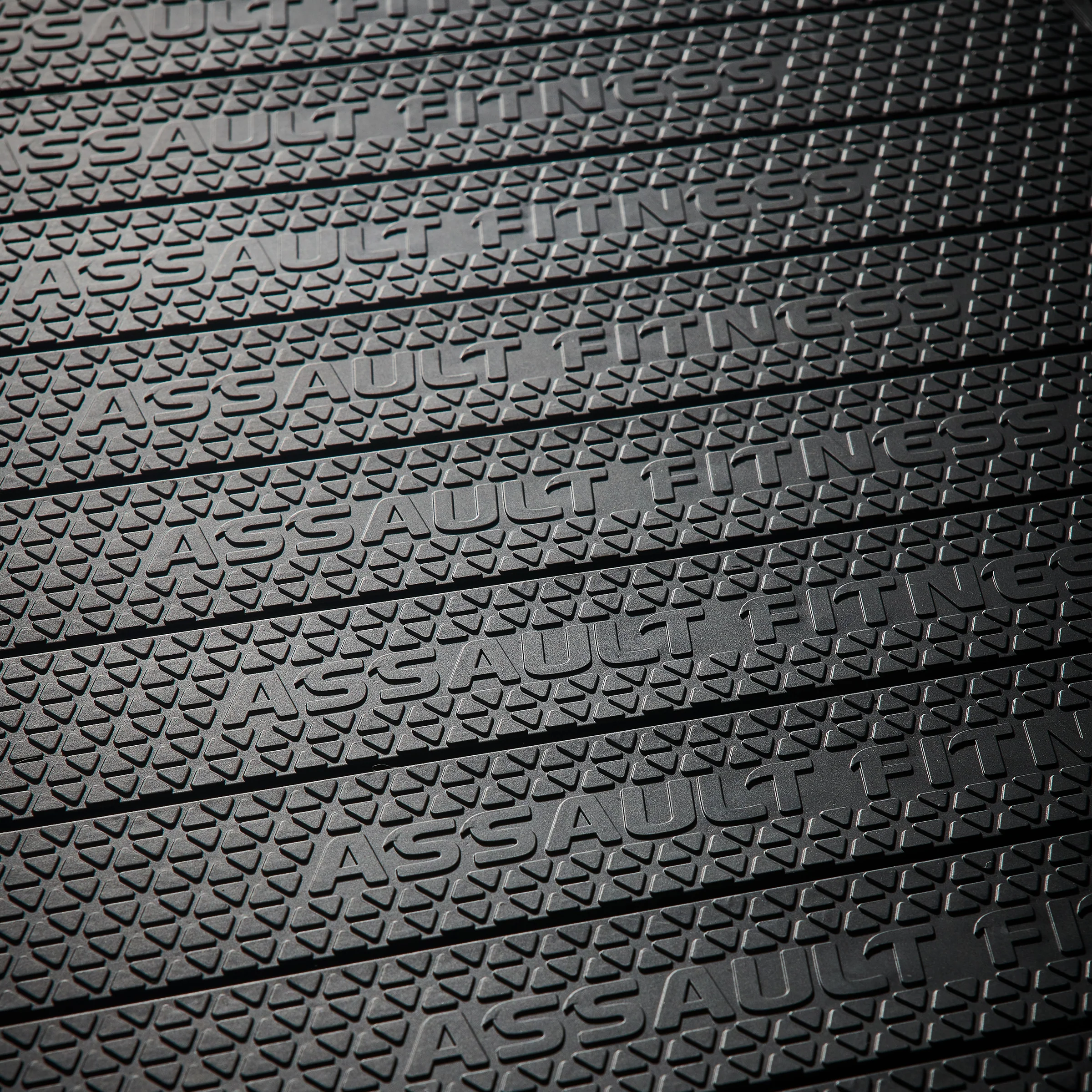
Assault Fitness lists a steel curved base, reinforced uprights, heavy-duty handrails and corrosion-resistant hardware. The running track uses a slatted belt and a drivetrain specified at 100 precision ball bearings with 12 roller guides. Those details matter because repeated sprint starts ask more of the moving assembly than a steady walking session. The claimed belt lifespan is 150,000 miles; that is a manufacturer durability specification, not a guarantee that every individual component will be maintenance-free for that distance.
The manufacturer’s detailed Pro specifications give an assembled footprint of roughly 69.7 inches long by 33.1 inches wide, with a height of 64 inches. Other official comparison information lists slightly different rounded measurements; for room planning, allow approximately 177 by 84 by 163 centimeters plus generous clearance for stepping on, dismounting and moving around the machine. At approximately 280 pounds, or 127 kilograms, this is a substantial piece of equipment despite its built-in handle and transport wheels. Check the full door route, flooring capacity and delivery weight rather than assuming one person can move it easily.
The curved deck needs no mains electricity, but that does not mean zero maintenance or zero noise. Moving rollers, footfalls and belt contact still produce mechanical sound. Check hardware and clean around the moving parts according to the supplied manual. Avoid improvising lubricant, belt adjustment or service procedures simply because another brand’s treadmill works differently. This model does not fold like a compact walking pad, and its shipping carton is considerably bulkier than its assembled floor area suggests.
The Pro is a strong candidate for a dedicated conditioning zone, not an invisible accessory you tuck beside a weight rack. Before buying, measure ceiling and doorway clearances, choose stable level flooring, account for the athlete’s movement above the raised front and arrange a safe exit path. A heavy rubber gym floor can protect surfaces, but follow the manufacturer’s support guidance for a suitable base.

Equipment Worth Exploring
Explore equipment, accessories and gear from our carefully selected range.


Pro Sled System
Heavy-duty push-pull training sled for loaded conditioning, speed, and strength work.


Competition Wall Ball
Competition-style weighted wall ball for HYROX, wall-ball shots, and functional conditioning.

Slam Ball
Low-bounce weighted slam ball for explosive throws and high-intensity conditioning.


Cast Iron Kettlebells
Textured cast-iron kettlebells for swings, squats, carries, and full-body training.


Console, connected training and the controls you actually use
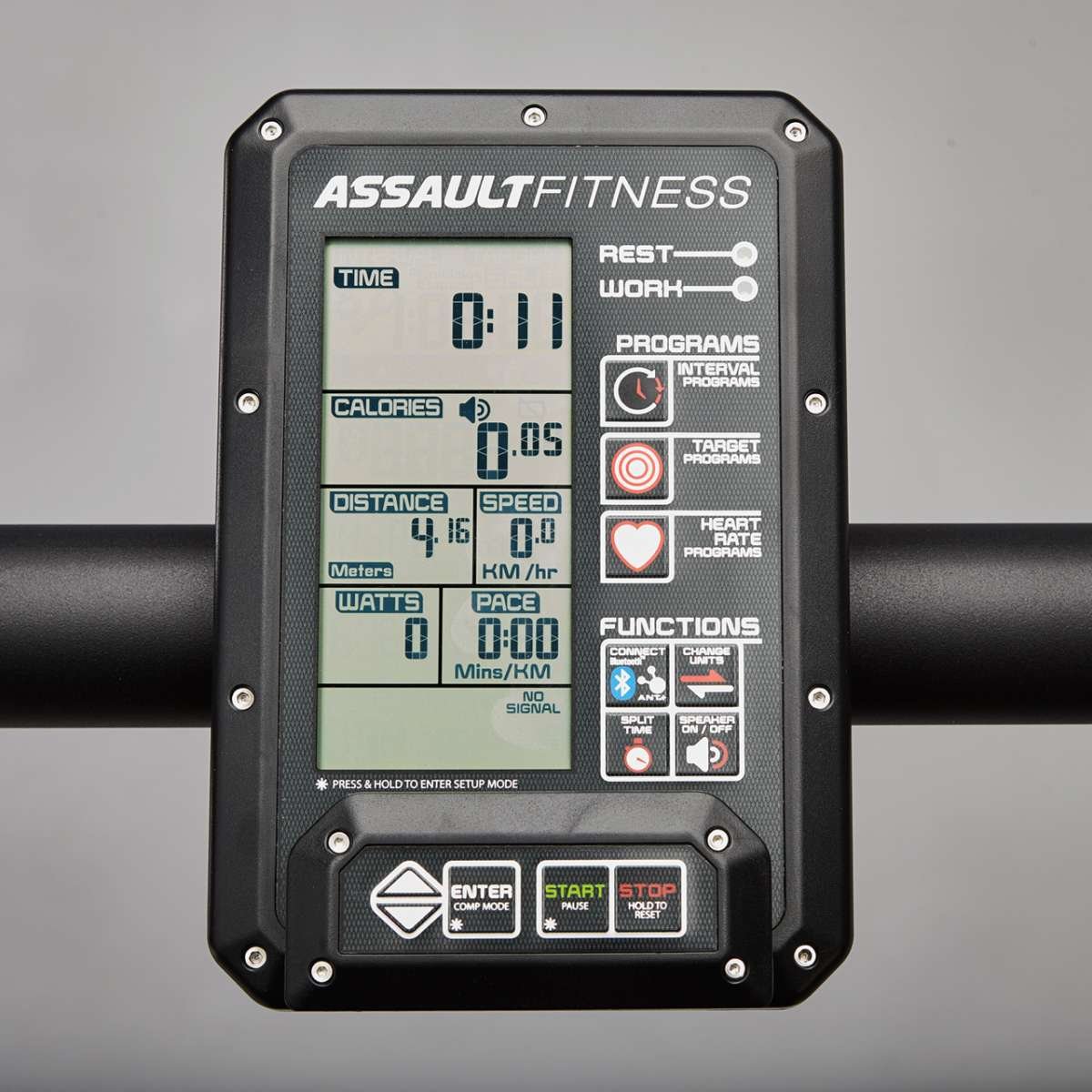
The Pro has a high-contrast display that reports time, speed, distance, calories, RPM and heart-rate information when a compatible sensor is connected. The official specification includes Bluetooth and ANT+ connectivity. Built-in program types include quick start, 20-seconds-work/10-seconds-rest, 10-seconds-work/20-seconds-rest, custom intervals, time/distance/calorie/heart-rate targets and a competition mode. This is more useful for high-intensity sessions than trying to recreate a workout by tapping a speed control: the timer can organize the effort while your own legs set the pace.
Do not assume that seeing Bluetooth on the specification means every watch, running app or virtual-training service will automatically exchange every metric. Pairing, broadcast profiles and supported applications can change by device firmware and regional package. If an external heart-rate strap or training platform is essential to your purchase, verify that specific combination with Assault Fitness before buying. For practical workouts, elapsed time, work/rest intervals and a simple perceived-effort score are sufficient, even without a perfectly synchronized app.
Manual belts also affect how you interpret the calorie number. Console calories are estimates, not a laboratory measurement of your individual energy expenditure. A fitter runner, a heavier athlete and a beginner who alternates jogging with short walks can all cover similar distances at different metabolic costs. Use the same console method to compare your own consistent sessions, not as a precision calculator for compensating with food.
A useful setup sequence is to walk first, locate the easy-running position, learn the stop behavior and then test one 10-second acceleration. Only after that should you select a longer interval program. Keep the side rails clear, attach or follow any safety procedures in the specific model manual, and step off only when belt motion has slowed safely.
Does a curved manual treadmill make running harder?
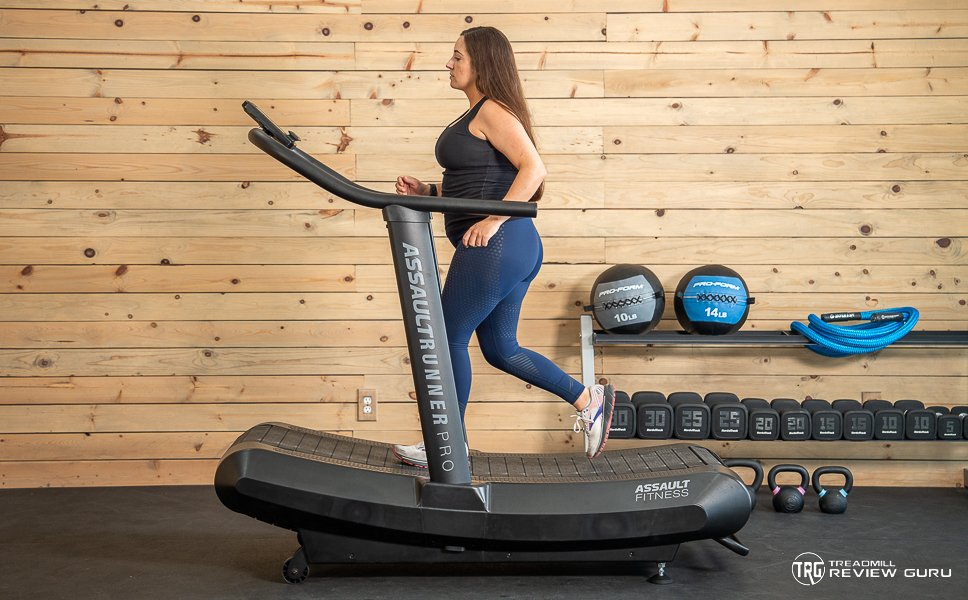
Many runners describe curved, nonmotorized treadmills as more demanding at a matched nominal pace. That impression is plausible because your legs must do the mechanical work required to move the belt, and the running surface changes foot placement and muscle coordination. But a dramatic universal claim such as “everyone burns 30 percent more calories” is not a sound personal prediction. Differences depend on belt design, speed, technique, familiarity and how energy cost was measured. The higher apparent challenge is a programming consideration, not a shortcut around the normal rules of training.
For strength athletes, the Pro’s strongest use case is a session in which effort changes rapidly: ten- to thirty-second accelerations, repeatable moderate intervals or brief finishers with deliberate recovery. A runner can transition from an easy shuffle to a hard effort without waiting for motor acceleration. On the other hand, frequent all-out sprints immediately after heavy squats may be a poor recovery tradeoff. Hard running can stress calves, Achilles tendons and hamstrings, even when a product is advertised as low-impact. Start with modest volumes, especially if you have not been sprinting recently.
Runners pursuing exact race-pace work may prefer a motorized belt for controlled speed and incline. Those preparing for hybrid events can use the Pro for time-based intervals and general conditioning, while remembering that event-specific treadmill rules, surface and shoes may differ. A sprint session also benefits from preparation: easy jogging, controlled mobility, a few submaximal accelerations and enough rest to maintain posture.
Judge each interval by whether speed rises smoothly without grabbing the rail, posture stays under control and the runner can slow deliberately. If the belt surges wildly or the stride becomes a stumble, reduce the effort. Progress should look like better controlled repetitions, not merely a higher number on an uncertain console readout.

Cardio Shirts & Workout Gear
Cardio and conditioning gym gear for runners, endurance athletes and anyone who earns the sweat.


Hero Jump Rope Cardio Speed Flash Inspired Workout Musc Tank Top
Add some cardio attitude to training with “Gym Hero Jump Rope Cardio Speed”.

Cardio Speed Superhero Gym Funny Treadmill Running Musc Tank Top
Show some personality between sets with “Cardio Speed Superhero”.

Cardio Is Calling Decline Sweater Meme T-Shirt
Bring “Cardio Is Calling” humor to your everyday gym style.

Cardio Sucks Negative Review 1 Star Hooded Hoodie
Show off your cardio humor in a laid-back “Cardio Sucks” hoodie.

Track Panther Black Panther Running Decal Workout for F Sticker
Stick a little “Track Panther” humor on your favorite gear.

Triathlon – Iron Man Medieval Knight Swim Bike Run Shir T-Shirt
Make gym days more fun with “Triathlon” style.

Don'T Tread On My Gains Shirt Snake Meme & Top T-Shirt
Show some lifting attitude with a playful “Don't Tread On My Gains” tee.


Straight Outta Shape Hoodie
Stay casual and show some cardio attitude with “Straight Outta Shape”.
Where the Pro earns its price—and where it does not
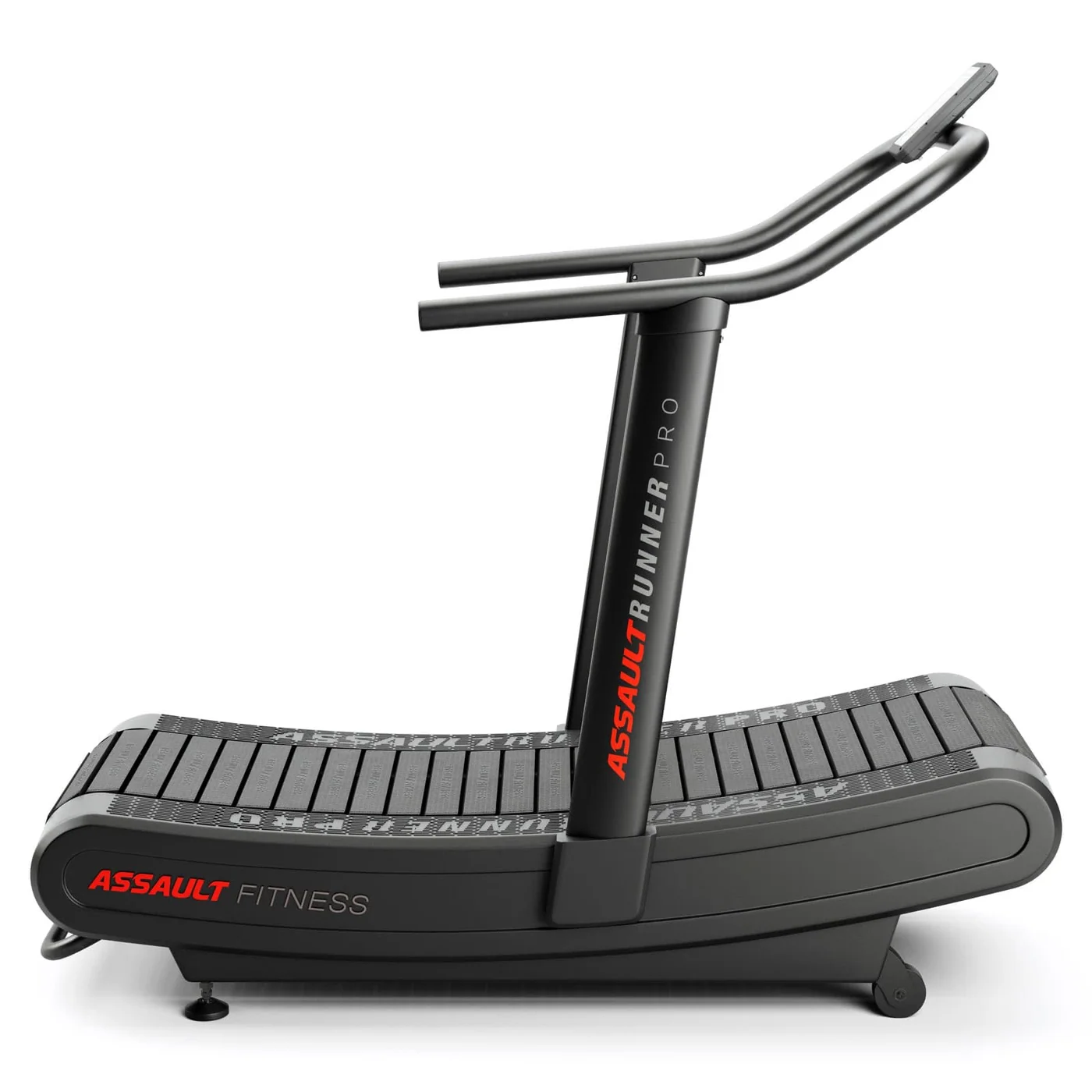
The most convincing reasons to choose this model are its self-powered running track, rugged build, rapid pace changes and interval-oriented console. The manufacturer lists a 150,000-mile belt lifespan, reinforced structure, transport wheels and a U.S. warranty of seven years on the frame and three years on moving parts, with specified belt coverage. Terms differ by retailer and country: UK distributor warranty information, for example, is not identical to the U.S. listing. Check the warranty from the actual seller and the exact product revision you would receive.
There are compromises. The machine occupies real floor space, weighs around 127 kilograms and cannot replace a compact folding treadmill. It demands attention during use, especially when learning to slow or change speed. Unlike an electric treadmill, it does not offer a simple set-and-forget belt pace for relaxed walking while working. It also cannot automatically set a sustained uphill grade merely because its deck is curved; curvature and incline are different concepts.
For a small training room, consider whether you would get more weekly use from this than from a basic cardio option combined with strength equipment. There is no universal answer. If you run hard intervals twice per week and dislike motor acceleration, the Pro may solve a real problem. If you mostly want low-intensity walks, television jogging or precise pace workouts, a cheaper conventional treadmill could be more convenient. If you rarely run, the impressive specification sheet does not create a training habit.
One buying detail deserves special attention: the U.S. official product listing has shown a price around $3,499 and a sold-out status in November 2026. That is a snapshot, not a universal regional price or promise of availability. Verify local stock, shipping, taxes, service support and warranty before treating any online figure as your delivered cost.
A six-week AssaultRunner Pro interval plan for lifters
The goal of this plan is better conditioning without compromising your main strength work. Train on the Pro two nonconsecutive days per week, ideally after upper-body sessions or on separate days from demanding lower-body lifts. Maintain at least one easy day between intense runs. Every workout begins with five to eight minutes of easy walking and jogging plus two or three smooth, nonmaximal accelerations. Finish with three to five minutes of comfortable movement. During fast intervals, aim for effort you can control rather than true all-out sprinting on every repetition.
Week 1: Day A: six rounds of 15 seconds brisk running and 75 seconds walking. Day B: five rounds of 30 seconds steady/moderately hard running and 90 seconds very easy. Use the week to learn belt momentum and the correct position on the curve. RPE around 6–7 out of 10 for the hard portions is plenty.
Week 2: Day A: eight rounds of 15 seconds brisk and 75 seconds easy. Day B: six rounds of 30 seconds steady and 90 seconds easy. Keep the stride quiet and controlled rather than pushing for a particular displayed speed. If week one created unusual calf soreness, repeat it instead of advancing.
Week 3: Day A: eight rounds of 20 seconds hard-but-smooth and 80 seconds walking. Day B: six rounds of 45 seconds controlled at roughly RPE 7 and 90 seconds easy. The longer day builds tolerance for sustained effort; it is not a second sprint test.
Week 4: Day A: eight rounds of 20 seconds hard and 70 seconds easy. Day B: seven rounds of 45 seconds controlled and 90 seconds easy. Keep one or two repetitions in reserve in the sense that you could still execute them with proper rhythm. This is a good week to record heart-rate recovery or the average repeatable speed, while recognizing that individual console readings may vary.
Week 5: Day A: ten rounds of 20 seconds fast and 70 seconds easy. Day B: six rounds of 60 seconds moderately hard and two minutes easy. The extra recovery on the longer intervals is intentional: quality and consistency matter more than turning the final minutes into sloppy survival.
Week 6: Day A: eight rounds of 25 seconds fast and 80 seconds easy. Day B: repeat your week-three 45-second session, using the same footwear, warm-up and recovery. Compare perceived effort and repeatability instead of claiming a precise laboratory fitness test. If the same output feels easier at the same workload, the plan has done something useful.
Scale sessions by ability. A beginner can walk the recovery, cut two rounds or keep everything at RPE 5–6. An experienced runner may progress to faster repeatable intervals, but should never add pace, interval count and frequency simultaneously. Sharp pain, dizziness or loss of coordination means stop the session. If you already do sprint training, use this as a replacement for part of that work, not an automatic extra workload.
For the lifting side, maintain your usual compound movements but keep the hardest leg workout away from the fastest Pro day. If Friday is heavy deadlift day, a hard treadmill interval session on Thursday evening can be a poor choice. Move sessions or use a gentle recovery walk. The plan succeeds by fitting into a realistic weekly schedule.
Equipment Worth Exploring
Explore equipment, accessories and gear from our carefully selected range.


Rubber Hex Dumbbells
Rubber-coated hex dumbbell pairs with a stable shape for home and commercial strength training.


Power Tower
Freestanding pull-up and dip station with adjustable handles for bodyweight training.


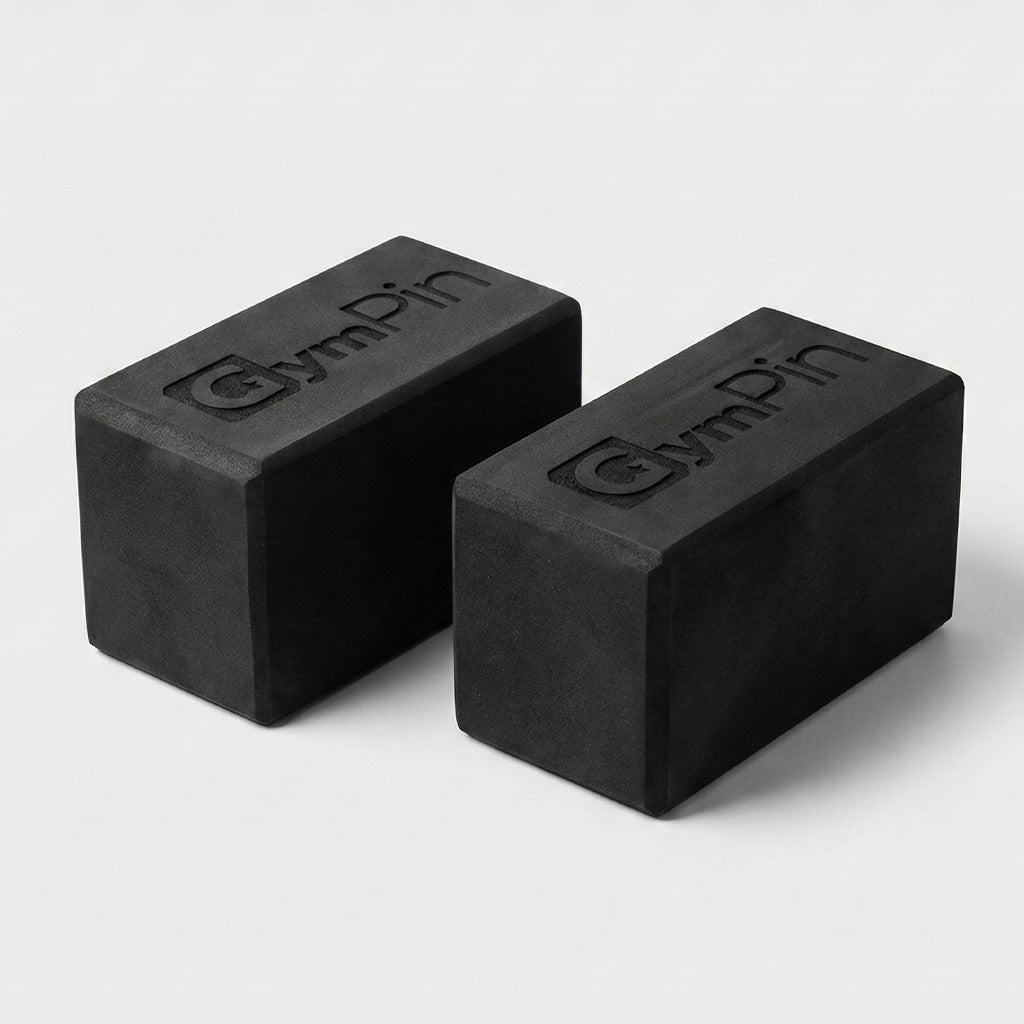
GymPin Starting Blocks
Portable high-density foam blocks for adjusting machine starting positions and range of motion.

Powerbeats Fit
Secure-fit wireless workout earbuds with active noise cancellation and a charging case.


VForce 2IN1
Half rack and pivot-arm functional trainer with switchable 1:1 and 2:1 pulley ratios.
AssaultRunner Pro vs Classic vs Elite: the right choice
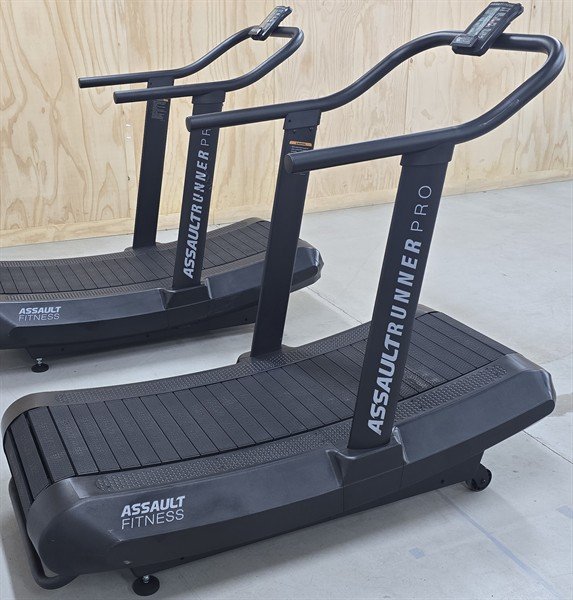
All three AssaultRunner models are manual curved machines driven by the runner. The published comparison highlights meaningful distinctions in chassis, console and warranty rather than a different fundamental running principle. The Classic is the straightforward entry model, with a simpler frame and more basic console. The Pro adds reinforced steel uprights, a larger high-contrast display, upgraded handrails and the stated longer U.S. frame and parts warranty. The Elite moves toward premium materials and a backlit display, with higher-end warranty terms.
If you mainly need a manual runner for occasional short intervals, compare the Classic’s current delivered price and available service network before paying for the Pro. If the machine will see repeated hard sessions from several athletes, a sturdier structure and warranty may have greater value. The Elite is the option to examine when you are willing to pay more for the premium hardware and console; its benefits must be judged against what you actually use, not simply the highest model name.
The most revealing test is not a brochure comparison. Try a curved manual treadmill safely in person if you can, walk and jog for several minutes, then perform two controlled brief accelerations. Notice how easily you can settle to an easy pace, how the handrails fit your stance and whether the console is readable at running speed. Confirm the serial/model revision, seller support and assembled dimensions before ordering.
Bottom line: the AssaultRunner Pro is a serious conditioning machine with unusually responsive, runner-driven pacing. It makes particular sense for interval training and hybrid strength athletes who will use it regularly. It is not an effortless walking treadmill, a substitute for sensible sprint progression or a guarantee of extra calorie burn. Buy it for the training behavior it enables, then build that behavior with a measured plan. You can check current specifications on the official Assault Fitness product page.
Functional Fitness Shirts & Workout Gear
Functional-fitness shirts, tanks and workout gear for athletes who train strength, conditioning and everything in between.

Hybrid Athlete – Strength & Endurance Gym Pullover for Hoodie
Keep it laid-back with a little “Hybrid Athlete” attitude.


Vive La Resistance Bands Painting Meme – Resistance Ban T-Shirt
Add a playful “Vive La Resistance Bands” touch to your casual rotation.

OnlyGains Kettlebell Meme Decal Water Bottles & Sticker
Stick a little “OnlyGains” humor on your favorite gear.

Atlas Kettlebell Earth Lifting – Meme Top T-Shirt
Rep “Atlas Kettlebell Earth Lifting Graphic” humor in and out of the gym.

Rowing – Dost Thou Even Row Medieval Knight Crewneck fo T-Shirt
Show some gym-day personality with “Rowing”.

Gym Dost Thou Even Pedal Medieval Knight Air Bike Parod Hoodie
Show off your medieval humor in a laid-back “Dost Thou Even Pedal Medieval Knight Air” hoodie.

Super Kettlebell Muscle Shirt Athletic Vest Superman Ke Tank Top
Your gym-day look, with a playful “Super Kettlebell” twist.

Live Love Lift – Gymbro Meme & Gains – Shirt T-Shirt
Rep “Live Love Lift” humor in and out of the gym.