A hiking backpack does more than add weight to a walk. It changes how much force your feet must absorb, how your legs manage each step, and how quickly a comfortable pace becomes hard work. But the popular advice to keep a pack under 10% of body weight deserves a closer look: it is a useful starting point, not a universal injury boundary.
A 2026 experiment with 39 experienced long-distance hikers measured foot loading with no pack, each person’s normal pack, and packs loaded to 10% and 20% of body weight. The results offer practical clues for hiking, rucking and load-carriage training, provided we distinguish a laboratory pressure measurement from an actual injury outcome.
What the 39-hiker experiment actually tested
The participants were adults who had already walked at least 20 kilometers during the preceding 24 hours. That makes them a more relevant sample for long-distance hiking than a group of people who had never carried a pack, but it also means the findings cannot automatically describe beginners, children or people with foot problems.
Researchers used a pressure-measuring platform to assess the force and pressure beneath the feet. Each participant completed unloaded measurements and loaded conditions using their habitual pack and standardized packs equivalent to 10% and 20% of body mass. The measurements included standing and moving, and the experiment compared different parts of the foot rather than assuming that the whole sole behaves as one surface.
Importantly, this was an observational, within-person biomechanical comparison, not a randomized season-long hiking intervention. It did not follow people for months to count stress fractures, blisters, tendon injuries or lost training days. Pressure is a meaningful mechanical variable, but it is not the same thing as tissue damage.
The most useful question is therefore not “Which percentage is safe for everyone?” It is “How quickly does the mechanical demand increase as a real hiker adds load?” That distinction matters when deciding whether to carry extra water, bring a heavier sleeping system or deliberately use a loaded pack for conditioning.
What changed at 10% and 20% of body weight
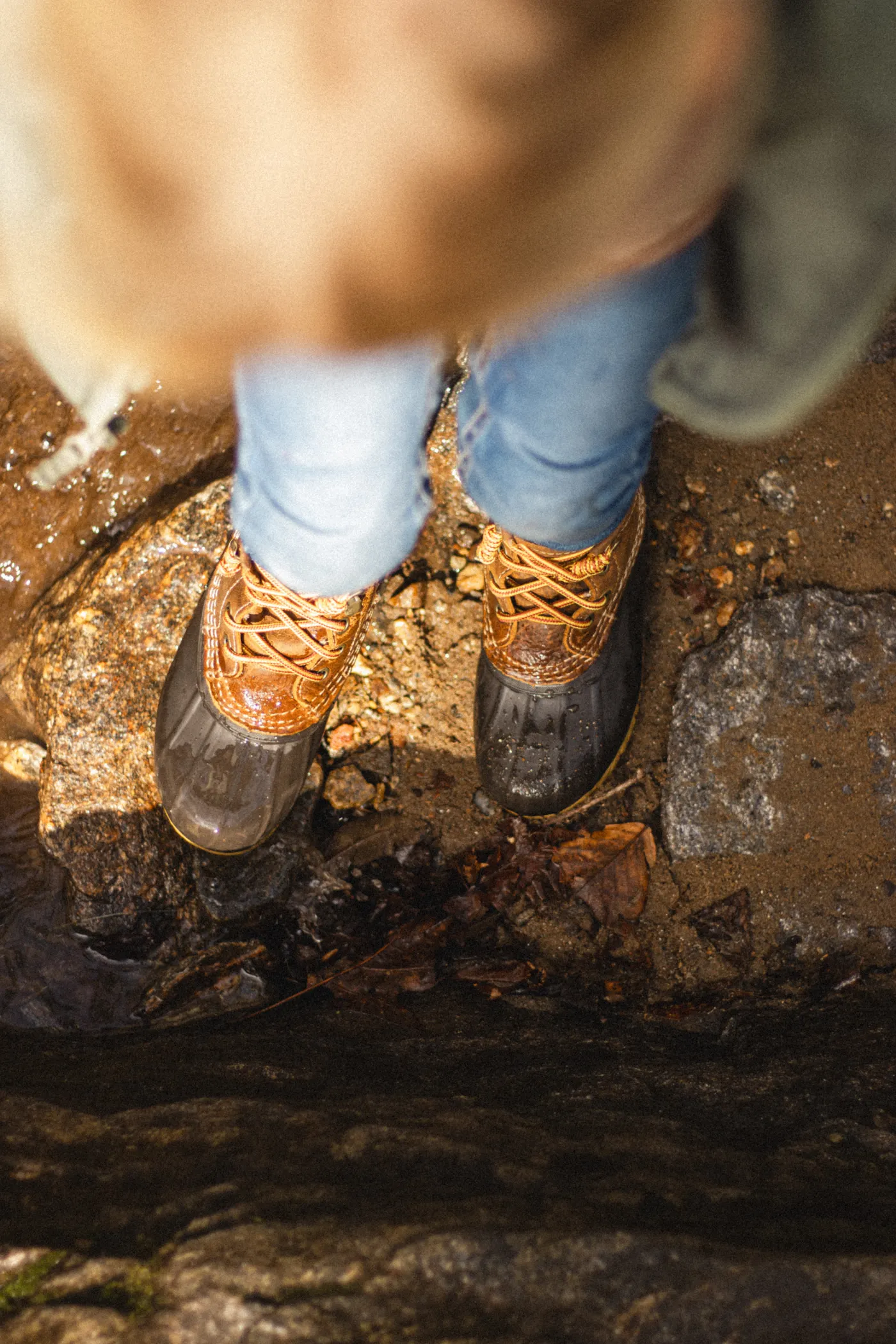
Compared with the unloaded condition, average static forefoot pressure rose by approximately 5.41% at a pack load equal to 10% of body weight and by 8.73% at 20%. Rearfoot pressure increased by about 5.01% and 10.17%, respectively. Across the whole foot, the corresponding increases were approximately 5.04% and 9.61%.
Those figures should not be read as a promise that a 10% pack causes only a 5% increase in the stress of every real-world step. They describe the particular measurements and participants in this experiment. Uneven ground, speed, fatigue, pack movement and the shape of an individual’s foot can change how forces are distributed. Maximum-pressure findings were also not identical to the average-pressure findings.
For a 70-kilogram hiker, 10% is 7 kilograms and 20% is 14 kilograms. For a 100-kilogram hiker, those same percentages are 10 and 20 kilograms. The percentage is convenient for scaling, but the heavier person is still moving a larger absolute mass, and body mass alone says little about conditioning or previous exposure.
The study’s practical signal is straightforward: adding load progressively raises pressure, with clearer changes at higher loads. It does not establish a magic tipping point at exactly 10.0%, and it certainly does not show that crossing that number causes an injury. Treat 10% as a conservative planning reference rather than a pass-fail test.

Equipment Worth Exploring
Explore equipment, accessories and gear from our carefully selected range.


Apple Watch Ultra 3
Rugged 49 mm smartwatch with cellular connectivity, GPS and fitness tracking.


GymPin Starting Blocks
Portable high-density foam blocks for adjusting machine starting positions and range of motion.

Why the 10% rule is a starting point, not a law
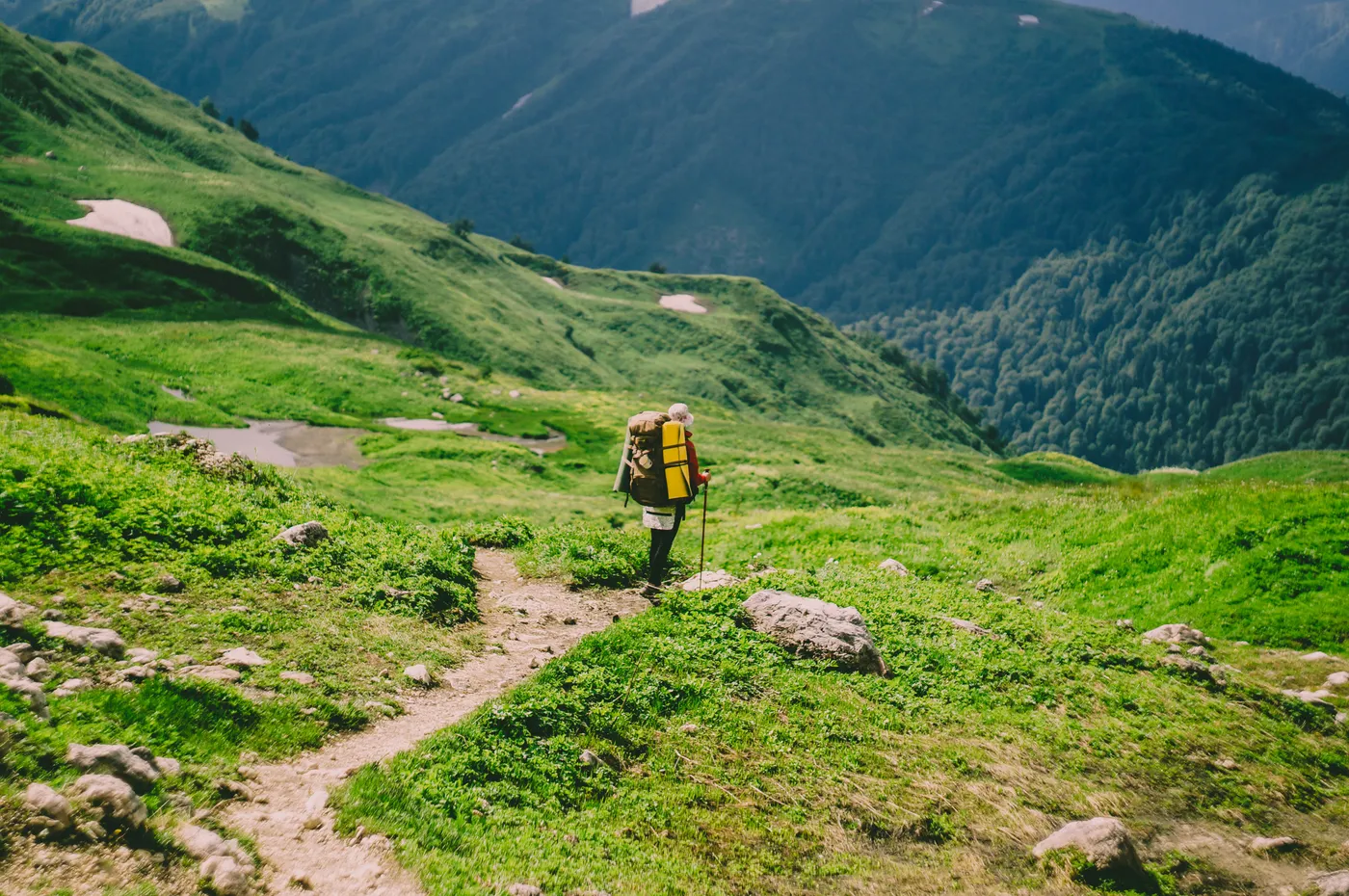
A pack that feels easy for a conditioned backpacker on a flat forest road may be overwhelming for someone returning from an ankle injury on a steep rocky descent. Pack mass is only one component of the task. Distance, elevation, terrain, temperature, speed, footwear, sleep and how often you carry loads all influence the experience.
Research across backpack users also shows that discomfort and pain are affected by more than weight. Pack design, where the mass sits and the duration of carrying can matter, while studies differ enough that broad injury claims are difficult to make. A separate experiment comparing rigid and more flexible carrying systems found differences in trunk and pelvis movement without a meaningful difference in oxygen use under its tested conditions. A different design does not necessarily make a heavy pack metabolically free.
There is a difference between a training load and an unavoidable trip load. If you are adding weight purely to make a walk harder, there is little reason to rush upward when the same conditioning goal could be achieved with a longer route, a hill or a brisker pace. If your trip requires carrying food, water and shelter, you may need to improve packing and gradually prepare for that actual mass.
Also distinguish a hiking backpack from a weighted vest. The two distribute mass differently, and findings from one should not be transferred mechanically to the other. Either can raise the energy cost of walking, but neither turns an unprepared person into an experienced load carrier overnight.

Cardio Shirts & Workout Gear
Cardio and conditioning gym gear for runners, endurance athletes and anyone who earns the sweat.

Anti Hiking Hiking Hiking Club Shirt – & Meme Top T-Shirt
Heavy lifts, good laughs, and a little “Anti Hiking Hiking Hiking Club” energy.

Anti Walking Walking Club Shirt Gymbro Meme Lifting T-Shirt
Bring “Anti Walking Walking Club” humor to your next gym day.

Anti Running Club Tee
Heavy lifts, good laughs, and a little “Anti Running Running Club” energy.

Anti Jogging Jogging Club Shirt – & Meme Top T-Shirt
Bring “Anti Jogging Jogging Club” humor to your next gym day.

Cardio Is Calling You , Meme Top Answer Or Decline? T-Shirt
Make gym days more fun with “Cardio Is Calling You” style.


Shirt – Cardio Is Hardio – & Gymbros T-Shirt
Show some cardio attitude with a playful “Cardio is Hardio” tee.

Shirt – Don'T Quit Do It – Meme & Gains T-Shirt
Show some lifting attitude with a playful “Don't Quit Do It” tee.

Cardio Speed Superhero Treadmill Workouts Gymbro T-Shirt
Make gym days more fun with “Cardio Speed Superhero” style.
Fit, terrain and pace can matter as much as the number
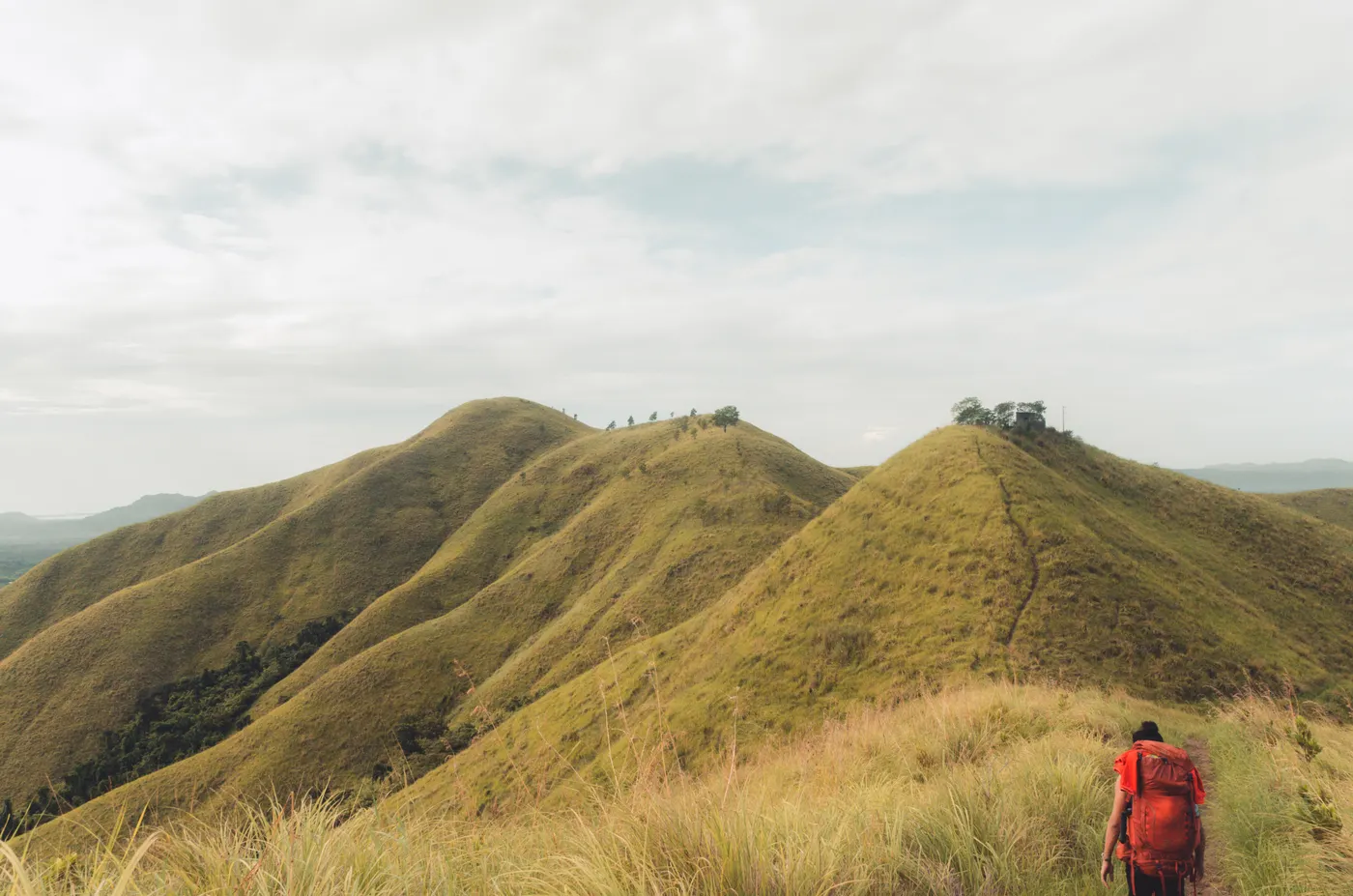
Before buying lighter equipment, look at where the existing weight sits. Dense items generally belong close to the back and secured so they do not swing. A pack that shifts side to side can change balance and make a familiar trail feel less predictable. Shoulder straps should stabilize rather than carry every kilogram; a properly fitted hip belt can transfer some load toward the pelvis when the pack is designed for it.
Test the fit while moving, not only in front of a mirror. Walk uphill, descend a short slope and step onto a stable curb. Notice whether the pack pulls you backward, forces excessive forward leaning or repeatedly bounces. Tightening every strap until you cannot breathe is not a solution. Small adjustments to load placement and strap tension often improve comfort without changing total mass.
Terrain introduces another layer. On descents, the legs must repeatedly control the lowering of body weight plus equipment. On rough surfaces, each foot placement can be slightly different. Research on loaded walking has reported increased ground-reaction forces and altered lower-limb mechanics, especially when additional mass is combined with slope. That is a reason to train downhill control rather than assuming treadmill fitness covers every trail demand.
Pace is another adjustable lever. If breathing becomes disproportionately hard or foot placement deteriorates, slow down before removing all the equipment or pushing through. Shorter steps, deliberate placement and planned breaks can help maintain technique. The aim of a long hike is to arrive able to keep walking, not to win a speed test in the first kilometer.
Strength exercises that prepare your legs for loaded walking
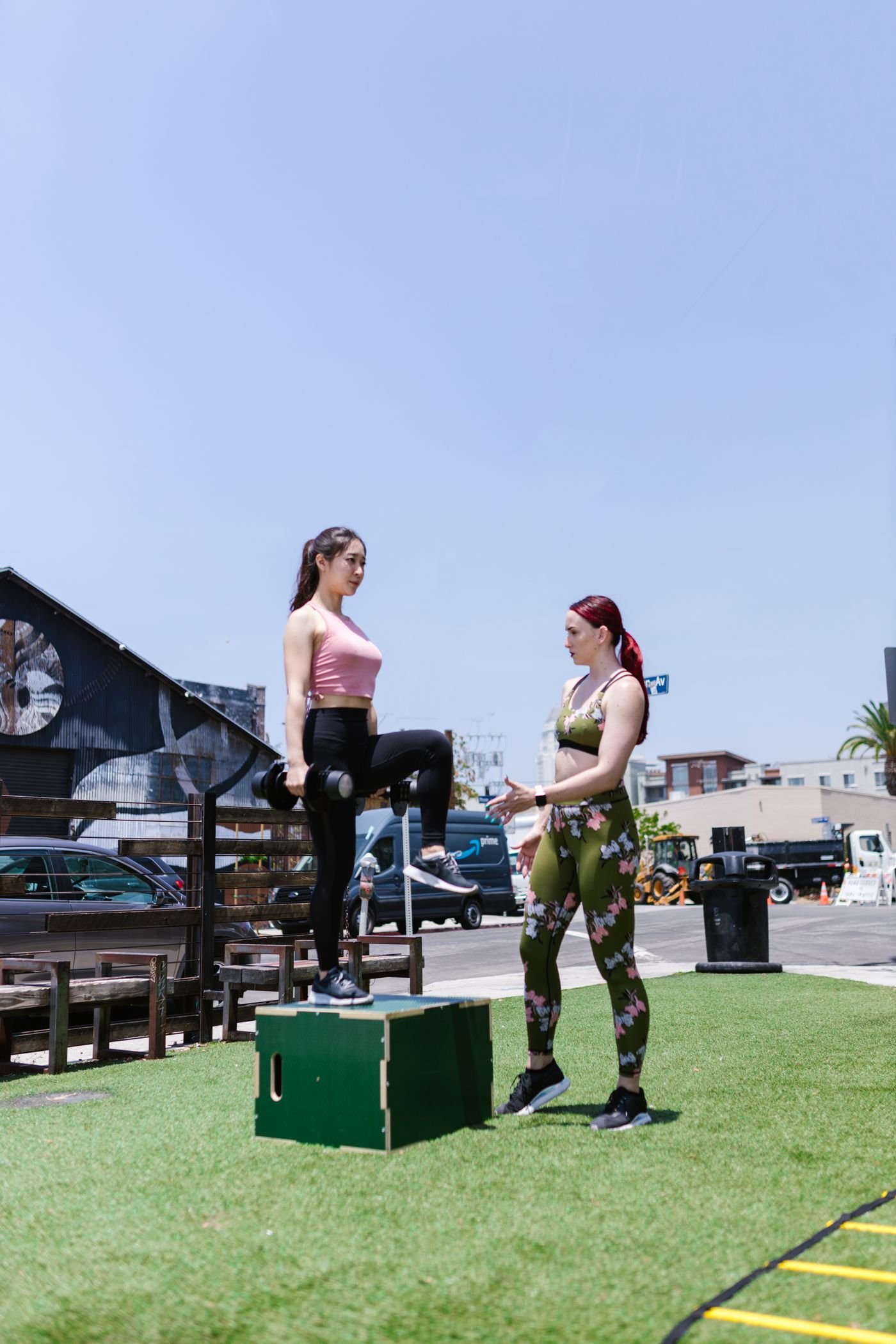
Load carriage uses more than calves. Quadriceps help control descents and step-downs; glutes contribute to hip extension and single-leg stability; hamstrings assist hip and knee control; calves and feet manage repeated push-off and ground contact. The trunk helps keep the carried mass from dragging your posture out of position. General strength work is useful preparation, but it should supplement actual walking practice rather than replace it.
Step-ups: Start with a low, stable platform. Drive through the working leg, control the return and avoid springing off the trailing foot. Use two or three sets of six to ten repetitions per leg. Raise the step height only when balance and knee control remain consistent.
Split squats or reverse lunges: These build tolerance for uneven single-leg loading. Use a comfortable range of motion and a support if necessary. Two or three sets of six to ten repetitions per side are a reasonable starting point.
Squats or trap-bar deadlifts: Choose a version that allows consistent technique. Two or three moderately challenging sets of five to eight repetitions build general leg and hip strength without requiring maximal attempts.
Calf raises and controlled step-downs: Use slow lowering and gradually increase repetitions. Calf raises can be done with straight and slightly bent knees to vary the demand. Step-downs rehearse the eccentric control that steep descents require.
Loaded carries: A suitcase carry or light backpack walk trains trunk control, but start with a manageable weight and short duration. A heavier carry is not automatically better. Stop when posture or foot placement deteriorates rather than turning fatigue into a form challenge.
Equipment Worth Exploring
Explore equipment, accessories and gear from our carefully selected range.




GymPin Squat Wedges
Non-slip 15-degree squat wedges help elevate the heels for deeper quad-focused squats.


FID Bench MAX
Adjustable bench offering flat, incline, and decline positions + adjustable headrest.

Safety Squat Handles
Barbell squat handles that reduce shoulder positioning demands during high-bar squats.
A four-week hiking and rucking progression
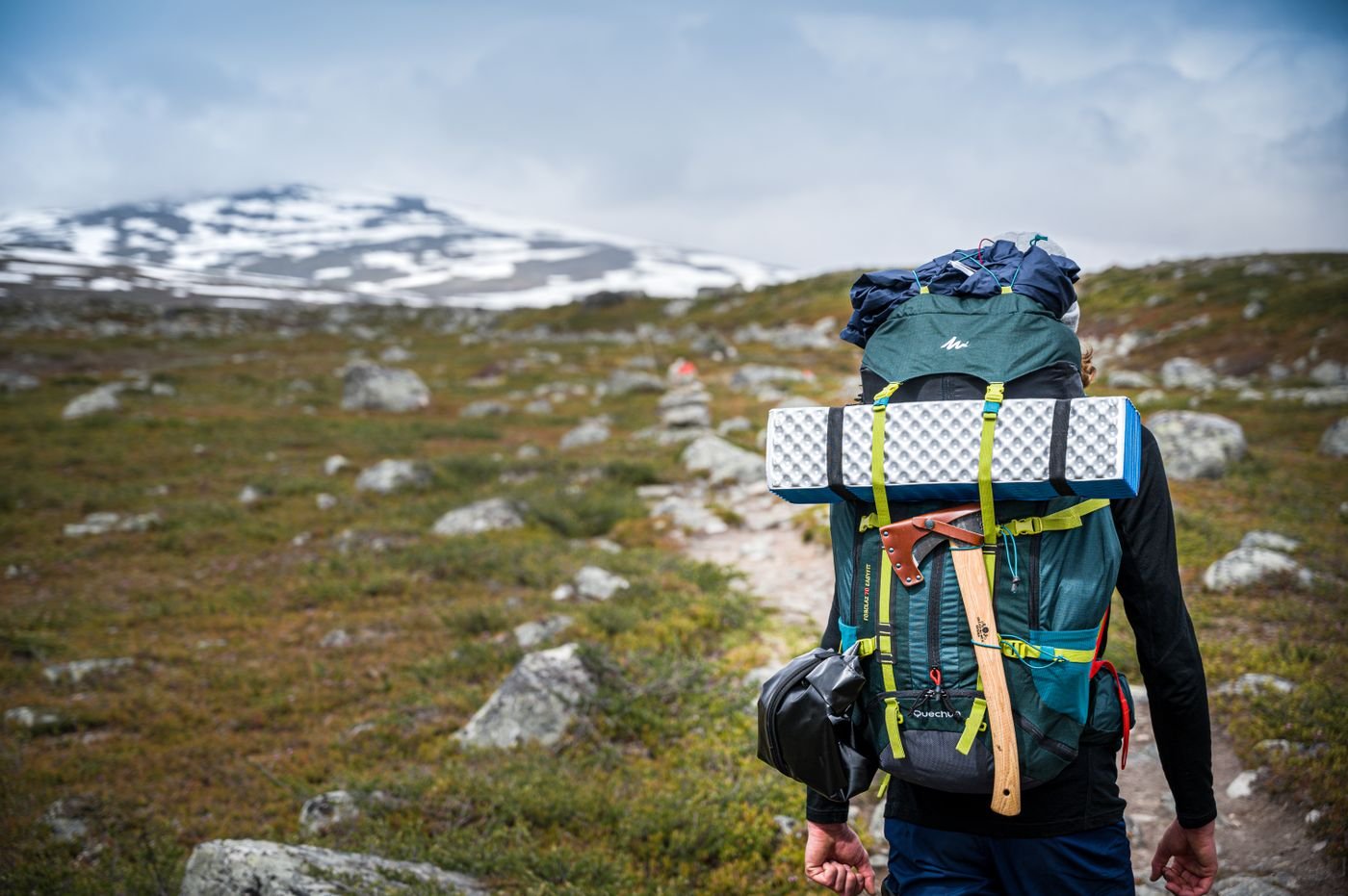
This example is for a generally healthy adult who can already walk comfortably for 30 minutes. It is a training illustration, not a protocol tested in the 39-hiker experiment. People with persistent foot pain, recent injury or medical restrictions should individualize the plan with an appropriate clinician.
Week 1 – establish the baseline. Take one 30- to 40-minute unloaded walk on predictable terrain. On another day, walk 20 to 25 minutes with a light, well-fitted pack, comfortably below 10% of body weight. Add two short strength sessions using step-ups, split squats, calf raises and a hinge or squat. Record pack mass, route, time and any symptoms later that day.
Week 2 – add duration first. Keep the same light pack and extend the loaded walk by five to ten minutes if the previous week was comfortable. Include a small hill or a few gentle step-downs, but do not increase distance, elevation and pack weight simultaneously. Keep the two strength sessions, leaving recovery time after the longer walk.
Week 3 – choose one progression. Either increase walking duration modestly or add a small amount of pack mass. Do not automatically jump to 20% body weight. Practice securing the load and descending with controlled steps. If fatigue or soreness accumulates, repeat week two instead.
Week 4 – consolidate. Repeat the best-tolerated load on a slightly more realistic route. Use a steady conversational pace and track whether your feet, calves and shoulders feel better at the same workload. Keep strength training moderate rather than chasing personal records immediately before a long hike.
The principle is repeatable exposure. A training plan is successful when it improves tolerance and confidence without producing persistent pain. There is no prize for hitting a particular backpack percentage.
Leg Day Shirts & Workout Gear
Leg-day gym shirts and workout gear for lifters who never skip squats, lunges and lower-body punishment.

Never Skip Legday – Chicken Legs Meme , , & Leg Day T-Shirt
Heavy lifts, good laughs, and a little “Never Skip Legday” energy.


Leg Day Is Calling You Squats, Deadlifts & Gains T-Shirt
Rep “Leg Day Is Calling You” humor in and out of the gym.


Shirt – Squat Inspector Leg Day & Booty Gains – Meme T-Shirt
Make gym days more fun with “Squat Inspector” style.

Today Is Gonna Be The Day That
Rep “Today Is Gonna Be The Day That I Finally” humor in and out of the gym.
Foot discomfort, recovery and the practical packing checklist
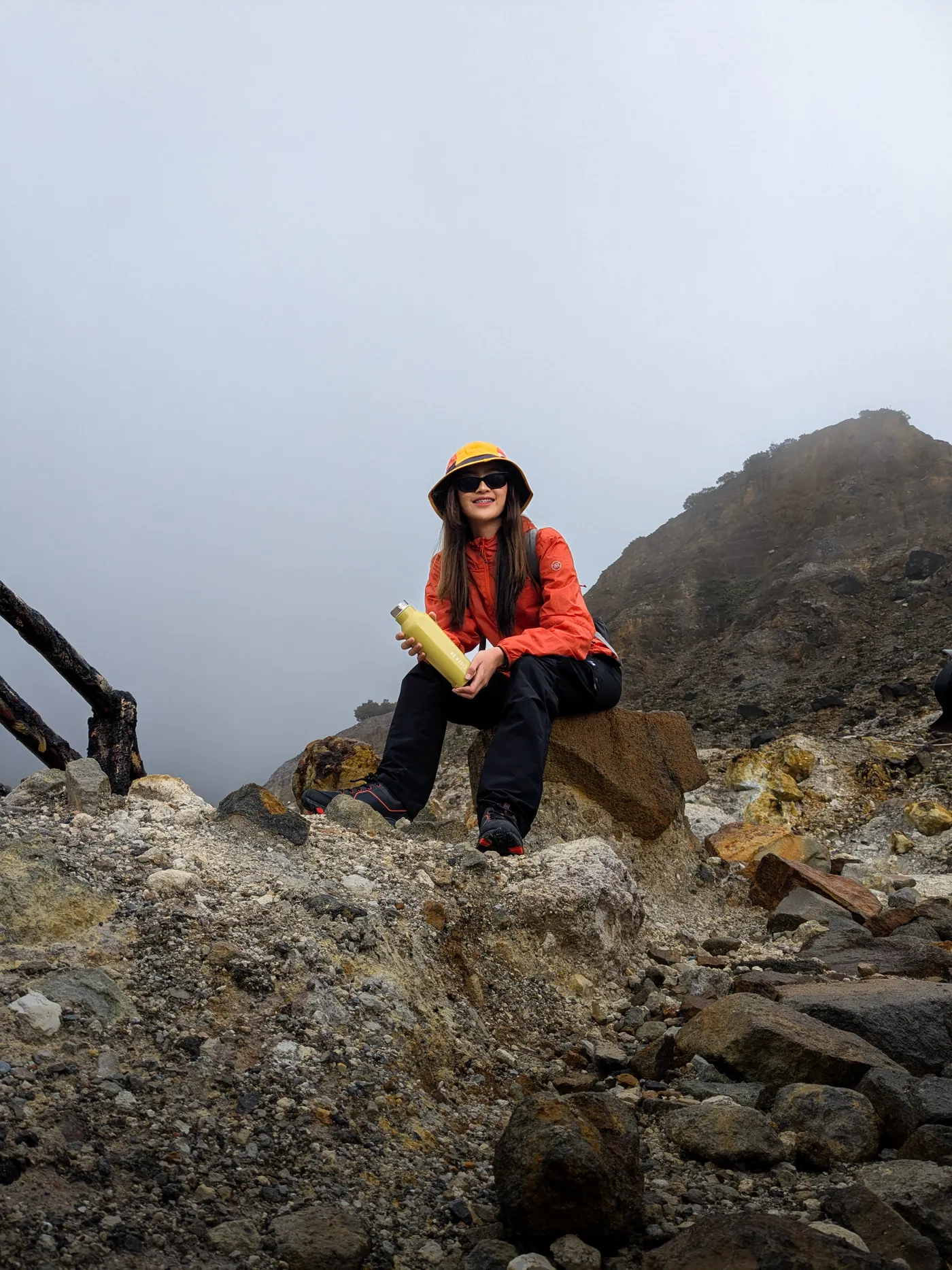
Pay attention to the difference between ordinary effort and a developing problem. Mild muscle fatigue after an unfamiliar hill can be expected. A localized, worsening pain under one foot, new swelling, persistent numbness, or a change in gait is a reason to stop increasing load and seek an appropriate assessment. Continuing to add kilograms because a chart says the pack is “within the limit” misses the purpose of the guideline.
Check your feet after longer walks. Hot spots and blisters often reflect friction, moisture or footwear fit rather than a simple body-weight percentage. Change socks when needed, address rubbing early and make sure the footwear accommodates natural foot movement. A shoe that is comfortable unloaded may behave differently after several hours with a pack.
Recovery is also part of the progression. Separate demanding loaded walks from your heaviest leg session when possible. Eat enough to support the distance, carry appropriate fluids for the conditions and leave time for sleep. If the next day’s stairs feel unusually difficult, consider shortening the following session rather than assuming more work is always productive.
Before leaving, ask five questions: Is every item necessary? Is the heavy gear stable and close to the body? Does the pack fit while walking and descending? Have I practiced with a similar load and route? Can I finish at a pace that preserves balance and foot comfort?
The most defensible lesson from the 2026 foot-pressure findings is not that everyone must hike under 10% body weight. It is that pack weight is a measurable dose of mechanical stress. Keep the dose purposeful, adjust the rest of the hike around it, and build the strength and walking experience to manage it well.