Four minutes sounds like a shortcut to fitness. That is why the word Tabata appears on everything from cycling classes to forty-minute boot camps. But a genuine four-minute 20/10 protocol and a flexible high-intensity interval session are not interchangeable. The work-to-rest ratio changes the effort you can sustain, the adaptations you emphasize and how much recovery you need. Here is how to choose the format that serves your training instead of simply chasing the most exhausting timer.
1. HIIT is a category; Tabata is one demanding format
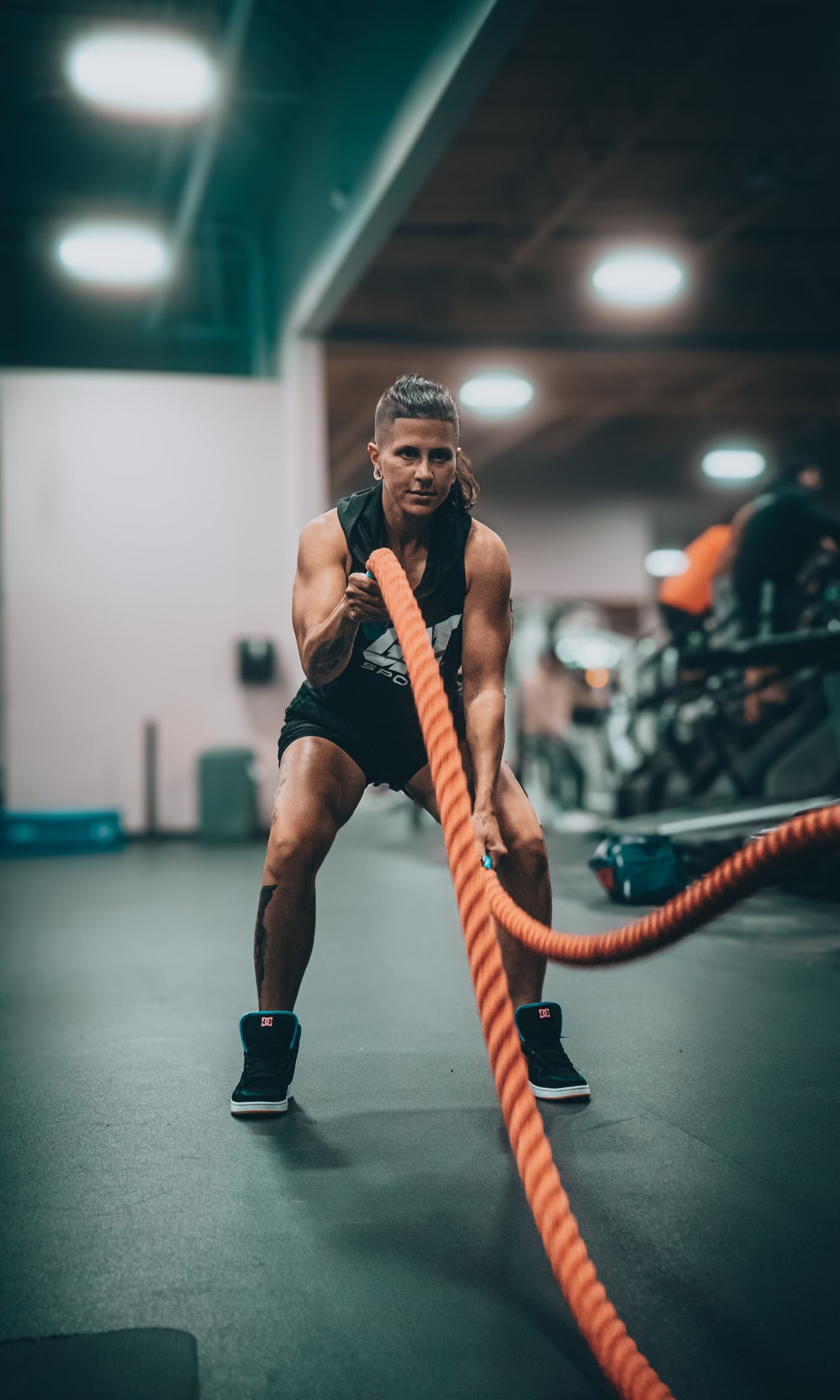
High-intensity interval training, or HIIT, alternates relatively hard work with easier movement or rest. A workout might use thirty seconds of cycling followed by ninety seconds easy, or three-minute running intervals separated by two minutes of walking. The duration, intensity and recovery are adjustable. That flexibility makes HIIT useful for athletes with different abilities and goals, but it also means two workouts carrying the same label may create very different demands.
Tabata refers to a specific high-intensity intermittent structure: twenty seconds of extremely hard effort, ten seconds of recovery, repeated eight times. The arithmetic is straightforward: eight cycles of thirty seconds make four minutes. The difficulty is not the clock; it is producing a very high output repeatedly while recovering for only half as long as you work. The original controlled experiment used cycle ergometry at a demanding intensity, not an assortment of unrelated exercises chosen for variety.
A four-minute circuit of casual bodyweight movements can still be enjoyable conditioning. It is not automatically equivalent to the original experimental protocol just because the timer says 20/10. Likewise, a thirty-minute class built from several 20/10 blocks is a longer interval workout, not a single four-minute test. Describe the session accurately: interval training, a Tabata-style circuit, or a genuinely maximal 20/10 effort.
The practical question is what you can repeat with good mechanics. If you need to slow down dramatically by the third interval, the session may be too intense for its intended purpose. A more forgiving HIIT structure often lets you accumulate more quality hard work while controlling fatigue.
2. Why twenty seconds on and ten seconds off feels so different
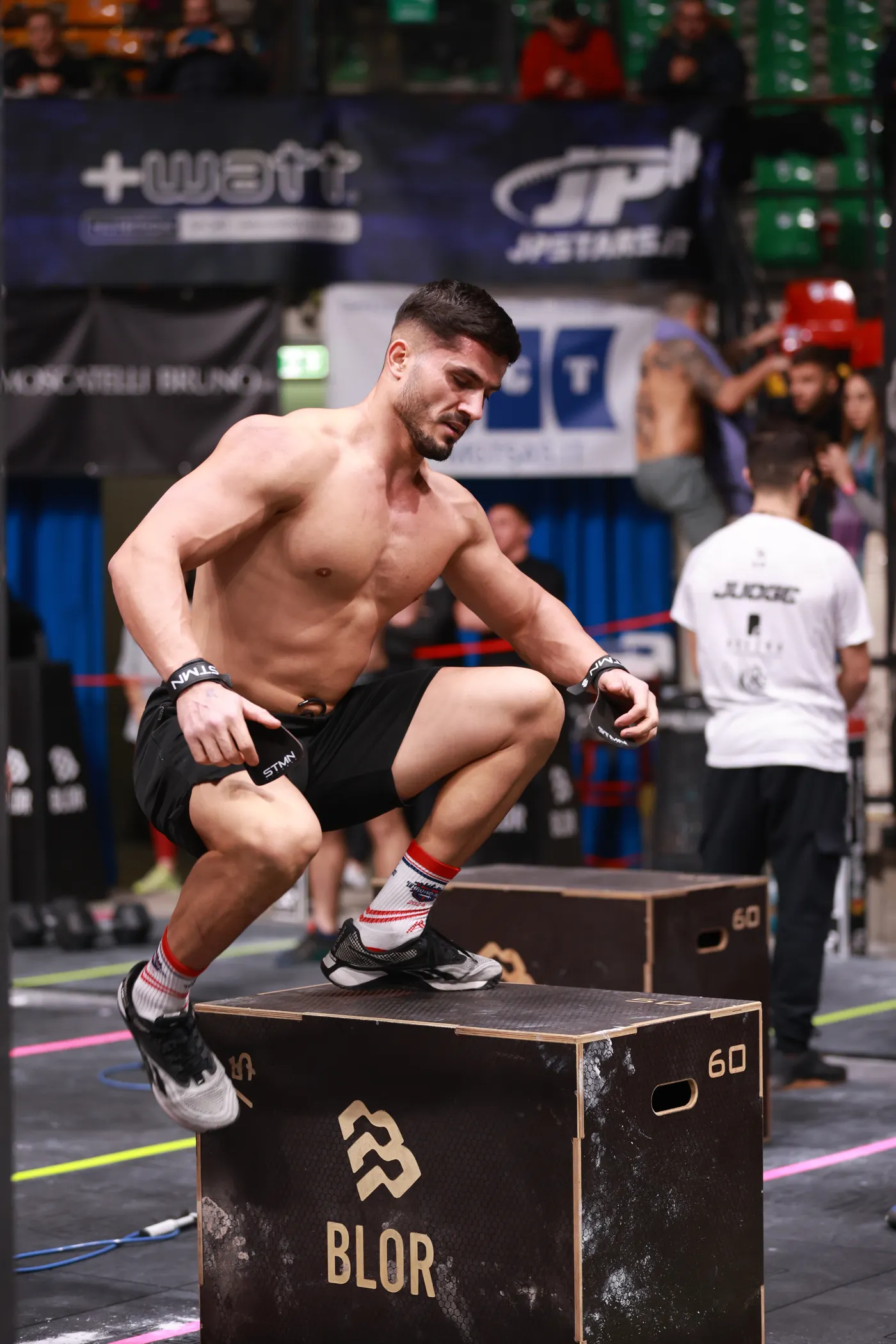
In a 2:1 work-to-rest pattern, recovery is deliberately incomplete. Heart rate and breathing remain elevated between efforts, and the muscles cannot restore all of their immediate energy supply in ten seconds. Output usually falls across repeated bouts, especially when the first one is truly maximal. That is part of the challenge, but it also explains why a four-minute block can feel disproportionately unpleasant.
Compare two simple examples. Session A uses eight cycles of twenty seconds hard and ten seconds easy: four minutes total, with two minutes and forty seconds of work. Session B uses eight cycles of thirty seconds hard and ninety seconds easy: sixteen minutes total, with four minutes of work. The second session takes longer but offers far more recovery, which may allow better pace, technique and consistency. Neither is universally superior; they deliver different training doses.
Exercise choice matters as much as timing. A stationary bike or rowing ergometer allows effort to rise and fall quickly without complicated technique. Repeated loaded barbell lifts or high-risk jumps are poor choices for uncontrolled all-out fatigue because form can deteriorate while the timer keeps running. Burpees and mountain climbers can work as modified circuits, but speed should not outrun safe movement quality.
For most people, the smartest progression is to build a base with easier intervals, then shorten recovery only when output remains stable. You can track pace, watts, distance or repetitions across bouts. If the final rounds collapse to a fraction of the first, reduce intensity, add rest or stop rather than claiming that a harder-looking workout must be better.

Equipment Worth Exploring
Explore equipment, accessories and gear from our carefully selected range.


VOLTRA
Compact digital cable trainer with smooth, adjustable resistance.

Go-Tone Pro
Portable digital cable trainer with up to 66 lb (30 kg) of adjustable resistance.

Apple Watch Ultra 3
Rugged 49 mm smartwatch with cellular connectivity, GPS and fitness tracking.

Powerbeats Fit
Secure-fit wireless workout earbuds with active noise cancellation and a charging case.
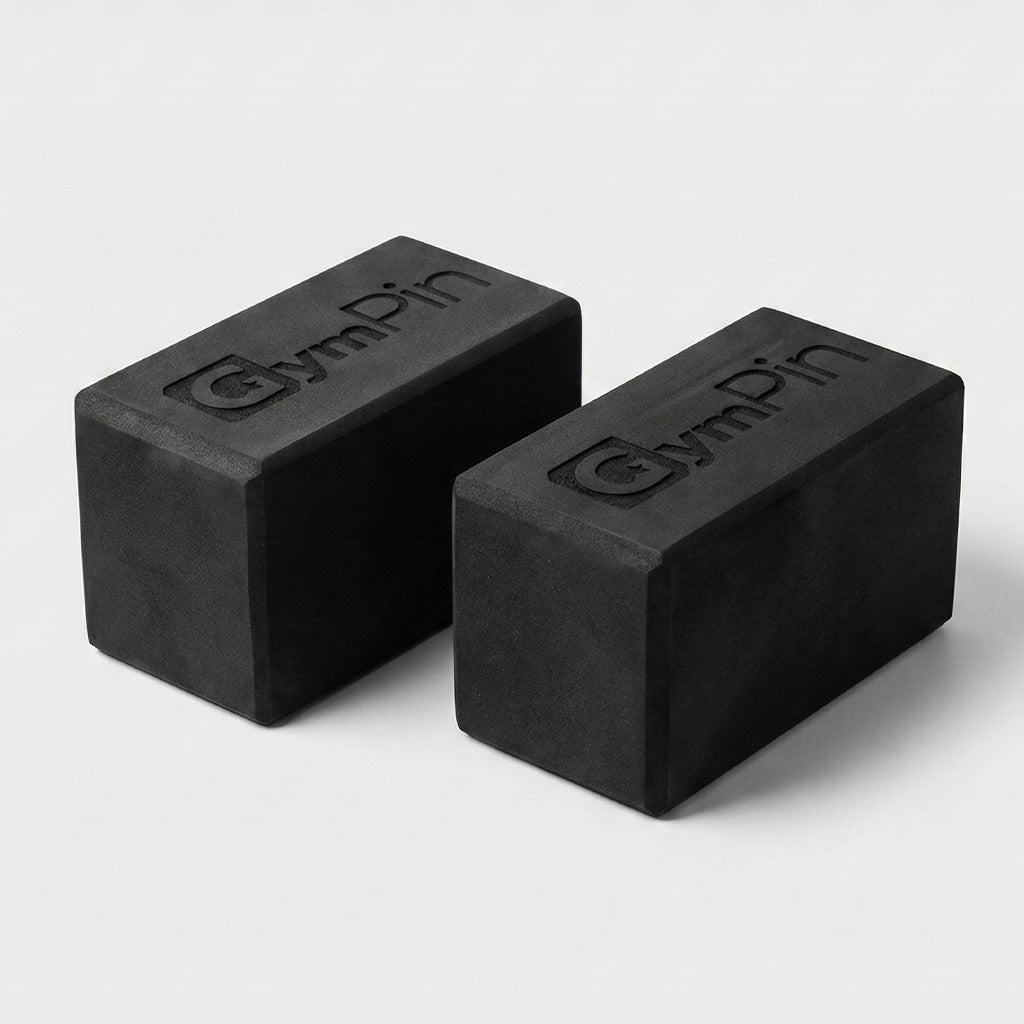
GymPin Starting Blocks
Portable high-density foam blocks for adjusting machine starting positions and range of motion.
3. What interval research can and cannot tell us about fitness

The original six-week cycling experiment showed improvements in aerobic capacity and anaerobic capacity with very intense intermittent training. That finding helped popularize the 20/10 format. It did not establish that any four-minute exercise circuit produces the same changes, or that a short session replaces all other cardiovascular activity. The participants, equipment, prescribed effort and total training program all matter.
Broader evidence supports intervals as an effective way to improve cardiorespiratory fitness. A large synthesis published in 2024 combined twenty-four systematic reviews covering hundreds of studies and found improvements in fitness compared with no exercise and, on average, moderate continuous exercise. However, the included protocols and populations varied substantially, and the quality of the underlying reviews was uneven. The sensible conclusion is that intervals work—not that one timer is magic.
Another analysis of athletes compared high-intensity intervals, sprint intervals and repeated-sprint training. All three approaches improved maximal oxygen uptake relative to conventional training, without a clear statistically significant winner among the interval methods. Longer work periods can provide more sustained cardiovascular stimulus, while very short maximal efforts emphasize repeated high power. Your sport, current fitness and recovery budget determine which adaptation is worth prioritizing.
For a recreational lifter, better aerobic fitness may mean easier stair climbs, quicker recovery between moderate efforts and improved endurance during longer sessions. It does not require constant maximal sprints. A runner preparing for a distance event might benefit from longer controlled intervals, whereas a field-sport athlete may need short accelerations and repeated efforts. Treat research as a way to select an appropriate dose, not a competition to find the harshest workout.

Cardio Shirts & Workout Gear
Cardio and conditioning gym gear for runners, endurance athletes and anyone who earns the sweat.

Dost Thou Even Pedal Tee
Make gym days more fun with “Dost Thou Even Pedal Medieval Air Bike” style.


Cardio Is Calling Decline Vest Meme Tank Top
Show some personality between sets with “Cardio Is Calling”.

Skip Cardio Exit Cardio Meme Hooded Hoodie
Keep it laid-back with a little “Skip Cardio” attitude.

Negative Cardio Review Cardio Sucks 1 Star Decal Sticker
Give your everyday gear a playful “Negative Cardio Review” twist.

Cardio Is Hardio – Workout Meme Hooded Pullover Hoodie
Keep it laid-back with a little “Cardio Is Hardio” attitude.

Everything Hurts And I'M Tired Motivation Vest Tank Top
Your gym-day look, with a playful “Everything Hurts And I'm Tired” twist.

Don't Quit Do It – Motivational Workout Decal for Gym B Sticker
Give your everyday gear a playful “Don't Quit Do It” twist.

Anti Cardio Cardio Club Shirt Meme & Top T-Shirt
Bring “Anti Cardio Cardio Club” humor to your next gym day.
4. Fat loss is not decided by which interval feels most brutal

Hard intervals can burn energy and help improve fitness, but the feeling of being exhausted is not a reliable measure of fat loss. A four-minute bout contains very little total exercise time. Even if its energy expenditure per minute is high, it cannot automatically match a much longer walk, bike ride or run. Watch displays and generic online calorie estimates add uncertainty because body size, actual work output, recovery and device algorithms all differ.
In controlled comparisons of adults with excess weight, high-intensity interval training has not consistently produced greater reductions in body-fat percentage or visceral fat than continuous aerobic training. Some reviews report modest advantages for particular measures or populations, but the overall evidence does not justify promising a special fat-burning effect from 20/10 intervals. Training frequency, total weekly work, food intake, sleep and long-term adherence are more useful variables to manage.
There is also an opportunity cost. If repeated all-out sessions leave your legs sore enough to skip a planned lifting workout or reduce everyday movement, the program may be counterproductive. A twenty-minute session at an intensity you can repeat every week may serve you better than one punishing four-minute test followed by several days of avoidance.
For body composition, keep resistance training in the plan, use a sustainable eating pattern and accumulate aerobic activity through methods you can tolerate. A brisk walk after dinner, a steady bike ride and a controlled interval session can all contribute. The right combination is the one that adds useful weekly activity without making recovery or consistency impossible.
5. A practical HIIT workout for building aerobic capacity
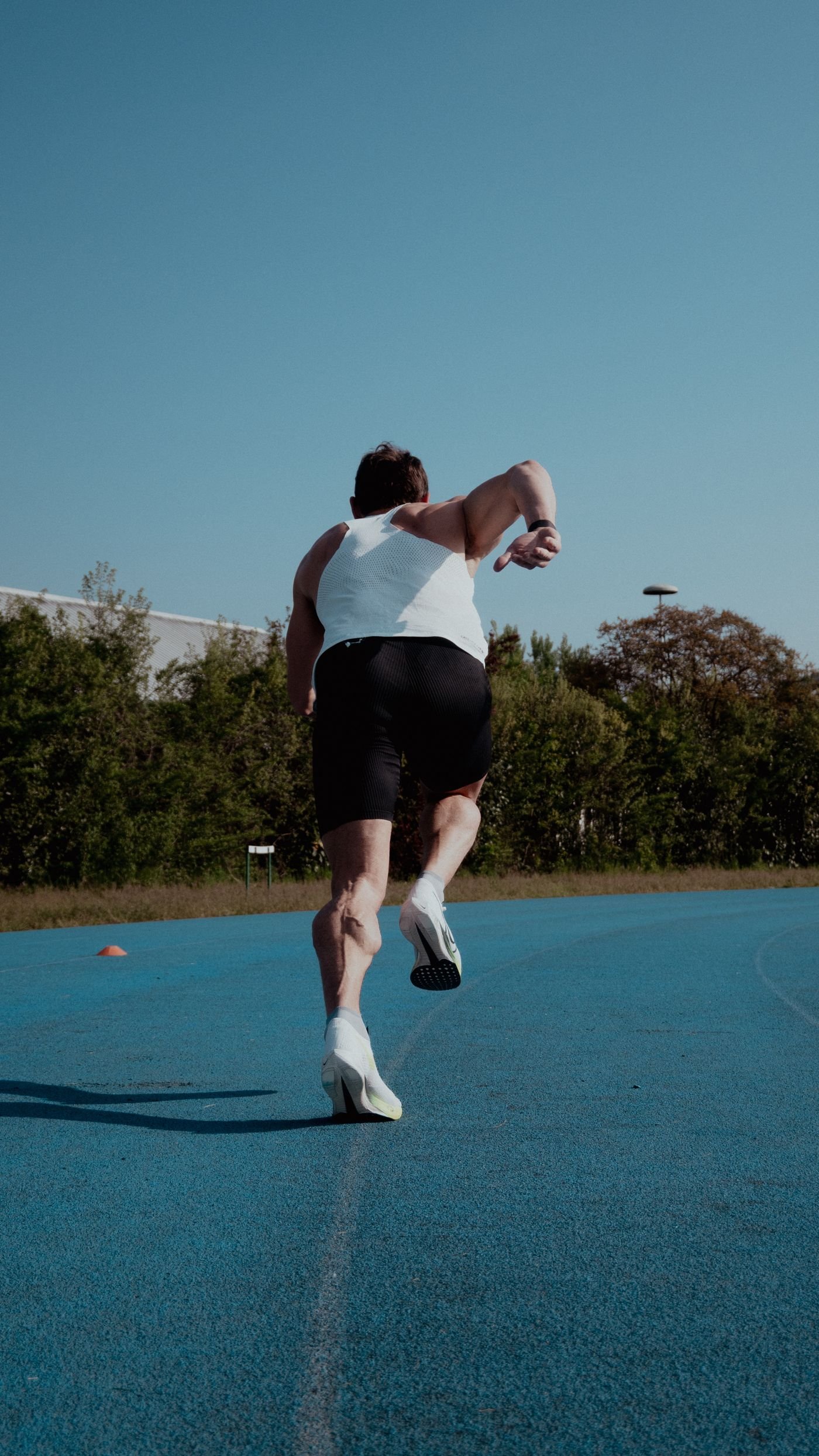
Start with a machine or activity whose intensity you can control precisely: cycling, rowing, an elliptical or running on a familiar surface. Warm up for five to eight minutes, gradually increasing pace until breathing becomes moderately elevated. Then perform five rounds of one minute hard and two minutes easy. Finish with three to five minutes of comfortable movement. The interval block takes fifteen minutes, so the complete workout fits into roughly twenty-five minutes.
During each hard minute, aim for an effort around seven or eight out of ten: speaking is difficult, but the pace is not an uncontrolled sprint. During the two-minute recovery, slow down enough to prepare for the next round. Record a simple performance measure such as bike watts, rowing distance or treadmill pace. The goal is to keep all five hard bouts reasonably consistent, not to set a personal record in round one and survive the remaining four.
Once you can repeat that session comfortably for several weeks, progress one variable at a time. Add a sixth round, extend hard intervals to ninety seconds, or modestly shorten the easy portions. Avoid changing all three simultaneously. Longer intervals of two to four minutes can also be useful, but they require a sustainable pace rather than a maximal burst.
Beginners may start with thirty seconds brisk and ninety seconds easy, using four to six rounds. Walking uphill, cycling or rowing can reduce impact compared with repeated sprinting. Someone returning after illness or managing a medical condition should choose intensity with appropriate professional guidance. The session should leave you challenged but capable of training again, not dizzy or unable to recover.
Equipment Worth Exploring
Explore equipment, accessories and gear from our carefully selected range.


Power Tower
Freestanding pull-up and dip station with adjustable handles for bodyweight training.


GymPin Squat Wedges
Non-slip 15-degree squat wedges help elevate the heels for deeper quad-focused squats.

6. How to try a four-minute 20/10 session responsibly

Reserve the most demanding 20/10 work for days when you are rested and already comfortable with vigorous exercise. Begin with a proper warm-up, including several brief increases in pace. On a stationary bike, perform twenty seconds very hard, then pedal easily for ten seconds. Repeat up to eight times. If power or technique deteriorates sharply, end the block early. Cool down for several minutes afterward rather than stopping abruptly.
For an approachable alternative, use a Tabata-style bodyweight circuit at a submaximal effort. Choose two technically simple movements, such as fast step-ups and controlled mountain climbers, alternating them across eight rounds. The clock is identical, but the training objective is different: maintain clean movement and moderate-to-hard conditioning, not reproduce laboratory-level maximal cycling. This distinction prevents unrealistic promises and helps newer exercisers participate safely.
Do not confuse the four-minute work block with the whole workout. Warm-up, recovery and cooldown add meaningful time. Likewise, stacking four or five maximal 20/10 blocks is a very different training load from doing one. More blocks are not automatically better, particularly if the quality of work collapses or you have a demanding strength session the next day.
Use low-skill movements when fatigue rises. Loaded Olympic lifts, heavy squats and technically difficult jumps should not be rushed against a relentless timer. For a lifter who also enjoys circuit work, kettlebell swings or light resistance exercises can be programmed with longer rest periods and controlled form. The interval method should serve the movement, not force the movement into a dangerous pace.
Functional Fitness Shirts & Workout Gear
Functional-fitness shirts, tanks and workout gear for athletes who train strength, conditioning and everything in between.

Hybrid Athlete Strength Tee
Show some lifting attitude with a playful “Hybrid Athlete” tee.


Kettlebell Heartbeat Decal for Water Bottles Laptops Wo Sticker
Put “Kettlebell Heartbeat” gym humor on your laptop, bottle, or gym gear.

Vive La Resistance Bands – Resistance Bands Warmup Reha Hoodie
Stay casual and show some lifting attitude with “Vive La Resistance Bands”.

Live Love Lift – Gymbro Meme & Gains – Shirt T-Shirt
Rep “Live Love Lift” humor in and out of the gym.

Lift Together Grow Stronger Buddies Friendship Workout T-Shirt
Make gym days more fun with “Lift Together Grow Stronger” style.

Gym Is My Happy Place Happy Kettlebell Emoji Smiley Fac T-Shirt
Show some gym-day personality with “Gym Is My Happy Place”.

Break The Stereotype Gym | Feminist Muscle Shirt For St Tank Top
Add some lifting attitude to training with “Break The Stereotype”.

Gym Equation Makes Me Happy Kettlebell Meme Graphic Fit T-Shirt
Heavy lifts, good laughs, and a little “Gym Equation” energy.
7. Choose the method you can recover from and repeat

Choose flexible HIIT when you want measurable cardiovascular progress, are relatively new to intervals, or need to fit conditioning around serious strength training. Choose a true high-intensity 20/10 block when you are experienced, have a suitable low-skill machine, and specifically want to practice repeated hard efforts. Choose moderate continuous cardio when you want a lower-fatigue way to accumulate weekly activity. These options can coexist rather than compete.
A practical week might include two resistance-training days, one controlled interval session and two or three easier aerobic sessions. For most adults, the broad health benchmark is at least 150 minutes of moderate aerobic activity or 75 minutes vigorous activity each week, plus muscle strengthening on at least two days. Very short interval blocks can contribute, but do not assume four minutes automatically satisfies an entire week’s aerobic recommendation.
Separate your hardest leg intervals from your heaviest lower-body lifting when possible. If both must happen on the same day, prioritize the session that matters most to your current goal. Watch for declining workout performance, unusually persistent soreness, sleep disruption or an inability to reproduce normal training intensity. These signals are more actionable than a timer that simply says you completed eight rounds.
Finally, judge the plan by outcomes: can you hold a faster pace at a similar effort, recover sooner between bouts, complete more consistent intervals or maintain your lifting progress? Those changes are useful. The best conditioning method is not the one that makes you suffer most in four minutes; it is the one that improves your fitness while leaving you willing and able to train again.