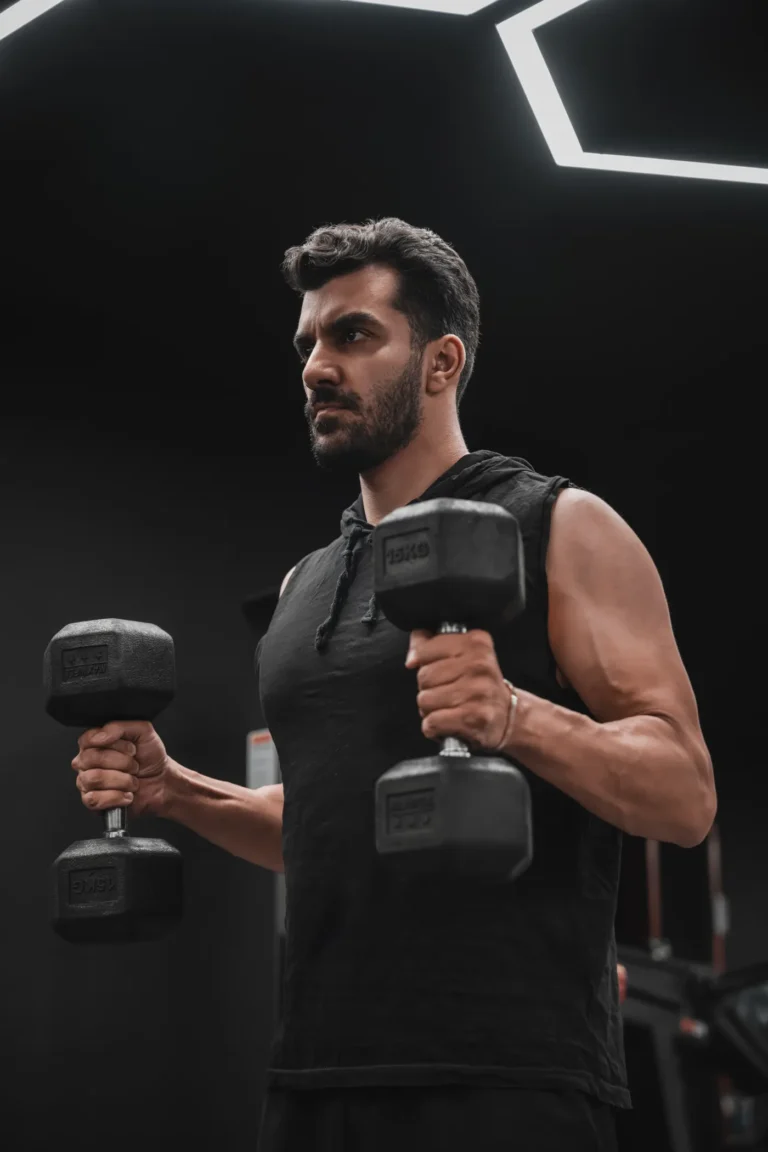
Back discomfort can make even ordinary exercise feel complicated. A 2026 analysis of 15 randomized trials offers a useful reality check: core-focused training may improve pain and function for some adults with persistent non-specific low-back pain, but the research does not identify a universal winner. Here is what the numbers actually mean and how to translate them into sensible training choices.
What the 2026 review actually tested
Core training is often marketed as a cure-all for a sore lower back. The more useful question is narrower: when adults already have persistent, non-specific low-back pain, do different ways of training the trunk change pain and daily function? A 2026 synthesis examined 15 randomized controlled trials that directly compared active core-training approaches, including stabilization work, sling-based exercise and combinations with other rehabilitation methods. That design matters. It was not a test of whether a plank alone prevents every future back injury.
Across the studies with usable pain data, the pooled standardized difference was about -0.56, with a 95% confidence interval from -1.08 to -0.03. Function showed a pooled difference of roughly -0.81, with a 95% interval from -1.38 to -0.25. These are standardized statistical estimates, not a promise that anyone’s pain score will drop by a particular number of points. The results suggest potential benefits, but the included training plans and comparison groups varied substantially.
Importantly, this evidence concerns people with chronic non-specific pain, not acute trauma, nerve compression, fractures or a confirmed structural diagnosis. It cannot tell an otherwise healthy lifter that one particular core drill is essential, nor can it justify pushing through worsening symptoms. The practical takeaway is to choose a tolerable way to practice trunk control consistently while keeping the rest of your movement program in view.
Why the evidence is encouraging but far from definitive
Two numbers should temper enthusiasm: the between-study heterogeneity was approximately 90% for pain and 91% for function. In plain language, the trials did not all produce similar results. They differed in exercise selection, intensity, treatment duration, participants and the additional care some groups received. Pooling them offers a broad signal, not a precise ranking of individual exercises. The overall certainty of the evidence was assessed as low.
Some of the biggest differences arose when a core program was paired with another intervention. The combined-treatment subgroup had a statistically detectable functional improvement, but that does not establish that adding a second therapy beats core training alone. The formal test comparing subgroups was not significant. That distinction prevents a common mistake: interpreting ‘significant in group A, not significant in group B’ as proof that A is better than B.
Earlier reviews have also found that stabilization exercises can help some people with persistent back pain, especially over shorter follow-up periods, while other exercise approaches can work too. A large network comparison placed several active methods, including strength-based and mind-body exercise, among useful options. The consistent message is less glamorous than a magic protocol: movement that a person can perform, progress and sustain often matters more than a branded list of three perfect exercises.

Equipment Worth Exploring
Explore equipment, accessories and gear from our carefully selected range.


FID Bench MAX
Adjustable bench offering flat, incline, and decline positions + adjustable headrest.


Three core skills worth practicing before chasing harder variations
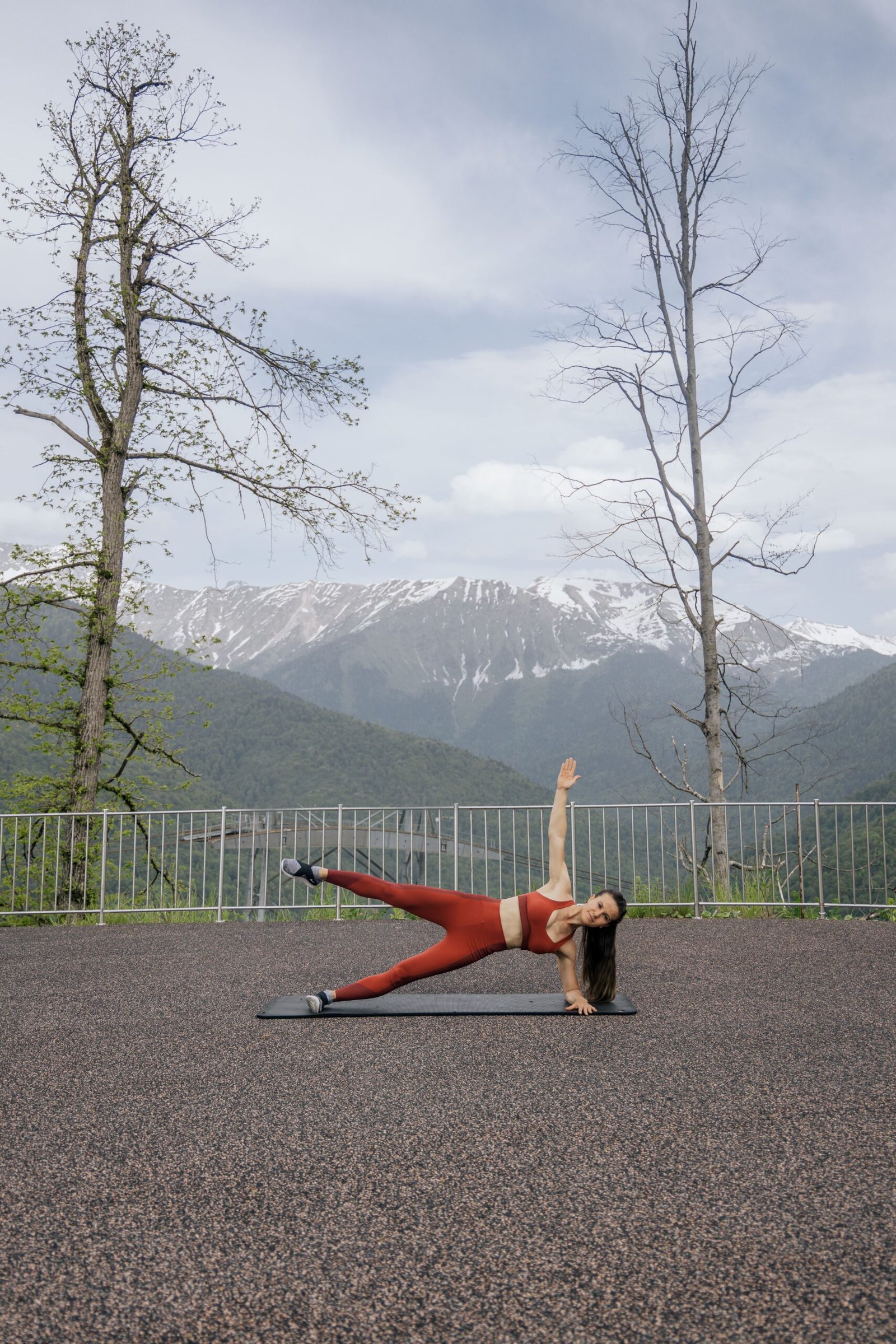
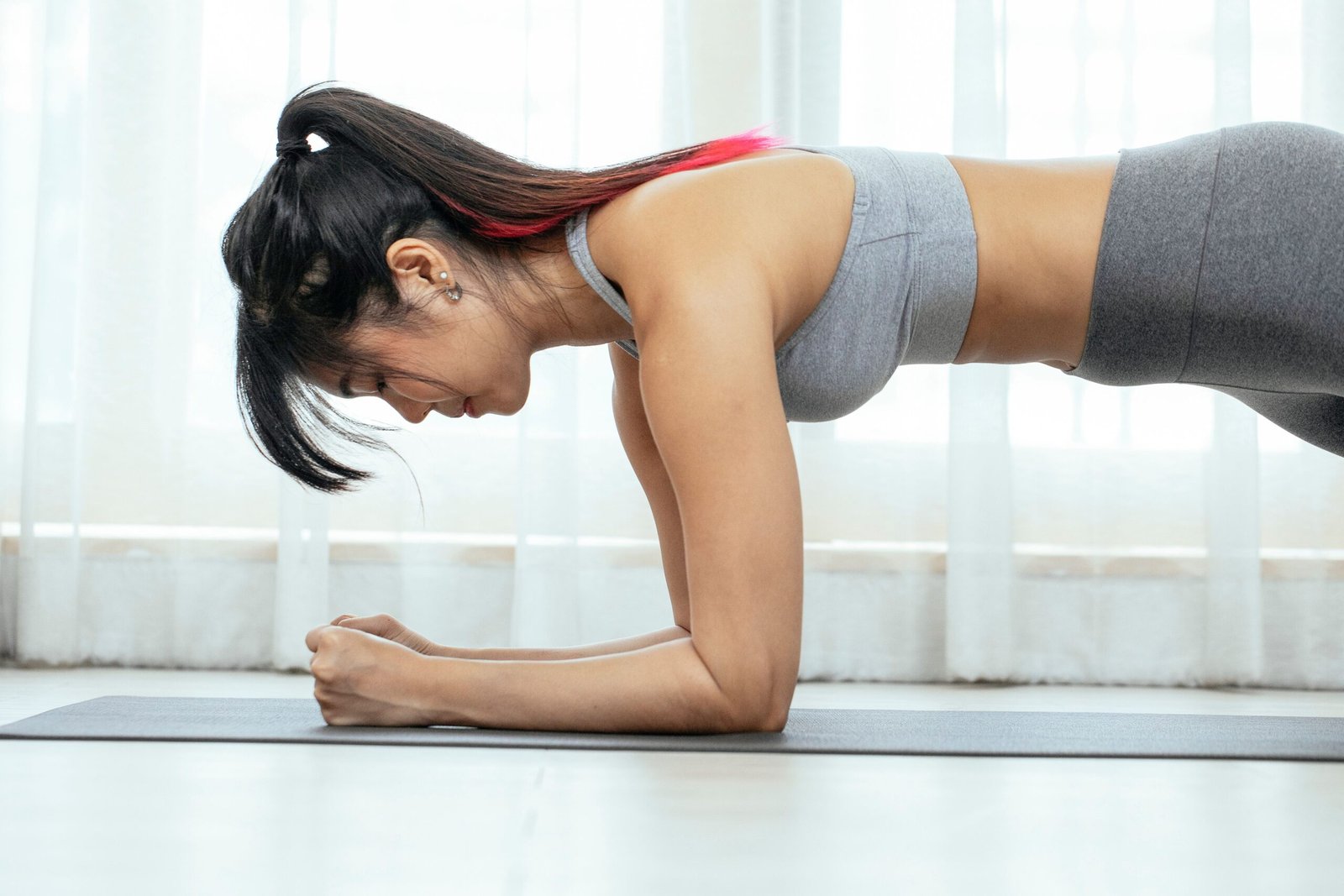
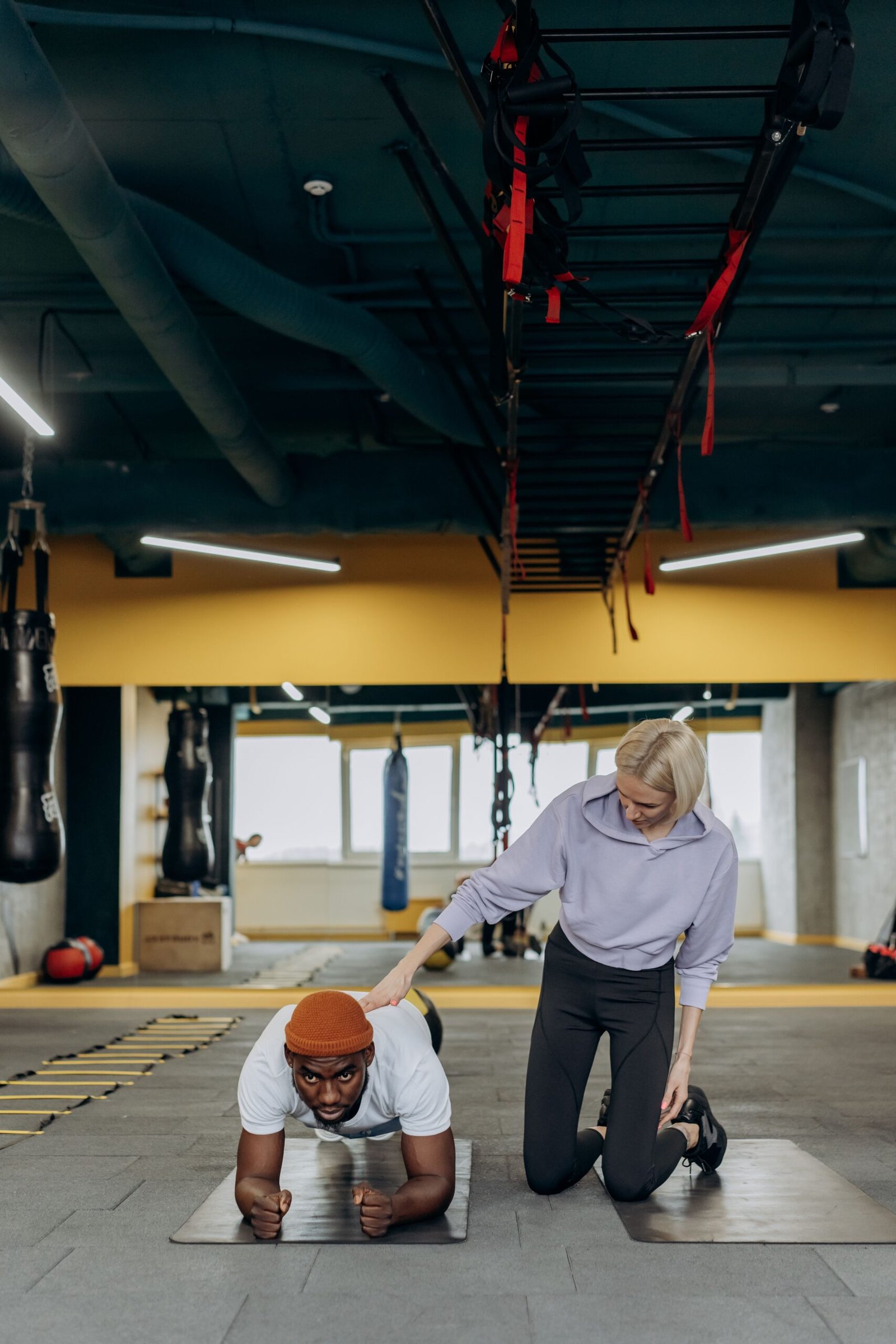
Think of trunk training as practicing three related skills: resisting unwanted extension, resisting side-bending, and coordinating the hips and shoulders while the torso stays controlled. A basic forearm plank can teach the first skill. Start with elbows under shoulders, ribs gently stacked over the pelvis, glutes lightly active and normal breathing. Stop before your lower back sags or your shoulders become the limiting factor. Ten to twenty seconds of clean position can be more productive than a shaky minute.
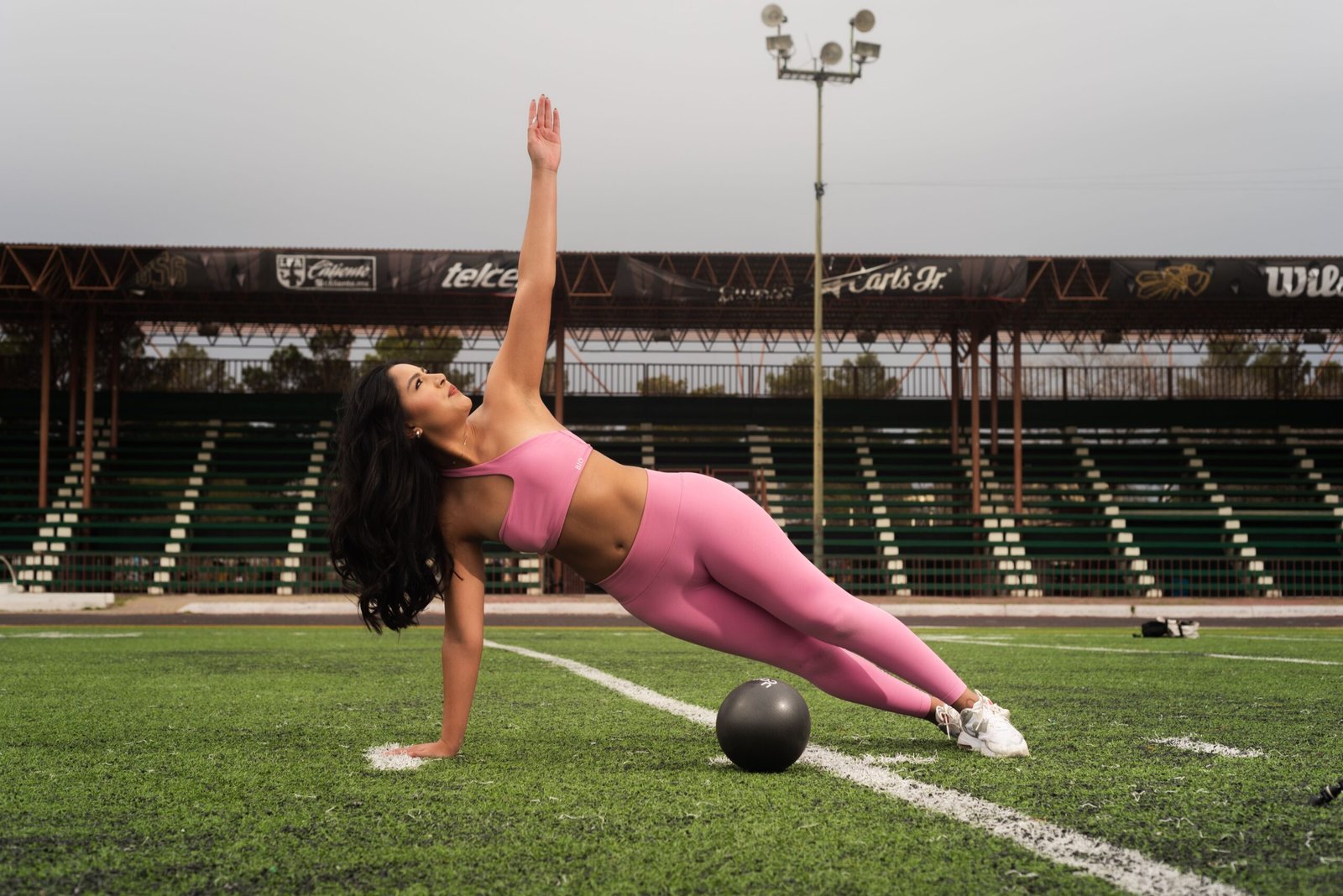
A side plank challenges lateral trunk control. For a manageable version, bend the lower knee and support yourself on the forearm and knee, keeping the hips lifted. For a harder version, straighten both legs and stack the feet or stagger them for balance. Neither version requires a maximal hold. The aim is a steady line through the body and the ability to breathe, not an impressive timer.
The bird dog introduces coordinated movement. Begin on hands and knees; reach one arm forward and the opposite leg backward without rotating the pelvis or arching the back. Pause briefly, return under control, then switch sides. If the full reach is unstable, move only the leg or only the arm. These exercises are examples, not individually validated cures. Choose versions that do not aggravate symptoms, and remember that discomfort during one movement is a reason to modify it rather than force a prescribed shape.
How to dose core work without turning it into another fatigue workout
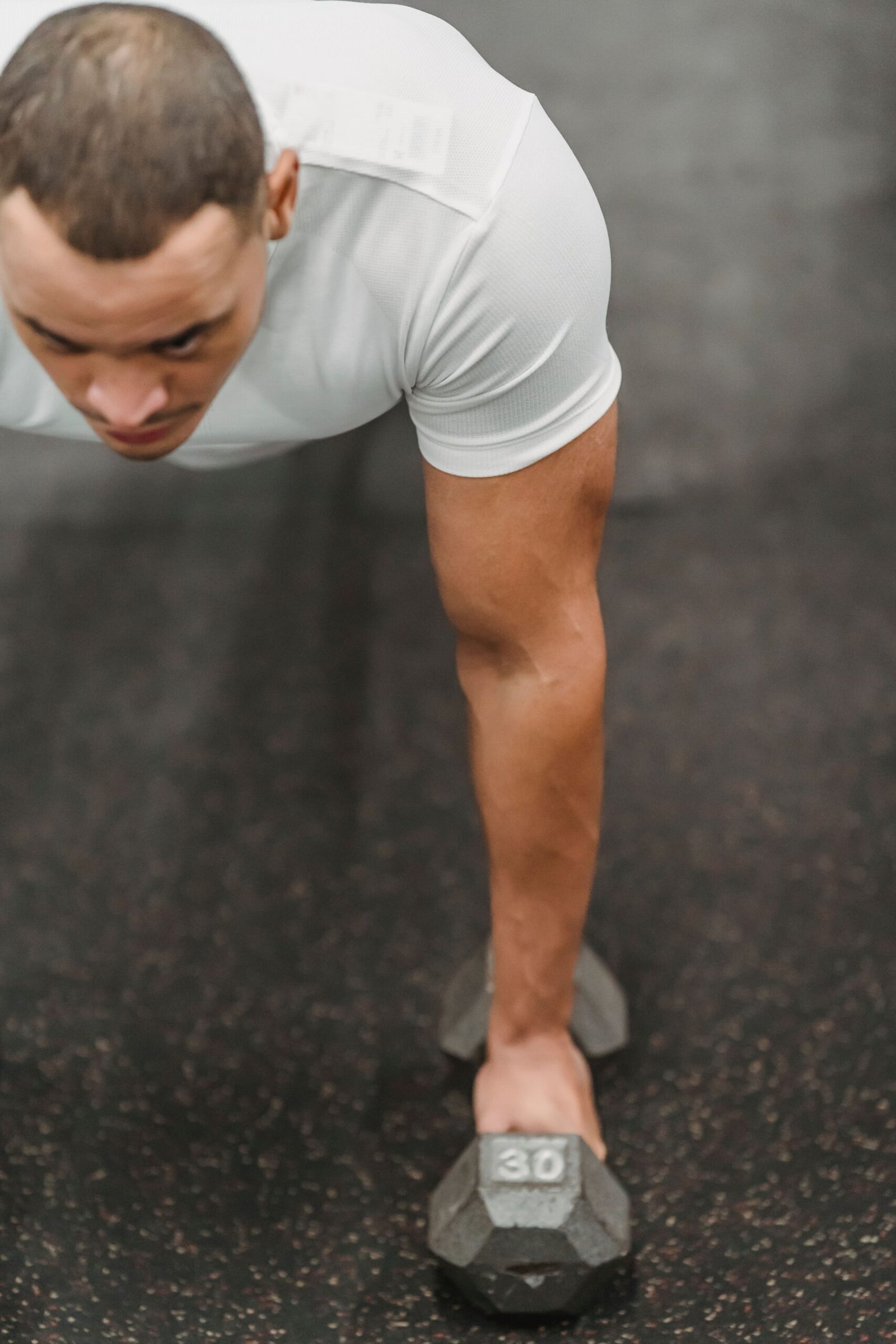
A practical starting point for a healthy adult seeking better trunk control is two or three brief sessions per week, often after a warm-up or alongside ordinary strength training. Try two rounds of a plank variation, a side-plank variation on each side, and a controlled bird dog. For holds, use five to fifteen seconds if that is the longest period you can maintain quality; for moving drills, try four to eight slow repetitions per side. These are illustrative training doses, not a clinical prescription derived from the review.
Progress one variable at a time. First make the position repeatable, then add a few seconds or repetitions, then move to a slightly more demanding lever or load. A knee-down side plank might become a straight-leg side plank; a bird dog might gain a longer pause; a plank might become a short lever lift-off. Increasing difficulty by sacrificing alignment is not progression. If a person has pain, the relevant metric is whether function and tolerance improve across weeks, not how spectacular the exercise looks.
Keep a simple log: movement, variation, comfortable duration or repetitions, perceived effort and how you felt later that day and the following morning. Avoid assigning a pass/fail grade to every tiny sensation. When symptoms are persistent, a clinician can help distinguish ordinary training discomfort from a pattern that needs a different strategy. The best program is the one that produces useful practice without crowding out walking, general resistance training and activities you enjoy.

Funny Gym Shirts & Workout Gear
Funny gym shirts, tanks, hoodies and workout gear for lifters who like training hard.

Stability Stoic Sigma : Meme Bodybuilders & Seeking T-Shirt
Rep “Stability Stoic Sigma” humor in and out of the gym.


Demon Back Big Back Bodybuilders & Meme Hoodie
Stay casual and show some lifting attitude with “Demon Back”.

Back To The – Sci-Fi Futuristic & Gains – Meme Top T-Shirt
Make gym days more fun with “Back to” style.

Leg Day Gains | LEGO Inspired Muscle Shirt For Squats & Tank Top
Your gym-day look, with a playful “Leg Day Gains” twist.

Defy Gravity Shirt Old School Weight Strongman Meme T-Shirt
Bring “Defy Gravity” humor to your next gym day.

Everything Hurts And I'm Dying , , Lifting Meme T-Shirt
Bring “Everything Hurts And I'm Dying” humor to your next gym day.

Dadlift Dads Meme Dad Strength Gains Hoodie
Show off your powerlifting humor in a laid-back “Dadlift” hoodie.
What happens when you combine core drills with broader strength training
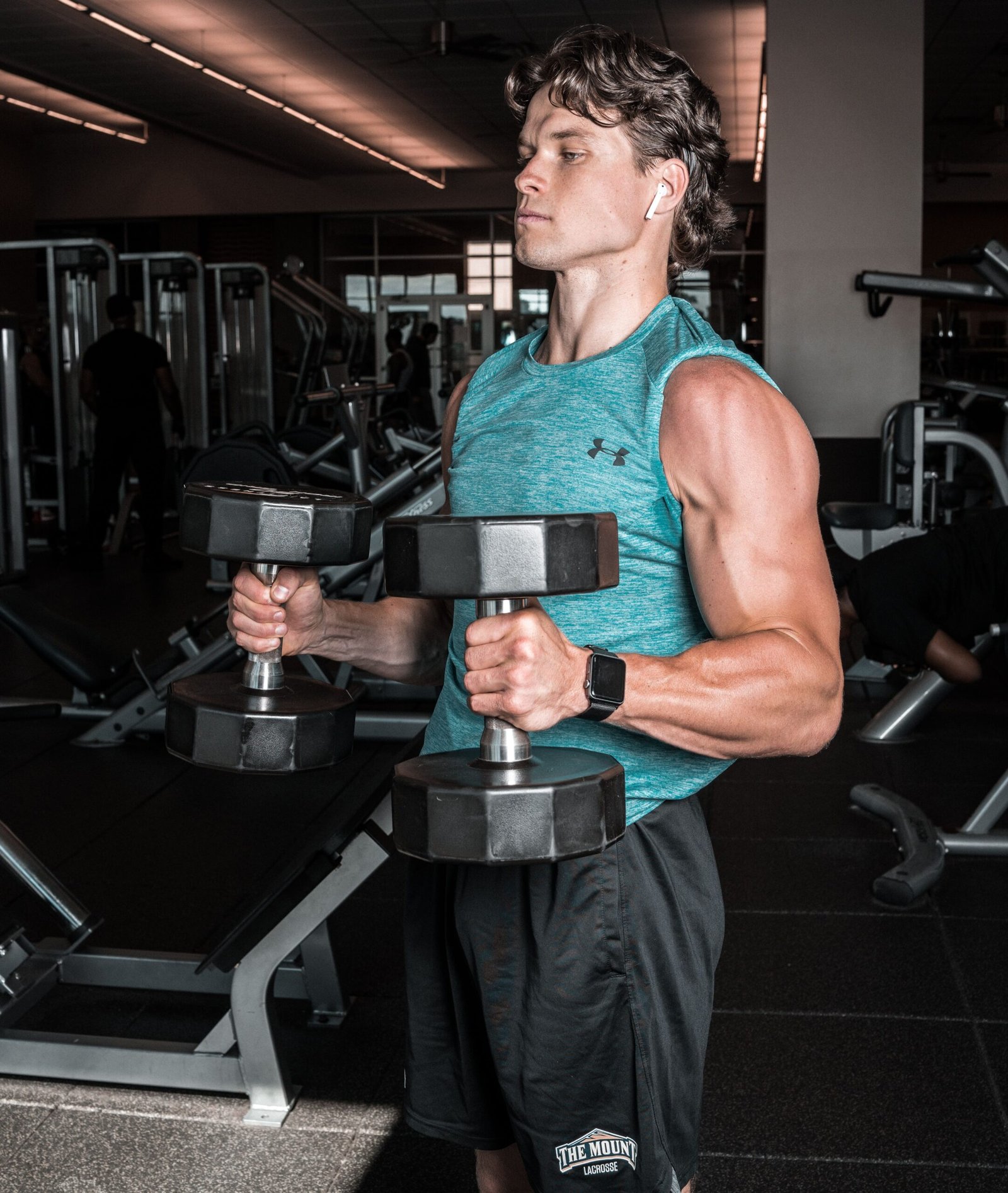
Trunk exercises are only one part of a resilient movement program. A squat, hinge, row, carry or step-up asks the torso to transfer force while the hips, legs and upper body do meaningful work. That is why an athlete may benefit from both low-load control drills and progressively challenging whole-body training. Neither automatically replaces the other. A side plank does not train the same strength qualities as a heavy carry, and a heavy carry is not the best first choice for someone who cannot yet tolerate its loading.
For an uncomplicated strength session, practice a brief trunk-control drill, then choose two or three movements you can perform well: for example a goblet squat, a supported row and a suitcase carry. Keep the load modest enough to maintain breathing and avoid compensatory twisting. In a suitcase carry, hold one dumbbell by your side, stand tall, walk at a controlled pace and switch hands after a short distance. That introduces anti-side-bending work under a different, more functional challenge.
The 2026 analysis does not show that adding dumbbells, cable machines or any specific product will improve a person’s back pain. Equipment is optional and its role depends on the exercise chosen. If you are already lifting, the simplest adjustment may be a few well-executed sets of trunk work and more consistent progression rather than an entirely new routine. For someone returning from a flare-up, the appropriate loading and range of motion may be substantially lower and should reflect individual tolerance.
Equipment Worth Exploring
Explore equipment, accessories and gear from our carefully selected range.
VOLTRA
Compact digital cable trainer with smooth, adjustable resistance.

Go-Tone Pro
Portable digital cable trainer with up to 66 lb (30 kg) of adjustable resistance.


Eight weeks is a useful planning window, not a magical threshold
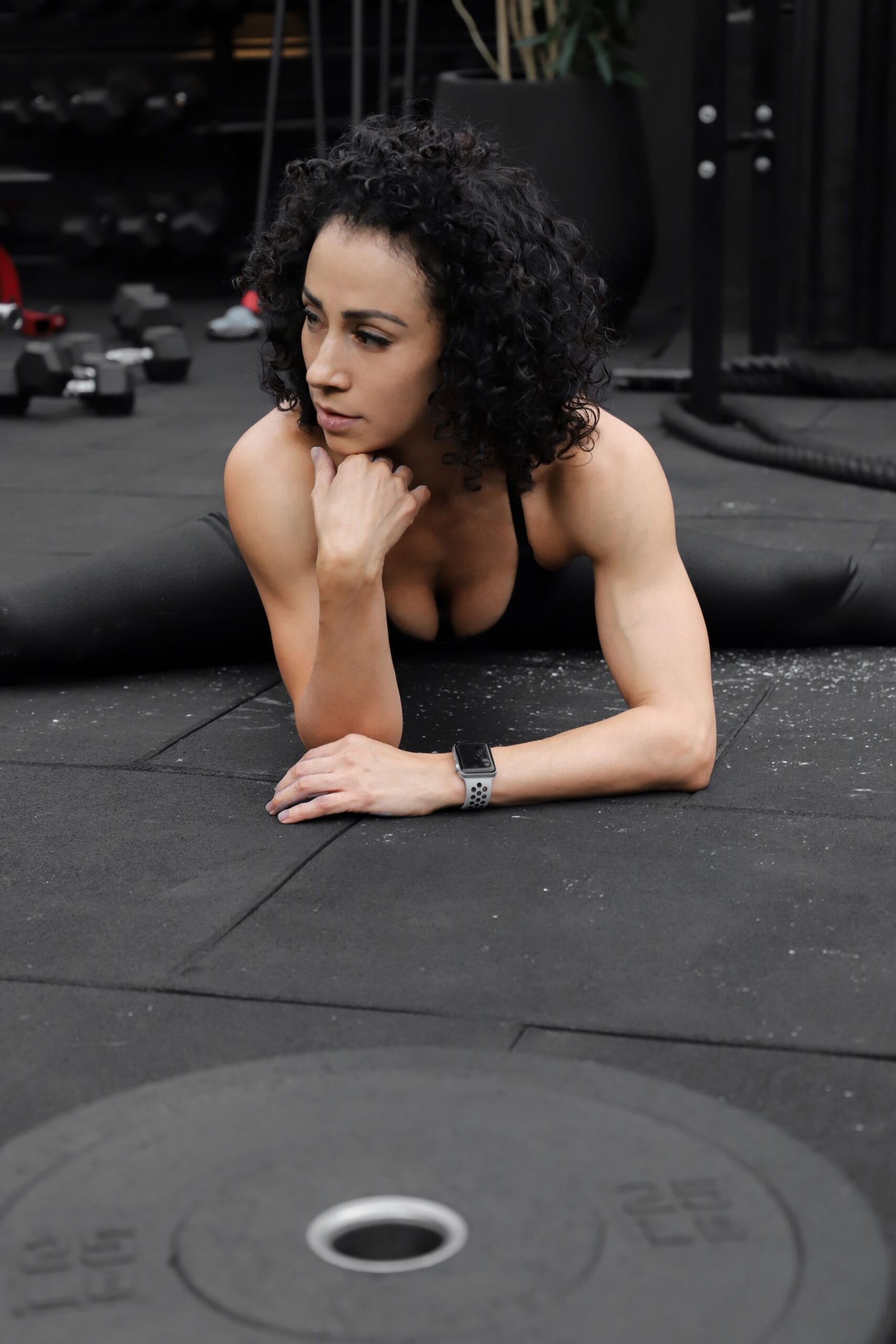
In the newer synthesis, programs lasting at least eight weeks showed a clearer within-subgroup pain signal than shorter programs. But the between-subgroup comparison was not statistically significant, so the evidence does not prove that eight weeks is a sharp biological cutoff. It is more reasonable to use eight weeks as a practical window for consistent practice, not as a deadline for guaranteed relief.
Weeks one and two can focus on finding comfortable variations and learning to breathe while braced. Weeks three and four can add a small amount of volume if movement quality and symptom response are stable. During weeks five and six, consider a slightly harder variation or a light carry, keeping the original movements available as regressions. Weeks seven and eight are for reassessment: can you move more comfortably, complete daily tasks with less interruption, and return to valued activities? Progress may be uneven.
Measure more than pain on a single morning. Useful markers include time spent walking comfortably, ease of rising from a chair, ability to tolerate a workday, consistency of training and confidence in normal movement. A flare-up does not automatically mean every exercise was wrong, but persistent worsening deserves reassessment. Resist the urge to add several new drills simultaneously; when everything changes at once, it becomes difficult to tell what helped and what made the routine harder to sustain.
Powerlifting Shirts & Lifting Gear
Powerlifting shirts and gym gear for squat, bench and deadlift lifters who live for heavy numbers.

Viking Deadlift – Norse Bros & Meme Shirt T-Shirt
Show some Viking attitude with a playful “Viking Deadlift” tee.

Strong Progress Pride – LGBTQ+ & Gymbros T-Shirt
Bring “Strong Progress Pride Powerlifting” humor to your next gym day.

Never Skip Leg Day | LEGO Workout Sweater For Squats & T-Shirt
Keep things casual with a little “Never Skip Leg Day” attitude.

Old School Weight Strongman – Meme Shirt & Top T-Shirt
Show some powerlifting attitude with a playful “Old School Weight Lifter Strongman Graphic” tee.

One Lift To Rule Them All Shirt – Lord Of The Rings & T-Shirt
Rep “One Lift To Rule Them All” humor in and out of the gym.

Stronger Things Meme Shirt – Upside Down Gains T-Shirt
Rep “Stronger Things Gym Meme” humor in and out of the gym.

Why So Strong? Jacked Joker Villain – Meme , & Gains T-Shirt
Rep “Why So Strong? Jacked Joker Gym Villain” humor in and out of the gym.

Doctor Strong Magic Lift Meme – Superhero T-Shirt
Show some superhero attitude with a playful “Doctor Strong Magic Lift” tee.

Girl Strong Woman Leg Day Squats Meme Sweater Barbie T-Shirt
Bring “Gym Girl Strong Woman” humor to your everyday gym style.

Who should modify the plan and what the research cannot promise

Back pain is a symptom with many possible causes. The trials discussed here focused on chronic non-specific cases; they do not establish safety or effectiveness for people with new trauma, progressive weakness, bowel or bladder changes, saddle numbness, fever with back pain or other warning signs. Those patterns warrant prompt medical assessment rather than experimenting with exercise progressions. If you have a known spinal condition, neurological symptoms or a recent procedure, exercise selection should reflect that diagnosis and professional guidance.
For ordinary training discomfort, useful adjustments include shortening holds, reducing lever length, using a knee-supported side plank, changing the starting position or choosing a comfortable walking session instead. Avoid interpreting every recommendation to keep a ‘neutral spine’ as a ban on all bending. The spine moves in everyday life; controlled exposure to movement can be appropriate. The immediate goal of these drills is to practice a specific kind of trunk control, not to declare all other movement dangerous.
The most defensible conclusion is that core training can be one helpful tool for persistent low-back pain, but no single drill or combination has been proven universally superior. A small, repeatable routine may be valuable; so may broader strength work, walking and other preferred activity. Match the exercise to the person, build gradually, track meaningful function, and be cautious of promises that a handful of planks will ‘fix’ every back. Consistency and individual response matter more than a catchy protocol name.