Loaded carries look almost too simple to count as serious training: pick up something heavy, walk, put it down. But changing where you hold the weight changes the task. A 2026 biomechanics paper compared the farmer’s carry, with weights at the sides, against the Zercher carry, with a load cradled in front of the torso. The researchers observed differences in trunk muscle activity, stride mechanics and force production. Those findings offer useful clues, but they do not prove one carry builds more muscle, prevents injury or is universally safer.
Here is how to use that evidence without turning a laboratory comparison into a miracle claim. We will cover setup, what each variation actually demands, the research limitations and a practical way to add carries to strength training with dumbbells, kettlebells or purpose-built implements.
1. Two loaded carries, two different demands
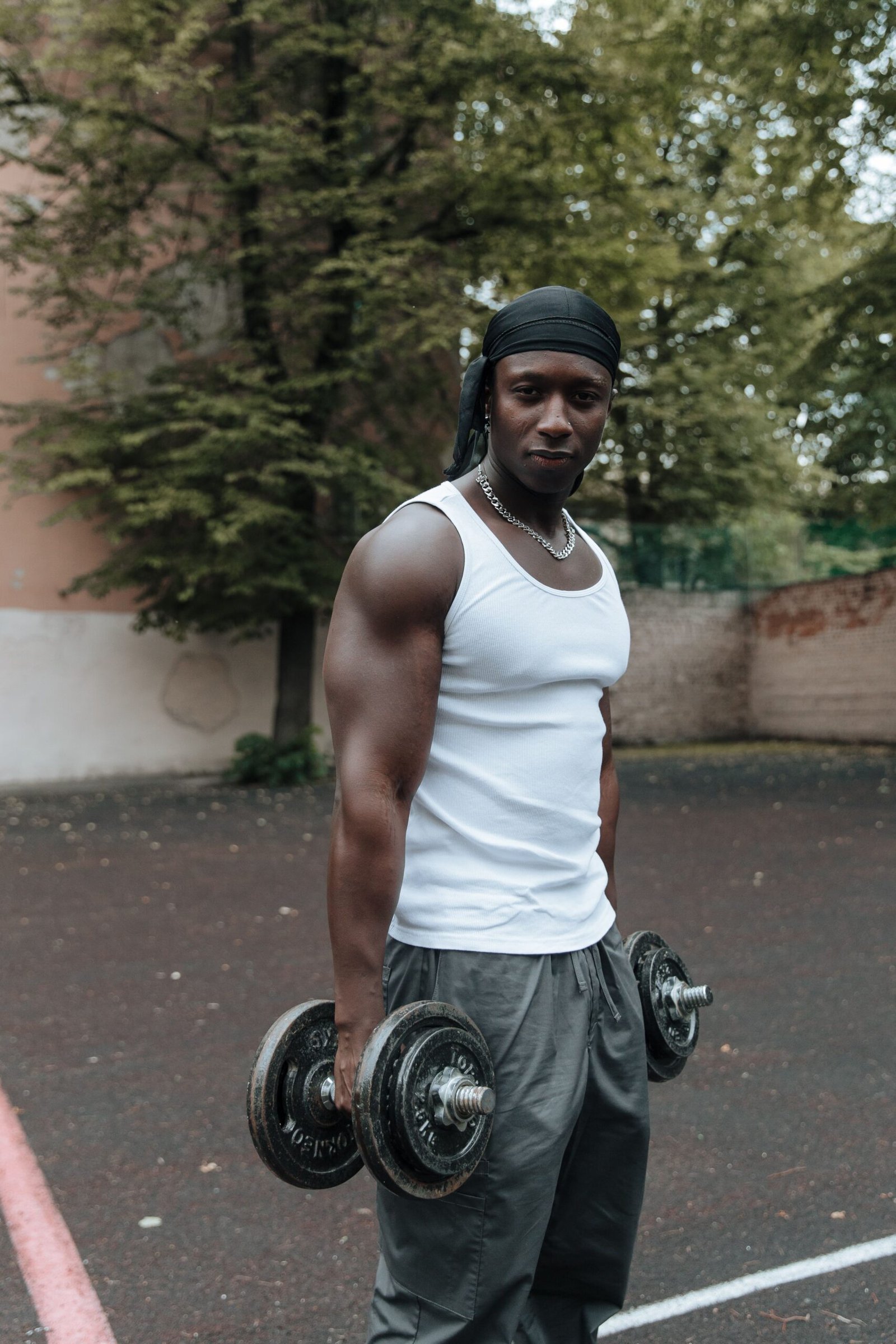
In a farmer’s carry, stand with one implement in each hand and walk while keeping the weights close to your thighs. Your hands do the gripping, your upper back and trunk keep you upright, and your legs move the combined system forward. A suitcase carry is the one-sided version; it creates an obvious temptation to lean toward the weight. Neither requires special farmer’s handles: matching dumbbells or kettlebells are enough to begin.
A Zercher carry moves the load to the front of the body, commonly cradled in the crooks of the elbows. That forward placement changes the balance problem. Your arms and upper back must secure the object while your torso resists being pulled forward. A sandbag is often more comfortable for beginners than a bare barbell, which can press uncomfortably against the forearms. Carrying two 20 kg dumbbells is not mechanically equivalent to cradling a 40 kg sandbag just because the total mass matches.
Both train moving under external load, but neither replaces every other exercise. A loaded carry does not substitute for a complete lower-body program, a dedicated hip hinge or all upper-body pulling. Think of it as an additional movement pattern with distinctive grip, posture and locomotion demands.
2. What the 2026 farmer-versus-Zercher study measured
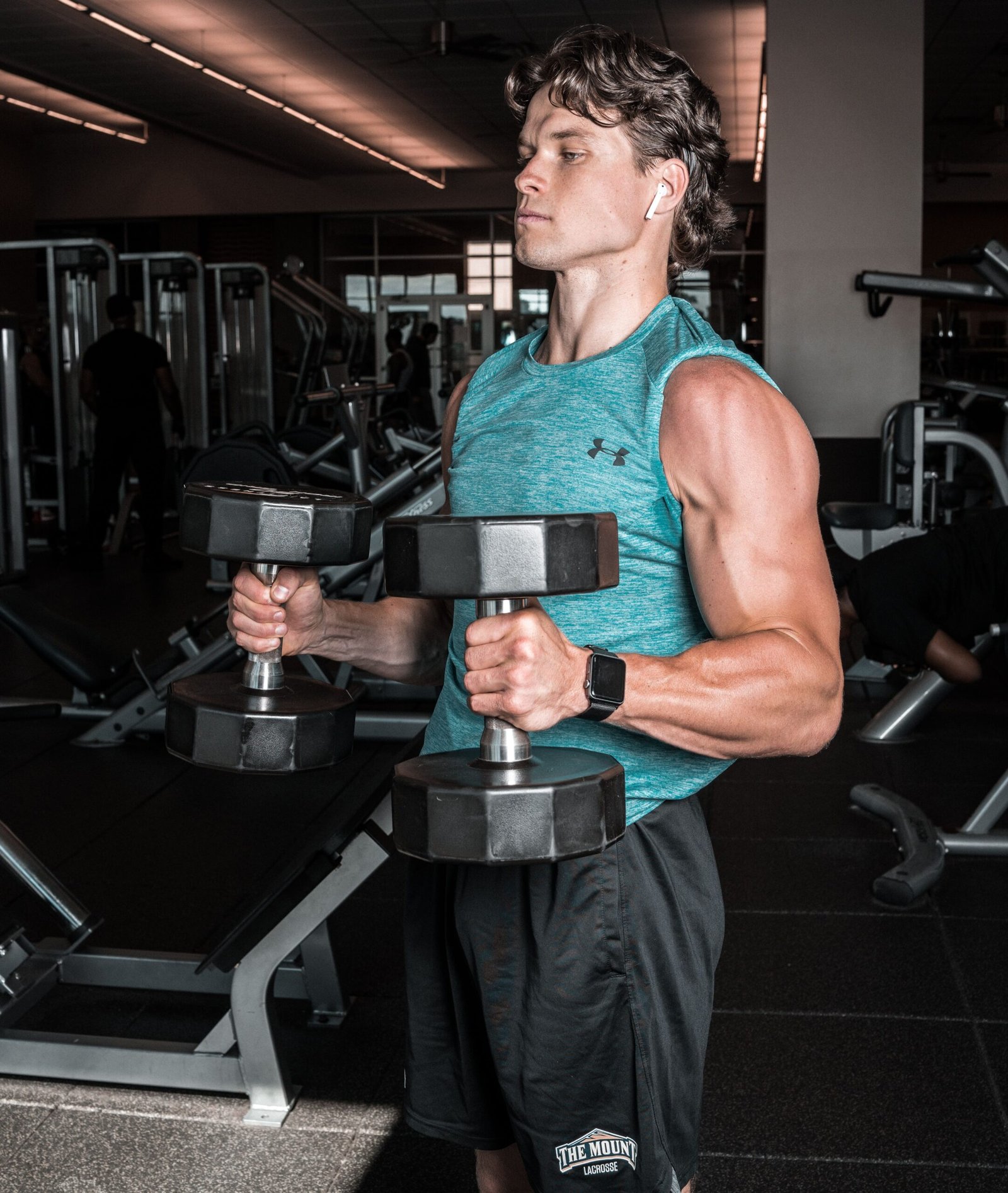
The 2026 study in the International Journal of Strength and Conditioning tested healthy college-aged participants during counterbalanced five-metre walks. Researchers matched the external load to each participant’s fat-free mass and measured muscle activation with surface electromyography, along with body position, walking mechanics and ground reaction forces. That is an acute comparison, not a months-long training experiment.
Moving the load forward in the Zercher condition changed several outcomes. For example, the reported multifidus activation measure was higher during the Zercher carry, and the conditions differed in stride length, trunk position and anterior ground reaction force. The numbers describe this specific protocol; they are not a prescription for every lifter. One short walk per condition does not establish which exercise produces superior long-term strength, hypertrophy, back health or athletic performance.
The useful takeaway is more modest: load position matters. Side-held and front-cradled weights impose different coordination and stabilization tasks even at a matched relative load. If your goal is grip endurance and carrying groceries, a farmer’s carry closely matches that task. If you want practice bracing around a front-held object, the Zercher carry is a distinct option. Neither needs to be crowned the winner.
A separate 2024 loaded-carry study found that walking with weights can elicit different trunk muscle activity from static holds. That helps explain why a stationary farmer’s hold is useful but not a perfect replacement for carrying the weights while moving.

Equipment Worth Exploring
Explore equipment, accessories and gear from our carefully selected range.


Leather Lifting Straps
Padded leather straps support grip during heavy rows, deadlifts and pulling exercises.

Leather Wrist Grips
Padded leather lifting grips help support the hands and wrists on heavy pulling exercises.
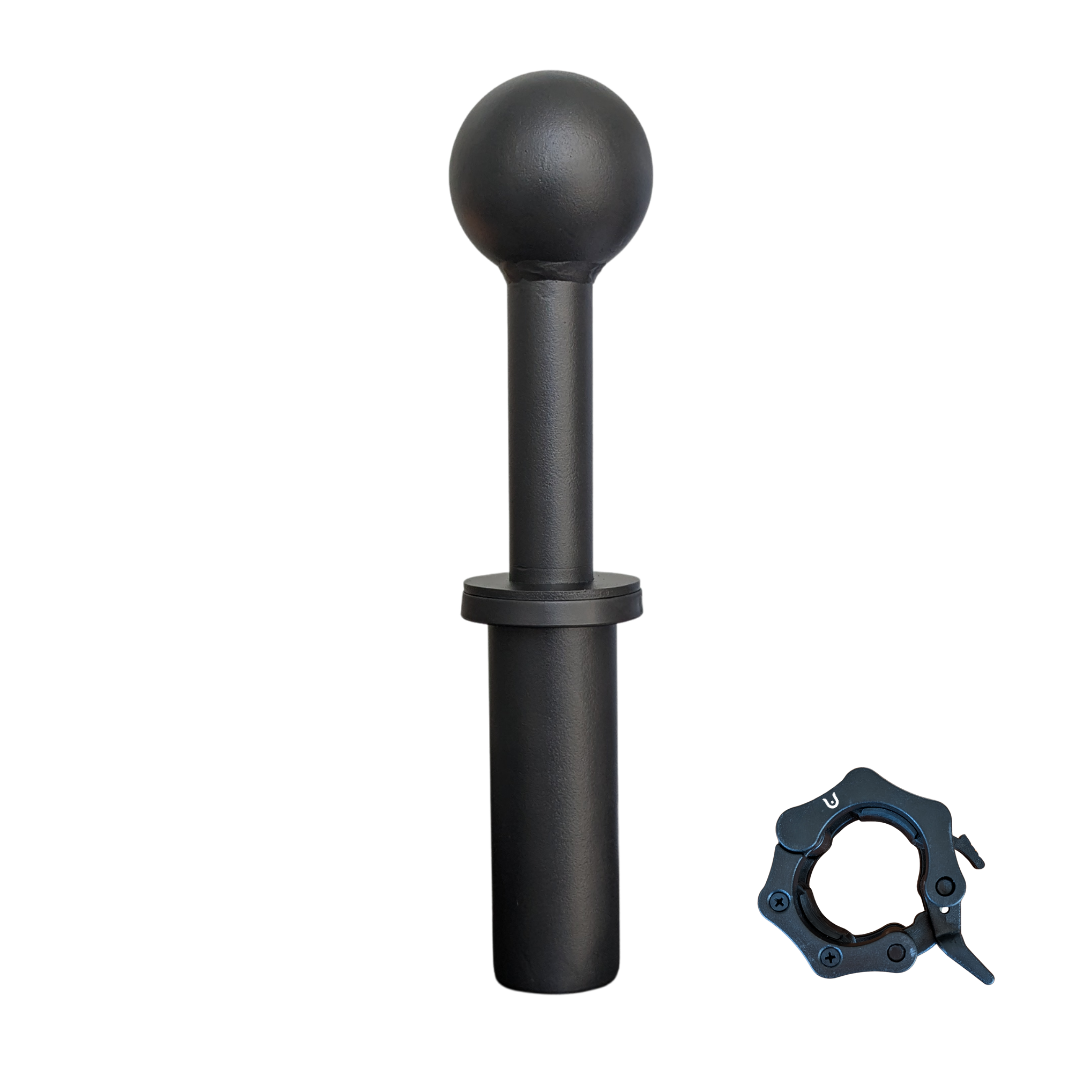

Angles 90 Grips
Flexible grip attachments that allow natural wrist movement during pulling exercises.

3. Choose a manageable load before chasing distance
The right starting weight is a pair you can lift safely, hold without your shoulders collapsing and carry along a clear route without rushing or staggering. For an inexperienced lifter, that may be much lighter than their deadlift working weight. Start with a 15–30-second walk or a short unobstructed stretch of floor. Stop while you can still set the implements down under control. No universal percentage of bodyweight suits every age, hand size, implement and training background.
Use a repeatable setup. Place the dumbbells beside your feet, hinge and bend your knees to reach them, brace, stand fully and begin walking. Avoid yanking the load from the floor with an unprepared back. Let your arms hang instead of shrugging repeatedly. Take controlled steps, look ahead and leave enough room that the weights do not strike your legs or furniture.
Grip often limits the set before your legs do. That is not failure: grip is one of the exercise’s targets. If handles slip, choose lighter weights or a shorter route. Straps can help when you deliberately want to shift emphasis toward gait and trunk work, but they remove part of the unassisted grip challenge. Keep strapped and unstrapped performance in separate log entries.
Heavy is not automatically better. If you twist, stumble or hold your breath continuously, reduce the load. The ACE farmer’s-carry demonstration describes a straightforward dumbbell setup and predetermined walking distance; scale that distance to your actual space.
4. Farmer, suitcase and front-loaded variations
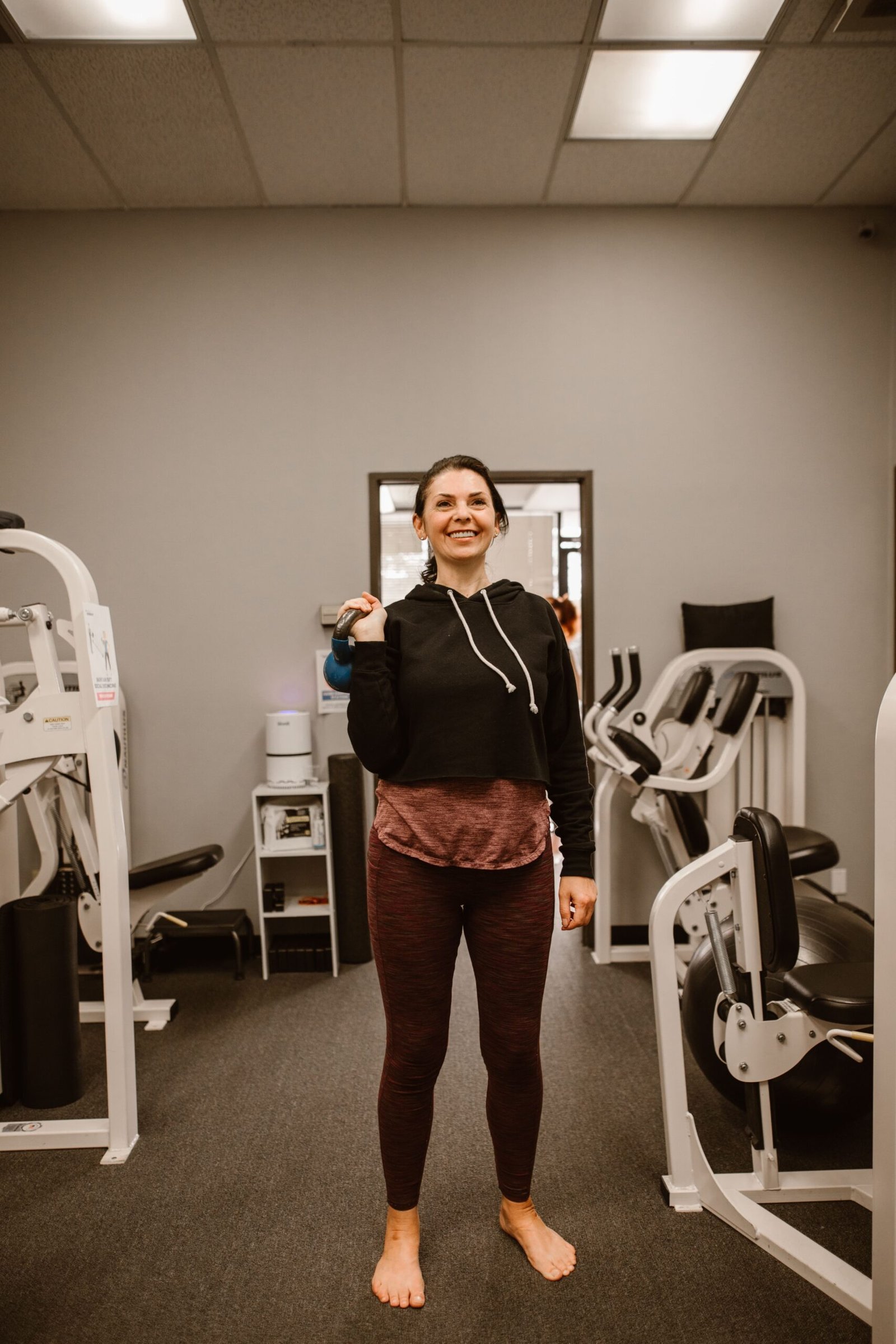
Farmer’s carry: Choose it for bilateral loaded walking that challenges grip, upper-back endurance and whole-body coordination. Equal implements make it easier to notice changes in posture as fatigue accumulates. Kettlebells can swing differently from hex dumbbells, so control the motion rather than trying to match a particular speed.
Suitcase carry: Hold one weight at your side and walk without leaning. Switch hands after a measured distance or time. The uneven load increases the demand to resist lateral bending; that does not make it automatically superior for every trunk muscle. Studies of unilateral carries also show that load magnitude and position influence muscle activity.
Zercher carry: Cradle a manageable load in front of your chest or upper abdomen and walk deliberately. Begin with a sandbag or another object you can secure comfortably. Expect breathing and arm comfort to influence performance before the legs reach their limit. The 2026 comparison supports different acute movement demands, not a recommendation that everyone should attempt heavy Zercher carries.
Front-rack and overhead carries: These are further options, not automatic progressions. A kettlebell held at the shoulder shifts the load upward and forward; overhead carrying adds shoulder stability and mobility requirements. Build confidence with side carries first. If overhead positions hurt or your arm drifts uncontrollably, choose a lower position rather than forcing the variation.

Strongman Shirts & Strength Gear
Strongman gym shirts and strength gear for lifters who train stones, carries, presses and brutally heavy objects.

Meme : Strongman Lifting Stones Shirt Gains T-Shirt
Make gym days more fun with “: Strongman Lifting Stones Graphic” style.

Atlas Greek Mythology The Power Within Top & Gymbros T-Shirt
Show some bodybuilding attitude with a playful “Atlas Greek Mythology” tee.


Rolling Stones Atlas Stone Strongman — Rock Music Bodyb Hoodie
Keep it laid-back with a little “Rolling Stones Atlas Stone Strongman” attitude.

Avengers Strongman Crewneck
Keep things casual with a little “Avengers Strongman” attitude.

Strongman Superman Hooded Pullover Gymbros Comic Hero W Hoodie
Bring “Strongman Superman” gym humor to lazy days and post-workout plans.

Big Man Batman Gym Hero Decal Workout Comic Style Gym Sticker
Stick a little “Big Man Batman Gym Hero” humor on your favorite gear.

Mount Liftmore Strongman Brian Shaw & Eddie Hall T-Shirt
Rep “Mount Liftmore Strongman” humor in and out of the gym.

Strongman Metallica Heavy Metal – Meme Shirt & Gains T-Shirt
Rep “Strongman Metallica Heavy Metal Graphic” humor in and out of the gym.
5. Grip, trunk training and conditioning are different goals
A heavy 10–20-metre carry and a lighter 45-second walk do not provide the same stimulus. Short heavy sets emphasize maintaining position and grip under high load; longer controlled sets challenge local endurance and breathing. Both can be demanding, but neither is a guaranteed replacement for cardiovascular training. Your heart rate may rise during loaded walking without making it equivalent to a steady aerobic ride or run.
A 2014 biomechanics study involving six experienced strongman athletes found distinct force and gait characteristics during farmer’s walks compared with unloaded walking. Because the sample was small and highly trained, it cannot establish how quickly a beginner improves or how injury risks compare across movements. The evidence supports interesting mechanics, not dramatic promises.
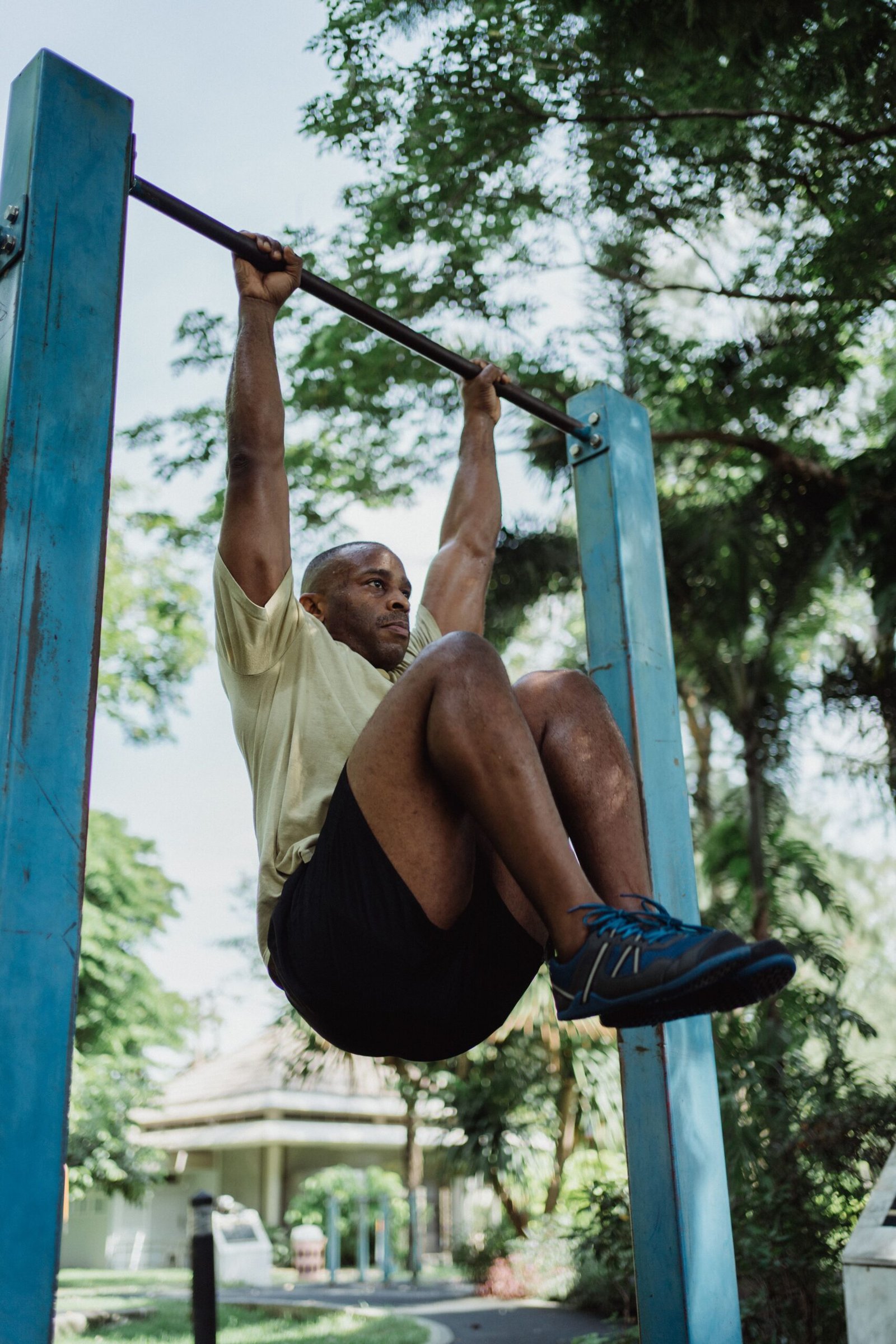
For grip, alternate loaded carries with static holds or bar hangs if those suit your hands and shoulders. A hanging knee raise is a different exercise, but its support grip can provide supplementary exposure. Hanging is not compulsory: lifters with shoulder discomfort can train grip through dumbbells, handles or controlled holds instead. If grip fails long before your legs, that information helps you choose the right load rather than proving your entire body is weak.
Record implement, weight, duration or distance, number of turns and whether straps were used. Improving from 20 to 30 seconds at the same load with clean posture is meaningful. So is maintaining the same distance with less sway. These are observable changes, unlike vague claims that your core has become ‘bulletproof’.
Equipment Worth Exploring
Explore equipment, accessories and gear from our carefully selected range.



Squat Harness
Wearable harness for hands-free cable squats, sled work, and lower-body training.
VOLTRA
Compact digital cable trainer with smooth, adjustable resistance.

Go-Tone Pro
Portable digital cable trainer with up to 66 lb (30 kg) of adjustable resistance.

Power Tower
Freestanding pull-up and dip station with adjustable handles for bodyweight training.


6. A two-day loaded-carry plan for lifters
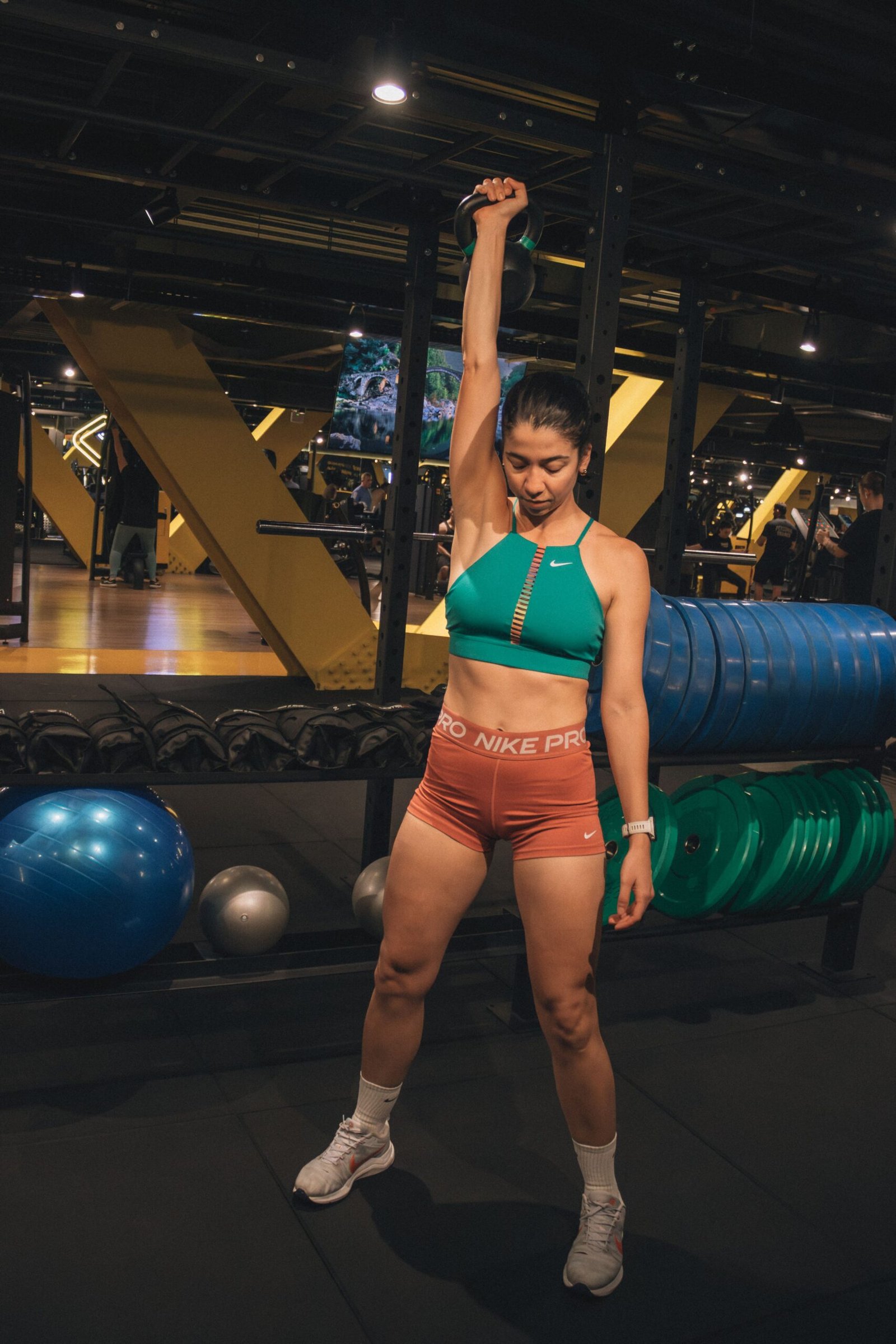
You do not need a separate strongman day to benefit from carries. Add them after major lifts so fatigued hands do not compromise deadlifts, pull-ups or rows. A simple two-day rotation lets you practice different load positions while keeping room for squats, hinges, presses and pulling. The 2026 ACSM resistance-training update emphasizes sensible repeatable programming over mandatory complexity.
Day A — farmer’s carry: After your main strength work, perform three controlled walks of about 20–30 seconds, resting 60–120 seconds between efforts. Choose a load that keeps the last five seconds tidy. If your space is short, walk six to ten steps, turn carefully and repeat. Include the turns when comparing future sessions. If grip fails early, reduce the load or distance instead of forcing a sloppy final lap.
Day B — front-loaded practice: Start with two or three short Zercher or sandbag carries of 10–20 seconds. Keep the load modest enough to breathe, look ahead and control your feet. If a front-held object presses uncomfortably against your elbows, switch implements or substitute a suitcase carry for the day. Comfort and repeatability matter more than performing the trendiest variation.
Progress one variable at a time. Add five seconds per set, a few metres or a small amount of load after all sets feel stable. Avoid increasing both weight and duration every week. A lighter week can be reasonable when carries accumulate alongside heavy pulling. This is an illustrative progression, not a protocol validated by the 2026 acute study.
7. Common mistakes and the practical verdict
The most common mistake is turning a carry into a race before you control the weight. Hunched shoulders, repeated collisions with your thighs, exaggerated leaning, jerky turns and uncontrolled drops are reasons to shorten the set. Keep the route clear of people, pets and loose equipment. Wear shoes that let you walk confidently, and never carry so much that you cannot put the weights down safely.
Another mistake is treating muscle-activation measurements as proof of long-term outcomes. The 2026 farmer-versus-Zercher comparison measured immediate mechanics and electrical activity, not months of hypertrophy, rehabilitation or injury prevention. Likewise, a higher heart rate during a heavy walk does not prove it outperforms conventional cardio. The NSCA strongman overview acknowledges the distinctive demands of farmer’s walks while noting limits in the research base.
Be conservative with active back, elbow, wrist or shoulder problems. Sharp pain, tingling, unusual weakness or symptoms that persist after stopping are reasons to abandon the set rather than chase a target distance. A stable unloaded walk or a lighter static hold may be a better temporary choice. Training should reflect what you can actually tolerate.
The verdict: farmer’s carries are accessible loaded walking and grip training; Zercher carries offer a different front-loaded bracing challenge. The 2026 study helps explain why they feel different, but it does not rank them for every goal. Start with the variation you can perform well, use short measurable sets and progress slowly enough that better technique accompanies heavier weights.
Functional Fitness Shirts & Workout Gear
Functional-fitness shirts, tanks and workout gear for athletes who train strength, conditioning and everything in between.


Vitruvian Kettlebell Tee
Heavy lifts, good laughs, and a little “Vitruvian Man With Kettlebells” energy.

Gotta Lift 'Em All Shirt – Pokemon Kettlebell Meme & T-Shirt
Show some gaming attitude with a playful “Gotta Lift 'Em All” tee.

Grunge Kettlebell Shirt Rock Music & Gymbros Top T-Shirt
Rep “Grunge Kettlebell” humor in and out of the gym.

Hell's Bells Kettlebell Tee
Show some rock-and-lifting attitude with a playful “Hell's Bells Kettlebell” tee.


Kettlebell Skull Tee
Heavy lifts, good laughs, and a little “Kettlebell Skull Gym Meme” energy.