Should you mix rowing, squats and dumbbell work into one fast-moving circuit, or put strength and cardio on different days? Both formats can make you fitter. The useful question is whether combining them changes the result when the actual work is kept similar.
A randomized trial released in June 2026 tested that question in recreationally active adults. One group trained strength and endurance inside each 45-minute session. The other performed the same training modes in separate sessions. The results challenge the assumption that circuits are either a shortcut to every fitness goal or a guaranteed way to sacrifice strength.
What the seven-week comparison actually tested
Participants were adults already accustomed to exercise, not people stepping into a gym for the first time. Seventy-nine were randomized and 75 were included in the completed-intervention results: 38 in the combined-session group and 37 in the separate-session group. The program lasted seven weeks, with four 45-minute workouts each week. That means 180 scheduled training minutes per week in either approach.
The combined group performed high-intensity multimodal sessions, moving between resistance and aerobic tasks. The comparison group completed two resistance sessions and two aerobic sessions weekly. Exercise selection, training volume and prescribed effort were matched as closely as possible. Sessions targeted at least 7 on a 0-to-10 perceived-exertion scale, so this was not a comparison between hard circuits and leisurely cardio.
Measurements included squat and bench-press strength, peak oxygen uptake, maximal cycling work rate, body composition and body measurements. A fair format comparison should not give one group more lifting sets or a larger endurance dose and then credit the difference to scheduling. The intervention was also short: seven weeks can reveal early adaptations but cannot settle years-long questions about maximum muscle growth or race performance.
The design offers a useful lesson for your own training: compare a circuit with an equally serious split plan, not with a schedule that quietly includes fewer total hard minutes. Weekly training dose remains the foundation; the grouping of that dose is the variable being tested.
Strength and aerobic fitness improved in both groups
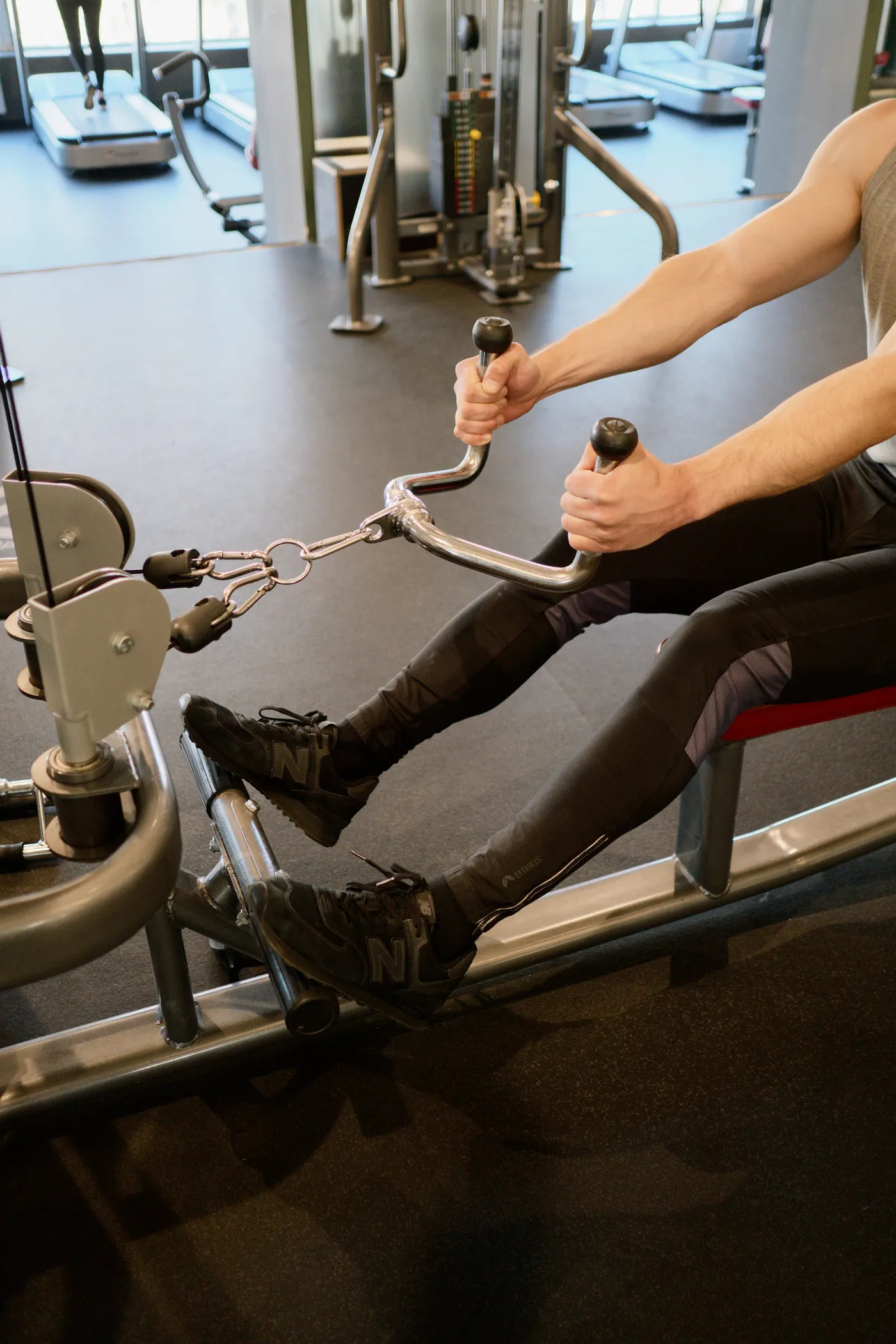
Both approaches produced small improvements in upper- and lower-body maximal strength, peak oxygen uptake and maximum cycling work rate. Neither format clearly dominated those performance outcomes over seven weeks. That is the headline for a recreational lifter seeking both strength and conditioning rather than a specialized competitive peak.
Changes in lean mass, fat mass and waist-related measurements were generally small. The separate-session group showed a modest statistical advantage for the change in body-fat percentage. However, the reported between-group result was p = 0.035, while the analysis also considered a much stricter threshold for its many tested outcomes. The standardized effect was tiny. Treating that comparison as proof that split training burns more fat would overstate the evidence.
Body-fat percentage is a ratio, not a direct measure of workout energy expenditure. Food intake, water balance, lean-mass changes and measurement variability can affect short-term readings. A difference in percentage points does not automatically mean a meaningful difference in health, appearance or athletic performance. The trial did not demonstrate that one schedule reliably causes more fat loss for everyone.
The stronger interpretation is that both methods worked when the weekly training dose was substantial and comparable. If circuits help you complete four consistent workouts, that matters. If separate days let you lift with better technique and less competing fatigue, that matters too. Neither preference needs a dramatic claim about an unproven physiological advantage.
Does combining cardio and lifting create an interference problem?
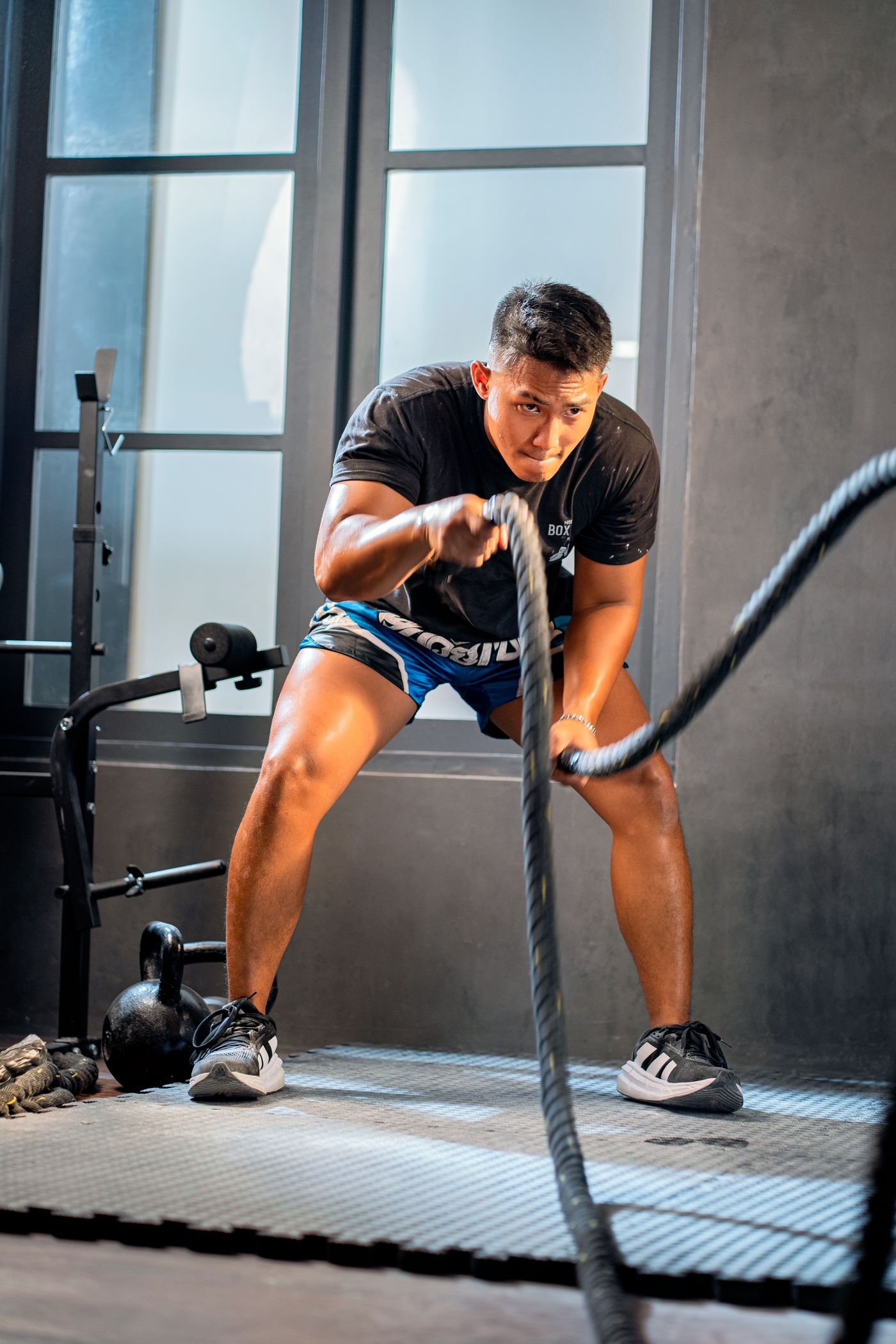
The interference effect describes the possibility that endurance work can reduce some adaptations from resistance training, especially when fatigue from one mode compromises the quality of the other. It is not a rule that any elevated heart rate cancels muscle growth. Its importance depends on training volume, intensity, exercise selection, recovery, experience and which performance outcome you value most.
Broader evidence generally finds that combining aerobic and strength work can improve maximal strength and whole-muscle size. Some analyses suggest explosive power may be more vulnerable when demanding endurance and resistance efforts occur close together. A recreational trainee who wants better health is not solving the same problem as a sprinter protecting maximal acceleration or a powerlifter peaking for a heavy attempt.
In a fast circuit, the practical bottleneck may be local fatigue. After a hard row or shuttle run, your breathing can recover before your legs are ready for a technically demanding squat. A moderate goblet squat may remain productive, but a heavy barbell single is a poor choice for a rushed station. Similarly, heavy rows can compromise the quality of a subsequent rowing interval.
One sensible compromise is to place demanding lifts first, use controlled loads for later mixed-modal blocks and allow enough rest to preserve movement quality. You do not have to choose between zero rest and fully separated days. A workout can begin with focused strength sets and finish with ten minutes of conditioning. That is a programming option, not a claim that this exact sequence was tested in the trial.

Equipment Worth Exploring
Explore equipment, accessories and gear from our carefully selected range.


FID Bench MAX
Adjustable bench offering flat, incline, and decline positions + adjustable headrest.


When a circuit is the smarter choice – and when it is not

Circuits make sense when your primary goals are general fitness, manageable scheduling, movement variety and completing both strength and aerobic work without adding gym visits. They may be more engaging for people who enjoy alternating tasks. The tradeoff is that fast transitions can turn breathing, grip or technique into the limiting factor before the intended muscles receive enough high-quality work.
Separate sessions make sense when you need uninterrupted practice on complex lifts, want to track strength progression precisely or must protect quality during hard intervals. A runner with a pace target may prefer a dedicated endurance day. Someone chasing a heavier squat may benefit from keeping demanding leg conditioning away from heavy sets. These are practical priorities, not evidence that all mixed workouts are inferior.
Ask four questions before choosing. Which outcome would you most regret failing to improve? What time and equipment do you actually have? Does your circuit preserve safe technique when fatigue rises? Can you repeat the schedule for months? If the last answer is no, a theoretically optimal plan will not help much.
Keep hard work hard, but distinguish cardiovascular effort from grinding every resistance set to failure. Step-ups, carries, moderate dumbbell presses, bike intervals and controlled rows are easier to dose under fatigue than maximal snatches or repeated all-out jumps. If speed makes you lose position or range of motion, reduce load, extend rest or simplify the movement.

Functional Fitness Shirts & Workout Gear
Functional-fitness shirts, tanks and workout gear for athletes who train strength, conditioning and everything in between.


Viva La Resistance Bands , Meme Shirt, Top T-Shirt
Make gym days more fun with “Viva La Resistance Bands” style.

Skull Kettlebell Gym | Heavy Metal Lifting Funny Workou T-Shirt
For laid-back days and metalhead humor: “Skull Kettlebell”.

Happy Kettlebell Emoji Smiley Kettlebell Fitness Decal Sticker
Give your everyday gear a playful “Happy Kettlebell Emoji” twist.

Hybrid Athlete – Built Different Gym Pullover for HYROX Hoodie
Show off your lifting humor in a laid-back “Hybrid Athlete” hoodie.

Lift Together Grow Stronger Buddies Friendship Workout T-Shirt
Make gym days more fun with “Lift Together Grow Stronger” style.


Muscle Mommy Pink Kettlebell Gym Design for Women, Lift Hoodie
Keep it laid-back with a little “Muscle Mommy” attitude.
Two sample four-day schedules using the same training time
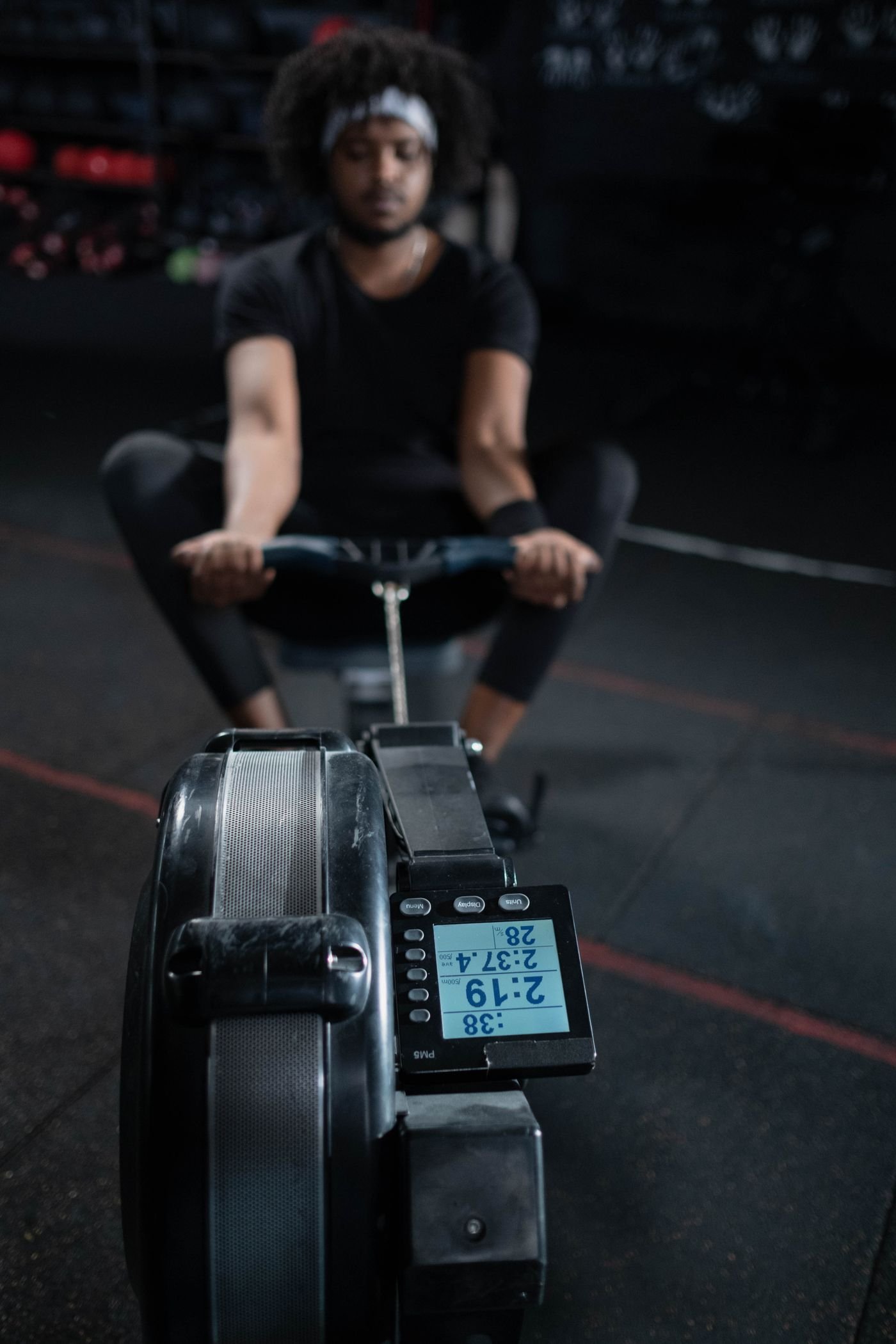
These templates each use four sessions of approximately 45 minutes. They are practical examples inspired by the comparison, not replicas of the exact trial prescription. Start with loads and intervals you can perform cleanly, then progress only when you can recover between sessions.
Mixed Monday: After five minutes of warm-up, alternate goblet squats, dumbbell presses and moderate rowing intervals for three or four rounds. Mixed Tuesday: Use a hinge, a pull, step-ups and short cycling intervals. Mixed Thursday: Repeat Monday’s patterns with adjusted loads or rep targets. Mixed Saturday: Combine carries, split squats, upper-body rows and manageable aerobic intervals. Rest enough between demanding stations to preserve form.
Separate Monday: Full-body resistance training with a squat pattern, press, hinge and row, using conventional rests. Separate Tuesday: Forty-five minutes of aerobic work with warm-up, sustained effort and cooldown. Separate Thursday: A second full-body lifting day with progressive sets or loads. Separate Saturday: A second aerobic session using intervals or steady work suited to your experience. Not every minute must be maximal effort.
Both approaches should leave room for easier walking and recovery on other days. If four 45-minute sessions exceed your current capacity, begin with fewer sets or shorter intervals rather than forcing the full schedule. The objective is a repeatable dose, not to imitate a high-effort study from day one.
How to choose exercises without turning the circuit into chaos
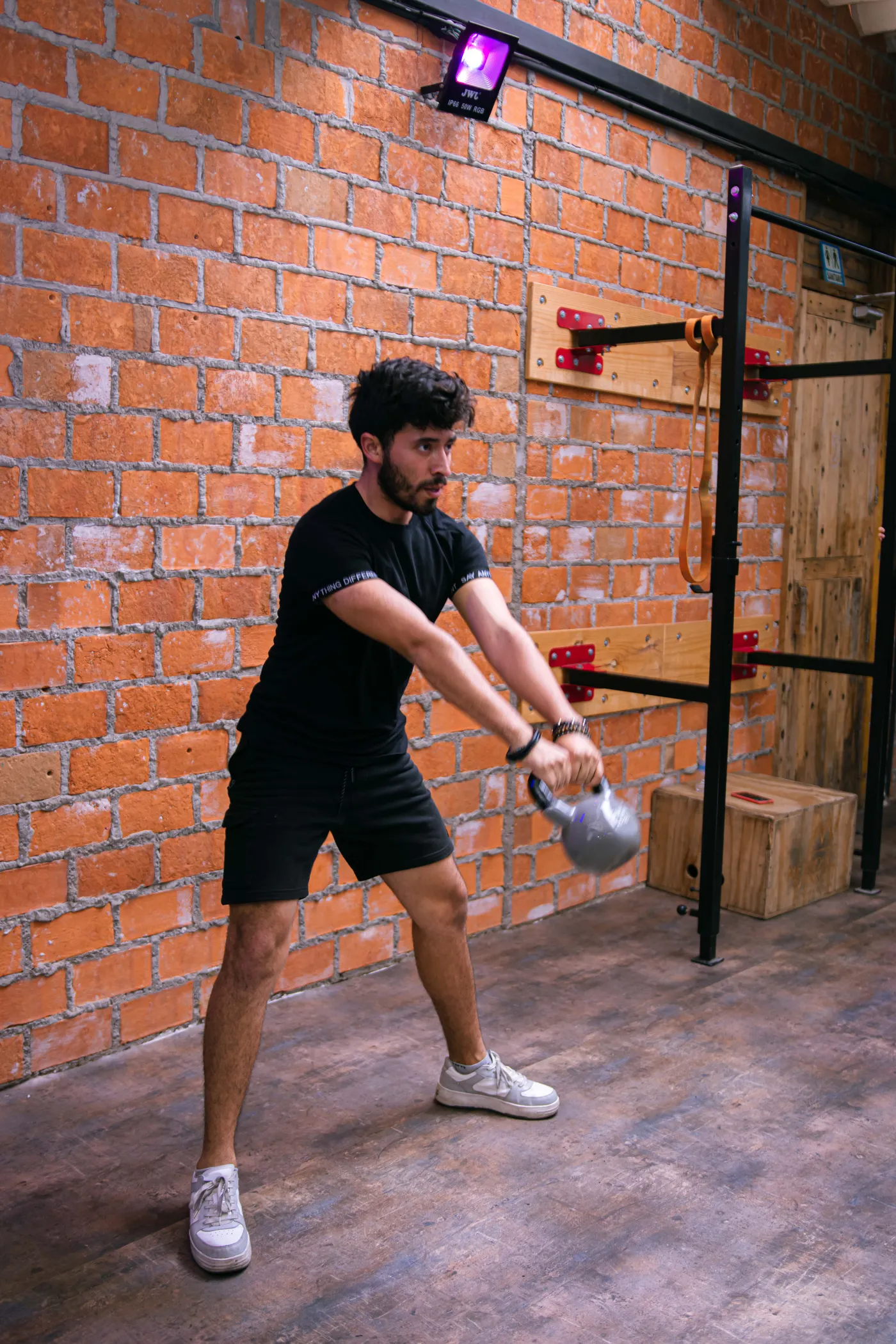
A balanced mixed session needs distinct jobs for its movements. Choose one lower-body strength pattern, one upper-body push or pull, one complementary movement and one aerobic station. For example: goblet squat, dumbbell row, push-up and bike. Another day might use Romanian deadlifts, a cable press, farmer’s carries and a rowing ergometer. Eight stations are not required for a comprehensive session.
Keep the hard resistance movements measurable. Record weight, repetitions and technique quality. If a squat load that felt controlled last week becomes sloppy after a new interval prescription, conditioning may be reducing your lifting stimulus. Shorten the interval, move the squat earlier or separate the modes. That is better than assuming every missed repetition means you are getting less fit.
Match conditioning to your joints and history. Cycling and rowing are useful lower-impact choices for many trainees, while running and jump rope introduce different impact and coordination demands. Neither mode is universally superior. If your calves are not prepared for repeated jumps, a bike can deliver demanding aerobic work without that landing requirement.
Progress one variable at a time. Increase a dumbbell load while keeping rounds constant, or add a modest amount of aerobic work without changing resistance volume. Increasing load, rounds, speed and frequency simultaneously makes it difficult to identify what improved or caused fatigue. If a circuit feels harder while lifting and endurance metrics stall, reconsider the structure rather than celebrating exhaustion as progress.
Equipment Worth Exploring
Explore equipment, accessories and gear from our carefully selected range.
VOLTRA
Compact digital cable trainer with smooth, adjustable resistance.

Go-Tone Pro
Portable digital cable trainer with up to 66 lb (30 kg) of adjustable resistance.


Angles 90 Grips
Flexible grip attachments that allow natural wrist movement during pulling exercises.


Leather Lifting Straps
Padded leather straps support grip during heavy rows, deadlifts and pulling exercises.

What to track over the next seven weeks
Choose two or three measures that match your goals. For strength, track a repeatable working weight and repetitions on a squat or press. For endurance, track a fixed-distance row or a consistent cycling interval at comparable effort. Also note completed sessions and recovery. Avoid changing the test every week; consistent conditions make trends more useful.
Weeks 1-2: Learn exercise order, choose sustainable loads and establish a baseline. Keep one or two repetitions in reserve on most resistance sets if technique becomes uncertain under fatigue. Weeks 3-4: Progress a few lifts or add modest interval work, but not both everywhere. Weeks 5-6: Check whether performance improves without accumulating soreness or missed sessions. Week 7: Repeat baseline tests after appropriate rest.
Expect individual variation. The seven-week comparison involved recreationally active adults and short-term adaptations. It did not establish the best format for elite athletes, rehabilitation, pregnancy, older adults with substantial limitations or years of specialized hypertrophy training. People with cardiovascular or other medical restrictions should scale intensity to their situation rather than copying a high-effort protocol.
The practical conclusion is ordinary but useful: well-structured circuits can improve strength and aerobic fitness, and separate sessions can do so too. Choose the arrangement that protects the quality of your priority work and fits your life. The best program is not the one with the most dramatic station changes; it is the one you can progress, recover from and repeat.
Cardio Shirts & Workout Gear
Cardio and conditioning gym gear for runners, endurance athletes and anyone who earns the sweat.

Jump Rope Cardio Tee
Rep “Jump Rope Cardio Van Halen Rock Music” humor in and out of the gym.


Gym Dost Thou Even Pedal Medieval Knight Air Bike Parod Hoodie
Show off your medieval humor in a laid-back “Dost Thou Even Pedal Medieval Knight Air” hoodie.

Cardio Is Calling Decline Sweater Meme T-Shirt
Bring “Cardio Is Calling” humor to your everyday gym style.

Hybrid Athlete – HYROX Workout Checklist Gym Decal for Sticker
Give your everyday gear a playful “Hybrid Athlete” twist.

Cardio Kills Gains Shirt 'S Meme & Top T-Shirt
Rep “Cardio Kills Gains” humor in and out of the gym.

Hybrid Athlete – Iron Man Medieval Triathlon Gym Shirt T-Shirt
Make gym days more fun with “Hybrid Athlete” style.

Anti Rowing Rowing Club Shirt – Meme & Top T-Shirt
Show some cardio attitude with a playful “Anti Rowing Rowing Club” tee.

Cardio Is Hardio – Workout Meme Vest Muscle Shirt For S Tank Top
Add some cardio attitude to training with “Cardio Is Hardio”.