Advertising disclosure: This page includes affiliate product links that may earn us a commission, as well as products from our own store.
A suitcase carry can be difficult without looking dramatic: hold one weight at your side and walk while keeping your torso organized. The useful training question is whether you can repeat the same task with better control, more distance or a modestly heavier load. Chasing the heaviest dumbbell in the rack makes that comparison harder when your route, pace and stopping point keep changing. Build a simple baseline first, then give each side the same clearly defined job.
Choose one load you can carry without changing shape
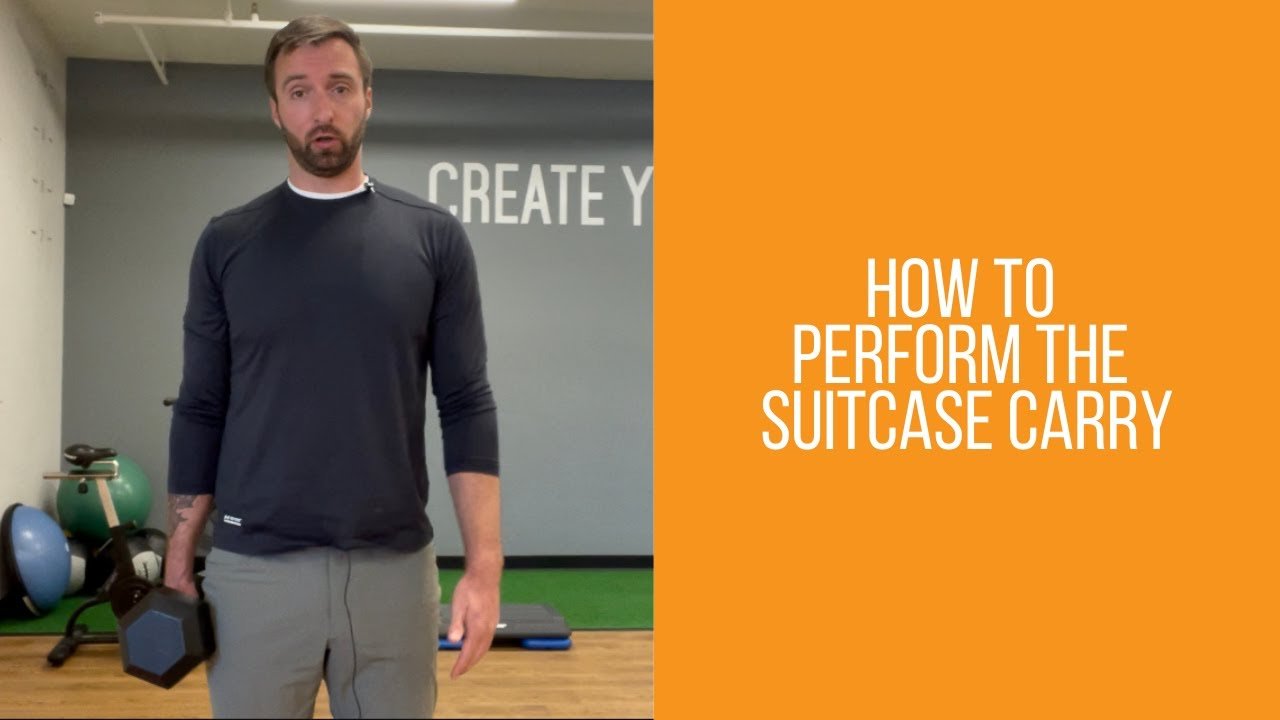
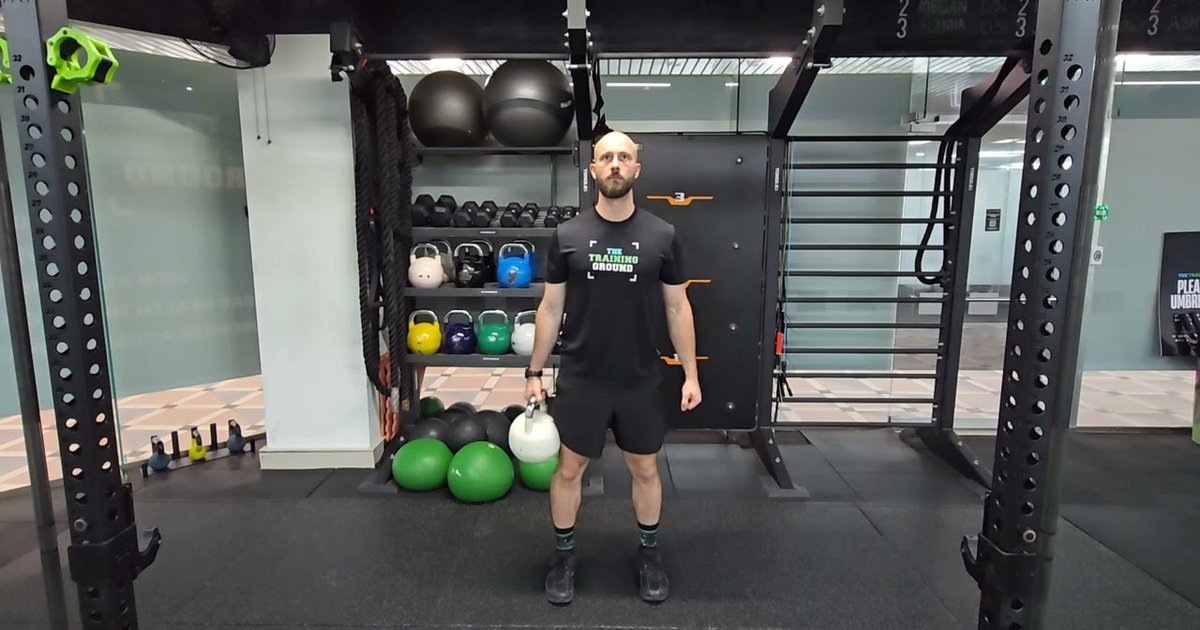
Use a dumbbell or kettlebell you can pick up, hold and put down deliberately. Stand beside it, establish your grip, bend through your hips and knees as appropriate and stand upright. Avoid beginning with a sideways snatch from the floor. The pickup is part of the set: if it feels unmanageable before the walk begins, choose a lighter implement or a more suitable starting position.
Keep the weight beside your body with the loaded arm long and your other arm free. Aim for approximately level shoulders and an upright trunk. You do not need to exaggerate a military posture or force your shoulder into a hard shrug. The objective is to resist a visible lean while allowing ordinary controlled walking, rather than creating the most rigid-looking pose possible.
A practical first test is a short walk with a load that leaves you confident you could complete another controlled length. Watch for the weight swinging into your leg, fingers beginning to open or a growing sideways tilt. Those observations are more useful than declaring a particular percentage of bodyweight mandatory. Different handles and different lifters make a universal starting load unhelpful.
Use the same implement for both sides during the comparison. A kettlebell and a dumbbell with matching labels can feel different because their handles and clearance differ. Changing equipment mid-session creates another variable. Record the actual weight, implement and handle choice so your next session begins with a recognizable task.
Define the walking route before starting the timer
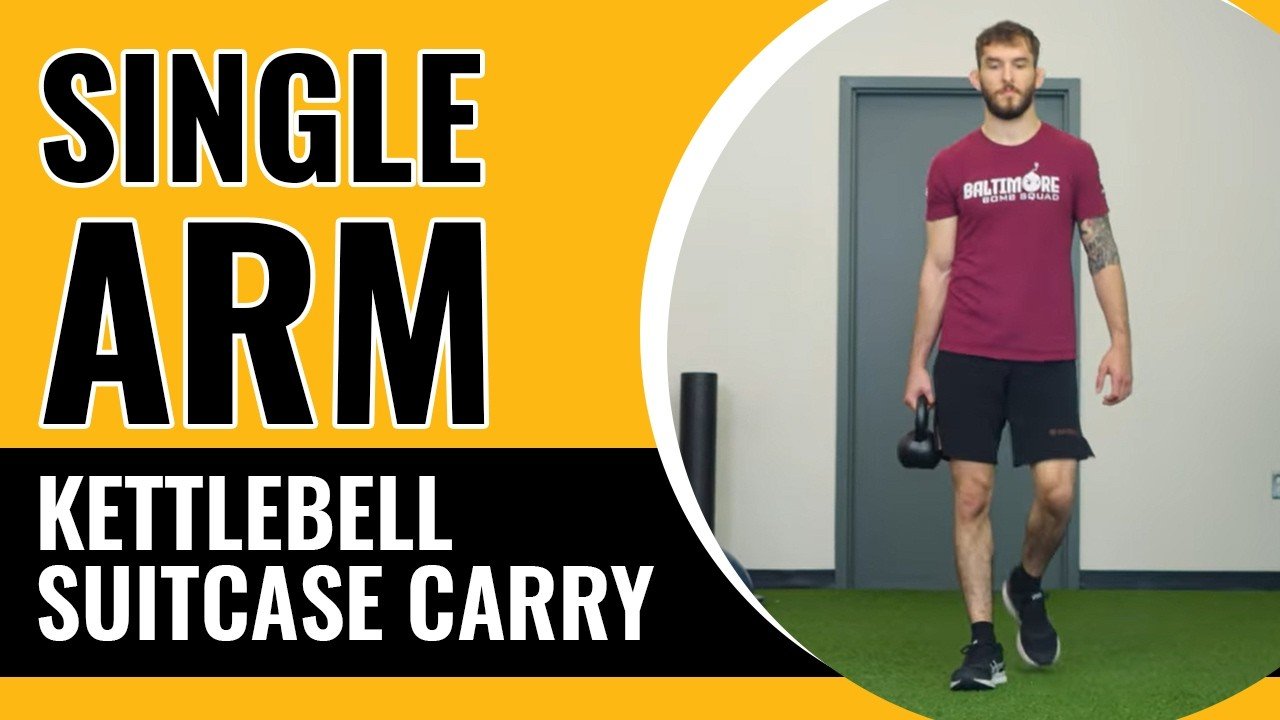
Choose a level, clear lane with enough room for the weight to pass beside your thigh. Check the floor, nearby benches and traffic before picking up the load. Carrying a weight through a crowded gym adds an avoidable distraction. A shorter quiet lane is usually a better training choice than a longer route that repeatedly forces you to dodge people.
Use controlled, ordinary steps and keep your gaze directed ahead. Walking faster can increase the distance you cover without demonstrating better control under load. If you use a timed set, preserve a similar pace when comparing sessions. If you use distance, keep the same route and note whether it includes turns. Neither method needs to be complicated; both need a consistent definition.
Slow down before turning. Use several manageable steps rather than pivoting abruptly while the weight swings. Decide whether the set includes the turn or ends before it. For example, two ten-metre lengths with a turn are a different task from one straight twenty-metre walk. Keep that distinction in your log instead of treating every twenty metres as interchangeable.
If the available lane is very short, a stationary one-sided hold can simplify the starting task. It lets you practise supporting the load without repeatedly turning. Treat it as a separate exercise variation, however. A longer hold is not automatically a longer carry, and success while standing still does not establish the same control once walking is introduced.
Match the sides and use a clear stopping rule
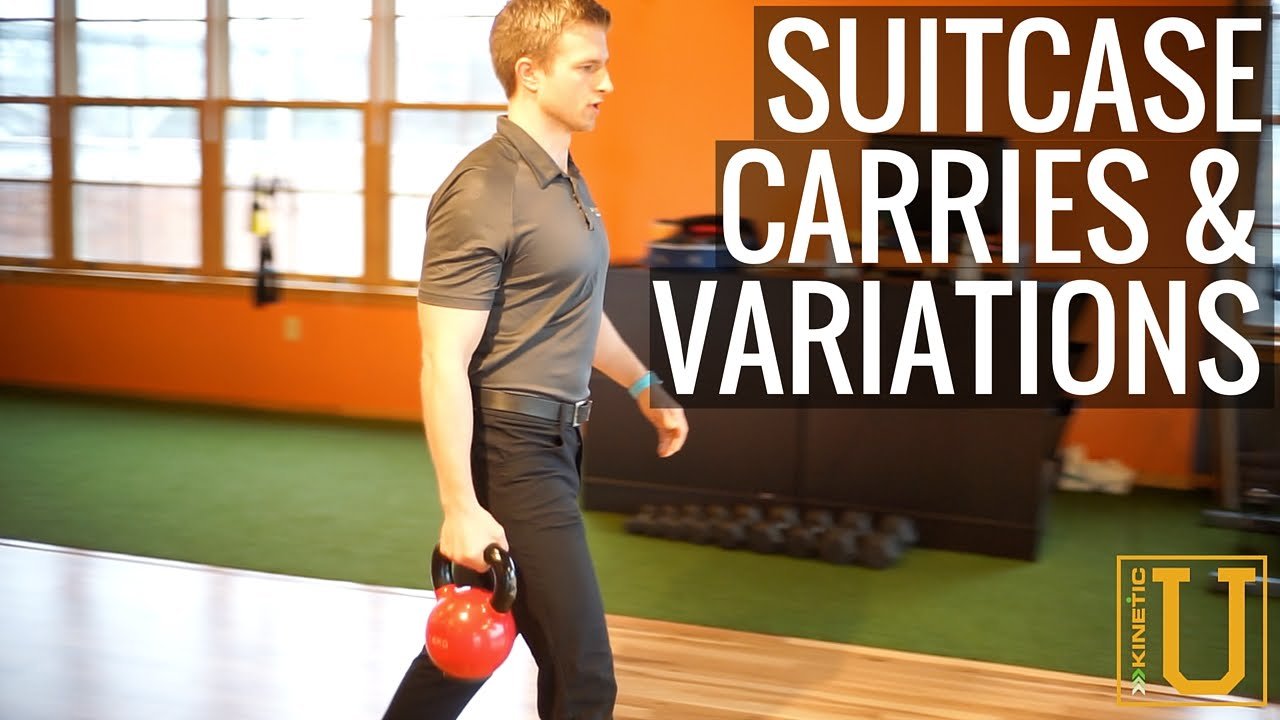
A suitcase carry loads one hand at a time, so write down the work for each side. One round can mean a left-side carry followed by a right-side carry, with enough rest between them to regain a controlled setup. State that definition before counting sets. Otherwise, two people saying they performed three carries may have completed very different amounts of work.
Start with the side that is harder to control and match its successful distance or time on the other side. This is a practical way to standardize the session, not a diagnosis of why the sides differ. If the difference is large, persistent or accompanied by pain, do not try to solve it by piling extra exhausting work onto one side.
End the set when your agreed technique standard is lost: a noticeable sustained lean, repeated stumbling, a failing grip or an inability to set the weight down deliberately. Do not wait for the dumbbell to fall from your hand. Put it down in a clear space under control, reset and reduce the next attempt if necessary. Pain is a reason to stop and reassess rather than a target to train through.
Rest until you can reproduce the starting position and complete the next planned effort. A fixed rest period can help comparisons, but it should not force rushed pickups or breathless walking. Note unusually short rests, extra pauses or interruptions. These details explain the session better than a distance total alone and help you select the next useful progression.
Progress one variable across a short training block
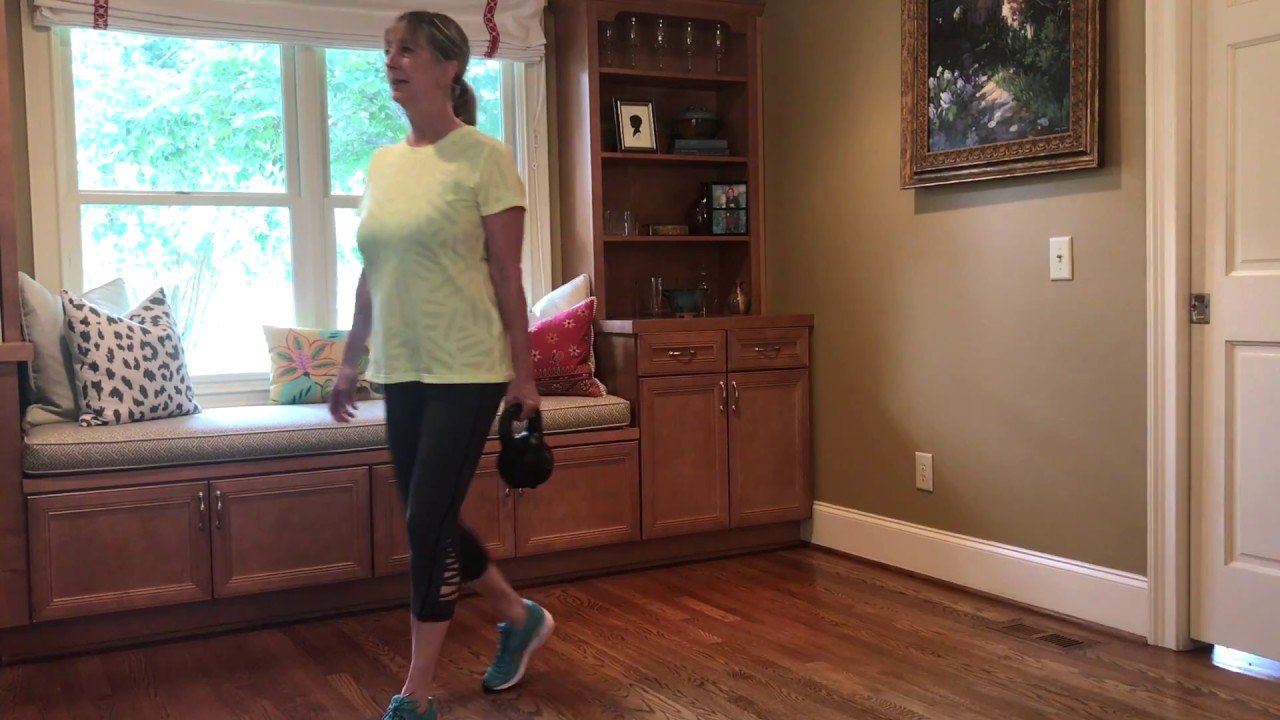
As an illustrative starting block, use two sessions per week with two rounds per session. Each round includes one short carry on each side. Choose a distance such as ten to twenty metres only if it fits your current ability and available lane. These are adjustable planning examples, not a studied prescription that guarantees a particular strength or muscle-growth result.
In the first week, repeat the same load, route and pace and learn where technique begins to change. In the second week, keep that baseline and aim to make every effort consistent. Better control at the same load is useful progress. You do not have to add distance every session just to make the log look more impressive.
When the work is repeatable, choose one small progression: add a short length, extend a timed effort slightly or select the next manageable weight. Hold the other variables steady. Increasing load, distance and rounds together obscures which change you can actually tolerate. If the next dumbbell is a large jump, improving the existing task can be preferable to forcing a heavier carry prematurely.
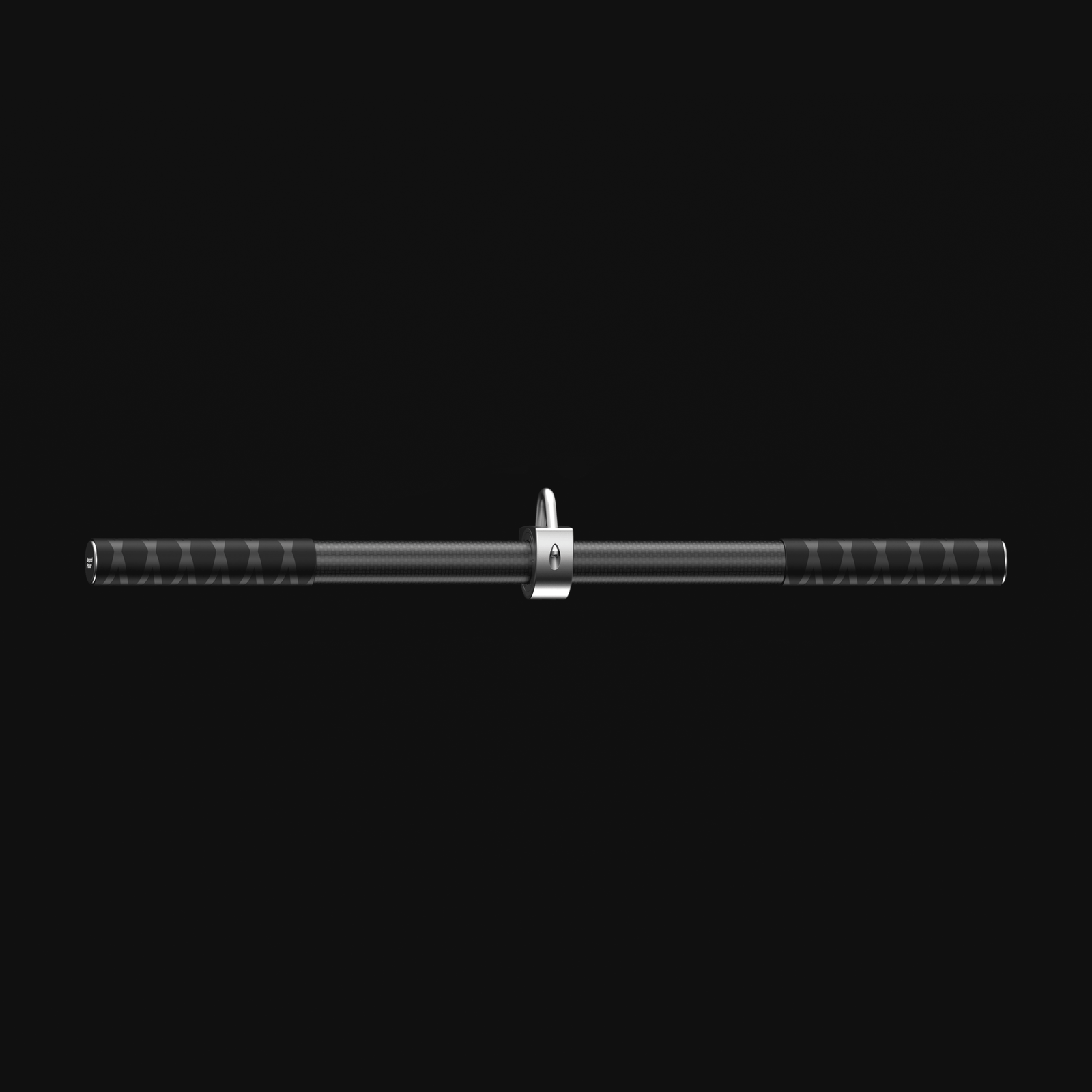
Keep equipment choices practical. Fixed dumbbells and kettlebells offer simple repeatability; adjustable versions require secure settings and appropriate use. Small add-on weights, plates and collars are separate hardware decisions and need explicit compatibility with the implement. Do not assume an attachment belongs on a moving carry simply because it can be balanced there. A long bar also changes clearance and handling, rather than acting like a larger dumbbell.

Equipment Worth Exploring
Explore equipment, accessories and gear from our carefully selected range.


Rubber Hex Dumbbells
Rubber-coated hex dumbbell pairs with a stable shape for home and commercial strength training.

Cast Iron Kettlebells
Textured cast-iron kettlebells for swings, squats, carries, and full-body training.



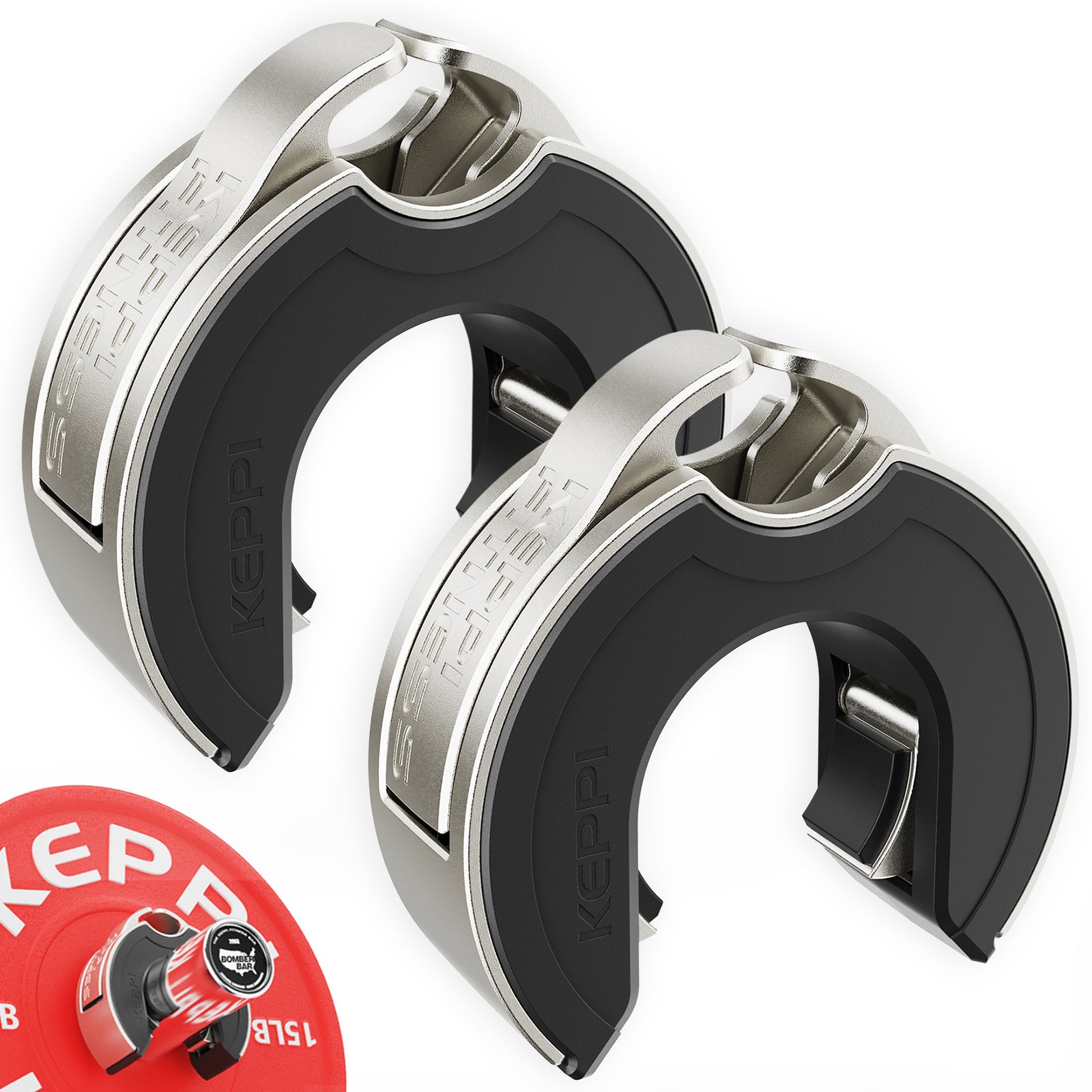
Keppi Open Collars
C-shaped magnetic Olympic barbell collars with a quick-lock mechanism and grippy lining.
Fit carries around the lifting you want to improve
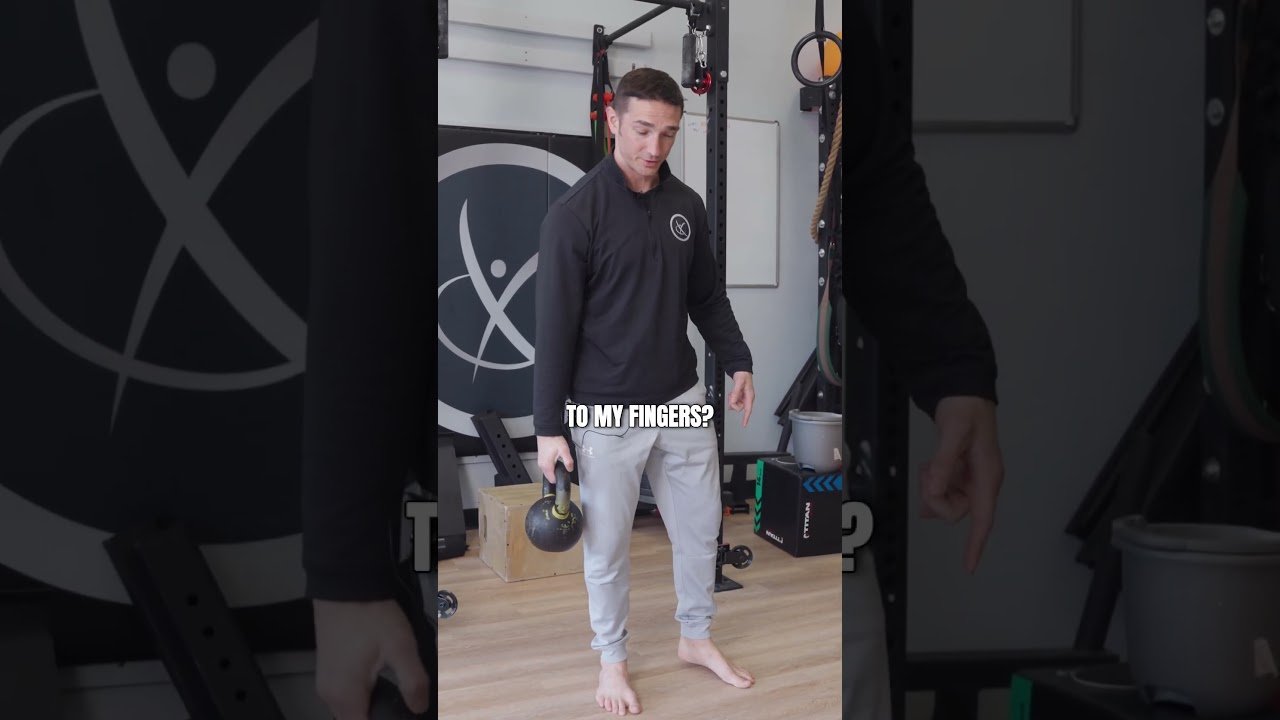
Place the carry where its fatigue fits your priorities. If your main session depends on fresh grip for deadlifts, pull-ups or rows, an exhausting carry block immediately beforehand can change the work you intended to do. Try a modest amount after the main lifts or on another suitable day, then monitor the next session instead of assuming more grip work is always better.
Keep the purpose specific. The suitcase carry combines one-sided loading with walking and grip work. A two-handed farmer's carry, a stationary hold and an overhead carry are different tasks. They can all have a place, but switching among them every workout makes progression difficult to interpret. Choose the version that serves the current block and keep the others clearly labelled as alternatives.
Your log can be short: implement and load, side, distance or time, rounds, rest and one note about control. For example, record that the last left-side length needed a slower turn while the right side matched the planned pace. That is actionable information. A single combined distance total conceals where the set became harder and which side needs a more manageable target.
At the end of the block, compare like with like. Did the same route become more controlled? Could both hands complete it with the same weight and similar rest? Were your main lifts still recovering well? Keep the improvement that matters, then adjust one part of the next block. The point is a repeatable carry that complements your training, rather than a test of how long you can keep moving after the setup has fallen apart.

Funny Gym Shirts & Workout Gear
Funny gym shirts, tanks, hoodies and workout gear for lifters who like training hard.

Dumbbell Heartbeat Decal for Water Bottles Laptops Gym Sticker
Bring “Dumbbell Heartbeat” attitude to your water bottle or laptop.

Kettlebell Heartbeat Muscle Shirt Athletic Vest Workout Tank Top
Add some lifting attitude to training with “Kettlebell Heartbeat”.

Get A Grip Grip Training Decal & Gymbros Sticker
Give your everyday gear a playful “Get a Grip” twist.

Grip Strength Fanatic Meme Hoodie
Show off your lifting humor in a laid-back “Grip Strength Fanatic” hoodie.

Dumbbell Meme Shirt – Essential & Gymbros Seeking T-Shirt
Make gym days more fun with “Dumbbell Gym Meme” style.


Heart Shaped Kettlebell Valentine’s Day Gym for Kettleb Hoodie
Show off your lifting humor in a laid-back “Heart Shaped Kettlebell Valentine’s Day” hoodie.

Kettlebell Heart X-Ray Meme Top T-Shirt
Show some lifting attitude with a playful “Kettlebell Heart X-Ray” tee.

Happy Kettlebell Emoji Smiley Kettlebell Workout Shirt Tank Top
Bring “Happy Kettlebell Emoji” humor to your next lifting session.