Could a daily berry, tea or plant-extract supplement help you build more muscle from the same workouts? An analysis of 11 randomized trials involving 360 adults tested that idea. The results are more cautious than supplement marketing suggests: neither strength nor muscle-size outcomes showed a reliable additional benefit, and the evidence leaves important uncertainty.
What the 11-Trial Review Actually Tested

Polyphenols are a broad family of plant compounds found in berries, tea, cocoa, coffee and many vegetables. Their association with a healthy diet is one thing; the claim that a concentrated supplement will build more muscle on top of a well-designed lifting program is another. That second claim is testable, and a 2026 analysis brought together the available randomized resistance-training experiments rather than relying on a single appealing result.
The review included 11 reports representing 11 randomized trials and 360 unique participants. Interventions were not interchangeable: researchers tested different compounds, extracts, doses, training plans and populations. Some experiments followed younger adults, others older adults, and outcome measures ranged from one-repetition strength tests to estimates of lean mass and direct measurements of muscle size. The central question was whether adding polyphenols to resistance training reliably improved adaptations beyond training without the supplement.
The answer was not a demonstrated extra benefit. But that is deliberately more precise than saying the supplements never work. The evidence was small, heterogeneous and often uncertain. A meta-analysis can pool information, yet it cannot erase differences in the original protocols or turn an imprecise result into proof of no effect. For lifters, the useful distinction is between an attractive biological theory and an advantage that can be measured consistently in training outcomes.
Strength: A Possible Signal, Not a Reliable Bonus
For strength, the pooled estimate was a small positive standardized effect of 0.25, but its 95% confidence interval extended from -0.01 to 0.51. The reported probability value was 0.060, just above the conventional 0.05 threshold. The strength analysis drew on eight independent trial clusters and 257 participants, rather than all 360 people included somewhere in the overall review. Its certainty rating was low.
That combination matters. An estimate above zero is not automatically a dependable effect, and a result that narrowly misses a statistical threshold does not prove that nothing happened. The interval permits outcomes ranging from essentially no difference to a potentially meaningful advantage in some circumstances. It also leaves open the possibility that the pooled signal reflects sampling variation, different training exposures or small-study effects. The correct practical statement is that a repeatable strength benefit has not yet been established.
Strength itself is more than muscle size. Familiarity with a movement, better coordination, technique, neural recruitment and confidence under load can all improve a lift. An eight-week trial that finds a better squat score has not necessarily demonstrated more muscle tissue, and a study of grip strength cannot be treated as interchangeable with whole-body performance. If a supplement improves one test while other strength tests stay unchanged, that pattern deserves investigation rather than an immediate marketing headline.
For a lifter deciding where to spend money, the comparison is straightforward: track your working weights, repetitions and technique under stable conditions first. An extra rep with a controlled range of motion, achieved repeatedly over several weeks, is a more actionable signal than a supplement label promising better adaptation through antioxidant activity.
Muscle Size and Lean Mass Tell a More Cautious Story
The pooled lean-mass or muscle-quantity result was smaller: a standardized effect of 0.13, with a 95% confidence interval from -0.07 to 0.33 and a probability value of 0.211. That analysis covered nine clusters and 280 participants and was also rated low certainty. Direct muscle-morphology outcomes were even less conclusive. Across only three clusters and 115 people, the pooled estimate was 0.05, with an interval from -0.21 to 0.30; certainty was very low.
These are not three versions of the same measurement. Whole-body lean mass can shift with hydration, glycogen, measurement method and tissue outside the muscle being trained. Direct imaging or anatomical measurements target a more specific structure, but they are expensive and were available in fewer studies. That is why the nearly zero direct-morphology estimate cannot be promoted as a definitive verdict either: the small evidence base produces a wide range of plausible outcomes.
Imagine two trainees who both add two kilograms to their scale weight while following the same progressive program. Without consistent body-composition methods and an appropriate comparison group, the increase cannot be assigned to a berry extract, and it cannot all be called new contractile muscle. A more informative trial controls the lifting exposure, follows adherence, uses a placebo where feasible and evaluates change in a prespecified muscle measure over enough time for structural adaptation.
For ordinary training decisions, treat supplements as optional variables, not the foundation. A stable exercise selection, progressive loading, sufficient food and protein, and repeatable sleep routines make it easier to interpret progress. Constantly changing a supplement stack while also changing the program makes personal cause-and-effect judgments almost impossible.
Berries, Green Tea and Extracts Are Not the Same Question
It is easy to confuse the nutritional value of polyphenol-containing foods with evidence for a performance supplement. Berries supply fiber, water and micronutrients alongside polyphenols. Tea and coffee contain numerous compounds, and coffee also contains caffeine. A capsule may isolate or concentrate one fraction at a dose that bears little resemblance to a normal serving of food. Different preparations can have different absorption, metabolism and effects.
Polyphenols are often discussed through antioxidant and inflammation-related pathways. Those mechanisms are biologically interesting, but exercise itself generates short-lived cellular signals that participate in adaptation. Suppressing a laboratory marker is not necessarily the same as improving the eventual strength or hypertrophy response. It would also be a mistake to assume every polyphenol behaves like a high-dose vitamin antioxidant: chemical structure, dose and context matter.
In one 12-week supervised program involving adults aged 55 to 70, resistance training combined with a small amount of high-intensity interval work improved lean mass, muscle size, strength and aerobic fitness. Adding polyphenol supplementation did not produce a clear additional improvement in those physical outcomes. A separate analysis of muscle gene expression from 38 participants in that broader intervention likewise found no coherent supplementation-related transcriptional response. These analyses draw on overlapping participants, so they are complementary measurements, not independent replications.
The practical takeaway is not to remove colorful plants from your meals. A varied diet can support health for reasons that do not require a measurable extra kilogram on a barbell. The narrower claim being evaluated is whether buying a concentrated extract gives an additional training adaptation. That claim needs its own convincing human evidence, not a borrowed health halo from fruit and vegetables.

Equipment Worth Exploring
Explore equipment, accessories and gear from our carefully selected range.




FID Bench MAX
Adjustable bench offering flat, incline, and decline positions + adjustable headrest.


VOLTRA
Compact digital cable trainer with smooth, adjustable resistance.

Go-Tone Pro
Portable digital cable trainer with up to 66 lb (30 kg) of adjustable resistance.
Why Different Studies Can Produce Different Headlines

There are several ways apparently conflicting results can arise without anyone fabricating data. First, a compound described as a polyphenol can be a green-tea extract, quercetin preparation, berry concentrate or another chemically different product. Even two products sold under the same botanical name may differ in standardized dose, other ingredients and bioavailability. Pooling them asks a broad question; a narrow effect of one preparation could be diluted or obscured.
Second, participants start from different places. A novice who is learning a squat can make rapid strength gains, while an experienced lifter may need more time and training volume to detect a small extra benefit. Older adults may have different recovery demands, medication use and dietary patterns. Training supervision, adherence and the number of weeks all influence the signal a trial can detect. A supplement cannot compensate for a poorly controlled resistance-training comparison.
Third, the outcome selected changes the story. Reduced soreness after a demanding workout is not the same as greater hypertrophy after months of training. Better perceived recovery might help somebody train consistently, but it still needs to be shown that this translates into more productive work and better long-term results. Acute antioxidant biomarkers, gene-expression changes, one-repetition maximums and ultrasound muscle thickness are related to different levels of the adaptation process.
Finally, small samples create unstable estimates. When a review reports low or very low certainty, that is not a decorative footnote. It is a warning that new, better-controlled trials could materially change the conclusion. A credible interpretation should describe both the current absence of a reliable advantage and the remaining uncertainty rather than selling either extreme as settled science.

Bodybuilding Shirts & Workout Gear
Bodybuilding shirts, tanks and gym gear for lifters chasing muscle, size, symmetry and the pump.

Bulking Season Bulk T-Shirt
Heavy lifts, good laughs, and a little “Bulking Season” energy.


Protein Monster – Protein Lovers, & Bros – Meme T-Shirt
Heavy lifts, good laughs, and a little “Protein Monster” energy.

Lift Eat Repeat – Weightlifting & – Meme Bros & T-Shirt
Make gym days more fun with “Lift Eat Repeat” style.

Chicken Broccoli Rice – , Gymbros & Gains Meme T-Shirt
Heavy lifts, good laughs, and a little “Chicken Broccoli Rice” energy.

Broccolift – Eat Broccoli & Lift , & Gains – Meme Top T-Shirt
Show some meal-prep attitude with a playful “Broccolift” tee.

Wheyhalla Viking Protein – Meme Lovers, & Gains – Top T-Shirt
Heavy lifts, good laughs, and a little “Wheyhalla Viking Protein” energy.

Shirt Protein Addicts – & Gymbros – Meme Gains T-Shirt
Bring “for Protein Addicts” humor to your next gym day.

Lift Eat Sleep Repeat Meme & Lifting Vest Tank Top
Show some personality between sets with “Lift Eat Sleep Repeat”.

Donut Dumbbell Donuts Barbell Bulk Diet Sticker
A fun “Donut Dumbbell Donuts Barbell” touch for bottles, laptops, and lockers.
Build the Training Base Before Buying Another Supplement
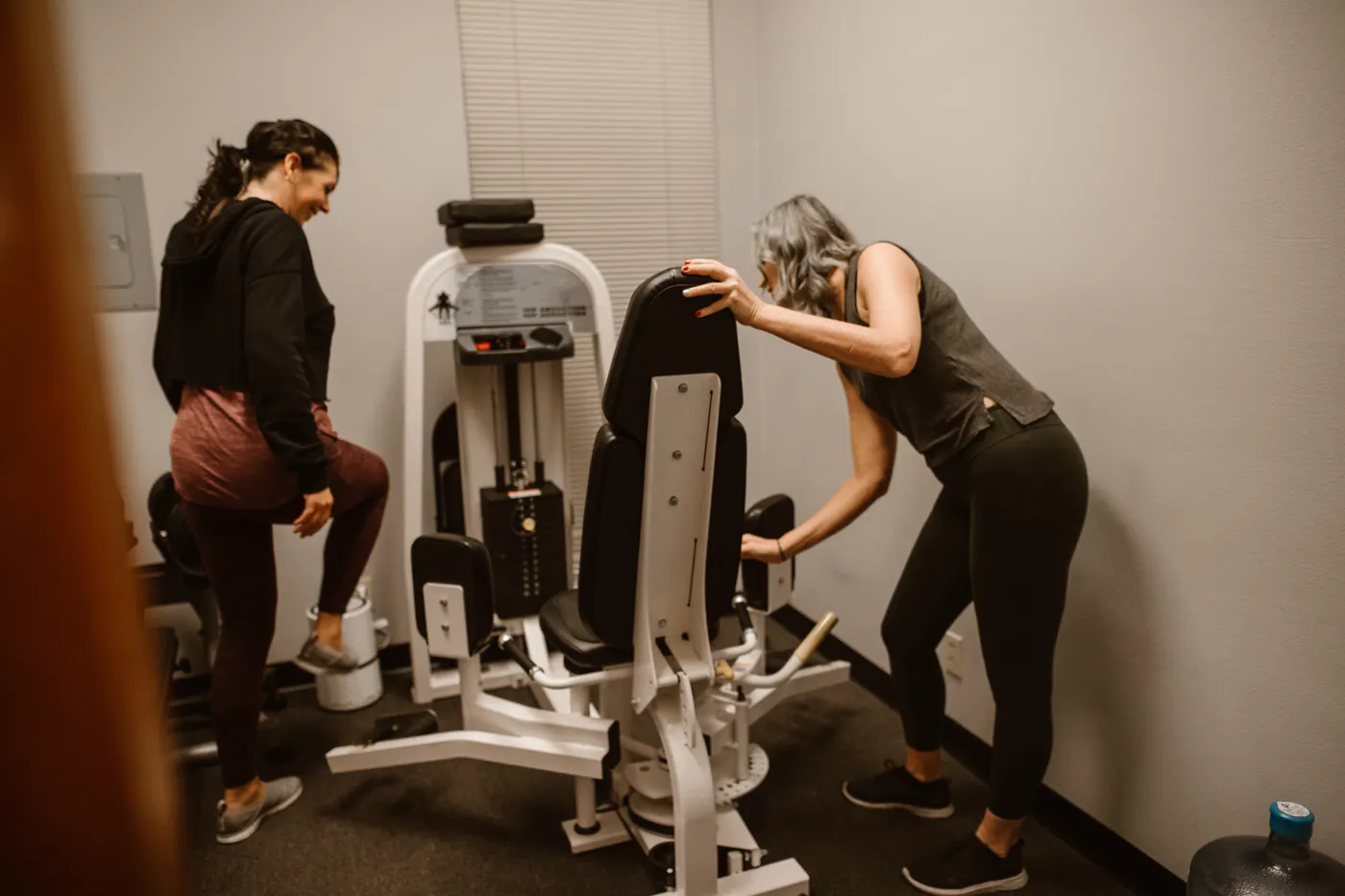
For most lifters, the most useful response to uncertain supplement evidence is to strengthen the controllable parts of the program. Train the major movement patterns consistently: a squat or knee-dominant exercise, a hinge, a horizontal or vertical push, and a pull. Two or three weekly full-body sessions can be a sensible starting point, with frequency and exercise choice adjusted to recovery, experience and goals. People with medical limitations should individualize the plan with appropriate professional advice.
A practical two-day template starts with a squat or leg press for two or three challenging sets of six to twelve repetitions, followed by a row and a press for two or three sets each. Add a hip hinge or leg curl and one smaller movement that addresses a genuine weakness. On the second day, vary the exercise angles, include a vertical pull if available and repeat the lower-body pattern with a tolerable load. Leave enough rest between hard sets to preserve technique; more fatigue is not automatically more productive training.
Choose a load that leaves roughly one to three good repetitions in reserve on most working sets. When all prescribed sets reach the top of the repetition range with consistent form, increase resistance modestly. Keep an exercise log that includes load, repetitions, range of motion and any unusual pain or fatigue. These records are more useful than trying to infer progress from soreness or a single gym session.
Nutrition should support that work. Meet energy needs, include protein-containing foods across the day, and make fruits and vegetables routine rather than treating one extract as a replacement for dietary quality. If a person is deliberately reducing calories, preserving adequate protein and resistance-training quality becomes especially important. There is no convincing basis here for choosing a polyphenol capsule instead of basic training and nutrition fundamentals.
Equipment Worth Exploring
Explore equipment, accessories and gear from our carefully selected range.


Leather Lifting Straps
Padded leather straps support grip during heavy rows, deadlifts and pulling exercises.

A Four-Week Test That Does Not Confuse Correlation With Progress

Week one is a baseline. Select four to six exercises, record normal working sets, and keep the schedule realistic. Measure body weight under similar conditions if body composition is a goal, but do not interpret daily fluctuations as muscle gain or loss. If you use a supplement already, note the product, dose and timing without changing several other variables at once. The point is to establish a repeatable routine before drawing conclusions.
During week two, progress one variable at a time. Add a repetition to an existing set or make a small load increase when form allows. Maintain the same main exercises and record sleep, appetite and any persistent discomfort. If you miss sessions, correct the schedule before assuming that a supplement is the missing ingredient. Training adherence usually gives you a much clearer target for improvement than a subtle biological mechanism.
In week three, review the trend rather than hunting for a personal best every session. Are the same loads moving more smoothly? Are repetitions increasing without shortening the range of motion? Is recovery adequate for the next planned workout? If the answer is no, examine training volume, rest, food intake and life stress before adding another product. A supplement cannot be fairly judged when the underlying program is inconsistent.
Week four is an audit, not a clinical trial. Compare your first and final week under matched conditions and decide what adjustment is justified: keep the program, increase a small amount of volume, change an uncomfortable exercise or improve meal consistency. Four weeks cannot reliably prove a subtle supplement effect on hypertrophy, especially without blinding or a control group. It can, however, show whether your routine is becoming more productive and sustainable.
Polyphenol-rich foods can remain part of a varied diet, and individual supplements may eventually prove useful for specific outcomes or populations. At present, the pooled resistance-training evidence does not establish a dependable extra gain in strength or muscle size from chronic polyphenol supplementation. Put the training plan first, keep nutrition broad, and demand measurable human outcomes before paying for promises about muscle growth.
Funny Gym Shirts & Workout Gear
Funny gym shirts, tanks, hoodies and workout gear for lifters who like training hard.


Meme Installing Muscles & Lifting Shirt Bros & T-Shirt
Bring “Installing Muscles” humor to your next gym day.

Dost Thou Even Hoist Sir? – Do You Even Lift, Bro? T-Shirt
Make gym days more fun with “Dost Thou Even Hoist Sir?” style.

Motivation – Squats & Booty Builder Leg Day – Strong T-Shirt
Bring “Gym Motivation” humor to your next gym day.

Off Season Rest Day – Meme , Gymbro, – Relaxing T-Shirt
Show some lifting attitude with a playful “Off Season Rest Day” tee.

Shirt – Train Hard Gains – Meme , & Workouts T-Shirt
Bring “Train Hard Gains” humor to your next gym day.

Shirt – Eat More Whole Foods Donuts – Meme Gymbros & T-Shirt
Make gym days more fun with “Eat More Whole Foods Donuts” style.

Dino Sore Dinosaur Sweater & Sore Muscles Meme T-Shirt
Add a playful “Dino Sore” touch to your casual rotation.

Weights Breakfast Pancake Weights Lifting Meme Sticker
Put “Weights For Breakfast Pancake Weights” gym humor on your laptop, bottle, or gym gear.

Dadlift Dad Gains Meme Hooded Hoodie
Stay casual and show some powerlifting attitude with “Dadlift”.