Advertising disclosure: This page includes affiliate links that may earn us a commission at no additional cost to you.
One foot strikes the ground at a time when you sprint. That seems like a convincing argument for building your entire leg workout around single-leg exercises. But the resemblance between a lift and a sporting action is only part of the story. A strong step-up and a strong squat can both help build the physical capacity behind faster movement, even though neither looks much like a sprint when performed with challenging resistance.
The useful question is not which exercise wins a popularity contest. It is whether the strength you gain in that exercise shows up when you accelerate, brake or push off in a new direction. An 18-week comparison of squat and step-up training gives us a particularly interesting way to examine that question.
1. What the 33-participant training comparison actually tested
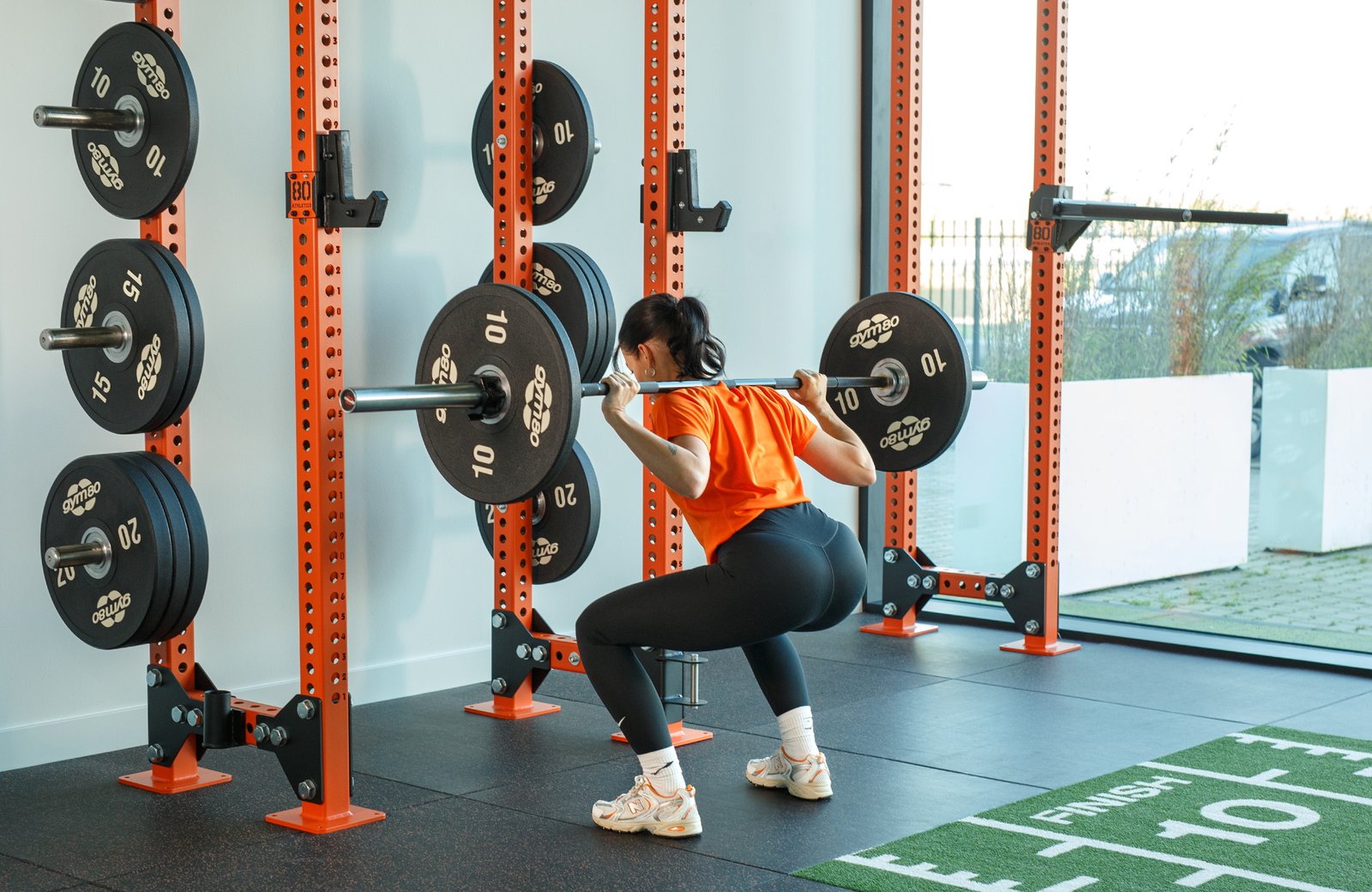
The study, published in January 2020, involved 33 resistance-trained participants who were allocated to a squat-training group, a step-up group or a comparison group. Their mean training experience exceeded five years, so they were not simply beginners getting stronger because they had started exercising. The two lifting groups followed a twice-weekly lower-body strength schedule with comparable volume loads and a planned range of intensities. The main distinction was the movement used: a bilateral squat or a unilateral step-up.
Both lifting groups improved strength and 20-metre acceleration. Neither had a clear advantage for sprint performance. The squat group, however, showed greater improvement in the particular preplanned change-of-direction test used in the experiment. The test involved a 50-degree change of direction rather than a reactive contest against an opponent.
That result should not be stretched into an instruction to remove single-leg work from every athletic programme. The number of participants in each group was relatively small, and changing the cut angle, the testing surface or the population could change the result. The valuable point is that the training movement most visibly similar to running was not automatically the most effective at improving every field test.
A bilateral strength test also rewards skill at producing force with both legs together. A single-leg strength test puts a different demand on coordination. If a programme improves one test more than another, some of that change may reflect improved skill in the tested movement. Keep the strength outcome separate from the sporting outcome when evaluating whether a programme is working.
2. Why a step-up is not automatically the more athletic exercise
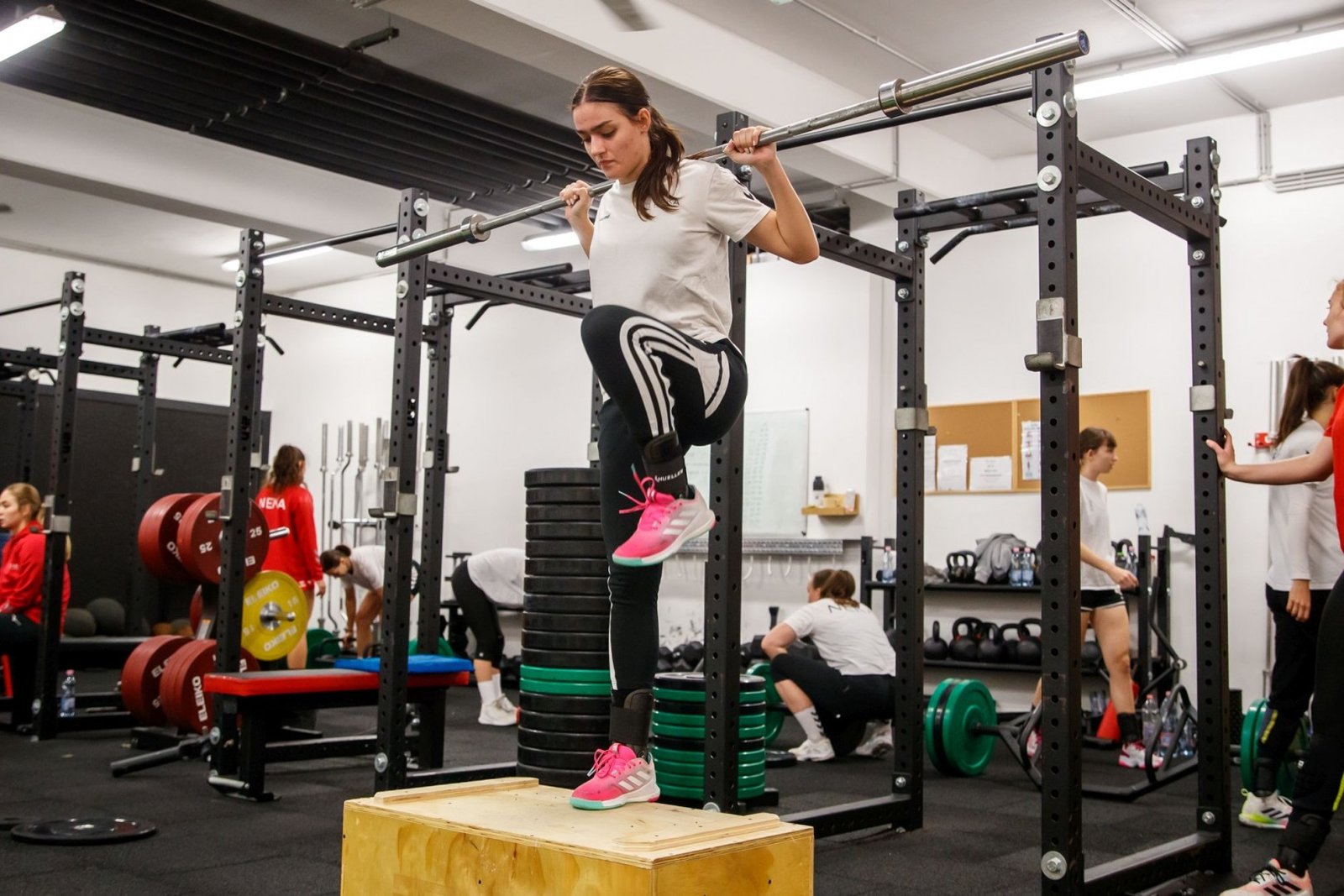
Compare the mechanics of the lifts. In a squat, you can use two feet to support a substantial external load while the hips and knees flex and extend together. In a step-up, the leading leg performs much of the work while the other leg can either assist or remain relatively inactive, depending on the execution. You also need to manage your centre of mass over a smaller base of support as you rise.
Those differences are useful, but they create tradeoffs. If balance is the factor that ends every step-up set, the load may not challenge the leg muscles as much as intended. Conversely, a heavy bilateral squat may allow a lifter to favour a stronger side without noticing. A well-controlled unilateral exercise makes it easier to observe each leg’s contribution and choose a load that it can handle.
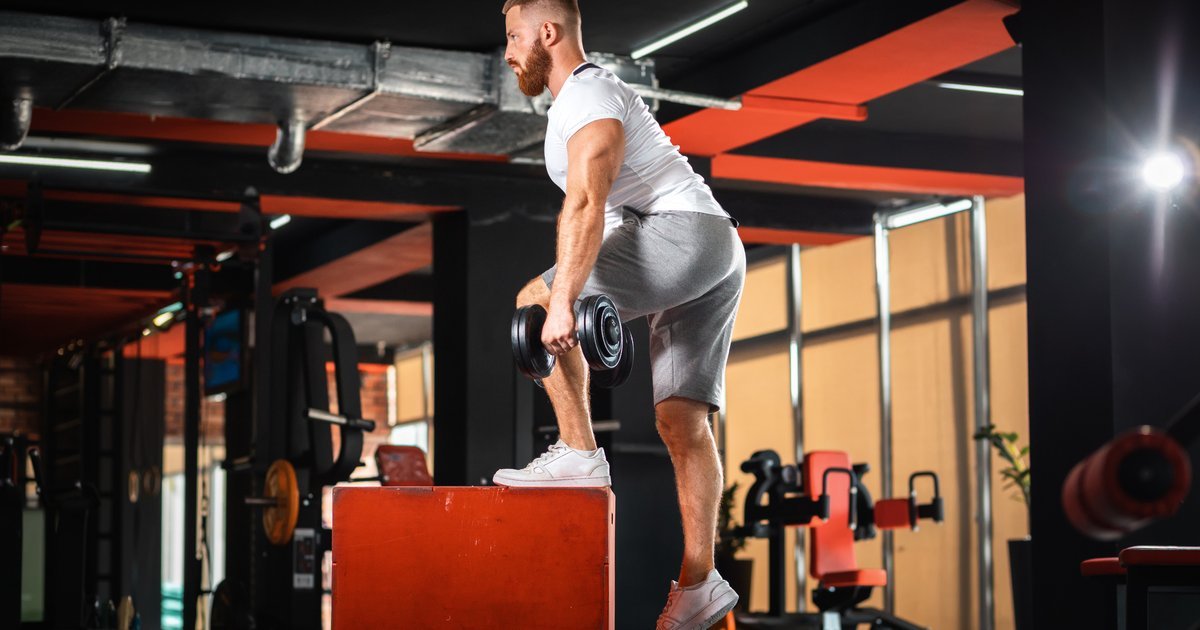
Box height changes the starting position and the work required to reach the top. Start with a stable platform that lets you plant your whole foot without twisting the pelvis or bouncing off the floor. Choose a height that allows smooth movement, then increase load or range gradually rather than changing both at once. Dumbbells held beside the body are a simple way to add resistance without committing to a heavy barbell on an elevated surface.
A 2026 synthesis of 24 randomised trials found a pattern consistent with movement specificity: unilateral training tended to favour single-leg strength and jumping outcomes, while bilateral training tended to favour two-leg strength. It did not establish a clear general advantage for sprinting or changing direction. There is no need to pick one category exclusively. They offer different opportunities to practise producing and controlling force.

Equipment Worth Exploring
Explore equipment, accessories and gear from our carefully selected range.


Rubber Hex Dumbbells
Rubber-coated hex dumbbell pairs with a stable shape for home and commercial strength training.


GymPin Squat Wedges
Non-slip 15-degree squat wedges help elevate the heels for deeper quad-focused squats.
3. Separate acceleration from the ability to change direction
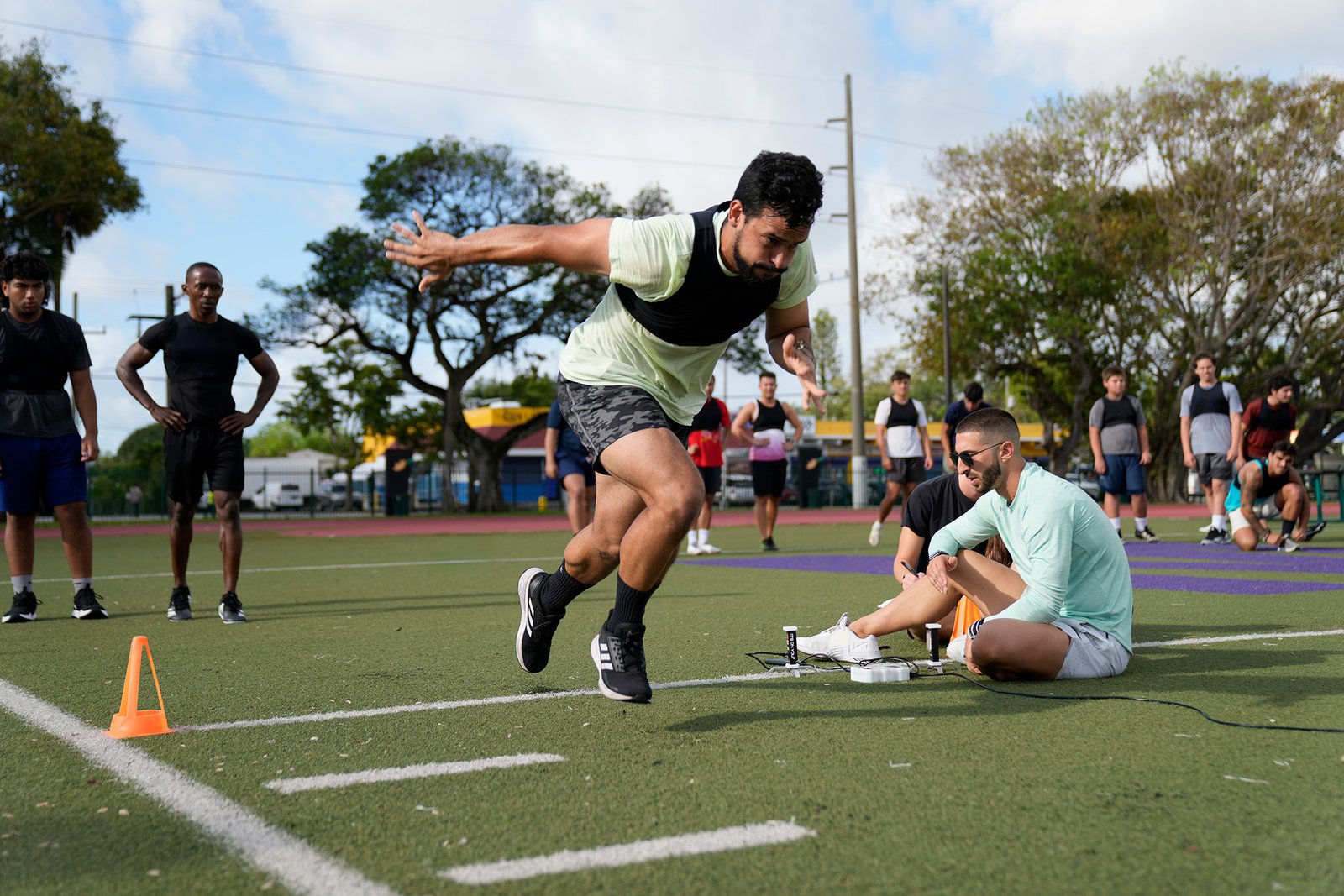
Acceleration is a race against time. An athlete must create useful force during a brief contact with the ground and direct that force in a way that moves the body forward. A lifter can take several seconds to complete a challenging squat repetition, and that is not a problem if the purpose of the set is strength. It becomes a problem only when the ability to complete that set is treated as direct evidence of sprint skill.
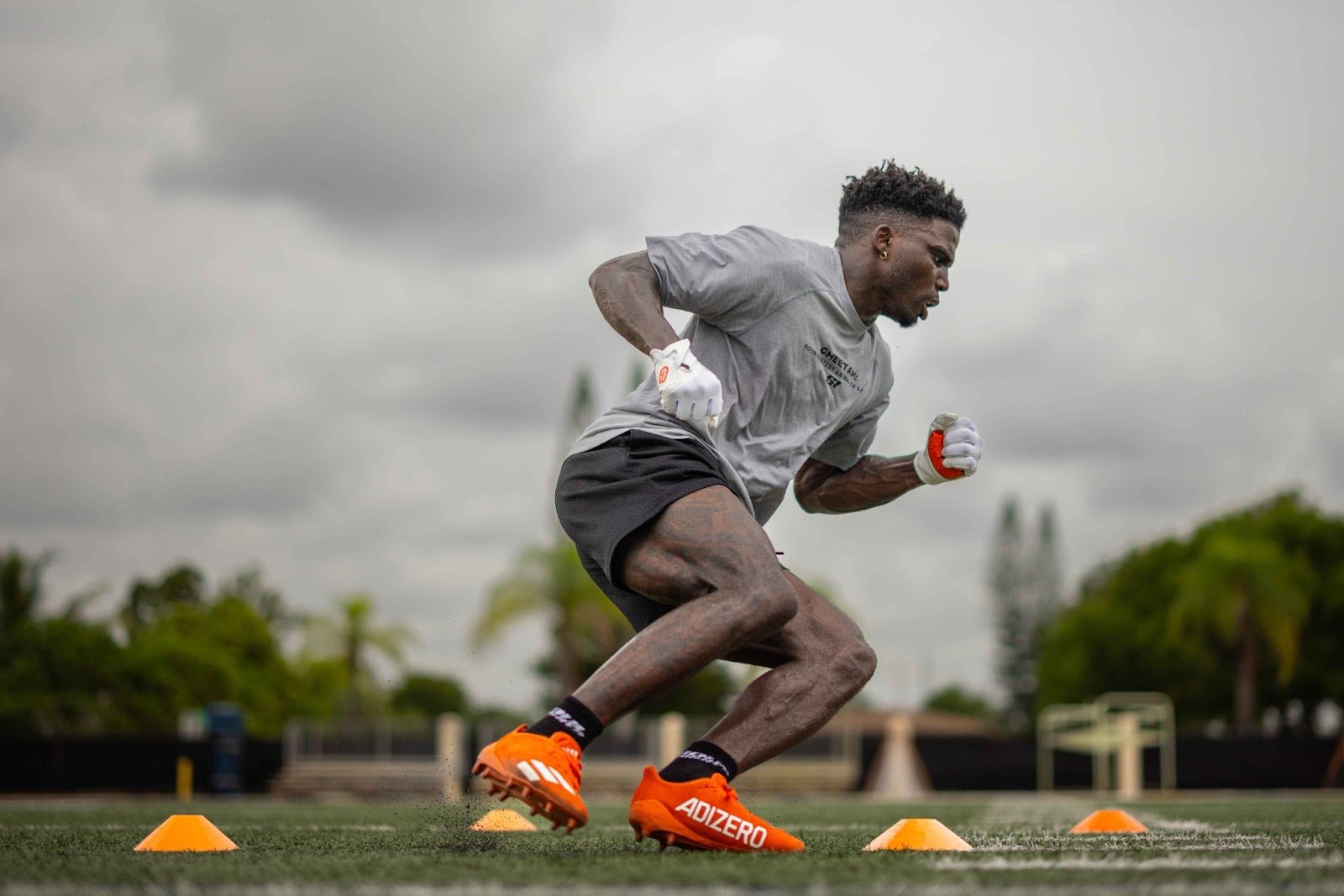
Changing direction adds another layer: the athlete must reduce existing momentum, position the body for a new path and accelerate again. The best approach for a shallow, planned cut may be different from the approach needed to stop sharply, turn through a larger angle or respond to another player. Foot placement, entry speed and timing all influence the task.
That is why it is useful to assess three different things: the maximum strength a lifter can produce in a chosen exercise, the ability to accelerate over a known distance and the ability to complete a repeatable change-of-direction drill. They do not have to progress together every week. A player who gains strength but runs the same sprint time might need practice expressing that strength quickly, rather than another month spent adding weight to the bar.
Other pooled comparisons of unilateral and bilateral training in team sports have reached less decisive conclusions about the superiority of one approach. Different groups of athletes, training histories and measurement methods make a universal recommendation difficult. Use a strength exercise as a tool for developing capacity, and use actual running and cutting practice to develop the movement you want to improve.
4. Choose your main lift by the weakness you need to address
Suppose you are already a competent squatter, but your left leg feels noticeably less stable when stepping onto a platform. You do not necessarily need to abandon your squat. Instead, retain it as your main heavy lift and add a modest dose of step-ups, beginning with the load and repetitions your less confident leg can complete cleanly. Keep the stronger side on the same prescription initially so the comparison remains meaningful.
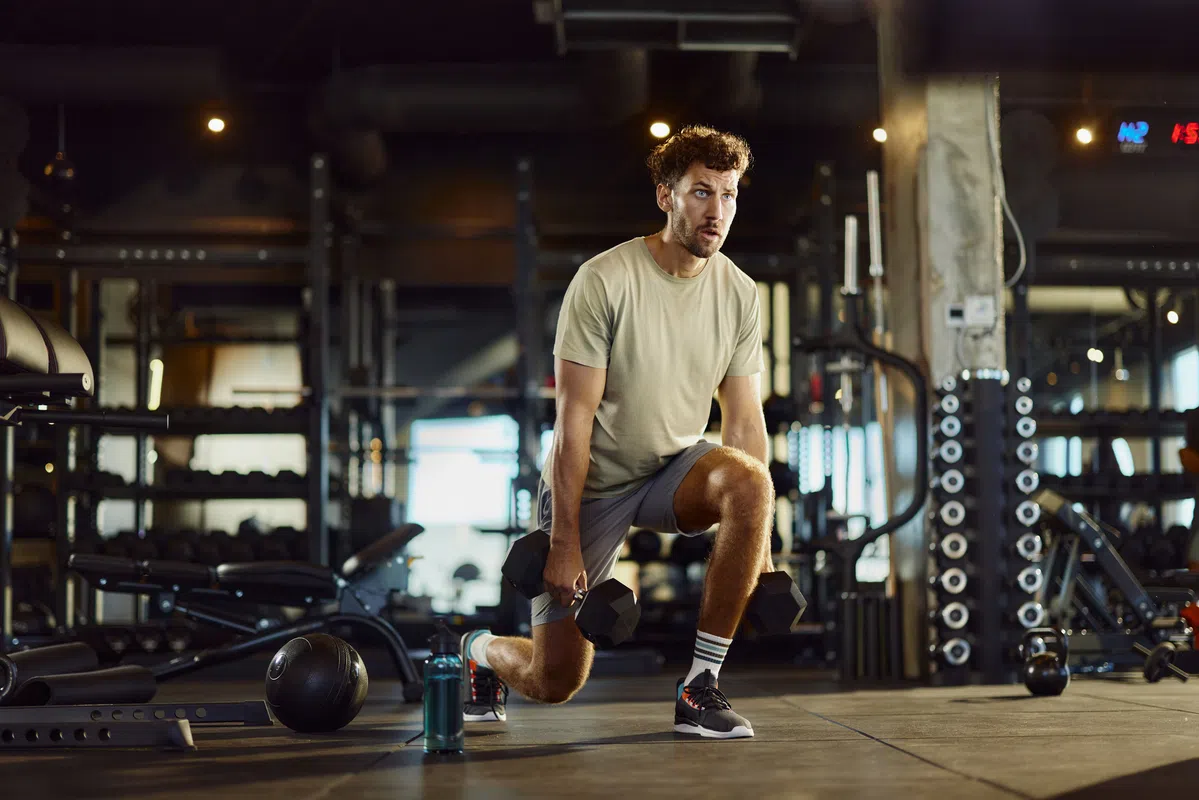
Now imagine a recreational football player who performs high-repetition lunges and step-ups every week but has never developed a solid two-legged strength exercise. A squat variation might provide a useful new stimulus. Start with a movement and load that can be controlled, then build a small amount of additional work over successive weeks. A rack with appropriately positioned safeties is useful for heavier barbell work.
For a lifter whose main concern is leg size rather than field performance, the priorities change again. A challenging movement that is stable, comfortable and progressively loadable is more valuable than one selected purely because it looks athletic. A step-up can be a good supplementary exercise, especially when it lets the lifter work hard with less external weight. It does not have to replace a squat, split squat or another well-tolerated leg exercise.
Use a simple decision rule: identify the outcome, choose the exercise that challenges the relevant capacity, and make sure the limiting factor is the one you intend to train. A set that ends because a dumbbell slips out of your hand tells you something different from a set that ends because the working leg can no longer extend the knee and hip under control.
5. Put strength and field work into the same training week
Here is an illustrative two-session lower-body week for a healthy recreational athlete who already has experience lifting. It is not the research protocol and should be adapted around team practices, previous injuries and recovery.
- Session A, strength emphasis: squat for three sets of four to six repetitions, perform dumbbell step-ups for two sets of six to eight per side, then add two sets of a hinge exercise and a calf exercise.
- Session B, unilateral emphasis: perform step-ups or split squats for three sets of six to eight per side, followed by two or three moderate squat sets, hamstring work and a short trunk exercise.
- Field practice: after an appropriate warm-up and while fresh, practise a handful of short accelerations and controlled direction changes. Start below maximal effort if the drills are unfamiliar, and increase intensity only as execution becomes reliable.
Leave a couple of repetitions in reserve on most working sets and rest long enough to repeat the movement with control. If the field sessions become slower or your legs remain unusually fatigued, reduce the number of gym sets before adding more conditioning. High-speed movement and heavy strength work are both demanding, even if their sensations during exercise are very different.
Retest under comparable conditions after several weeks. Use the same platform, range of motion and dumbbell load for step-ups; the same squat depth and equipment for the squat; and the same running surface, timing method and drill setup for field work. Small differences in a stopwatch reading can be measurement noise, so look for repeatable trends rather than a single exciting result.
The aim is to develop stronger legs that can be used in the activity you care about. Squats and step-ups can coexist in that plan. Choose their roles deliberately, practise the sport itself and let the results determine which part of the programme deserves more attention.

Leg Day Shirts & Workout Gear
Leg-day gym shirts and workout gear for lifters who never skip squats, lunges and lower-body punishment.

6 Plates Squat Club Meme Shirt – Essential T-Shirt
Heavy lifts, good laughs, and a little “6 Plates Squat Club” energy.


Never Skip Leg Day Flamingo – Fitness Meme Decal for Wa Sticker
Stick a little “Never Skip Leg Day Flamingo” humor on your favorite gear.

Squat Game Gym | Funny Squid Game Parody Workout For Le Hoodie
Stay casual and show some gaming attitude with “Squat Game”.

Heavy Squatter Gym Wizards | Funny Harry Potter Muscle Tank Top
Show some personality between sets with “Heavy Squatter Gym Wizards”.


Funny Squat Queen Gym | Burger King Parody Workout Swea T-Shirt
Add a playful “Squat Queen” touch to your casual rotation.

Leg Day Gains Gym | LEGO Parody Workout Decal for Water Sticker
Give your everyday gear a playful “Leg Day Gains” twist.

Funny Squatbucks Gym | Starbucks Parody Workout | Leg D Hoodie
Bring “Squatbucks” gym humor to lazy days and post-workout plans.

Negative Leg Day Review 1 Star Not Recommended Decal Sticker
Stick a little “Negative Leg Day Review” humor on your favorite gear.