Advertising disclosure: This page includes affiliate links that may earn us a commission at no additional cost to you.
Jón Páll Sigmarsson’s place in strongman history does not depend on one spectacular lift. The Icelandic champion won World’s Strongest Man four times: 1984, 1986, 1988 and 1990. That sequence matters. It describes repeated success across several editions of a competition, rather than four consecutive annual wins or one permanently settled test of who could lift the most.
Old footage makes the appeal obvious: unusual implements, a powerful athlete and a personality that reached beyond the scoreboard. But the most useful way to appreciate Jón Páll is to keep the title, the event and the individual feat separate. Doing that preserves what was impressive without turning every clip into a universal strength record.
1. Read the four titles as a career, not an uninterrupted streak
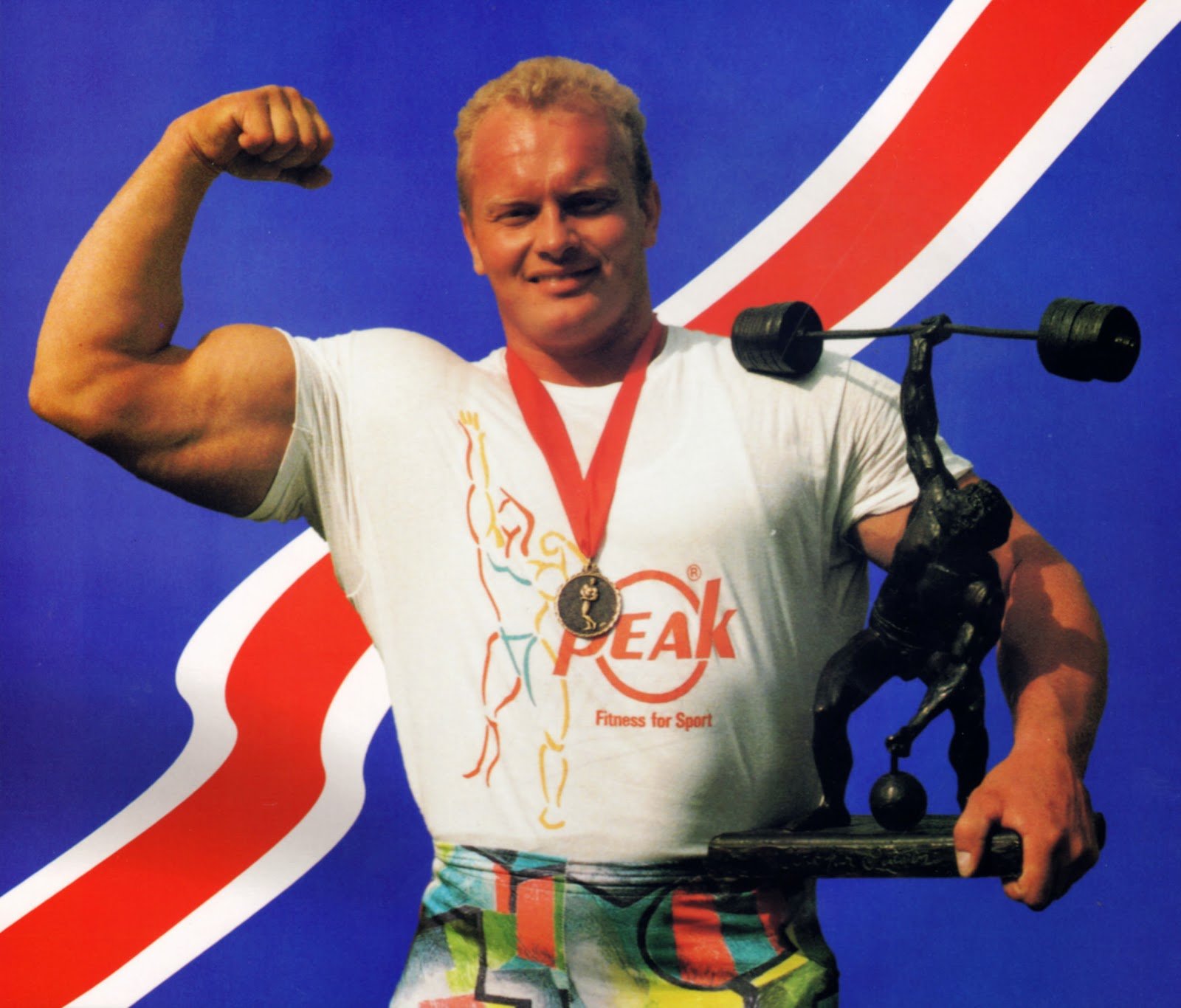
The four winning editions are a useful starting point because they are specific. Jón Páll was also runner-up in 1983 and 1985, and third in 1989. Those results make the career more interesting than a simple story in which a champion arrives and never loses.
A title sequence leaves out the competition between the wins. Second and third places still describe performances against a field, under the conditions of that contest. They do not make the next victory inevitable, and they do not become meaningless merely because the athlete later accumulated more titles.
For readers following strength sport, that is a better way to view longevity. Repeated success means returning to a competitive setting and producing a result again. It should not be flattened into the idea that the athlete was the best at every movement, in every year, against every possible opponent.
The years here are the names of the competition editions. Historical contests and their broadcast or calendar dates can be confusing, particularly when an edition is staged outside the year in its name. Keep the edition label attached to a result instead of silently changing it to make a timeline look neater.
2. Keep Pure Strength and World’s Strongest Man separate
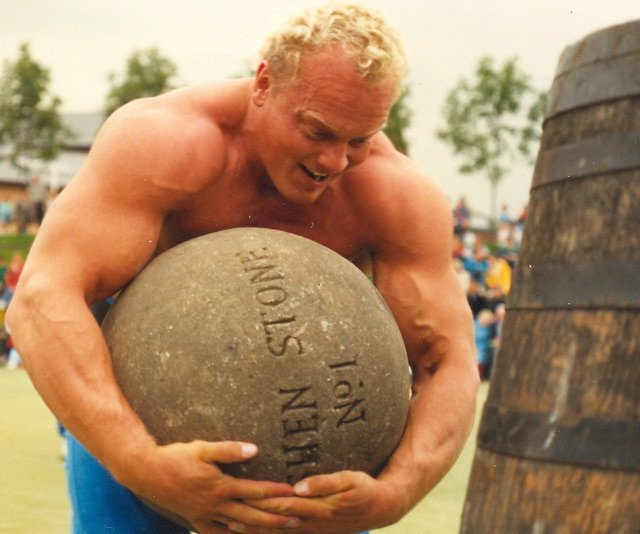
Jón Páll also won the 1987 Pure Strength contest. That was a different competition from World’s Strongest Man. The result deserves recognition on its own terms; it should not be inserted into his World’s Strongest Man title count as an extra winning edition.
This distinction becomes important when an old video is reposted with only a name and a year. A clip can be genuine while its caption leaves out the competition, the implement or the scoring context. The first questions are straightforward: which contest was this, what was the event, and what did success in that event require?
Strongman is particularly vulnerable to blurred comparisons because familiar movement names can describe different tasks. A deadlift variation with an unusual implement is not automatically comparable with a conventional barbell lift from the floor. The handles, starting height, permitted equipment and judging conditions all belong to the description.
You do not need to diminish an impressive feat to ask those questions. A precise description gives the performance its proper identity. It also lets you enjoy the competition without requiring every dramatic number to become a claim about an all-time record.
3. His strength career reached beyond one discipline
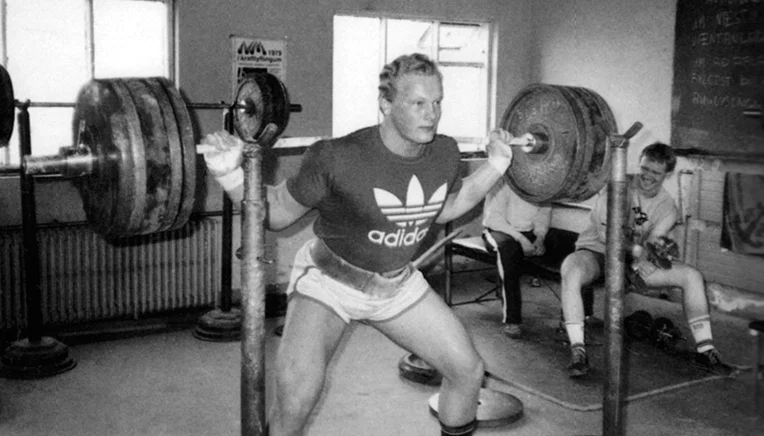
Jón Páll competed in powerlifting and bodybuilding as well as strongman. He won an Icelandic bodybuilding title in the over-90-kilogram class in 1984, and his lifting background included national records in the squat and bench press. Those are distinct parts of his sporting history, rather than different labels for the same achievement.
Powerlifting asks a lifter to perform particular judged lifts. Bodybuilding evaluates a physique. A strongman contest brings its own events and scoring system. An athlete can bring useful qualities from one setting to another while still needing to meet the specific demands of each.
That is why a large squat, an imposing physique and an overall strongman title should not be treated as interchangeable evidence. Each tells you something different. Combining them in a biography shows breadth; using one to explain every result oversimplifies the athlete’s work.
For another view of the distinction between general strength and event skills, our Tom Stoltman strongman skills profile looks at stones, carries and competition demands. The relevant comparison is the need to perform the task, not a claim that two champions followed the same routine.

Powerlifting Shirts & Lifting Gear
Powerlifting shirts and gym gear for squat, bench and deadlift lifters who live for heavy numbers.

Meme : Squat Rack Top Home T-Shirt
Make gym days more fun with “Powerlifting Gym Meme” style.

Forged In Iron Shirt – Essential & Top T-Shirt
Heavy lifts, good laughs, and a little “Forged In Iron” energy.

I’m Strong Barbell Heartbeat Muscle Shirt for Powerlift Tank Top
Show some personality between sets with “I’m Strong Barbell Heartbeat”.

Shirt – Deadlift – Meme Gains & Bros T-Shirt
Heavy lifts, good laughs, and a little “Deadlift” energy.

3 Plates Squat Club – Motivational Meme & Ultimate T-Shirt
Rep “3 Plates Squat Club” humor in and out of the gym.

Shirt – Squat Bench Deads Gains T-Shirt
Heavy lifts, good laughs, and a little “Squat Bench Deads” energy.

Praise The Deadlift Holy Lifting Meme Fans Tank Top
Add some deadlift attitude to training with “Praise The Deadlift”.

Be Happy Lift Heavy Happy Weights Smiley Face Weight Pl T-Shirt
Show some gym-day personality with “Be Happy Lift”.

Iron Is My Therapy – Lifting Bodybuilding Powerlifting Hoodie
Stay casual and show some powerlifting attitude with “Iron Is My Therapy”.

Chest Day Decal Water Bottles & Equipment Meme Sticker
Bring “Chest Day” attitude to your water bottle or laptop.
4. The showmanship belongs in the story, not in the scoring rules
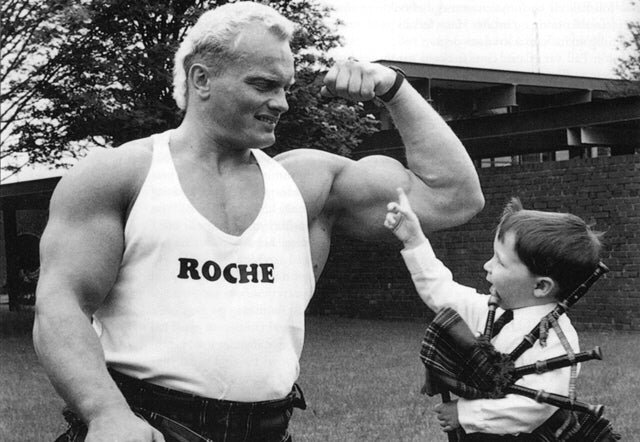
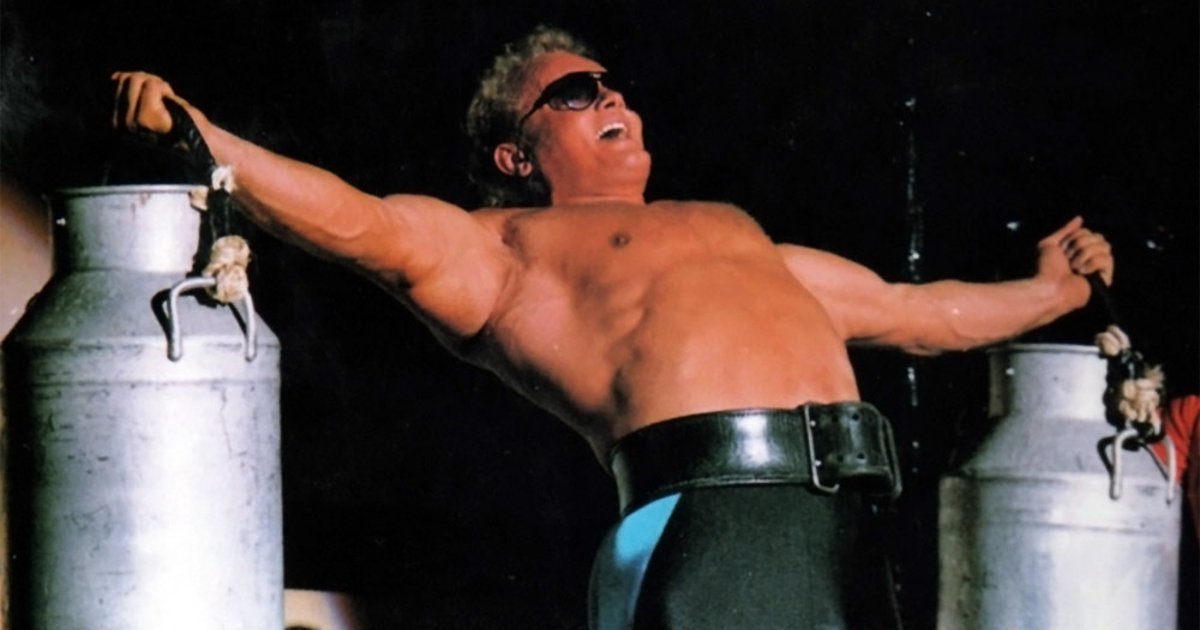
Jón Páll remains memorable partly because he was expressive. The celebrations, poses and interaction with a crowd are part of the attraction of watching him. A strength contest is also a public event, and an athlete’s presence can make an unfamiliar implement or an otherwise technical result easier to remember.
There is no need to choose between appreciating that personality and taking the competition seriously. They answer different questions. The performance determines what happened in the event; the athlete’s response helps explain why a viewer still remembers it years later.
The same separation helps when watching modern strongman. A roar does not tell you the points gap, and a quiet athlete can still be performing well. If the finish is close, the relevant details are the actual results and scoring. Our look at two Rogue Invitational titles decided by one point shows why those details can matter.
In a retrospective, photographs and brief clips are useful illustrations. They are not a complete replay of the contest, and a facial expression is not a reliable explanation of preparation, confidence or fatigue. Enjoy the character without inventing a private account of what the athlete was thinking.
5. Take the interest in strength without inventing his training plan
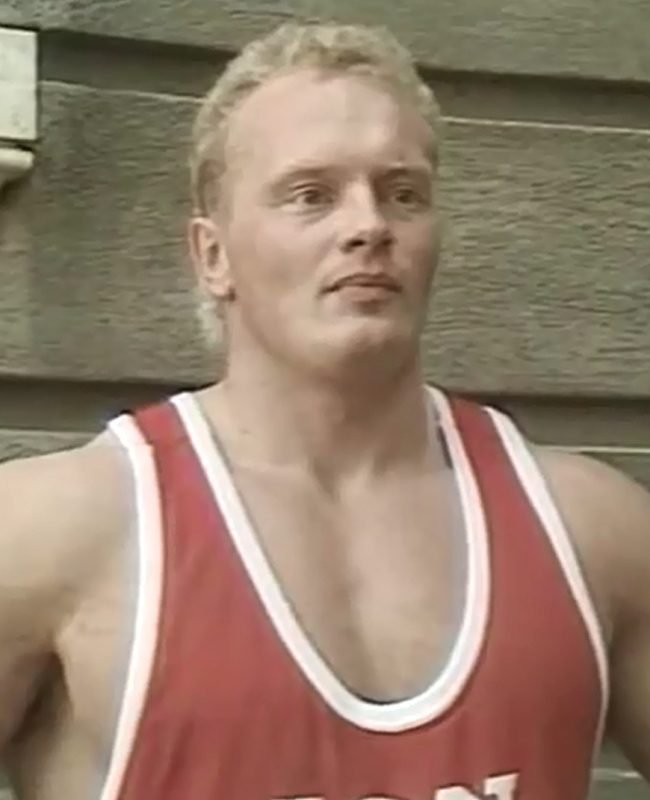
A historic champion can make you want to train. That is a worthwhile response, but a competition montage is not a training log. It does not establish weekly sets, recovery between sessions, the progression used to reach a lift or the work that was left out of the edit.
There is no verified Jón Páll workout prescribed here. Nor should an adult recreational lifter treat an elite competition load as a sensible starting point simply because the footage is inspiring. Learning about the sport and choosing an appropriate training task are separate decisions.
If an event interests you, begin by understanding what it involves: the implement, the route or range of motion, the judging criteria and the practical setup. That is more useful than trying to recreate a dramatic scene with equipment that only looks similar. A qualified coach can help when you are learning an unfamiliar strongman skill.
The lasting appeal of Jón Páll’s career is broad enough without invented details. Four World’s Strongest Man titles, success in other strength contests, a background across disciplines and a conspicuous personality provide plenty to appreciate. Keep the context attached, and the old footage becomes more informative as well as more entertaining.