Advertising disclosure: This page includes affiliate product links that may earn us a commission, as well as products from our own store.
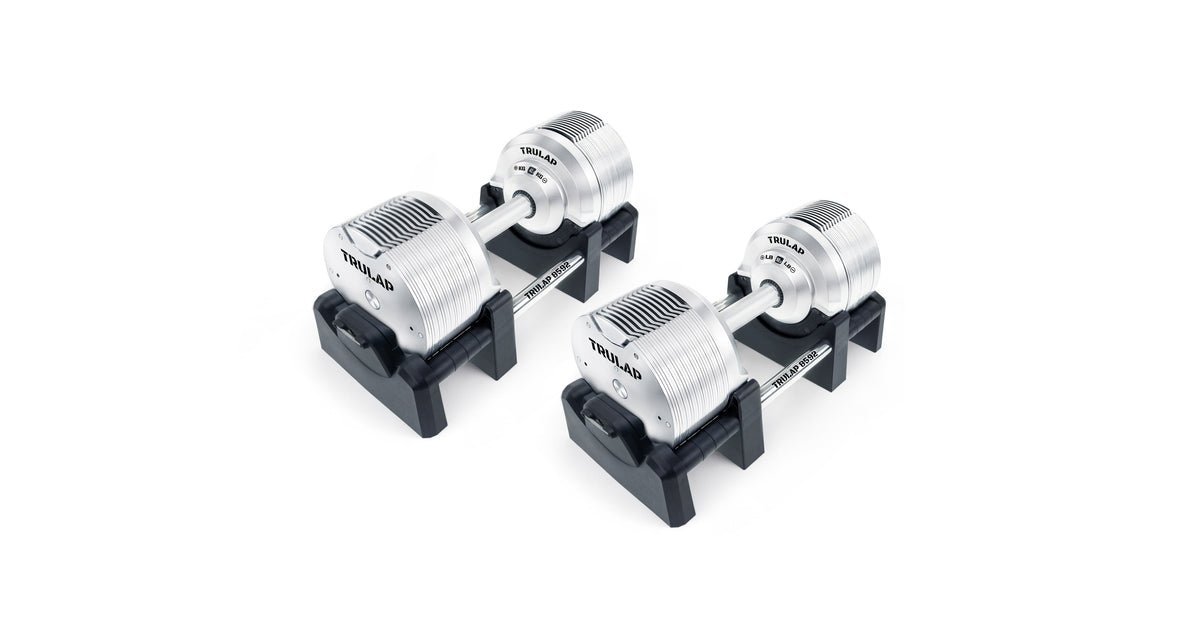
Trulap 8592 G4 Dumbbells: Check the Grip, Docking Space and Daily Routine
An adjustable dumbbell earns its place through the sessions it makes easier to complete. The maximum weight matters, but so do the handle, the space around the docking bases and how confidently you can put the weights back between sets. The Trulap 8592 G4 combines a twist-handle selector with a changing dumbbell length, giving it a different daily rhythm from a fixed pair or a plate-loaded handle.
This is a specification-based buying guide, not a claim of firsthand MMP testing. The useful question is whether the system suits your exercises, room and handling habits. Work through those details before deciding that a large advertised weight range automatically makes it the right purchase.
1. Understand what happens when you turn the handle
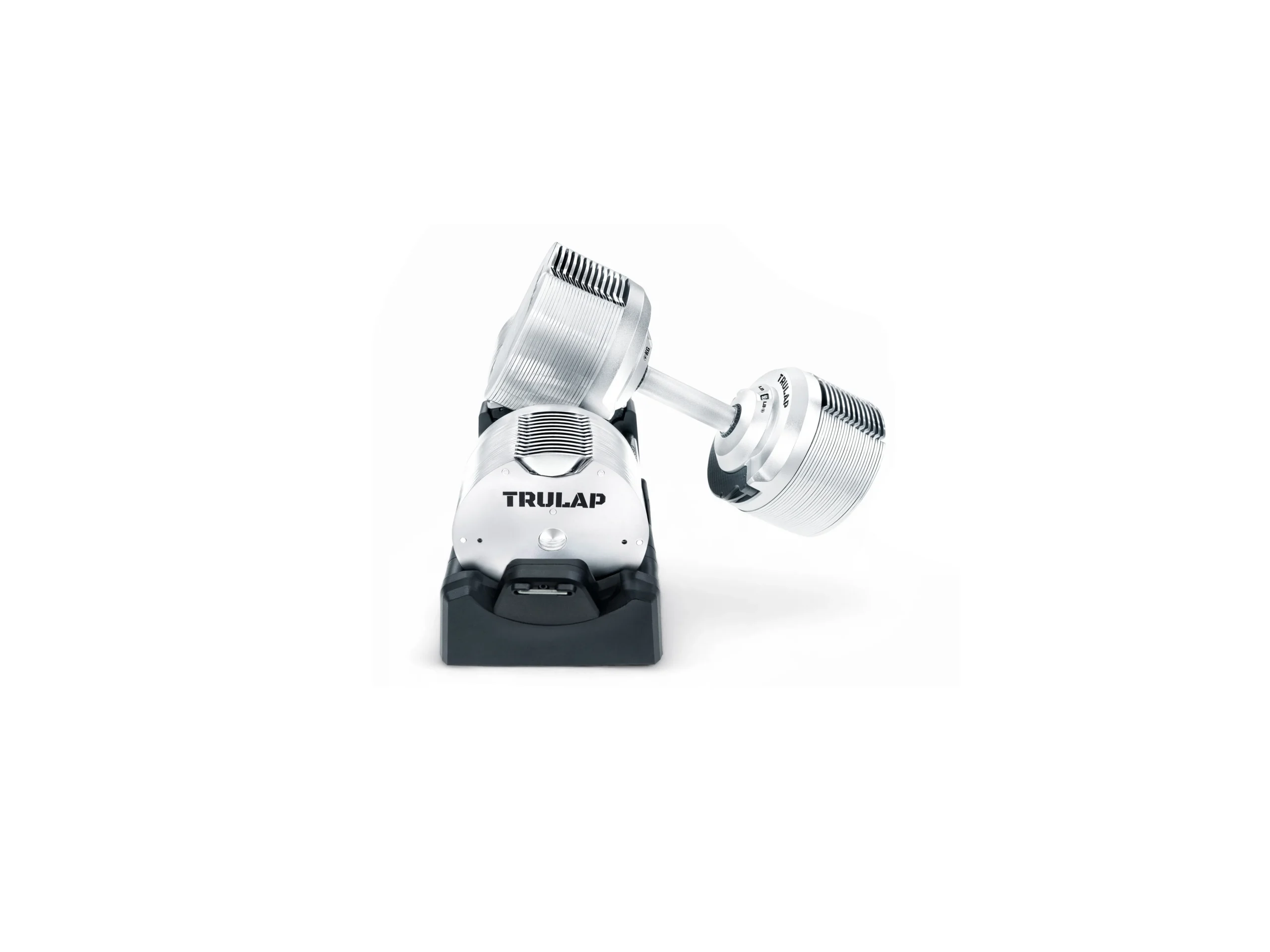
Weight changes take place with the dumbbell seated in its docking base. Twisting the handle changes the selected load, and the dumbbell takes the required plates with it when lifted. Plates that are not selected remain behind. The practical appeal is straightforward: you can move between working weights without repeatedly unscrewing collars and loading loose plates.
That convenience depends on returning the dumbbell to the correct position. Give the base a stable, level location and enough clearance to lower the weight deliberately. Follow the supplied operating instructions for the exact version. If the selector resists movement or the plates do not sit normally, investigate the seating and instructions rather than forcing the mechanism.
The handle is listed at 34 mm in diameter and 127 mm in length. Those measurements deserve attention alongside the weight range. Think about your palm size, finger closure and how much room you normally use on a dumbbell handle. A grip that feels substantial to one lifter may be less comfortable for another, especially during longer sets or when the hands are sweaty.
If you can try a comparable handle before ordering, assess it with a secure but relaxed grip. Check whether you can hold the weight steadily without having to reposition the hand repeatedly. Avoid assuming that a handle diameter proves superior grip development or comfort: the measurement describes the hardware, while your exercise choices and individual fit determine how useful it feels.
2. Match the weight range to your actual exercises
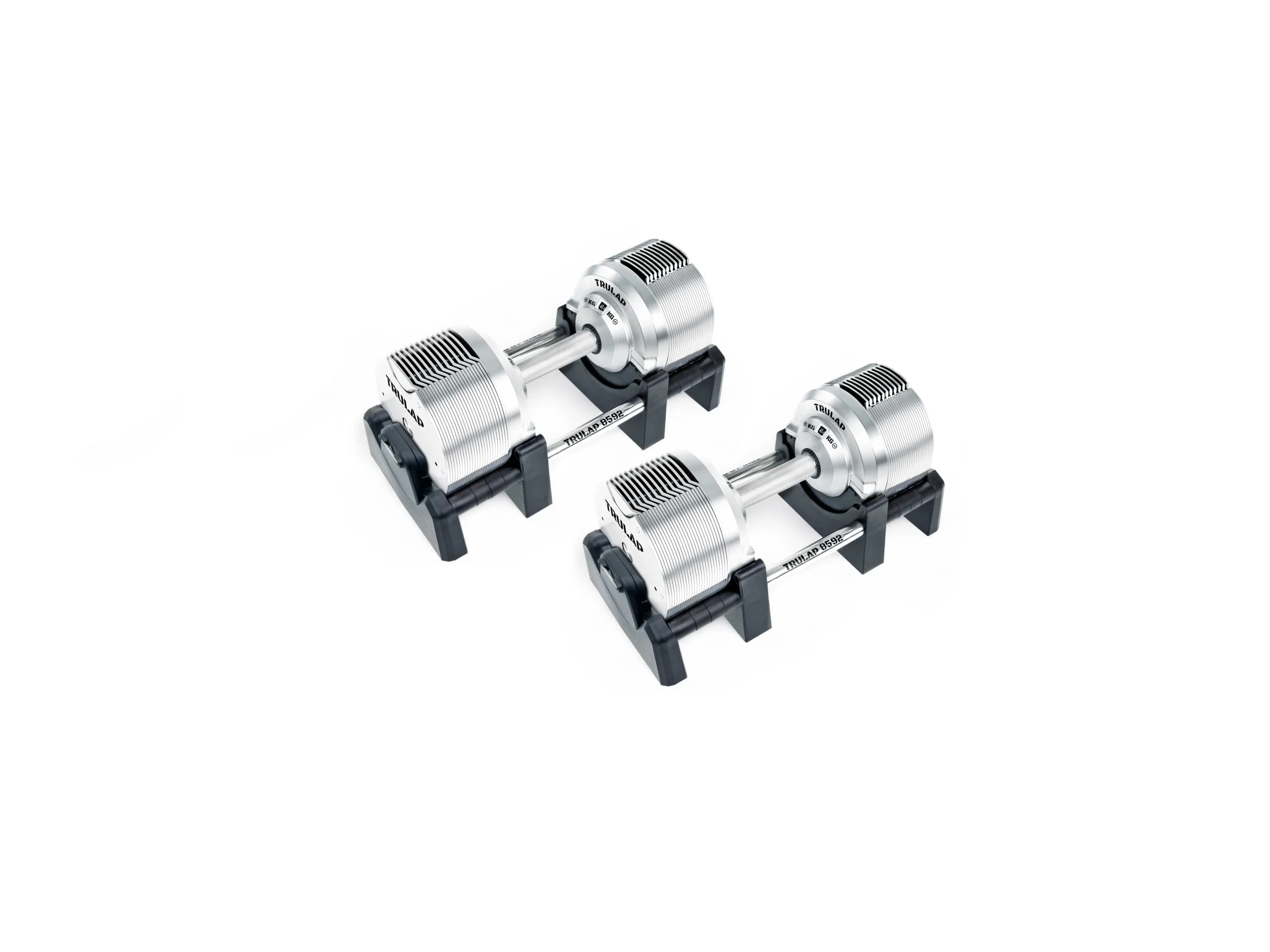
The 8592 G4 listing specifies a range from 8.5 to 92 lb per dumbbell and displays both pounds and kilograms. The selected dumbbell also changes length with the load. That can be useful when a lighter exercise does not require the full outer span of the heaviest configuration, although it does not guarantee unrestricted clearance in every movement.
Make a short list of the exercises you genuinely expect to train: perhaps presses, supported rows, curls, split squats and lateral raises. Record your current working loads and where the next useful increases would fall. A large maximum is valuable for a heavy row, but the lowest setting and the available steps may matter more for a small isolation movement.
The product is described as offering micro-increment adjustment. Check the actual selectable settings for the version being supplied instead of assuming every adjacent position gives the same jump in both unit systems. Pounds and kilograms are alternative labels for the selected load, not two separate mechanisms. Keep one unit consistent in your training log so rounding does not look like a progression.
Also consider what you need beyond the top setting. If your main lifts already require heavier dumbbells, this pair may cover accessories without becoming your entire free-weight setup. If most of your work sits comfortably within the range, a pair can cover many tasks. Comparing those two situations is more useful than treating a replacement-count marketing claim as a complete workout plan.
3. Plan the docking area and the route to your bench
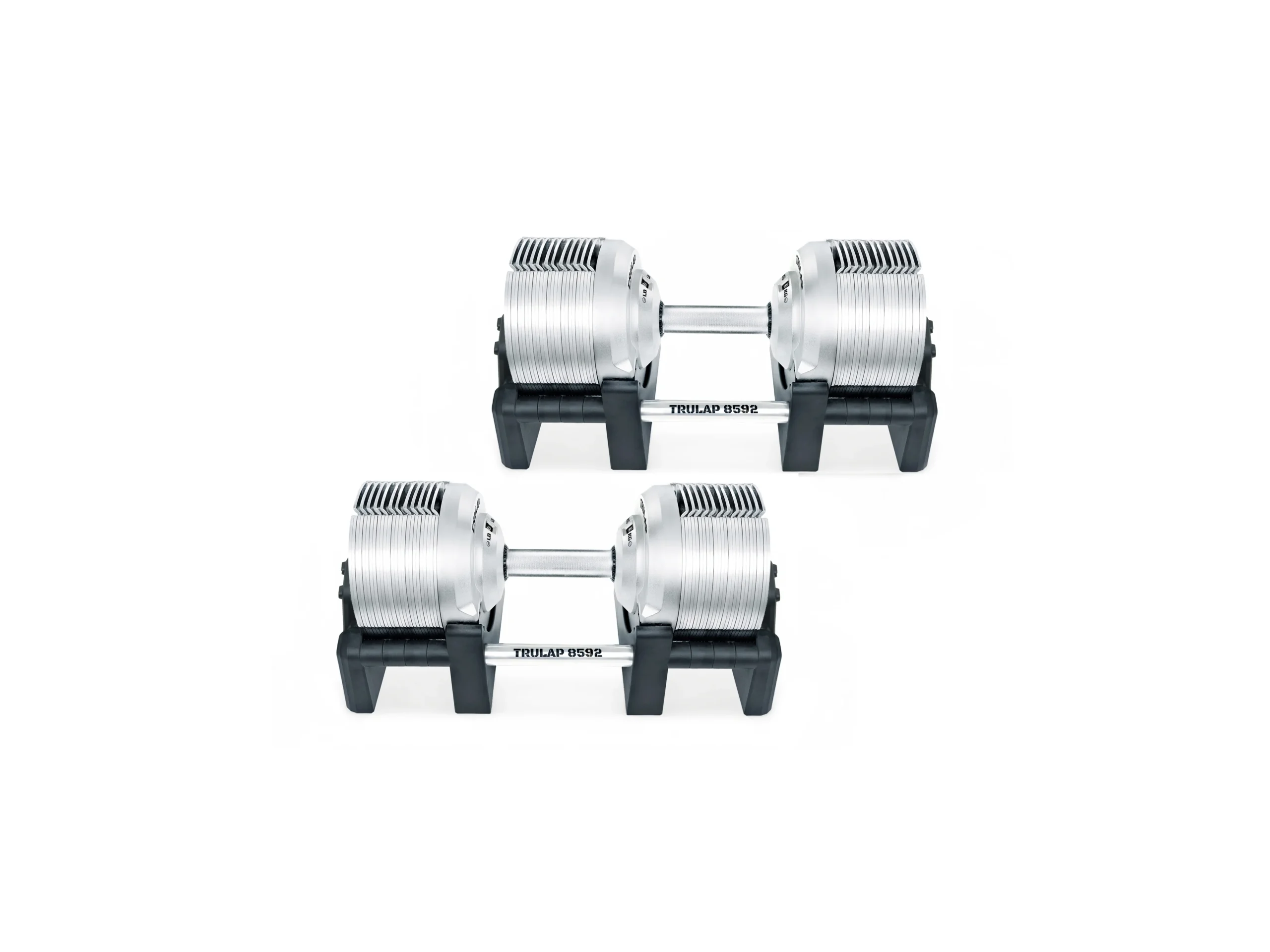
The current product page lists a base footprint of 500 × 215 mm and a plate diameter of 195 mm. Treat the base measurement as a starting point for planning, then confirm the dimensions of the exact supplied package. Published specifications can vary between versions and regional listings. You need room for two bases, your hands and the movement of lifting and returning each dumbbell.
Mark the proposed positions on the floor with tape. Stand where you would pick up the weights, then check the route to the bench or exercise area. A pair that fits neatly against the wall can still be awkward if you must twist around furniture or step over another piece of equipment while carrying it. Leave the route clear enough to finish a set without improvising.
A rack changes the pickup height and organization. The G3 bundle includes a separate rack, and its listed features include seven height settings and locking wheels. Check what the particular listing includes: a dumbbell pair with individual docking bases is not automatically the same purchase as a rack bundle. Confirm rack footprint and working height separately from the small base dimensions.
Choose the location around your normal routine. For bench pressing, place the weights where you can collect them under control and establish your position before the set. For standing work, allow a clear landing and walking area. A mobile rack can be useful when reorganizing a room, but move and secure it according to its instructions rather than assuming every surface or loaded movement is suitable.

Equipment Worth Exploring
Explore equipment, accessories and gear from our carefully selected range.


Rubber Hex Dumbbells
Rubber-coated hex dumbbell pairs with a stable shape for home and commercial strength training.


Multi Bench MBX-650 2.0
Adjustable multi-bench with roller adjustment, 15 backrest positions and accessory mounts.


4. Decide whether shared adjustment suits your workout
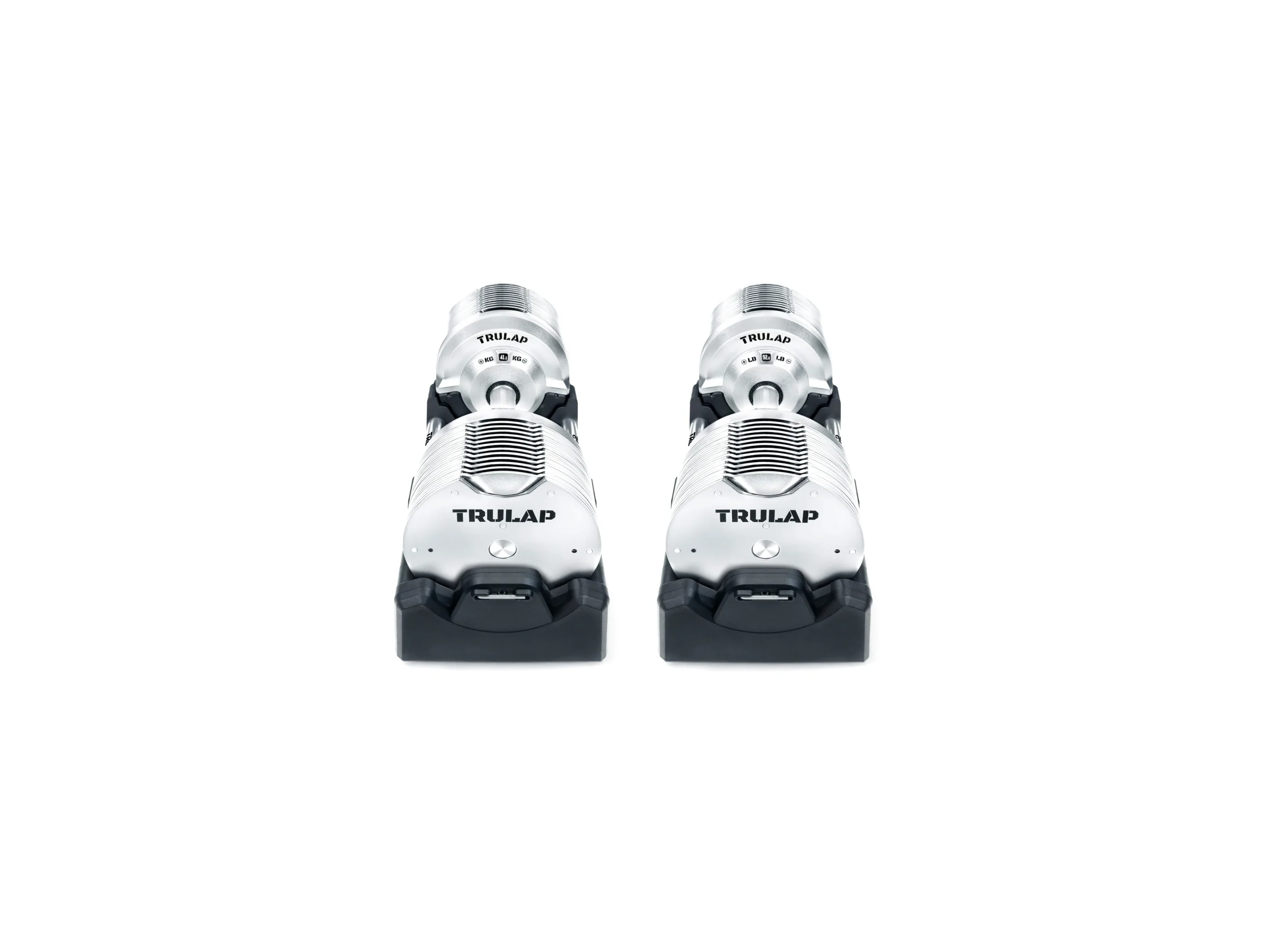
One adjustable pair works especially well when you finish one task, return the dumbbells and select the next load. It behaves differently from having several fixed pairs ready at once. Consider whether you mainly perform straight sets, fast circuits, supersets or sessions shared with another person before judging how much convenience the selector will add.
For example, a press-and-row superset may require two different weights. With one adjustable pair, each change involves returning both dumbbells, choosing the new settings and checking the next pickup. That can still be practical. It simply means the transition belongs in your planned session rather than disappearing from it because the adjustment itself is quick.
For a straightforward progression, select a manageable working weight and repeat the same exercise setup for several sessions. You might use two sets in an 8–12 repetition range, then try the next suitable setting once both sets reach the upper end with controlled execution. This is an illustrative training example, not a protocol unique to Trulap or a promise of a particular result.
Record the selected weight, repetitions and any meaningful change in technique. If the next setting causes a shorter range or an uncontrolled final repetition, build more consistency before pushing it again. Fixed dumbbells, adjustable handles and other training tools can all support progression. The important comparison is how reliably you can perform and repeat the task with the equipment you choose.

Funny Gym Shirts & Workout Gear
Funny gym shirts, tanks, hoodies and workout gear for lifters who like training hard.

Shirt – Dumbbell Heartbeat Gymbros, & Meme Lovers T-Shirt
Show some bodybuilding attitude with a playful “Dumbbell Heartbeat” tee.

Dumbbell Meme Shirt – Essential & Gymbros Seeking T-Shirt
Make gym days more fun with “Dumbbell Gym Meme” style.

Heart And Brains Dumbbell Meme : The Ultimate T-Shirt
Make gym days more fun with “Heart and Brains Dumbbell Gym Meme” style.

Meme – "Shhh I'M Doing Plate Math" Hooded Hoodie
Bring “"Shhh I'm Doing Plate Math" Workout Hooded” gym humor to lazy days and post-workout plans.

Control Your Gains & Your Mind Stoic Sigma T-Shirt
Bring “Control Your Gains & Your Mind Stoic Sigma” humor to your next gym day.

Mind Muscle Perfection Brain and Biceps Gym for Science T-Shirt
Show some gym-day personality with “Mind Muscle Perfection Brain and Biceps”.

Lift Eat Repeat & Weightlifting Meme Vest Tank Top
Add some lifting attitude to training with “Lift Eat Repeat”.

Gymhead Lifting Is On My Mind Decal Skull Meme Sticker
Bring “Gymhead” attitude to your water bottle or laptop.

The Only Difference Between Good And Great Is One T-Shirt
Bring “The Only Difference Between Good And Great” humor to your next gym day.

Meme – You May Delay Time Will Not Next Cult Brand T-Shirt
Heavy lifts, good laughs, and a little “You May Delay Time Will Not” energy.
5. Read the care and warranty terms before checkout
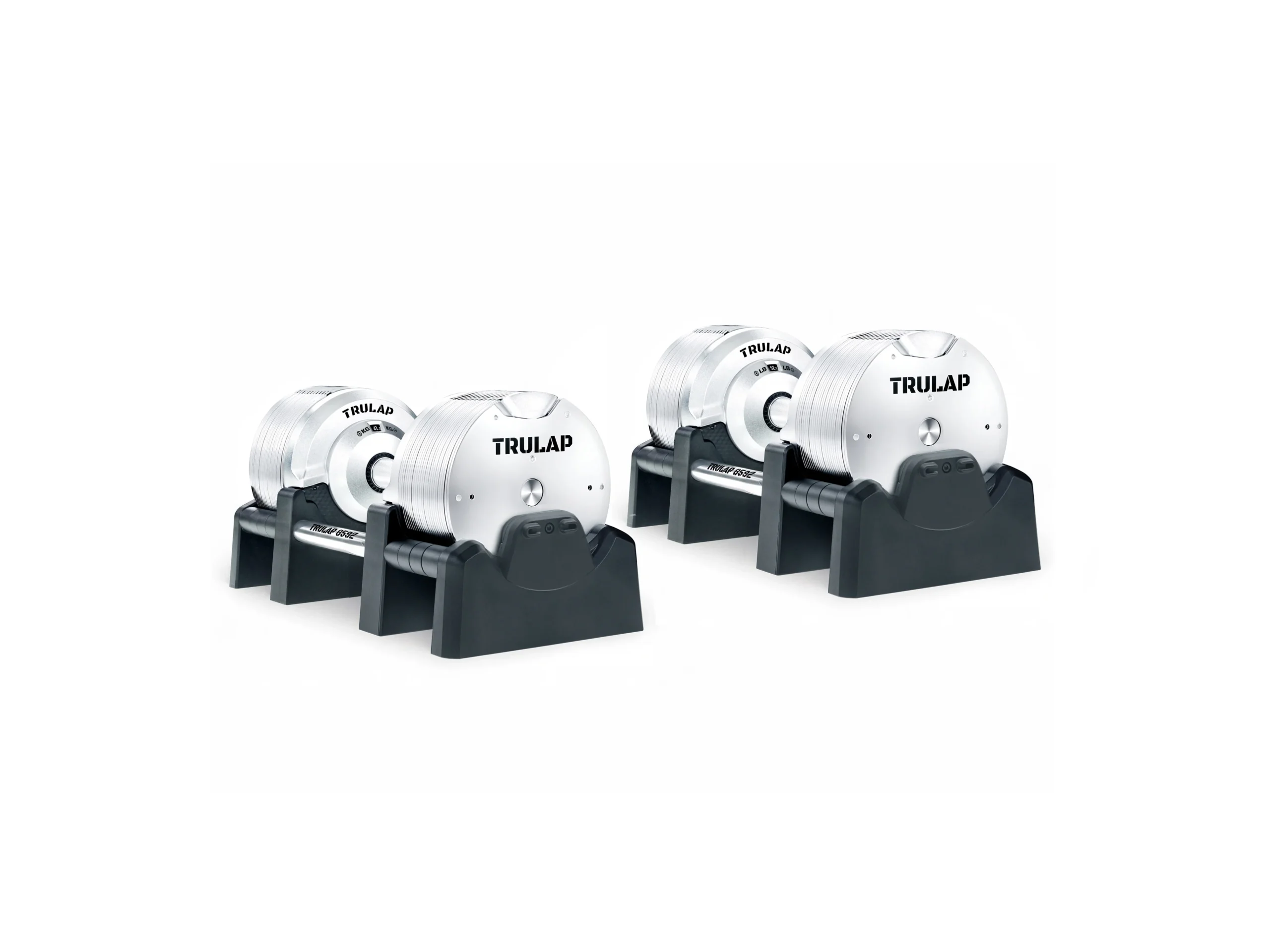
The selector and docking system need deliberate handling. Return the dumbbells under control, keep the docking area clear and follow the supplied care instructions. If a base becomes too loose or tight, use the relevant support guidance. Trulap publishes separate tutorials for base adjustment and assembly; an unusual selector action is a reason to check the setup rather than keep forcing it.
The current warranty page specifies three years from receipt for manufacturing defects or shipping-related damage, with a stated shipping and handling charge for claims. It also excludes ordinary cosmetic wear and misuse. Dropping the dumbbells or disassembling the handle is described as voiding coverage, while a separate one-time complimentary drop provision is also stated within the warranty term.
Because those drop-related statements sit together, ask for written clarification of how the one-time provision applies to your order. Do not read it as permission to drop the weights during normal training. Check the applicable seller, country and current terms before paying, and retain the order information. Replacement parts are listed separately, but confirm the correct part and compatibility before ordering one.
Finish the decision with three practical checks: the selected loads cover the exercises you need, the handle and pickup arrangement suit you, and the docking area works within your room. If those fit, the G4 offers a compact route through a broad dumbbell routine. If you require simultaneous pairs, heavier working weights or a different handling style, account for that in the budget before buying.