Six thirty-second all-out cycling sprints produced a striking immediate change in blood chemistry in a 2026 experiment. A separate group cycling steadily for ninety minutes showed a much smaller change at the same immediate sampling point. That contrast sounds like a victory for short, punishing workouts, but it measures molecular signals, not whether sprinting makes people healthier, leaner or fitter than conventional cardio.
The practical question is not whether three minutes can replace an entire endurance program. It is what exercise intensity changes inside the body, how the experiment was designed and how a lifter can use intervals without confusing a dramatic blood test with a guaranteed long-term result.
Three minutes of hard effort is not a three-minute workout
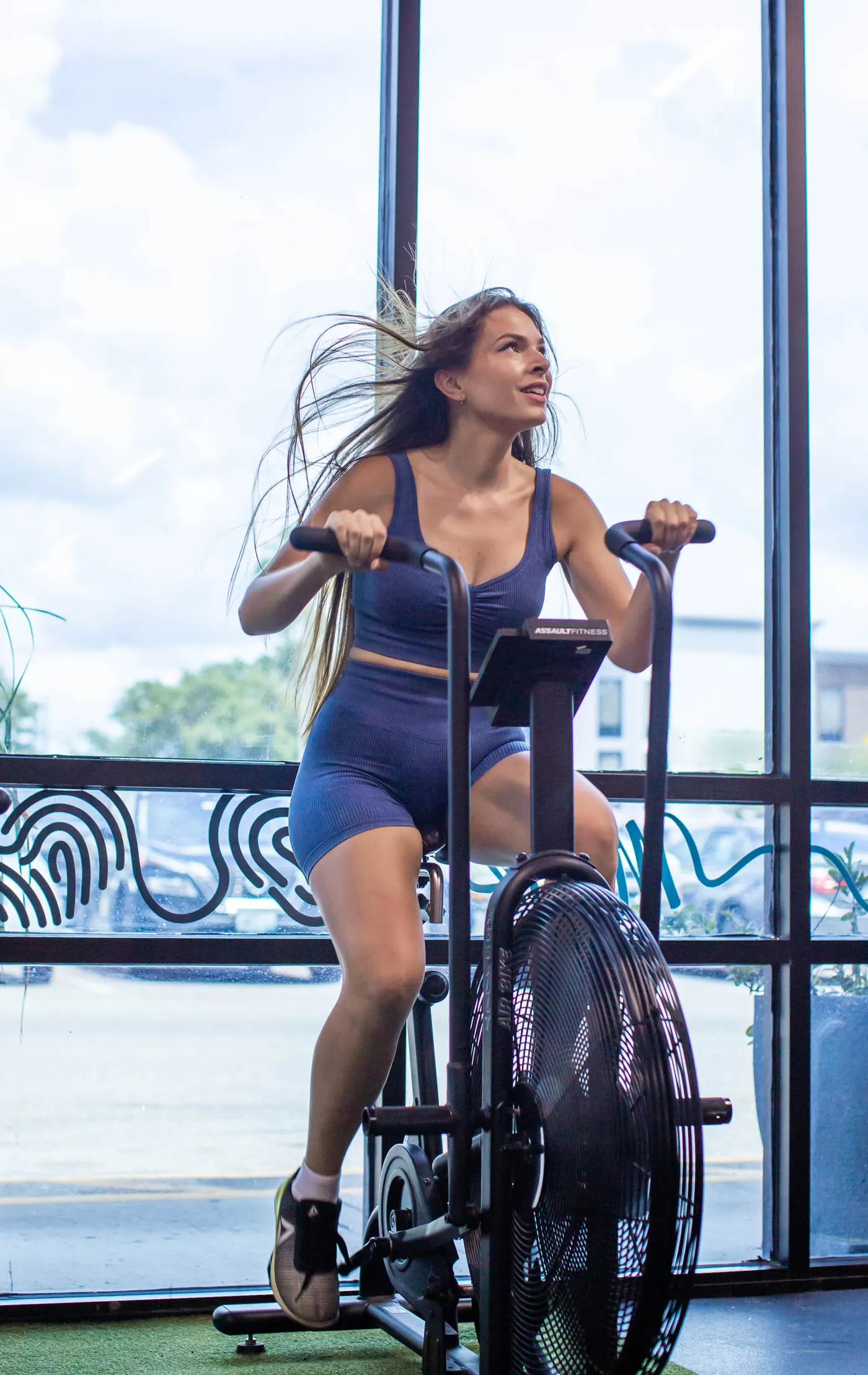
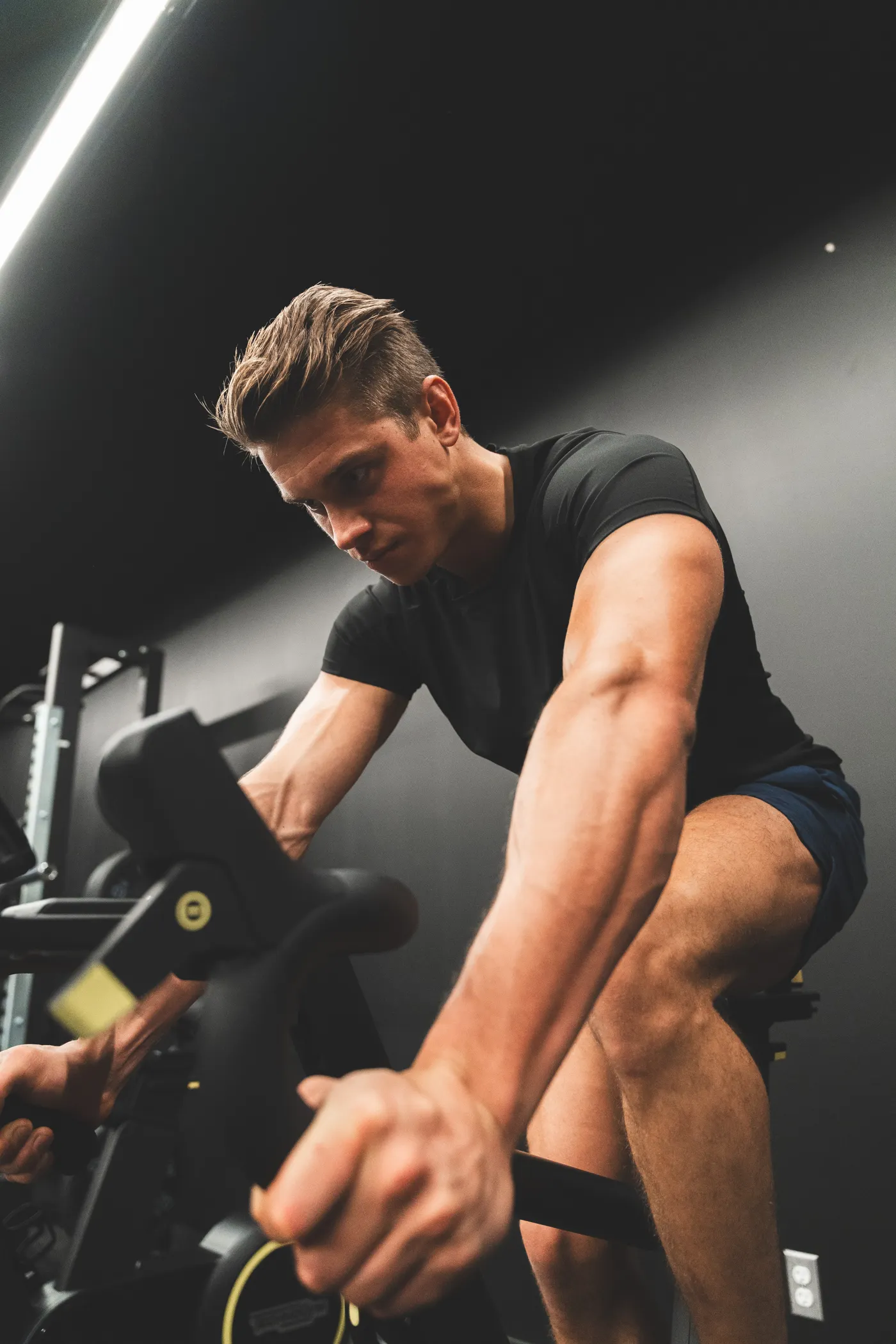
The headline number refers to six maximal thirty-second cycling efforts: exactly three minutes of very hard pedaling. Participants did not jump onto a bike, sprint for three minutes straight and go home. Each bout was separated by roughly four minutes of recovery. Including those recoveries, the hard-work portion of the session occupied about twenty-three minutes, before allowing for preparation and cooldown.
That distinction changes the time-efficiency argument. A sprint interval session can be much shorter than a ninety-minute continuous ride, but its total time is not simply the sum of the all-out seconds. The rest periods matter because they allow power output to recover enough for repeated near-maximal efforts. Remove them and the workout becomes a different, usually slower, fatigue-limited protocol.
Intensity also changes the experience. Thirty seconds at a true maximal cycling effort is not equivalent to thirty seconds of brisk pedaling or a casual sprint setting on a fitness app. The legs rapidly accumulate fatigue, breathing becomes difficult and technique may deteriorate as the intervals progress. A trained cyclist can deliver a very different absolute workload from a beginner even when both are trying equally hard.
For people who already lift, this is a useful reminder that conditioning has its own dose-response problem. The most uncomfortable workout is not automatically the most productive. An interval protocol must be judged by the adaptation sought, the recoverability of its workload and whether it can be repeated consistently alongside strength training.
What the 2026 comparison actually tested

The main acute comparison used blood samples from nineteen young, physically active men. Ten completed the sprint condition, while nine completed ninety minutes of moderate continuous cycling. Samples were examined before exercise, immediately afterward and three hours later. The groups were small and the protocols differed in both intensity and total exercise duration.
The researchers measured thousands of circulating proteins and a wide panel of metabolites. Proteins can participate in signaling between tissues, while metabolites reflect processes such as energy turnover and fuel use. Measuring many molecules at once provides a detailed snapshot, but it also requires careful statistical handling: when thousands of values are tested, apparent changes can occur by chance unless multiple comparisons are accounted for.
Additional experiments explored how cultured human fat cells responded to blood collected after exercise. A separate population dataset was used to examine whether exercise-responsive proteins were associated with health outcomes. These were complementary analyses, not proof that the nineteen participants experienced lower disease risk.
There was also a smaller follow-up after eight weeks of training, which suggested that the different immediate molecular signatures were not simply a first-session surprise. That observation is intriguing but does not turn the study into a large, long-term trial of heart attacks, body composition or mortality. The distinction between an acute biomarker and a clinical outcome must remain clear throughout the interpretation.

Equipment Worth Exploring
Explore equipment, accessories and gear from our carefully selected range.


Apple Watch Ultra 3
Rugged 49 mm smartwatch with cellular connectivity, GPS and fitness tracking.


VOLTRA
Compact digital cable trainer with smooth, adjustable resistance.

Go-Tone Pro
Portable digital cable trainer with up to 66 lb (30 kg) of adjustable resistance.
Why sprinting changed so many blood proteins

Immediately after the sprint session, approximately 714 of 2,884 measured plasma proteins changed significantly, compared with seven after the moderate cycling session at the same immediate time point. That is roughly a quarter of the detected proteins versus about a quarter of one percent. The size of the contrast is the central finding, but the count is not a scorecard in which more changed proteins automatically means a better workout.
The sprint condition also shifted more than two hundred measured metabolites immediately after exercise. These included molecules connected with high-rate energy turnover and the metabolic stress of intense muscular work. A rapid rise in lactate, for example, reflects accelerated glycolytic activity; it is not itself evidence that the workout burned more body fat over the next month.
Some of the proteins appear to have entered the bloodstream through a fast release process involving proteins already located on cell surfaces. This can transmit information between tissues without waiting for entirely new proteins to be manufactured. The circulating mixture may therefore carry signals about the sudden demand placed on working muscles, blood vessels and other organs.
When human fat cells grown in laboratory conditions were exposed to blood collected after sprinting, their gene activity changed across several pathways related to fuel handling and cellular signaling. That is a mechanistic clue, not a demonstration that sprint training reduced body fat in those nineteen men. Cells in a dish lack the complexity of a whole person, and gene-expression changes do not guarantee a specific real-world health outcome.
The strongest conclusion is that all-out exercise produced a larger and faster molecular disturbance under these testing conditions. Whether a particular signal is helpful, neutral or simply part of acute stress requires additional experiments and longer follow-up.

Cardio Shirts & Workout Gear
Cardio and conditioning gym gear for runners, endurance athletes and anyone who earns the sweat.

Gym Dost Thou Even Pedal Medieval Air Bike Joke for Cro T-Shirt
Show some gym-day personality with “Dost Thou Even Pedal Medieval Air Bike Joke”.


Triathlon – Iron Man Medieval Knight Muscle Shirt for S Tank Top
Bring “Triathlon” humor to your next lifting session.

Shirt – Cardio Is Hardio – & Gymbros T-Shirt
Show some cardio attitude with a playful “Cardio is Hardio” tee.

Cardio Is Calling Decline Decal Water Bottles Meme Sticker
A fun “Cardio Is Calling” touch for bottles, laptops, and lockers.


Van Halen Jump Rope Cardio Gym Decal for Workout Gear, Sticker
Stick a little “Van Halen Jump Rope Cardio” humor on your favorite gear.

Shirt – I Want You To Do Cardio Uncle Sam Patriotic T-Shirt
Heavy lifts, good laughs, and a little “I Want You To Do Cardio Uncle Sam Patriotic” energy.

Anti Cycling Cycling Club – Ironic Cardio Meme & T-Shirt
Show some cardio attitude with a playful “Anti Cycling Cycling Club” tee.
Steady cardio was different, not biologically inactive
Moderate cycling produced a much smaller immediate protein response, but its blood chemistry evolved over time. Three hours after the longer ride, changes in fatty acids and liver-associated proteins became more apparent. This delayed pattern is consistent with the different energetic demands of sustained endurance work. Looking only at the moment a session ends risks overlooking responses that unfold later.
The comparison also included other moderate exercise observations, reinforcing that exercise mode and sampling time matter. Running, cycling and sprinting recruit muscles differently, impose different mechanical loads and create different patterns of oxygen demand. A single post-workout blood draw cannot rank every form of cardio for every goal.
Steady aerobic training can accumulate substantial time at a manageable intensity, improve endurance and be repeated frequently without the same recovery burden as maximal sprints. It can be particularly useful for building an aerobic base, supporting general activity and allowing someone to move more across the week. A longer session is not wasted merely because fewer plasma proteins changed immediately.
Likewise, the sprint condition is not an excuse to ignore ordinary movement. A person who performs a hard interval session twice weekly but otherwise remains sedentary may miss benefits associated with regular walking, cycling and other daily activity. For most adults, the best program combines tolerable weekly volume with occasional harder work when appropriate, rather than treating intensity and duration as enemies.
What the blood signals cannot prove about health or fat loss
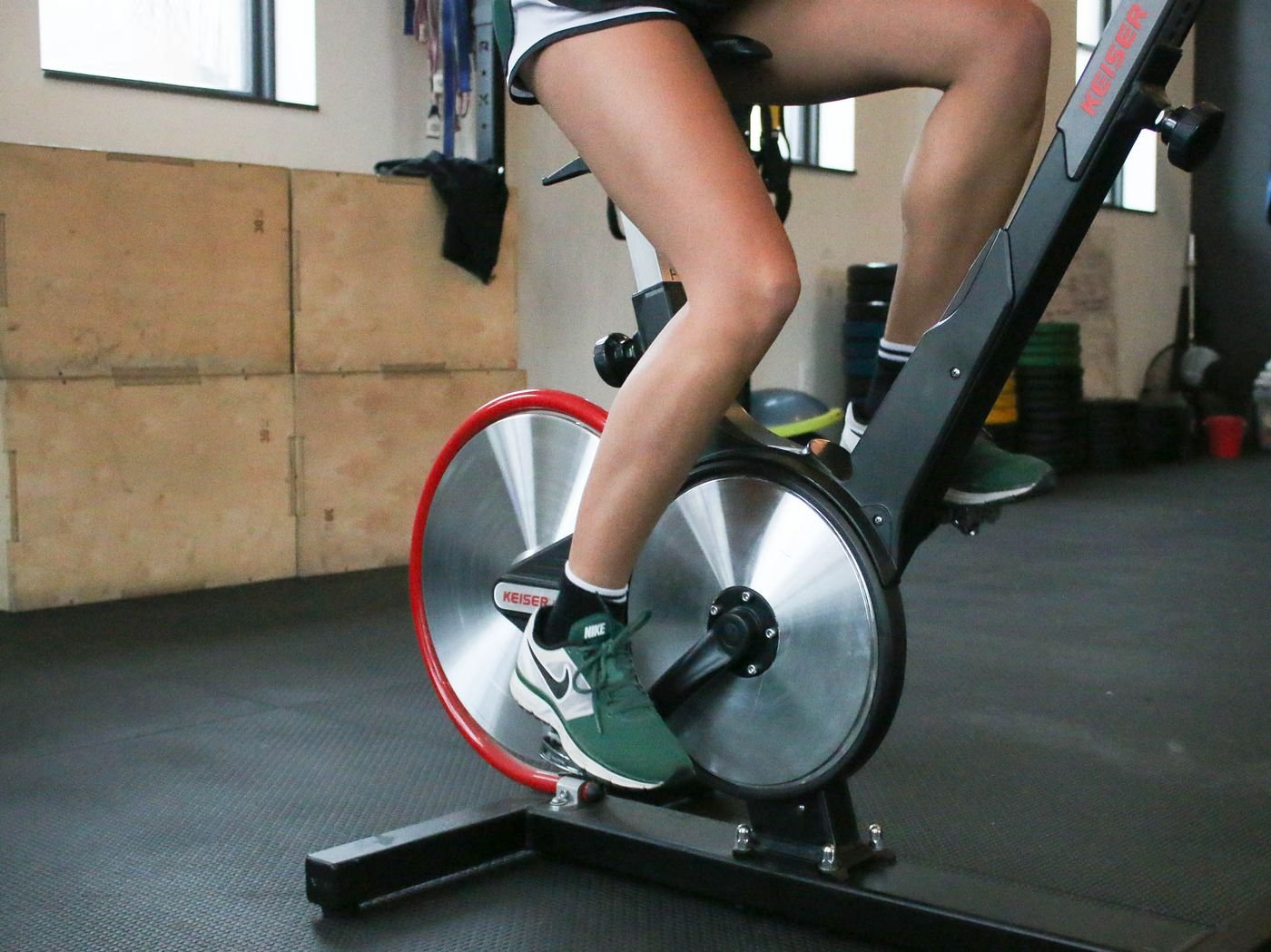
In a much larger population dataset involving more than 53,000 people, several proteins that responded to exercise were associated with favorable cardiometabolic outcomes. Of thirty-three proteins linked with lower risk in the analysis, thirty-two responded to sprinting, compared with three in the moderate exercise condition. The overlap offers a hypothesis about biological communication, not evidence that the sprint participants themselves avoided disease.
Association is not intervention. A protein associated with lower risk could be a protective mediator, a marker of another beneficial process or simply correlated with health for reasons not yet understood. The study did not randomly assign tens of thousands of people to years of sprinting and then measure clinical events. It also did not establish that changing more proteins produces a larger improvement in VO2 max, insulin sensitivity or body composition.
Other controlled training experiments provide useful perspective. In one twelve-week comparison involving sedentary men, brief sprint intervals and longer moderate cycling produced similar improvements in peak aerobic capacity and insulin sensitivity despite different time commitments. Another controlled study in men with obesity found broadly comparable improvements in several muscle microvascular measures after sprint and moderate training. Those outcomes are more directly practical than an acute protein count, but they still come from limited populations and protocols.
Sex, age, medication use, training history and metabolic health could all influence the response. The main 2026 acute sample included only nineteen young active men, so extending its exact percentages to older adults, women or people with cardiovascular conditions would be unjustified. There is no evidence here that three minutes of sprinting replaces all other exercise, or that a bigger molecular response necessarily means greater fat loss.
Equipment Worth Exploring
Explore equipment, accessories and gear from our carefully selected range.


FID Bench MAX
Adjustable bench offering flat, incline, and decline positions + adjustable headrest.




Power Tower
Freestanding pull-up and dip station with adjustable handles for bodyweight training.
A four-week way to add intervals without going all-out immediately
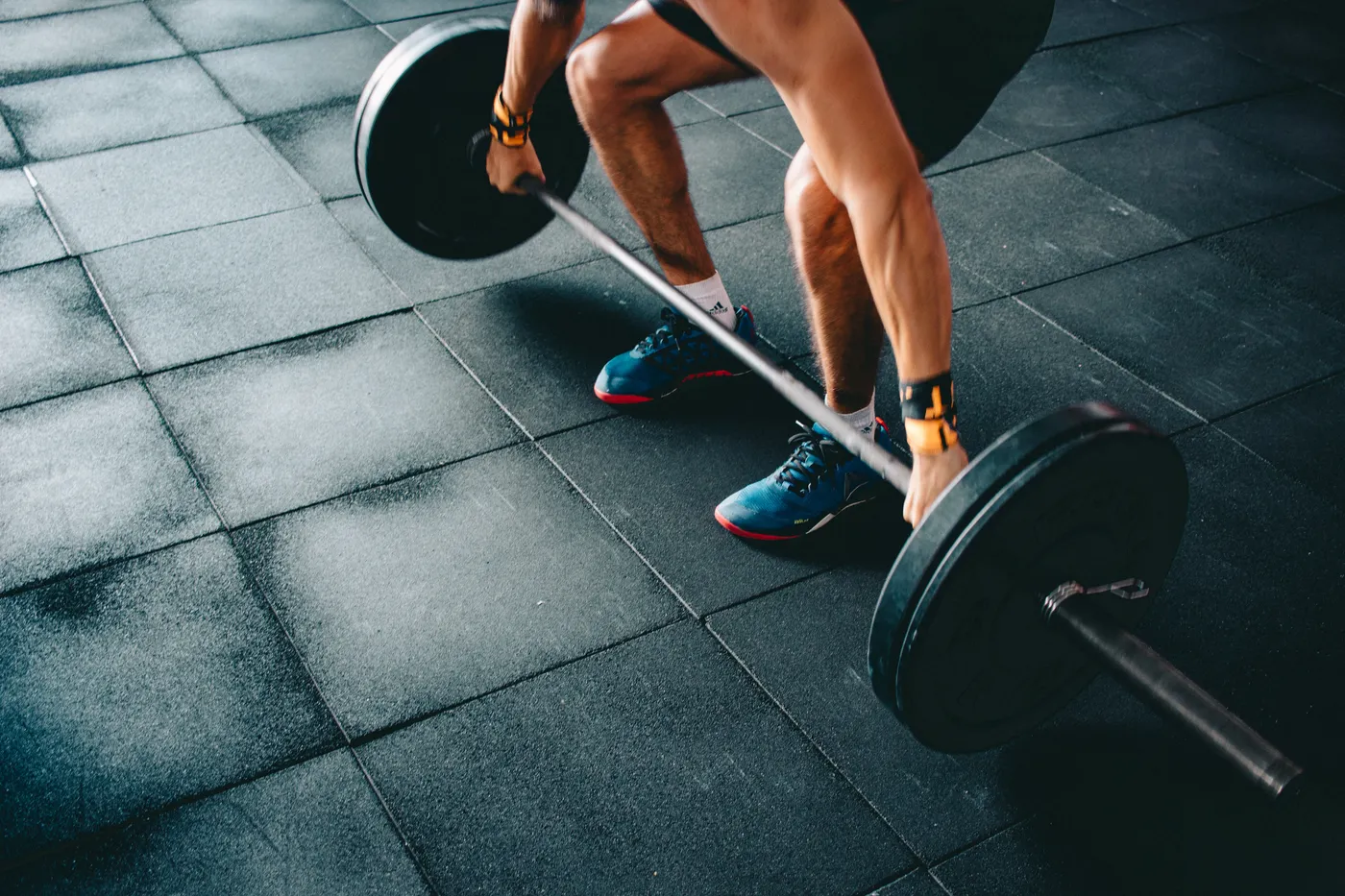
A practical application is to treat sprint-style work as a small, progressive component of conditioning. Anyone new to vigorous exercise should build a foundation first. People with cardiovascular disease, concerning symptoms or other relevant limitations should obtain individualized guidance before attempting maximal intervals. The laboratory protocol is not a beginner prescription.
Week one: complete two comfortable aerobic sessions of twenty to thirty minutes. On one of them, after a gradual warm-up, add four twenty-second faster but controlled efforts with two minutes of easy movement between them. Finish feeling capable of another repetition rather than completely exhausted. The goal is to learn the rhythm of work and recovery.
Week two: keep the easy aerobic session and progress the interval session to five twenty-second efforts if recovery was good. The harder efforts should feel challenging, not maximal. Maintain smooth pedaling and avoid grinding a heavy resistance setting that forces awkward knee or hip mechanics.
Week three: try five twenty-five-second efforts with two to three minutes of easy cycling between them. Preserve at least one comfortable continuous cardio session. If leg soreness or strength performance deteriorates, reduce the interval count rather than forcing progression on the calendar.
Week four: consider four to six thirty-second hard-but-controlled intervals, with three minutes of recovery, only if the earlier sessions were well tolerated. This remains a modified conditioning plan, not a reproduction of the all-out research protocol. Warm up thoroughly, cool down gradually and allow enough time for breathing and heart rate to settle.
Track how repeatable the work is, not just how destroyed you feel. Useful observations include interval power or cadence, perceived effort, recovery between bouts and how the following strength workout performs. Consistency and progressive tolerance matter more than chasing an extreme one-day sensation.
Functional Fitness Shirts & Workout Gear
Functional-fitness shirts, tanks and workout gear for athletes who train strength, conditioning and everything in between.


Vive Le Resistance Bands – Resistance Bands Warmup Reha T-Shirt
Rep “Vive Le Resistance Bands” humor in and out of the gym.


Donut Kettlebell – Bakery Gains Meme Decal for Water Bo Sticker
A fun “Donut Kettlebell” touch for bottles, laptops, and lockers.


Rowing – Dost Thou Even Row Medieval Knight Pullover fo Hoodie
Show off your medieval humor in a laid-back “Rowing” hoodie.

Hybrid Athlete – Strength & Endurance Gym Decal for Run Sticker
Put “Hybrid Athlete” gym humor on your laptop, bottle, or gym gear.
How to combine sprints, steady cardio and lifting
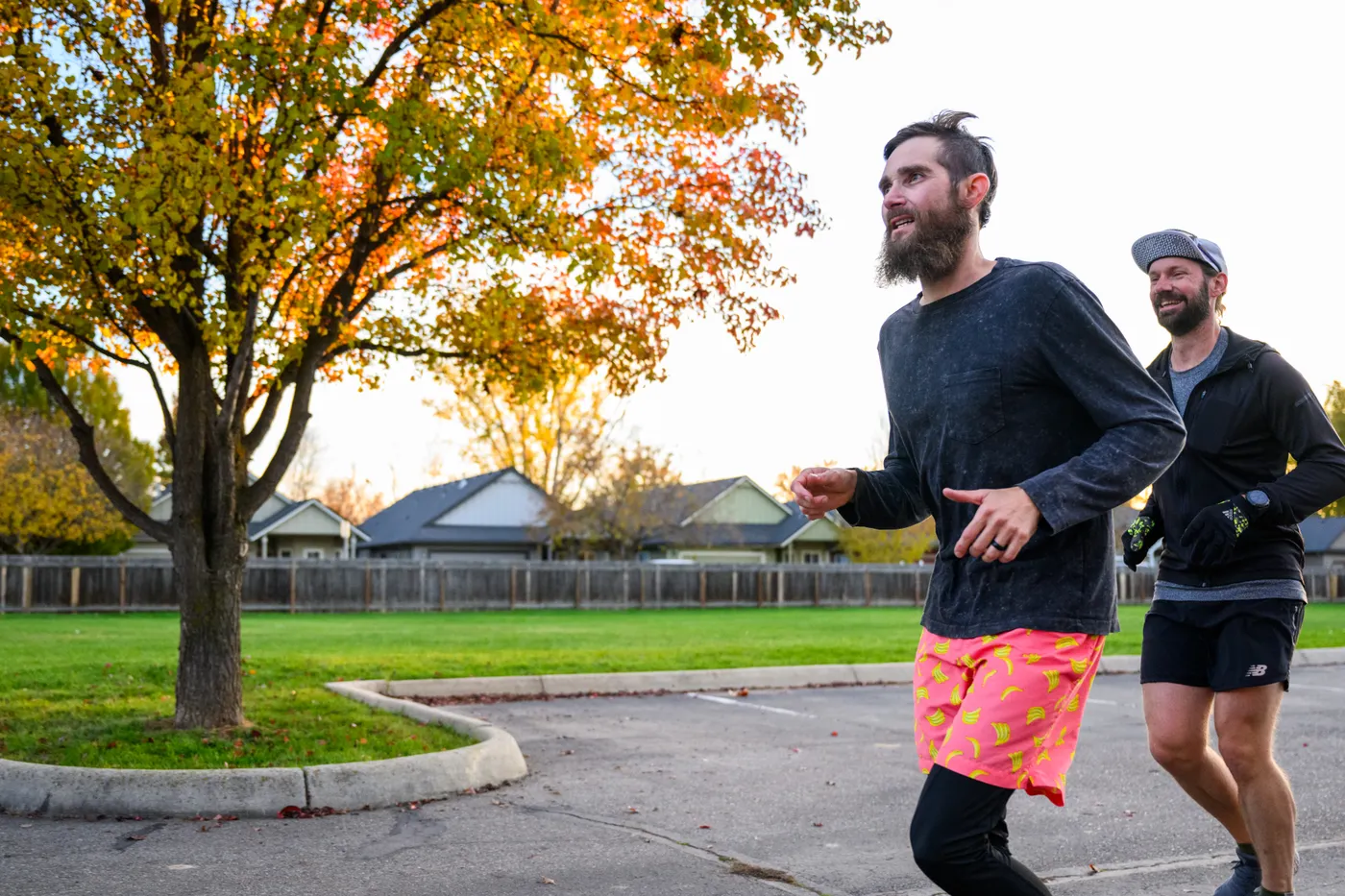
Resistance training remains valuable even when the immediate research story is about cycling. Lifting develops strength and supports muscle retention; aerobic work develops cardiovascular capacity and endurance. They overlap, but neither replaces the other. General adult activity recommendations call for substantial weekly aerobic movement plus muscle-strengthening work involving the major muscle groups on at least two days.
If lower-body strength is the priority, avoid placing a maximal interval session immediately before a heavy squat or deadlift workout. The acute fatigue from hard cycling can reduce the quality of subsequent sets even when the long-term combination of endurance and strength training is productive. Put demanding intervals after lifting, on a separate day or far enough away that you can perform the priority session well.
A simple week might use two full-body lifting days, two moderate cardio days and one optional short interval session. Someone training for a cycling race would shift the balance toward sport-specific aerobic work; a powerlifter might keep intervals sparse and use easy rides for additional conditioning. The right distribution depends on performance goals, not on which workout produced the largest short-term laboratory signal.
Equipment is secondary to programming. A stationary bike offers a stable way to control intensity and reduce impact, but walking uphill, rowing or other suitable aerobic modes can also develop fitness. Do not assume their molecular responses will exactly match the cycling experiment. Choose a mode you can execute safely, progress gradually and recover from while continuing to lift.
The lasting takeaway is narrower and more useful than the headline: very intense exercise can send a distinct, rapid signal throughout the body. Moderate exercise creates a different response and has its own established value. A complete program uses both strategically, judges success by sustained performance and health outcomes, and leaves room for recovery.