A fitness watch can turn a short walk into a visible achievement. It can also turn a wonderful hike into a frantic attempt to close an activity ring. The difference is not simply whether the device counts every step correctly. It is whether the numbers help you make better decisions or make you feel judged by your own wrist.
Modern wearables promise insights into steps, calories, sleep, stress and recovery. Some measurements are useful; others are rough estimates packaged as authoritative scores. Understanding that distinction can help you keep the motivation without losing the enjoyment that makes exercise sustainable.
What a fitness tracker knows – and what it estimates
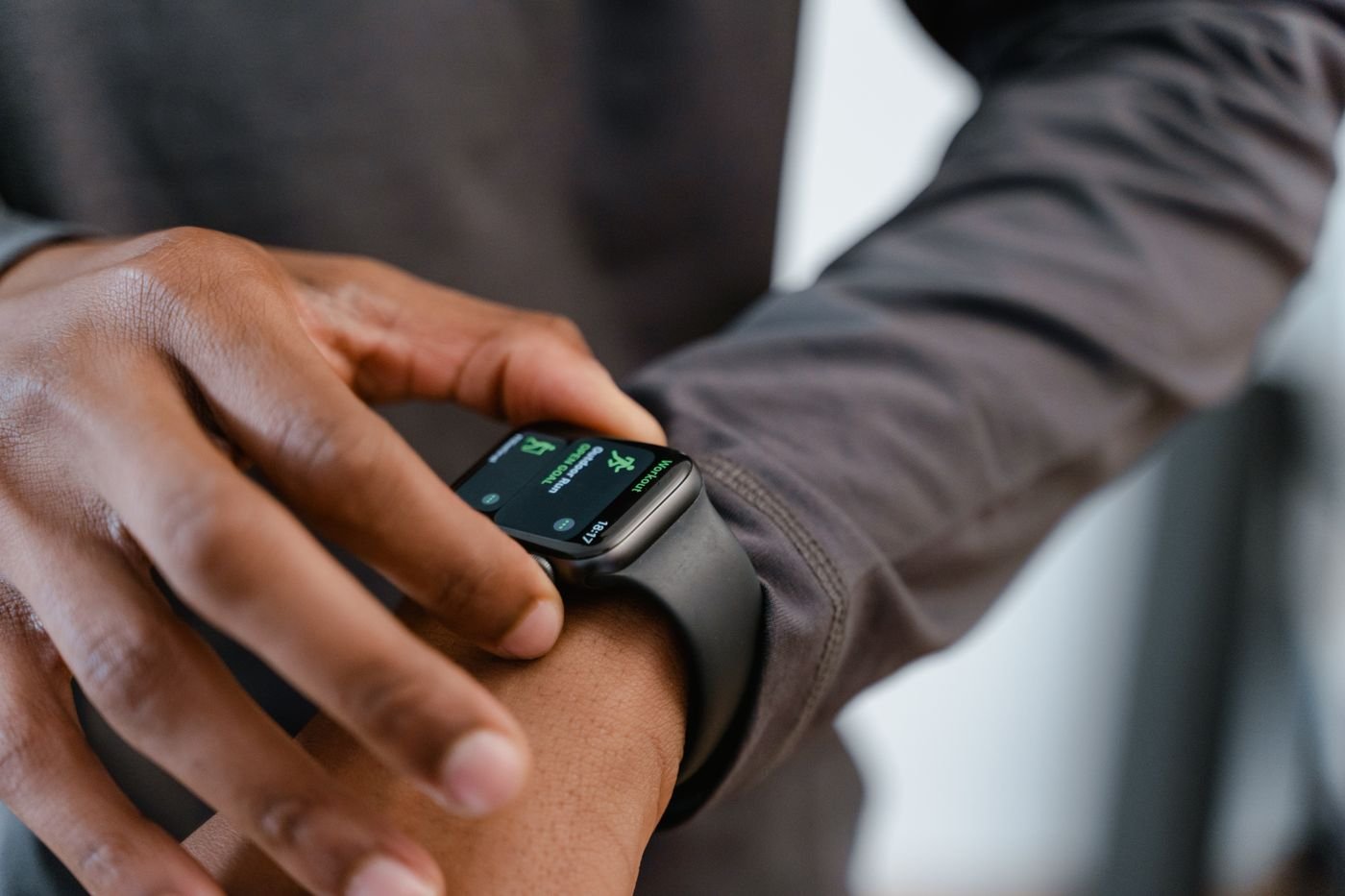
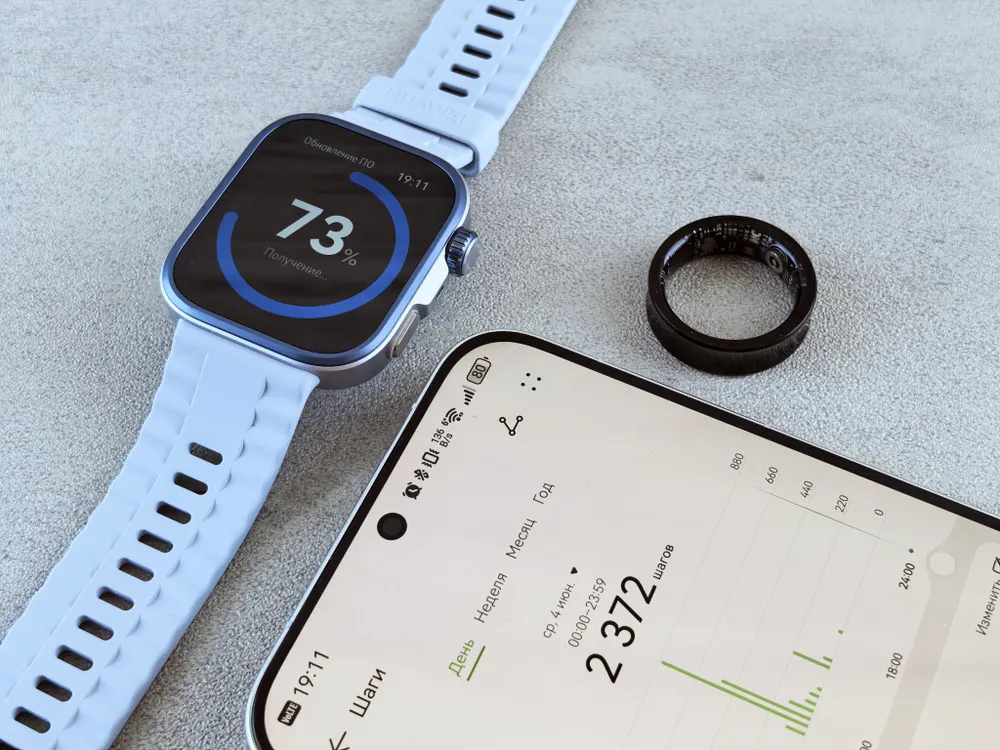
Step counts record a form of movement, not a complete description of fitness. Watches infer steps from motion sensors. They estimate calories using movement, heart rate and personal details, but cannot directly measure your total energy expenditure. Two devices can disagree during the same session without either being deliberately misleading. A calorie number might help compare similar days; it should not be treated as an exact allowance for extra food.
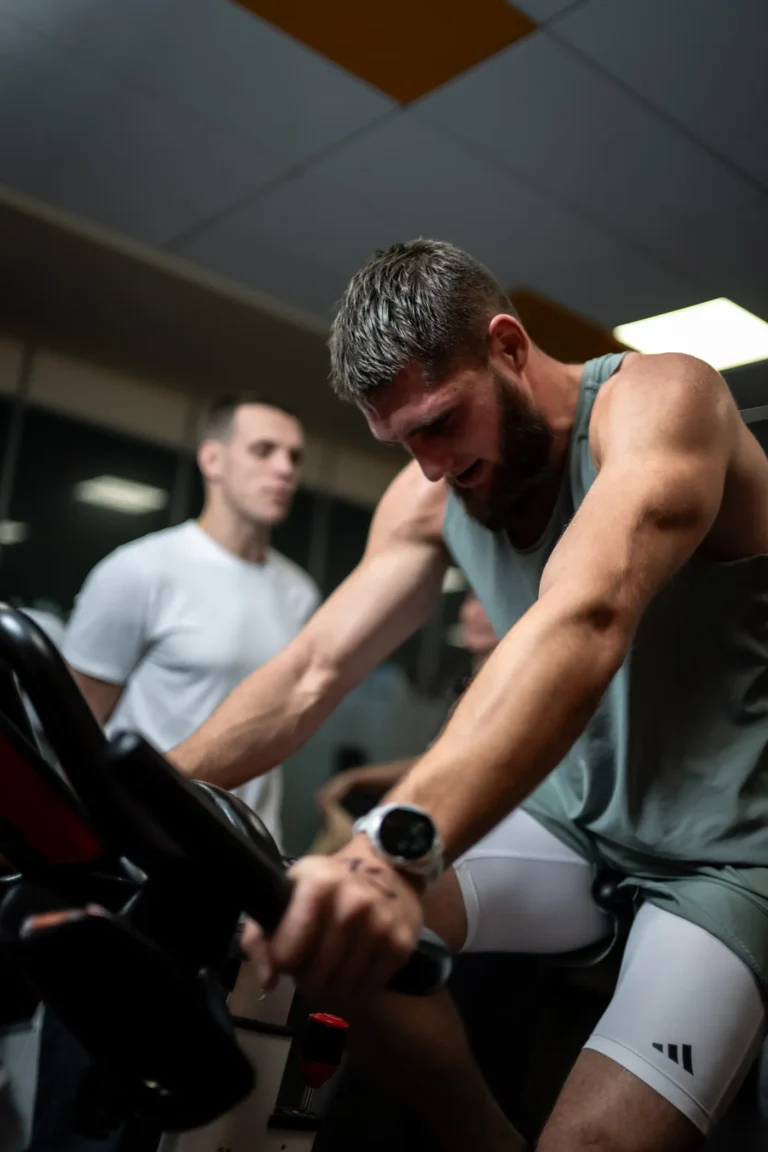
Heart rate is closer to a directly observed physiological signal, yet optical sensors still depend on fit, contact, motion and exercise type. A steady walk may be tracked reasonably well while heavy gripping, intervals and wrist flexion cause errors. Heart-rate variability, or HRV, describes differences between the intervals separating heartbeats. It is affected by many factors, and it is not a precise fuel gauge for muscle recovery.
Sleep and readiness scores require additional interpretation. A 2025 meta-analysis comparing wrist-worn devices with laboratory polysomnography found significant differences in important sleep measures. Another 2025 evaluation of composite wearable health scores raised questions about the transparency and validation of proprietary recovery ratings. Those findings do not make every estimate useless. They mean that a simple number can conceal substantial uncertainty.
Prefer repeated trends to dramatic single readings. If resting heart rate stays unusually elevated over several nights, consider what changed in training, stress or health. If one recovery score is low but you feel rested and your warm-up moves well, gather context before canceling a session. A wearable collects clues. It does not know everything about your life or make the final decision.
Where wearables really help: consistency and feedback

The strongest case for activity tracking is behavioral. People rarely remember precisely how much ordinary movement changed during a busy month. A tracker can reveal that meetings replaced lunchtime walks, or that an enjoyable weekend outdoors added more activity than expected. For beginners, this visible record may help turn small, repeatable actions into a habit.
An umbrella review published in The Lancet Digital Health synthesized 39 systematic reviews and found that wearable-based interventions generally increased physical activity. Across the studies summarized, an estimate was roughly 1,800 additional daily steps. That is an average, not a promise to every person. Many interventions also combined trackers with coaching or other support. Still, it is meaningful evidence that feedback can help people move more.
Useful goals start from reality. Someone averaging 4,000 steps might aim for 5,000 before worrying about an arbitrary 10,000-step threshold. Someone who already cycles regularly may learn more from weekly consistency than from a daily walking competition. A quiet day can be appropriate recovery, not a broken streak that needs repairing at midnight.
Choose a metric that represents the activity you actually enjoy. A swimmer, wheelchair athlete, cyclist or lifter can train effectively without accumulating many steps. A walker might track weekly walking time; a lifter might track completed sessions; an endurance athlete might compare pace with perceived effort. The metric should serve the goal, not force every kind of exercise into the same scoreboard.

Equipment Worth Exploring
Explore equipment, accessories and gear from our carefully selected range.

Apple Watch Ultra 3
Rugged 49 mm smartwatch with cellular connectivity, GPS and fitness tracking.

Powerbeats Fit
Secure-fit wireless workout earbuds with active noise cancellation and a charging case.


Power Tower
Freestanding pull-up and dip station with adjustable handles for bodyweight training.


Recovery scores should start a conversation, not end it

Many wearables combine overnight heart rate, HRV, estimated sleep and recent activity into a single readiness number. This is convenient because it encourages attention to recovery. It also compresses different signals into a proprietary calculation. Travel, heat, alcohol, stress, illness, poor sleep and sensor noise can change the result, and the device cannot always tell those causes apart.
Treat a low score as a prompt to check how you feel and perform. If you slept badly, feel unusually sore and struggle through warm-up sets, reducing volume may be sensible. If you feel strong, move well and the planned workout is familiar, one low number need not cancel it. Conversely, a bright green readiness badge does not overrule a painful joint, dizziness or obvious exhaustion.
A simple personal checklist can add context: sleep quality, motivation, unusual soreness and the first few warm-up sets. When several signals agree that fatigue is accumulating, make a modest adjustment. When they disagree, avoid a dramatic change based on one reading. This approach is less exciting than a dashboard but much easier to explain and improve.
Some people become anxious about recovery scores and sleep-stage graphs. If the app creates more stress than insight, hide the detailed rating for a week. Continue sensible sleep habits and note how you actually feel. Information should reduce uncertainty, not manufacture it. A number that repeatedly persuades you to ignore symptoms or feel guilty for resting has stopped serving its purpose.

Cardio Shirts & Workout Gear
Cardio and conditioning gym gear for runners, endurance athletes and anyone who earns the sweat.


Shirt – Don'T Quit Do It – Meme & Gains T-Shirt
Show some lifting attitude with a playful “Don't Quit Do It” tee.

Shirt – Sometimes Motivation Finds You – , Swimming T-Shirt
Bring “Sometimes Motivation Finds You” humor to your next gym day.

Negative Cardio Review Cardio Sucks Running , Meme T-Shirt
Heavy lifts, good laughs, and a little “Negative Cardio Review” energy.

Anti Jogging Jogging Club Shirt – & Meme Top T-Shirt
Bring “Anti Jogging Jogging Club” humor to your next gym day.

Anti Walking Walking Club Shirt Gymbro Meme Lifting T-Shirt
Bring “Anti Walking Walking Club” humor to your next gym day.

Anti Swimming Club Shirt Meme & Top T-Shirt
Make gym days more fun with “Anti Swimming Club” style.

Anti Rowing Rowing Club Shirt – Meme & Top T-Shirt
Show some cardio attitude with a playful “Anti Rowing Rowing Club” tee.

Cardio Is Calling Decline Bros Meme Hooded Hoodie
Make your off-duty look more fun with “Cardio Is Calling”.

Anti Hiking Hiking Hiking Club Shirt – & Meme Top T-Shirt
Heavy lifts, good laughs, and a little “Anti Hiking Hiking Hiking Club” energy.
In the gym, a lifting log often beats the smartwatch
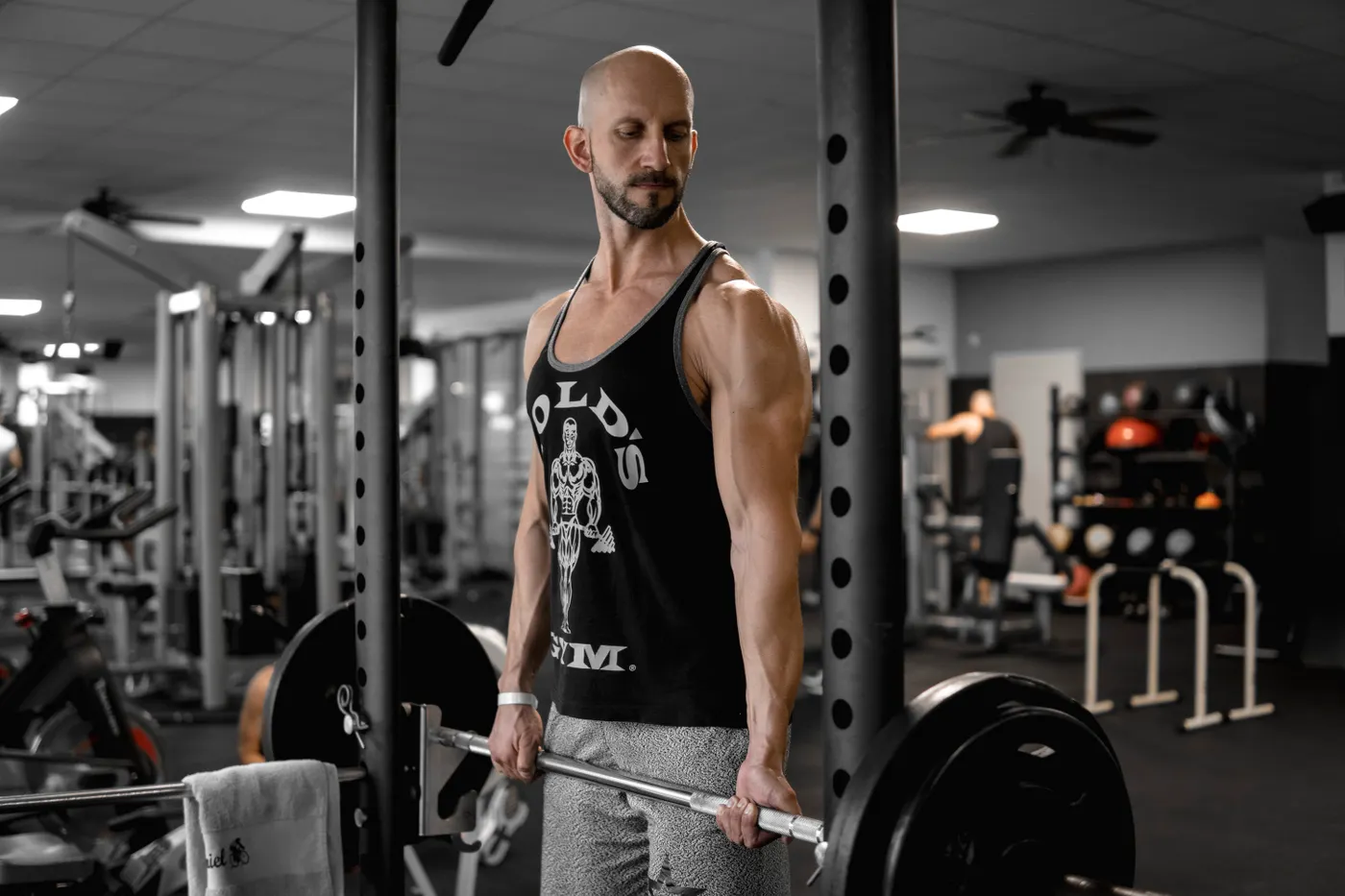
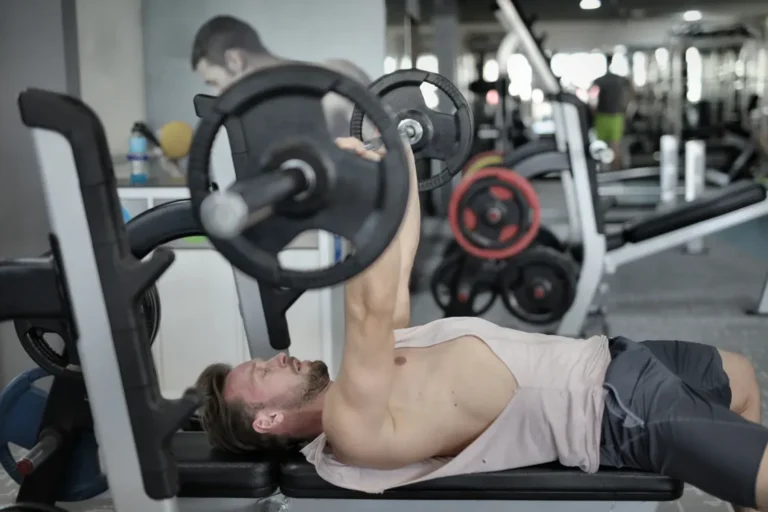
A wrist sensor cannot reliably judge the weight on a barbell, the range of motion, technical quality or proximity to muscular failure. It may estimate heart rate and calories during squats, but neither number tells you whether the legs received a better training stimulus than last week. A productive heavy set does not need an impressive heart-rate graph.
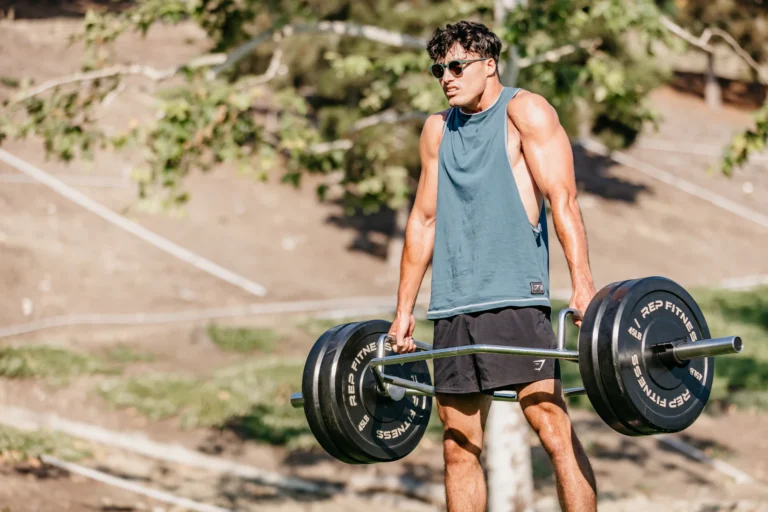
For most lifters, a simple record of exercise, load, repetitions, sets and approximate repetitions in reserve gives more actionable information. Three controlled sets of nine at the same weight and similar effort can represent progress over three sets of eight. Adding weight while shortening every repetition is less convincing. Technique and effort are part of the measurement, even if the app does not have a convenient field for them.
Research on autoregulated resistance training supports using subjective methods, including repetitions in reserve, alongside objective measures when adjusting intensity and volume. That does not mean every workout needs complex formulas. It means learning to judge effort is a useful skill. With practice, a lifter becomes better at distinguishing an ordinary hard session from fatigue that calls for an adjustment.
Follow a few markers that match your goal. For muscle growth, track challenging weekly sets and gradual improvements in load or reps. For maximal strength, monitor performance on stable lifts. For general health, the most important outcome may be completing two or three sessions every week for months. A watch can remind you to train; the log shows what happened when you did.
When chasing numbers steals the fun

Tracking can become counterproductive when the target crowds out the original reason for moving. A person may enjoy a trail walk until the device reports a disappointing pace, or feel proud of a workout until an app labels it unproductive. That response is not inevitable. Personality, expectations and how goals are framed all matter. But it is worth noticing when the dashboard becomes a judge instead of a notebook.
Research involving adolescents found a useful distinction: simply monitoring exercise was associated with some positive experiences, while pressure to achieve tracking goals was associated with more compulsive exercise attitudes. This does not prove that wearables cause unhealthy behavior, and findings in teenagers should not be generalized automatically to all adults. It illustrates why the meaning attached to a number matters as much as the number itself.
Replace punishment-oriented language with information-oriented language. A missed step target is not a debt. A short workout is not automatically wasted. If twenty productive minutes were realistic today, they may have been the right dose. If tracking makes you ignore fatigue, train through pain, avoid friends or compensate compulsively for every rest day, reducing the tracking burden may be wise.
Movement offers benefits that are difficult to score: conversation, confidence, time outdoors, stress relief and the satisfaction of mastering a skill. You do not have to quantify a pleasant hike to make it worthwhile. Keep measurements that support your decisions, and allow some activities to exist without a target, alert or performance judgment.
Equipment Worth Exploring
Explore equipment, accessories and gear from our carefully selected range.
VOLTRA
Compact digital cable trainer with smooth, adjustable resistance.

Go-Tone Pro
Portable digital cable trainer with up to 66 lb (30 kg) of adjustable resistance.



GymPin D Cuffs
Adjustable wrist cuffs with textured grips for supported cable-machine exercises.


Leather Lifting Straps
Padded leather straps support grip during heavy rows, deadlifts and pulling exercises.
Build a small dashboard that answers real questions
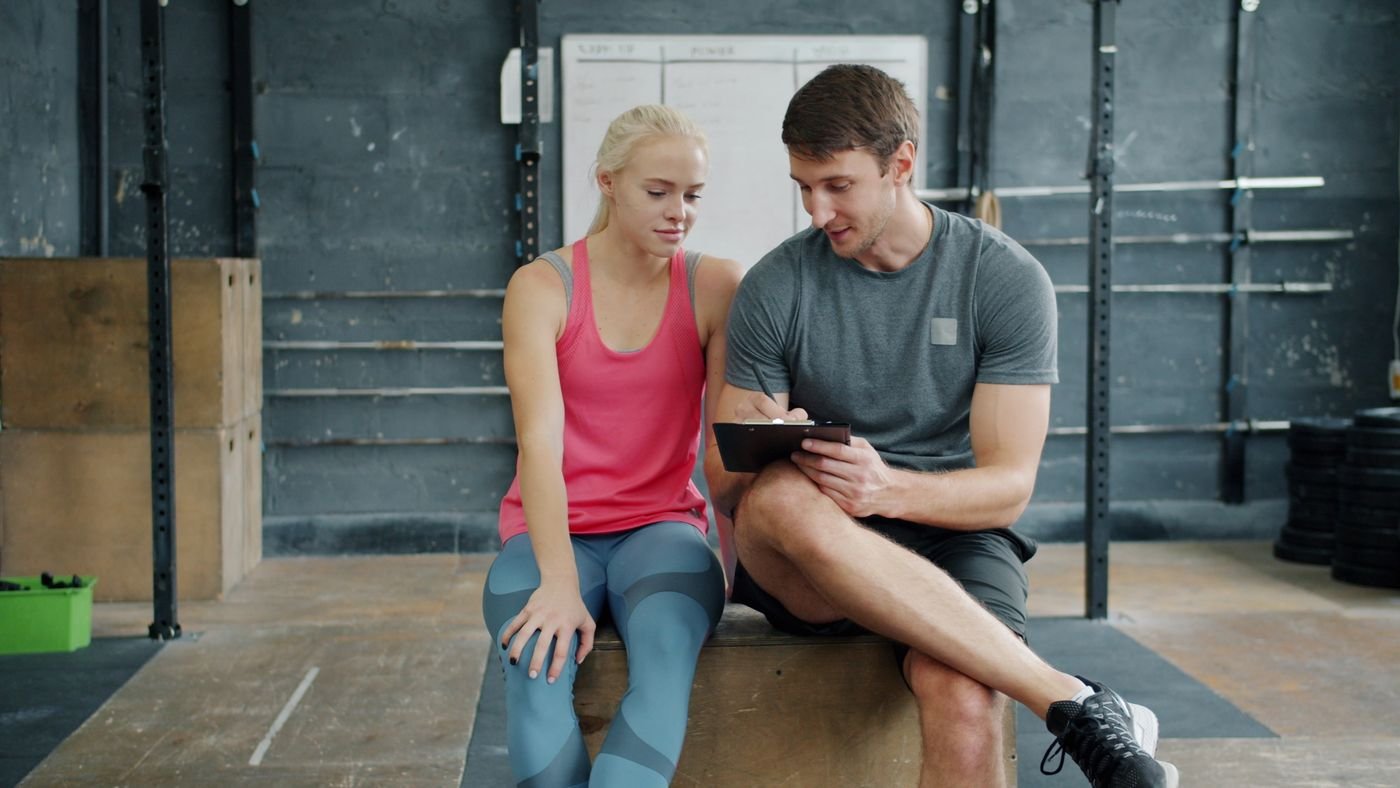
A useful fitness dashboard can be surprisingly small. Start with one outcome, one process measure and one recovery observation. A strength trainee might follow a key lift, the number of planned workouts completed and a simple sleep-quality note. Someone increasing activity might track a weekly step average, days spent moving outdoors and whether a familiar walking route feels easier.
Choose weekly averages and multiweek trends instead of daily verdicts. A seven-day average smooths out weather, travel and occasional unusually active days. A four-week lifting log shows whether performance improves despite a few tired sessions. Ask what decision each metric can change. If you would do nothing differently after seeing a number, it probably does not need a place on the main screen.
Use thresholds gently. If movement falls for two weeks because work becomes sedentary, add a lunch walk. If several lifting sessions worsen while sleep and soreness deteriorate, consider temporarily reducing volume. If performance and enjoyment are improving, resist adding complexity simply because a new app feature appeared. A good tracking system becomes easier to use over time.
Review the dashboard with curiosity rather than self-criticism. What helped you stay consistent? What got in the way? What should you repeat? A useful measurement system makes the next decision easier. It does not demand perfect streaks, perfect numbers or a perfectly predictable life.
Funny Gym Shirts & Workout Gear
Funny gym shirts, tanks, hoodies and workout gear for lifters who like training hard.

Habit Stoic Meme : Lifting & Ancient Greek God T-Shirt
Show some bodybuilding attitude with a playful “Habit Stoic Gym Meme” tee.

Shirt Motivational Weight Stack & Gymbros T-Shirt
Bring “Motivational Weight Stack” humor to your next gym day.

Live Love Lift Muscle Shirt Athletic Vest Gymbro Workou Tank Top
Train hard, laugh a little, and rep “Live Love Lift”.

Be Stronger Than Your Excuses Funny Gym
Bring “Be Stronger Than Your Excuses” humor to your everyday gym style.

Shirt – Donut Give Up & Gymbros – With Meme T-Shirt
Make gym days more fun with “Donut Give Up” style.

Be A Beast Meme Shirt – Motivational & T-Shirt
Show some powerlifting attitude with a playful “Be A Beast” tee.

Fight Your Inner Demon Sweater & Meme Fans T-Shirt
For laid-back days and leg-day humor: “Fight Your Inner Demon”.

Rest Day Sloth – Essential T-Shirt
Show some bodybuilding attitude with a playful “Rest Day Sloth” tee.

One More Rep Shirt: Motivational & T-Shirt
Make gym days more fun with “One More Rep” style.

Everything Hurts And I'M Hungry Motivation T-Shirt
Keep things casual with a little “Everything Hurts And I'm Hungry” attitude.
A four-week experiment: keep the benefits, lose the pressure

During week one, observe your habits without changing the plan. Note which alerts motivate you and which interrupt the day. Record a baseline weekly step average if walking matters, or a few stable lifts if strength is the goal. Pay attention to how you feel after checking the app. Does it clarify progress or make you anxious about another number?
In week two, turn off unnecessary notifications. Keep one or two reminders that support useful behavior, such as taking a short walking break during a long workday. Hide calorie-burn estimates if they tempt you to eat or exercise according to uncertain calculations. Replace a rigid daily quota with a realistic weekly movement target that leaves room for recovery.
During week three, schedule one activity purely for enjoyment. Walk with a friend, swim, play a sport or lift without watching a calorie counter. You can record the session afterward, but do not interrupt it to chase a score. Compare the experience with a fully tracked workout. The objective is not to prove that technology is bad. It is to test whether you can benefit from it without depending on it.
In week four, review what actually changed. Did you train more consistently, gain confidence or notice useful trends? Did the device create pressure or distract from movement you enjoyed? Keep features that helped and retire those that did not. The best tracker is not the one that produces the most data. It is the one that helps build a healthy, capable body while leaving room to enjoy using it.