Advertising disclosure: This page includes affiliate product links that may earn us a commission, as well as products from our own store.
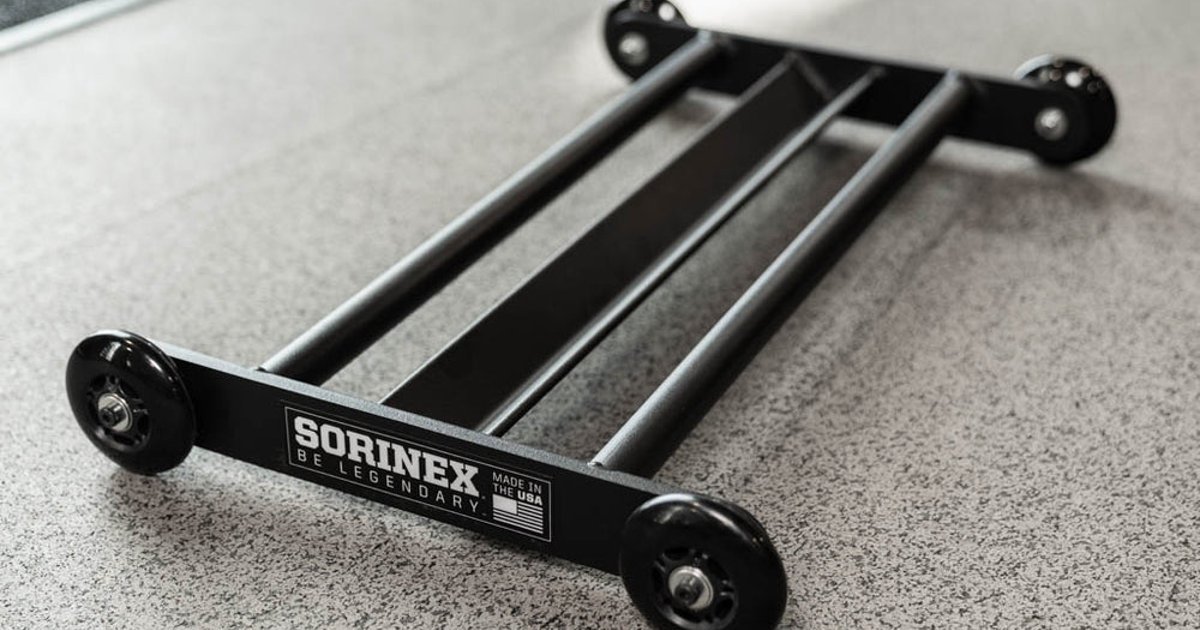
The Sorinex Glute Ham Roller looks almost too simple beside a full leg-curl machine: a low frame, four wheels and a place to rest your heels. That simplicity is the point. It offers a rolling support for floor-based training without a seat, a weight stack or a large fixed station.
Whether it belongs in your setup depends on the exercise you need, the floor you have and how you intend to progress. This is a specification-led buying guide, not an MMP hands-on review. The useful comparison is not whether a small roller can look as impressive as a commercial machine. It is whether it supplies a movement your current training lacks.
What the Sorinex Glute Ham Roller actually provides
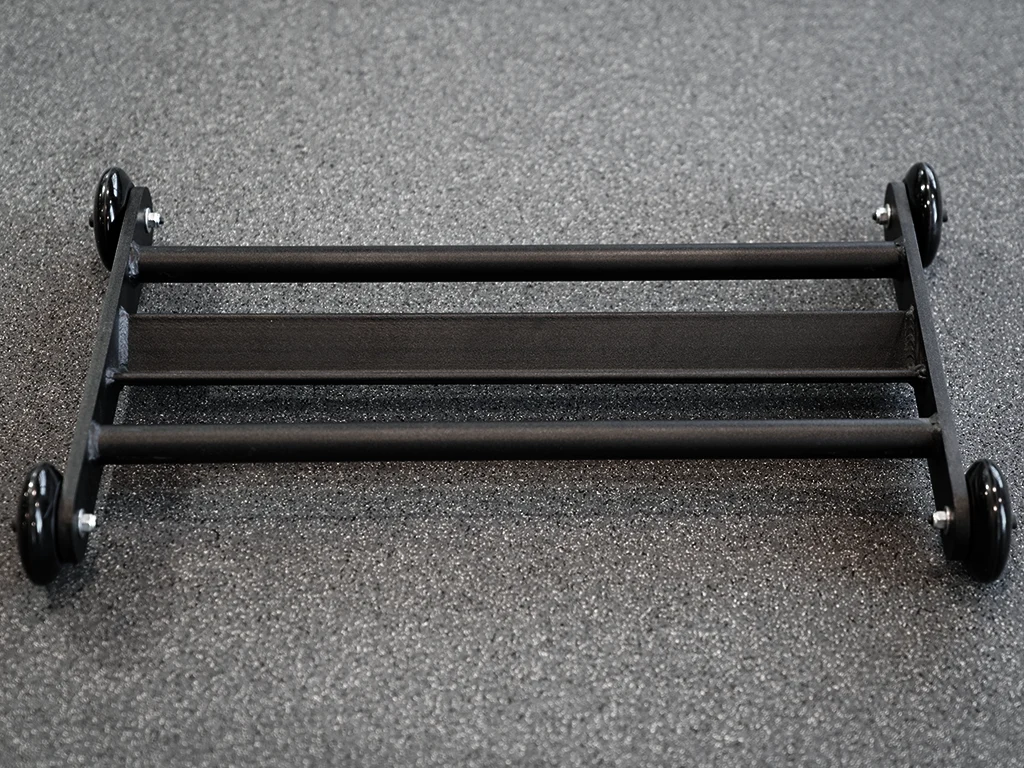
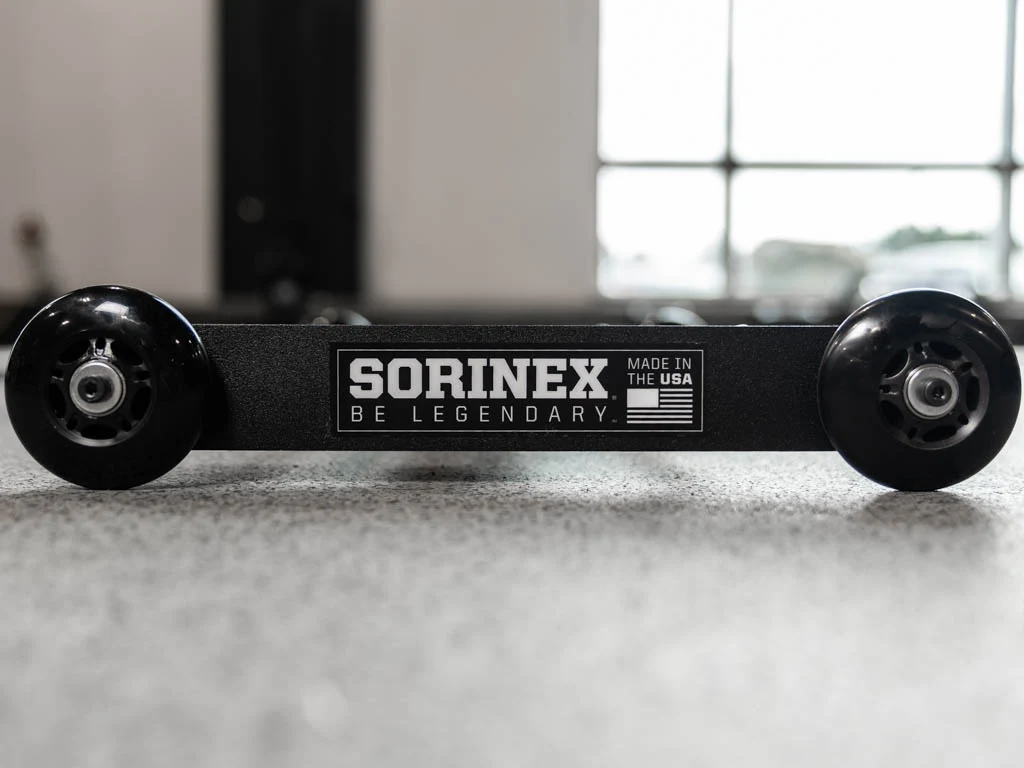
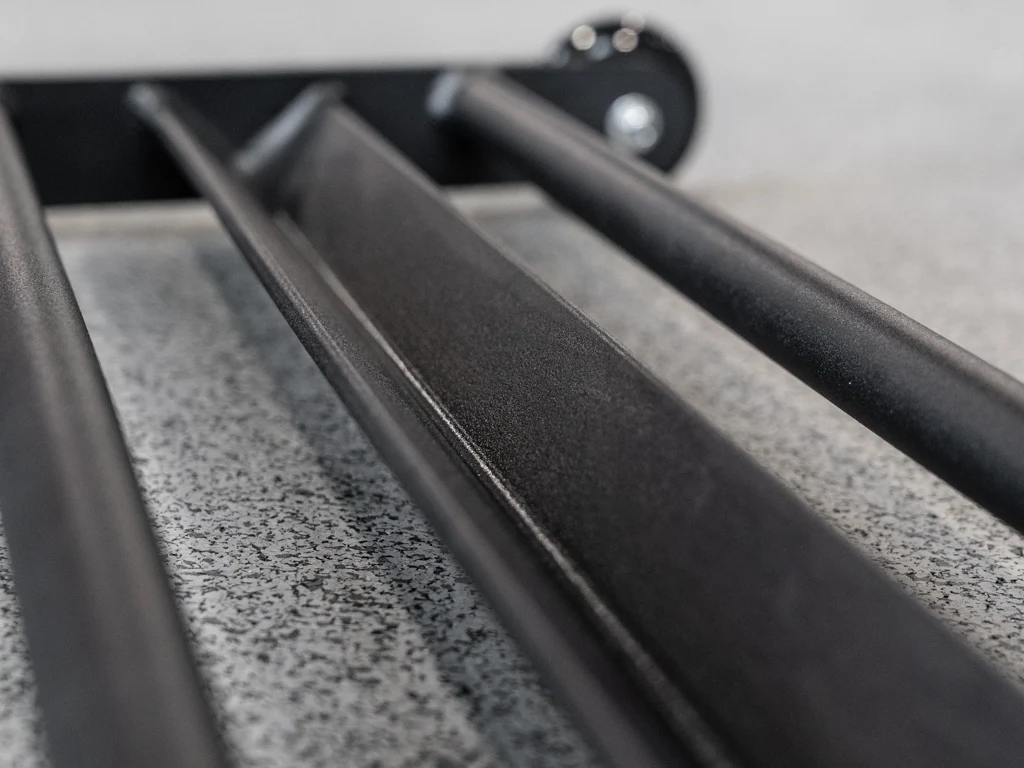
The listed unit measures 15.75 inches long by 25.25 inches wide and weighs 20 pounds. Its central V-shaped support is intended for heels or toes, and the wheels are described as black urethane with ABEC 5 bearings. These details identify the actual product rather than a generic furniture dolly or a pair of exercise sliders.
The U.S. listing showed a $144 starting price when checked on November 23, 2026. Treat that as a listing snapshot: configuration, taxes and delivery can alter the amount you pay. A separate ten-unit package with a rolling storage cart is also described. Do not assume that a cart or every pictured storage accessory accompanies a single roller.
The frame is not a weight stack. Its own listed weight does not mean that a hamstring curl provides twenty pounds of exercise resistance. Body position, the movement and the support conditions influence the task. There is no useful conversion here into a seated-curl stack setting or an equivalent dumbbell load.
That is the first buying decision: do you want rolling floor support, or do you actually want a seated or lying machine with an adjustable external load? Both can belong in leg training, but they solve different equipment problems. Write down the missing exercise before deciding that the smallest option is automatically the best value.
Check the floor and the whole movement area
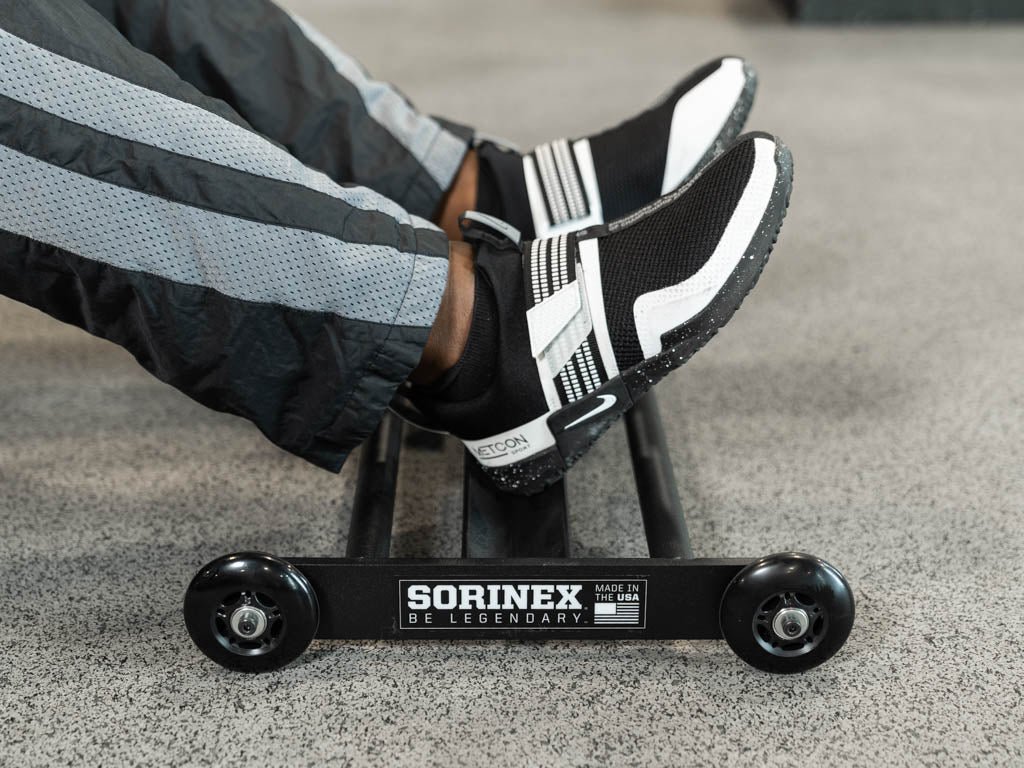
The roller’s parked footprint is only part of its space requirement. A floor curl also needs room for your body and for the frame to travel. Check the usable area in the position where you would train, including nearby rack feet, benches, walls and other people’s routes through the room.
Leave a clear route to get down to the floor and stand up again without stepping over equipment.
A clear, level surface is a practical starting point. Inspect mat joins, gaps, loose edges and debris rather than assuming that any rubber floor will behave the same way. Keep the area dry and avoid placing a rolling exercise device across an obvious seam or obstruction. General facility maintenance guidance emphasizes these basic floor conditions for good reason.
For a supine curl pattern, your heels move toward and away from your hips while your body controls its position. Similar-looking exercises performed on a stability ball have their own balance demands. They can explain the broad movement idea, but a ball tutorial is not a product-specific instruction manual for this roller.
Use the intended contact points, follow the current product guidance and begin with a movement you can control. A short, deliberate range is more useful than forcing a longer excursion that makes you lose position. Stop if you feel pain or become unwell, and get coaching when the setup or movement is unfamiliar.
Also consider where your upper body will rest. A mat can improve comfort, but it should not introduce a shifting edge into the roller’s path. The body support area and the rolling lane do not have to be the same surface; what matters is that the actual arrangement works safely together.
Make progression measurable without inventing a load number
A simple tool still needs a clear training task. Record the exercise variation, repetitions, range of movement and how you control the return. If you change those details every session, an extra repetition may reflect an easier setup rather than improved capacity.
Start with repeatability. Establish a version you can perform smoothly, then judge the next session against the same version. A practical log might note whether the hips remained controlled, whether the roller followed the intended path and where the set stopped. Those observations are coaching cues, not laboratory measurements of muscle activation.
Change one meaningful variable at a time. You might gradually extend a controlled range or add repetitions while keeping the rest of the setup similar. More demanding variations or extra resistance should follow suitable instructions and your ability, rather than being improvised because the basic frame has no stack selector.
There is no need to make every accessory set a maximum-effort test. A sustainable program can adjust workload to your experience and goals. If a variation becomes so difficult that you cannot repeat the intended movement, scale it back instead of treating the struggle itself as proof of a better stimulus.
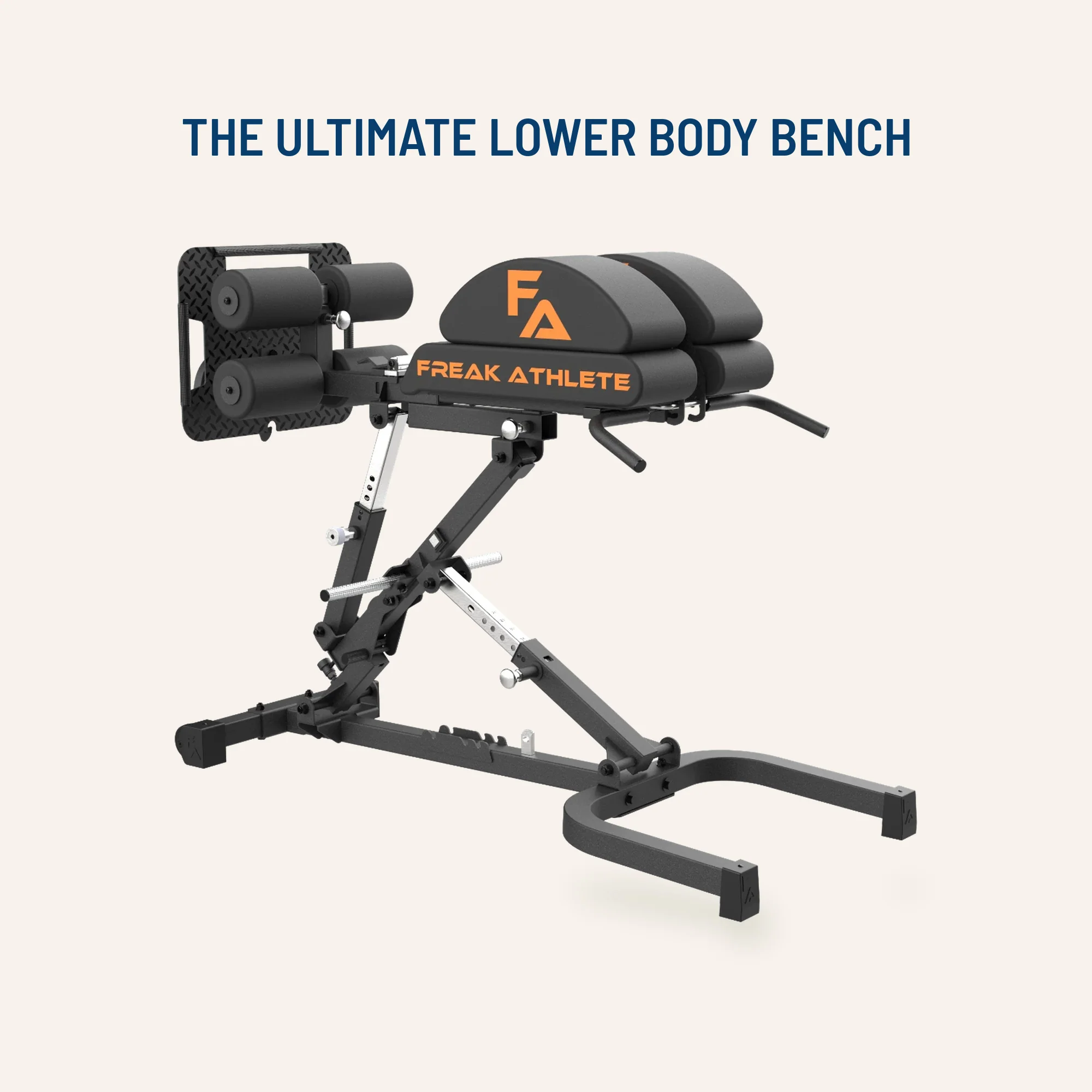
When comparing equipment, distinguish knee-flexion tools, hip-extension stations and general leg machines. A Nordic station, a glute-ham developer, a hyperextension bench, a leg-curl attachment and a leg press have different support arrangements and movement roles. A wider leg-training station may be useful even when its main exercise is not the floor curl you originally wanted.

Equipment Worth Exploring
Explore equipment, accessories and gear from our carefully selected range.


45° Hyperextension HPX-650
Angled back-extension trainer with split padding, a ribbed footplate and resistance-band pegs.

Glute Ham Developer GHD-820
Adjustable glute-ham developer with contoured pads and a fold-out knee support.

Leg Extension/Curl BCO-780
Leg extension and lying leg curl combo with plate loading, band pegs and a cable-loading option.

Seated Leg Combo BCO-680
Adjustable seated leg extension and leg curl machine with band pegs for added resistance.

Studio Glute Drive
Plate-loaded hip-thrust machine with supported back pad and adjustable foot platform.

Leg Press/Hack Squat BPR-790
Convertible 45-degree leg press and hack squat machine with a broad footplate and band pegs.

Compact Leg Press CLP-700
Compact reverse-style leg press with a moving seat carriage and an adjustable footplate.
Compare the movement you need, not just the product size
A wheeled floor curl changes the relationship between your body and the support beneath your heels. A seated leg-curl machine places you in another position and usually offers a different loading arrangement. A Nordic curl anchors the lower legs while the body moves around the knees. Calling all three hamstring exercises does not make their demands interchangeable.
Hip-hinge exercises add another distinction. A Romanian deadlift with dumbbells or a barbell is not a rolling knee curl. It can be part of a balanced lower-body routine without replacing every other movement. Decide whether you are trying to add a curl, improve a hinge setup or simply organize your leg sessions more clearly.
Likewise, a bench, rack, kettlebells, dumbbells, plates and collars support broader strength work. They should be chosen for the exercises you actually intend to perform. Buying several alternatives to one missing accessory can cost more and create more clutter than selecting a suitable solution once.
If you already have access to a comfortable leg-curl machine and use it consistently, the roller needs a specific additional purpose to justify its place. If your training area lacks any convenient curl option, the same small frame may be more interesting. Context changes value more than a claim that one category is universally superior.
Keep outcome claims equally specific. Evidence about another exercise or a general resistance-training program cannot establish that this branded roller prevents injuries, produces more muscle or replaces a particular machine. Evaluate the features you can verify and the training task you can explain.
Equipment Worth Exploring
Explore equipment, accessories and gear from our carefully selected range.


Rubber Hex Dumbbells
Rubber-coated hex dumbbell pairs with a stable shape for home and commercial strength training.


Cast Iron Kettlebells
Textured cast-iron kettlebells for swings, squats, carries, and full-body training.



Plan storage, inspection and the next training session
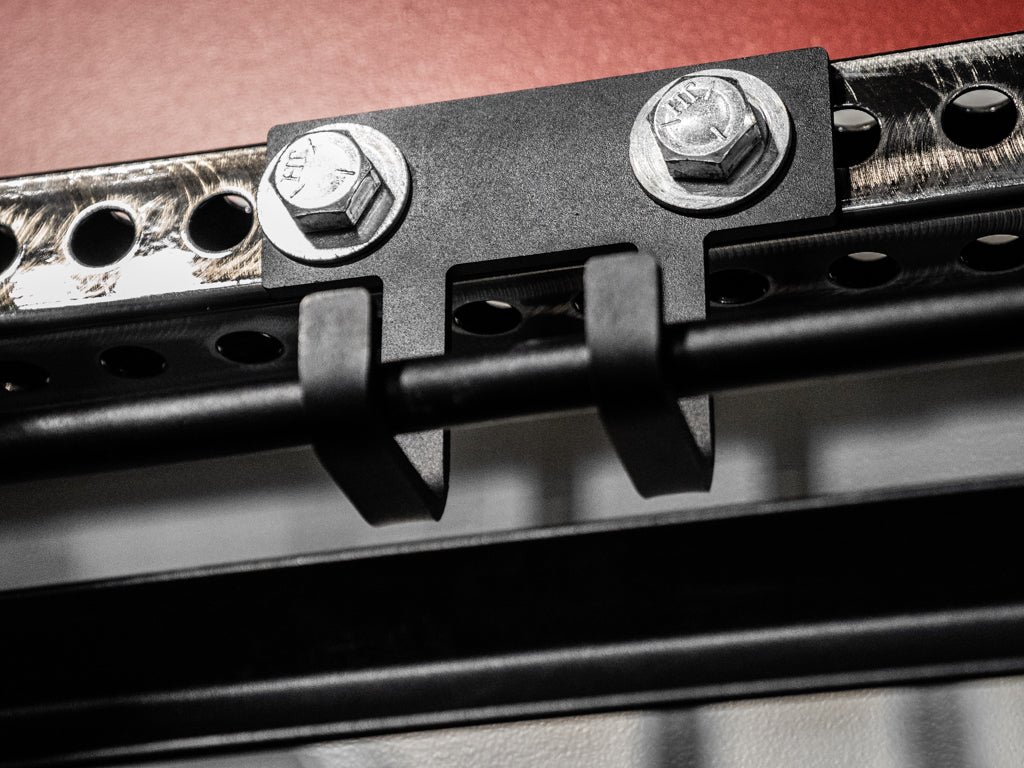
Portability does not eliminate storage planning. A twenty-pound frame still needs a secure place where it will not roll into a walkway or be buried beneath other equipment. Measure the proposed storage location as well as the exercise lane. Check whether any bracket or cart you want is a separate purchase and is suitable for the arrangement you have.
Do not infer compatibility from a photograph of rack-mounted hooks. Confirm the exact hardware and mounting requirements before installing a storage accessory. Shared training rooms also need a clear return location so that a useful small tool does not become a recurring trip hazard.
Before use, inspect the frame, wheel condition and visible fasteners. If a component is damaged or the movement feels abnormal, stop using it until the problem is resolved. Cleaning the lane and returning the equipment after a session are basic habits that keep a simple setup practical.
Your first training goal should be modest: learn the intended setup, complete a controlled version and record enough detail to repeat it. Avoid changing the floor, exercise variation and stopping rule together, then calling the next result a personal best. A reliable baseline makes subsequent decisions easier.
The buying case is strongest when the roller has a defined role, a suitable surface and a repeatable place in your program. If those pieces are missing, resolve them before adding another object to the room. A small training tool earns its space through useful sessions, not through the promise that simplicity alone guarantees results.

Leg Day Shirts & Workout Gear
Leg-day gym shirts and workout gear for lifters who never skip squats, lunges and lower-body punishment.

Never Skip Legday – Chicken Legs Meme , , & Leg Day T-Shirt
Heavy lifts, good laughs, and a little “Never Skip Legday” energy.

Legday – Squats & Deadlifts , Meme Top Bros & T-Shirt
Bring “Legday” humor to your next gym day.

Leg Day Is Calling You Squats & Deadlifts Meme Hoodie
Stay casual and show some leg-day attitude with “Leg Day Is Calling You”.

Negative Leg Day Review 1 Star Not Recommended Tank Top
Train hard, laugh a little, and rep “Negative Leg Day Review”.


Quadzilla Massive Quads Decal Leg Day Squat Meme Sticker
Stick a little “Quadzilla” humor on your favorite gear.

My Leg Hurts Leg Day Squat Lovers & Meme Fans Hoodie
Bring “My Leg Hurts” gym humor to lazy days and post-workout plans.

Shirt – Legendary Leg Day Meme Gymbros, & Fans T-Shirt
Make gym days more fun with “Legendary Leg Day Meme” style.

Shirt – Deadlift – Meme Gains & Bros T-Shirt
Heavy lifts, good laughs, and a little “Deadlift” energy.

Leg Day No Thanks Skip Leg Day Meme Sweater Squats T-Shirt
Show some gym-day personality with “Leg Day No Thanks”.